
Morocco: The Complete Travel Guide (2026)
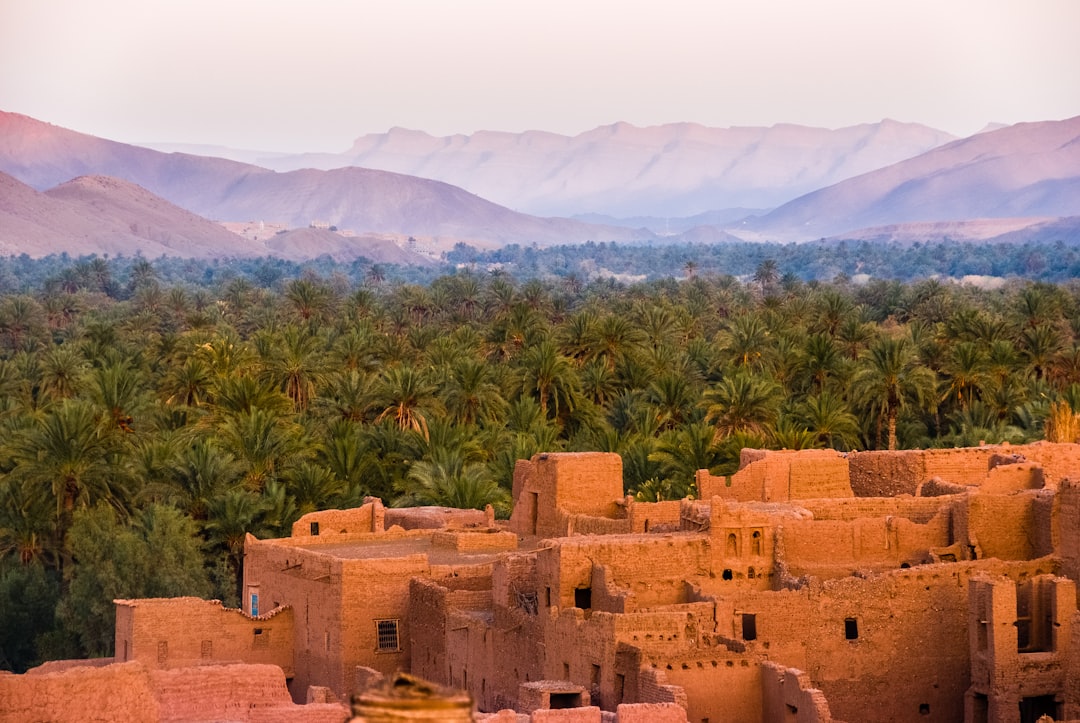
Morocco Travel Guide: Everything You Need to Know (2026)
Morocco, home to 36,828,330 people, sits at the northwestern tip of Africa where the Atlantic meets the Mediterranean, separated from Spain by just 14 km of water at the Strait of Gibraltar. Founded as a kingdom in 788 AD under Idris I, it spans terrain from Saharan dunes to Atlas peaks exceeding 4,167 m at Mount Toubkal. In 2026, it rides a tourism wave accelerated by co-hosting the FIFA World Cup in 2030, making early planning essential.
Three Things Not to Miss in Morocco
- Fes el-Bali Medina — The world’s largest car-free urban area, this UNESCO-listed medina contains over 9,000 alleys unchanged since the 9th century.
- Erg Chebbi Sand Dunes — Saharan dunes rising 150 m near Merzouga, best experienced on a camel at sunrise with zero artificial light pollution.
- Aït Benhaddou Ksar — A UNESCO-listed earthen fortress used in Gladiator and Game of Thrones, sitting above the Ounila River since the 11th century.
Scroll down for our complete travel guide with tips on getting there, where to stay, costs and more.
How to Reach Morocco
Which airports are the best entry points into Morocco?
**Mohammed V International Airport (CMN)** in Casablanca is Morocco’s primary hub for long-haul flights. In my experience, CMN handles the widest range of European, North American, and Gulf connections. **Marrakech Menara Airport (RAK)** is the second-best entry point, especially for travelers heading directly to the south or High Atlas. **Fes-Saïss Airport (FEZ)** serves budget carriers like Ryanair from **35+ European cities**. My tip: if your trip focuses on the north, **Tangier Ibn Battuta Airport (TNG)** saves you a long overland leg. The caveat most guides skip — CMN’s Terminal 1 can have passport control queues exceeding **90 minutes** during Ramadan season when Moroccan diaspora travel peaks.
How do I get from the airport to my first accommodation in Morocco?
From **CMN in Casablanca**, the **ONCF train (Al Bidaoui line)** runs directly to **Casa Voyageurs station in under 35 minutes** for around **MAD 45 (≈ USD 4.50)**. In my experience, this is the single smartest airport transfer in Morocco — clean, punctual, and cheap. From **RAK Marrakech**, no train exists; take a licensed petit taxi for **MAD 100–150** to the medina. The hidden caveat: drivers outside the arrivals hall are often unlicensed — always use the official taxi rank inside the terminal. From **FEZ airport**, a petit taxi to the medina costs **MAD 60–80** and takes roughly **20 minutes**. Avoid unmarked cars in every city — overcharging tourists by 300% is standard practice.
What transport options are there within Morocco?
Morocco’s intercity transport is genuinely good by African standards. **ONCF trains** connect **Casablanca, Rabat, Fes, Tangier, and Marrakech** reliably, with first-class tickets costing **MAD 100–250 (≈ USD 10–25)**. The **Al Boraq high-speed TGV** covers Casablanca to Tangier in **2 hours 10 minutes** for **MAD 270**. CTM and Supratours buses reach destinations trains don’t, including Agadir and Merzouga, for **MAD 80–180**. My tip: book CTM seats online at least **48 hours ahead** for weekend departures. The honest caveat — grand taxis (shared Mercedes sedans) are faster between mid-sized towns but pricing is opaque. Always negotiate before boarding, and expect to share with **5 strangers** in a car built for 4.
Do I need a rental car to explore Morocco?
For the imperial cities alone, no — public transport is sufficient. But for the **Draa Valley, Dades Gorge, Ait Benhaddou corridor, and Atlantic coast south of Agadir**, a rental car is transformative. I recommend it for anyone spending more than **7 days** and wanting flexibility. Budget for **MAD 350–600 per day** from reputable agencies like **Europcar or Avis at CMN**. The warning most blogs omit: Moroccan roads are technically paved but potholes on the **R203 Ouarzazate route** are severe — request a 4×4 for anything south of the Atlas. International Driving Permit is technically required but rarely checked. Fuel costs roughly **MAD 13.5 per liter** in 2026, and toll roads (autoroutes) add approximately **MAD 30–80** per long journey.
How good is the public transport network between regions in Morocco?
The rail network is excellent between the **Casablanca–Rabat–Kenitra–Fes–Tangier–Marrakech spine** — punctuality runs above **85%** on main lines. Outside this corridor, quality drops sharply. **CTM buses** are the backbone for reaching Agadir, Ouarzazate, and Nador — comfortable, air-conditioned, and reliable. Supratours, ONCF’s bus arm, fills the Marrakech-to-Agadir gap in **3.5 hours for MAD 110**. In my experience, the northeast (Oujda, Figuig) and deep south (Zagora, Dakhla) are genuinely hard to reach without a car or a private transfer. The honest trade-off: budget 30% more time than Google Maps suggests — road construction, police checkpoints, and livestock crossings are real factors on southern routes.
Finding a Base in Morocco
Which regions of Morocco should I stay in?
**Marrakech** is the default first base — central, well-connected, and packed within the medina walls. For culture depth, **Fes** is unmatched; stay inside **Fes el-Bali** at a riad for full immersion. **Chefchaouen** in the Rif Mountains suits hikers and photographers wanting cooler temperatures and quieter streets. **Essaouira on the Atlantic coast** is my personal favorite for wind, fresh seafood, and a genuinely relaxed pace compared to Marrakech. The **Draa-Tafilalet region** (Merzouga, Zagora) is essential for Saharan experiences. The caveat: staying only in Marrakech is the single biggest mistake I see repeat visitors make — Morocco’s regional diversity is its greatest asset and **70% of tourists never leave the city**.
What does good accommodation cost per night in Morocco?
A well-located riad in **Marrakech medina** with breakfast runs **MAD 600–1,200 (≈ USD 60–120)** for a double room in 2026. In **Fes el-Bali**, equivalent riads cost **MAD 400–800** — better value for the quality. Budget guesthouses in smaller towns like **Chefchaouen or Ouarzazate** start at **MAD 200–350**. Desert camps near **Merzouga with a private tent, dinner, and camel ride** cost **MAD 800–1,500 per person**. My tip: the best riads in Marrakech sell out **3–4 months ahead** for high season. The overlooked caveat — photos of riad courtyards are almost always the common area; actual room size is often just **12–16 m²**, so read dimensions, not just star ratings.
When should I book hotels in Morocco — how far in advance?
Book **at least 8–12 weeks ahead** for travel in March–April and October–November. For the **Marrakech medina specifically**, top-tier riads at **Riad Yasmine or Riad El Fenn tier** fill up **4–6 months out**. In my experience, budget accommodation in smaller towns stays available until **2 weeks before arrival** outside peak season. The critical warning: Morocco will co-host the **2030 FIFA World Cup**, and advance booking pressure is already being felt in 2026 as infrastructure events and fan tours ramp up. Avoid booking non-refundable rates on platforms — Moroccan riad owners are generally flexible with cancellations if you contact them directly, but OTA bookings are rigid.
When is the best time to travel to Morocco?
**October and November are the single best months** for a balanced visit — temperatures in Marrakech sit at **24–28°C**, the desert is accessible without heat risk, and crowds are 40% lighter than spring. **March and April** are the most photogenic, with wildflowers in the Atlas and stable weather. July is technically the peak month per climate analysis, but I personally avoid it — **Marrakech regularly hits 42°C** in July and the medina souks become genuinely uncomfortable. The coast (Essaouira, Agadir) remains pleasant year-round due to Atlantic breezes. The honest caveat: **Ramadan** (dates shift annually — in 2026 it falls around late February to March) transforms Morocco beautifully for cultural immersion but many restaurants close until sunset, complicating daytime meal plans.
How does peak season affect prices in Morocco?
High season (March–April and October–November) pushes **riad prices up 40–60%** compared to low season. In Marrakech, a room that costs **MAD 600 in January** typically runs **MAD 950–1,100 in April**. Desert camp rates near **Erg Chebbi spike 70%** during French and Spanish school holiday weeks. Guided tours to Aït Benhaddou see organized group prices climb from **MAD 300 to MAD 500 per person**. My tip: the week between **Christmas and New Year** is Morocco’s single most expensive stretch — European visitors flood the country and riad prices can triple. The overlooked benefit of low season (June–August): coastal towns like **Essaouira and Asilah** actually peak in summer with Moroccan domestic tourists, keeping quality restaurants fully open.
When to Travel to Morocco
Which regions of Morocco have different climate zones?
Morocco compresses **5 distinct climate zones** into one country. The **Mediterranean north** (Tangier, Chefchaouen, Tétouan) gets mild, wet winters and dry summers — similar to southern Spain. The **Atlantic coast** (Casablanca, Rabat, Essaouira) is moderated year-round by ocean winds, rarely exceeding **26°C**. The **High Atlas Mountains** experience snow from **November through April** above 2,000 m — I’ve been stuck at Tizi n’Tichka pass in late March behind snowplows. The **pre-Saharan south** (Ouarzazate, Zagora) is dry and hot, averaging **35°C+ in summer**. The **Saharan southeast** (Merzouga, Erg Chebbi) records temperatures above **45°C** in July–August. Plan your route to match the season — these zones are only **300 km apart** but feel like different continents.
What are the rainy seasons in Morocco?
Morocco’s rainy season runs **November through March** across the north and Atlantic coast. **Chefchaouen receives up to 800 mm annually**, concentrated in these months. In my experience, rain in the medinas of Fes and Marrakech is manageable — most souks are covered — but unpaved roads in the **Rif and Middle Atlas mountains become genuinely dangerous**. The **Saharan south is essentially rain-free year-round**, receiving under **50 mm annually** in Merzouga. The critical warning tourists miss: **flash floods in desert wadis (riverbeds)** kill people every year — the Dades and Todra gorges can fill with lethal speed after rainfall 100 km away, even under clear local skies. Never camp in a wadi regardless of weather forecast.
What does a trip to Morocco cost per person per day?
A realistic daily budget in Morocco breaks down by travel style. **Budget travelers spending MAD 300–450 (≈ USD 30–45)** can cover a hostel dorm, street food tagines, local buses, and medina entry fees. **Mid-range travelers at MAD 700–1,100 (≈ USD 70–110)** get a riad double room, restaurant meals, and occasional guided excursions. **Comfort travelers at MAD 1,500–2,500 (≈ USD 150–250)** access boutique riads, private drivers, and quality restaurants. My honest caveat: these figures exclude **guided Sahara overnight tours (MAD 1,200–2,500 per person)** and inter-city travel, which are major budget items. In my experience, most first-time visitors underestimate **souk spending by 50%** — the crafts, carpets, and leather goods are genuinely beautiful and hard to resist.
How expensive is food in Morocco?
**Street food and local restaurants are exceptionally affordable.** A harira soup and msemen bread breakfast costs **MAD 15–25 (≈ USD 1.50–2.50)**. A full tagine lunch at a local café in the medina runs **MAD 40–70**. Tourist-facing restaurants on **Djemaa el-Fna square in Marrakech** charge **MAD 120–200** for the same dish — a 200% markup. In my experience, the best couscous in Morocco costs **MAD 50–80** at a family-run restaurant one alley away from any main square. A fresh-squeezed orange juice — Morocco’s greatest street pleasure — costs **MAD 4–6** at any souk stall. The honest caveat: **alcohol is expensive and restricted** — a beer in a licensed hotel bar costs **MAD 40–80**, and most medina restaurants are dry, which surprises many European visitors.
What hidden costs should I expect when travelling Morocco?
**Unofficial guide fees are Morocco’s most common hidden cost.** Locals who approach you near medina entrances and ‘just show you the way’ expect **MAD 50–150** — agree upfront or decline clearly. **Tannery viewing platforms in Fes** are attached to leather shops where high-pressure sales follow; 30 minutes of your time is the real cost. **Photography fees** exist at key sites — **MAD 10–50** at souks, workshops, and some monuments. The **Djemaa el-Fna snake charmers and henna artists** charge **MAD 50–200** per encounter with no upfront warning. My tip: **hammam entry** at a tourist-facing hammam costs **MAD 100–200** vs. **MAD 15–25** at a local neighborhood hammam — ask your riad host for a genuine local recommendation, not the tourist circuit.
Daily Costs in Morocco
How much cash should I bring to Morocco?
**Bring enough to cover your first 2 days in cash — roughly MAD 800–1,200.** The Moroccan dirham (MAD) is a **controlled currency** and cannot be purchased abroad — exchange only happens inside Morocco. ATMs at **CMN airport’s arrivals hall** offer fair rates (Banque Populaire machines are most reliable). The critical warning: **Wafa Cash and CIH ATMs frequently decline foreign cards** — stick to **Attijariwafa Bank or BMCE ATMs**. Card acceptance is growing but still patchy — market stalls, petit taxis, and small riads are cash-only. I budget **MAD 300–500 per day in cash** beyond card spending. Keep **MAD 50 notes** for taxis and tips; **MAD 200 notes** are sometimes refused at small vendors. Exit Morocco with under MAD 1,000 — reconverting dirhams abroad is nearly impossible.
Which credit cards are accepted in Morocco?
**Visa and Mastercard work at most upscale hotels, riads, and larger restaurants.** American Express is accepted at **4- and 5-star properties only** — don’t rely on it elsewhere. In my experience, **supermarkets like Marjane and Carrefour** in Casablanca and Marrakech accept cards reliably. Tourist shops in the **Marrakech medina increasingly have card terminals** but often add a **2–3% surcharge** without disclosure. The honest caveat: **dynamic currency conversion (DCC) is aggressively pushed at terminals** — always choose to pay in **MAD, never in your home currency**, to avoid a hidden **4–7% conversion penalty**. Contactless payment works at modern terminals but PIN entry is still required at many older machines. My tip: notify your bank before travel — Moroccan transactions trigger fraud alerts at **UK and German banks** disproportionately.
Which regions of Morocco must I not miss?
**The Fes–Marrakech–Sahara triangle is non-negotiable for a first visit.** Beyond that, **Essaouira on the Atlantic coast** is the region I recommend most emphatically to repeat visitors — a Portuguese-walled medina, wind-sculpted harbor, and no hustlers. The **Souss-Massa region around Agadir** is underrated for birdwatching — **Souss-Massa National Park** protects the last wild population of Northern Bald Ibis. The **Rif Mountain corridor** (Chefchaouen to Ouezzane) offers trekking through cedar forests with **Barbary macaques** at Azrou. The honest caveat most itineraries miss: **the Middle Atlas — Ifrane, Azrou, Midelt corridor** is Morocco’s most undervisited region and delivers alpine landscapes, skiing at **Mischliffen**, and genuine non-tourist village life within **3 hours of Fes**.
What are the tourist highlights of Morocco?
**Fes el-Bali, Djemaa el-Fna, and Erg Chebbi** are Morocco’s three unmissable highlights. The **Majorelle Garden in Marrakech** (MAD 150 entry) is beautifully maintained by the Yves Saint Laurent Foundation and worth every dirham. The **Hassan II Mosque in Casablanca** — the world’s 7th-largest mosque, with a retractable roof and minaret at **210 m** — is open to non-Muslims on guided tours for **MAD 130**. **Ait Benhaddou ksar** near Ouarzazate anchors the best day trip from Marrakech. My personal highlight that surprises visitors: **Volubilis Roman ruins** near Meknes — the best-preserved Roman site in North Africa, covering **42 hectares**, and half the crowds of comparable European sites, for just **MAD 70 entry**.
What experiences in Morocco are found nowhere else on earth?
**Sleeping in a traditional Saharan desert camp under zero light pollution at Erg Chebbi is genuinely unreplicable.** Morocco also offers the only place on earth where you can ski the **Atlas Mountains at Oukaimeden (2,650 m altitude)** and drive to a Saharan dune field in the same day — **4.5 hours separates snow and sand**. The **Fes tanneries (Chouara Tannery)** — where leather has been dyed in stone vats using the same pigeon dung and saffron methods since the **11th century** — exist nowhere else. In my experience, Morocco’s **Gnawa music festivals in Essaouira** (June) are among the most spiritually charged live music events in the world, drawing **500,000 attendees** to a town of 75,000. The **argan oil cooperatives near Agadir**, where Berber women hand-press oil from Argania spinosa trees found only in Morocco, are a meaningful stop beyond the souvenir pitch.
Morocco Region by Region
Which areas of Morocco are overcrowded — and what are the quieter alternatives?
**Djemaa el-Fna in Marrakech and the Chefchaouen blue alleys are Morocco’s two most overcrowded spots.** Djemaa el-Fna at 11 AM is a sweaty, hustler-heavy tourist circuit — visit at **6 AM instead** when locals set up and the atmosphere is authentic. Chefchaouen’s famous **Ras Elma street** is photographed by **2,000+ tourists daily in July** — hike instead to the **Spanish Mosque above town** for panoramic views and genuine quiet. The alternatives: **Asilah on the Atlantic coast** — a whitewashed Portuguese town with an extraordinary international mural festival in August, far less visited than Chefchaouen. **Taroudant** near Agadir is called ‘the little Marrakech’ but feels like Marrakech in **1985** — intact medina, zero hustlers, and riads at half the price. **Moulay Idriss Zerhoun** near Meknes was closed to non-Muslims until 2005 and still receives a fraction of deserved visitors.
How many days do I need to properly explore Morocco?
**14 days is the minimum for a meaningful circuit; 10 days is the real-world average.** A focused **7-day trip** can cover Marrakech, a Sahara overnight at Merzouga via Ouarzazate, and Essaouira — but you’ll be moving fast. In my experience, the **imperial cities circuit (Casablanca–Rabat–Fes–Meknes–Marrakech)** alone merits **10 days** done properly. For the full country — north coast, Rif Mountains, imperial cities, Atlas, and Sahara — allow **21 days**. The honest caveat: **travel days in Morocco are longer than they look on a map**. The **Marrakech-to-Merzouga route** via Aït Benhaddou and Dades Gorge takes **8–10 hours by car** — most itineraries underestimate this and end up doing it in the dark, missing the landscape entirely.
Do I need a visa to enter Morocco?
**Citizens of the EU, USA, UK, Canada, and Australia get 90 days visa-free.** Morocco maintains visa-free agreements with **68 countries** in 2026. The 90-day clock starts on entry and is not extendable inside Morocco — overstaying triggers fines at exit. In my experience, border officers occasionally question travelers with one-way tickets and no hotel bookings — carry **a printed hotel reservation for at least the first night**. The honest caveat: entry is at the border officer’s discretion, and **solo female travelers have reported being questioned** about purpose of visit more frequently than other demographics at land borders (notably Beni Ansar near Melilla). Citizens of **Algeria face a closed land border** — there is no legal overland crossing between Morocco and Algeria in 2026.
What languages are spoken in Morocco?
**Darija (Moroccan Arabic), Tamazight (Berber), and French are the three working languages of daily life.** French is essential — used in business, government, upscale hospitality, and urban signage. In my experience, **French alone gets you 90% of what you need in any city**. Spanish is widely understood in the north (Tangier, Tetouan, Chefchaouen) — a legacy of the Spanish Protectorate ending in **1956**. English is growing rapidly in tourism contexts but is not universal — your Fes medina guide will likely speak French, Arabic, and Spanish before English. The practical tip: learn **10 words of Darija** — ‘shukran’ (thank you), ‘la, shukran’ (no, thank you), and ‘bshal hada?’ (how much is this?) — and locals respond with immediate warmth that transforms negotiations entirely.
What cultural rules do I need to know before visiting Morocco?
**Dress modestly outside beach resorts — this is not optional, it’s genuine respect.** Cover shoulders and knees in medinas, mosques, and smaller towns — both men and women. **Non-Muslims cannot enter active mosques in Morocco** with 5 exceptions (Hassan II Mosque being the main one). During **Ramadan**, eating, drinking, or smoking in public during daylight hours is illegal for Muslims and deeply disrespectful behavior from tourists — find indoor spaces. The honest caveat many guides soften: **same-sex public displays of affection are illegal** under Moroccan law (Article 489) — penalties include prison, and enforcement does occur. **Photographing people without permission** is culturally inappropriate — ask first, especially in rural Berber villages. **The left hand is considered unclean** — always use your right hand for greetings and passing food.
Local Know-How for Morocco
How safe is Morocco for travelers?
**Morocco is one of Africa’s safest destinations — violent crime against tourists is extremely rare.** The biggest risk is **petty theft and scams**, concentrated in the Marrakech medina and Fes el-Bali tourist circuits. In my experience, **false guide scams** are the most common issue — someone offers help, leads you somewhere, then demands payment aggressively. Register your presence with your **embassy’s online portal** for the mountain and Sahara regions. The honest caveat: **solo female travelers face consistent, repeated verbal harassment in medinas** — not violent but persistent and exhausting. The **Rif Mountain region (between Chefchaouen and Al Hoceima)** has historically higher cannabis cultivation and occasional police checkpoints — stay on main roads and carry your passport. **Terrorism risk** is assessed as ‘medium’ by most Western governments — the 2018 Imlil murders prompted a significant security increase in the Atlas region.
What health precautions should I take before visiting Morocco?
**No mandatory vaccinations are required for Morocco from EU, US, or UK.** Recommended vaccines include **Hepatitis A, Typhoid, and a Tetanus booster** — all standard for North Africa. Rabies vaccination is worth discussing with your GP if you plan rural trekking — stray dogs and cats are everywhere in Moroccan cities. In my experience, **traveler’s diarrhea affects roughly 30% of visitors** — avoid tap water, ice cubes outside upscale hotels, and washed salads from street vendors. Stick to **bottled water (MAD 5–10 per 1.5 L)** throughout. **Pharmacies in Morocco are excellent and well-stocked** — look for the green crescent sign; pharmacists often speak French and can prescribe basic antibiotics directly. The overlooked risk: **sun exposure at Saharan altitude combined with Saharan heat** causes rapid dehydration — carry **2+ liters of water per person** on any desert excursion.
What SIM card or eSIM options are available in Morocco?
**Buy a local SIM at the airport arrivals hall for immediate connectivity.** Morocco’s three carriers are **Maroc Telecom (best rural coverage), Orange Maroc, and Inwi**. A **Maroc Telecom tourist SIM with 20 GB of data costs approximately MAD 99 (≈ USD 10)** and is valid for 30 days — available at their CMN airport counter. In my experience, **Maroc Telecom’s network is the only reliable option in the Atlas Mountains and Sahara** — Orange and Inwi drop to zero signal near **Merzouga and Toubkal base camp**. For eSIM users, **Airalo offers a Morocco 3 GB plan from USD 9** — convenient but only works if your phone supports eSIM and you configure it before landing. The caveat: **desert camps at Erg Chebbi have no signal at all** — download offline maps via **Maps.me or Google Maps** before you leave Rissani.
Which apps do you recommend for travelling Morocco?
**Google Maps works well in cities but fails in medina alleys — download Maps.me offline maps before arrival.** For transport: **ONCF’s official app** (clunky but functional) handles train bookings; **CTM’s website** books long-distance buses. **Google Translate with Arabic and French downloaded offline** is essential — the camera OCR mode translates handwritten Arabic menus in real time. **Tripadvisor Morocco** is less useful than in Europe — many of the best local restaurants have zero online presence. In my experience, **WhatsApp is Morocco’s primary communication tool** — riad owners, guides, and drivers all use it for confirmation and directions. **XE Currency** for quick dirham conversions. The surprise tip: **Glovo food delivery operates in Casablanca, Rabat, and Marrakech** — genuinely useful for hotel nights when you don’t want to navigate the medina after dark.
What are the most common traveller mistakes in Morocco?
**The single biggest mistake is booking a packed 7-day itinerary that rushes every destination.** Morocco requires decompression time — medinas cannot be understood in 3-hour windows. Mistake 2: **trusting ‘closed today, follow me’ locals outside major sites** — Fes tanneries and Marrakech souks are never closed, the claim exists solely to redirect you to a commission shop. Mistake 3: **skipping Fes in favor of a third day in Marrakech** — Fes is the more complex, rewarding, and authentic city. Mistake 4: **exchanging currency at airport exchange desks before the ATM line** — desk rates are **8–12% worse** than ATM rates inside Morocco. Mistake 5: underestimating **the physical demands of medina navigation** — Fes el-Bali has **9,400 alleys** and first-time visitors reliably get lost for **45–90 minutes** without a guide. Hire a certified guide from your riad for the first morning — **MAD 150–250 for 3 hours** is the best money you’ll spend.
Explore Morocco by Region
Morocco at a Glance
| Population | 36,828,330 |
|---|---|
| Currency | Moroccan dirham (DH) |
| Official language | Arabic, Standard Moroccan Tamazight |
| Time zone | UTC+01:00 |
Source: Wikidata, retrieved August 2026.
Essential Resources for Planning Your Trip to Morocco
- Africa Watch: Morocco tourism gains momentum — official visitor information, passes & events
- Wikipedia: Morocco — history, geography & background
- Wikivoyage: Morocco — community travel guide & practical tips
- Morocco Travel 2026 – Lonely Planet | Africa — expert itineraries & travel inspiration
- THE 15 BEST Things to Do in Morocco (2026) — hotels, restaurants & traveller reviews
- Travel info – Getting around Morocco — how to get around
- Numbeo: Cost of Living in Morocco — current prices & cost comparison
- Timeanddate: Morocco Weather & Climate — forecasts & climate statistics
More Perspectives on Morocco
- The Ultimate Morocco Travel Guide and Hidden Gems
- Morocco: Travel Tips For The First-Timers
- A few hints and bits of advice for those going to Morocco for …
Morocco Travel Videos
Watch these videos for a visual preview before your trip:
- Morocco: What to Know Before You Visit Morocco
- MOROCCO: 22 DO’s and DON’Ts for Marrakech, Fes, and the Sahara Desert
- MOROCCO TRAVEL | 10 Beautiful Places To Visit In Morocco (+ Itinerary Suggestions)
Morocco Travel Discussions on Reddit
Real traveller experiences and community advice:
- Morocco used to be a dream destination, is it THAT bad?
- How do you feel about Morocco? : r/travel
- I’m thinking of traveling to Morocco but I’m confused …
Data Sources
This page was compiled using data from Wikipedia, Wikidata, Open-Meteo (climate), Numbeo (cost of living) and REST Countries. Information is updated regularly.