
Serbia: The Complete Travel Guide (2026)
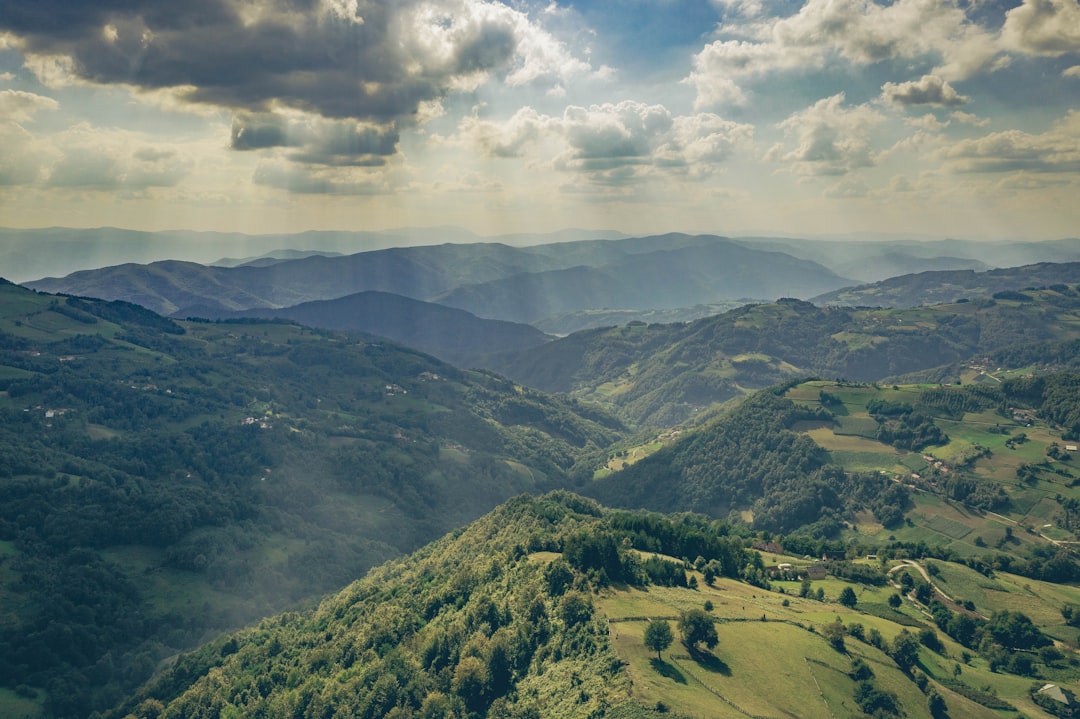
Last reviewed: August 2026 · key facts checked against Wikidata
Serbia Travel Guide: Everything You Need to Know (2026)
Serbia is a landlocked Balkan nation of 6,605,168 people, wedged between Hungary, Romania, Bulgaria, North Macedonia, Croatia, Bosnia and Herzegovina, and Montenegro. Belgrade, the capital, sits at the confluence of the Sava and Danube rivers and has been continuously inhabited for over 7,000 years. What surprises most first-time visitors is how much Serbia packs in — medieval monasteries, dramatic gorges, thermal spas, and one of Europe’s most electric nightlife scenes — all at prices that feel like a decade ago.
Three Things Not to Miss in Serbia
- Đavolja Varoš (Devil’s Town) — Surreal rock formations standing up to 15 metres tall, shaped by erosion over millennia — Serbia’s most otherworldly landscape.
- Kalemegdan Fortress, Belgrade — A 2nd-century fortress commanding the Sava–Danube confluence, free to enter and stunning at sunset.
- Studenica Monastery — A UNESCO-listed 12th-century monastery with original Byzantine frescoes, considered the crown of Serbian medieval art.
Scroll down for our complete travel guide with tips on getting there, where to stay, costs and more.
Arriving in Serbia: Airports & Transport
Which airports are the best entry points into Serbia?
Belgrade Nikola Tesla Airport (BEG) is Serbia’s overwhelmingly dominant gateway — it handles over 5 million passengers annually and connects to 40+ countries. In my experience, flying into BEG and basing yourself in Belgrade first is the smartest move for any itinerary. A secondary option is Niš Constantine the Great Airport (INI), served by Wizz Air and Ryanair from Western Europe, which is ideal if your trip focuses on southern Serbia or the Kopaonik ski region. My tip: INI often prices 30–50% cheaper than BEG on budget carriers, but connections are sparse — check schedules carefully because cancellations in low season are a real risk most budget guides ignore.
How do I get from the airport to my first accommodation in Serbia?
From Belgrade Nikola Tesla Airport (BEG), the fastest affordable option is the A1 minibus, which runs every 30 minutes to Slavija Square in central Belgrade for around RSD 400 (≈ €3.50). The journey takes 30–40 minutes depending on traffic. Taxis from the official rank cost approximately RSD 2,000–2,500 (≈ €17–22) to the city centre — always use the official Pink Taxi or Car:Go app to avoid overcharging. What surprised me: Uber operates in Belgrade and is often cheaper than street taxis. The honest caveat — rush hour on the E75 motorway corridor can add 25 minutes, so budget extra time for early-morning or late-afternoon arrivals.
What transport options are there within Serbia?
Serbia’s backbone transport options are intercity buses, trains, and private taxis or rideshares. The bus network is the most reliable, connecting Belgrade to Novi Sad (75 minutes, ≈ RSD 700), Niš (3 hours, ≈ RSD 1,200), and Novi Pazar (4 hours) from the BAS Bus Station in Belgrade. Trains exist but are slow — the Belgrade–Novi Sad rail link, part of the modernised corridor, is a notable exception at 35 minutes for ≈ RSD 350. I recommend the Car:Go app for point-to-point rides within cities. The honest trade-off: rural areas like Tara National Park or Zlatibor plateau have infrequent bus service, so without a car you will be largely stuck near the main road stops.
Do I need a rental car to explore Serbia?
For Belgrade and Novi Sad alone — no. For rural Serbia — absolutely yes. In my experience, the monasteries of the Raška region (Studenica, Žiča), the gorges of Uvac, and villages on Stara Planina are nearly inaccessible without your own wheels. Rental cars from Sixt or Europcar at BEG start at around €25–35 per day for a compact. Roads in Serbia are generally in decent condition on main routes, but mountain roads in areas like Mećavnik are narrow and unpaved. The critical caveat most travellers overlook: Serbian roads have a high accident rate — drive defensively, especially at night on unlit rural routes. A vignette (highway toll sticker) costs ≈ RSD 1,800 for 7 days and is mandatory on motorways.
How good is the public transport network between regions of Serbia?
Between major cities, Serbia’s bus network is genuinely good. Lasta, Niš-Ekspres, and Fudeks bus companies cover corridors hourly in peak periods. The Belgrade–Novi Sad express train runs every 35 minutes and is excellent. However, inter-regional connectivity drops sharply once you leave the E75 and E763 corridors. Reaching Kopaonik by public bus requires a change at Brus and a taxi for the final stretch. The train network outside the Novi Sad corridor is painfully slow — the Belgrade–Bar (Montenegro) overnight train takes 9–10 hours for 476 km. My tip: for a multi-region Serbia trip, plan your itinerary around bus hubs like Čačak, Kraljevo, and Niš rather than train stations.
Accommodation Across Serbia
Which regions of Serbia should I stay in?
I recommend anchoring your trip in Belgrade (Stari Grad or Savamala neighbourhood) for urban energy, then choosing one or two regional bases. Novi Sad suits culture lovers — it’s a compact, walkable city with the Petrovaradin Fortress and a slower pace. Zlatibor plateau (1,000 m altitude) is ideal for outdoor travellers, with excellent hiking trails and wooden architecture. Kopaonik is Serbia’s top ski resort and doubles as a summer hiking hub. If you want off-the-beaten-path Serbia, base yourself in Sokobanja (thermal spa town) or Novi Pazar for the Islamic heritage of the Raška region. The caveat: accommodation outside Belgrade and Novi Sad often requires advance booking through Serbian-language platforms like Halo Oglasi rather than international booking sites.
What does good accommodation cost per night in Serbia?
Good accommodation in Serbia costs significantly less than Western Europe. In Belgrade’s Stari Grad, a solid 3-star hotel runs €50–75 per night, while boutique options in Savamala reach €90–120. Hostels in Belgrade average €12–18 per dorm bed. In Novi Sad, expect €40–65 for a comfortable double room. Rural guesthouses (called ’seoski turizam’ or village tourism) on Zlatibor or Tara plateau cost €25–50 per night including breakfast — extraordinary value. The hidden cost most guides omit: many smaller guesthouses charge a tourist tax of RSD 100–200 per person per night, collected separately at check-in. Apartments via Airbnb in Belgrade’s Vracar neighbourhood can undercut hotels by 30–40% for stays of 3+ nights.
When should I book hotels in Serbia — how far in advance?
For Belgrade year-round, booking 2–3 weeks ahead is sufficient outside major events. The critical exceptions: Exit Festival in Novi Sad (July) sells out accommodation 3–4 months in advance, with hotels within 5 km of Petrovaradin Fortress filling first. Kopaonik ski season (December–March) requires booking 6–8 weeks ahead for peak weekends. What surprised me: Serbian national holidays — especially Orthodox Christmas (January 7) and Slava celebrations — trigger domestic tourism surges in spa towns like Vrnjačka Banja that catch foreign visitors completely off guard. My tip: always book directly with the property for rural guesthouses — you will often get a 10–15% discount and a more genuine experience than through international platforms.
When is the best time to travel to Serbia?
July and September are the optimal months based on climate data — and I agree from personal experience. July brings long days, warm temperatures ideal for river beaches along the Drina and Sava, and the Exit Festival in Novi Sad. September is my personal favourite: crowds thin noticeably after August, the Fruška Gora vineyards are in harvest, temperatures are comfortable for hiking, and the Trumpet Festival (Dragačevo) in Guča typically falls in late August–early September. Spring (April–May) is beautiful for monastery visits when the Raška valley blooms. Avoid mid-July to mid-August if you dislike heat — Belgrade regularly hits 38–40°C and the city empties as locals flee to the mountains or coast.
How does peak season affect prices in Serbia?
Serbia’s peak season price hikes are moderate compared to Western Europe but are real and growing. July–August sees Belgrade hotel prices rise 25–40% above off-season rates, driven partly by diaspora visitors returning for summer. Exit Festival week in Novi Sad is the single most expensive accommodation week in Serbia — Petrovaradin area hotels double or triple their standard rates. Kopaonik ski resorts spike in February school holidays, with lift passes reaching €35/day versus €25/day in quieter weeks. The honest trade-off: Serbia’s off-season (November–March) offers brutal prices but much of the outdoor appeal disappears. My recommendation: late September hits the sweet spot — post-summer prices, excellent weather, harvest festivals, and zero festival crowds.
Serbia Season by Season
Which regions of Serbia have different climate zones?
Serbia spans two distinct climate types. The northern Vojvodina plain has a continental Pannonian climate — hot, dry summers above 35°C and cold winters below -5°C — essentially flat agricultural land with the Danube and Tisa rivers as focal points. Central and southern Serbia transitions to a modified continental mountain climate: Kopaonik (Serbia’s highest peak at 2,017 m) receives reliable snow from December to March, while the Nišava valley around Niš is noticeably warmer and sunnier than Belgrade. The Đerdap gorge along the Romanian border creates its own microclimate, remaining green and mild even in late autumn. The caveat: mountain weather in Tara and Zlatibor can shift dramatically within hours — pack a waterproof layer regardless of season.
What are the rainy seasons in Serbia?
Serbia has no single defined rainy season — rainfall is distributed fairly evenly, but May–June and October–November see the highest precipitation. In Belgrade, June averages the most rainfall, often in the form of heavy afternoon thunderstorms rather than sustained rain — they typically clear within 2 hours. The Zlatibor and Tara mountain regions receive more precipitation year-round, with fog a frequent companion from October onwards. January and February bring snow to mountains but are relatively dry in the lowlands. What surprised me: the Vojvodina plain around Subotica occasionally experiences drought conditions in midsummer — the flatness accelerates evaporation. My tip: pack a compact umbrella for any visit, but don’t let rain forecasts deter you — Serbian summers recover fast after showers.
What does a trip to Serbia cost per person per day?
Serbia is genuinely affordable by European standards. A budget traveller staying in hostels and eating at local kafanas (taverns) can get by on €30–40 per day. A mid-range traveller — comfortable hotel, two restaurant meals, one attraction or activity — will spend €70–100 per day in Belgrade, less in rural areas. A comfortable splurge including boutique hotels and wine dinners in Belgrade’s Skadarlija district runs €130–180 per day. The honest caveat: alcohol is extremely cheap in Serbia — a 0.5L domestic beer costs RSD 200–300 (≈ €1.70–2.50) — and nightlife spending can quietly inflate your daily budget by €20–40 if you’re not careful. Factor in transport separately: a day trip by bus from Belgrade to Novi Sad adds only about €6 round trip.
How expensive is food in Serbia?
Food in Serbia is one of the most pleasant budget surprises in Europe. A full meal at a local kafana (traditional tavern) — think grilled mixed meats, salad, bread, and a drink — costs RSD 700–1,200 (≈ €6–10). A burek (meat-filled pastry) from a pekara (bakery) runs RSD 120–180 (≈ €1–1.50) and is the quintessential Serbian street breakfast. Sit-down restaurant mains in Belgrade’s Stari Grad average RSD 900–1,800 (≈ €8–15). Fine dining at places like Langouste in Belgrade reaches €25–40 per person without wine. The honest trade-off: touristy restaurants around Skadarlija charge 30% more and serve smaller portions than neighbourhood kafanas two streets away. My tip: always look for the handwritten daily special board — it’s the freshest, cheapest meal on the menu.
What hidden costs should I expect when travelling in Serbia?
Several costs catch travellers off guard in Serbia. The highway vignette is mandatory on motorways and costs ≈ RSD 1,800 for 7 days — traffic police check these routinely and fines are steep. Most national park entrance fees (Tara: RSD 300, Đerdap: RSD 500) are cash-only at the gate. ATM fees from Serbian banks (Banca Intesa, Raiffeisen) add RSD 150–250 per foreign withdrawal on top of your home bank’s charge. Tourist tax of RSD 100–200 per person per night is often not included in listed accommodation prices. What surprised me: Serbian restaurants rarely include bread, spreads, or mineral water automatically — these appear on the bill unbidden. Always confirm what you have ordered and check the itemised receipt carefully in tourist-area restaurants.
Budgeting Your Serbia Trip
How much cash should I bring to Serbia?
Bring enough to cover your first 2 days plus an emergency buffer — I suggest arriving with €100–150 converted to RSD (Serbian Dinar). ATMs from Banca Intesa and UniCredit are ubiquitous in Belgrade and Novi Sad and dispense RSD reliably. In rural areas — especially villages around Uvac gorge or Stara Planina — cash is the only option; markets, guesthouses, and roadside stalls rarely accept cards. The honest warning: exchange money only at licensed exchange offices (menjačnica) or ATMs — street exchangers at Nikola Tesla Airport arrivals offer poor rates. The official rate in January 2026 sits around 117 RSD per euro. My tip: withdraw larger amounts less frequently to minimise per-transaction ATM fees, and always keep RSD 1,000–2,000 in small bills for rural travel.
Which credit cards are accepted in Serbia?
Visa and Mastercard are accepted at most hotels, larger restaurants, and supermarkets throughout Serbia. American Express has very limited acceptance — I would not rely on it outside 5-star Belgrade hotels. The practical reality: Serbia is still heavily cash-dependent outside major urban centres. In Stari Grad and Savamala in Belgrade, card payments are smooth. Drive 90 minutes to a village in the Šumadija region and you will find cash-only operations everywhere. Contactless payments work at major chains like IDEA and Maxi supermarkets. The critical caveat most guides omit: inform your home bank before travelling — Serbian transactions frequently trigger fraud alerts, leaving you unable to use your card at the worst moment. Revolut and Wise cards work well and avoid foreign transaction fees.
Which regions of Serbia must I not miss?
Four regions stand out as non-negotiable. Belgrade’s Savamala district for urban culture and nightlife. Vojvodina — particularly Novi Sad and the Fruška Gora wine monasteries — for a gentler, Central European Serbia that most visitors skip. Western Serbia’s Zlatibor–Tara corridor for dramatic mountain scenery, the narrow-gauge Šargan Eight railway, and the open-air Drvengrad (Küstendorf) village built by director Emir Kusturica. The Raška region for UNESCO-listed monasteries — Studenica, Sopoćani, Mileševa — representing medieval Serbian culture at its peak. What surprised me: the Đerdap gorge along the Danube, containing the remains of Roman Emperor Trajan’s bridge abutments and the Lepenski Vir archaeological site (7,000-year-old civilisation), is breathtaking and almost entirely missed by foreign itineraries.
What are the tourist highlights of Serbia?
Serbia’s headline attractions span urban, historical, and natural categories. Kalemegdan Fortress in Belgrade is the emotional heart of the country — free to walk, stunning at dusk over the Danube. Novi Sad’s Petrovaradin Fortress (nicknamed Gibraltar on the Danube) hosts Exit Festival but is magnificent year-round. The UNESCO monastery circuit — Studenica (1190 AD), Žiča (1205 AD), and Sopoćani (1265 AD) — is Serbia’s greatest cultural treasure. Đavolja Varoš in southern Serbia presents 202 bizarre rock formations up to 15 m tall. Uvac gorge in western Serbia offers meander boat tours through canyon walls and griffon vulture sightings. The honest perspective: Serbian attractions require more independent effort than packaged Western European sights — but that effort is exactly what keeps them authentic and uncrowded.
What experiences in Serbia are found nowhere else?
Three experiences are uniquely Serbian. First: the Guča Trumpet Festival (Dragačevo Assembly) — 800,000 people descend on a village of 3,000 for 4 days of competitive brass music so intense it’s physically overwhelming; nothing in Europe compares. Second: a splavovi (river raft club) night on the Sava in Belgrade — massive floating nightclubs moored permanently to the riverbank, playing turbo-folk and electronic music until dawn, completely absent from typical European capital nightlife. Third: a meal at a seoska moba — a traditional communal Serbian feast in villages like Sirogojno on Zlatibor, where locals still prepare bread in outdoor clay ovens and roast lamb on an open spit. These aren’t staged for tourists — they’re living cultural practices that survive because Serbia developed its tourism sector later than its neighbours.
Which Part of Serbia to Choose
Which areas of Serbia are overcrowded — and what are quieter alternatives?
Kalemegdan in Belgrade and Skadarlija street get extremely crowded in summer — often uncomfortable by 11:00–15:00. My alternative: explore Zemun, Belgrade’s former Austro-Hungarian town 8 km upstream, which has the same quayside character and far fewer tourists. Kopaonik ski resort becomes genuinely overcrowded on Serbian school holiday weekends — try Stara Planina resort instead, which has comparable terrain, 30% lower lift pass prices, and almost no international visitors. Fruška Gora monasteries near Novi Sad are popular on weekends — visit on a Tuesday or Wednesday morning and you may be the only visitor at Krušedol monastery. The honest truth: Serbia overall remains undervisited by Western European standards — the crowding I describe is moderate compared to Croatia’s Dubrovnik or Slovenia’s Bled.
How many days do I need to see Serbia properly?
A meaningful Serbia trip requires a minimum of 7 days, and 10–14 days to feel unhurried. My recommended structure: 3 days in Belgrade (neighbourhoods, fortress, nightlife, day trip to Novi Sad), 2 days in Vojvodina (Novi Sad, Fruška Gora wine route), 2–3 days in western Serbia (Zlatibor, Tara, Šargan Eight train), and 2 days in the monastery corridor (Studenica, Žiča). Southern Serbia — Niš, Đavolja Varoš, Pirot — deserves at least 2 additional days. The honest caveat: Serbia’s distances look short on a map but mountain roads slow progress — the 240 km from Belgrade to Uvac gorge takes 3.5–4 hours by car. Don’t overpack the itinerary; one unplanned kafana lunch that turns into a 3-hour conversation is worth more than a rushed monastery tick.
Do I need a visa to visit Serbia?
Citizens of EU countries, USA, UK, Canada, Australia, and most Western nations can enter Serbia visa-free for up to 90 days — no advance arrangement required. Serbia is not an EU or Schengen member, which has an important practical consequence: your 90-day Schengen allowance resets when you enter Serbia, making it a useful base for longer Balkan itineraries. Citizens of approximately 100 countries can enter without a visa; check the Serbian Ministry of Foreign Affairs website for your specific passport. The critical caveat: if you enter Serbia from Kosovo, be aware that Serbia does not recognise Kosovo as independent, and entering Serbia after stamping through a Kosovo border post can cause complications — enter Kosovo from North Macedonia or Albania first to avoid issues.
What languages are spoken in Serbia?
Serbian is the official language, written in both Cyrillic and Latin scripts. In Belgrade and Novi Sad, English proficiency is high — especially among anyone under 40 years old in hospitality, retail, and services. What surprised me: Cyrillic signage on rural roads and in smaller towns like Vranje or Leskovac can disorient travellers used to Latin script — download a Cyrillic recognition app before you go. In Vojvodina, Hungarian is co-official in 7 municipalities and widely spoken around Subotica. In Novi Pazar, Bosniak is common alongside Serbian. My tip: learning a handful of Serbian words — hvala (thank you), molim (please), dobar dan (good day) — generates a disproportionate warmth from locals who genuinely appreciate the effort. Germans and Austrians will notice strong language familiarity due to historical emigration patterns.
What cultural rules do I need to know before visiting Serbia?
Serbian hospitality culture has specific expectations. When visiting a Serbian home, remove your shoes at the door — hosts will offer slippers. Refusing food or drink multiple times is genuinely offensive — accept at least the first offering. Orthodox church visits require covered shoulders and knees for both men and women; scarves are usually available at monastery entrances. The Slava (patron saint celebration) is a sacred family event — if invited, treat it with equivalent gravity to a wedding. The honest caveat most guides miss: political and historical topics — Kosovo, the 1990s wars, NATO bombing — can surface in casual conversation. Serbians are generally open to discussing these, but approach with genuine curiosity rather than judgment. Tipping 10% in restaurants is appreciated but not mandatory; rounding up the bill is the local norm.
Before You Go to Serbia
How safe is Serbia for travellers?
Serbia is genuinely safe for tourists — safer than most Western European capitals by petty crime statistics. Violent crime against tourists is extremely rare. The realistic risks are: pickpocketing around Kalemegdan and the Belgrade bus station (BAS), occasional taxi overcharging at Nikola Tesla Airport if you use unlicensed cabs, and traffic accidents on rural mountain roads. Belgrade’s nightlife areas — Savamala and Cetinjska Street — are lively but not dangerous; exercise the same awareness you would anywhere. Political demonstrations occasionally occur in Belgrade’s Republic Square — they are typically peaceful but worth avoiding for the inconvenience. The honest note: some media portrayals of Serbia are outdated by 25 years — the country has transformed significantly since the 1990s and is now a normal, functioning European destination.
What health precautions should I take before travelling to Serbia?
No mandatory vaccinations are required for Serbia, but I recommend ensuring Hepatitis A, tetanus, and routine immunisations are up to date before any Balkan trip. Tap water is safe to drink in Belgrade and major cities — I drink it without hesitation. In rural mountain villages, stick to bottled water. The tick risk is real in forested areas of Fruška Gora, Tara, and Kopaonik from April to October — use DEET-based repellent and do a tick check after woodland walks. EHIC cards from EU countries are valid in Serbia for basic public healthcare. Travel insurance covering medical evacuation is essential because specialist hospitals are concentrated in Belgrade — a mountain injury near Uvac or Stara Planina could involve a long transfer. Pharmacies (apoteka) are abundant and well-stocked in all towns.
What SIM card or eSIM options are available in Serbia?
Serbia has 3 main operators: Telekom Srbija (mt:s), A1 Serbia, and Yettel. A prepaid SIM with 10 GB data costs approximately RSD 800–1,200 (≈ €7–10) and can be purchased at the airport arrivals hall or any operator store in Belgrade. Telekom Srbija has the broadest rural coverage — I use mt:s personally when driving through mountain regions. The important caveat: EU roaming does not apply in Serbia since it’s outside the EU — your European plan will charge roaming rates unless you buy a local SIM. eSIM options from providers like Airalo (Serbia eSIM from ≈ €6 for 1 GB) work well in cities but I’ve had rural coverage gaps. For 10+ days, a physical local SIM beats eSIM on both price and reliability. Network coverage in Đerdap gorge is patchy regardless of operator.
Which apps do you recommend for travelling in Serbia?
My essential Serbia app list: Car:Go (Serbian rideshare, more reliable than taxis in Belgrade, works in Novi Sad too), BusPlaner or FlixBus (intercity bus schedules and booking), Google Maps (works well but label Serbian Cyrillic place names — also download offline Serbia map), Revolut or Wise (fee-free currency conversion at live exchange rates). For transport: the Srbija Voz app covers train schedules and the PrometInfo Belgrade app covers city buses, trams, and trolleybuses. The honest gap: there is no single comprehensive Serbian tourism app — Atlas Montenegro/Serbia travel is outdated. iOverlander is excellent if you are driving rural Serbia and need campsite or guesthouse intel. Download offline maps via Maps.me before heading into mountain areas where data signal drops.
What are the most common traveller mistakes made in Serbia?
The most costly mistakes I observe repeatedly: First, underestimating driving times — Serbian GPS routes often ignore road quality; the 190 km from Belgrade to Zlatibor takes 2.5–3 hours, not 2. Second, ignoring the monastery circuit in favour of Belgrade nightlife exclusively — travellers who skip Studenica regret it universally. Third, exchanging money at the airport bureau de change rather than an ATM — the spread is 4–6% worse. Fourth, assuming Kosovo border crossings are straightforward if you plan to return to Serbia — read the entry rules first. Fifth, booking only 2 days in Belgrade — the city reliably absorbs 4 days without repetition. The subtler mistake: treating Serbia as a budget stopover rather than a primary destination. Those who arrive expecting little and stay curious leave having experienced one of Europe’s most genuinely hospitable countries.
Serbia at a Glance
| Population | 6,605,168 |
|---|---|
| Currency | Serbian dinar (din) |
| Official language | Serbian |
| Time zone | UTC+01:00 |
Source: Wikidata, retrieved August 2026.
Essential Resources for Planning Your Trip to Serbia
- National Tourism Organisation of Serbia — official visitor information, passes & events
- Wikipedia: Serbia — history, geography & background
- Wikivoyage: Serbia — community travel guide & practical tips
- Serbia travel – Lonely Planet | Europe — expert itineraries & travel inspiration
- THE 15 BEST Things to Do in Serbia (2026) — hotels, restaurants & traveller reviews
- National Tourism Organisation of Serbia — how to get around
- Numbeo: Cost of Living in Serbia — current prices & cost comparison
- Timeanddate: Serbia Weather & Climate — forecasts & climate statistics
More Perspectives on Serbia
Serbia Travel Videos
Watch these videos for a visual preview before your trip:
- Serbia Travel Guide 2026: Luxury Trip on a Budget ($50/Day)
- Belgrade Serbia Travel Guide | What To Expect, What To Eat, Where To Go
- Top 10 Best Things to Do in Serbia – Travel Guide 2024
Serbia Travel Discussions on Reddit
Real traveller experiences and community advice:
- Traveling to Serbia : r/serbia
- Serbia: Y’all had me worried : r/travel
- Is Serbia Worth It? : r/TravelNoPics
Data Sources
This page was compiled using data from Wikipedia, Wikidata, Open-Meteo (climate), Numbeo (cost of living) and REST Countries. Information is updated regularly.