
Mozambique: The Complete Travel Guide (2026)
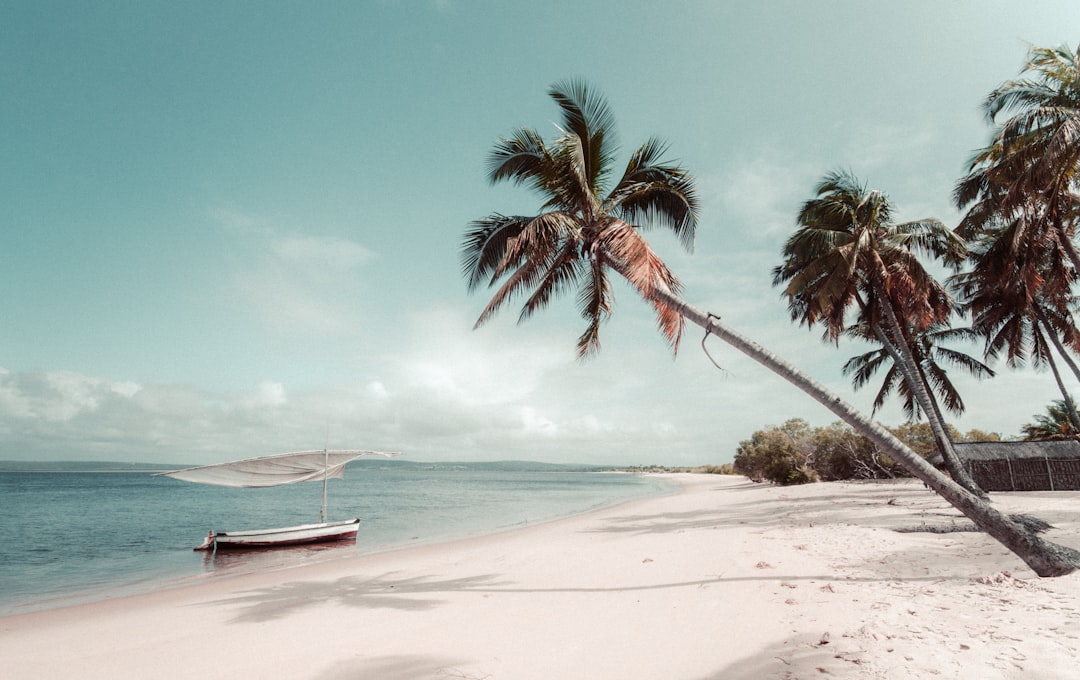
Last reviewed: August 2026 · key facts checked against Wikidata
Mozambique Travel Guide: Everything You Need to Know (2026)
Mozambique stretches 2,500 km along Africa’s southeast coast, home to 29,668,834 people and one of the Indian Ocean’s most spectacular coastlines. Founded as a Portuguese colony in 1498 by Vasco da Gama’s fleet, it gained independence in 1975 and has since developed into a destination of extraordinary marine biodiversity and raw, untouched beauty. The country spans from the Zambezi Delta in the center to the world-class dive sites of the Quirimbas Archipelago in the far north.
Top 3 Highlights at a Glance
- Quirimbas Archipelago — A chain of 32 coral islands offering some of Africa’s best diving, with visibility exceeding 30 meters.
- Bazaruto Archipelago — Protected marine park where dugongs still graze seagrass beds just 35 km offshore from Vilankulo.
- Ilha de Moçambique — UNESCO World Heritage island with 500 years of Portuguese-Arab-Swahili architecture in just 3 km.
Scroll down for our complete travel guide with tips on getting there, where to stay, costs and more.
Getting There & Transport
Which airports are the best entry points into Mozambique?
Maputo International Airport (MPM) is the primary gateway for most international visitors. In my experience, flying into MPM gives you the best connections from Johannesburg (OR Tambo, JNB), Nairobi, Addis Ababa, and Lisbon. For the north, fly into Pemba Airport (POL) — it’s the jumping-off point for the Quirimbas Archipelago. Beira Airport (BEW) serves the central Sofala region. What surprised me: direct connections from Europe are rare outside TAP Air Portugal’s Lisbon route, so most travelers transit through Johannesburg, adding 2-4 hours to overall travel time. Budget for a possible overnight in Johannesburg on return.
How do I get from the airport to my first accommodation in Mozambique?
Skip the unmarked taxis outside Maputo’s MPM — use pre-booked transfers. Maputo city center is 8 km from MPM, and a legitimate metered taxi should cost around USD 15-20. My tip: arrange your hotel’s pickup in advance; reputable guesthouses in Sommerschield or Polana neighborhoods do airport transfers for USD 20-25. Uber operates in Maputo and is significantly cheaper at roughly USD 6-10 for the same journey. Warning most guides omit: at night, always verify the driver’s identity before getting in — taxi scams involving overcharging or route detours are common after dark at MPM.
What transport options are there within Mozambique?
Domestic flights are essential for covering Mozambique’s 2,500 km length. LAM Mozambique Airlines and Airlink connect Maputo to Pemba, Beira, Nampula, and Vilankulo. A Maputo-Pemba flight runs USD 120-250 depending on timing. Chapas — overcrowded minibuses — are the local reality for short hops at under USD 2, but they’re slow and uncomfortable for long distances. Rental 4WDs are critical outside main cities. What surprised me: the EN1 highway from Maputo north is sealed but potholed after Inchope, and the rainy season renders many dirt roads completely impassable. Always check road conditions before committing to overland routes.
Do I need a rental car in Mozambique?
Yes, outside Maputo, a 4WD rental is essentially mandatory. In my experience, a standard 2WD fails on roads north of Inhambane and throughout Niassa Province. Budget USD 80-150 per day for a reliable 4WD from operators like Avis Mozambique or Europcar Maputo. Fuel costs roughly USD 1.20 per liter. The honest caveat: driving in Mozambique after dark is genuinely dangerous due to unmarked pedestrians, livestock, and road hazards — I recommend strict daylight-only driving rules. In Maputo itself, skip the rental and use Uber, but anywhere involving beach lodges or national parks, the 4WD is non-negotiable.
How good is the public transport network between regions in Mozambique?
Frankly poor by regional standards. The main intercity bus operators like Nagi Transport and Oliveiras connect Maputo to Beira in roughly 18 hours for about USD 25. Maputo to Vilankulo takes 7-8 hours by bus. Chapas fill the gaps between smaller towns but have no fixed schedules and are dangerously overloaded. What surprised me: there’s no functioning passenger rail network worth using for tourism — the historic Maputo-Ressano Garcia line is freight-only. My recommendation: for the northern archipelagos, domestic flights are the only realistic option. Public transport works adequately for the Maputo-Inhambane corridor but becomes unreliable north of Quelimane.
Accommodation
Which regions should I stay in when visiting Mozambique?
Base yourself in Inhambane Province for accessible beach luxury — Tofo Beach has excellent accommodation and the best budget-to-midrange diving infrastructure. For world-class remote lodges, Bazaruto Archipelago near Vilankulo is the gold standard. Pemba works as a functional northern base before island-hopping the Quirimbas. Maputo’s Polana and Sommerschield neighborhoods are safe, walkable, and have good restaurants for your arrival nights. The honest warning: Cabo Delgado Province (far north) has experienced serious security incidents since 2017 — check your government’s current travel advisory before planning anything north of Pemba. Most of the best experiences concentrate in the southern and central coastal zones.
What does good accommodation cost per night in Mozambique?
Mozambique has a dramatic price split. In my experience, budget guesthouses in Tofo run USD 25-50 per night for a clean room. Midrange lodge accommodation at places like Vilanculos Beach Lodge costs USD 120-200. The luxury end — Azura Benguerra or &Beyond Benguerra Island — starts at USD 800-1,500 per night all-inclusive. Maputo hotels in the Polana neighborhood sit in the USD 80-150 range for solid 3-star quality. The caveat most guides omit: many remote lodges are full-board only because there’s simply nowhere else to eat — factor that into your budget calculation, as it changes the cost-per-day equation significantly.
When should I book hotels in Mozambique — how far in advance?
For peak season (July-August and December-January), book luxury and midrange lodges 6-9 months in advance — particularly Bazaruto properties, which frequently sell out entirely. Budget accommodation in Tofo Beach can be arranged 4-6 weeks ahead outside peak periods. What surprised me: South African school holidays drive enormous demand spikes because Mozambique is a primary SA vacation destination — the June/July school break fills lodges faster than any European influx. My tip: if you’re targeting Azura or &Beyond properties, contact them directly rather than through OTAs — they occasionally offer direct-booking rates 10-15% lower and priority room allocation.
When is the best time to travel to Mozambique?
April through September is optimal — dry, cooler, and with calm seas ideal for diving. My personal favorite is June-August when whale sharks concentrate near Tofo Beach and humpback whales pass through Bazaruto. November is an underrated shoulder month with fewer crowds and still-manageable rainfall. Avoid January-March — this is peak cyclone season and many coastal roads become genuinely impassable. What surprised me: the southern and northern regions have meaningfully different climate patterns — the south (Maputo, Inhambane) gets drier winters while the far north (Pemba) remains humid year-round. Always factor in regional climate, not just national averages, when planning your route.
How does peak season affect prices in Mozambique?
Peak season inflates prices dramatically. Lodge rates during South African school holidays (July and December) can jump 40-80% above shoulder rates. A room at Vilanculos Beach Lodge that costs USD 130 in May might hit USD 220 in July. Domestic flights on the Maputo-Vilankulo route can double in cost during peak weeks. My honest caveat: Mozambique’s tourism infrastructure is thin enough that even small demand surges cause availability problems — unlike larger African destinations, there simply aren’t enough beds to absorb peak crowds without price spikes. Traveling in April-May or September gives you 90% of the experience at significantly lower prices with visibly fewer tourists.
Best Time to Visit
Which regions of Mozambique have different climate zones?
Mozambique’s 2,500 km length creates real climatic diversity. The south (Maputo, Inhambane) has a subtropical climate with hot, wet summers (November-March) and warm, dry winters. Central Mozambique around Beira and Sofala is humid and prone to cyclone impacts — Cyclone Idai devastated Beira in 2019. The far north (Cabo Delgado, Niassa) is tropical, with a longer wet season extending to April. Highland Niassa Province at elevations above 1,000 meters is noticeably cooler year-round. What surprised me: the interior Niassa Reserve (Africa’s third-largest game reserve) has a completely different semi-arid character compared to the lush coastal zones most tourists associate with Mozambique.
What are the rainy seasons in Mozambique?
The primary rainy season runs November through March, with peak rainfall in January-February. In my experience, the south receives 600-800mm annually, mostly in these months, while Beira gets over 1,400mm in the same period. Cyclones are a genuine risk from December-April — the Sofala and Inhambane coastlines are most exposed. The honest warning most guides omit: roads in Zambezia and Nampula provinces become completely impassable in heavy rain years, cutting off entire regions for days. Even sealed roads flood. My tip: if you’re traveling between December and March, purchase travel insurance that explicitly covers natural disaster disruption — this is not optional in cyclone-risk zones.
What does a trip to Mozambique cost per person per day?
Budget travelers staying in dorms at Tofo Beach and eating local restaurants spend USD 50-70 per day. Midrange travelers at lodge-style accommodation with meals included pay USD 150-250 per day. Luxury island lodges are USD 600-1,500 per day all-inclusive. I recommend budgeting midrange at USD 180/day as a realistic working figure for comfortable independent travel including transport. The hidden cost most guides underplay: domestic flights are expensive — Maputo to Pemba return can be USD 300-500, which blows a budget traveler’s weekly budget in one booking. Factor all internal flights into your total before deciding your daily spend target.
How expensive is food in Mozambique?
Local food is genuinely affordable. A plate of piri piri prawns with rice at a local restaurant in Maputo’s Baixa district costs USD 5-10. A full meal at a mid-tier restaurant in Maputo’s Polana neighborhood runs USD 15-25 per person with a beer. Camarão (prawns) and matapa (cassava leaf stew with coconut) are both cheap staples. Tourist-facing restaurants at Tofo Beach charge USD 12-20 per main course. What surprised me: fresh seafood at source — buying directly from fishermen on the beach in Inhambane — costs a fraction of restaurant prices; USD 3-5 gets you enough prawns for two people. Street food like pão com manteiga and grilled corn costs under USD 1.
What hidden costs should I expect in Mozambique?
Several costs blindside first-timers. Visa fees currently run USD 50-100 depending on nationality and entry point. Marine park entry fees for Bazaruto National Park add USD 20 per person per day. Dive packages at Tofo cost USD 50-80 per two-tank dive. Many remote lodges charge a landing fee of USD 30-50 for light aircraft arrivals. My honest warning: ATM availability outside Maputo and Beira is unreliable — you may need to carry more cash than planned. Money transfer fees at Maputo’s BIM or Standard Bank ATMs can add 3-5% per withdrawal. Also budget for mandatory yellow fever vaccination (required documentation at entry) if traveling from affected countries.
Budget & Costs
How much cash should I bring to Mozambique?
Bring a meaningful cash reserve — I recommend USD 300-500 in small US dollar bills as backup. The local currency is the Mozambican Metical (MZN) and USD is widely accepted at tourist facilities. ATMs in Maputo (Polana Shopping, Bairro Central) work reliably, but in Inhambane town, Vilankulo, and Pemba, ATM availability is inconsistent and machines frequently run out of cash over weekends. My tip: withdraw MZN in Maputo before heading north or to the islands. The caveat most guides miss: some island lodges are entirely cashless and process cards only via satellite — confirm your lodge’s payment policy before departure. Carry USD 20 bills or smaller — change for large bills is perpetually unavailable.
Which credit cards are accepted in Mozambique?
Visa is the most widely accepted card in Mozambique. Mastercard works at most ATMs in Maputo. Amex is accepted at high-end lodges like &Beyond Benguerra and major Maputo hotels but almost nowhere else. In my experience, card payments work reliably at Polana Shopping Centre in Maputo and at upscale lodges — but fail or aren’t offered at local restaurants, fuel stations outside Maputo, and nearly all small towns. My honest warning: don’t rely on cards as your primary payment method outside Maputo and Beira. A Visa debit card from a bank with low foreign transaction fees (like Wise or Revolut) dramatically reduces withdrawal costs versus a standard high-street bank card.
Which regions of Mozambique must I not miss?
Inhambane Province is non-negotiable — Tofo Beach for whale sharks, Barra for windsurfing, and Inhambane town for colonial architecture and mango-tree markets. The Bazaruto Archipelago off Vilankulo is Africa’s answer to the Maldives and genuinely irreplaceable. Ilha de Moçambique in Nampula Province is a UNESCO World Heritage site and one of Africa’s most historically layered small islands. What surprised me: Maputo itself is underrated as a city destination — the Baixa waterfront, Mercado Central, and Costa do Sol seafood strip are all compelling. If security permits, Niassa Reserve in the far northwest offers genuine wilderness with almost no other tourists.
What are the tourist highlights of Mozambique?
The unmissable list: diving with whale sharks at Tofo Beach (seasonal, peak October-February), exploring the Fort of São Sebastião on Ilha de Moçambique (built in 1558, the oldest complete fort in sub-Saharan Africa), snorkeling the Five Mile Reef at Bazaruto, and dhow sailing in the Quirimbas Archipelago. Maputo’s Casa de Ferro (the iron house designed by Gustave Eiffel) and the Natural History Museum with elephant embryo collection are genuinely fascinating urban stops. My tip: the Gorongosa National Park in Sofala — still rebounding after civil war but now home to 700+ lion and major safari wildlife — is Mozambique’s most underrated terrestrial highlight.
What experiences in Mozambique are found nowhere else on Earth?
Three things I’ve found genuinely unreplicable. First: diving with whale sharks at Tofo — this site has one of Africa’s most reliable aggregations, with 100+ individual sharks documented in the area. Second: staying on a Quirimbas sandbank island — uninhabited coral islands accessible only by dhow, where you’re literally the only human for miles. Third: the cultural blend of Ilha de Moçambique — a single island where 16th-century Portuguese fortresses, Arab trading houses, and Swahili fishing communities exist within a 10-minute walk of each other. What surprised me: Mozambique’s matapa cuisine — cassava leaves with coconut, peanuts, and prawns — is entirely unique to this coastline and one of Africa’s most underrated culinary traditions.
Regions & Highlights
Which areas of Mozambique are overcrowded — and what are quieter alternatives?
Tofo Beach has become genuinely crowded during South African peak seasons — the main beach strip feels busy and commercialized in July. My alternative: Barra Peninsula, just 10 km south, offers nearly identical diving and whale shark access with a fraction of the foot traffic. Bazaruto’s main beaches near Benguerra see heavy lodge traffic — opt for the southern Bazaruto Island beaches instead. Ilha de Moçambique gets day-trippers from Nampula but evenings are quiet and genuinely atmospheric. For complete escape: Ibo Island in the Quirimbas is accessible, has a remarkable historic fort, and receives perhaps 20-30 tourists daily even at peak — a world away from Tofo’s scene.
How many days do I need for Mozambique?
Minimum 10 days to experience two distinct regions properly. I recommend 14-18 days for a meaningful south-to-north journey. A solid 14-day itinerary: 2 nights Maputo, 4 nights Tofo/Inhambane, 3 nights Bazaruto, 2 nights Ilha de Moçambique, 3 nights Quirimbas. The honest caveat: domestic flight delays and schedule changes are common — LAM flights run late 40-60% of the time in my experience — so build buffer days before any international departure. Attempting to do Mozambique in under a week produces a rushed, expensive experience dominated by transit time. The country’s scale and infrastructure demand patience and generous scheduling.
Do I need a visa for Mozambique?
Most nationalities require a visa. In 2026, citizens of SADC member states (South Africa, Zimbabwe, Tanzania, etc.) enter visa-free. EU, US, UK, and Australian passport holders can obtain a visa on arrival at Maputo’s MPM Airport costing approximately USD 50-100 for 30 days. E-visa applications via the official DNAE portal are possible and I recommend processing it 2-3 weeks before travel to avoid airport queues. My honest warning: the visa-on-arrival process at MPM can take 45-90 minutes during busy arrivals — arriving on a morning flight from Johannesburg when multiple planes land simultaneously creates genuine chaos. Have all documents printed, not just digital copies.
What languages are spoken in Mozambique?
Portuguese is the official language and essential for navigating most of the country outside tourist lodges. In the south and in Maputo, English proficiency among hospitality workers is reasonable. North of Beira, English becomes scarce even at guesthouses. Local languages include Makhuwa (spoken by roughly 26% of the population, mainly in the north), Tswa, Sena, and Ndau. My tip: learn 20 basic Portuguese phrases before arrival — even minimal effort is warmly appreciated and practically useful at local markets, transport hubs, and fuel stations. What surprised me: Macua and coastal Swahili phrases open doors in the Quirimbas region far more than English or even Portuguese.
What cultural rules do I need to know before visiting Mozambique?
Mozambique is predominantly Muslim in the north and mixed Christian-animist in the south — dress codes shift accordingly. In Ilha de Moçambique and Pemba, cover shoulders and knees when walking through town; beachwear stays on the beach. Photographing people without explicit permission is considered rude — always ask first. Greetings are important: a proper handshake exchange with eye contact before any transaction is expected, and skipping it reads as disrespectful. My honest cultural note: bargaining is normal at Mercado Central in Maputo but fixed-price signs mean exactly that. What surprised me: accepting food or drink offered in a local home is almost obligatory — refusal without a medical excuse causes genuine offense.
Practical Tips
How safe is Mozambique for travelers?
Safety is highly location-dependent. Maputo, Inhambane, Vilankulo, and Ilha de Moçambique are manageable with standard urban precautions — don’t flash expensive gear, use Uber at night, avoid Maputo’s Baixa after dark on foot. Cabo Delgado Province (far north beyond Pemba) has experienced an active insurgency since 2017 — do not travel there without checking current government advisories; the situation remains fluid in 2026. Petty theft at Tofo Beach — phone snatching and beach bag theft — is the most common tourist crime. My tip: use a decoy wallet with USD 20 and keep your real cash in a body wallet. Water safety near Beira requires attention due to ongoing flood-related infrastructure issues.
What health precautions should I take before visiting Mozambique?
Malaria prophylaxis is essential — Mozambique is a high-transmission zone year-round. I use Malarone (atovaquone/proguanil) for short trips; consult your travel clinic 6-8 weeks before departure. Yellow fever vaccination is required if arriving from a yellow fever endemic country — carry your certificate. Vaccinations I recommend: Typhoid, Hepatitis A, and Rabies (for remote travel). Don’t drink tap water anywhere — bottled water costs USD 0.50-1 per 1.5L and is widely available. The honest warning most guides skip: bilharzia (schistosomiasis) is present in freshwater lakes and rivers — avoid swimming in any freshwater except pools. Ocean swimming is safe. Carry a comprehensive first aid kit if going north of Beira.
What SIM card or eSIM options are available in Mozambique?
Vodacom Mozambique offers the best coverage in the south and along the EN1 highway. mCel has reasonable central coverage. Buy a Vodacom SIM at MPM Airport arrivals — USD 2-5 for the SIM plus data bundles of 1GB for roughly USD 3. eSIM options via Airalo or Holafly now cover Mozambique and are worth pre-purchasing for the first few days until you get a local SIM. My honest caveat: north of Nampula and in the interior, data coverage drops to 2G or disappears entirely — download offline maps of the entire country on Maps.me or Google Maps offline before leaving Maputo. WhatsApp is the universal communication tool — locals use it almost exclusively over SMS.
Which apps do you recommend for traveling in Mozambique?
These are non-negotiable in my kit: Maps.me (offline maps that work without data, essential outside cities), Uber (reliable in Maputo, nothing equivalent elsewhere), WhatsApp (communication with lodges, guides, local contacts — everyone uses it), and XE Currency (for live MZN exchange rates). iOverlander is invaluable for 4WD travelers marking fuel stations, campsites, and road conditions. For marine wildlife: Wildbook for Whale Sharks lets you upload your Tofo photos and get individual shark ID confirmations — genuinely exciting. My tip: download Lonely Planet’s offline Mozambique guide before departure. The LAM Airlines app exists but is unreliable — manage bookings via email confirmation and call their Maputo office (+258 21 468 000) directly for changes.
What are the most common traveller mistakes in Mozambique?
Five mistakes I see constantly. First: underestimating distances — Maputo to Pemba is 2,200 km; people plan overland when flights are the only realistic option. Second: visiting Cabo Delgado without checking security advisories — genuinely dangerous in parts. Third: arriving without MZN cash and then finding ATMs empty in Vilankulo on a Friday afternoon. Fourth: booking peak season accommodation late — Bazaruto lodges sell out 6 months in advance. Fifth: skipping malaria prophylaxis thinking a short trip is safe — Mozambique’s Plasmodium falciparum strain is the most dangerous form. My overall tip: build in 2 buffer days around any domestic LAM flight to protect your international connection — schedule delays are the norm, not the exception.
Mozambique at a Glance
| Population | 29,668,834 |
|---|---|
| Currency | Mozambican metical (MT) |
| Official language | Portuguese |
| Time zone | UTC+02:00 |
Source: Wikidata, retrieved August 2026.
Essential Resources for Planning Your Trip to Mozambique
- 🌍 BREAKING: Mozambique joins Africa’s Ecotourism … — official visitor information, passes & events
- Wikipedia: Mozambique — history, geography & background
- Wikivoyage: Mozambique — community travel guide & practical tips
- Mozambique travel – Africa — expert itineraries & travel inspiration
- THE 15 BEST Things to Do in Mozambique (2026) — hotels, restaurants & traveller reviews
- During my first official visit to Mozambique since taking office … — how to get around
- Numbeo: Cost of Living in Mozambique — current prices & cost comparison
- Timeanddate: Mozambique Weather & Climate — forecasts & climate statistics
- UNESCO Director-General strengthens cooperation with …
More Perspectives on Mozambique
- Best Mozambique Travel Tips & Advice
- The Ultimate Mozambique Travel Guide
- Mozambique Travel Guide – Travel Information & …
Mozambique Travel Videos
Watch these videos for a visual preview before your trip:
- A Beginner’s Guide To Mozambique | Travel 2026
- Mozambique Travel Guide: Tofo, Vilanculos & Bazaruto Archipelago (Diving & Beaches!)
- AFRICA’S HIDDEN GEM! 🇲🇿 MOZAMBIQUE (VILANCULOS)
Mozambique Travel Discussions on Reddit
Real traveller experiences and community advice:
- First solo travel: Mozambique? : r/solotravel
- Mozambique in 2025 : r/travel
- Mozambique travel advice
Data Sources
This page was compiled using data from Wikipedia, Wikidata, Open-Meteo (climate), Numbeo (cost of living) and REST Countries. Information is updated regularly.