
Nicaragua: The Complete Travel Guide (2026)
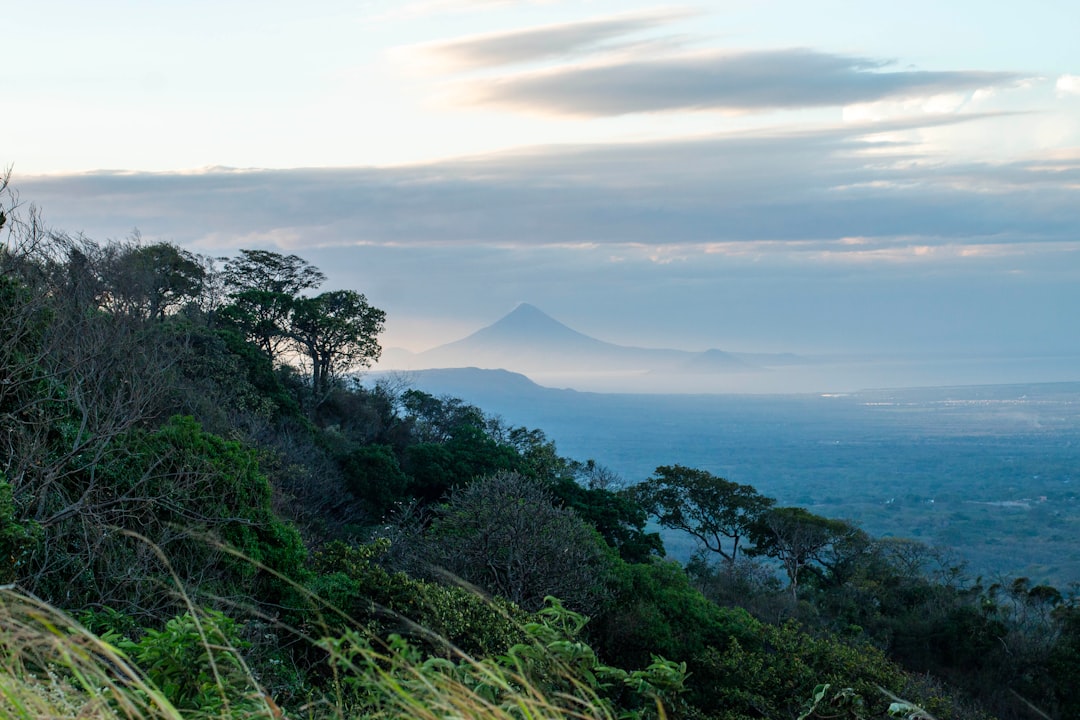
Last reviewed: October 2026 · key facts checked against Wikidata
Nicaragua Travel Guide: Everything You Need to Know (2026)
Nicaragua is Central America’s largest country at 130,370 square kilometres, with a population of 5,142,098 as of 2024 — yet it remains dramatically less visited than neighbouring Costa Rica. Founded as a Spanish colony in 1524, it packs two massive lakes, a chain of active volcanoes, colonial cities, and Caribbean coastline into one destination that still feels genuinely off the beaten track.
Top 3 Highlights at a Glance
- Ometepe Island — A freshwater island formed by two volcanoes rising from Lake Nicaragua, with Concepción standing 1,610 metres tall.
- Granada Colonial Centre — Founded in 1524, one of the oldest European cities in the Americas, with cathedral towers you can climb for free.
- Volcano Boarding on Cerro Negro — The world’s only volcano boarding run descends an active black-ash slope at speeds reaching 80 km/h.
Scroll down for our complete travel guide with tips on getting there, where to stay, costs and more.
Getting There & Transport
Which airports are the best entry points into Nicaragua?
Managua’s Augusto C. Sandino International Airport (MGA) is Nicaragua’s sole major international gateway. In my experience, every major trip starts here — it handles all direct flights from Miami, Houston, Atlanta, and Mexico City. A secondary airport exists in Corn Island (RNI) for domestic connections to the Caribbean coast, but it receives no international flights. My tip: if you’re heading straight to Granada or León, MGA is perfectly positioned — both cities are under 1.5 hours by shuttle. What surprised me: there is no major airport in the south near San Juan del Sur, so budget an extra road transfer if that’s your first stop. Book flights at least 6–8 weeks ahead in high season to avoid price spikes.
How do I get from Managua airport to my first accommodation in Nicaragua?
Take a pre-booked shuttle or registered taxi directly from MGA arrivals — do not accept unmarked cars outside the terminal. In my experience, official yellow taxis charge roughly $15–25 USD to Managua city centre, while shared shuttles to Granada run about $15 USD per person and depart when full. The journey to Granada takes approximately 50 minutes on the Pan-American Highway. My tip: companies like Paxeos or NicaBus offer reliable door-to-door shuttle services bookable online before you arrive. The honest caveat most guides omit: Uber operates in Managua but the app is frequently unreliable at the airport exit, and drivers sometimes cancel. Confirm your ride before leaving the terminal building.
What transport options are there within Nicaragua?
Nicaragua’s backbone transport is a combination of chicken buses (repainted US school buses), express minibuses, and private shuttles. Chicken buses connect almost every town for as little as $1–3 USD but run on no fixed schedule. Express minibuses between Managua, León, and Granada cost $3–6 USD and take 1–2 hours. Private tourist shuttles cost $15–30 USD per leg but drop you door-to-door. I recommend shuttles for long hauls like Managua to San Juan del Sur (2 hours) and buses for short local hops. Ferries connect Granada to Ometepe Island via San Jorge in about 1 hour. What surprised me: there is no functioning passenger rail in Nicaragua — roads are your only option.
Do I need a rental car in Nicaragua?
For most standard itineraries, no — but for the Matagalpa coffee highlands or Río San Juan, a rental car transforms the experience. In my experience, the main tourist triangle of Managua–Granada–León–San Juan del Sur is fully doable by shuttle and bus. Rental cars start at $35–55 USD per day for a basic sedan, but I strongly recommend a 4WD at $60–80 USD per day because unpaved roads to Ometepe, Río San Juan, and northern villages are genuinely rough. Hire from established companies at MGA like Budget or Hertz — local agencies have inconsistent insurance coverage. The caveat: Nicaragua drives on the right, road signage is sparse outside Managua, and Google Maps is patchy in rural areas. Download Maps.me offline before you go.
How good is the public transport network between regions of Nicaragua?
Between major cities it is functional but slow. The Managua Mercado Huembes bus terminal connects to Granada in 1.5 hours and León in 2 hours for under $3 USD. Express microbuses on those routes are faster and barely more expensive. The honest caveat most guides omit: once you leave the Pacific corridor, public transport becomes genuinely sparse. Getting to Río San Juan or the Corn Islands requires domestic flights ($60–120 USD one way with La Costeña airline) or multi-day boat journeys. The Caribbean coast — Bluefields and Big Corn Island — has no paved road connection to the Pacific side whatsoever. My tip: plan your Nicaragua itinerary geographically to minimise backtracking because cross-country journeys eat full days.
Accommodation
Which regions of Nicaragua should I stay in?
Granada is the best base for first-timers — colonial architecture, lake access, and day trips to Ometepe and Masaya volcano all within 1 hour. León suits travellers wanting a grittier, more political and artistic vibe with proximity to Cerro Negro volcano and Las Peñitas beach. San Juan del Sur is Nicaragua’s surf hub on the Pacific, best for beach-focused itineraries. For nature immersion, Matagalpa sits at 700 metres altitude in coffee country and offers genuine highland cool. In my experience, splitting a two-week trip between Granada (4 nights), Ometepe (3 nights), and León (3 nights) covers Nicaragua’s greatest hits without exhausting travel days. The Corn Islands are a separate, dedicated extension worth 4–5 nights if you love diving.
What does good accommodation cost per night in Nicaragua?
Nicaragua is genuinely affordable by Central American standards. A clean, well-reviewed mid-range guesthouse in Granada’s colonial centre runs $40–70 USD per night for a double room with air conditioning. Boutique hotels like Hotel Dario or Plaza Colon area properties charge $80–130 USD and include breakfast. Budget hostels with private rooms cost $15–25 USD in León and Granada. In San Juan del Sur, beachfront mid-range hotels average $60–90 USD. On Ometepe Island, eco-lodges run $30–60 USD — basic but charming. What surprised me: Managua’s hotels are disproportionately expensive for what you get, often $80–150 USD for international-standard rooms, because they cater to business travellers rather than tourists. Avoid staying in Managua unless you must.
When should I book hotels in Nicaragua — how far in advance?
For travel during December to March (peak dry season), book at least 6–8 weeks ahead for Granada and San Juan del Sur — popular properties genuinely sell out. Semana Santa (Easter week) is Nicaragua’s busiest domestic holiday; book 3–4 months ahead as Nicaraguans fill beach towns completely. For shoulder months like April, May, and November, 2–3 weeks notice is usually sufficient. In my experience, Ometepe Island’s best eco-lodges book up faster than you’d expect year-round because inventory is small — always book those first. My tip: use Booking.com for Granada and León properties; many smaller Ometepe and Corn Island lodges only take direct bookings via email or WhatsApp, so contact them separately.
When is the best time to travel to Nicaragua?
November through April is the dry season and the clearest window for travel across Nicaragua’s Pacific side. Based on climate analysis, April offers excellent conditions — lower humidity than January, green landscapes from the tail end of rains, and fewer tourists than December. In my experience, December to February is peak season with the driest, sunniest weather but also the highest prices and most crowds at San Juan del Sur and Granada. The Caribbean coast (Corn Islands, Bluefields) has an entirely different weather pattern — its dry season runs roughly March to May and September to October. My honest caveat: even dry-season afternoons bring brief tropical downpours in the highlands around Matagalpa, so always pack a rain layer regardless of month.
How does peak season affect prices in Nicaragua?
Peak season (December to February) inflates accommodation prices by 20–40% compared to low season, and availability in popular spots like San Juan del Sur and Ometepe tightens dramatically. Domestic flight prices to Corn Island via La Costeña can jump $30–50 USD per ticket over Christmas and Easter. Restaurant prices remain largely stable year-round — food is not seasonally priced. In my experience, the biggest hidden cost in peak season is transport: tourist shuttle fares edge up and shared-ride options thin out as demand spikes. My tip: travelling in late November or early April gives you dry-season weather at shoulder-season prices — genuinely the sweet spot. Avoid Easter week (Semana Santa) entirely unless you’ve pre-booked everything 3+ months ahead.
Best Time to Visit
Which regions of Nicaragua have different climate zones?
Nicaragua splits into three distinct climate zones. The Pacific lowlands — covering Granada, León, Managua, and San Juan del Sur — are hot and dry in season, with temperatures averaging 30–35°C. The central highlands around Matagalpa and Jinotega sit above 700–1,200 metres, running noticeably cooler at 18–24°C year-round — perfect for coffee farming and hiking. The Caribbean coast (Bluefields, Corn Islands, Puerto Cabezas) is hot and humid with no true dry season — rainfall is distributed throughout the year with relative drying in March–May. In my experience, the climate difference between Managua (sweltering) and Matagalpa (jacket weather at night) within just 130 km genuinely surprises first-timers. Pack layers if combining Pacific and highland regions.
What are the rainy seasons in Nicaragua?
On Nicaragua’s Pacific side, the rainy season runs May through October, with September and October being the wettest months — expect heavy afternoon downpours daily and occasional hurricane-related weather. The Caribbean side receives rain nearly year-round, averaging over 2,500 mm annually in Bluefields, making it genuinely wet even in its ‘dry’ periods. In my experience, travelling the Pacific during rainy season is entirely doable — mornings are usually clear, roads in Granada and León remain passable, and prices drop 20–30%. What surprised me: Ometepe Island in rainy season can flood the ring road, cutting off sections for days. The real risk window is September–October when road conditions deteriorate significantly in rural areas and a handful of volcanoes close their hiking trails.
What does a trip to Nicaragua cost per person per day?
Nicaragua is one of Central America’s most affordable countries. A budget traveller staying in hostels, eating local comedores, and using buses can manage on $30–45 USD per day. A comfortable mid-range traveller — private hotel room, sit-down restaurants, one activity per day — should budget $70–100 USD per day. A comfort-focused traveller using boutique hotels, private transfers, and guided tours will spend $130–180 USD per day. In my experience, the biggest variable is activities — volcano boarding at Cerro Negro costs $30 USD including gear, kayaking the Las Isletas archipelago near Granada runs $20–25 USD, and guided Ometepe hikes cost $25–40 USD per person. My honest caveat: the Corn Islands add significantly to budgets because all food and goods are shipped in, inflating prices 30–50% above mainland levels.
How expensive is food in Nicaragua?
Food in Nicaragua is genuinely cheap if you eat where locals eat. A full comida corriente (set lunch) at a local comedor — rice, beans, protein, plantains, salad — costs $2–4 USD. A sit-down restaurant meal in Granada’s tourist zone runs $8–15 USD per person. A beer costs $1.50–2.50 USD in most bars; a fresh fruit juice at a market stall is $0.50–1 USD. My tip: the Mercado Municipal in Granada has the cheapest and most authentic food stalls. Seafood on the Corn Islands is spectacular but expensive by Nicaraguan standards — expect $12–20 USD for a full fish plate. What surprised me: Nicaragua’s signature dish vigorón (yuca, chicharrón, cabbage salad) wrapped in banana leaf costs just $2–3 USD from street vendors in Granada and is unmissable.
What hidden costs should I expect in Nicaragua?
Several costs catch visitors off guard in Nicaragua. Entry to Masaya Volcano National Park costs $4 USD, Ometepe charges a ferry fare of $2–3 USD plus an island entry fee of $1 USD. Most ATMs charge fees of $3–5 USD per withdrawal on top of your home bank charges — withdraw larger amounts less frequently. Tourist shuttles between cities cost $15–30 USD per leg, which adds up quickly over a two-week trip. In my experience, the biggest surprise is tipping culture — guides, boat drivers, and hotel staff all expect tips, and $2–5 USD per guide per day is standard. International departure from MGA airport carries a $37 USD exit tax, though this is now usually included in airline ticket prices — verify yours before travel.
Budget & Costs
How much cash should I bring to Nicaragua?
Bring enough USD to cover your first 2–3 days before finding a reliable ATM. The US dollar is widely accepted alongside the Córdoba (NIO) — as of 2026, the rate is approximately 36–37 NIO per USD. In my experience, carrying $200–300 USD cash at entry is sensible, especially if arriving late or heading to Ometepe or the Corn Islands, where ATMs are scarce or unreliable. BAC and Banpro ATMs in Granada and León are the most reliable — I’ve had fewer failed transactions with these than smaller bank ATMs. My honest warning: ATM skimming has been reported in Managua — use machines attached to bank branches during daylight hours only. Rural areas and the Caribbean coast are effectively cash-only economies, so withdraw in advance.
Which credit cards are accepted in Nicaragua?
Visa and Mastercard are accepted at mid-range and upscale hotels, larger restaurants in Granada and León, and some tour operators. American Express has very limited acceptance — I wouldn’t rely on it. In my experience, most local comedores, market stalls, ferries, chicken buses, and small guesthouses on Ometepe Island are strictly cash-only. Even in Granada’s tourist zone, smaller restaurants and souvenir shops often display card readers that are ‘not working today.’ My tip: always carry córdobas and USD simultaneously — some businesses prefer dollars, some prefer local currency, and pricing at markets is always in córdobas. The practical reality is that Nicaragua remains a cash-dominant economy, and even Visa users should carry significant cash buffer at all times.
Which regions of Nicaragua must I not miss?
Granada is non-negotiable — the colonial architecture, Las Isletas boat trips, and Mombacho volcano access make it Nicaragua’s most complete destination. Ometepe Island is the country’s most unique environment — two volcanoes rising from a freshwater lake, with howler monkeys, petroglyphs, and complete serenity once day-trippers leave. León is essential for understanding Nicaragua’s revolutionary history — the FSLN murals, Museo de la Revolución, and Cerro Negro volcano are all within range. In my experience, San Juan del Sur is worth 2–3 nights for Pacific sunsets and surf lessons rather than a full base. If you have time, Matagalpa shows a completely different, verdant highland Nicaragua that feels worlds away from the colonial cities. The Corn Islands reward travellers willing to make the extra effort.
What are the tourist highlights of Nicaragua?
Nicaragua’s unmissable highlights span geology, history, and wildlife. Masaya Volcano — the world’s most accessible active crater — lets you peer into a glowing lava lake from a car park viewing platform, 15 km from Masaya city. León Cathedral, the largest cathedral in Central America, has a rooftop walk with panoramic views across the city to distant volcanoes. Las Isletas near Granada — 365 small islands in Lake Nicaragua — are best explored by 1.5-hour kayak or lancha tour. Cerro Negro volcano boarding near León is genuinely unique to Nicaragua globally. The Corn Islands offer some of the Caribbean’s most pristine coral reefs for under $30 USD per dive. In my experience, most visitors radically underestimate how much Nicaragua packs into a single trip.
What experiences in Nicaragua are found nowhere else on earth?
Volcano boarding on Cerro Negro is Nicaragua’s singular global claim — no other destination offers a maintained, guided descent down an active volcano on a wooden board, reaching 50–80 km/h on black ash slopes. Driving to the crater rim of Masaya volcano at night to look into an active lava lake is another experience with almost no parallel in accessible tourism worldwide. In my experience, watching olive ridley sea turtles mass-nest (La Flor Wildlife Refuge) between August and January — sometimes thousands in a single night — is one of the most overwhelming natural spectacles I’ve witnessed anywhere. Nicaragua is also one of the last places where freshwater sharks (bull sharks) historically swam up Río San Juan into Lake Nicaragua — the biological corridor itself remains remarkable to explore by river boat.
Regions & Highlights
Which areas of Nicaragua are overcrowded — and what are quieter alternatives?
San Juan del Sur in December–February is genuinely overcrowded with backpackers and surf tourists — the main beach is packed and prices spike. My alternative: Playa Maderas (15 minutes north by taxi, $5 USD) or Playa El Yanqui offer the same Pacific surf with a fraction of the crowd. Granada’s city centre gets day-tripper heavy between 10am and 4pm — visit Las Isletas and Mombacho early morning instead. In my experience, Ometepe Island’s Charco Verde lagoon and Concepción summit stay calm because they require real hiking effort. For a genuinely unvisited alternative to Granada’s colonial scene, Masaya’s artisan market district and the town of Diriamba offer authentic culture without tourist infrastructure. The entire Río San Juan corridor remains genuinely off the radar.
How many days do I need in Nicaragua?
10–14 days is the sweet spot for a well-rounded Nicaragua experience. In my experience, a focused 7-day trip can cover Granada, Ometepe Island, and León adequately — but you’ll leave wanting more. A 10-day itinerary adds San Juan del Sur or Matagalpa without feeling rushed. A 14-day trip realistically allows the Pacific highlights plus a 4-night extension to the Corn Islands, which requires a domestic flight (60 minutes from Managua on La Costeña). My honest caveat: Nicaragua’s road and transport speeds are slower than you expect — the Granada-to-Ometepe journey takes 2.5 hours including ferry even though it looks close on a map. Build buffer days into your plan, especially if incorporating the Caribbean coast, where weather delays are common.
Do I need a visa to visit Nicaragua?
Citizens of USA, Canada, UK, EU, and Australia do not need a visa for tourism stays up to 90 days — entry is visa-on-arrival at MGA airport or land borders. At entry, you’ll pay a $10 USD tourist card fee — have cash ready as card machines at borders are unreliable. Nicaragua participates in the CA-4 agreement with Guatemala, El Salvador, and Honduras, meaning your 90-day allowance is shared across all four countries, not individual to Nicaragua. In my experience, immigration officers at MGA airport ask for proof of onward travel and sometimes a hotel booking — have both accessible on your phone. My honest warning: the political situation has affected certain nationalities’ entry in recent years — check your government’s current travel advice within 4 weeks of departure, as conditions can change.
What languages are spoken in Nicaragua?
Spanish is the official national language, spoken by the vast majority of Nicaraguans. In my experience, English proficiency outside Managua’s hotel sector, Granada’s tourist zone, and the Corn Islands is genuinely low — basic Spanish gets you dramatically further here than in Costa Rica or Panama. The Corn Islands and Caribbean coast have English-Creole speaking communities, descendants of Jamaican and other Caribbean migrants — their English is distinct from standard English and takes an ear to adjust to. Indigenous languages including Miskito and Sumo are spoken in the RAAN and RAAS autonomous regions on the Caribbean side. My tip: download Google Translate’s Spanish offline pack before arriving, and learn at minimum transport vocabulary — ‘cuánto cuesta’ (how much), ‘dónde está’ (where is), and numbers go a long way.
What cultural rules do I need to know before visiting Nicaragua?
Nicaraguans are warm but conservative — modest dress is important outside beach areas, particularly in León and Masaya where evangelical and Catholic culture is visible and strong. Women wearing shorts and sleeveless tops in market towns attract unwanted attention. In my experience, photographing people — especially Indigenous communities and market vendors — requires explicit permission first; many will refuse and find it disrespectful if you don’t ask. Political conversation is a sensitive minefield — avoid expressing opinions about the Ortega government or the 2018 protests to strangers, as the political climate remains tense. Bargaining is acceptable at artisan markets in Masaya but not in restaurants or shops with listed prices. My honest caveat: punctuality is relaxed by European standards — buses, guides, and restaurant service all run on ‘Nica time,’ so build patience into every day.
Practical Tips
How safe is Nicaragua for travellers in 2026?
Nicaragua is significantly safer than Honduras or El Salvador for tourists, with violent crime against visitors being rare in the main tourist areas. Granada, León, Ometepe Island, and San Juan del Sur are all considered low-risk for standard travel. In my experience, petty theft — bag snatching and phone theft — is the real risk, concentrated in Managua’s crowded bus terminals and markets. The main security warning most guides omit: the political environment since 2018 means that public gatherings and protests can turn unpredictable, and some areas near government buildings in Managua warrant caution. The Caribbean coast has isolated crime issues linked to drug trafficking routes. My practical tip: use hotel safes, carry only a photocopy of your passport on the street, and book taxis through your accommodation rather than flagging them on the street in Managua.
What health precautions should I take before visiting Nicaragua?
Hepatitis A, Typhoid, and routine vaccines (MMR, tetanus) are the baseline recommendations for Nicaragua — confirm these with your travel clinic 6–8 weeks before departure. Malaria risk exists in the RAAN and RAAS Caribbean regions — take prophylaxis if visiting Bluefields or the Corn Islands. Dengue fever is endemic nationwide, especially during rainy season — insect repellent with 30%+ DEET is non-negotiable. In my experience, tap water is not safe to drink anywhere in Nicaragua — drink bottled water and avoid ice in rural areas. The honest caveat most guides skip: quality medical care outside Managua is very limited — the private Hospital Metropolitano Vivian Pellas in Managua is the best option if something serious happens. Comprehensive travel health insurance with medical evacuation cover is therefore genuinely important, not optional.
What SIM card or eSIM options are available in Nicaragua?
Claro Nicaragua is the best network for coverage across the country — it reaches Pacific cities, most tourist routes, and has the strongest signal on Ometepe Island. Movistar is the main competitor with decent urban coverage but drops off sharply in rural and Caribbean areas. Buy a Claro SIM at MGA airport arrivals or at any Claro store in Managua or Granada for approximately $2–3 USD, then top up with data packages — 5 GB costs roughly $5–8 USD. In my experience, eSIM options (Airalo, Holafly) work in Nicaragua but select Claro as the underlying network for best rural performance. The honest caveat: Ometepe Island and Río San Juan have patchy 4G even on Claro — expect 3G or signal gaps. The Corn Islands have basic connectivity that is improving but still unreliable for video calls.
Which apps do you recommend for travelling Nicaragua?
Maps.me downloaded offline before arrival is more reliable than Google Maps in Nicaragua’s rural areas — it covers unpaved roads and small villages that Google misses. Paxeos or NicaBus apps handle shuttle bookings between cities. Google Translate offline Spanish is essential outside tourist zones. WhatsApp is how Nicaraguan hotels, tour operators, and taxi drivers communicate — it is more effective than email for any local booking or enquiry. In my experience, XE Currency helps navigate Córdoba-USD conversions at markets. iOverlander is invaluable for finding accommodation and fuel on off-road routes like Río San Juan. My honest warning: Uber technically operates in Managua but the app reliability at the airport is poor — do not rely on it as your primary transport option for arriving or departing from MGA.
What are common traveller mistakes in Nicaragua?
The biggest mistake: underestimating journey times. The Managua-to-Corn Islands route requires a domestic flight or a multi-day boat journey — travellers who assume they can do it as a quick side trip burn their entire trip. Second mistake: staying in Managua unnecessarily — it’s the most expensive, least charming city in Nicaragua; sleep in Granada, 45 km south, instead. Third: not booking Ometepe eco-lodges early — the island has limited quality beds and they fill fast. In my experience, travellers also chronically over-schedule Nicaragua — trying to see Pacific coast, highlands, and Caribbean coast in 10 days results in exhausting travel days. Finally, carrying only a card and no cash in rural areas is a genuine emergency — ATMs outside Managua, Granada, and León are unreliable. Plan your cash withdrawals deliberately.
Nicaragua at a Glance
| Population | 5,142,098 |
|---|---|
| Currency | Nicaraguan córdoba (C$) |
| Official language | Spanish |
| Time zone | UTC−06:00 |
Source: Wikidata, retrieved October 2026.
Essential Resources for Planning Your Trip to Nicaragua
- Everything you should know before visiting Nicaragua — official visitor information, passes & events
- Wikipedia: Nicaragua — history, geography & background
- Wikivoyage: Nicaragua — community travel guide & practical tips
- Nicaragua travel – Lonely Planet | Central America — expert itineraries & travel inspiration
- THE 15 BEST Things to Do in Nicaragua (2026) — hotels, restaurants & traveller reviews
- Everything you should know before visiting Nicaragua — how to get around
- Numbeo: Cost of Living in Nicaragua — current prices & cost comparison
- Timeanddate: Nicaragua Weather & Climate — forecasts & climate statistics
More Perspectives on Nicaragua
- Nicaragua Travel Guide: Best Places to Visit for First-Time …
- Traveling to Nicaragua for the first time, what should I know?
- Nicaragua Travel Advisory | Travel.State.gov
Nicaragua Travel Videos
Watch these videos for a visual preview before your trip:
- NICARAGUA Travel Guide : EVERYTHING YOU NEED TO KNOW!
- 🇳🇮 Nicaragua Travel Tips | Safety, Costs & What to Expect | 🇳🇮 Nicaragua Series
- Nicaragua Travel: 14 SURREAL Places to Visit in Nicaragua (& Top Things to Do)
Nicaragua Travel Discussions on Reddit
Real traveller experiences and community advice:
- Nicaragua is not a place for tourists : r/travel
- Is it safe to travel as a US citizen? : r/Nicaragua
- r/nicaraguatravel
Data Sources
This page was compiled using data from Wikipedia, Wikidata, Open-Meteo (climate), Numbeo (cost of living) and REST Countries. Information is updated regularly.