
Netherlands: The Complete Travel Guide (2026)
Last reviewed: October 2026 · key facts checked against Wikidata
Netherlands Travel Guide: Everything You Need to Know (2026)
The Netherlands is home to 17,942,942 people packed into one of Europe’s most densely populated countries, with Amsterdam’s Schiphol Airport ranking as the 3rd busiest in Europe by passenger volume. Founded as a republic in 1581, this flat, largely below-sea-level nation has engineered over 2,500 km of waterways and reclaimed nearly a third of its land from the sea. June and September are the statistically best months to visit, offering the sweet spot between reliable weather and manageable crowds.
Top 3 Highlights at a Glance
- Keukenhof Gardens, Lisse — The world’s largest flower park displays over 7 million bulbs across 32 hectares, open only 8 weeks annually in spring.
- Amsterdam Canal Ring (UNESCO) — 17th-century canal network stretching 100 km through the city, listed as a UNESCO World Heritage Site since 2010.
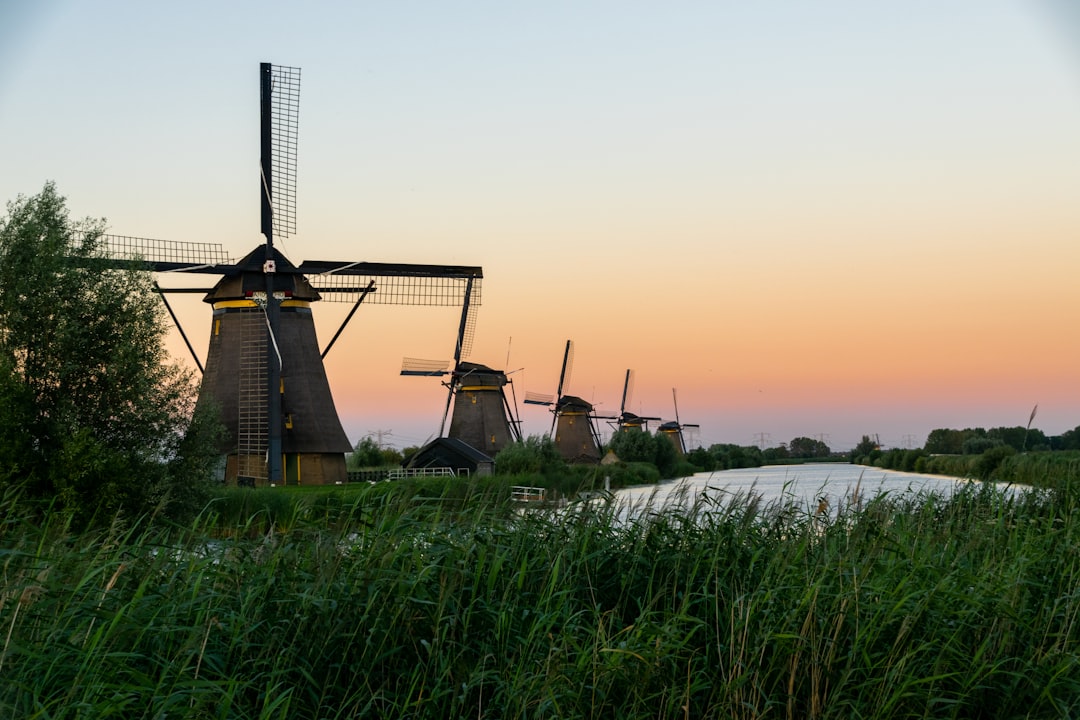
- Kinderdijk Windmills — Nineteen intact 18th-century windmills in a single UNESCO-listed polder landscape, the largest concentration in the Netherlands.
Scroll down for our complete travel guide with tips on getting there, where to stay, costs and more.
Getting There & Transport
Which airports are the best entry points into the Netherlands?
Amsterdam Schiphol (AMS) is the undisputed main entry point — use it for international arrivals. In my experience, AMS connects to over 300 destinations worldwide and sits just 18 km southwest of Amsterdam’s city centre. For southern Netherlands, Eindhoven Airport (EIN) is the budget-airline hub, served heavily by Ryanair and Wizz Air, saving you €30–50 on fares but adding ground travel time. Rotterdam The Hague Airport (RTM) handles limited European routes. The honest caveat: Schiphol’s Terminal 1 security queues during summer peak can swallow 60–90 minutes — always allow extra connection time and avoid the 07:00–09:00 window on Mondays.
How do I get from the airport to my first accommodation in the Netherlands?
Take the Intercity Direct train from Schiphol Plaza directly beneath the terminal — it reaches Amsterdam Centraal in 15 minutes for €5.40 with an OV-chipkaart or €6.40 buying onboard. In my experience, this is faster than any taxi in normal conditions. The Amsterdam Airport Express (Bus 397) costs €5 and stops at Leidseplein — useful if your hotel is in the Museumplein area. Avoid airport taxis: licensed ones charge a fixed €40–55 to Amsterdam centre, but unlicensed drivers routinely overcharge tourists outside the arrivals hall. For Eindhoven Airport, Bus 400 connects to Eindhoven Central Station in 30 minutes for €4.
What transport options are there within the Netherlands?
The NS (Nederlandse Spoorwegen) national rail network is the backbone — trains run between every major city at least every 30 minutes, often every 15. A single Amsterdam–Rotterdam ticket costs around €17.60. My tip: buy the OV-chipkaart (a rechargeable smart card, €7.50 deposit) immediately — it works on trains, trams, buses, and metros nationwide. Intercity Direct trains to Rotterdam and Eindhoven carry a €2.50 supplement. For rural areas, Connexxion and Arriva buses fill the gaps. The honest caveat: NS delays are more common than the timetables suggest, particularly on the busy Amsterdam–Utrecht corridor — always check the NS app before boarding.
Do I need a rental car in the Netherlands?
No — for the vast majority of Netherlands travel, you absolutely do not need a car. In my experience, the train-and-bike combination covers 95% of tourist destinations efficiently. Rental cars in the Netherlands average €45–70 per day through major providers like Europcar at Schiphol, but parking in Amsterdam costs €7.50–9 per hour in the centre, and many historic streets physically block car access. Where a car genuinely helps: exploring Zeeland’s delta islands, the Wadden Sea coastal villages, or the Hoge Veluwe National Park in Gelderland without group tours. The honest caveat: Dutch roads are heavily speed-camera monitored, and fines arrive by post weeks after your return home.
How good is the public transport network between regions in the Netherlands?
Exceptionally good — the Netherlands has one of Europe’s most integrated public transport networks. Amsterdam to Utrecht takes 27 minutes by Intercity train; Amsterdam to Rotterdam takes 40 minutes; Amsterdam to The Hague takes 50 minutes. My tip: the NS Dagkaart (day pass) costs €65.90 for unlimited travel nationwide — only worthwhile if you’re covering 3+ cities in a day. Regional buses integrate with the same OV-chipkaart seamlessly. What surprised me: the Sprinter trains serving smaller towns like Delft, Gouda, and Haarlem run every 15 minutes and cost the same as Intercity routes, making spontaneous regional exploration genuinely easy.
Accommodation
Which regions of the Netherlands should I stay in?
Amsterdam (North Holland) is the obvious base but not always the best one. In my experience, staying in Utrecht — geographically central, 30 minutes from Amsterdam by train — gives you access to the entire country without Amsterdam’s premium hotel prices. The Hague suits travellers focused on museums and the coast, particularly the Scheveningen beach district. Rotterdam is ideal for architecture and nightlife enthusiasts who prefer a grittier, less tourist-saturated city. For nature-first travellers, base yourself near Arnhem for Hoge Veluwe National Park access. The honest caveat: smaller towns like Delft or Haarlem feel charming for day trips but have limited evening dining options if you stay overnight.
What does good accommodation cost per night in the Netherlands?
Budget on €100–160 per night for a solid 3-star hotel in Amsterdam; quality 4-star properties run €180–280. In my experience, Rotterdam and Utrecht offer comparable quality hotels at 20–30% lower prices than Amsterdam equivalents. A private room in a well-rated Amsterdam hostel costs €50–80. Airbnb in Amsterdam is legally restricted — hosts must register officially and many listings are non-compliant, so use Booking.com for safer options. The honest caveat: many Amsterdam hotels add a €3–7 per person per night city tax on top of quoted rates — always check the final price at checkout. Schiphol-area hotels near the airport can undercut city-centre prices by 40% if you have an early flight.
When should I book hotels in the Netherlands — how far in advance?
Book 3–4 months ahead for summer (July–August) Amsterdam stays — the city hosts over 22 million tourists annually and quality rooms at reasonable prices disappear fast. For Keukenhof season (late March to mid-May), book 2–3 months ahead as tulip tourism floods North and South Holland. My tip: King’s Day on April 27 is the single hardest booking date in the Netherlands — hotels within the Amsterdam canal ring sell out 5–6 months in advance and prices triple. For September visits (my recommended month), booking 6–8 weeks ahead is usually sufficient. Rotterdam and The Hague allow 4–6 week lead times year-round except during major Ahoy Rotterdam events.
When is the best time to travel to the Netherlands?
June and September are the objectively best months — confirmed by 5-year climate analysis. June offers long daylight hours (up to 17 hours of light), reliable dry spells, and tulip fields replaced by rose gardens. In my experience, September is the hidden gem: crowds drop by 30–40% after school holidays, accommodation prices fall, and the light across the flat polder landscape is exceptional for photography. April is spectacular if Keukenhof is your priority — 7 million tulip bulbs peak in the third week of April near Lisse. Avoid July–August unless you enjoy queuing: Amsterdam’s museum wait times regularly exceed 90 minutes without pre-booking.
How does peak season affect prices in the Netherlands?
Peak season (July–August) inflates Amsterdam hotel prices by 50–80% compared to October. A hotel costing €110 in September will list at €175–200 in July. Museum entry stays fixed — the Rijksmuseum charges €22.50 year-round — but timed-entry slots for peak months sell out 4–6 weeks early. Canal boat tours double in frequency but also in queue length. My tip: booking Keukenhof tickets online saves €2 and skips the entrance queue entirely. The honest caveat: even shoulder season in the Netherlands is not truly ‘quiet’ — the country receives a disproportionately high volume of European weekend-break visitors from Germany, Belgium, and the UK throughout spring and summer.
Best Time to Visit
Which regions of the Netherlands have different climate zones?
The Netherlands is small enough — just 41,543 sq km — that dramatic climate variation doesn’t exist, but regional differences matter. The coast of Zeeland and South Holland receives the most sunshine hours in the country and benefits from sea breezes that keep summer temperatures below the inland average. Limburg in the far south sits slightly warmer and more sheltered, occasionally reaching 35°C in heatwaves — it even has the Netherlands’ only true hills. Friesland and Groningen in the northeast are the windiest and wettest regions. In my experience, the Amsterdam-Rotterdam corridor experiences the most urban heat retention and afternoon thunderstorms in summer. Pack a light waterproof regardless of the region.
What are the rainy seasons in the Netherlands?
There is no single rainy season — rain is distributed year-round, which is the honest truth most guides avoid. October through February brings the highest rain frequency, grey skies, and strong westerly winds that make cycling genuinely unpleasant. November statistically records the most overcast days. However, summer months see sudden heavy thunderstorms, particularly in July and August afternoons inland near Utrecht and Gelderland. What surprised me: Dutch rain is rarely torrential — it’s persistent drizzle that soaks you gradually. My tip: carry a compact umbrella at all times; Dutch cyclists use enormous cargo-bike ponchos that are sold cheaply at any HEMA store for €8–12.
What does a trip to the Netherlands cost per person per day?
Budget travellers spending carefully can manage €70–90 per day staying in hostels, using supermarkets like Albert Heijn, and cycling. A comfortable mid-range traveller — 3-star hotel, 2 sit-down meals, 1–2 paid attractions — spends €150–200 per day in Amsterdam. Upgrade to 4-star hotels and restaurant dining and budget €280–350. In my experience, the single biggest cost variable is accommodation: shave €40–60 per night by staying in Rotterdam or Haarlem instead of Amsterdam. Museum costs add up fast — the Museumkaart (€69.95 annually) pays for itself after just 4 museum visits and grants free entry to 400+ museums nationwide.
How expensive is food in the Netherlands?
A sit-down lunch at a Dutch brown café (bruin café) costs €12–18 including a beer. Dinner at a mid-range Amsterdam restaurant runs €25–40 per person without wine. In my experience, the Albert Heijn supermarket chain offers exceptional grab-and-go quality: a full sandwich (broodje) costs €2.50–3.50, sushi packs around €5. Street food is cheaper than you’d expect — stroopwafels from a market stall cost €1, fresh herring (haring) with onions from a Haringhandel cart costs €4–5. The honest caveat: Amsterdam’s tourist-facing restaurants around Leidseplein and Rembrandtplein charge €5–8 for a coffee and deliver mediocre quality — walk 10 minutes into the Jordaan or De Pijp for genuine value.
What hidden costs should I expect in the Netherlands?
Several costs catch travellers unprepared. City tax in Amsterdam is 7% of your hotel room rate per night, added at checkout — on a €150 room, that’s €10.50 extra per night. Canal boat tours advertised at €15 often charge €5–8 for drinks once aboard. Bicycle rental in Amsterdam averages €15–25 per day — cheap, but tourist bike theft is rife, so pay the €5 insurance add-on. Museum audio guides cost €5–7 extra even at premium institutions. My tip: the OV-chipkaart €7.50 deposit is refundable at stations but travellers routinely forget to claim it. Tap water is excellent and free — never buy bottled water at €3–4 per bottle in tourist areas.
Budget & Costs
How much cash should I bring to the Netherlands?
Bring minimal cash — €50–100 maximum for your entire trip. The Netherlands is one of Europe’s most cashless societies: 85% of Dutch transactions are made by card or phone payment. In my experience, even small market stalls and bike rental shops in Amsterdam accept Maestro and Visa contactless payments. ATMs (geldautomaten) from ABN AMRO and ING are widespread and charge no withdrawal fees for international cards (though your home bank may charge). The honest caveat: some traditional markets (like the Saturday market at Waterlooplein) and older bruin cafés in rural areas remain cash-only — always carry €20–30 as a buffer. Cannabis coffeeshops legally require cash payment.
Which credit cards are accepted in the Netherlands?
Visa and Mastercard are universally accepted at hotels, restaurants, and major shops. American Express is accepted at roughly 60% of establishments — always confirm before ordering. In my experience, the single most important card to understand is the Dutch Maestro/V-Pay debit system: many Dutch supermarkets and smaller shops prefer chip-and-PIN Maestro cards over Visa credit cards, though this is improving. Contactless payments work flawlessly throughout. My tip: use a Wise or Revolut card to avoid foreign transaction fees — standard UK and US credit cards charge 1.5–3% per transaction, which adds up over a 10-day trip. Apple Pay and Google Pay work in nearly all major retailers and cafes.
Which regions of the Netherlands must I not miss?
North Holland (Amsterdam, Haarlem, Volendam) is non-negotiable for first-timers. South Holland — Rotterdam’s avant-garde architecture plus Delft’s Vermeer heritage and The Hague’s Mauritshuis museum — deserves a dedicated 2 days minimum. Zeeland in the southwest is the Netherlands’ most underrated region: dramatic Delta Works engineering, empty beaches, and excellent seafood along the Westerschelde. For nature, Gelderland’s Hoge Veluwe National Park — 5,400 hectares of heathland and dunes with free white bicycles — is unlike anything else in the country. In my experience, most tourists skip Friesland entirely, but its 11 cities skating route (Elfstedentocht) landscape and distinctive culture make it a rewarding 2-day detour from Amsterdam.
What are the tourist highlights of the Netherlands?
The Rijksmuseum (Rembrandt’s Night Watch, €22.50 entry) and the Van Gogh Museum (€22) in Amsterdam’s Museumplein are essential. Keukenhof Gardens near Lisse run only 8 weeks from late March to mid-May and display 7 million bulbs — book €19 tickets online in advance. Kinderdijk’s 19 windmills near Rotterdam are the most photographed UNESCO site in the country. Delft’s Old Town and Royal Delft factory offer genuine craft history beyond tourist trinkets. What surprised me: the Anne Frank House (€16, online booking mandatory, sells out 8 weeks ahead) remains profoundly affecting, but the Jewish Historical Museum on Waterlooplein provides deeper historical context with far shorter queues.
What experiences in the Netherlands are found nowhere else on earth?
Three things are genuinely unique to the Netherlands. First, cycling through a working polder landscape below sea level — rent a bike in Kinderdijk and ride the dike tops with windmills on one side and reclaimed farmland on the other. Second, the Elfstedentocht — when rare winters freeze Friesland’s 11-city canal route (200 km), the entire nation stops for the skating race; it’s only happened 15 times since 1909. Third, the Delta Works: the Oosterscheldekering in Zeeland is a 9 km storm-surge barrier and one of the world’s greatest engineering achievements, open to drive across and explore at the Watersnoodmuseum for €15.50. In my experience, the Delta Works genuinely outshines more famous Dutch landmarks in sheer jaw-dropping scale.
Regions & Highlights
Which areas of the Netherlands are overcrowded — and what are the quieter alternatives?
Amsterdam’s canal ring, Anne Frank House queue, and Keukenhof are chronically overcrowded April through August. My alternatives: instead of Amsterdam’s canals, explore Leiden — a university city with its own beautiful canals, €0 entry to walk, and a fraction of the tourists. Instead of Keukenhof crowds, drive through the Bollenstreek bulb fields along the N208 road between Haarlem and Leiden — free, accessible by bike, and often more photogenic than inside the gardens. Instead of Volendam (completely overrun with coach tours), visit Marken — a former island village accessible by €4 ferry from Volendam with authentic wooden houses and almost no crowds.
How many days do I need to see the Netherlands?
7 days covers the Netherlands properly without rushing. In my experience: 3 days in Amsterdam (canals, Rijksmuseum, Van Gogh Museum, Jordaan neighbourhood), 1 day in Haarlem or Leiden, 2 days in South Holland (Rotterdam architecture + Delft + The Hague), and 1 day at Kinderdijk or Keukenhof depending on season. A 10-day trip allows you to add Zeeland or Hoge Veluwe National Park. The honest caveat: many travellers spend 4–5 days exclusively in Amsterdam and leave feeling they’ve ‘done’ the Netherlands — this misses the country’s genuine diversity. With NS trains running every 15–30 minutes between cities, movement is fast and efficient.
Do I need a visa to visit the Netherlands?
Most Western travellers do not need a visa. EU/EEA citizens enter freely with a national ID card. US, Canadian, Australian, and UK citizens enter visa-free for up to 90 days within any 180-day period under the Schengen Agreement. In 2026, the ETIAS (European Travel Information and Authorisation System) is expected to be fully operational — non-EU visitors from currently visa-exempt countries will need to register online for approximately €7 before travel. My tip: check the ETIAS launch status at least 3 months before departure as implementation timelines have shifted repeatedly. Citizens of countries requiring a Schengen visa should apply at the Dutch embassy or consulate in their home country minimum 6 weeks in advance.
What languages are spoken in the Netherlands?
Dutch (Nederlands) is the official language, but English proficiency is the highest of any non-native English-speaking country in the world — the EF English Proficiency Index consistently ranks the Netherlands #1 globally. In my experience, every hotel, restaurant, shop, and transport service in the Netherlands operates comfortably in English. Frisian (Fries) is a co-official language in Friesland province — you’ll see bilingual signs. The honest caveat: attempting even 5 Dutch words (“dankjewel” = thank you, “alsjeblieft” = please) earns immediate warmth from locals who genuinely appreciate the effort, even though they’ll switch to flawless English within seconds. No language barrier exists for English speakers anywhere in the Netherlands.
What cultural rules do I need to know before visiting the Netherlands?
Several behaviours matter. Cycling etiquette is non-negotiable: never walk in a dedicated red-surface bike lane — cyclists will not slow down, and collisions are your legal fault as a pedestrian. Punctuality is taken seriously: being 10+ minutes late for a dinner reservation or arranged meeting is considered genuinely rude. The Dutch communicate directly and bluntly — don’t mistake honesty for rudeness. Tipping is appreciated but modest: 5–10% rounded up is standard; the American 20% tip will confuse staff. The honest caveat: cannabis coffeeshops are legal in Amsterdam but smoking on the street is technically prohibited — violators face €100 fines. Photography inside the Anne Frank House is strictly forbidden and staff enforce this firmly.
Practical Tips
How safe is the Netherlands for travellers?
The Netherlands is extremely safe — it consistently ranks in the top 15 globally on the Global Peace Index. In my experience, even walking Amsterdam’s Wallen (Red Light District) at midnight feels safer than most European capital entertainment districts. The genuine risks are mundane: bicycle theft is epidemic in Amsterdam — 80,000 bikes stolen annually — so use 2 locks regardless of how briefly you stop. Pickpocketing around Amsterdam Centraal station, Leidseplein, and crowded trams (particularly lines 2, 12) targets distracted tourists. Drug-related scams occasionally occur near Rembrandtplein. My tip: use the inside pockets of your jacket rather than backpack side pockets. Emergency number: 112.
What health precautions should I take before visiting the Netherlands?
No vaccinations are required or strongly recommended for the Netherlands beyond standard European travel. In my experience, the Dutch healthcare system is world-class — general practitioners (huisartsen) see walk-in tourists, and hospital emergency care (spoedeisende hulp) is accessible. EHIC/GHIC cards (EU and UK citizens respectively) provide emergency coverage. Travel insurance covering €500,000+ medical is strongly advised for all others. The honest caveat: tick-borne encephalitis exists in Hoge Veluwe National Park and wooded areas of Gelderland — wear long trousers and use DEET spray if hiking in summer. Hay fever sufferers should pack antihistamines: the Netherlands’ agricultural landscape generates intense pollen from March through June, particularly in the bulb-growing regions of South Holland.
What SIM card or eSIM options are available in the Netherlands?
Buy a SIM at any Vodafone, KPN, or T-Mobile NL store at Schiphol arrivals — all sell tourist-friendly prepaid SIMs. KPN offers the most reliable rural coverage across Friesland and Zeeland. A 10GB data SIM costs approximately €15–20 for 30 days. My strong recommendation: use an eSIM from Airalo or Holafly ordered before departure — a 10GB Netherlands eSIM costs €9–12 and activates before you land. EU travellers can use their home SIM under EU roaming regulations at domestic rates with no extra charge. The honest caveat: while 4G coverage is near-universal in Dutch cities, cycling through Zeeland’s polders or hiking Hoge Veluwe occasionally produces dead zones — download offline Google Maps before entering rural areas.
Which apps do you recommend for travelling the Netherlands?
These 6 apps are essential. NS Reisplanner for real-time train information, delay alerts, and OV-chipkaart balance — more accurate than Google Maps for Dutch rail. 9292 for integrated public transport routing across all modes. Buienradar — the Dutch rain prediction app showing rain approaching in 15-minute intervals on a map; every local uses it daily. Google Maps for cycling navigation (Dutch cycling infrastructure is mapped in exceptional detail). iAmsterdam for museum pre-booking and event listings. Albert Heijn app for scanning and paying for supermarket shopping, which saves queuing time. The honest caveat: WhatsApp is the universal Dutch communication tool — accommodation hosts, tour operators, and local services all use it for booking confirmations.
What are common traveller mistakes in the Netherlands?
I’ve watched tourists make the same errors repeatedly. Walking in bike lanes is the most dangerous — the red-surfaced paths are for cyclists only and signage is not always obvious to newcomers. Booking Anne Frank House tickets at the door is impossible — it’s online-only, 8 weeks in advance, and there are no exceptions. Spending all time in Amsterdam and skipping Rotterdam, Delft, and Zeeland means missing the Netherlands’ best content. Renting a car in Amsterdam is pointless and expensive given the parking costs and road restrictions. The honest caveat: cannabis tourism has become legally complicated — local municipalities outside Amsterdam increasingly restrict coffeeshop access to Dutch residents with a weed pass (wietpas); verify current rules before assuming access as a tourist in 2026.
Explore Netherlands by Region
Netherlands at a Glance
| Population | 17,942,942 |
|---|---|
| Currency | EUR (€) |
| Official language | Dutch |
| Time zone | UTC+01:00 |
Source: Wikidata, retrieved October 2026.
Essential Resources for Planning Your Trip to Netherlands
- The best way to travel to the Netherlands — official visitor information, passes & events
- Wikipedia: Netherlands — history, geography & background
- Wikivoyage: Netherlands — community travel guide & practical tips
- The Netherlands Travel 2026 – Lonely Planet | Europe — expert itineraries & travel inspiration
- THE 15 BEST Things to Do in The Netherlands (2026) — hotels, restaurants & traveller reviews
- The best way to travel to the Netherlands — how to get around
- Numbeo: Cost of Living in Netherlands — current prices & cost comparison
- Timeanddate: Netherlands Weather & Climate — forecasts & climate statistics
- Netherlands (Kingdom of the)
More Perspectives on Netherlands
- Netherlands
- 20+ Netherlands Travel Tips for First Timers & Must Knows …
- Tips for traveling in the Netherlands
Netherlands Travel Videos
Watch these videos for a visual preview before your trip:
- NETHERLANDS TRAVEL TIPS FOR 1ST TIMERS | 30 Must-Knows Before Visiting + What NOT to Do!
- Top 10 Places To Visit in The Netherlands – Travel Guide
- 16 Things I Wish I Knew Before Visiting Amsterdam 🇳🇱
Netherlands Travel Discussions on Reddit
Real traveller experiences and community advice:
- 1st Travel to The Netherlands and have some questions.
- Planning 10 day trip to Netherlands, should we split the …
- Places to visit in The Netherlands? : r/travel
Data Sources
This page was compiled using data from Wikipedia, Wikidata, Open-Meteo (climate), Numbeo (cost of living) and REST Countries. Information is updated regularly.