
Rwanda: The Complete Travel Guide (2026)
Last reviewed: August 2026 · key facts checked against Wikidata
Rwanda Travel Guide: Everything You Need to Know (2026)
Rwanda, a landlocked East African nation of 2,933,424 people, sits at an average altitude of 1,600 metres above sea level — earning its nickname ‘Land of a Thousand Hills.’ Founded as a unified kingdom centuries before European colonisation, it borders Uganda, Tanzania, Burundi, and the Democratic Republic of Congo. Today it ranks among Africa’s safest and most forward-thinking destinations, with Kigali consistently rated the continent’s cleanest capital city.
Top 3 Highlights at a Glance
- Gorilla Trekking in Volcanoes National Park — Track endangered mountain gorillas on foot — only 1,063 individuals exist worldwide, split across Rwanda, Uganda, and DRC.
- Kigali Genocide Memorial — A sobering and essential memorial honouring 250,000 victims buried on-site, delivering Rwanda’s history with unflinching honesty.
- Nyungwe Forest National Park — Home to 13 primate species and a 90-metre canopy walkway suspended above one of Africa’s oldest rainforests.
Scroll down for our complete travel guide with tips on getting there, where to stay, costs and more.
Getting There & Transport
Which airports are the best entry points into Rwanda?
Kigali International Airport (KGL) is your only realistic entry point for Rwanda. It handles all major international carriers including RwandAir, Kenya Airways, Ethiopian Airlines, Brussels Airlines, and Qatar Airways. The airport sits just 8 km from Kigali city centre, making connections fast and painless. In my experience, flying via Nairobi’s JKIA or Addis Ababa Bole offers the most competitive fares and frequent connections from Europe and North America. A small secondary airstrip exists at Kamembe near Cyangugu in the southwest, used for domestic charters only. No international flights serve it. What surprised me: RwandAir’s direct Kigali–Brussels route makes European access remarkably straightforward without a stopover.
How do I get from Kigali Airport to my first accommodation in Rwanda?
Take a taxi — it’s the most practical option from KGL to Kigali city centre and costs $10–20 USD depending on your destination. Journey time is under 20 minutes outside rush hour. I recommend pre-booking through your hotel or using Yego Cab, Rwanda’s official metered taxi app, to avoid the unmetered drivers who congregate outside arrivals. Uber operates in Kigali and is often cheaper at $5–10 USD for city-centre drops. My tip: avoid the unofficial touts inside the terminal who quote inflated flat rates of $30+. There is no airport bus service worth using with luggage. The honest caveat: during Kigali’s rush hour (5–7pm), that 8 km can take 45 minutes.
What transport options are there within Rwanda?
Rwanda runs on a combination of minibus taxis (matatus), motorcycle taxis (motos), and private hire cars. Matatus connect all major towns for under $3 USD per journey — I used them between Kigali and Musanze (Ruhengeri) for just $2. Motos are ubiquitous within towns and cost $0.50–2 USD per ride; riders legally must provide a helmet. Rwanda has no passenger rail network. For national parks and remote areas, renting a 4WD or hiring a private driver is essential. Safari Link operates small charter flights between Kigali and Akagera or Volcanoes National Park, cutting drive times dramatically. The honest trade-off: public matatus are cheap but crowded, and luggage space is near zero.
Do I need a rental car in Rwanda?
Yes, for anything beyond Kigali, a rental car transforms your trip. Rwanda’s road network is genuinely impressive — over 4,700 km of paved roads — but the mountainous terrain and distance to parks like Nyungwe Forest (230 km southwest of Kigali) make self-driving highly practical. Rental 4WDs cost $80–150 USD per day from agencies like Europcar Kigali or local outfit Drive Rwanda. I recommend a 4WD even on paved routes because mountain roads include steep unpaved sections near trailheads. My tip: hiring a driver costs only $30–50 USD more per day than a self-drive and removes all navigation stress on Rwanda’s hilly, unmarked backroads. International driving licence is mandatory.
How good is the public transport network between regions of Rwanda?
Better than most East African countries, but with clear limitations. Matatu hubs in Kigali’s Nyabugogo bus station connect to all provincial towns — Musanze is 2 hours away, Huye (Butare) 2.5 hours, and Cyangugu 5 hours. Fares rarely exceed $3 USD. Buses run frequently from dawn until early evening. What surprised me: the roads are smooth, buses depart on time more often than not, and the system is organised by numbered routes. The honest warning: reaching Nyungwe Forest, Akagera National Park, or remote lake shores by public transport requires multiple changes and long waits at junctions — a private vehicle saves 3–4 hours each way. No luxury coach operators serve the entire country yet.
Accommodation
Which regions of Rwanda should I stay in?
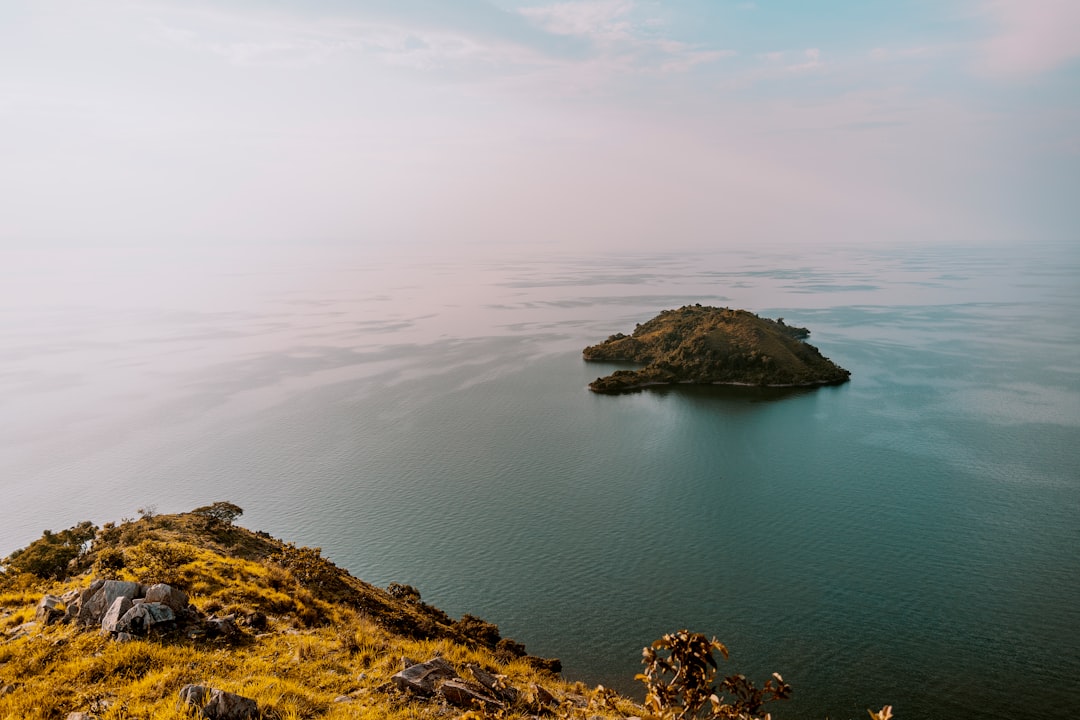
Kigali is the essential base — Rwanda’s capital offers the best food, accommodation, and logistics hub for the whole country. Musanze (Northern Province), just 2 hours from Kigali, is the gateway for gorilla trekking in Volcanoes National Park and deserves 2–3 nights. Nyungwe Forest in the southwest rewards slow travellers with chimpanzee tracking and the canopy walkway — stay inside the park at One&Only Nyungwe House. Akagera National Park in the east suits safari lovers seeking the Big Five without Uganda prices. My tip: the Lake Kivu shoreline between Gisenyi (Rubavu) and Kibuye is one of Africa’s most underrated scenic drives — stay in Kibuye for a peaceful, crowd-free night on the water.
What does good accommodation cost per night in Rwanda?
Rwanda runs higher than its East African neighbours. A solid mid-range hotel in Kigali — think Radisson Blu Kigali or Lemigo Hotel — costs $120–200 USD per night. Budget guesthouses in Musanze start at $30–50 USD. Safari lodges near Volcanoes National Park, such as Bisate Lodge, charge $900–2,000 USD per night all-inclusive, which is exceptional but genuinely world-class. Near Nyungwe, expect $200–400 USD for mid-range options inside the park buffer zone. The honest caveat: Rwanda is not a backpacker destination by regional standards — the government deliberately pitches tourism at premium travellers to protect national parks and limit visitor numbers. Dormitory-style hostels exist in Kigali from $15 USD, but they’re exceptions.
When should I book hotels in Rwanda — how far in advance?
Book gorilla trekking permits before accommodation — permits sell out first and dictate your travel dates. I recommend securing Volcanoes National Park lodges at least 3–6 months ahead during peak season (June–September, January–February). Kigali hotels are bookable 4–6 weeks out for most of the year without stress, except during CHOGM-style government summits or African Union meetings, when the city books solid with zero notice. Nyungwe and Akagera lodge capacity is limited — 2–3 months advance booking is safe. My tip: the Rwanda Development Board website sells gorilla permits officially at $1,500 USD per person — book directly there, never through a tout. Shoulder season (March–May, October–November) you can book 2–4 weeks ahead.
When is the best time to travel to Rwanda?
Based on Rwanda’s 5-year climate data, the best months are January, February, June, July, August, and October. June–August is the primary dry season and ideal for gorilla trekking — trails are drier, vegetation thinner, and gorilla visibility better. January–February offers a short dry window between the two rainy seasons, excellent for both wildlife and the Lake Kivu shoreline. October sits at the edge of the short rains and works well if you book early. In my experience, July is Rwanda’s single best travel month — dry, clear skies over the Virungas, and Kigali’s outdoor restaurant scene is buzzing. Avoid April and May — the long rains make mountain trails treacherous and gorilla permits are wasted on muddy, obscured hikes.
How does peak season affect prices in Rwanda?
Rwanda’s peak season (June–September) pushes lodge prices up 20–40% above low-season rates. The gorilla trekking permit stays fixed at $1,500 USD year-round — no seasonal discount exists. What fluctuates most is accommodation: Bisate Lodge can reach $2,000+ per night in July versus $1,400 in April. International flights into KGL from Europe spike by $200–400 USD during European summer holidays when demand peaks simultaneously. In my experience, the honest trade-off is real: visiting in April or November saves meaningful money but gorilla treks become genuinely difficult in deep mud, and some smaller lodges close for maintenance. Budget travellers should target January or February — dry weather, lower lodge rates, and fewer tour groups on the trails.
Best Time to Visit
Which regions of Rwanda have different climate zones?
Rwanda’s climate varies significantly by altitude and geography. The northwest Virunga volcanic zone around Musanze sits above 2,000 metres and is noticeably cooler and mistier — pack a fleece even in July. Nyungwe Forest in the southwest reaches 2,950 metres at its peak and receives heavy rainfall year-round, staying cool at 14–18°C. Kigali at 1,567 metres enjoys a moderate equatorial climate averaging 20–25°C daily. The Akagera National Park in the eastern lowlands (below 1,000 metres) is Rwanda’s hottest zone, reaching 30°C+ and feeling distinctly savanna-like. Lake Kivu along the western border maintains a pleasant microclimate moderated by the lake, making Gisenyi and Kibuye warmer and sunnier than the highlands. Pack layers for any trip combining multiple regions.
What are the rainy seasons in Rwanda?
Rwanda has two rainy seasons. The long rains run from mid-March through May — these are heavy, daily afternoon downpours that make mountain trails slippery and river crossings unpredictable. The short rains fall from October through mid-December, lighter and more manageable. In my experience, October rains are patchy enough that travel remains practical, but March and April are genuinely disruptive for trekking. What most guides omit: Nyungwe Forest receives rain in every month of the year — it’s a rainforest — so waterproof gear is non-negotiable regardless of season. The honest warning: even during the June–August ‘dry season,’ Volcanoes National Park can experience sudden mist and afternoon showers at altitude above 3,000 metres. Always carry a rain jacket on any gorilla trek.
What does a trip to Rwanda cost per person per day?
Rwanda is not budget-friendly by East African standards. A gorilla trekking day alone costs $1,500 USD just for the permit. For non-trekking days, budget travellers spending nights in guesthouses and eating local food can manage $50–80 USD per day in Kigali. Mid-range travellers using decent hotels and private transfers should budget $200–350 USD per day. On gorilla trekking days at a premium lodge like Bisate, total daily spend easily exceeds $2,500 USD per person. My honest assessment: if gorilla trekking is your goal — and it should be — budget $3,000–5,000 USD per person for a 5-day trip including flights, permits, and lodging. A Rwanda trip focused only on Kigali and Akagera can be done for $100–150 USD per day mid-range.
How expensive is food in Rwanda?
Food costs depend entirely on where you eat. At a local restaurant (inzoga) in Kigali’s Nyamirambo neighbourhood, a full plate of rice, beans, plantain, and grilled meat costs $2–4 USD. Mid-range restaurants in Kigali’s Kimihurura district charge $10–18 USD per main course. At upscale spots like Repub Lounge or Shokola Café, expect $20–30 USD per person for a full meal with drinks. Supermarkets like Nakumatt or Simba in Kigali stock imported goods at prices comparable to European supermarkets. My tip: the Kigali market food stalls near Nyabugogo serve the best-value brochettes (grilled skewers) at $1 per skewer — genuinely delicious and completely safe. The honest caveat: lodge dining at Volcanoes and Nyungwe will cost $40–70 USD per meal, typically mandatory as part of all-inclusive packages.
What hidden costs should I expect in Rwanda?
The $1,500 USD gorilla permit is the obvious headline cost, but several others catch travellers off-guard. National park entrance fees are charged daily: Akagera costs $40 USD, Nyungwe $40 USD per person per day, separate from activity fees. Chimpanzee tracking in Nyungwe adds $90 USD per person. Private 4WD transfers between Kigali and Musanze run $80–120 USD one-way with a driver. Many lodges near national parks are full-board only — if you’ve already paid $900/night, you’re also paying for meals whether you want them or not. My warning: tipping culture is expected but rarely mentioned — budget $10–20 USD per day for guides, drivers, and porters. Porters on gorilla treks cost an additional $15–20 USD and are strongly recommended on steep Virunga slopes.
Budget & Costs
How much cash should I bring to Rwanda?
Bring $200–300 USD in cash as an emergency buffer — Rwanda is increasingly card-friendly in Kigali but cash remains king in rural areas. The local currency is the Rwandan Franc (RWF); at current rates, 1 USD ≈ 1,300 RWF. Exchange at Kigali Airport or Bancor exchange offices on Avenue de la Paix in the city centre — avoid hotel reception desks, which offer 10–15% worse rates. ATMs are widely available across Kigali under Bank of Kigali and Equity Bank networks; Visa withdrawals work reliably. In rural towns like Kibuye or Nyagatare, ATMs exist but occasionally run dry — withdraw extra before leaving Kigali. The honest warning: gorilla permit payments must be made online in USD via credit card through the Rwanda Development Board portal — cash is not accepted for permits.
Which credit cards are accepted in Rwanda?
Visa is the most widely accepted card in Rwanda — all major Kigali hotels, upmarket restaurants, and the Rwanda Development Board permit portal accept it. Mastercard works at most Kigali ATMs and larger establishments. American Express is accepted at Radisson Blu Kigali and a handful of top-tier lodges but practically useless elsewhere. In my experience, contactless payment is growing in Kigali but remains rare. The honest caveat: outside Kigali, even in Musanze or Huye, card acceptance drops dramatically — local guesthouses, local restaurants, and market vendors are cash-only. I always carried RWF 50,000–100,000 (≈$38–77 USD) in cash when leaving the capital. Inform your bank before travel — Rwanda’s banking infrastructure can trigger fraud alerts on foreign cards.
Which regions of Rwanda must I not miss?
Northern Province (Musanze/Volcanoes National Park) is non-negotiable — gorilla trekking here is one of Earth’s most profound wildlife encounters. Kigali deserves at least 2 full days — the Genocide Memorial, Nyamirambo neighbourhood, and the art scene at Inema Arts Centre reward deep exploration. Nyungwe Forest in the southwest is criminally undervisited — the canopy walkway and chimpanzee tracking are world-class with far fewer tourists than the gorilla zones. Lake Kivu between Rubavu and Kibuye is Africa’s most underrated lake destination — volcanic hills, calm water, and excellent coffee plantations line the shore. Akagera in the east completes Rwanda’s Big Five offering with lions reintroduced in 2015 and rhinos in 2017. Miss any of these and you’ve only seen half of Rwanda.
What are the tourist highlights of Rwanda?
The undisputed headline is gorilla trekking in Volcanoes National Park — spending 1 hour with a habituated mountain gorilla family at 2,500 metres elevation is unlike anything else on the planet. The Kigali Genocide Memorial is essential context for understanding modern Rwanda — emotionally demanding but unmissable. Nyungwe Forest’s canopy walkway stretches 90 metres above the forest floor. The golden monkey tracking in Volcanoes National Park offers a cheaper alternative to gorilla trekking at $100 USD per permit. Akagera’s boat safaris on Lake Ihema deliver hippo and crocodile encounters at close range for $35 USD per person. The Inema Arts Centre in Kigali showcases Rwanda’s thriving contemporary art scene — free entry and genuinely surprising quality.
What experiences in Rwanda are found nowhere else on Earth?
Mountain gorilla trekking is the defining answer — roughly 60% of the world’s remaining mountain gorillas live in Rwanda’s Virungas, making this irreplaceable. The combination of gorillas, volcanic landscape, and Rwandan guide expertise creates something Uganda and DRC cannot replicate for atmosphere and infrastructure. Kwita Izina, Rwanda’s annual gorilla naming ceremony held every June, gathers conservationists and celebrities worldwide — attending is a surreal privilege. Rwanda is also the world’s first country to ban plastic bags entirely (since 2008) — the resulting cleanliness is genuinely startling after other African travel. Kigali’s Car-Free Day every last Sunday of the month closes major roads to vehicles — thousands of cyclists, joggers, and street food vendors take over, and it’s one of the most joyful urban experiences I’ve encountered in Africa.
Regions & Highlights
Which areas of Rwanda are overcrowded — and what are the quieter alternatives?
Volcanoes National Park gorilla sectors can feel busy during July and August — though Rwanda caps daily gorilla trekking permits at 96 per day across 8 groups, so ‘crowded’ is relative. The approach road through Kinigi village and the park headquarters get genuinely hectic on peak mornings. The quieter alternative is golden monkey trekking at the same park — permits are $100 USD versus $1,500 USD, and you’ll often have the experience nearly to yourself. Kigali’s Kimihurura restaurant strip on weekends rivals any European brunch scene for crowds. My tip: visit the Kigali Genocide Memorial on a Tuesday or Wednesday morning — weekend crowds are substantial. For gorilla trekking, the Sabyinyo or Hirwa groups typically involve longer, more remote hikes with smaller group atmospheres than the more accessible Amahoro group.
How many days do I need in Rwanda?
7 days is the workable minimum to experience Rwanda’s essentials without rushing. My recommended split: 2 days in Kigali, 2–3 days in Musanze for gorilla or golden monkey trekking, 1–2 days on Lake Kivu. A 10–12 day itinerary adds Nyungwe Forest (2 days) and Akagera (2 days), completing Rwanda’s full ecological range. The honest caveat: gorilla trekking permits dictate your schedule — once you’ve booked a specific date, your entire itinerary must flex around it. Factoring in travel days between regions on mountain roads, don’t underestimate transfer times: Musanze to Nyungwe via Kigali takes 6–7 hours. I’d never do Rwanda in fewer than 5 days — anything less and you’re spending most of your time in transit.
Do I need a visa to visit Rwanda?
Citizens of African Union member states get visa-free entry to Rwanda — no advance application needed. Most other nationalities, including US, UK, EU, Canadian, and Australian passport holders, qualify for a visa on arrival or e-visa, both costing $50 USD for a 30-day single-entry visa. Apply via https://irembo.gov.rw — the e-visa process takes 3–5 business days and I strongly recommend doing it before departure to avoid the arrival queue. The honest warning: the visa on arrival is available but the queue at Kigali Airport can run 45–90 minutes on busy flight arrival days. My tip: the East Africa Tourist Visa ($100 USD) covers Rwanda, Uganda, and Kenya in a single multiple-entry visa — exceptional value if your itinerary combines all three countries.
What languages are spoken in Rwanda?
Rwanda has three official languages: Kinyarwanda, French, and English. After the 1994 genocide, Rwanda switched its education system from French to English in 2009, making English now the dominant language of business, government, and tourism. In my experience, English fluency in Kigali, Musanze, and all major national park areas is genuinely excellent — better than most East African capitals. French remains useful in rural western Rwanda near the DRC border and with older generations. Kinyarwanda is the language of daily life everywhere — learning basic phrases like ’muraho’ (hello) and ‘murakoze’ (thank you) earns instant warmth from locals. The honest note: in remote areas like Nyungwe buffer zone villages, English drops off sharply and a French phrase book or local guide becomes valuable.
What cultural rules do I need to know before visiting Rwanda?
Plastic bags are illegal in Rwanda — you will be stopped at the airport and bags confiscated. Pack everything in fabric or reusable bags before arrival. Umuganda (community work day) falls on the last Saturday of every month — from 7am to midday, most businesses close and roads are quiet as citizens participate in mandatory public works. Don’t schedule transport or activities on those mornings. Photography requires sensitivity around the Genocide Memorial and military installations — always ask permission before photographing people in rural areas. Rwanda is deeply respectful of authority — modest dress is expected in government buildings and memorials. The honest warning: discussing ethnicity (Hutu/Tutsi) publicly is legally restricted in Rwanda and socially charged — follow the country’s lead and treat all Rwandans as Rwandan, nothing else.
Practical Tips
How safe is Rwanda for travellers?
Rwanda is East Africa’s safest country for tourists — full stop. Kigali consistently tops safety rankings for African capitals, and I’ve walked alone at night in Kimihurura and Nyamirambo without any issue. Petty crime exists but at levels lower than Nairobi, Kampala, or Dar es Salaam. The police presence is visible and effective. The border areas with eastern DRC near Goma carry genuine instability risk — avoid crossing into DRC unless with an organised, expert-led tour. Akagera’s eastern border with Tanzania is secure and well-patrolled. The honest trade-off: Rwanda’s safety comes partly from strict law enforcement — jaywalking, littering, and public drinking outside licensed premises are actively fined. Rwanda is not a place to push boundaries casually. For solo female travellers, Rwanda is among Africa’s most comfortable and harassment-free destinations.
What health precautions should I take before visiting Rwanda?
Yellow fever vaccination is mandatory for entry into Rwanda — carry your physical vaccination certificate. Malaria prophylaxis is strongly recommended — Rwanda has year-round malaria transmission, particularly in the Akagera lowlands and Lake Kivu shoreline. Consult your travel doctor for Malarone or Doxycycline at least 2 weeks before departure. Altitude sickness is a minor concern on gorilla treks above 3,000 metres — ascend gradually and stay hydrated. The honest warning many guides omit: tap water in Kigali is technically treated but I never drank it — bottled water costs $0.50 USD per litre everywhere. Hepatitis A, Typhoid, and Rabies vaccinations are recommended by the CDC and WHO. The nearest major hospital for serious emergencies is King Faisal Hospital in Kigali, the country’s best facility and equipped for most medical situations.
What SIM card or eSIM options are available in Rwanda?
MTN Rwanda is the dominant network with the best 4G coverage across the country, including surprisingly strong signal near Volcanoes National Park and Nyungwe Forest. A tourist SIM from MTN at Kigali Airport costs $2–5 USD including starter data. Top up data bundles at any petrol station or mobile money agent — 1GB costs approximately $1 USD. Airtel Rwanda is the main alternative, cheaper but with spottier rural coverage. For eSIM, Airalo’s Africa regional plans work in Rwanda and are activatable before departure — I used a 3GB plan for $9 USD on a recent trip and it covered the full 8-day itinerary. My honest caveat: above 2,500 metres in the Virungas, all networks weaken significantly — don’t rely on phone navigation inside the park. Download offline maps via Maps.me before heading north.
Which apps do you recommend for travelling in Rwanda?
Yego Cab is Rwanda’s essential taxi app — safer and cheaper than street taxis in Kigali, with metered fares and driver tracking. Uber also operates in Kigali and is worth having as a backup. Google Maps covers Rwanda with reasonable accuracy for Kigali navigation; Maps.me with offline downloads is better for Nyungwe and Akagera rural roads. MTN MoMo (Mobile Money) is Rwanda’s de facto payment system — even if you don’t use it personally, your guides and local contacts rely on it heavily. WhatsApp is the universal communication platform — your hotel, driver, and park ranger contacts will all use it. iRembo is the official government services app where you manage e-visas and park permit queries. The honest tip: download all offline maps before leaving Kigali — reliable internet disappears quickly once you head into the highlands.
What are common traveller mistakes in Rwanda?
The biggest mistake: booking gorilla trekking permits without checking group fitness requirements. Treks to some gorilla groups like Susa involve 4–6 hours of steep hiking at 3,000 metres+ — several visitors per year are turned back at the trail. Porters ($15 USD) should be hired by everyone, not just the unfit. Second mistake: arriving with plastic bags — confiscated at the border without exception. Third: underestimating transfer times — the Kigali-to-Musanze road is only 110 km but takes 2.5 hours on a good day. Fourth: converting money at hotel reception desks — the rate is 10–15% worse than city exchange bureaux. My final warning: skipping Kigali to rush to the parks — Rwanda’s capital is a genuinely fascinating city with a story unlike anywhere else in Africa, and two days there sets the entire trip in meaningful context.
Rwanda at a Glance
| Population | 14,569,341 |
|---|---|
| Currency | Rwandan franc (RWF) |
| Official language | Kinyarwanda, English, French |
| Time zone | UTC+02:00 |
Source: Wikidata, retrieved August 2026.
Essential Resources for Planning Your Trip to Rwanda
- Wikipedia: Rwanda — history, geography & background
- Wikivoyage: Rwanda — community travel guide & practical tips
- Rwanda — Lonely Planet — expert itineraries & travel inspiration
- Rwanda — TripAdvisor — hotels, restaurants & traveller reviews
- Numbeo: Cost of Living in Rwanda — current prices & cost comparison
- Timeanddate: Rwanda Weather & Climate — forecasts & climate statistics
Data Sources
This page was compiled using data from Wikipedia, Wikidata, Open-Meteo (climate), Numbeo (cost of living) and REST Countries. Information is updated regularly.
More Perspectives on Rwanda
- Rwanda Travel Tips: Dos and Don’ts to Know Before You Go
- Rwanda Travel Articles & Tips (Free Online Expert Advice)
- The Ultimate Rwanda Travel Guide: Itineraries, Logistics …
Rwanda Travel Videos
Watch these videos for a visual preview before your trip:
- Top 10 Best Things to do in Rwanda [Rwanda Travel Guide 2024]
- Rwanda’s Unspoken Rules: Here’s What Locals Know
- Top 10 Best Places to Visit in Rwanda | Hidden Paradise of Africa
Rwanda Travel Discussions on Reddit
Real traveller experiences and community advice: