
Sarajevo Region: The Complete Travel Guide (2026)
Last reviewed: September 2026 · key facts checked against Wikidata
Sarajevo Region Travel Guide: Everything You Need to Know (2026)
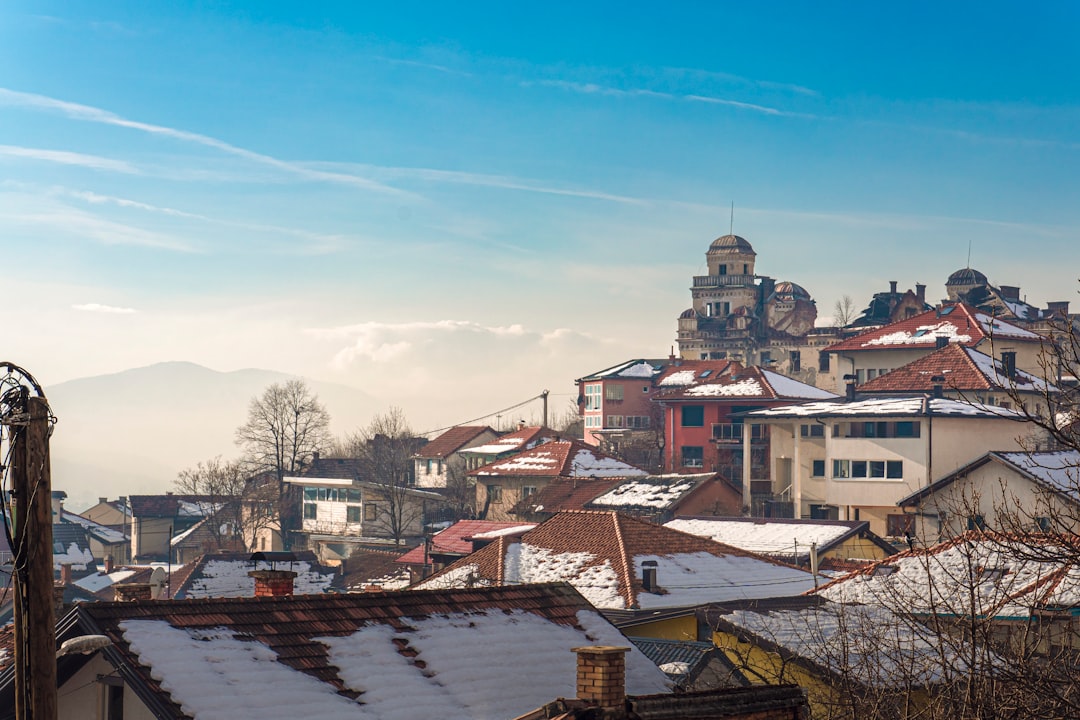
The Sarajevo Region sits at 527 metres above sea level in the heart of Bosnia and Herzegovina, cradled by the Dinaric Alps in a valley that has shaped civilisations for centuries. Home to a city of 275,524 people, Sarajevo itself is one of the few places on Earth where Ottoman mosques, Austro-Hungarian facades, Orthodox churches, and Catholic cathedrals share the same city block. The region gained global notoriety as the site of the 1914 assassination that triggered World War I and later endured a 1,425-day siege — the longest of a capital city in modern warfare.
Three Things Not to Miss in Sarajevo Region
- Baščaršija Bazaar — Sarajevo’s 15th-century Ottoman bazaar is the beating heart of the city, where copper smiths still hand-beat cezve pots daily.
- Tunnel of Hope (Tunel spasa) — The 800-metre wartime tunnel that kept Sarajevo alive during the 1990s siege — the most visceral history experience in the Balkans.
- Trebević Mountain — A cable car ride to 1,627 metres delivers panoramic valley views and the eerie ruins of the 1984 Winter Olympics bobsled track.
Scroll down for our complete travel guide with tips on getting there, where to stay, costs and more.
How to Reach Sarajevo Region
How do I best reach the Sarajevo Region?
Fly directly into Sarajevo International Airport (SJJ), just 9 km from the city centre — it is by far the easiest entry point. In my experience, direct flights from Vienna, Istanbul, Frankfurt, and Ljubljana are the most reliable routes. Budget carriers like FlyOne and Turkish Airlines frequently offer the best fares. If you are coming overland, the bus from Mostar takes roughly 2.5 hours and the scenery through the Neretva canyon is genuinely spectacular. One caveat most guides omit: train connections to Sarajevo are extremely slow and infrequent — the Zagreb route takes over 9 hours — so I never recommend rail unless you are a committed rail romantic.
Which airport is closest to the Sarajevo Region?
Sarajevo International Airport (SJJ) is the closest airport, located 9 km southwest of the city centre in the Butmir district. It is a compact but functional airport with a single terminal. My tip: do not count on airport lounges or extensive food options — eat before you land. The airport handles surprisingly good international connectivity for a city of 275,524, with Turkish Airlines via Istanbul offering the widest global connections. A second option for budget travellers is Dubrovnik Airport (DBV) in Croatia, roughly 235 km away, but that adds a 3.5-hour bus transfer — only worth considering if fares are dramatically cheaper.
How long is the journey from the capital to the Sarajevo Region’s key destinations?
Sarajevo itself is the regional capital, so journey times radiate outward from the city. The most popular regional excursion is Mostar, which is 129 km south and takes approximately 2.5 hours by bus. Višegrad, famous for its UNESCO-listed Ottoman bridge complex, is 134 km east and about 2.5 hours by car. The mountain resort of Jahorina sits just 28 km from the city centre — roughly 40 minutes by car. What surprised me: the roads into the Dinaric Alps can be genuinely slow due to hairpin bends and truck traffic, so always add 30 minutes to any GPS estimate when heading into the mountains.
Are there direct bus connections around the Sarajevo Region?
Yes — bus is the backbone of regional transport. Sarajevo’s East Bus Station (Istočno Sarajevo) and the main Sarajevo Bus Station on Put Života together serve dozens of daily departures. Buses to Mostar depart roughly every hour from early morning and cost around BAD 18–22 one way. Services to Trebinje, Foča, and Pale run multiple times daily. My honest caveat: timetables are not always reliably published online — I recommend showing up at the station 30 minutes early and confirming departure times at the counter. Getbybus.com is the most useful booking platform for this region, though not all operators list there.
Is a rental car necessary to explore the Sarajevo Region properly?
A rental car is strongly recommended if you plan to explore beyond the city itself. Sarajevo’s city core is walkable and tram-served, but places like Lukomir village (at 1,495 metres, Bosnia’s highest permanently inhabited settlement), Prokoško Lake, or the waterfalls of Skakavac are essentially unreachable without private wheels. Rental rates from agencies like Budget and Europcar at SJJ Airport start around BAD 70–90 per day for a compact car. My warning: mountain roads in this region are often unpaved and steep — always rent a car with decent ground clearance and check whether your rental agreement covers Bosnia if picking up in a neighbouring country.
Sleeping in Sarajevo Region
Which towns make good bases when visiting the Sarajevo Region?
Sarajevo city centre, specifically the neighbourhoods of Baščaršija and Kovači, is the ideal base for 90% of travellers — everything is walkable and tram-connected. For mountain-focused trips, Jahorina resort village works well as an alternative base, particularly in winter ski season or summer hiking season. Pale, just 18 km east of Sarajevo, is a quieter, cheaper option with good road access to both the city and the Jahorina-Bjelašnica massif. My experience: staying in Baščaršija puts you within 10 minutes walk of most historical sites and the best restaurant strip — I would not trade that convenience for peripheral savings.
Where should I stay in the Sarajevo Region?
Stay in Baščaršija for atmosphere — small boutique hotels like Hotel Muslibegović House (a converted 18th-century Ottoman mansion) offer genuine character unavailable in chain hotels. The Ferhadija Street corridor running toward the Cathedral is also excellent — central, walkable, and lined with cafes. For a mid-range option, the area around Marijin Dvor offers modern hotels within 15 minutes walk of the old town. Budget travellers do well in Kovači neighbourhood where several family-run guesthouses charge under BAD 60 per night. My honest caveat: rooms in Baščaršija can be noisy on Friday and Saturday nights due to the cafe scene — pack earplugs if you are a light sleeper.
What does accommodation cost in the Sarajevo Region?
Accommodation here is genuinely affordable by European standards. A clean, well-located hostel dorm bed runs BAD 25–40 per night. A solid mid-range double room in the Baščaršija area costs BAD 90–150 per night. Boutique hotels with historical character — the category I recommend most — run BAD 160–250 per night. The top-end option, Hotel Europe, a restored Austro-Hungarian landmark on Vladislava Skarića Street, charges around BAD 300–400 per night. What surprised me: breakfast is often included at mid-range properties and it is genuinely substantial — not a token croissant — so factor that into value comparisons with cheaper alternatives nearby.
How far in advance should I book accommodation in the Sarajevo Region?
Book at least 6–8 weeks ahead for July and August, and 3–4 months ahead for the winter ski season around Jahorina (January–March). The boutique hotel category — which has the best value and character — has limited inventory; Hotel Muslibegović House, for example, has only 14 rooms and sells out fast. For shoulder season months like April, May, or October, you can often book 2 weeks in advance without issue. My warning most guides skip: major local events like the Sarajevo Film Festival in August compress availability drastically — the city’s best rooms disappear months ahead of that week, so check festival dates before assuming summer is flexible.
When is the best time to visit the Sarajevo Region?
Based on verified climate data, July and September are the optimal months. July delivers warm, dry days ideal for mountain hiking on Bjelašnica and Trebević, while September brings cooler temperatures, smaller crowds, and the tail end of the Sarajevo Film Festival buzz. In my experience, September is the single best month — the light is extraordinary, the hills are still green, and locals are back from holiday, making the cafe scene more authentic. December through February is compelling for ski tourism on Jahorina, where the 1984 Winter Olympics were held, but the city itself can feel grey and bitterly cold. Avoid late November — it is off-season limbo with little reward.
When to Travel to Sarajevo Region
How does the weather in the Sarajevo Region affect activities?
At 527 metres elevation, Sarajevo experiences genuine four-season weather that directly dictates what is possible. Summer (June–August) is ideal for hiking Lukomir village trails, cable car rides on Trebević, and outdoor cafe culture in Baščaršija. Winter (December–March) enables skiing on Jahorina’s 20 km of pistes, just 28 km from the city centre — a genuinely underrated ski destination. Spring brings unpredictable rain that can make mountain roads hazardous. My caveat: the valley geography means Sarajevo accumulates fog and smog in winter — air quality is sometimes genuinely poor in January, which is not commonly mentioned in travel guides. Check air quality apps before planning outdoor winter activities.
Are there local festivals in the Sarajevo Region worth attending?
Absolutely — the Sarajevo Film Festival in August is the standout, established in 1995 during the siege and now one of Southeast Europe’s most prestigious film events, drawing international directors and stars to venues across the city. The Jazz Fest Sarajevo in November transforms several old-town venues into intimate concert halls. Baščaršija Nights, running throughout July, fills the old bazaar with open-air music, theatre, and folk performances nightly — entry is free for most events. My personal recommendation: Baščaršija Nights on a warm July evening, with copper-smiths working in the lanes, muezzin calls echoing across the valley, and live sevdah music drifting from a courtyard, is one of the most atmospheric experiences I have had anywhere in the Balkans.
When does the Sarajevo Region get crowded, and how can I avoid the worst of it?
Peak crowds arrive in July and August, particularly during the Film Festival week (late July/early August) when hotel prices spike 30–50% and Baščaršija gets genuinely congested. Jahorina ski resort is busiest on weekends in January and February — locals from Sarajevo flood the slopes on Saturdays, making lifts slow. My tip: visit Baščaršija before 10am to experience it without tour groups — the bazaar at dawn, with bakers pulling bread from wood-fired ovens, feels like a different world. For the mountains, weekday visits to Jahorina or Bjelašnica cut crowd density dramatically. September is my top recommendation for avoiding crowds while keeping excellent weather.
What does a daily budget cost in the Sarajevo Region?
The Sarajevo Region is one of Europe’s best-value destinations. A budget traveller spending nights in a hostel, eating at local ćevapi joints, and using trams can manage on BAD 60–80 per day. A comfortable mid-range traveller — boutique hotel, restaurant lunches, a museum or two, and an Uber — will spend BAD 150–220 per day. A splurge day, including a top-end hotel, fine dining at Inat Kuća restaurant, and a guided tour, reaches roughly BAD 350–500. What surprised me: alcohol is inexpensive — a local Sarajevsko beer costs BAD 3–5 at a local bar, less than half the price of a comparable drink in Vienna or Ljubljana. Budget generously for coffee — Bosnian coffee culture is time-consuming and wonderful.
Is the Sarajevo Region cheaper or more expensive than other Balkan regions?
Sarajevo is cheaper than Dubrovnik and Ljubljana but broadly comparable to Belgrade and Skopje. Restaurant meals at mid-range spots cost BAD 15–30 per main course, versus €15–25 in Dubrovnik for equivalent food. Museum entry is typically BAD 5–12, dramatically cheaper than equivalent attractions in Croatia or Slovenia. The honest caveat: accommodation pricing has risen noticeably since 2022 as tourism has surged — the era of BAD 50-per-night boutique rooms is largely gone for the best properties. Transport within the region remains the standout bargain — a tram ride costs BAD 1.80, and a bus to Mostar costs under BAD 22 regardless of global inflation elsewhere.
Daily Costs in Sarajevo Region
What free highlights are there in the Sarajevo Region?
Sarajevo rewards walkers with a remarkable density of free experiences. Baščaršija bazaar itself is free to enter and wander — the copper-smith quarter of Kazandžiluk is the most photogenic lane. The Latin Bridge, site of the 1914 assassination of Archduke Franz Ferdinand, is free to visit. The Yellow Fortress (Žuta Tabija) above the old town offers the best panoramic view of the valley at zero cost. Hiking up Trebević Mountain on foot is free — only the cable car costs (around BAD 10). My tip: walk the Miljacka River embankment from the Latin Bridge toward the Academy of Fine Arts — it is a 25-minute stroll through Austro-Hungarian architecture that most tourists miss entirely.
What do local specialities cost in the Sarajevo Region?
A portion of ćevapi — the essential Bosnian minced-meat sausage served in flatbread with raw onion and kajmak — costs BAD 5–9 at a local place like Ćevabdžinica Hodžić in Baščaršija. A bowl of begova čorba (bey’s soup, a rich chicken and vegetable broth) runs BAD 6–10. A full sit-down lunch with a main course, salad, and Bosnian coffee at a neighbourhood restaurant costs BAD 18–30 per person. A traditional Bosnian coffee ceremony at a baščaršija kafana costs BAD 2–4 — and the ritual of pouring, waiting, and sipping is genuinely slower than anything you will experience in a Western European cafe. My warning: tourist-facing restaurants near Pigeon Square charge up to double these prices.
Which 5–7 day route do you recommend for the Sarajevo Region?
Day 1–2: Sarajevo city core — Baščaršija, Latin Bridge, Gazi Husrev-beg Mosque, the History Museum, and the Tunnel of Hope. Day 3: Trebević Mountain — cable car up, walk the ridge, visit the abandoned Olympic bobsled track, descend on foot through the old Jewish cemetery. Day 4: Day trip to Mostar — 2.5 hours by bus, Stari Most bridge, the Koski Mehmed Pasha Mosque, lunch at a riverside restaurant. Day 5: Jahorina or Bjelašnica — hiking in summer, skiing in winter; visit Lukomir village if road conditions allow. Day 6: Višegrad — the Ivo Andrić Museum and Andrićgrad complex plus the UNESCO Mehmed Paša Sokolović Bridge. Day 7: Sarajevo slow day — the Markale Market, Ferhadija Street shopping, farewell Bosnian coffee.
What are the must-see sights in the Sarajevo Region?
The Tunnel of Hope (Tunel spasa) in Butmir, just 6 km from the centre, is the single most affecting historical site — 800 metres of hand-dug wartime tunnel that kept Sarajevo alive during the 1992–95 siege. Gazi Husrev-beg Mosque (1531) in Baščaršija is the finest Ottoman mosque in the Balkans outside Turkey. The 1984 Olympic bobsled track ruins on Trebević are hauntingly photogenic. The National Museum of Bosnia and Herzegovina holds the 14th-century Sarajevo Haggadah, one of the world’s oldest illustrated Jewish manuscripts. For mountain scenery, the road to Lukomir village at 1,495 metres is a drive unlike any other in the region — ancient stone houses, nomadic shepherds, and Dinaric panoramas.
What natural highlights does the Sarajevo Region offer?
The region is ringed by genuinely dramatic mountain terrain. Bjelašnica (2,067 metres) hosted the 1984 Winter Olympics alpine events and offers both ski infrastructure in winter and unmarked hiking trails in summer. Trebević (1,627 metres) is reachable by cable car in 8 minutes from the city and feels impossibly close given the urban contrast below. Skakavac Waterfall, a 98-metre free-falling cascade near the suburb of Nahorevo, requires a 1.5-hour forest hike from the trailhead. The Rakitnica Canyon, south of Bjelašnica, is one of Bosnia’s deepest gorges and largely unknown to non-specialist travellers. My tip: combine Lukomir village with a Rakitnica Canyon rim walk for the most rewarding full-day mountain experience in the region.
What Not to Miss in Sarajevo Region
What local specialities should I try in the Sarajevo Region?
Start with ćevapi — Sarajevo’s version uses a specific blend of beef and lamb and is categorically different from versions served elsewhere in the Balkans. Burek (flaky pastry stuffed with minced meat) from a pekara (bakery) at 6am is a non-negotiable experience. Klepe are Bosnian dumplings filled with meat and served with garlic yoghurt — find them at Dveri restaurant near Baščaršija. Tufahija, a whole poached apple stuffed with walnuts and whipped cream, is the dessert that most surprises visitors. The Bosnian coffee ritual — coffee grounds settle in the džezva, you pour slowly, and sip with a sugar cube held between your teeth — is less a beverage and more a philosophy of unhurried time.
What activities are available in the Sarajevo Region?
The range is broader than most expect from a city of 275,524. Skiing and snowboarding on Jahorina’s 20 km of pistes runs from December through March, with lift passes around BAD 60–80 per day. Mountain hiking on Bjelašnica and Trebević is accessible from June through October. War history walking tours — I recommend the Insider Sarajevo Tours operator — run 3-hour guided walks covering siege geography, sniper positions, and reconstruction stories. Rafting on the Neretva River is bookable as a day trip in summer. Cooking classes focused on Bosnian cuisine are available through several Baščaršija operators for around BAD 80–120 per person. Street art tours of the Marijin Dvor district reveal a surprising post-war creative scene.
What distinguishes the Sarajevo Region from other Balkan destinations?
Sarajevo is the only European capital where you can hear the adhan (call to prayer), church bells, and see a Sephardic synagogue all within 500 metres — this layering of Ottoman, Austro-Hungarian, Yugoslav, and post-war identities is genuinely unique on the continent. The siege history — 1,425 days, the longest capital city siege in modern warfare — gives Sarajevo a gravity that Dubrovnik and Ljubljana simply do not have. The Sarajevo Canton’s mountains sit within 30 minutes drive of a functioning European capital, making the urban-to-wilderness transition faster than almost anywhere. My honest trade-off: Sarajevo demands emotional bandwidth — this is not a city for pure relaxation; it rewards travellers who engage with complexity.
Which day trips are possible from the Sarajevo Region?
Mostar (129 km, 2.5 hours by bus) is the obvious choice — Stari Most bridge is genuinely worth the journey. Jajce (153 km, 2.5 hours by car) has a waterfall running through the town centre and a medieval fortress — criminally undervisited. Srebrenica (128 km, 2 hours by car) is a profoundly important and sobering day — the memorial and museum at Potočari document the 1995 genocide and require respectful, unhurried time. Višegrad (134 km, 2.5 hours) has the UNESCO-listed Ottoman bridge. My recommendation: do Mostar on public transport, but rent a car for Jajce or Srebrenica — the flexibility to stop, reflect, and change pace on those routes matters significantly.
Are there language barriers in the Sarajevo Region?
Formal language barriers are low in Sarajevo city — English is widely spoken in hotels, restaurants, and tourist areas by anyone under 45. The three official languages (Bosnian, Croatian, Serbian) are mutually intelligible and use both Latin and Cyrillic scripts, which can cause mild signage confusion outside the city. In rural areas — particularly mountain villages like Lukomir — English is minimal and a few words of Bosnian go a long way. My tip: learn ’hvala’ (thank you) and ’dobar dan’ (good day) — Sarajevans respond warmly and disproportionately well to any attempt at their language. Google Translate’s camera function handles Cyrillic menus reliably if you encounter them in eastern parts of the region.
Before You Go to Sarajevo Region
Which apps do you recommend for exploring the Sarajevo Region?
Maps.me or OsmAnd for offline maps — essential for mountain trails and rural areas where data signal drops. Getbybus.com for intercity bus bookings across Bosnia. Taxify/Bolt operates in Sarajevo and is far cheaper and more reliable than street taxis — a city centre trip costs BAD 4–8. Google Translate with offline Bosnian/Croatian downloaded handles menus and signs effectively. XE Currency for live BAD conversion — the currency confuses many travellers used to euro-zone destinations. My honest caveat: Sarajevo’s tram network has no official app — buy physical tickets (BAD 1.80) from kiosks at major stops. For mountain hiking, download Trails of Bosnia or Komoot with pre-downloaded regional maps before heading into the Dinaric highlands.
Are there adequate medical facilities in the Sarajevo Region?
Sarajevo has functional hospital infrastructure, with Klinički Centar Univerziteta Sarajevo (KCUS) on Bolnička Street being the main public hospital. For non-emergency care, private clinics like Eurofarm Centar offer faster service with English-speaking staff and reasonable fees — a basic consultation costs around BAD 40–80. Pharmacies (apoteka) are well-distributed across the city and stock most common medications. My honest warning: outside Sarajevo city, medical facilities in the mountain areas and smaller towns are limited — the nearest serious trauma care for an incident on Bjelašnica or in the Rakitnica Canyon would be a 40–60 minute drive to the city. Travel insurance with helicopter evacuation coverage is genuinely worth having if you plan serious mountain hiking.
How safe is the Sarajevo Region for travellers?
Sarajevo is safe for the vast majority of travellers — petty crime is low by European standards and violent crime against tourists is rare. The city centre, Baščaršija, and the Ferhadija corridor are genuinely relaxed at night. My honest caveat that most guides omit: landmines remain a real hazard in rural and mountain areas outside marked trails — Bosnia and Herzegovina still has an estimated 80,000+ unexploded mines, predominantly in forests and hillsides away from established paths. Stick strictly to marked trails on Bjelašnica and Trebević and never walk into unmarked scrubland. The Mine Action Centre of Bosnia and Herzegovina publishes risk zone maps. In the city itself, the main practical risk is traffic — Sarajevo drivers are aggressive and pedestrian crossings are often ignored.
What are common traveller mistakes in the Sarajevo Region?
The single most common mistake: spending only 2 days in Sarajevo and treating it as a transit point to Dubrovnik or Split — the region genuinely rewards 5–7 days. Second mistake: skipping the Tunnel of Hope because it sounds like a grim obligation — it is the most powerful 90 minutes you will spend in the Balkans. Third: eating only in Baščaršija without venturing to neighbourhood spots where ćevapi cost half the price. Fourth: renting a car without checking mountain road conditions — the road to Lukomir closes with snow and some tracks require high clearance. Fifth: not carrying cash — smaller restaurants, mountain huts, and bus stations across the region are cash-only, and BAD banknotes in smaller denominations (10s and 20s) are essential. ATMs are plentiful in the city but scarce beyond it.
Which accommodation types suit the Sarajevo Region best?
Boutique Ottoman-style guesthouses in Baščaršija — converted merchant houses with carved wooden ceilings and interior courtyards — are the single most characterful accommodation type and my top recommendation. Properties like Hotel Muslibegović House and Villa Orient offer this experience for BAD 160–250 per night. For ski season, ski chalets and apartment rentals near Jahorina resort deliver the best value — a self-catering apartment sleeps 4 for around BAD 150–200 per night. Budget travellers are well-served by Baščaršija-area hostels with dorm beds from BAD 25. My caveat: avoid generic business hotels in the Ilidža suburb unless you have a specific reason to be there — they are 10 km from the old town and the connection by tram, while functional, wastes significant time daily.
Sarajevo Region at a Glance
| Population | 275,524 |
|---|---|
| Currency | Bosnia and Herzegovina dinar (BAD) |
| Official language | Bosnian, Croatian, Serbian |
| Time zone | Central European Time |
Source: Wikidata, retrieved September 2026.
Bosnia and Herzegovina › Sarajevo Region
Essential Resources for Planning Your Trip to Sarajevo Region
- Exploring Bosnia and Herzegovina’s history and beauty — official visitor information, passes & events
- Wikipedia: Sarajevo Region — history, geography & background
- Wikivoyage: Sarajevo Region — community travel guide & practical tips
- Guide to Sarajevo, Bosnia – Lonely … — expert itineraries & travel inspiration
- THE 15 BEST Things to Do in Sarajevo (2026) — hotels, restaurants & traveller reviews
- Exploring Bosnia and Herzegovina’s history and beauty — how to get around
- Numbeo: Cost of Living in Sarajevo Region — current prices & cost comparison
- Timeanddate: Sarajevo Region Weather & Climate — forecasts & climate statistics
More Perspectives on Sarajevo Region
- Sarajevo – Camerons Travels | Rick Steves Europe
- The Best Things to do in Sarajevo, Bosnia Herzegovina
- Short guide & tips for visiting Sarajevo : r/bih
Sarajevo Region Travel Videos
Watch these videos for a visual preview before your trip:
- Best Things to See & Do in Sarajevo | City Guide 🇧🇦
- Sarajevo Bosnia Travel Guide: BEST Things To Do in Sarajevo Vlog 4K
- SARAJEVO, BOSNIA & HERZEGOVINA (2024) | 10 BEST Things To Do In & Around Sarajevo
Sarajevo Region Travel Discussions on Reddit
Real traveller experiences and community advice:
- r/travel – Sarajevo, Bosnia and Herzegovina
- Short guide & tips for visiting Sarajevo!? : r/askbosnia
- 5 days in Bosnia and Herzegovina (Sarajevo & Mostar)
Data Sources
This page was compiled using data from Wikipedia, Wikidata, Open-Meteo (climate), Numbeo (cost of living) and REST Countries. Information is updated regularly.