
Setúbal: The Complete Travel Guide (2026)
Last reviewed: September 2026 · key facts checked against Wikidata
Setúbal Travel Guide: Everything You Need to Know (2026)
Setúbal is a working Portuguese city of 123,496 residents sitting at the mouth of the Sado estuary, roughly 50 km south of Lisbon by road — close enough for a day trip but rewarding enough to deserve its own itinerary. Founded as a major sardine-canning hub in the 19th century, it remains one of Portugal’s most underrated coastal cities, flanked by the dramatic Arrábida Natural Park and some of the clearest seawater on the Iberian Peninsula. What surprised me most is how few international tourists actually stop here despite the genuinely world-class scenery on its doorstep.
Three Things Not to Miss in Setúbal
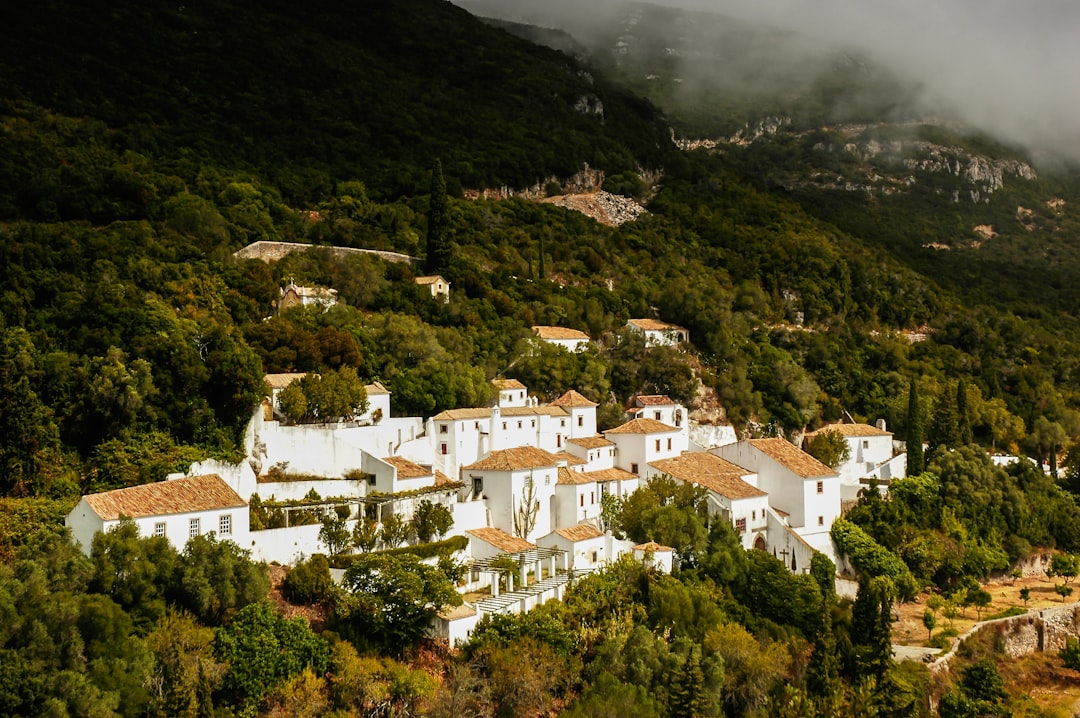
- Parque Natural da Arrábida — Turquoise coves and limestone cliffs just 15 km from the city centre — Portugal’s most stunning coastal scenery.
- Convento de Jesus — Portugal’s oldest Manueline building (1490), housing an undervisited azulejo museum with floor-to-ceiling 18th-century tile panels.
- Dolphin-Watching on the Sado Estuary — A resident pod of roughly 30 bottlenose dolphins lives year-round in the estuary — one of Europe’s most reliable sightings.
Scroll down for our complete travel guide with tips on getting there, where to stay, costs and more.
Getting to Setúbal from the Airport
How do I get to Setúbal?
The fastest option from Lisbon is the Fertagus train, departing from Roma-Areeiro or Entrecampos, reaching Setúbal in approximately 55 minutes for around €3.50 each way. Alternatively, the Lisbon–Setúbal Rede Expressos bus departs from Sete Rios bus terminal and takes about 1 hour. In my experience, the train is superior — it drops you at Setúbal station, a 10-minute walk from the old town. Driving takes roughly 45 minutes on the A2 motorway but parking in the centre is genuinely frustrating during weekday mornings. What most guides omit: the train requires a Lisbon Viva Viagem card topped up before boarding, so buy one at the station kiosk before you rush to the platform.
Which airport is closest to Setúbal?
Lisbon Humberto Delgado Airport (LIS) is your gateway — it sits approximately 60 km north of Setúbal by road. I recommend taking the Aerobus or Metro to Entrecampos, then switching to the Fertagus train for a total journey of around 90 minutes door-to-door. Budget roughly €15–20 for this combination. The honest trade-off: a taxi or Uber directly from LIS to Setúbal costs €50–70 and saves you 30 minutes, but traffic on the A2 toward the Vasco da Gama Bridge can turn that into a 2-hour crawl during Friday afternoons — I learned this the hard way.
How long does the journey from Lisbon to Setúbal take?
By Fertagus train, the journey is a reliable 55 minutes from Roma-Areeiro station in Lisbon. By car on the A2 via the Ponte 25 de Abril, expect 50–70 minutes outside rush hour. What surprised me is that the scenic ferry route from Lisbon’s Belém area across the Tagus does not connect directly to Setúbal — some travellers assume it does. My tip: avoid driving on Friday afternoons or Sunday evenings, when the motorway toward Setúbal backs up for 15–20 km due to Lisbon weekend traffic. The train remains the single most dependable option at any time of day, running at regular 30-minute intervals.
Do I need a rental car to explore Setúbal?
For the city itself, no — but for Arrábida Natural Park, yes. The park’s finest beaches, including Portinho da Arrábida and Galapinhos, are only reachable by car, taxi, or organised tour. In my experience, renting a small car for 1–2 days from Setúbal’s city centre agencies (Europcar and Rent-a-Car Setúbal both operate here) costs €35–55 per day including basic insurance. The honest caveat: between June and September, access to Arrábida’s beaches is restricted to 1,500 vehicles per day and roads close by 10:00 once the limit is reached — arrive before 9:00 or you will be turned away. A guided jeep tour from the city is a smart alternative.
Moving Around Setúbal
Which areas of Setúbal are best to stay in?
Stay in the Bairro Antigo (old town) centred around Largo do Bocage — you are within walking distance of the fish market, the Convento de Jesus, and the waterfront Avenida Luísa Todi. This pedestrian-friendly core is compact enough to cover in an afternoon. I recommend avoiding the Praça de Espanha area, which is convenient for the train station but lacks atmosphere and has noticeably more street noise at night. My tip: the waterfront strip along Avenida Luísa Todi between the market and the marina is the single best stretch to be based near — morning coffee, evening passeio, and harbour views are all on your doorstep.
What does accommodation cost per night in Setúbal?
Setúbal is genuinely affordable by Portuguese standards. A clean 3-star guesthouse in the old town costs €60–85 per night for a double in 2026. The best mid-range option I found is around the Avenida Luísa Todi strip, where boutique guesthouses run €80–110. There is no internationally branded luxury hotel in the city proper — the nearest 5-star options are in Arrábida resort areas such as Quinta das Arrábidas, pricing from €180 per night. The honest trade-off: Setúbal’s accommodation quality is solid but the supply is limited, and during the Festa de Santiago in July, even mediocre rooms fill fast and prices spike by roughly 30–40%.
How far in advance should I book accommodation in Setúbal during high season?
Book at least 6–8 weeks ahead for travel between June and August. The city has a small overall inventory — I count fewer than 20 registered guesthouses and hotels in the historic centre — so it tightens fast. July is the tightest month due to the Festa de Santiago (late July), when Portuguese domestic visitors flood in and last-minute rooms become genuinely scarce. Outside high season, 2–3 weeks is usually sufficient. My tip: if you find nothing in Setúbal itself, the towns of Palmela (12 km north) and Sesimbra (25 km west) make viable bases with their own charms, and availability there remains looser well into summer.
What special accommodation types exist in Setúbal?
The most distinctive option is staying in a converted quinta (farmhouse) on the slopes above the Arrábida Natural Park — properties like Quinta do Paço offer rooms with vineyard views and on-site Moscatel wine production. These typically cost €100–150 per night. A handful of traditional casas de campo in the Serra da Arrábida foothills offer self-catering with private pools for €120–180 per night in high season. In the city itself, Alojamento Local apartments near the fish market are popular with long-stay visitors and cost roughly €70–90 per night for a full apartment. What most guides omit: many of these rural properties have minimum 2-night stays and accept only bank transfer — check before booking.
Choosing a Neighbourhood in Setúbal
What are the must-sees in Setúbal?
Three non-negotiable stops: the Convento de Jesus (free entry to the courtyard, €3 for the museum), the Mercado do Livramento — a 1876 iron-and-tile market hall open Tuesday to Sunday mornings where locals buy fresh fish, and the Arrábida Natural Park coastline. In my experience, most visitors spend all their time at Arrábida and never explore the city — that is a mistake. The old town around Praça do Bocage holds some genuinely beautiful Manueline stonework, and the Museu de Arqueologia e Etnografia contains Roman artefacts from the Sado valley that contextualise the entire region’s 2,000-year history. Budget €15–20 total in entry fees for a full day of sightseeing.
What can I experience for free in Setúbal?
The Convento de Jesus courtyard and its Manueline portal are free to view at any time. The waterfront Avenida Luísa Todi promenade stretching 2.5 km along the Sado estuary costs nothing and is best at sunset. The Mercado do Livramento is free to enter and wander — just be there before noon when stallholders pack up. My tip: take the free city pedestrian route through the Bairro Antigo, following the blue tile panels embedded in the pavement — they tell the city’s industrial fishing history. The honest caveat: the best natural experiences near Setúbal, specifically the beaches of Arrábida, are not free once you factor in car rental or tour costs of €25–45 per person.
Which day trips are possible from Setúbal?
Sesimbra is my top recommendation — a working fishing village 25 km west with a Moorish castle above the bay, reachable by local bus TST line 207 in about 40 minutes for under €4. Palmela, 12 km north, offers a stunning hilltop castle with panoramic views over the peninsula and is a 20-minute drive or bus ride. Alcácer do Sal, a whitewashed town on the Sado river 60 km southeast, is an easy 1-hour drive and feels worlds away from the tourist trail. In my experience, pairing Sesimbra in the morning with an afternoon at Portinho da Arrábida beach — accessible via the same coastal road — makes the single best day trip in the entire region.
What are the local food specialities of Setúbal?
Setúbal’s signature dish is choco frito — battered cuttlefish fried in olive oil, served with chips and a squeeze of lemon. Every serious local restaurant on Rua Augusto Cardoso does a version, and it costs €8–14 as a main course. The cuttlefish comes directly from the Sado estuary, which makes Setúbal’s version fresher than anywhere inland. Pair it with a glass of local Moscatel de Setúbal, a fortified dessert wine produced in the hills above the city since the 17th century — a 125ml glass costs €3–5 in a wine bar. What most guides omit: the fresh clams (amêijoas) from the Sado are exceptional and often cheaper here than in Lisbon — ask for amêijoas à Bulhão Pato at €9–13 per portion.
Top Sights in Setúbal
What makes Setúbal unique compared to other Portuguese cities?
It is simultaneously an authentic working port city and the gateway to arguably Portugal’s most spectacular coastal nature reserve. Unlike Cascais or Sintra, which have been heavily shaped by tourism, Setúbal functions primarily for its own residents — the Mercado do Livramento is not performing for visitors, it is simply how people buy food. The resident pod of 30+ bottlenose dolphins in the Sado estuary is one of only two semi-resident populations in Portugal and among the most accessible in Europe. What surprised me most is the quality of the Moscatel wine tradition — this is one of the world’s oldest designated wine regions, established in 1907, yet it receives almost none of the international recognition of the Douro or Alentejo.
How many days are worthwhile in Setúbal?
2 full days is the sweet spot. Day one: explore the old town, the Convento de Jesus, the Mercado do Livramento, and the waterfront by afternoon. Day two: rent a car and spend the morning at Portinho da Arrábida beach, then drive the scenic EN379-1 ridge road through the natural park with a stop at the Convento da Arrábida (16th century, still inhabited by Franciscan friars). Add a third day if you want to do the dolphin-watching boat tour on the Sado — the 2.5-hour tour departs from the marina and costs €35–45 per person. The honest caveat: 1 day as a Lisbon day trip is possible but gives you only a surface reading of a place that genuinely rewards slower attention.
When is the best time to visit Setúbal?
May, June, and September are the optimal months. Temperatures sit around 22–26°C, the Arrábida water is warm enough to swim (reaching 20–22°C by late June), and the roads to the beaches are not yet at summer capacity. July and August are hotter at 28–32°C but the 1,500-vehicle daily cap on Arrábida access makes beach logistics genuinely stressful. In my experience, a late-May weekend offers the best balance: full sunshine, open restaurants, no queues, and Moscatel wine tastings with the Serra in full green bloom. April is pleasant for hiking in Arrábida but the Atlantic water stays cool at around 16°C, so beach swimming is for the committed only.
Are there local festivals in Setúbal worth attending?
The Festa de Santiago runs across the final 2 weeks of July, centred on Praça de Bocage and the surrounding old town streets. It is a genuine popular festival — not a tourist event — with live music, grilled sardines, street stalls, and fireworks over the Sado estuary. Entry to all street events is free. My tip: the Festival Internacional de Folclore in late July occasionally overlaps, bringing folk dance troupes from across Portugal and Brazil to the Auditório Municipal. What most guides omit: parking becomes completely impossible during Festa de Santiago week — come by train and book accommodation at least 8 weeks in advance, as the city’s small hotel stock fills entirely with Portuguese domestic visitors.
Where to Eat in Setúbal
How does the weather in Setúbal affect what activities I can do?
Weather dictates everything here. Between November and February, the Arrábida clifftop trails are at their greenest and almost deserted — ideal for hiking the 10 km Rota das Grutas coastal path, but the beaches are cold and often windy. The Sado dolphin-watching tours run year-round, but rough winter seas cancel trips on roughly 1 day in 5 between December and March. Summer heat above 32°C makes the old town uncomfortable between 12:00 and 16:00 — plan sightseeing for mornings. In my experience, the most underrated activity window is October: the sea stays warm at around 19°C, the Arrábida scrubland turns fragrant after autumn rains, and you have the entire coastline almost to yourself.
How crowded does Setúbal get in peak season?
The city itself never reaches the crushing saturation of Sintra or Óbidos. Peak pressure hits the Arrábida coastline specifically — on a hot August Saturday, the 1,500-vehicle cap is regularly reached by 9:30, leaving hundreds of cars turned away at the park entrance. The city’s waterfront fills with Portuguese families in July and August but remains walkable. Portinho da Arrábida cove becomes extremely packed between 11:00 and 17:00 in August — arrive before 9:00 or visit on a weekday. My tip: the beach of Galapinhos, a 20-minute walk from the nearest parking area, stays significantly quieter because most visitors won’t make the hike. It consistently ranks among Portugal’s best beaches and often has space even in August.
How safe is Setúbal for tourists?
Setúbal is safe for tourists — petty crime risk is low by European standards. The main caution is the Praça do Brasil neighbourhood north of the train station, where I noticed a concentration of street-level drug activity, particularly after dark. Keep to the Bairro Antigo and waterfront after midnight and you will have zero issues. Car break-ins at Arrábida beach parking areas are the most common crime affecting tourists — never leave bags or valuables visible in a parked car, as smash-and-grab incidents occur in peak season. The dolphin tour marina area and the old town are genuinely relaxed at all hours. Emergency services are responsive, and the Hospital de Setúbal on Rua Camilo Castelo Branco handles tourist medical needs.
Is English widely spoken in Setúbal?
In tourist-facing businesses, yes — hotel staff, tour operators, and most restaurant staff in the old town speak functional to good English. Outside that bubble, Portuguese is essential. The fish market, local tascas on Rua Augusto Cardoso, and neighbourhood cafés operate entirely in Portuguese and locals genuinely appreciate even a basic attempt. In my experience, knowing three phrases unlocks dramatically warmer service: ’uma imperial, por favor’ (a draught beer), ’choco frito para dois’ (cuttlefish for two), and ’a conta, se faz favor’ (the bill, please). What surprised me is that older residents often speak French as their first foreign language — a legacy of emigration patterns — rather than English, so French speakers have an unexpected advantage here.
Before You Go to Setúbal
What is the daily budget for a trip to Setúbal?
A comfortable mid-range day costs €80–110 per person, covering a guesthouse double room split two ways (€35–55 share), three meals including choco frito lunch and a sit-down dinner with wine (€30–40), plus transport and one attraction entry. A budget backpacker day is achievable at €45–60 using hostel dorms (€20–25), market lunches (€8–10), and free sightseeing. The dolphin tour at €35–45 and car rental at €35–55 are the two biggest single-day expenses and should be budgeted separately. My honest caveat: Setúbal is meaningfully cheaper than Lisbon for food and accommodation, but the moment you add a car for Arrábida access, your transport costs match or exceed what you would pay in the capital.
How does public transport work within Setúbal?
The city centre is compact enough to walk — the old town, waterfront, and market are all within a 15-minute walk of each other. TST buses serve the wider municipality, including connections to Sesimbra (line 207) and Palmela (line 101), with fares ranging from €1.80 to €3.50 depending on distance. The Fertagus suburban train connects to Lisbon. Crucially, there is no bus service into Arrábida Natural Park beaches — the park road is served by a private shuttle in high season (€5–8 return from the park entrance), but car or organised tour remains the most practical access. Taxis are available from Praça do Bocage and cost roughly €8–15 for trips within the city.
Which apps do you recommend for visiting Setúbal?
Fertagus app is essential for train timetables and mobile ticketing between Lisbon and Setúbal — it saves you queuing at machines. TST Transportes Sul do Tejo has a functional app for local bus routes and real-time arrivals. For navigation inside Arrábida, maps.me with offline maps downloaded in advance is more reliable than Google Maps, which loses signal in the park’s valleys. VisitSetubal.pt is the official tourism portal — not an app, but the website lists up-to-date beach access restrictions and Arrábida car quotas in season, which I check the night before every visit. For dolphin tour bookings, Vertigem Azul (the main operator) accepts bookings directly via WhatsApp, which is faster than their website.
Setúbal at a Glance
| Population | 123,496 |
|---|---|
| Currency | EUR (€) |
| Official language | Portuguese |
| Time zone | UTC±00:00 |
Source: Wikidata, retrieved September 2026.
Related Travel Guides
Essential Resources for Planning Your Trip to Setúbal
- Is Setubal worth visiting from Lisbon? — official visitor information, passes & events
- Wikipedia: Setúbal — history, geography & background
- Wikivoyage: Setúbal — community travel guide & practical tips
- Setúbal travel – Lonely Planet | Portugal, Europe — expert itineraries & travel inspiration
- THE 15 BEST Things to Do in Setubal (2026) — hotels, restaurants & traveller reviews
- UNESCO World Heritage Sites Of Portugal Vacations — how to get around
- Numbeo: Cost of Living in Setúbal — current prices & cost comparison
- Timeanddate: Setúbal Weather & Climate — forecasts & climate statistics
More Perspectives on Setúbal
- 15 Best things to do in Setúbal: discover this hidden gem in …
- Setúbal Travel Guide
- Setubal Travel Guide 2026: Expert Tips & Reviews
Setúbal Travel Videos
Watch these videos for a visual preview before your trip:
- ✅ Discover Setúbal: A Refreshing Break Just Outside Lisbon 🇵🇹 #227
- Get Ready to Fall in Love with Setubal, Portugal – The Ultimate Guide!
- SETÚBAL Is Rapidly on the Rise | HERE’S WHY! (Value for Money in Lisbon Region)
Setúbal Travel Discussions on Reddit
Real traveller experiences and community advice:
- Day Trips: Setubal, Sintra, Sesimbra from Lisbon?
- Cheap holiday in Setubal
- Cascais vs setubal Day Trip from Lisbon
Data Sources
This page was compiled using data from Wikipedia, Wikidata, Open-Meteo (climate), Numbeo (cost of living) and REST Countries. Information is updated regularly.