
Slovenian Coast: The Complete Travel Guide (2026)
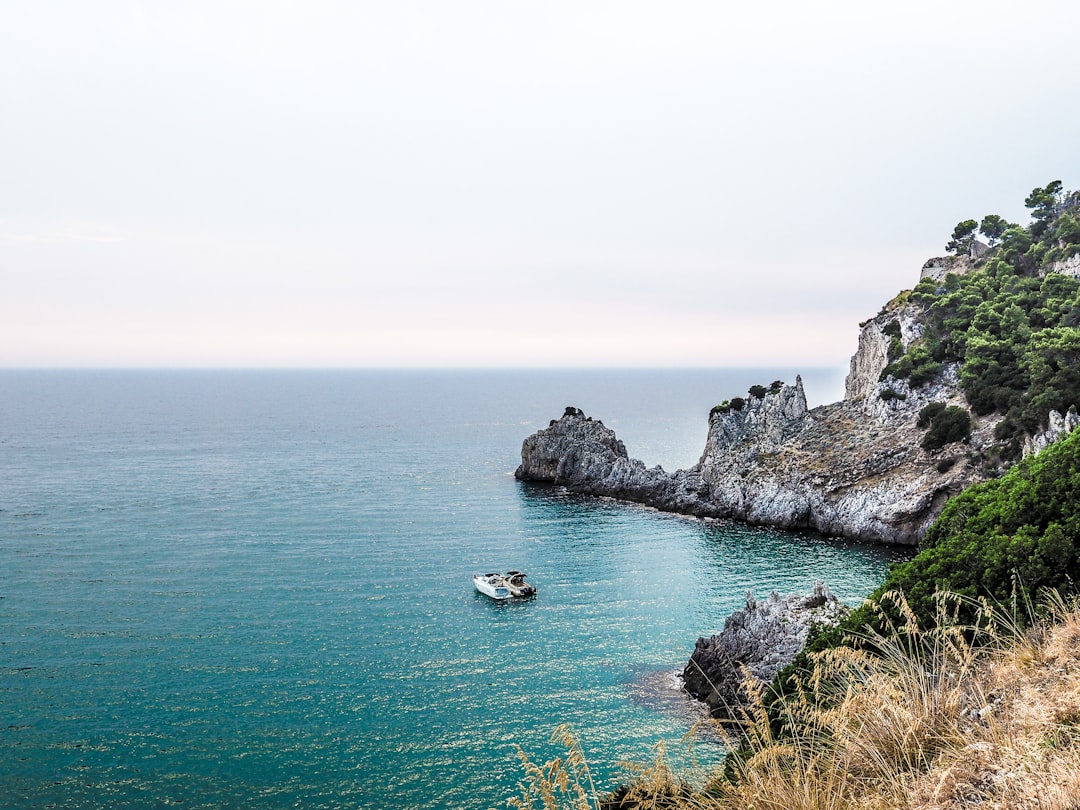
Last reviewed: September 2026 · key facts checked against Wikidata
Slovenian Coast Travel Guide: Everything You Need to Know (2026)
The Slovenian Coast stretches 46.6 km along the Gulf of Trieste on the Adriatic Sea, making it the shortest national coastline in Europe with serious tourist credentials. Anchored by the Venetian-Gothic gem of Piran, the spa resort of Portorož, and the working port city of Koper, this sliver of the Istrian peninsula packs Roman ruins, medieval old towns, and salt pans into a remarkably compact area. Despite sharing the same Adriatic waters as Croatia and Italy, it draws a fraction of the crowds — which is exactly its greatest advantage.
Three Things Not to Miss in Slovenian Coast
- Piran Old Town — A car-free Venetian labyrinth perched on a peninsula, with Tartinijev trg square ringed by 15th-century facades.
- Sečovlje Salina Nature Park — Active salt pans harvested since the 13th century, now home to over 300 bird species and a working salt museum.
- Koper Medieval Core — Slovenia’s only commercial port hides a 15th-century Venetian loggia and a Romanesque cathedral most tourists walk past.
Scroll down for our complete travel guide with tips on getting there, where to stay, costs and more.
Arriving in Slovenian Coast
How do I best reach the Slovenian Coast?
Fly into Trieste Airport (TRS), Venice Marco Polo (VCE), or Ljubljana Airport (LJU) — all within 2 hours by road. In my experience, Ljubljana is the most convenient if you are already in Slovenia, connected by AP Piran bus directly to the coast. Driving is straightforward via the A1 motorway from Ljubljana, roughly 120 km to Koper. A caveat most guides omit: the coast itself has extremely limited parking in peak summer, so arriving by bus saves real frustration. I recommend booking an AP Ljubljana–Koper intercity bus ticket in advance during July and August.
Which airport is closest to the Slovenian Coast?
Trieste Airport (TRS) in Italy is the closest at roughly 30 km from Koper, making it the most practical entry point. My tip: budget airlines including Ryanair serve TRS, and a taxi to Koper costs around €40–€50. Ljubljana Jože Pučnik Airport (LJU) is 120 km away and offers far more flight connections, including long-haul transfers. What surprised me is that many travellers overlook TRS entirely and pay more for LJU flights — check both. The honest caveat: TRS has almost no public bus link to the Slovenian Coast directly, so a rental car or taxi is mandatory from that airport.
How long is the journey from Ljubljana to the Slovenian Coast?
By car on the A1 motorway, the drive from Ljubljana to Koper takes 1 hour 15 minutes under normal conditions — roughly 120 km. The AP Piran express bus from Ljubljana’s main bus station takes about 2 hours and costs around €9–€12 one way. I recommend the bus if you plan to base yourself in Piran or Portorož, since you can transfer to a local bus at Koper. The honest caveat most guides miss: summer Friday afternoons see brutal motorway congestion near the Kozina junction, adding up to 45 minutes to drive times. My tip: travel early morning or midweek.
Are there direct bus connections to the Slovenian Coast?
Yes — AP Piran operates direct coaches from Ljubljana to Koper, Izola, Portorož, and Piran multiple times daily, with the full Piran route taking around 2 hours 15 minutes. Tickets cost €9–€13 depending on the stop, bookable at ap-piran.si. In my experience, the bus is genuinely comfortable and punctual outside peak summer. The honest caveat: there is no direct international coach from Trieste city centre to Piran despite the 50 km distance — you must connect via the Slovenian border crossing or take a taxi. I recommend downloading the Nomago app for real-time schedules.
Is a rental car necessary on the Slovenian Coast?
No — a rental car is not necessary if you base yourself in Piran or Portorož. The coast is only 46.6 km long and local buses connect all four main towns. That said, a car unlocks the Karst plateau above the coast, the Lipica stud farm, and the Hrastovlje medieval church — all within 30 minutes of the coast. Renting in Koper rather than Ljubljana saves around €15–€20 per day on rates. The honest warning: Piran’s old town is entirely car-free, and the parking garage at Fornače charges around €3 per hour in peak season. My tip: go car-free coast, hire for a single day trip inland.
Bases & Accommodation in Slovenian Coast
Which towns make good bases on the Slovenian Coast?
Piran is my top recommendation for atmosphere — its car-free medieval peninsula means you wake up inside a living Venetian townscape. Portorož, literally ‘Port of Roses,’ sits 3 km from Piran and suits travellers who prioritise beach access, spa hotels, and a livelier nightlife strip. Izola is my pick for travellers wanting a working fishing-town feel with fewer tourists and lower prices — meals average €5–€8 less per head than in Piran. Koper works well as a transport hub base but lacks the postcard charm. In my experience, Piran plus a day in Izola covers the full coastal personality in one stay.
Where should I stay on the Slovenian Coast?
Stay in Piran’s old town for the most memorable experience — guesthouses like Val Hostel or boutique rooms on Ulica IX. Korpusa put you steps from the sea walls. Portorož offers full-service spa resorts along its main beach promenade, particularly around Obala street. For budget accommodation, Izola has private apartments for €60–€90 per night where Portorož hotels charge double. I recommend booking directly with owners via Booking.com as many Piran guesthouses don’t advertise elsewhere. The caveat most guides omit: Piran’s medieval streets mean zero elevator access and steep stone stairs — confirm room access before booking if mobility matters.
What does accommodation cost on the Slovenian Coast?
Expect to pay €70–€120 per night for a decent double room in a guesthouse or mid-range hotel in peak July–August. Boutique hotels in Piran’s old town average €110–€160. Portorož’s large spa resort hotels like Hotel Slovenija or Remisens Premium run €150–€250 per night in summer. Budget travellers can find private apartments in Izola or Koper for €55–€80. The honest caveat: Slovenian Coast prices have risen sharply since 2022 — budget quotes from pre-pandemic travel blogs are no longer accurate. My tip: shoulder season (May or October) cuts rates by 30–40% with near-identical weather.
How far in advance should I book accommodation on the Slovenian Coast?
For July and August, book at least 3 months in advance — Piran’s old town has very limited room stock and properties in the medieval core sell out fast. Portorož spa hotels fill by April for peak summer weekends. In my experience, the second week of August is the single hardest week to find availability anywhere on the 46.6 km coast. For shoulder months like May, June, September, or October, 2–4 weeks is usually sufficient. My tip: if Piran is sold out, check Izola immediately rather than settling for a characterless Koper chain hotel — you will not regret it.
When is the best time to visit the Slovenian Coast?
Based on verified climate data, June, July, August, and September are the optimal travel months, with sea temperatures reaching 24–26°C in August. My personal favourite is June — the Adriatic is already warm enough to swim, crowds are 30–40% thinner than July, and hotel rates are lower. September is equally compelling: harvest season on the Karst brings local wine events, temperatures hover around 22–24°C, and Piran’s squares breathe again. The honest caveat: the Bora wind can arrive suddenly in autumn and spring, making sea conditions choppy and outdoor dining uncomfortable — it can last 3–5 days without warning.
Slovenian Coast Through the Year
How does the weather affect activities on the Slovenian Coast?
Summer heat between 28–33°C in July and August makes midday sightseeing in Piran’s stone streets genuinely punishing — I recommend exploring old towns before 10:00 and after 17:00. The Bora wind periodically closes sea kayaking and boat tour operations, sometimes for 2–3 days at a stretch. Salt pan visits at Sečovlje are best in calm morning conditions when birdlife is most active. Cycling the coast road is manageable in June and September but brutal in August heat. My tip: check arso.si (Slovenia’s national meteorology service) the night before any outdoor activity — it gives 48-hour wind and sea state forecasts specifically for the Gulf of Trieste.
Are there local festivals on the Slovenian Coast worth attending?
Tartini Festival in Piran runs every August, staging classical concerts in the open-air Tartinijev trg square — tickets start at €15 and the setting inside the medieval piazza is extraordinary. Piran Musical Evenings (Piranesi) in July brings chamber music to historic church courtyards. The Izola Fishermen’s Festival in late July centres on the old harbour with grilled fish, local wine, and traditional boat races — entry is free. The Koper Summer Festival runs June through August with outdoor cinema and concerts. My honest caveat: Piran events attract large Italian day-tripper crowds from Trieste (50 km away), so book accommodation before buying festival tickets.
When does the Slovenian Coast get crowded?
Peak crowding hits the last two weeks of July through the first two weeks of August, when Italian, Austrian, and German tourists dominate. Piran’s Tartinijev trg and the seafront promenade become genuinely shoulder-to-shoulder by 11:00 on sunny days. What surprised me: Slovenian public holidays — particularly the August 15th Assumption weekend — create a domestic surge on top of foreign visitors, making it the single busiest weekend of the year. Portorož beach is packed by 09:00 in peak weeks. My tip: arrive at any beach or viewpoint before 08:30 for a serene experience even in August.
What does a daily budget cost on the Slovenian Coast?
A realistic daily budget runs €80–€120 per person covering a mid-range guesthouse share, two restaurant meals, local transport, and one paid attraction. Budget travellers staying in Izola apartments and eating at konobas (local taverns) can manage €55–€70 per day. A comfortable day with a spa afternoon in Portorož, wine tasting, and a nice dinner easily hits €150–€180. The honest caveat: the Slovenian Coast is meaningfully more expensive than Croatian Istria just 20 km south — the same meal costs roughly 20–30% more on the Slovenian side of the border. Food and accommodation are the two biggest variables.
Is the Slovenian Coast cheaper or more expensive than other Slovenian regions?
The coast is the most expensive region in Slovenia for accommodation and food — around 25–35% pricier than Ljubljana’s city centre and nearly double the rates in rural regions like Prekmurje. A sit-down dinner in Piran averages €18–€28 per person without wine; the same standard meal in the Soča Valley costs €12–€18. The honest caveat: tourist euros flow heavily into Portorož’s hotel economy, meaning service and quality generally justify higher prices compared to, say, inland Slovenian guesthouses. My tip: shop at Mercator supermarket in Koper and eat your lunch at a local bakery — a solid meal costs €5–€7 and frees budget for a good dinner.
Budgeting for Slovenian Coast
What free highlights are there on the Slovenian Coast?
Piran’s medieval town walls and sea promenade cost nothing to walk and deliver the region’s most iconic views. The lighthouse at Punta on Piran’s tip is freely accessible and spectacular at sunset. Koper’s Praetorian Palace exterior and loggia can be admired without paying entry. Walking the Parenzana trail — the route of a former narrow-gauge railway along the coast — is completely free and covers beautiful scenery between Koper and Izola. The Strunjan Nature Reserve, with its 80 m flysch cliffs, charges no admission. In my experience, the free highlights genuinely rival the paid ones here — Piran’s streets alone justify the trip.
What do local specialities cost on the Slovenian Coast?
A plate of škampi na žaru (grilled Adriatic scampi) at a konoba in Izola runs €16–€24 depending on size. Piran salt — harvested in Sečovlje and sold in boutique packaging — costs €4–€8 for a 200g gift bag. A glass of local Malvazija white wine in a restaurant averages €4–€6. The regional brudet (Istrian fish stew) is a must-try at around €14–€20 per portion. My tip: avoid ordering seafood at Portorož’s hotel restaurants and instead walk 15 minutes to Lucija harbour where local fishermen-run restaurants offer the same dish for 20–30% less. The honest caveat: ‘fresh catch’ labelling is loosely policed — ask explicitly whether fish is from the Adriatic or farmed.
Which route do you recommend for 5–7 days on the Slovenian Coast?
Day 1: Arrive Koper, explore the Romanesque cathedral and Praetorian Palace, lunch at a local konoba. Day 2: Morning in Izola fishing harbour, afternoon drive to Strunjan cliffs. Day 3: Full day in Piran — Tartinijev trg, church of St George, sunset from the town walls. Day 4: Morning at Sečovlje Salina salt pans and museum, afternoon spa at Portorož. Day 5: Day trip to Lipica stud farm (20 km inland) and the Karst village of Štanjel. Day 6–7: Day trip to Trieste (50 km) or the Soča Valley (2 hours), re-explore favourite coast spots at a slower pace. My tip: resist the urge to rush — this coast rewards lingering.
What are the must-see sights on the Slovenian Coast?
Tartinijev trg in Piran is the undisputed centrepiece — a perfectly preserved Venetian square named after composer Giuseppe Tartini, born here in 1692. Sečovlje Salina Nature Park is unlike anything else in Slovenia: medieval salt harvesting still practised on 750 hectares of protected wetland. Koper’s Praetorian Palace houses one of the finest Venetian Gothic facades in the entire Adriatic. The Strunjan flysch cliffs at 80 m are the highest sea cliffs in the entire Gulf of Trieste. In my experience, travellers who skip Koper entirely to rush straight to Piran miss a genuinely impressive medieval core that outpunches its low-key reputation.
What natural highlights does the Slovenian Coast offer?
The Strunjan Nature Reserve protects the last undeveloped stretch of Slovenian coastline, featuring 80 m flysch cliffs, a salt lake, and a lagoon — entry is free. Sečovlje Salina hosts over 300 bird species and is a certified Ramsar wetland site. The Debeli rtič cape near Ankaran has clean rocky swimming spots far from the Portorož beach crowd. Inland within 30 minutes, the Karst plateau offers dramatic limestone dolines, cave systems, and the Lipica stud farm. What surprised me: the water clarity in sheltered bays like Fiesa (just outside Piran’s walls) rivals anything in the Croatian islands — and in June you share it with almost nobody.
Driving & Walking Routes in Slovenian Coast
What local specialities should I try on the Slovenian Coast?
Order Piran salt on everything — it is fleur de sel quality, harvested by hand in Sečovlje using a 700-year-old technique. Istrian truffle dishes appear across coast menus: truffle pasta costs around €14–€18 and the black truffles from nearby Motovun (40 km south) are exceptional. Malvazija Istriana is the indigenous white wine of the peninsula — dry, mineral, and perfect with seafood. Teran, a sharp red from the Karst limestone soil, pairs surprisingly well with salt-cured meats. My honest caveat: many coastal restaurants over-price mediocre seafood targeting day-trippers — ask locals for their konoba of choice rather than entering any restaurant displaying photos of food on the menu board.
What activities are available on the Slovenian Coast?
Sea kayaking from Piran around the cape to Fiesa bay takes 2–3 hours and costs around €35–€45 with a guide. Diving in the Gulf of Trieste reveals Roman amphorae fields — Subaquatic Club Piran runs certified dives from €50. Cycling the Parenzana trail between Koper and Portorož is flat and family-friendly for 15 km. The Sečovlje salt museum offers guided harvesting walks in July and August for €8. Portorož’s Terme & Wellness spa has outdoor pools with sea views at around €30 per day. My tip: combine a morning kayak with an afternoon at Strunjan cliffs and an evening in Piran’s old town for the definitive Slovenian Coast day.
What distinguishes the Slovenian Coast from other Adriatic regions?
The Slovenian Coast is the only place on the Adriatic where you experience genuine trilingual Venetian-Habsburg-Slavic cultural layering in a single afternoon’s walk — street names in Piran appear in both Slovenian and Italian by law. At just 46.6 km, it is Europe’s shortest national Adriatic coastline, which paradoxically creates an intimate, uncrowded character that Dubrovnik and Split lost decades ago. The Sečovlje salt pans represent one of the last living medieval salt industries on the entire Mediterranean. In my experience, the coast feels like Istria without the package-tour machinery — Slovenian hospitality is quieter, more genuine, and the wine list at any konoba is genuinely adventurous.
Which day trips are possible from the Slovenian Coast?
Trieste, Italy is just 50 km from Koper — a 45-minute drive or bus ride delivers you to one of the Adriatic’s great Habsburg café cities. Poreč’s Euphrasian Basilica (UNESCO, 60 km south in Croatia) takes about 75 minutes by car. The Postojna Cave and Predjama Castle sit 60 km inland and make a full-day loop. Lipica stud farm is only 20 km from Koper — home of the Lipizzaner horses since 1580. The Karst village of Štanjel is 35 km away and has a medieval castle and botanical garden. My honest caveat: Croatia border crossings can back up by 30–45 minutes in peak July–August — factor that into timing.
Are there language barriers on the Slovenian Coast?
No significant language barriers exist for English speakers. English is widely spoken in hotels, restaurants, and tourist offices across Piran, Portorož, Koper, and Izola. Notably, the coast is officially bilingual in Slovenian and Italian — menus, street signs, and official communications appear in both languages. This means Italian speakers have an even easier time than elsewhere in Slovenia. The honest caveat: older residents in rural konobas outside the main tourist areas may speak only Slovenian or Italian — a few words of Italian (‘grazie’, ‘per favore’) go a long way and are genuinely appreciated. My tip: learning ‘hvala’ (thank you in Slovenian) earns instant goodwill.
Local Know-How for Slovenian Coast
Which apps do you recommend for the Slovenian Coast?
Nomago (nomago.si) is essential for real-time bus schedules between Koper, Izola, Portorož, and Piran — buy tickets in-app and save the paper ticket queue. Google Maps works reliably throughout the coast for navigation and walking routes. ARSO (Slovenia’s official meteorology app) gives sea state and Bora wind forecasts — critical before booking any boat activity. Maps.me with offline download covers the Parenzana cycling trail without mobile data. The honest caveat: there is no dedicated Slovenian Coast transit app, so Nomago combined with Google Maps covers 95% of transport planning needs. For restaurant discovery, TheFork has Slovenian listings and occasionally offers 10–15% discounts on pre-booked tables.
Are there medical facilities on the Slovenian Coast?
Koper General Hospital (Splošna bolnišnica Izola) — confusingly located in Izola, not Koper — is the main regional facility with a 24-hour emergency department. It sits roughly 7 km from Piran and 3 km from Portorož. Pharmacies operate in all four coastal towns with standard EU hours, typically 08:00–20:00 on weekdays, shorter on Saturdays. My honest caveat: the Izola hospital is a small regional facility — complex cases are transferred to Ljubljana (120 km), so travel insurance covering helicopter or ambulance repatriation is genuinely worth having. EU citizens with a EHIC card receive treatment at Slovenian public facilities at the same cost as Slovenian nationals — carry it.
How safe is the Slovenian Coast?
The Slovenian Coast is extremely safe by any European standard — Slovenia consistently ranks in the top 10 of the Global Peace Index. Petty theft exists in crowded Piran and Portorož beach areas in peak summer but is far below Mediterranean average. The sea itself carries the main practical risk: the Bora wind creates dangerous offshore currents with little warning, and every year swimmers get into difficulty — heed local beach flags rigorously. I have never felt unsafe anywhere on the coast at any hour. My honest caveat: the Portorož beach promenade on Friday and Saturday nights gets lively with young Slovenian and Italian crowds — perfectly safe but noticeably louder than the rest of the coast.
What are common traveller mistakes on the Slovenian Coast?
The biggest mistake: driving into Piran’s old town without realising it is car-free — the fines are real and the narrow streets a genuine trap. Second mistake: spending all time in Portorož without exploring Koper or Izola, missing 80% of the coast’s cultural depth. Third: booking a July or August trip without reservations, then discovering every characterful guesthouse in Piran has been sold out since April. Fourth: eating at restaurants with English photo menus on the Portorož beach strip — prices are 30–40% higher for noticeably lower quality. My tip: walk 10 minutes inland from any waterfront and food quality immediately improves and prices drop. Finally: underestimating the Bora wind’s speed — it can arrive within 2 hours and ground all water activities.
Which accommodation types suit the Slovenian Coast best?
Boutique guesthouses inside Piran’s old town are my top recommendation — small family-run rooms with stone walls and sea glimpses, typically €90–€130 per night, offering an experience no hotel chain can replicate. Apartment rentals in Izola deliver the best value at €60–€100 per night with kitchen access — ideal for stays of 4+ nights. Spa resort hotels in Portorož (think Grand Hotel Portorož or Remisens Premium) suit couples or families wanting thalassotherapy and beach sunbeds without logistics. Agritourism farms (turistične kmetije) on the Karst plateau 15–20 km inland cost €55–€80 and include breakfast with home-produced wine and prosciutto — genuinely worth the short commute to the coast.
Slovenian Coast at a Glance
| Currency | EUR (€) |
|---|---|
| Official language | Slovene |
| Time zone | UTC+01:00 |
Source: Wikidata, retrieved September 2026.
Slovenia › Slovenian Coast
Essential Resources for Planning Your Trip to Slovenian Coast
- I feel Slovenia: The official travel guide to Slovenia — official visitor information, passes & events
- Wikipedia: Slovenian Coast — history, geography & background
- Wikivoyage: Slovenian Coast — community travel guide & practical tips
- Slovenian Coast travel – Lonely Planet | Slovenia, Europe — expert itineraries & travel inspiration
- THE 15 BEST Things to Do in Slovenian Istria (2026) — hotels, restaurants & traveller reviews
- How to Travel Slovenia Without a Car: A 7-Day Itinerary … — how to get around
- Numbeo: Cost of Living in Slovenian Coast — current prices & cost comparison
- Timeanddate: Slovenian Coast Weather & Climate — forecasts & climate statistics
More Perspectives on Slovenian Coast
- Where to Go in Slovenia – A Local’s Guide
- What are good base areas to visit Slovenia’s coastal region?
- Slovenia Travel Guide by Rick Steves
Slovenian Coast Travel Videos
Watch these videos for a visual preview before your trip:
- Piran Travel Guide – Slovenia’s Gorgeous Istrian Coastline 🇸🇮 Best Things to Do, See & Eat!
- Top 10 Places To Visit In Slovenia – Travel Guide
- Travel Guide to Piran, Slovenia
Slovenian Coast Travel Discussions on Reddit
Real traveller experiences and community advice:
- Slovenia makes the most of its 27-mile Adriatic coastline
- What’s like living in Slovenia coastline? Surely it looks …
- Just got back from Slovenia, absolutely incredible : r/travel
Data Sources
This page was compiled using data from Wikipedia, Wikidata, Open-Meteo (climate), Numbeo (cost of living) and REST Countries. Information is updated regularly.