
Julian Alps: The Complete Travel Guide (2026)
Last reviewed: September 2026 · key facts checked against Wikidata
Julian Alps Travel Guide: Everything You Need to Know (2026)
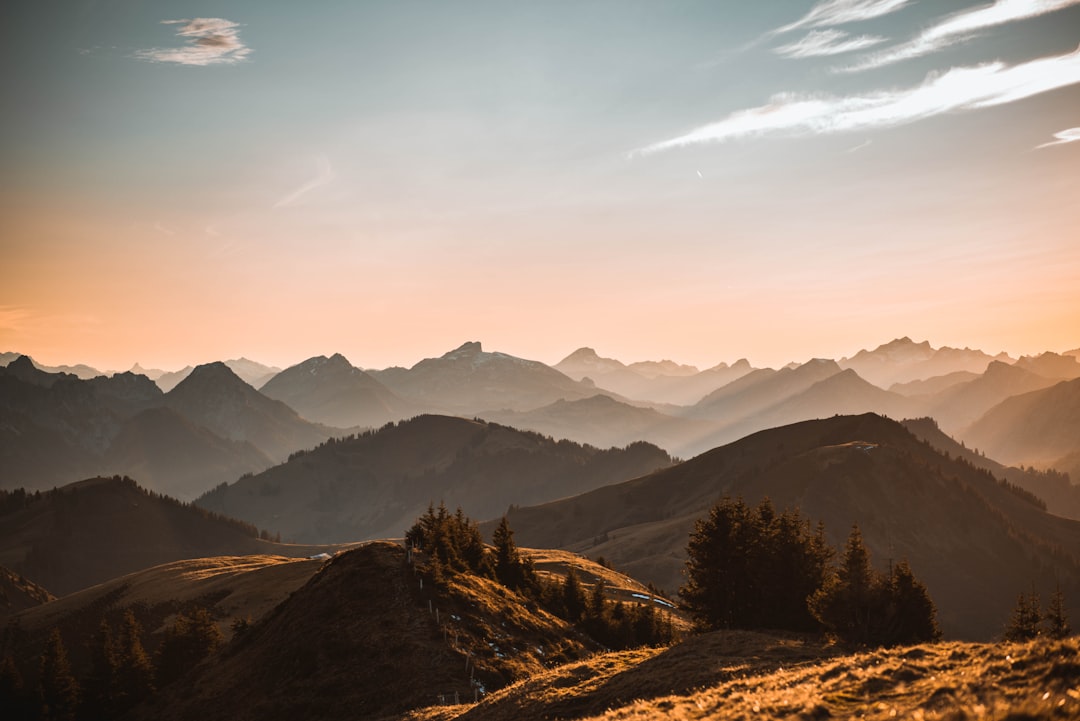
The Julian Alps in Slovenia rise to 2,864 m at Mount Triglav, the country’s highest peak and a symbol so important it appears on the national flag. Triglav National Park, established in 1924, covers roughly 880 km² of this dramatic alpine terrain, making it Slovenia’s only national park. From glacial lakes to karst gorges, this compact mountain range packs extraordinary diversity into a region you can drive across in under two hours.
Three Things Not to Miss in Julian Alps
- Lake Bled — A glacial lake at 475 m altitude with a 13th-century island church visible from every angle — Slovenia’s most photographed scene.
- Soča River Valley — The Soča runs an impossibly vivid emerald-green for 138 km, offering world-class whitewater rafting through sheer limestone gorges.
- Mount Triglav Summit — At 2,864 m, reaching Slovenia’s highest peak is a national rite of passage, with panoramas stretching to the Adriatic on clear days.
Scroll down for our complete travel guide with tips on getting there, where to stay, costs and more.
Arriving in Julian Alps
How do I best reach the Julian Alps?
Fly into Ljubljana (LJU) and drive — it is the fastest, most flexible option. Ljubljana Airport sits 26 km from the capital, and Bled is 55 km northwest via the A2 motorway, roughly a 45-minute drive. I recommend renting a car at the airport immediately; the mountains have multiple valleys that are genuinely difficult to connect without your own wheels. From Italy, the Tarvisio border crossing feeds directly into the Soča Valley in under 30 minutes. From Austria, the Karawanken Tunnel deposits you near Kranjska Gora in about 20 minutes. My tip: avoid arriving on a Friday evening in July — the Ljubljana–Bled motorway backs up badly.
Which airport is closest to the Julian Alps?
Ljubljana Jože Pučnik Airport (LJU) is your primary gateway, sitting 26 km north of Ljubljana and 55 km from Bled. In my experience, direct flights from London, Amsterdam, Frankfurt, and Vienna keep costs reasonable, with Wizz Air and easyJet serving the route seasonally. A secondary option is Trieste Airport (TRS) in Italy, 85 km from the Soča Valley — useful if you plan to start in Bovec or Kobarid. Venice Marco Polo (VCE) is 180 km away and worth considering only if you find a dramatically cheaper fare. What surprised me: LJU’s terminal is tiny, so baggage claim and car rental pickup are genuinely fast — budget 20 minutes from landing to car keys.
How long is the journey from Ljubljana to the Julian Alps?
Bled is 55 km from Ljubljana — 45 minutes by car on the A2 motorway. Kranjska Gora sits 90 km away, around 75 minutes. Bovec in the Soča Valley is the furthest major base at 130 km, taking about 2 hours via the Vršič Pass (seasonal, closed in winter). I recommend the Vršič Pass route in summer regardless of extra time — 50 hairpin bends with jaw-dropping views make it the most scenic drive in Slovenia. Caveat: the pass road is narrow and buses are infrequent, so independent timing matters. Bus connections from Ljubljana to Bled run hourly and cost around €7, but they won’t get you deeper into the mountains.
Are there direct bus connections to the Julian Alps?
Yes, but only to larger towns. Ljubljana to Bled costs €7 and takes 1 hour 20 minutes by Arriva bus, with departures roughly every hour. Kranjska Gora has direct buses from Ljubljana taking 2 hours for around €9. The critical gap: no direct bus connects Bled to Bovec or the Soča Valley without a change in Tolmin or Bohinjska Bistrica. In my experience, relying solely on buses means missing the Vršič Pass and many trailheads entirely. My tip: use buses to reach Bled or Bohinj as a base, then join a guided day tour (from €40 per person) for deeper valley access. The tourist season bus to Lake Bohinj from Bled runs in July–August only.
Is a rental car necessary in the Julian Alps?
For serious exploration, yes — a rental car transforms this trip. Without one, you’re locked into Bled and Bohinj villages and miss the Soča Valley, Triglav’s northern approaches, and Kranjska Gora entirely. Rental rates at Ljubljana Airport start at €35–€50 per day for a small car in shoulder season, rising to €70–€90 in July–August. Book well in advance through Europcar or Sixt at LJU — local inventory sells out. Important caveat: the Vršič Pass (elevation 1,611 m) is closed to vehicles over 7.5 tonnes and shuts entirely from roughly November to May due to snow. Check road conditions at promet.si before driving. I strongly recommend a car with decent ground clearance for gravel forest roads.
Bases & Accommodation in Julian Alps
Which towns make good bases in the Julian Alps?
Bled suits first-time visitors — the lake, castle, and gorge are all walkable, and day trips to Bohinj and Kranjska Gora are easy. Bovec is the adventure hub of the Soča Valley, perfect if you prioritise rafting, kayaking, and Via Ferrata. Bohinj offers a quieter, more authentic lake experience than Bled with far fewer tour groups — my personal preference. Kranjska Gora excels for winter skiing and summer hiking close to Triglav’s northwest ridge. I recommend Bled for stays of 1–2 nights, but Bovec or Bohinj for longer immersive trips. What surprised me: Kobarid, a small town in the Soča Valley, has better restaurants than Bled despite a fraction of the tourist infrastructure.
Where should I stay in the Julian Alps?
Stay in Bled for the iconic lake views — hotels along the southern shore give you direct water access and castle sightlines. In Bovec, the cluster of guesthouses near the Soča rafting companies on Trg Golobarskih žrtev puts you within walking distance of outfitters. For hiking Triglav, base yourself in Mojstrana at the mountain’s northern foot — it’s quieter than Bled and 30 minutes closer to the trailhead. Mountain huts (planinske koče) operated by the Alpine Association of Slovenia (PZS) are essential for multi-day ridge walks; the Kredarica hut at 2,515 m is the last stop before the summit. Book mountain huts through the PZS website — they fill weeks ahead in peak season.
What does accommodation cost in the Julian Alps?
A mid-range double room in Bled runs €80–€140 per night in peak summer. Budget guesthouses and rooms in private homes (sobe) cost €40–€65. In Bovec, guesthouses average €55–€90 for a double. Mountain huts charge €25–€40 per person for a dormitory bunk including breakfast — exceptional value given the altitude and effort to stock them. Glamping has exploded across the region; expect €90–€160 per night for a quality tent or pod with lake or forest views. What surprised me: Bohinj accommodations run 20–30% cheaper than equivalent Bled options despite a nearly identical natural setting. Self-catering apartments in Kranjska Gora start at €70 per night and save significantly on food costs.
How far in advance should I book accommodation in the Julian Alps?
For July and August, book 3–4 months ahead — Bled lakeside hotels and quality Bovec guesthouses genuinely sell out. I booked a mid-range Bled hotel in late April for early August and had only 3 options left. Mountain huts on the Triglav summit route fill up 6–8 weeks in advance in peak season; the Triglavski dom na Kredarici hut at 2,515 m is the most critical to reserve early. Shoulder season (June, September) requires 4–6 weeks advance booking for good properties. Off-season (October–May) gives you same-week availability at reduced rates, though some Bovec activity operators close entirely. My tip: book non-refundable rates only if your dates are certain — alpine weather can force plan changes.
When is the best time to visit the Julian Alps?
June, July, August, and September are the verified prime months — trails are snow-free, Soča rafting runs at full flow, and daylight extends past 9 PM. June is my personal favourite: wildflower meadows peak, tourist crowds are 30–40% lighter than July, and prices are lower. July–August brings the warmest temperatures but also the busiest roads — Bled can feel suffocating on weekends. September offers arguably the most dramatic light for photography and hiking in stable, cool conditions. Winter (December–March) suits skiers focused on Kranjska Gora’s Podkoren ski area, which has 20 km of groomed pistes. Avoid late October through May for hiking above 1,800 m — snow and ice make trails dangerous without full mountaineering equipment.
Julian Alps Through the Year
How does weather affect activities in the Julian Alps?
Afternoon thunderstorms are the primary hazard — they build fast above 2,000 m and can turn lethal. I always start summit hikes by 6 AM to be below the ridgeline before 2 PM. Soča rafting runs best from May through September when water levels are adequate; the river can run too low in dry Augusts. Skiing at Kranjska Gora operates reliably from December through March at 806–1,215 m altitude. The Vršič Pass road typically opens in late April or May and closes after first heavy snowfall, usually October or November — check promet.si. What surprised me: the Soča Valley floor stays warm and sunny even when Bled is clouded in, due to its lower, more sheltered position.
Are there local festivals in the Julian Alps worth attending?
The Cow Ball (Kravji Bal) in Bohinj each September celebrates the return of cattle from alpine pastures with folk music, traditional food, and costumed herders — genuinely authentic and not staged for tourists. Bled Days in July features a raft race on the lake and open-air concerts along the shore. The Soča Outdoor Festival in Bovec (June) draws kayakers and outdoor athletes from across Europe for competitions and clinics — a spectacular spectator event. The Kranjska Gora Vitranc Cup ski race in March is a World Cup slalom event with 20,000+ spectators; book accommodation 6 months ahead. My tip: the Cow Ball weekend in Bohinj (early September) is the single best cultural experience in the Julian Alps and costs nothing to attend.
When does the Julian Alps get crowded?
July and August weekends are the peak crunch — Bled’s lakeside promenade becomes genuinely unpleasant, with queues for the wooden gondola (pletna) to the island stretching 45 minutes. The Vintgar Gorge near Bled sees its worst crowds between 10 AM and 3 PM daily in August. Triglav summit sees 50–80 people per day at peak season, which sounds manageable but creates bottlenecks on fixed ropes. The Soča Valley is noticeably less crowded than Bled — Bovec in peak August feels busy but not overwhelming. My honest caveat: even in peak season, arriving at any trailhead before 7 AM gives you near-solitude. The crowds are overwhelmingly concentrated in a 5 km radius around Bled lake.
What does a daily budget cost in the Julian Alps?
Budget travellers staying in dorms or private rooms, eating at local restaurants, and self-guiding hikes spend €60–€80 per day. A mid-range couple sharing a hotel room, eating two restaurant meals, and joining one guided activity (rafting, kayaking) should budget €120–€180 per person per day. Splurging at lakeside Bled hotels, guided Triglav climbs with a certified mountain guide, and premium dinners pushes costs to €250+. The largest single expense is typically guided mountaineering: a 2-day guided Triglav ascent costs €300–€450 per person. In my experience, the Soča Valley runs about 15–20% cheaper than Bled for equivalent accommodation and food, making Bovec the better value base for a longer trip.
Is the Julian Alps cheaper or more expensive than other Slovenian regions?
More expensive than most of Slovenia — Bled specifically commands a premium. A coffee in Bled costs €2.50–€3.50 versus €1.50–€2 in Ljubljana’s residential neighbourhoods. Accommodation in Bled runs 20–40% higher than Ljubljana for equivalent quality. The Soča Valley (Bovec, Kobarid) is the exception — pricing aligns with the national average rather than the tourist premium. What surprised me: groceries at the Mercator supermarket in Kranjska Gora cost essentially the same as any Slovenian city, so self-catering is an effective savings strategy. Guided activities are internationally priced — whitewater rafting at €35–€50 per person is competitive with similar European alpine destinations like the Ötztal in Austria.
Budgeting for Julian Alps
What free highlights are there in the Julian Alps?
The Soča Trail (Soška pot), a 25 km waymarked path from Trenta to Bovec, costs nothing and delivers the river’s most spectacular sections on foot. The Peričnik Waterfall near Mojstrana is free, easily reached in a 20-minute walk, and you can walk behind the 52 m cascade. Vintgar Gorge charges €10 entry — skip it and instead walk the free path above the gorge rim for superior views. Triglav National Park has no general entry fee; you pay only for mountain huts and guided services. The Alpinum Juliana botanical garden in Trenta charges just €3. In my experience, the most rewarding free experience is simply driving the Vršič Pass at sunrise — 50 hairpin bends above the clouds, entirely free, unforgettably dramatic.
What do local specialities cost in the Julian Alps?
A bowl of žlikrofi (Idrija-style potato dumplings, Slovenia’s first protected local dish) costs €9–€13 at restaurants in Kobarid or Bovec. Kraški pršut (karst prosciutto) as a starter plate runs €8–€12. A main course of trout from the Soča River costs €16–€22 — and it is worth every cent; the fish is incomparably fresh. Local craft beer from Reservoir Dogs brewery in Bovec costs €4–€5 per pint. A slice of kremšnita (Bled’s famous cream cake) at the Park Hotel café — its original home — costs €4.50. My tip: eat at Hiša Franko in Staro Selo (40 km from Bovec) if budget allows — chef Ana Roš’s tasting menu at €160+ is arguably the best meal in Central Europe.
Which route do you recommend for 5–7 days in the Julian Alps?
Day 1: Arrive Ljubljana, drive to Bled (55 km), evening walk around the lake. Day 2: Morning Bled Castle and island church, afternoon drive to Lake Bohinj (26 km) for swimming. Day 3: Vršič Pass drive to Kranjska Gora — stop at Russian Chapel — continue over the pass to Trenta and down the Soča Valley to Bovec. Day 4: Full-day whitewater rafting or kayaking on the Soča. Day 5: Kobarid Museum (WWI Isonzo Front, €8 entry), walk the Soča Trail section from Kobarid. Day 6: Hike to Krn Lake (3-hour round trip) or attempt a Via Ferrata above Bovec. Day 7: Return to Ljubljana via Bohinj. This loop covers both valleys without retracing any significant roads and takes about 450 km total.
What are the must-see sights in the Julian Alps?
Lake Bled with its island church (Blejski grad, perched 130 m above the lake) is non-negotiable. The Soča River gorges between Trenta and Bovec — particularly the Great Soča Gorge (Velika korita Soče), a 750 m long, 15 m wide slot canyon — are genuinely awe-inspiring. The Vintgar Gorge (Blejski Vintgar) near Bled offers 1.6 km of boardwalk through a carved limestone gorge for €10. The Kobarid Museum covers the WWI Isonzo Front in devastating, moving detail — it won the Council of Europe Museum Prize. And for the committed: Triglav’s summit at 2,864 m is the Julian Alps’ ultimate prize. In my experience, the Soča Valley consistently outperforms expectations while Bled can slightly underperform them due to crowds.
What natural highlights does the Julian Alps region offer?
Beyond Triglav itself, the Seven Triglav Lakes Valley (Dolina Triglavskih jezer) is a glacial plateau with — as the name promises — seven alpine lakes at altitudes between 1,300 and 2,000 m, reachable on a strenuous 6–8 hour hike from Bohinj. The Savica Waterfall, which feeds Lake Bohinj, drops 78 m in two stages and costs €3 to access. The Tolmin Gorges (Tolminska korita) at the southern entrance to the park offer a 1 km walk through gorges up to 60 m deep for €6. The Planica Nordic Centre near Kranjska Gora holds ski-flying world records — the valley itself is a natural amphitheatre worth visiting even in summer. In my experience, the Seven Lakes Valley is the Julian Alps’ most underrated long-distance hiking route.
Driving & Walking Routes in Julian Alps
What local specialities should I try in the Julian Alps?
Soča trout (soška postrv) is the defining dish — farmed and wild-caught in the emerald river, served grilled with local herbs in Bovec restaurants for €16–€22. Žlikrofi from nearby Idrija are Slovenia’s only EU-protected food product — small pasta pockets filled with potato, bacon, and herbs. Blejska kremšnita (Bled cream cake) is a non-negotiable dessert experience at €4.50. Bovec cheese (bovški sir) is a firm sheep’s milk cheese from the Soča Valley with a PDO designation — buy it directly from farms for €8–€12 per 250 g. My tip: the weekly market in Kranjska Gora on Saturday mornings sells local honey, cheese, and cured meats at prices 30% below tourist restaurant levels.
What activities are available in the Julian Alps?
Whitewater rafting and kayaking on the Soča River dominate summer — half-day rafting trips cost €35–€50 per person through operators like Soča Rafting in Bovec. Hiking ranges from gentle lake loops to the full Triglav ascent (2,864 m), typically done as a 2-day trip with a mountain hut overnight. Via Ferrata routes above Bovec and on the Triglav ridges suit intermediate climbers. Paragliding from Kobariški Stol offers tandem flights with views over both the Soča Valley and the Gulf of Trieste for €90–€120. Winter brings skiing at Kranjska Gora (20 km of pistes, max elevation 1,291 m) and cross-country trails at Pokljuka plateau. Cycling the Soča Trail by e-bike is increasingly popular and rentals cost €30–€50 per day.
What distinguishes the Julian Alps from other Slovenian regions?
The Julian Alps are uniquely positioned at the collision of three geological and cultural worlds: Alpine, Mediterranean, and Pannonian influences meet in a space smaller than Luxembourg. The Soča’s colour — caused by glacial silt and specific mineral content — exists nowhere else in Europe at this intensity. Triglav’s status as Slovenia’s national symbol gives the region a spiritual weight no other Slovenian destination matches — Slovenes traditionally climb it at least once in a lifetime. The WWI Isonzo Front battlefields layered through the Soča Valley add a profound historical dimension absent from other Alpine regions. In my experience, what truly sets it apart is density: within 100 km, you experience glacial lakes, whitewater rivers, limestone gorges, and a 2,864 m summit.
Which day trips are possible from the Julian Alps?
From Bled, Ljubljana is 55 km (45 minutes) — ideal for a day of city culture before returning for a mountain sunset. Škocjan Caves (UNESCO listed) lie 100 km southwest — a 2.5-hour drive with a guided tour taking 1.5 hours inside the massive karst chambers for €20 entry. Piran, Slovenia’s Venetian coastal gem, sits 120 km from Bled — a full but rewarding day trip. From Bovec, the Italian town of Cividale del Friuli is 60 km away and boasts a stunning Lombard-era heritage district. My honest caveat: day trips from Bovec to Ljubljana (130 km each way) make for an exhausting 5-hour round trip — better to position yourself in Bled for capital-adjacent excursions.
Are there language barriers in the Julian Alps?
English is widely spoken in tourist areas — no meaningful language barrier in Bled, Bovec, Bohinj, or Kranjska Gora. Hospitality staff, activity operators, and most restaurant servers are fluent. The official language is Slovene, and learning five words earns you immediate warmth: hvala (thank you), prosim (please), dober dan (good day), oprostite (excuse me). In smaller villages and remote mountain huts, Italian is often a more useful second language than German among older residents, reflecting historical borders. My tip: the PZS (Alpine Association of Slovenia) website for mountain hut bookings is Slovene-first but has an English interface — use it directly rather than third-party booking platforms that add markups.
Local Know-How for Julian Alps
Which apps do you recommend for the Julian Alps?
Hribi.net (available as an app) is Slovenia’s definitive hiking database with 1,800+ marked routes, elevation profiles, and user conditions reports — essential for trail planning above 1,500 m. Promet.si gives real-time Slovenian road conditions including Vršič Pass status — bookmark it before driving. Meteoalarm.eu provides mountain-specific weather alerts; I check it every morning before any summit attempt. Maps.me with downloaded Slovenia maps works offline in areas with no signal — critical on Triglav’s upper ridges. For rafting bookings, Soča Rafting’s own website is more reliable than aggregators. What surprised me: Wikiloc has a large community of Slovenian users who upload GPS tracks of unmarked routes, including several Triglav approach variations not in guidebooks.
Are there medical facilities in the Julian Alps?
Basic medical care is available in Jesenice Hospital (30 km from Bled), which handles most mountain rescue injuries. Bled has a health centre (zdravstveni dom) for non-emergency treatment. Bovec has a small local clinic but serious cases are helicoptered to Jesenice or Ljubljana’s University Medical Centre. The Slovenian Mountain Rescue Service (GRZS) operates an excellent helicopter rescue — call 112 in any mountain emergency. Critical caveat: travel insurance with mountain rescue coverage is mandatory, not optional — a helicopter evacuation from Triglav costs upward of €3,000 without insurance. Pharmacies (lekarna) in Bled and Kranjska Gora stock standard medications. My tip: carry a basic first-aid kit including blister treatment — the limestone terrain shreds footwear and skin faster than soft Alpine trails.
How safe are the Julian Alps?
The region is extremely safe by any European standard — petty crime is rare and violent crime is essentially non-existent in tourist areas. The real safety concern is mountain weather and route difficulty. Triglav sees 5–10 serious mountain accidents per year, mostly from inexperienced climbers attempting the summit without a guide in deteriorating weather. The fixed ropes on Triglav’s final 300 m are genuine — this is not a hike, it’s a climb requiring via ferrata experience. Soča rafting operators are professional and safety-briefed; accidents are infrequent. My honest caveat: the roads over the Vršič Pass have sharp drop-offs and no guardrails on several hairpins — drive below 30 km/h on the descent and yield to uphill traffic. Register your Triglav plans with a mountain hut before ascending.
What are common traveller mistakes in the Julian Alps?
Spending the entire trip in Bled and missing the Soča Valley entirely — this is the most common and most regrettable error. Underestimating Triglav: attempting the summit as a fit hiker without via ferrata experience or a guide has ended in rescues and fatalities. Starting hikes after 10 AM in summer and getting caught in afternoon electrical storms above the treeline. Booking accommodation only in Bled, which forces daily backtracking rather than moving through the region logically. Driving the Vršič Pass without checking road conditions first — it closes without much notice after early snowfall. My tip: the kremšnita at every café claiming to be ‘original Bled cream cake’ outside of the Park Hotel is a tourist trap; the genuine recipe lives at one address. And finally — skipping Kobarid Museum because it sounds dry: it is the best museum in Slovenia.
Which accommodation types suit the Julian Alps best?
Mountain huts (planinske koče) are the irreplaceable accommodation category for anyone hiking above 1,500 m — they offer dormitory bunks at €25–€40 per person with dinner and breakfast, and the social atmosphere of shared alpine adventure is unique. Glamping pods and eco-tents around Lake Bohinj and the Soča Valley provide the landscape immersion of camping with bed comfort — budget €90–€150 per night. Traditional sobe (rooms in private homes) represent the best value, typically €40–€65 per night with local knowledge included. Boutique hotels in Bled’s old town run €110–€180 but deliver genuine charm over the chain options. What surprised me: agritourism farms (tourist farms, turistične kmetije) in the Soča Valley charge €50–€80 per person half-board and serve the most authentic meals you’ll find anywhere in the region.
Julian Alps at a Glance
| Currency | EUR (€) |
|---|---|
| Official language | Slovene |
| Time zone | UTC+01:00 |
Source: Wikidata, retrieved September 2026.
Slovenia › Julian Alps
Essential Resources for Planning Your Trip to Julian Alps
- Wikipedia: Julian Alps — history, geography & background
- Wikivoyage: Julian Alps — community travel guide & practical tips
- The Julian Alps travel – Lonely Planet | Slovenia, Europe — expert itineraries & travel inspiration
- THE 15 BEST Things to Do in Kranjska Gora (2026) — hotels, restaurants & traveller reviews
- How to plan a road trip around Slovenia’s Julian Alps — how to get around
- Numbeo: Cost of Living in Julian Alps — current prices & cost comparison
- Timeanddate: Julian Alps Weather & Climate — forecasts & climate statistics
More Perspectives on Julian Alps
Julian Alps Travel Videos
Watch these videos for a visual preview before your trip:
- The Best of SLOVENIA: One Day in the Incredible Julian Alps
- Slovenia’s ULTIMATE mountain road trip! 🇸🇮 (4 days in the Julian Alps)
- Top 10 Places To Visit In Slovenia – Travel Guide
Julian Alps Travel Discussions on Reddit
Real traveller experiences and community advice:
- Julian Alps – Slovenia & Italy : r/travel
- Base City to visit Julian Alps, Lake Bled, Ljubljana Slovenia?
- [Beginner advice] Julian Alps, Slovenia : r/hiking
Data Sources
This page was compiled using data from Wikipedia, Wikidata, Open-Meteo (climate), Numbeo (cost of living) and REST Countries. Information is updated regularly.