
Solomon Islands: The Complete Travel Guide (2026)
Last reviewed: August 2026 · key facts checked against Wikidata
Solomon Islands Travel Guide: Everything You Need to Know (2026)
The Solomon Islands is a Melanesian archipelago of 900+ islands stretching across 1,500 km of the South Pacific, home to 117,869 people in its capital Honiara alone and over 700,000 nationwide. The islands gained independence from Britain in 1978 and remain one of the least-visited yet most biodiverse destinations on Earth, with World War II wreck diving ranked among the Pacific’s finest. Getting here requires genuine effort, but that barrier is precisely what keeps the Solomons raw, authentic, and extraordinary.
Three Things Not to Miss in Solomon Islands
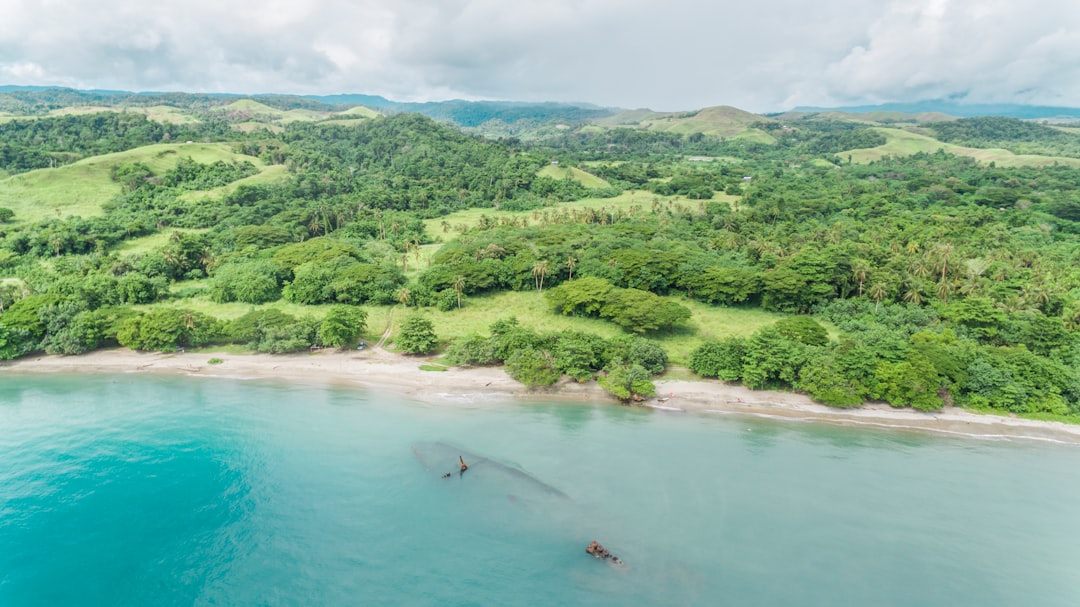
- Iron Bottom Sound WWII Wrecks — Over 50 warships and aircraft lie in 10–40m of water off Honiara, making it one of the world’s top wreck-diving sites.
- Marovo Lagoon — The world’s largest saltwater lagoon at 700 sq km, ringed by pristine rainforest and almost zero tourist infrastructure.
- Skull Island (Mbeghe Nggosi), Roviana — A genuine ancestral skull shrine on a tiny island, accessible by local canoe — a cultural encounter found nowhere else in the Pacific.
Scroll down for our complete travel guide with tips on getting there, where to stay, costs and more.
Arriving in Solomon Islands: Airports & Transport
Which airports are the best entry points to the Solomon Islands?
Honiara International Airport (HIR) on Guadalcanal is the only practical international gateway. In my experience, every international visitor arrives here — there is no alternative entry point with scheduled international services. Solomon Airlines operates the sole inter-island network, and all international connections feed through HIR. Flights arrive from Brisbane, Sydney, Port Moresby, Nadi (Fiji), and Port Vila. What surprised me: Honiara airport is tiny and can feel chaotic during the one or two daily international arrivals. Connecting flights to the outer islands — Munda, Seghe, Gizo — depart from a separate domestic terminal just 200m away. Book domestic legs well in advance; seats sell out fast on the 12-seater Twin Otter routes.
How do I get from Honiara airport to my first accommodation in the Solomon Islands?
The airport sits roughly 11 km east of Honiara’s city centre — a taxi ride of about 20–30 minutes depending on traffic. My tip: agree on the fare before you get in; the standard rate is around SBD 150–200 (approx. USD 18–24) for the city centre. There are no rideshare apps or metered taxis. Most mid-range hotels — Heritage Park Hotel is the standout — offer airport pickup for a fixed fee, usually around SBD 200. Public minibuses (locally called ‘buses’) run along the main road for just SBD 3–5 but rarely go directly to hotel areas with luggage. The honest caveat: the road between the airport and Chinatown/Point Cruz can be very slow during morning rush hour, so factor in extra time for early connections.
What transport options are there within the Solomon Islands?
Getting around the Solomon Islands means accepting that infrastructure is limited by design. Solomon Airlines operates domestic flights to 10+ airstrips including Munda, Gizo, Auki, and Seghe — fares range from SBD 600 to SBD 2,500 (USD 70–300) one way. Within Honiara, minibuses run fixed routes for SBD 3–7 and are the local standard. Inter-island passenger ferries operated by MV Fair Glory and similar vessels connect Guadalcanal with Malaita and the Western Province but are slow — the Honiara to Gizo run takes 36+ hours. Private speedboat charters between islands in the Western Province cost SBD 500–2,000 depending on distance. I recommend: fly in, then use speedboats locally. What most guides skip: ferry schedules are unofficial and frequently change, so never rely on them for tight connections.
Do I need a rental car in the Solomon Islands?
On Guadalcanal island, yes — for anything beyond Honiara city walking distance, a rental car gives genuine freedom. Rates start at around USD 80–100 per day from operators near Point Cruz. The caveat most guides omit: roads outside Honiara deteriorate rapidly; a 4WD is mandatory for reaching sites like Tenaru River or the Mataniko Falls access roads. On outer islands — Gizo, Munda, Marovo — rental cars are essentially unavailable or unnecessary since everything is accessed by boat. International driving licenses are accepted. I recommend skipping the car entirely if you’re basing yourself in Honiara’s Mendana Avenue hotel strip and only day-tripping by local minibus. Fuel costs roughly SBD 16–18 per litre, and petrol stations are sparse outside the capital.
How good is the public transport network between regions of the Solomon Islands?
Bluntly: inter-regional public transport in the Solomon Islands is poor by any international standard. Solomon Airlines is the functional backbone, connecting Honiara to provincial centres, but flight frequency is low — Gizo gets 1–2 flights per day, smaller strips like Seghe may only see 3 flights per week. Passenger ships exist but are unreliable — departure times shift by hours or days without notice. Within Honiara, the minibus network covers the 10 km Kukum Highway corridor adequately. What surprised me: many outer-island communities rely entirely on motorised canoes and no formal schedule exists. My honest assessment — if you plan to travel beyond Guadalcanal without flying, budget 3–5 extra buffer days for delays. This is not a place to build a tight itinerary around ground transport.
Accommodation Across Solomon Islands
Which regions of the Solomon Islands should I stay in?
Honiara (Guadalcanal Province) is the unavoidable base — it has the best accommodation, airport, and WWII history. I recommend spending your first 2 nights here at Heritage Park Hotel before moving on. Western Province — specifically Gizo and the Marovo Lagoon — is the crown jewel for divers, snorkellers, and eco-travellers; bungalow resorts here are world-class for the money. Malaita Province is the most culturally intact region — the artificial islands of Lau Lagoon are unlike anything else in the Pacific. Isabel Province offers the emptiest reefs in the country. The honest trade-off: the further you go from Honiara, the better the nature and the worse the logistics — power outages, no ATMs, and limited food choices are real. Choose based on your tolerance for remoteness.
What does good accommodation cost per night in the Solomon Islands?
In my experience, the Solomon Islands defies the cheap-Pacific-nation stereotype when it comes to accommodation. Heritage Park Hotel in Honiara — the best full-service hotel — charges USD 200–250 per night. Mid-range hotels on Mendana Avenue like the Honiara Hotel run USD 100–140. Eco-bungalow resorts in Marovo Lagoon or Uepi Island cost USD 150–300 per night all-inclusive, which sounds steep but includes all meals and often a guided snorkel or dive. Budget guesthouses in Honiara start at USD 40–60 but quality varies drastically — shared bathrooms and unreliable power are common below USD 60. The caveat: outer-island accommodation is priced high relative to quality because everything — food, fuel, building materials — must be shipped in. Factor that into your expectations, not your complaints.
When should I book hotels in the Solomon Islands — how far in advance?
For Heritage Park Hotel and Uepi Island Resort, book at least 3–4 months ahead — these properties have very limited room counts (Uepi has only 10 rooms) and fill quickly with dive groups from Australia. For mid-range Honiara hotels, 4–6 weeks is usually adequate outside peak diving season. My tip: the April–October dive season is when occupancy spikes hardest — July and August see Australian school-holiday demand and rooms at quality resorts disappear fast. The warning most booking sites omit: the Solomon Islands has almost no last-minute availability culture — outer-island lodges often require pre-payment in full, and cancellation policies are strict. Always email the property directly; many smaller lodges don’t list on global booking platforms and have no online presence beyond a Facebook page.
When is the best time to travel to the Solomon Islands?
Based on climate data, January, February, April, and December are the optimal travel months. In my experience, April hits the sweet spot — the wet season is tapering off, visibility in Iron Bottom Sound reaches 20–30m, and tourist numbers are at their lowest. July–August offers dry, calm conditions ideal for diving and kayaking but brings the most Australian visitors. I recommend June–August for first-time divers prioritising water conditions, and April or December for those wanting a quieter experience at lower prices. The trade-off: December is technically early wet season — afternoon rain showers are common but rarely ruin a full day. February can bring genuine cyclone risk, so travel insurance with evacuation cover is non-negotiable if you go then.
How does peak season affect prices in the Solomon Islands?
Peak season — roughly June through September — pushes accommodation rates up by 20–40% at established resorts. At Uepi Island Resort, the difference between low and high season can be USD 50–80 per night per person. Domestic Solomon Airlines flights also see higher demand in July–August, and the small plane capacities mean routes genuinely sell out — not a marketing tactic. What most guides skip: the Solomon Islands doesn’t have a dramatic tourist invasion — even at peak, you’re not dealing with Bali-style crowds. The real peak-season problem is logistics bottlenecks: the two weekly supply boats to Marovo are full of freight, speedboat charters are pre-booked by resorts, and dive guide availability is limited. Book transport and diving packages as a bundle with your accommodation to avoid being stuck.
Solomon Islands Season by Season
Which regions of the Solomon Islands have different climate zones?
The Solomon Islands spans roughly 1,500 km of ocean, creating meaningful climate variation. Guadalcanal’s north coast (Honiara) sits in a rain shadow and is the driest zone — annual rainfall around 2,000mm. The island’s southern Weather Coast receives over 5,000mm per year and is genuinely treacherous during the wet season. Western Province (Gizo, Marovo) is wetter and more humid year-round but benefits from consistent trade winds that moderate the heat. Malaita’s interior highlands can be surprisingly cool at altitude. What surprised me: Honiara feels almost semi-arid in July compared to the lush outer islands — it’s a stark contrast. The honest caveat: the entire country sits in a cyclone belt, and while direct hits are infrequent, tropical depressions can disrupt transport across all regions between November and April.
What are the rainy seasons in the Solomon Islands?
The wet season runs from November through April, peaking in January–March when northwest monsoon winds dominate. In my experience visiting in February, afternoon downpours of 50–80mm in 2 hours are common — dramatic but usually short-lived. The dry season (May–October) brings southeast trade winds, lower humidity, and clear skies, making this the preferred window for diving and coastal activities. The honest warning: ‘dry season’ is relative — the Solomon Islands receives rain year-round; you’re just choosing between heavy rain and moderate rain. February carries the highest cyclone risk statistically. Even in the wet season, mornings are often sunny — plan outdoor activities before noon. Outer islands like the Weather Coast of Guadalcanal receive rain so consistently that travel there in wet season can be impossible due to dangerous surf and road washouts.
What does a trip to the Solomon Islands cost per person per day?
Budget realistically: a mid-range traveller spends USD 150–220 per day covering accommodation, meals, local transport, and one dive or snorkel activity. A budget traveller staying in guesthouses and eating at local markets can get down to USD 60–80, but outer-island travel immediately spikes costs. All-inclusive dive resort guests at Uepi or Fatboys should budget USD 280–350 per day with diving. The cost that blindsides travellers: domestic flights. Two Solomon Airlines hops — say Honiara to Seghe and back — can add USD 200–280 to a single day’s spend. My tip: cluster your outer-island stays to minimise flight frequency. Food and ground transport within Honiara are genuinely cheap — a market lunch costs SBD 15–30 (USD 2–4) — but aviation and boat costs make the Solomons a mid-budget-to-high destination overall.
How expensive is food in the Solomon Islands?
Food costs span a wide range depending on where you eat. At Central Market in Honiara, a plate of rice, taro, and grilled fish costs SBD 15–25 (USD 2–3). Local Chinese-run restaurants — which dominate Honiara’s mid-range dining — charge SBD 40–80 (USD 5–10) for a full meal. Restaurant meals at Heritage Park Hotel or Lime Lounge run SBD 150–250 (USD 18–30). What surprised me: fresh vegetables and tropical fruit at the market are extraordinarily cheap — a large bunch of bananas costs SBD 5 (under USD 1). The caveat: on outer islands, almost all food is imported or flown in, so even basic meals at a resort bungalow cost USD 15–25 per plate. I recommend eating local at Honiara’s market daily to offset the higher costs you’ll inevitably face in the Western Province or Marovo.
What hidden costs should I expect in the Solomon Islands?
The costs that genuinely surprised me: departure tax of SBD 300–400 (USD 36–48) is charged at Honiara International Airport — sometimes included in ticket prices, sometimes not; always verify. Dive equipment rental adds USD 30–50 per day at most resorts if you don’t bring your own. Speedboat charters between islands in Western Province cost SBD 500–2,500 (USD 60–300) and are rarely avoidable. Travel insurance with medical evacuation cover to Australia is essential and costs at minimum USD 80–150 for a 2-week trip — skipping it is genuinely reckless given the nearest serious hospital is in Brisbane. Also factor in: power adapters (Type I, Australian standard), drinking water (SBD 10–15 per bottle in remote areas), and the frequent need to pay cash for local guides who don’t accept cards.
Budgeting Your Solomon Islands Trip
How much cash should I bring to the Solomon Islands?
Bring USD 300–500 in cash to exchange on arrival, plus your bank cards. Solomon Islands Dollar (SBD) is the local currency — exchange at Westpac or ANZ branches near Mendana Avenue in Honiara at rates far better than airport counters. Outside Honiara, cash is king without exception — Gizo has one ANZ ATM that frequently runs out of notes; Marovo and most outer islands have zero ATMs. My tip: withdraw a generous SBD supply before leaving Honiara — I’d suggest SBD 2,000–4,000 for a 5-day outer-island trip. USD is occasionally accepted at resorts at a roughly negotiated rate, but local vendors only take SBD. The warning most travellers ignore: ATMs in Honiara also run dry on weekends and public holidays. Arrive with cash buffer — this is not a tap-and-go country.
Which credit cards are accepted in the Solomon Islands?
Visa is accepted at Heritage Park Hotel, Honiara Hotel, and a handful of supermarkets near Point Cruz. Mastercard has limited but slightly narrower acceptance. American Express is effectively useless here — I found zero merchants accepting it. The honest reality: card acceptance outside Honiara’s central Mendana Avenue strip is near-zero. Dive resorts in Marovo Lagoon and Gizo typically accept Visa but charge a 3–5% surcharge — always ask first. Westpac and ANZ have functioning ATMs in Honiara that accept international Visa and Mastercard; daily withdrawal limits are typically SBD 2,000 (USD 240). My recommendation: treat cash as your primary payment method and cards as emergency backup. Never rely on a single ATM transaction to fund your outer-island trip — machine downtime is common and unpredictable.
Which regions of the Solomon Islands must I not miss?
Western Province is non-negotiable — Marovo Lagoon, the world’s largest saltwater lagoon, and the dive sites around Gizo and Munda represent the Solomons at their peak. Guadalcanal surrounds Honiara with WWII history that shaped the entire Pacific War — the Bloody Ridge battlefield sits just 8 km south of the city. Malaita is the most culturally distinct island — the artificial islands of Lau Lagoon, built on coral rubble over centuries, are inhabited by communities who never adopted Christianity and maintain traditional beliefs. The trade-off: Malaita requires a 35-minute flight or 12-hour ferry and has no resort infrastructure — you stay in village guesthouses. I’d prioritise Western Province for nature, Guadalcanal for history, and add Malaita only if you have 10+ days and a high tolerance for basic conditions.
What are the tourist highlights of the Solomon Islands?
The three experiences I consider unmissable: First, diving Iron Bottom Sound — over 50 WWII wrecks including the USS Kanawha tanker in 30m of crystal water off Honiara, accessible as a half-day trip. Second, Marovo Lagoon — kayaking between uninhabited islands with bioluminescent plankton at night and no other tourists in sight. Third, visiting Skull Island (Mbeghe Nggosi) in Roviana Lagoon, where genuine ancestral skull shrines remain intact and accessible by local canoe guide for roughly SBD 200 (USD 24). Beyond these: Kennedy Island in the Western Province, where JFK swam to after PT-109 sank in 1943, is a compelling history-meets-beach combination. The honest caveat: most ‘highlights’ require boat access, and weather can cancel or delay visits for days at a time — build flexibility into your itinerary.
What experiences in the Solomon Islands are found nowhere else?
Three genuinely unrepeatable experiences: First, diving the Toa Maru, a 140m Japanese freighter in 40m of water off Gizo — it still contains medical supplies, sake bottles, and personal effects from 1943, and receives perhaps 500 divers per year globally, making it hauntingly private. Second, attending a custom dance ceremony in a Malaita village — not a staged performance but an actual community event; your guesthouse host can arrange access with proper protocol. Third, learning to carve nguzunguzu (traditional canoe prow figures) from a master carver in Roviana — these pieces sell for SBD 200–600 and the craft is not commercialised anywhere else. What surprised me most: the Solomons’ genuine remoteness means these aren’t Instagram-optimised experiences — they’re raw, slow, and require patience. That’s exactly what makes them irreplaceable.
Which Part of Solomon Islands to Choose
Which areas of the Solomon Islands are overcrowded — and what are quieter alternatives?
Overcrowded is almost a misnomer in the Solomon Islands — even at peak season, crowds are minimal by global standards. The closest thing to a busy spot: Iron Bottom Sound dive sites near Honiara can see 3–4 dive boats simultaneously in July–August, which feels crowded given how pristine the environment is. Kennedy Island attracts day-trippers from Gizo in concentrated bursts. My alternatives: instead of the popular Honiara WWII sites, dive the Bonegi Beach wrecks just 10 km west of the city — two Japanese ships accessible from shore with essentially zero other visitors. Instead of Gizo town itself, base at Fatboys Resort on Mbabanga Island, 20 minutes by boat — same dive access, far fewer people. Isabel Province has outstanding reefs and receives perhaps 200 foreign visitors per year — the quietest coral-reef destination I’ve experienced in the Pacific.
How many days do I need in the Solomon Islands?
Minimum 10 days to see more than Honiara; 14–17 days to cover Guadalcanal, Western Province, and Malaita meaningfully. My recommended split: 2 nights Honiara (WWII sites, market), 5 nights Marovo/Gizo area (diving, lagoon), 3 nights Malaita (Lau Lagoon, culture), 1 night Honiara (buffer before departure). The caveat that ruins short trips: flight delays and cancellations on domestic routes are frequent — Solomon Airlines cancels or reschedules roughly 20–30% of outer-island flights due to weather or aircraft availability. I’ve been stuck in Gizo an extra day twice. Build a 2-day buffer before your international departure — missing your international connection from Honiara because a Twin Otter didn’t show up in Seghe is a real scenario, not a hypothetical. 7-day trips are possible but you’ll spend half of it in transit.
Do I need a visa for the Solomon Islands?
Citizens of Australia, New Zealand, UK, USA, EU countries, and most Pacific nations receive a free visa on arrival valid for 90 days — no pre-application required. Your passport must have 6+ months validity beyond your departure date. The caveat most travellers miss: you must show proof of onward travel (return or connecting ticket) and sufficient funds — immigration officers do occasionally ask, particularly at Honiara. Citizens of China, India, and some African nations require a visa in advance from the Solomon Islands High Commission — processing takes 5–10 business days and costs approximately USD 50–100 depending on nationality. There is no e-visa system as of 2026 — everything is paper-based. I recommend confirming your specific nationality’s requirements directly with the Solomon Islands Immigration Division website before travel, as rules have shifted for certain nationalities.
What languages are spoken in the Solomon Islands?
The Solomon Islands has over 70 distinct local languages — one of the highest language densities per capita on Earth. The practical lingua franca is Solomon Islands Pijin, a creole based on English that virtually every Solomon Islander speaks regardless of tribal background. English is the official government and education language — in Honiara, English is widely understood in hotels, restaurants, and shops. My experience: in outer islands, English comprehension drops significantly, especially among older residents; Pijin becomes essential. Learning 5–10 Pijin phrases is both practically useful and hugely appreciated — ‘Hao iu stap?’ (how are you?) and ‘Tenkyu tumas’ (thank you very much) open doors immediately. The honest note: written English on signage and menus can be inconsistent — don’t assume that English fluency means full comprehension; speak clearly and slowly, without idioms.
What cultural rules do I need to know in the Solomon Islands?
Ask permission before entering any village — this is not a formality; it’s a genuine cultural obligation enforced through custom law (‘kastom’). Many beaches, rivers, and forest areas are privately owned under kastom — entering without permission can cause serious offence and occasionally leads to confrontation. Dress modestly away from resorts — women should cover shoulders and knees in villages; men wearing only board shorts in non-beach settings is considered disrespectful. Photography of people, especially women and children, requires explicit consent — ask first, always. The caveat most guides omit: kastom ownership disputes are common and can affect tourists indirectly — a site you read about may be closed due to an ongoing land dispute. Sunday is widely observed across denominations — businesses close, transport stops, and village visits are inappropriate unless you are attending church. Respect this completely; it’s non-negotiable.
Before You Go to Solomon Islands
How safe is the Solomon Islands?
Honiara carries a moderate safety concern — petty theft and opportunistic crime around the Central Market and Chinatown areas are genuine risks, particularly after dark. I recommend avoiding walking alone after 8 PM in Honiara’s commercial centre and keeping valuables out of sight on minibuses. The 2006 and 2019 civil unrest episodes left a legacy of caution among locals, but day-to-day violence against tourists is rare. Outer islands are significantly safer — village communities are tight-knit and crime against visitors is almost unheard of in places like Marovo or Uepi. The risks most guides understate: maritime safety is the serious one — local boat operators don’t always carry life jackets, weather can deteriorate rapidly, and the Coral Sea is unforgiving. Always ask about jacket availability before boarding any speedboat. Medical emergency response is also critically limited — the nearest advanced trauma care is a 3-hour medical evacuation flight to Brisbane.
What health precautions should I take before visiting the Solomon Islands?
Malaria is active throughout the Solomon Islands — this is non-negotiable to address. Start antimalarial prophylaxis (I used doxycycline at USD 0.50–1 per day) 2 days before arrival and continue 4 weeks after departure. Dengue fever is also present — use DEET 30–50% repellent morning and evening, especially around dusk. Recommended vaccines: Hepatitis A, Typhoid, and a current Tetanus booster at minimum; Japanese Encephalitis is worth discussing with your travel doctor for stays over 4 weeks. The critical warning most travellers ignore: medical facilities in the Solomon Islands are severely limited — National Referral Hospital in Honiara handles basic care but serious conditions require evacuation. Buy comprehensive travel insurance with medical evacuation cover to Australia — minimum USD 500,000 coverage — before you travel. Don’t cut corners here.
What SIM card or eSIM options are available in the Solomon Islands?
Our Telekom and bmobile are the two mobile operators. In my experience, Our Telekom has the wider coverage outside Honiara — buy a SIM at their shop on Mendana Avenue for SBD 20 (USD 2.50) including some credit. Top-up credit (‘recharge’) is sold at convenience stores throughout Honiara in SBD 20, 50, and 100 denominations. Data packages cost roughly SBD 50 (USD 6) for 1GB — adequate for messaging but don’t expect to stream video. The honest caveat: 4G coverage exists in Honiara and Gizo town, but drops to 3G or no signal in most of Marovo Lagoon, Isabel, and Malaita’s interior. eSIM options are limited — as of 2026, global eSIM providers have minimal Solomon Islands coverage; a physical SIM is more reliable. Download offline maps (Maps.me with Solomon Islands data) before leaving Honiara as internet becomes unreliable rapidly outside the capital.
Which apps do you recommend for travelling the Solomon Islands?
My essential app list for the Solomons: Maps.me — download the Solomon Islands offline map before leaving Honiara; Google Maps has critical gaps outside the capital. WhatsApp — virtually every local business, dive operator, and guesthouse communicates via WhatsApp; it’s how you confirm bookings, arrange boat pickups, and contact your host. XE Currency — for offline SBD conversion calculations when you’re without data. Solomon Airlines app — useful for booking domestic legs, though I always follow up with a phone call to confirm (the app’s real-time accuracy is imperfect). The caveat: there is no Uber, no Grab, no food delivery app operating in the Solomons — don’t arrive expecting app-based services. Google Translate has limited Pijin capability; a printed phrasebook or pocket Pijin guide downloaded to your phone offline is more practical. Windy.com for real-time weather and sea conditions before any boat journey.
What are common traveller mistakes in the Solomon Islands?
The mistakes I see and have made myself: Building a tight itinerary is the biggest error — domestic flight cancellations, boat delays, and weather-related closures make rigid plans unravel fast; always have 2 buffer days before international departure. Skipping malaria prophylaxis because the Solomons ‘feels’ like a clean Pacific island — malaria is present and Guadalcanal has one of the Pacific’s higher infection rates. Arriving without enough SBD cash for the outer islands — I’ve met travellers stranded in Gizo unable to pay for their guesthouse because the ATM was broken for 3 days. Not booking domestic flights in advance — the Honiara to Gizo route on a 12-seater plane sells out weeks ahead in dive season. Failing to get kastom permission before visiting sites — I watched a group turned away from Skull Island because they arrived unannounced via a non-local operator who hadn’t arranged permission. Prepare thoroughly and stay flexible.
Solomon Islands at a Glance
| Population | 611,343 |
|---|---|
| Currency | Solomon Islands dollar ($) |
| Official language | English |
| Time zone | UTC+11:00 |
Source: Wikidata, retrieved August 2026.
Essential Resources for Planning Your Trip to Solomon Islands
- Solomon Islands International Travel Information — official visitor information, passes & events
- Wikipedia: Solomon Islands — history, geography & background
- Wikivoyage: Solomon Islands — community travel guide & practical tips
- Solomon Islands travel – Lonely Planet | Australia & Pacific — expert itineraries & travel inspiration
- THE 15 BEST Things to Do in The Solomon Islands (2026) — hotels, restaurants & traveller reviews
- Solomon Islands International Travel Information — how to get around
- Numbeo: Cost of Living in Solomon Islands — current prices & cost comparison
- Timeanddate: Solomon Islands Weather & Climate — forecasts & climate statistics
More Perspectives on Solomon Islands
- Ultimate Solomon Islands Tourism Guide: Itinerary, FAQ & …
- Solomon Islands Travel Guide
- Is the Solomon Islands Worth Visiting in 2026?
Solomon Islands Travel Videos
Watch these videos for a visual preview before your trip:
- Solomon Islands Travel Guide: 9 Best Things to Do in Solomon Islands
- Solomon Islands Travel Guide
- I Travelled to One of the Least Visited Countries in the World (Solomon Islands)
Solomon Islands Travel Discussions on Reddit
Real traveller experiences and community advice:
- SOLOMON ISLANDS : r/ThornTree
- Traveling Solomon Islands on a budget : r/Solomon_Islands
- Is the remote Pacific worthwhile as a travel destination?
Data Sources
This page was compiled using data from Wikipedia, Wikidata, Open-Meteo (climate), Numbeo (cost of living) and REST Countries. Information is updated regularly.