
Liechtenstein: The Complete Travel Guide (2026)
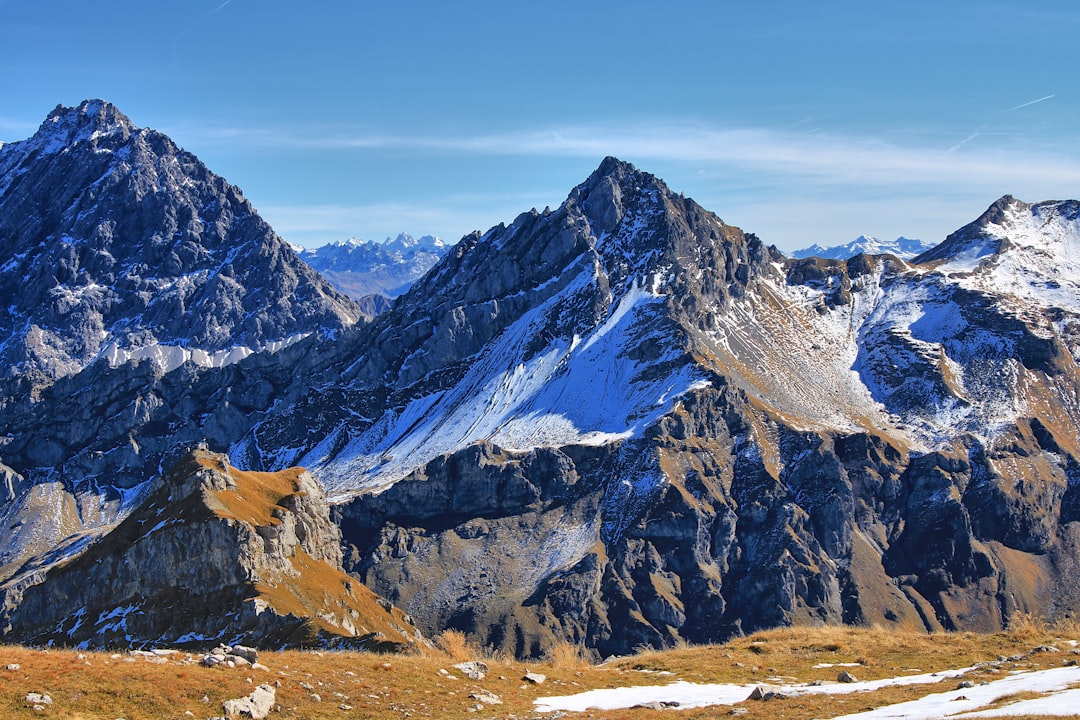
Last reviewed: August 2026 · key facts checked against Wikidata
Liechtenstein Travel Guide: Everything You Need to Know (2026)
Liechtenstein is the world’s only doubly landlocked country, surrounded entirely by landlocked nations — Austria and Switzerland — and covers just 160 km², making it the sixth-smallest country on Earth. With a population of only 16,504, this Alpine microstate packs extraordinary density of castles, hiking trails, and financial-sector prosperity into a strip of Rhine Valley and mountain terrain. Founded as a principality in 1719, it remains one of the wealthiest nations per capita on the planet.
Three Things Not to Miss in Liechtenstein
- Vaduz Castle — The ruling Prince’s 12th-century hilltop residence towers 120 metres above Vaduz — closed to visitors, but the exterior hike is unmissable.
- Malbun Ski & Hiking Resort — Liechtenstein’s only ski area sits at 1,600 m altitude, offering lift-accessed Alpine trails with virtually zero lift queues.
- Liechtenstein National Museum, Vaduz — Covers 300 years of principality history with original royal artifacts in a building dating back to the 15th century.
Scroll down for our complete travel guide with tips on getting there, where to stay, costs and more.
How to Reach Liechtenstein
Which airports are the best entry points into Liechtenstein?
Zurich Airport (ZRH) is your best bet — it sits roughly 120 km from Vaduz and connects to every major global hub. Friedrichshafen Airport (FDH) in Germany is only 85 km away and handles regional European routes, making it underrated for travellers coming from within Europe. Innsbruck Airport (INN) in Austria, around 100 km east, works well if you’re combining Liechtenstein with a Tyrolean road trip. My tip: ZRH wins for flight choice, but FDH wins for budget fares and shorter drives. What surprised me is how many travellers fly into Milan Malpensa (MXP) — it’s 250 km away and simply not worth the extra road time.
How do I get from the airport to my first accommodation in Liechtenstein?
From Zurich Airport, take the direct train to Buchs SG or Sargans (roughly 75 minutes, costing around CHF 35–40), then transfer to the Liechtenstein Bus line 11 into Vaduz — the whole trip takes under 2 hours door-to-centre. From Friedrichshafen, a rental car or taxi to Vaduz takes about 70 minutes. I recommend the train-bus combo from Zurich because it drops you at the Vaduz Post stop, which is central. The honest caveat: Liechtenstein has no railway station of its own — the country was bypassed by the rail network entirely, so buses are your only public option once inside the border.
What transport options are there within Liechtenstein?
The Liechtenstein Bus network covers the entire country with reliable connections — a single ticket costs CHF 3.60 and a day pass runs CHF 8. The main north-south Route 11 connects Schaan, Vaduz, Balzers, and other villages every 30 minutes. What surprised me: the buses are genuinely punctual and clean, rivalling Swiss standards. In my experience, walking is underrated — Vaduz is entirely walkable in under 20 minutes. My tip: grab the FL1 day pass and ride every route in a single day; you’ll have covered the entire country. The honest trade-off: evening services thin out significantly after 9 PM, so plan dinner around that.
Do I need a rental car in Liechtenstein?
No — for Vaduz and valley towns, a rental car is unnecessary and actually a hindrance. Parking in central Vaduz is limited to a few small lots and costs around CHF 2 per hour. However, if you plan to explore Malbun, Triesenberg, or Gaflei — the mountain villages above the Rhine Valley — a car saves 40-minute bus waits on infrequent routes. My tip: base yourself in Vaduz carless, and rent a vehicle specifically for a half-day mountain excursion. The honest caveat: roads to Malbun can be snow-closed between November and April, making rental insurance with snow coverage essential if you visit off-season.
How good is the public transport network between regions in Liechtenstein?
For a country of 160 km², the network is excellent — Liechtenstein Bus connects all 11 communes. Route 11 runs every 30 minutes between Ruggell in the north and Balzers in the south, covering the full valley spine in under 45 minutes. Mountain routes to Malbun (Route 21) run roughly every 60 minutes in summer and less frequently off-peak. In my experience, the integration with Swiss and Austrian bus networks at the borders is seamless — the same ticket system applies. The honest trade-off: the mountain village connections are the weak link; if you miss the Malbun bus, you’re waiting a full hour with no taxi rank in sight.
Finding a Base in Liechtenstein
Which regions should I stay in when visiting Liechtenstein?
Vaduz, the capital, is the obvious base — everything is walkable, accommodation options are centrally located, and the bus network radiates from here. For a quieter, more authentic experience, Schaan (just 2 km north) offers cheaper guesthouses and a genuine local feel without tourist-shop saturation. If you visit in winter, staying in Malbun puts you slope-side at 1,600 m altitude — ideal for skiers. In my experience, Triesen and Triesenberg offer dramatic Rhine Valley views and are 10-minute bus rides from Vaduz, making them genuinely good-value alternatives that most guides overlook.
What does good accommodation cost per night in Liechtenstein?
Budget on CHF 120–160 per night for a clean 3-star hotel in Vaduz or Schaan. The Hotel Real and Park-Hotel Sonnenhof in Vaduz sit in the CHF 200–350 range. There is no hostel in Vaduz proper — the closest budget option is across the border in Buchs, Switzerland, which adds a 10-minute bus ride. In my experience, guesthouses in Triesenberg run CHF 90–130 per night and deliver far better Alpine atmosphere than central hotels at the same or lower price. The honest caveat: Liechtenstein has very limited accommodation stock, so rates spike dramatically when regional events or trade fairs hit Vaduz.
When should I book hotels in Liechtenstein — how far in advance?
Book at least 6–8 weeks ahead for summer (June–September) stays, especially weekends. Vaduz has fewer than 300 hotel beds in total for the entire principality, which means the market saturates fast. I recommend locking in accommodation before booking flights — that’s how tight supply gets. For the Malbun ski season (December–March), 4–6 weeks ahead is usually sufficient since it’s a small, locally-focused ski area. The honest caveat: last-minute deals in Liechtenstein are rare — unlike large cities, there’s no surplus inventory to discount. If you’re flexible, mid-week nights in April, May, or October can be booked 1–2 weeks out without penalty.
When is the best time to travel to Liechtenstein?
June through September is the optimal window based on verified climate data. July and August deliver reliable Alpine sunshine and full access to all hiking trails above Vaduz. June is my personal favourite — trails are clear of snow, summer crowds haven’t peaked, and the Rhine Valley is brilliantly green. September is ideal for combining hiking with the Liechtenstein National Holiday atmosphere and harvest-season vineyard visits near Vaduz. The honest trade-off: July–August sees the maximum day-tripper volumes, especially from Zurich tour groups arriving by bus. If you want the country largely to yourself, early June or mid-September gives you 80% of the summer experience with noticeably fewer visitors.
How does peak season affect prices in Liechtenstein?
Peak season (July–August) pushes hotel rates up by roughly 30–40% versus shoulder months. A CHF 120 room in May becomes CHF 165–180 in August at the same property. Restaurant lunch menus in Vaduz stay fairly stable year-round since locals eat there daily, but tourist-facing souvenir shops and guided tours inflate pricing in summer. In my experience, the bigger impact is availability rather than price — accommodation simply books out. The honest caveat: unlike beach destinations, Liechtenstein’s tiny size means peak-season crowds feel overwhelming even at modest tourist arrival numbers, since the country’s capacity is so limited.
When to Travel to Liechtenstein
Which regions of Liechtenstein have different climate zones?
Liechtenstein splits into two distinct zones across its 160 km². The Rhine Valley floor (where Vaduz sits at roughly 460 m altitude) enjoys a temperate Central European climate — mild summers, cold but not extreme winters, and reliable sunshine channelled by the valley walls. The Alpine zone — Triesenberg, Malbun and the peaks above — sits at 1,000–2,599 m (Grauspitz, the highest point), with significantly colder temperatures, heavier snowfall, and shorter summers. In my experience, it’s entirely possible to hike in a t-shirt in Vaduz while Malbun sits under 30 cm of fresh snow — always pack a layer even in August.
What are the rainy seasons in Liechtenstein?
Liechtenstein doesn’t have a defined monsoon-style rainy season, but June and July see the highest precipitation due to Alpine convective thunderstorms — typically brief but intense afternoon downpours. November and December bring the most persistent grey, drizzly weather in the Rhine Valley. In my experience, mornings in summer are almost always clear, with storms building by 2–4 PM — structure hikes to summit early and be descending by early afternoon. The honest caveat: the Föhn wind (a warm, dry Alpine wind) can sweep through at any season, dramatically changing conditions within hours — I’ve seen near-zero visibility fog replaced by blue skies in 90 minutes.
What does a trip to Liechtenstein cost per person per day?
Budget travellers spending on accommodation in Buchs and day-tripping into Liechtenstein can manage CHF 80–100 per day. Staying inside the principality at a mid-range hotel, eating one restaurant lunch and one dinner, with museum entry and bus travel, realistically costs CHF 180–250 per person per day. A comfortable trip with the Sonnenhof hotel, wine tastings, and guided experiences runs CHF 350+. My tip: the Liechtenstein National Museum and the passport stamp at the Vaduz tourist office (yes, it’s a real thing, costing CHF 3) are among the best-value experiences in the country. Food is the hardest cost to cut — Swiss-level prices apply across the board.
How expensive is food in Liechtenstein?
Food costs mirror Switzerland precisely — budget CHF 20–30 for a lunch main course at a sit-down restaurant in Vaduz and CHF 40–60 for dinner. A Käsknöpfle (the local cheese dumpling specialty) costs around CHF 22–26 at Restaurant Torkel in Vaduz. Supermarket self-catering at the Nahkauf in Schaan is your best budget weapon — a solid meal from the deli counter runs CHF 8–12. In my experience, crossing 10 minutes into Buchs, Switzerland or Feldkirch, Austria saves you 15–25% on restaurant prices with negligible quality difference. The honest caveat: there’s no budget street food culture here — Liechtenstein is expensive, full stop.
What hidden costs should I expect in Liechtenstein?
Three costs catch travellers off guard. First, parking fees in Vaduz add up quickly at CHF 2/hour with a 2-hour maximum in many central spots — budget CHF 10–15 per day if driving. Second, tourist tax (Kurtaxe) is added to hotel bills — typically CHF 2–4 per night per person. Third, the Liechtenstein passport stamp from the tourist office costs CHF 3 and is wildly popular — not a scam, but not free either. In my experience, the biggest surprise is ATM fees: Liechtenstein uses Swiss Francs (CHF), and foreign cards often incur CHF 5 flat withdrawal fees at the few ATMs in Vaduz. Bring cash or use a fee-free travel card.
Daily Costs in Liechtenstein
How much cash should I bring to Liechtenstein?
Carry at least CHF 100–150 in cash for the first day — smaller restaurants, hiking huts in Malbun, and the tourist office passport stamp are cash-preferred or cash-only. Cards are widely accepted in Vaduz hotels and larger restaurants, but don’t assume you can go cashless everywhere. In my experience, the mountain hut at Pfälzerhütte above Malbun is strictly cash-only. The nearest reliable ATM cluster is in Vaduz near the Post Office or in Schaan — I’d recommend withdrawing in one hit to avoid repeat fees. The honest trade-off: the principality is so small that banking infrastructure is thin compared to what you’d expect from such a wealthy nation.
Which credit cards are accepted in Liechtenstein?
Visa and Mastercard are accepted at essentially all hotels, most restaurants, and shops in Vaduz. American Express is hit-or-miss — accepted at upmarket properties like the Sonnenhof but declined at smaller guesthouses and most cafes. Contactless payment works reliably in central Vaduz. In my experience, anything outside the capital — mountain restaurants in Malbun, hiking huts, small village shops — defaults to cash. My tip: load a Wise or Revolut card before travelling to avoid currency conversion fees, since Liechtenstein uses CHF and most non-Swiss bank cards charge 1.5–3% foreign transaction fees on every purchase. The honest caveat: don’t rely on Apple Pay — terminal compatibility is inconsistent.
Which regions of Liechtenstein must I not miss?
Vaduz is non-negotiable — the castle, the national museum, the vineyard walk, and the art museum are all within 1 km of each other. Malbun, the mountain village at 1,600 m, is the second essential stop — it’s the only place in the principality where you’re genuinely in the Alps rather than a Rhine Valley town. Triesenberg at roughly 900 m is Liechtenstein’s most photogenic village — a Walser settlement with traditional architecture and views across the entire Rhine Valley into Switzerland. In my experience, most day-trippers see only Vaduz and leave thinking they’ve seen the country — they’ve missed two-thirds of what makes Liechtenstein distinct.
What are the tourist highlights of Liechtenstein?
Vaduz Castle (exterior, free) looming over the capital is the defining image — the uphill walk takes 25 minutes from the centre. The Kunstmuseum Liechtenstein houses a permanent collection of modern and contemporary art worth CHF 15 entry. The Prince of Liechtenstein Winery in Vaduz offers tastings of estate-grown Pinot Noir and Chardonnay — one of Europe’s smallest national wine productions. The Liechtenstein Trail, opened in 2019, covers the entire country’s 75 km in 5 stages. The Gutenberg Castle in Balzers — a 13th-century fortress open for exterior visits — is overlooked by most guides and entirely free to approach.
What experiences in Liechtenstein are found nowhere else on Earth?
Getting your passport stamped in a country with a population of 16,504 that operates no airport and no railway station is genuinely unique — the Vaduz Tourist Office stamps passports for CHF 3 and it’s a legitimate conversation-starter for years. You can also walk across the entire country in a single day on the Liechtenstein Trail — 75 km divided into 5 stages — something physically impossible in any comparable nation. In my experience, visiting the Gutenberg Castle in Balzers at dusk with the Rhine Valley spread below and zero other tourists present is one of Central Europe’s most underrated moments. You cannot replicate the peculiar intimacy of a fully-functioning sovereign state this small.
Liechtenstein Region by Region
Which areas of Liechtenstein are overcrowded — and what are quieter alternatives?
Vaduz’s main pedestrian street (Städtle) gets genuinely overwhelmed between 10 AM and 3 PM in July and August, when Zurich day-trip coaches arrive in rotation. My tip: visit Vaduz Castle hill before 9 AM or after 4 PM when the groups have left. The quiet alternative is Schellenberg in the north — Liechtenstein’s smallest commune with a ruined castle and almost no tourism infrastructure, offering the same Alpine countryside without a single tour bus. Planken, perched at 785 m with 500 inhabitants, has a panoramic Rhine Valley viewpoint that rivals Vaduz Castle hill and sees perhaps 20 visitors on a peak summer day.
How many days do I need in Liechtenstein?
2 full days is the honest minimum to see Vaduz properly and reach Malbun. Day 1: Vaduz Castle exterior, Kunstmuseum, winery tasting, evening in Triesenberg. Day 2: morning bus to Malbun, 3–4 hour hike, afternoon return via Triesenberg viewpoint. A third day allows the Liechtenstein Trail stage to Balzers and Gutenberg Castle. In my experience, the travellers who regret their trip most are those who spend only 4 hours as a Zurich day-tripper — they see the Städtle souvenir shops and leave thinking it’s just a passport-stamp novelty. Give it 2 nights minimum and it earns its place as a genuine Alpine destination rather than a checkbox.
Do I need a visa to visit Liechtenstein?
Liechtenstein is part of the Schengen Area, so any valid Schengen visa covers entry — no separate Liechtenstein visa exists. EU, EEA, and Swiss citizens enter with just an ID card. US, Canadian, Australian, and UK passport holders get 90 visa-free days within any 180-day Schengen period. In my experience, there are no border controls at the Austria-Liechtenstein or Switzerland-Liechtenstein crossings — you’ll simply drive or walk across without stopping. The honest caveat: because Liechtenstein uses the Swiss Franc and operates under a Swiss customs union, it’s economically Swiss but politically independent — don’t assume your Swiss visa specifically grants Liechtenstein entry; you need Schengen, not just a Swiss permit.
What languages are spoken in Liechtenstein?
German is the official language — specifically the Alemannic dialect, which is closer to Swiss German than to standard High German and can be genuinely difficult to parse even for fluent German speakers. High German (Hochdeutsch) is universally understood in formal and business settings. English is spoken at all hotels, the tourist office, and most Vaduz restaurants — I’ve never struggled communicating in English anywhere in the capital. In my experience, venturing to Schellenberg or Planken villages, you’ll find English comprehension drops among older locals, but a few words of German goodwill go a long way. French and Italian are rarely spoken — this is firmly a German-sphere country.
What cultural rules do I need to know before visiting Liechtenstein?
Liechtensteiners are reserved and formal by default — don’t expect Southern European warmth on first contact. Greet shopkeepers and restaurant hosts with ’Grüezi’ (Swiss-German hello) upon entering; leaving without acknowledging staff is considered rude. The Prince’s residence at Vaduz Castle is a private home — photographing the exterior is fine, but attempting to approach the gates or enter the grounds invites a firm refusal from security. In my experience, locals take quiet pride in their country and genuinely appreciate visitors who acknowledge Liechtenstein as more than a passport stamp. The honest caveat: Sunday trading is severely restricted — most shops in Vaduz are closed, so plan supermarket and pharmacy visits for weekdays.
Local Know-How for Liechtenstein
How safe is Liechtenstein?
Liechtenstein is one of the safest countries on Earth — violent crime is effectively absent and petty theft is rare. The country has a police force of roughly 80 officers for the entire principality and recorded essentially zero serious crimes in recent years. I walked alone at midnight through Vaduz without a moment’s concern. The honest caveat: the main safety risk is Alpine hiking — trails above Malbun toward the Grauspitz reach technical terrain above 2,500 m, and afternoon thunderstorms develop rapidly in summer. Always register your hiking route with the mountain rescue app SAC Hiking and carry a rain layer above the tree line. Car theft at trailhead parking areas is the only crime worth mentioning.
What health precautions should I take before visiting Liechtenstein?
No vaccines are required and tap water throughout Liechtenstein is safe to drink — among the purest in Europe due to Alpine aquifer sources. EU visitors’ EHIC cards are accepted, but Liechtenstein’s healthcare operates under the Swiss system, meaning costs for non-insured visitors are extremely high — a GP visit runs CHF 150–200 without insurance. In my experience, the main health risk is altitude-related for hikers pushing to peaks above 2,000 m without acclimatisation — symptoms include headache and fatigue. The nearest hospital is Landeskrankenhaus Vaduz on Heiligkreuz Street — the only hospital in the country. Always carry comprehensive travel insurance with Alpine rescue cover, which helicopter evacuations from mountain terrain can cost CHF 5,000+.
What SIM card or eSIM options are available in Liechtenstein?
Liechtenstein uses Swiss mobile infrastructure — no independent Liechtenstein mobile network exists. Swisscom, Salt, and Sunrise are the three networks operating here. EU roaming regulations do not apply in Liechtenstein (it’s not an EU member), so European SIM cards may charge roaming fees — check before you arrive. My tip: purchase a Swisscom prepaid SIM at Zurich Airport before entering Liechtenstein — a 10 GB data pack costs CHF 15–20 and covers the entire principality with strong signal even in Malbun. Alternatively, international eSIMs like Airalo offer Switzerland/Liechtenstein coverage plans from around USD 5 for 1 GB. The honest caveat: mountain coverage above 2,200 m becomes patchy regardless of network.
Which apps do you recommend for visiting Liechtenstein?
EasyRide or SBB Mobile for Switzerland and Liechtenstein bus tickets — you can buy Liechtenstein Bus tickets directly through the SBB app without a physical ticket machine. Swisstopo is the gold-standard topographic map app for hiking — free, offline-capable, and covers all trails above Malbun in precise detail. Google Maps works reliably in Vaduz but misses some mountain trails. MeteoSwiss is the most accurate weather app for Alpine conditions — I use it specifically for the Malbun hourly forecast before every uphill hike. The Liechtenstein Trail app (official) tracks your progress across all 5 stages of the national trail. SAC’s Hütten app helps book overnight mountain hut stays.
What are the most common traveller mistakes in Liechtenstein?
The single biggest mistake: treating Liechtenstein as a 3-hour stamp-and-go stop. Travellers rushing through Vaduz, buying a magnet, and leaving miss Malbun, Triesenberg, and the actual Alps entirely. Second mistake: assuming CHF prices are moderate because the country is small — this is one of the world’s most expensive destinations, full stop. Third: arriving on a Sunday without checking shop and restaurant hours — half of Vaduz closes. Fourth: hiking to Grauspitz without preparation — it’s a technical ascent to 2,599 m that requires proper footwear, not trainers. In my experience, the traveller who spends 2 nights, hikes one trail above Malbun, and eats one meal at a local guesthouse leaves with a genuinely different view of what a microstate can be.
Liechtenstein at a Glance
| Population | 37,922 |
|---|---|
| Currency | Swiss franc (Fr) |
| Official language | German |
| Time zone | UTC+01:00 |
Source: Wikidata, retrieved August 2026.
Essential Resources for Planning Your Trip to Liechtenstein
- Vacations, vacation, travel – Official tourism website of the … — official visitor information, passes & events
- Wikipedia: Liechtenstein — history, geography & background
- Wikivoyage: Liechtenstein — community travel guide & practical tips
- Liechtenstein travel – Europe — expert itineraries & travel inspiration
- THE 15 BEST Things to Do in Liechtenstein (2026) — hotels, restaurants & traveller reviews
- Vacations, vacation, travel – Official tourism website of the … — how to get around
- Numbeo: Cost of Living in Liechtenstein — current prices & cost comparison
- Timeanddate: Liechtenstein Weather & Climate — forecasts & climate statistics
More Perspectives on Liechtenstein
- How To Spend Two Days In Liechtenstein
- Liechtenstein – the most boring country I’ve ever been to
- Liechtenstein Travel Guide: What to Know Before You Go
Liechtenstein Travel Videos
Watch these videos for a visual preview before your trip:
- Liechtenstein Travel Guide
- Liechtenstein: Best Things To Do and See | Travel Vlog
- 8 Things to Do in Liechtenstein | City Check Vaduz | Travel Guide for Traveling Europe | DW Euromaxx
Liechtenstein Travel Discussions on Reddit
Real traveller experiences and community advice:
- How long to spend in Liechtenstein? : r/travel
- One day in Liechtenstein – the easiest country we’ve ever …
- Traveling to the sixth smallest country in the world …
Data Sources
This page was compiled using data from Wikipedia, Wikidata, Open-Meteo (climate), Numbeo (cost of living) and REST Countries. Information is updated regularly.