
Somalia: The Complete Travel Guide (2026)
Last reviewed: August 2026 · key facts checked against Wikidata
Somalia Travel Guide: Everything You Need to Know (2026)
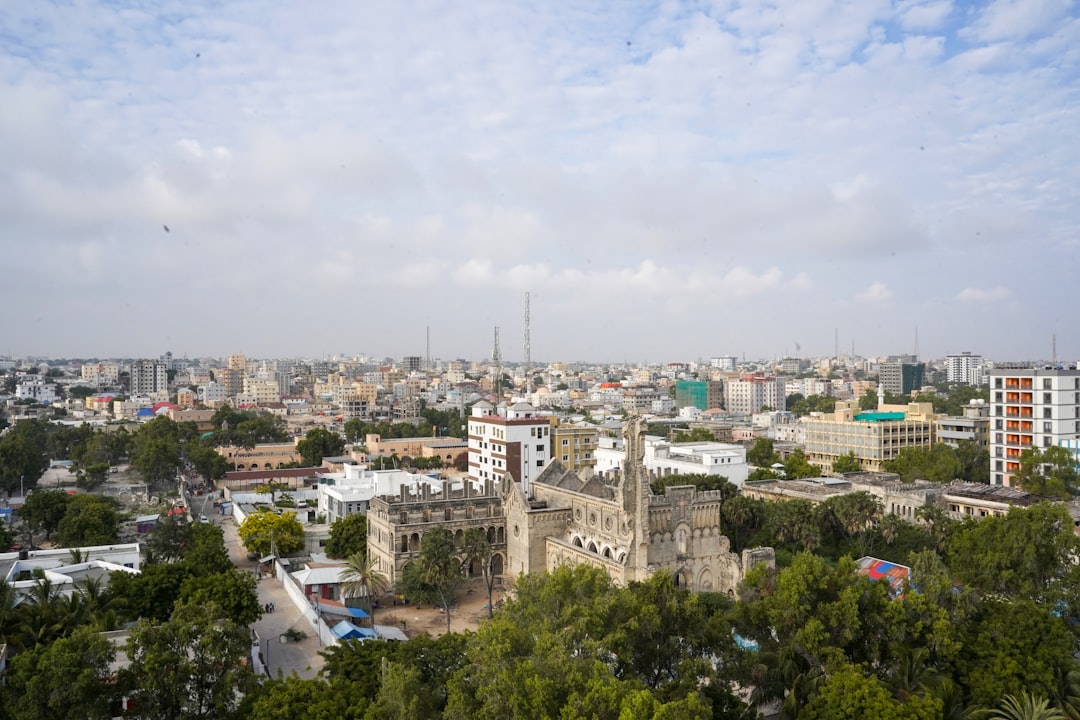
Somalia, the easternmost country in continental Africa with a population of 11,031,386 in its capital Mogadishu alone, stretches across the Horn of Africa and possesses the longest coastline on the African mainland at over 3,300 km. Founded as a modern republic in 1960 following the merger of British Somaliland and Italian Somalia, it remains one of the most challenging yet genuinely frontier travel destinations on Earth. For the rare adventurous traveler who does go, the combination of ancient port cities, untouched Indian Ocean beaches, and raw cultural authenticity is unlike anywhere else in Africa.
Top 3 Highlights at a Glance
- Laas Geel Cave Paintings — Among the best-preserved Neolithic rock art in Africa, dating back over 5,000 years and located just 55 km from Hargeisa.
- Mogadishu Old Town (Hamarweyne) — A UNESCO-listed historic quarter with 13th-century Arab and Italian colonial architecture rising directly from the Indian Ocean.
- Somaliland’s Berbera Beach — Over 200 km of virtually deserted Gulf of Aden coastline with no tourist infrastructure — entirely raw and unfiltered.
Scroll down for our complete travel guide with tips on getting there, where to stay, costs and more.
Getting There & Transport
Which airports are the best entry points into Somalia?
Aden Adde International Airport (MGQ) in Mogadishu is the main entry point for southern Somalia, and Hargeisa Egal International Airport (HGA) is the gateway to the self-declared Republic of Somaliland in the north. In my experience, HGA in Hargeisa is significantly safer and more accessible for first-time visitors — Turkish Airlines and flydubai serve Mogadishu from international hubs, while Ethiopian Airlines and Fly Jubba connect Hargeisa. A caveat most guides omit: Mogadishu’s airport sits inside a heavily fortified perimeter zone called the Green Zone, and you cannot simply walk out — you must have a pre-arranged security escort. For Somaliland specifically, Hargeisa is the only realistic and relatively stable starting point in 2026.
How do I get from the airport to my first accommodation in Somalia?
Pre-arrange pickup with your hotel or security operator before you land — this is non-negotiable in Mogadishu. In my experience, walking out of Aden Adde Airport without a confirmed contact waiting for you is a serious security risk. Reputable operators like Hormuud Travel or your guesthouse will send an armed escort; expect to pay $30–$60 USD for this transfer. In Hargeisa, the situation is far more relaxed — taxis from Hargeisa Egal Airport to the city centre cost around $5–$10 USD and the drive takes roughly 15 minutes. What surprised me: Hargeisa actually functions like a normal African capital with regular street taxis, while Mogadishu requires military-grade logistics just to leave the airport compound.
What transport options are there within Somalia?
Internal transport in Somalia falls into two completely different worlds depending on which zone you’re in. In Somaliland, shared minibuses called dabaab connect Hargeisa to Berbera (roughly 2.5 hours) and Burao for under $3 USD. Private car hire with a driver runs $50–$80 USD per day. In southern Somalia and Mogadishu, armed convoys are the standard mode of movement — UN and NGO vehicles use armored transport exclusively. Domestic flights operated by Jubba Airways connect Mogadishu, Bosaso, Garowe, and Kismayo. My tip: never attempt overland travel between Mogadishu and any other southern city by road in 2026 — the security risk is genuinely life-threatening and no travel insurance will cover it.
Do I need a rental car to travel around Somalia?
In Somaliland, a rental car with a driver is the most practical option and costs $50–$80 USD per day including fuel. I recommend hiring through guesthouses in Hargeisa like Ambassador Hotel — they maintain vetted drivers who double as local guides. In southern Somalia including Mogadishu, self-drive rental is not a realistic option under any circumstances. You will need a security-cleared vehicle and operator for every movement. The honest trade-off: hiring a car in Somaliland gives you genuine freedom to reach places like Laas Geel and Sheikh mountain pass, but the roads are mostly unpaved and a 4WD is essential. Compact city cars simply cannot handle the terrain outside urban Hargeisa.
How good is the public transport network between regions of Somalia?
Public transport between regions is functional in Somaliland but essentially nonexistent as a safe option in southern Somalia. The Hargeisa–Berbera route runs shared taxis and minibuses roughly every hour for about $2–$3 USD. The Hargeisa–Borama route takes around 3 hours by shared taxi. Domestic flights via Jubba Airways and African Express Airways are the only realistic inter-city transport in the south, with a Mogadishu–Bosaso flight costing approximately $120–$180 USD one way. What most guides omit: even in Somaliland, buses have no fixed timetables and depart when full — factor in waits of 1–3 hours for shared transport departures. The concept of a national bus network simply does not exist here.
Accommodation
Which regions of Somalia should I stay in?
Somaliland (capital: Hargeisa) is the only region I can honestly recommend to independent travelers in 2026 — it has functioning government, visible police presence, and a genuine hospitality infrastructure. Within Somaliland, Berbera on the Gulf of Aden offers coastal stays, while Hargeisa itself is the commercial and cultural hub. Puntland (capital: Bosaso) is occasionally visited by journalists and experienced Africa hands, but requires serious security planning. Southern Somalia including Mogadishu is visited almost exclusively by journalists, NGO workers, and diplomats — not independent travelers. My honest caveat: even within Somaliland, travel outside Hargeisa requires informing the Somaliland Ministry of Tourism and in some areas obtaining a local police escort, which costs around $20–$30 USD per day.
What does good accommodation cost per night in Somalia?
In Hargeisa, a clean mid-range guesthouse like Maan-Soor Hotel costs $40–$70 USD per night with breakfast. The best option in town, Ambassador Hotel, runs $80–$120 USD per night and includes reliable WiFi and a generator for power cuts. Budget guesthouses in Hargeisa start at $15–$25 USD but offer very basic facilities. In Mogadishu, the Hotel Jazeera — effectively the international press hotel — charges $150–$250 USD per night and includes security infrastructure in that price. In Berbera, simple beach guesthouses cost $20–$40 USD. The trade-off most guides miss: paying more in Somaliland directly translates to generator backup power, filtered water, and vetted staff — luxuries that genuinely matter when infrastructure is unreliable.
When should I book hotels in Somalia — how far in advance?
Book at least 4–6 weeks in advance for travel to Hargeisa, especially during the dry season months of October through February. For Mogadishu, booking 8–12 weeks ahead is essential — not because hotels fill up with tourists, but because security-vetted accommodation is genuinely limited to a handful of approved facilities and operators plan logistics around guest arrivals. My tip: email Somaliland Tourism directly at their Hargeisa office to register your visit — they respond within 3–5 business days and can recommend current vetted accommodation. What surprised me: Somaliland hotels rarely use international booking platforms like Booking.com — direct email or WhatsApp contact is the standard booking method, which means last-minute availability is almost impossible to verify remotely.
When is the best time to travel to Somalia?
The best months to visit Somalia are October through February when temperatures in Hargeisa sit around 25–30°C and rainfall is minimal. The Jilaal dry season (December–March) is peak visiting time for Somaliland. Avoid the Gu main rainy season (April–June) when roads outside Hargeisa become impassable mud tracks and the Laas Geel cave paintings access road floods. In Berbera on the coast, temperatures exceed 45°C from June through August — genuinely dangerous heat for outdoor exploration. My experience: November is the single best month — post-rain greenery makes the landscape striking, temperatures are manageable at around 28°C, and the sparse tourist infrastructure is at its most functional before the year-end NGO worker holiday rush drives up accommodation prices.
How does peak season affect prices in Somalia?
Peak season in Somaliland runs November through January, when the Somali diaspora returns from the UAE, UK, and Scandinavia for the holidays — this has a far greater impact on prices than Western tourism. Hotel rates in Hargeisa can jump 30–50% during this period, and flights from Dubai on flydubai sell out 6–8 weeks in advance. Car hire prices rise by roughly $20 USD per day during peak. The honest trade-off: visiting during diaspora peak (December) means more restaurants are open, the city feels more vibrant, and local English proficiency is higher due to returned diaspora. But accommodation at Ambassador Hotel goes from $90 to $130 USD and you genuinely cannot just show up and find a room. Book everything before you fly.
Best Time to Visit
Which regions of Somalia have different climate zones?
Somalia spans three distinct climate zones across its territory. Somaliland and northern highlands around Hargeisa (elevation: 1,334 m) have a semi-arid climate with genuinely cool nights dropping to 15°C in December — bring a layer. The Berbera and Gulf of Aden coastal strip is one of the hottest year-round locations on Earth, with summer temperatures exceeding 45°C. Southern Somalia including Mogadishu sits at sea level with a hot, humid tropical climate averaging 28–32°C year-round with two distinct rainy seasons. The Jubba and Shabelle river valleys in the southwest receive more rainfall and support agriculture. My tip: travelers visiting only Hargeisa are often shocked by the cool highland evenings — the contrast with the coast 170 km away in Berbera is a temperature difference of over 10°C.
What are the rainy seasons in Somalia?
Somalia has two rainy seasons: the Gu (April–June), which is the main heavy rain season affecting all regions, and the Deyr (October–November), a shorter secondary rainy season. The Gu is the critical one to avoid for travel — in Hargeisa, rainfall averages highest in April and May, turning the unpaved road to Laas Geel into a mud obstacle course impassable by standard vehicles. In southern Somalia, the Gu floods the Jubba River basin and cuts off road access entirely between towns. What most guides omit: the Deyr rains in October–November are actually mild and brief in Somaliland — lasting only 1–2 hours per day — and the landscape turns green, making it one of the most photogenic times to visit. Avoid April and May if outdoor activities are your priority.
What does a trip to Somalia cost per person per day?
A realistic daily budget in Somaliland for an independent traveler runs $80–$150 USD per day covering mid-range accommodation, food, local transport, and a police escort where required. Budget travelers staying in basic guesthouses and eating at local qaxwo (tea houses) can get by on $40–$60 USD. Add $50–$80 USD per day for a private driver with a 4WD. In Mogadishu, the minimum realistic daily cost including security-vetted accommodation and transport is $200–$300 USD — this is non-negotiable and not a luxury. My honest caveat: Somalia is not a backpacker destination where cutting costs is strategic. The expenses that seem high — vetted drivers, secure hotels, registered guides — are directly linked to your safety. Skimping on these in the south specifically is genuinely dangerous.
How expensive is food in Somalia?
Food in Somaliland is genuinely affordable if you eat where locals eat. A plate of cambuulo (adzuki beans with butter and sugar) or baasto (pasta with spiced meat sauce, a legacy of Italian colonialism) at a local Hargeisa restaurant costs $2–$4 USD. A full grilled goat meat meal (hilib ari) with flatbread and tea runs $5–$8 USD. Restaurant meals aimed at expats and NGO workers in Hargeisa cost $10–$20 USD. Fresh camel milk — the Somali staple — costs about $0.50 USD per glass from street vendors. In Mogadishu, restaurant options inside the Green Zone are limited and expensive — a basic meal at Hotel Jazeera’s restaurant is $15–$25 USD. My tip: the morning suqaar (spiced beef and egg scramble) at any local tea house is the best-value, most authentic breakfast in Hargeisa for under $3 USD.
What hidden costs should I expect when traveling in Somalia?
The biggest hidden cost most travelers don’t anticipate is the mandatory police or security escort required in many parts of Somaliland outside Hargeisa — this runs $20–$40 USD per day and is non-negotiable at certain checkpoints. Visa on arrival for Somaliland costs $30 USD and requires a separate $40 USD tourism registration fee paid to the Ministry of Tourism. Photography permits for Laas Geel cost an additional $10–$15 USD. Generator fuel surcharges are added to hotel bills when city power fails — expect $5–$15 USD extra per night. My warning: international ATMs do not exist in Somaliland — every single expense must be paid in cash USD. Running short on dollars has no solution once you’re in Hargeisa, so bring significantly more cash than you think you need.
Budget & Costs
How much cash should I bring to Somalia?
Bring all your cash in USD before you arrive — this is the single most critical preparation step. There are no functioning international ATMs in Somaliland, and international credit card acceptance is essentially zero outside of a handful of Hargeisa expat hotels. For a 7-day trip to Somaliland covering accommodation, food, transport, guides, and escorts, I recommend a minimum of $800–$1,200 USD cash. Bring $20 bills and smaller — large $100 bills are sometimes refused or given poor exchange rates at local hawalas (money transfer shops). The Somali shilling exists but is worthless for travelers — transactions happen in USD or sometimes UAE dirhams near the airport. My honest tip: carry your cash split between two separate locations on your body and never display large amounts publicly, even in relatively safe Hargeisa.
Which credit cards are accepted in Somalia?
Credit card acceptance in Somalia is effectively nonexistent for travelers in 2026. Visa and Mastercard are accepted at exactly 2–3 hotels in Hargeisa — specifically Ambassador Hotel and Maan-Soor Hotel — and even there, the terminal frequently fails due to connectivity issues. In Mogadishu, Hotel Jazeera accepts cards but adds a 3–5% surcharge. The Zaad mobile money system (operated by Hormuud Telecom) is the dominant payment system among locals in southern Somalia, but requires a local SIM and Somali registration to use. My warning: do not rely on any digital payment method in Somalia as a backup plan — it will fail at the worst moment. The entire economy outside NGO compounds runs on physical USD cash. Treat every transaction as cash-only and you will never be caught short.
Which regions of Somalia must I not miss?
Somaliland is the non-negotiable starting point — specifically the triangle of Hargeisa, Berbera, and the Laas Geel caves. Hargeisa’s central market (one of East Africa’s most fascinating informal economies) and the war memorial MiG fighter jet in Freedom Square are unmissable for understanding Somali resilience. Berbera’s Ottoman-era port town contains 16th-century coral-stone architecture that barely any Western traveler has photographed. For the genuinely experienced Africa traveler with serious security contacts, Bosaso in Puntland offers the most authentic Gulf of Aden fishing port experience in the region. Southern Somalia’s Mogadishu old town (Hamarweyne) is historically extraordinary but requires $200+ USD per day in security infrastructure. My recommendation: spend at least 5 days in Somaliland before considering any other region.
What are the tourist highlights of Somalia?
The Laas Geel cave paintings — Neolithic rock art 55 km from Hargeisa dating back 5,000+ years — are Somalia’s single greatest cultural treasure and completely unknown to most global travelers. Berbera Beach offers over 200 km of untouched Gulf of Aden coastline with zero tourist infrastructure. Mogadishu’s Hamarweyne district features the 13th-century Fakr ad-Din Mosque, the oldest mosque in East Africa. The Hargeisa Cultural Centre documents the 1988 Somali civil war with devastating photography archives. Sheikh town in the Somaliland highlands sits at 1,500 m elevation with British colonial-era buildings and a mountain microclimate that drops to 10°C at night. What surprised me: the Zeila ruins on the Red Sea coast near the Djibouti border contain Ottoman and Arab trading post remains from the 9th century that almost no traveler ever visits.
What experiences in Somalia are found nowhere else on Earth?
Drinking fresh camel milk at a roadside stall outside Hargeisa while nomadic herders bring camels directly to the city — this daily ritual is uniquely Somali and costs $0.50 USD per cup. Attending a traditional Somali poetry recital (gabay) — poetry is the highest art form in Somali culture and public recitals still happen in Hargeisa’s tea houses. Visiting the Hargeisa livestock market, reportedly one of the largest camel markets in the world, active every morning from 6 AM. Seeing the Laas Geel paintings with a local Somali guide who explains their cultural continuity to present-day pastoral life. My honest caveat: accessing these experiences requires genuine effort, security awareness, and cultural sensitivity — they are not packaged tours. But for a traveler willing to invest in the groundwork, Somalia offers encounters with living traditions that have survived despite decades of conflict.
Regions & Highlights
Which areas of Somalia are overcrowded — and what are quieter alternatives?
No part of Somalia is overcrowded by global tourism standards — this is one of the least-visited countries on Earth. The closest thing to a tourist crowd is Hargeisa’s central market during diaspora return season in December, and even then you’re sharing it with Somalis, not tourists. The Laas Geel caves see perhaps 10–20 foreign visitors per week at peak. If you want the absolute quietest experience in Somaliland, skip Hargeisa city centre and base yourself in Sheikh — a highland town of roughly 15,000 people with British colonial bungalows, a cool climate, and almost zero foreign visitor presence. Zeila, near the Djibouti border, is a ghost town of Ottoman-era ruins visited by perhaps a few dozen travelers per year. My tip: in Somalia, the challenge is never crowd avoidance — it’s always logistics and security access.
How many days do I need to see Somalia properly?
A focused Somaliland-only trip requires a minimum of 7 days to do justice to Hargeisa, Berbera, Laas Geel, and the Sheikh highlands. I recommend 10–14 days to add the Zeila ruins near the Djibouti border and a proper coastal stay in Berbera. Adding Mogadishu to an itinerary requires treating it as a completely separate trip with its own security planning — budget 3–4 days minimum in the capital just to experience the old town and coast, with $600+ USD in security and accommodation costs for that portion alone. What most guides omit: jet lag and the physical demands of 4WD travel on unpaved roads means you need rest days built in — trying to cover all of Somaliland in 5 days will leave you exhausted and you’ll miss the cultural depth that makes the destination genuinely rewarding.
Do I need a visa to enter Somalia?
The visa situation depends entirely on which Somalia you’re entering. Somaliland issues its own visa on arrival at Hargeisa Egal Airport costing $30 USD — valid for 30 days and renewable. Most nationalities are eligible. Federal Somalia (Mogadishu) requires a visa obtained in advance from a Somali embassy — the nearest functioning ones are in Nairobi, Dubai, and Addis Ababa — costing approximately $50–$100 USD depending on nationality. Processing takes 5–10 business days. My critical warning: a Somaliland visa stamp in your passport can cause complications at some third-country borders since Somaliland is an unrecognized state — ask the Somaliland immigration officer to stamp a separate insert paper rather than your passport page. This is standard practice and they will accommodate the request without issue.
What languages are spoken in Somalia?
Somali is the overwhelmingly dominant language and the key to cultural access — learning even 10 basic phrases (greetings, thank you, how much) transforms local interactions. Arabic is widely understood among educated and older Somalis due to Islamic education and Gulf connections. English is spoken by the diaspora-educated middle class in Hargeisa — particularly among those who grew up in the UK, USA, or Scandinavia — and at hotels and guesthouses catering to NGO workers. Italian is occasionally encountered among older Mogadishu residents, a remnant of Italian colonial administration pre-1960. My experience: in Hargeisa, English proficiency among 20–35 year olds is surprisingly high, especially in hotels and restaurants, but don’t expect it at markets or in rural areas. A translation app with offline Somali capability downloaded before departure is genuinely useful.
What cultural rules do I need to know before visiting Somalia?
Somalia is a deeply conservative Sunni Muslim country and cultural rules are non-negotiable. Women must cover their hair and wear loose clothing covering arms and legs in all public spaces — a hijab or large scarf is essential packing. Men should avoid shorts in public; long trousers are always appropriate. No alcohol is available or acceptable in Somaliland or southern Somalia — even attempting to bring alcohol through customs risks serious legal consequences. Photography of people requires explicit permission — never photograph women without asking, and never photograph military checkpoints, government buildings, or police. Friday is a holy day — most businesses close from 12:00–14:00 for prayers. During Ramadan, eating or drinking in public during daylight hours is deeply offensive. My tip: a simple As-salamu alaykum greeting at every checkpoint and interaction dramatically improves your reception and signals cultural respect.
Practical Tips
How safe is it to travel in Somalia?
Somaliland is substantially safer than southern Somalia — it functions as a de facto independent state with its own police force, and Hargeisa has seen no major terrorist attack since 2008. The UK Foreign Office and US State Department both designate southern Somalia (including Mogadishu) as Level 4: Do Not Travel in 2026. Al-Shabaab remains active in large parts of the south and central regions. In Somaliland, the threat is lower but still real — kidnapping of foreigners, while rare, has occurred. My honest assessment: Somaliland is accessible to experienced, security-conscious travelers who do their homework, register with their embassy, hire vetted local contacts, and avoid displaying wealth. Southern Somalia should only be visited by journalists and professionals with established security operators and $500+ USD per day in dedicated security support. This is not a destination for casual risk-taking.
What health precautions should I take before traveling to Somalia?
Consult a travel medicine clinic at least 6 weeks before departure. Required and strongly recommended vaccinations include Hepatitis A, Hepatitis B, Typhoid, Yellow Fever (required if arriving from an endemic country), Meningitis ACWY, and updated Tetanus/Diphtheria. Malaria prophylaxis is essential — Malarone (atovaquone/proguanil) is the recommended option; start 1–2 days before arrival. Bring a comprehensive medical kit including oral rehydration salts, broad-spectrum antibiotics, wound care supplies, and water purification tablets — tap water in Hargeisa is not safe to drink. The nearest reliable medical facility for serious emergencies is in Nairobi, Kenya — approximately 2.5 hours by air. My warning: medical infrastructure in Somalia is critically underdeveloped. Carry travel insurance that explicitly covers emergency evacuation — standard policies often exclude Somalia entirely, so verify this before purchasing.
What SIM card or eSIM options are available in Somalia?
In Somaliland, Telesom is the dominant network and offers the most reliable coverage in Hargeisa and along the Berbera corridor. A local SIM costs approximately $3–$5 USD at the Telesom office near Hargeisa central market and requires your passport for registration. A 1 GB data package costs roughly $5–$8 USD and lasts about 7 days. In Mogadishu, Hormuud Telecom is the main provider — their EVDO data network is actually surprisingly fast within the city. International eSIMs like Airalo cover Somalia but with limited network partnerships and inconsistent data speeds — I recommend buying a physical local SIM on arrival for reliable connectivity. My caveat: coverage drops to zero outside main towns and on the road to Laas Geel — download offline maps on Maps.me before leaving your hotel.
Which apps do you recommend for traveling in Somalia?
Maps.me with offline Somalia and Somaliland maps downloaded before arrival — this is the single most critical app since Google Maps coverage is poor and you need navigation when data fails. WhatsApp is the universal communication platform — every hotel, driver, and local contact uses it exclusively. XE Currency for real-time USD conversion. Google Translate with Somali language pack downloaded offline. Zello walkie-talkie app is used by security operators in Mogadishu and worth having for emergencies. iOverlander has sparse but genuine traveler reports on road conditions and guesthouse quality updated by the tiny community of Somalia visitors. My honest tip: the UK Foreign Commonwealth Office app gives real-time safety alerts specific to Somalia — turn on notifications and check it every morning. Also save the number for your country’s Nairobi embassy — they are typically the emergency contact for Somalia incidents affecting your nationality.
What are common traveller mistakes when visiting Somalia?
The biggest mistake is arriving without a pre-arranged local contact — even in relatively safe Hargeisa, landing without a vetted driver and confirmed accommodation is a serious error. Second: bringing insufficient USD cash — travelers who rely on finding an ATM in Hargeisa find there is none, and the trip collapses within 24 hours. Third: photographing checkpoints or military installations without permission — this has resulted in camera confiscation and detention even in Somaliland. Fourth: ignoring the Somaliland Ministry of Tourism registration — this $40 USD fee is not optional and unregistered travelers have been turned back at internal checkpoints. My warning: the most dangerous mistake is treating Somaliland and Federal Somalia as interchangeable based on generic ‘Somalia travel’ advice online. They operate under entirely different security realities in 2026, and conflating them can put you in situations you are completely unprepared for.
Somalia at a Glance
| Population | 11,031,386 |
|---|---|
| Currency | Somali shilling (Sh.So.) |
| Official language | Somali, Arabic |
| Time zone | UTC+03:00 |
Source: Wikidata, retrieved August 2026.
Essential Resources for Planning Your Trip to Somalia
- Somalia Travel Advisory | Travel.State.gov — official visitor information, passes & events
- Wikipedia: Somalia — history, geography & background
- Wikivoyage: Somalia — community travel guide & practical tips
- Somalia travel – Africa — expert itineraries & travel inspiration
- THE 15 BEST Things to Do in Somalia (2026) — hotels, restaurants & traveller reviews
- Numbeo: Cost of Living in Somalia — current prices & cost comparison
- Timeanddate: Somalia Weather & Climate — forecasts & climate statistics
- Protecting Somalia’s documentary heritage
More Perspectives on Somalia
- Somalia Travel Advisory | Travel.State.gov
- Travel advice and advisories for Somalia
- Travelling to Somalia for the first time
Somalia Travel Videos
Watch these videos for a visual preview before your trip:
- Entering Mogadishu | World’s Most Dangerous City
- I Ignored Western Media and Went to Mogadishu, Somalia 🇸🇴
- SAFARKAYGA KAYMAHA QARSOON EE SOMALIA 🇸🇴 MY JOURNEY TO THE HIDDEN FORESTS OF SOMALIA – ( ISTANBOOL )
Somalia Travel Discussions on Reddit
Real traveller experiences and community advice:
- Travelling to Somalia for the first time
- I visited Mogadishu as a tourist – here’s what I saw : r/Somalia
- Eight days in Somalia : r/travel
Data Sources
This page was compiled using data from Wikipedia, Wikidata, Open-Meteo (climate), Numbeo (cost of living) and REST Countries. Information is updated regularly.