
Suriname: The Complete Travel Guide (2026)
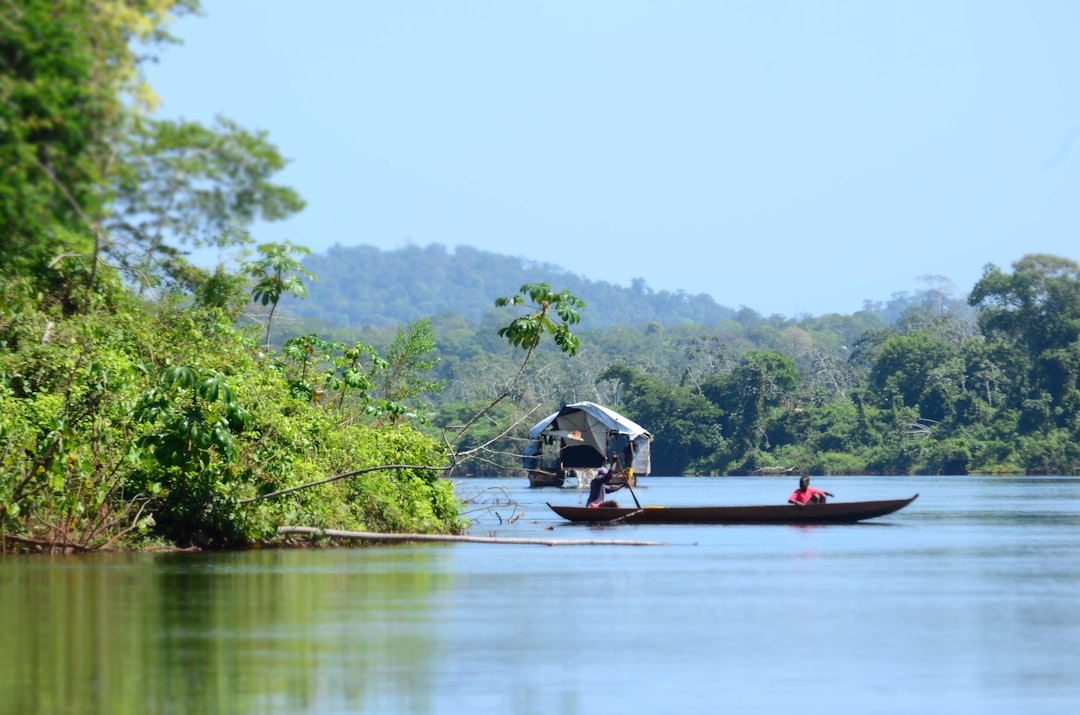
Last reviewed: August 2026 · key facts checked against Wikidata
Suriname Travel Guide: Everything You Need to Know (2026)
Suriname is South America’s smallest sovereign nation by population at just 290,137 people, yet it holds one of the most extraordinary secrets on the continent: over 90% of its territory is covered by intact Amazonian rainforest, the second-highest forest cover ratio on Earth. Founded as a Dutch colony in 1667, this Caribbean-facing nation sits slightly north of the equator and packs Creole, Javanese, Hindustani, Maroon, and Indigenous cultures into a single river-laced country. Paramaribo, its capital, is a UNESCO World Heritage city — and most travellers have never heard of it.
Top 3 Highlights at a Glance
- Central Suriname Nature Reserve — A UNESCO World Heritage jungle covering 1.6 million hectares — one of the largest protected rainforests on Earth.
- Paramaribo Historic Inner City — A UNESCO-listed colonial wooden architecture district, unique in the Americas, dating from the 17th century.
- Brownsberg Nature Park — A plateau rising 512 metres above the Brokopondo Reservoir offering jungle canopy views and wildlife within 3 hours of Paramaribo.
Scroll down for our complete travel guide with tips on getting there, where to stay, costs and more.
Getting There & Transport
Which airports are the best entry points into Suriname?
Johan Adolf Pengel International Airport (PBM) is your only serious international entry point. It sits 45 km south of Paramaribo in Zanderij. In my experience, virtually every international flight routes through Amsterdam Schiphol (AMS) with KLM operating direct service, or through Miami, Port of Spain (POS), or Belém (BEL) in Brazil. There is a smaller domestic airport, Johan Pengel’s sister airstrip Zorg en Hoop (ORG), which handles internal flights and some regional hops to Guyana and French Guiana. The caveat most guides omit: PBM has extremely limited ground infrastructure — expect slow immigration queues, especially on Tuesday and Friday KLM arrivals. My tip: arrive early in the day when staffing is better.
How do I get from the airport to my first accommodation in Suriname?
Take a pre-booked taxi or a shared minibus — there is no train or metro. The ride from PBM (Zanderij) to Paramaribo city centre covers 45 km and takes roughly 50–70 minutes depending on traffic. A fixed-rate taxi costs approximately SRD 350–450 (around USD 9–12 at current rates), negotiated before departure at the official taxi desk inside arrivals. In my experience, do NOT accept informal drivers who approach you inside the terminal — scams targeting new arrivals are common. The shared Express bus (Staatsolie/Lijnbus) exists but is unreliable for airport connections. My tip: book a hotel pickup through your accommodation in advance; most mid-range hotels in Kleine Waterstraat or the historic district offer this for a small surcharge.
What transport options are there within Suriname?
Road, river, and small aircraft — there is no national rail network in Suriname whatsoever. Within Paramaribo, minibuses called ’bus’ run fixed routes for about SRD 5–8 per ride, and motorcycle-taxis (motorfietsen) cover short hops for SRD 10–20. Rental cars are available in the capital. For the interior — which covers over 90% of the country — river boats are the primary transport: dugout canoes and motorised longboats navigate the Suriname, Saramacca, Cottica, and Marowijne Rivers. Domestic flights operate from Zorg en Hoop Airport (ORG) to interior airstrips like Stoelmanseiland and Nieuw Nickerie. The critical caveat: roads south of Pokigron essentially do not exist — river is not optional, it is the only way into the deep jungle.
Do I need a rental car in Suriname?
Yes, if you want flexibility around Paramaribo and the coastal strip. A basic car from Hertz or local agencies on Kernkampweg costs roughly USD 45–70 per day including insurance. In my experience, a car makes the 45 km drive to Brownsberg Nature Park and coastal day trips to Commewijne District far easier. However — and this is what most guides skip entirely — beyond the capital region, roads deteriorate severely and 4WD is mandatory for anything south of Afobakka dam. For the interior, even a 4WD is useless because there are no roads at all. Fuel costs approximately SRD 12–14 per litre. My tip: hire from your hotel’s recommended agency rather than international chains, as local operators understand road conditions and can advise on which routes are passable after rain.
How good is the public transport network between regions in Suriname?
Bluntly: it is limited and unreliable beyond the coast. Between Paramaribo and Nieuw Nickerie (west coast, 235 km), minibuses operate daily and take roughly 4–5 hours for about SRD 80–120. To Albina on the eastern border with French Guiana, a similar minibus service runs, covering 140 km in about 3 hours. There is no public bus to any interior district — travel to Sipaliwini or any Maroon village requires a boat charter or pre-arranged tour operator transfer. What surprised me: even the coastal connections don’t run to a fixed published timetable — buses depart when full. For anything beyond the coastal savannah zone, independent public transport simply does not function. I recommend booking interior transfers through a Paramaribo-based tour operator like METS Tours.
Accommodation
Which regions should I stay in when visiting Suriname?
Paramaribo (Saramacca District) is the logical base for 80% of travellers — it concentrates accommodation, dining, and tour operators. Within the capital, the historic inner city around Waterkant and Heiligenweg offers the best access to colonial architecture and restaurants. For nature immersion, Brownsberg Nature Park (Brokopondo District) has basic lodge accommodation on-site. If you want Maroon village culture and river life, Awarradam jungle lodges along the Gran Rio river are extraordinary but require a 2-day boat journey from Atjoni. The Commewijne District across the river from Paramaribo offers plantation guesthouses — Frederiksdorp is the standout. The caveat: do not expect hotel infrastructure outside Paramaribo; interior lodges are rustic, with no electricity in many cases. My tip: spend at least 2 nights in the capital before heading interior.
What does good accommodation cost per night in Suriname?
Good mid-range accommodation in Paramaribo runs USD 60–110 per night for a double room with air-conditioning and wifi. Budget guesthouses in the Kleine Waterstraat area start at USD 25–35. The top hotel in the country, Courtyard by Marriott Paramaribo, charges USD 130–180 per night. Interior jungle lodges — such as those operated by METS at Awarradam — typically package accommodation with meals and boat transport, costing USD 180–280 per person per night all-inclusive. The honest caveat: mid-range options in Suriname frequently punch below their price point — a USD 80 room may lack reliable hot water or consistent wifi. What surprised me: plantation guesthouses in Commewijne, like Frederiksdorp, offer excellent value at around USD 70–90 including breakfast and river access.
When should I book hotels in Suriname — how far in advance?
For Paramaribo outside July–August, booking 2–3 weeks ahead is sufficient. However, for the peak Dutch holiday window of late July through mid-August, I recommend booking 3–4 months in advance — Suriname’s ties to the Netherlands mean Amsterdam-based diaspora tourism floods the limited room supply. Interior jungle lodges like Awarradam and Danpaati operate with very small capacities (sometimes just 8–12 guests total) and book out 2–3 months ahead year-round. The caveat most travellers ignore: Suriname’s hotel cancellation policies are often non-refundable due to the small-scale nature of the industry. My tip: always email lodges directly rather than booking through third-party platforms — you’ll get better rates and confirmation of current conditions, especially during the rainy season when access can change.
When is the best time to travel to Suriname?
Based on verified climate data, September and November are the optimal months. Suriname has a complex four-season tropical cycle: the short dry season (February–April) and the long dry season (August–October) offer the best rainforest trekking and river travel. September sits in the long dry season’s sweet spot — water levels are lower, jungle trails are drier, and wildlife concentrates near river edges. November is transitionally dry with fewer tourists than August. In my experience, August is technically fine weather but attracts the most visitors, raising prices and filling jungle lodge slots. What surprised me: even ‘dry season’ in Suriname means short afternoon showers — pack a rain layer regardless of month. I recommend avoiding the long wet season (May–mid-August) for interior travel as river flooding can strand you for days.
How does peak season affect prices in Suriname?
Peak season in Suriname centres on July–August when Dutch diaspora visits peak, and hotel prices in Paramaribo spike 30–50% above standard rates. A mid-range room that costs USD 70 in October can hit USD 105 in August. Interior lodge packages rarely publish seasonal pricing but availability collapses — Awarradam and Danpaati are frequently fully booked 12 weeks in advance during this window. Flight prices from Amsterdam (AMS) to PBM can double in July, jumping from roughly EUR 700 to over EUR 1,400 return. The honest caveat: Suriname sees relatively low absolute tourist volumes compared to Caribbean destinations, so peak season here is mild chaos by global standards but severe by local infrastructure standards. My tip: targeting October or November saves meaningfully on accommodation and flights while still delivering dry-season conditions.
Best Time to Visit
Which regions of Suriname have different climate zones?
Suriname divides into two broad climate bands. The coastal strip (0–100 km inland) — covering Paramaribo, Nickerie, and Commewijne — is hot and humid with average temperatures of 27–32°C year-round and modified by Atlantic sea breezes. The interior highland rainforest, covering over 80% of the country including the Wilhelmina Mountains (highest peak: Juliana Top at 1,280 m) and the Central Suriname Nature Reserve, receives significantly heavier rainfall — up to 2,500 mm annually — and is 3–5°C cooler at elevation. What surprised me: the Sipaliwini savannah in the deep south has a drier microclimate compared to surrounding jungle, making it climatically distinct. The caveat: altitude relief in Suriname is modest — even the mountains don’t produce alpine conditions, just marginally cooler humid jungle.
What are the rainy seasons in Suriname?
Suriname has two rainy seasons, not one. The long rainy season runs from mid-April through mid-August, peaking in May–June with rainfall exceeding 300 mm per month in interior regions. The short rainy season runs from November through January, with December typically the wettest month on the coast. In my experience, the long rainy season is the more disruptive for travellers — interior rivers flood dramatically, boat transfers become dangerous, and jungle trails are impassable mud. The short rainy season is manageable for city-based and coastal travel. The caveat guides rarely mention: even during ‘dry’ months, Suriname’s equatorial position means afternoon convectional rain showers occur almost daily — July interior flooding in particular can extend travel times by 24–48 hours. Always have a buffer day before any international connection.
What does a trip to Suriname cost per person per day?
Budget travellers in Paramaribo can survive on USD 45–60 per day covering a guesthouse bed, local warungs for meals, and minibus transport. A comfortable mid-range day in the capital — decent hotel, two restaurant meals, one activity — runs USD 100–140. Interior travel fundamentally changes the equation: an all-inclusive jungle lodge day at Awarradam costs USD 180–280 per person covering accommodation, meals, boat travel, and guiding. In my experience, most travellers blend city days at mid-range cost with 3–4 interior nights on package, producing a realistic average of USD 130–160 per day across a 10-day trip. The hidden caveat: boat charter costs for non-packaged interior access can be USD 200–400 per charter regardless of group size, making solo travel to the interior dramatically more expensive than joining a group tour.
How expensive is food in Suriname?
Food is genuinely affordable if you eat locally. A full meal at a Javanese warung in Paramaribo’s Waterkant area costs SRD 60–120 (roughly USD 1.50–3.20). A sit-down lunch at a mid-range restaurant like Spice Quest or De Waag runs SRD 200–400 (USD 5–11). Dinner at the best restaurants in the capital — such as Zus & Zo on Domineestraat — costs SRD 500–900 per person (USD 13–24). Roti, pom, and peanut soup are the unmissable cheap staples available from market stalls for SRD 40–80. The honest caveat: imported goods and Western-style supermarket food in Kersten supermarkets are expensive — a bottle of imported wine can cost USD 20–25. My tip: Suriname’s multi-ethnic food scene — Creole, Hindustani, Javanese, Chinese — is one of its finest and most underrated features; eat widely and eat local.
What hidden costs should I expect in Suriname?
Several costs catch travellers off guard. Airport departure tax at PBM is approximately USD 37 if not included in your ticket — check before flying. River boat charters for interior access cost USD 150–400 per trip one-way, not per person. National park entrance fees add up: Brownsberg charges approximately SRD 200 (USD 5) per person, but guide fees are additional at SRD 400–600 per day. ATM fees in Suriname are steep — local machines often charge SRD 15–25 per withdrawal on top of your bank’s international fees. In my experience, the biggest surprise is the fuel surcharge on interior boat charters — fuel prices in the deep interior can triple normal pump prices due to transport costs. My tip: get itemised quotes from all tour operators before committing, and ask specifically whether guide fees, park fees, and fuel are included.
Budget & Costs
How much cash should I bring to Suriname?
Bring enough Surinamese Dollars (SRD) for at least your first 3 days — budget SRD 2,000–3,000 (roughly USD 55–80) upfront. ATMs exist in Paramaribo at DSB Bank, Hakrinbank, and Scotiabank branches but are scarce outside the capital. Interior villages and jungle lodges operate entirely on cash — some lodges require full payment in advance by bank transfer specifically because cash infrastructure doesn’t reach them. I recommend carrying USD 200–300 in small US dollar bills as a backup; USD is widely accepted in lodges and tour operator offices. The critical caveat: SRD weakens against USD intermittently — check the live rate before converting large sums, and change money only at official exchange offices on Domineestraat or at bank branches, never with street changers. Credit card reliance will leave you stranded outside Paramaribo.
Which credit cards are accepted in Suriname?
Visa and Mastercard are accepted at larger hotels in Paramaribo, upscale restaurants, and some tour operators — but acceptance is far from universal. American Express is essentially useless outside the Courtyard Marriott. In my experience, fewer than 40% of restaurants and under 20% of smaller guesthouses have functioning card terminals. Interior lodges almost universally require bank transfer or cash in advance. ATM withdrawals at Hakrinbank’s Domineestraat branch are the most reliable in the city. The caveat most guides omit: card machines in Suriname frequently experience network outages — never rely solely on your card for a meal or taxi payment. My tip: notify your bank of Suriname travel specifically, as many European and North American banks flag SRD transactions as suspicious and freeze cards without prior notification.
Which regions of Suriname must I not miss?
Three regions are non-negotiable. Paramaribo’s UNESCO historic inner city is the cultural anchor — the wooden colonial architecture along Waterkant is unlike anything else in South America. Brokopondo District with Brownsberg Nature Park delivers jungle immersion within a manageable 3-hour drive from the capital. The Upper Suriname River corridor — accessed via Atjoni and the Gran Rio — takes you into living Saramaccan Maroon culture, one of the most intact communities of African-descended people in the Americas, descendants of escaped enslaved people who established sovereign territories centuries ago. In my experience, skipping the interior entirely is the single biggest mistake visitors make. The caveat: the Sipaliwini District is extraordinary but requires 4–5 days minimum and specialist logistics — only tackle it with an experienced operator like METS or Stinasu.
What are the top tourist highlights in Suriname?
The Saint Peter and Paul Cathedral on Gravenstraat in Paramaribo is one of the largest wooden structures in the Western Hemisphere — built in 1885, it is extraordinary. The Central Suriname Nature Reserve (1.6 million hectares, UNESCO World Heritage) is the country’s crown jewel for biodiversity. Brownsberg Nature Park offers the most accessible jungle experience. The Maroon villages on the Suriname River — particularly Awarradam and Pikin Slee — provide living cultural heritage found nowhere else on Earth. Commewijne River plantation trail by bicycle from New Amsterdam is a low-cost highlight. What surprised me: Paramaribo’s central market (Centrale Markt) is one of the most genuinely diverse multicultural food markets in the Western Hemisphere — Hindustani, Javanese, Creole, and Chinese vendors in one chaotic, delicious space. Spend a morning there without fail.
What experiences in Suriname are found nowhere else on Earth?
Two experiences are truly singular. First: spending time with Saramaccan or Ndyuka Maroon communities on the upper river — these are societies built by escaped enslaved Africans who negotiated treaty-recognised autonomy from Dutch colonial authority in 1762, maintained their own language, religion (Winti), art, and governance ever since. No other country offers this combination of accessibility and authenticity. Second: Suriname’s ethnic diversity — Creole, Hindustani, Javanese, Maroon, Indigenous, Chinese, and Dutch communities coexist in a country of just 290,137 people, producing a cultural hybridity in food, music, and daily life that has no parallel in the Americas. In my experience, the Javanese-Surinamese roti and bara shops of Paramaribo — legacy of indentured labourers brought from Java in the 1890s — produce a fusion cuisine impossible to find anywhere else.
Regions & Highlights
Which areas of Suriname are overcrowded, and what are the quieter alternatives?
Brownsberg Nature Park gets crowded on Dutch public holiday weekends and in August — trails near the main viewpoint at Mazaroni Top can feel busy. The alternative: Raleighvallen Nature Reserve in the upper Coppename River is equally stunning, sees far fewer visitors, and offers better chances at harpy eagle sightings — the caveat is it requires a charter flight from Zorg en Hoop (ORG) costing around USD 180–220 per person each way. In Paramaribo, Waterkant promenade is the obvious tourist walk — the quieter alternative is the Commewijne plantation bicycle route across the ferry from the city, where you’ll share roads with almost no other tourists. My tip: Fort Nieuw Amsterdam in Commewijne — a remarkably preserved 18th-century fort — draws a fraction of the attention it deserves and is free to enter.
How many days do I need to see Suriname properly?
A minimum of 10 days to see Suriname at a meaningful depth. I recommend structuring it as: 3 days in Paramaribo (historic district, markets, day trip to Commewijne), 2 days at Brownsberg, and 4–5 days on an interior river journey to Maroon villages. A 7-day trip is possible but forces you to choose between Brownsberg and the interior — most people who do 7 days regret not allocating more time. The caveat: interior travel involves significant transit time — the boat journey from Atjoni to Awarradam takes 6–8 hours one way. This isn’t tourist infrastructure delay; it’s genuine remote wilderness logistics. In my experience, travellers who rush Suriname leave feeling they’ve only scratched the surface. If you’re flying from Europe and absorbing the cost of the long-haul, give it 12–14 days.
Do I need a visa for Suriname?
Most nationalities require either a visa or a Tourist Card to enter Suriname. Citizens of EU countries, USA, Canada, and the UK can obtain a Tourist Card valid for 90 days — since 2022 this is processed online at surinameevisa.com for approximately USD 25. The Tourist Card must be obtained before arrival; it is not issued at the border. Citizens of Brazil, China, India, and most African nations require a full visa from a Surinamese embassy. The caveat that catches travellers: the e-Tourist Card system has experienced processing delays of up to 5–7 business days — do not apply 48 hours before departure. My tip: apply at least 2 weeks in advance, save your confirmation email as a PDF, and print a physical copy as PBM immigration officers occasionally request paper documentation alongside digital proof.
What languages are spoken in Suriname?
Dutch is the official language and the language of government, education, and formal business. However, the daily lingua franca is Sranan Tongo (also called Surinaams or Taki-Taki), a Creole language based on English, Dutch, Portuguese, and West African languages spoken by virtually all Surinamese. In my experience, most people working in hospitality and tourism in Paramaribo speak functional to fluent English — Suriname’s ties to the Netherlands mean many educated Surinamese also speak excellent English. In Maroon communities, primary languages are Saramaccan, Ndyuka, or Matawai — your guide translates. In Hindustani communities, Sarnami Hindi is spoken at home. The caveat: outside Paramaribo and major towns, English proficiency drops sharply. Learning 10 basic Sranan Tongo phrases — ‘Mi wani wan datra’ (I need a doctor), ‘Fa yu abi?’ (How are you?) — earns extraordinary goodwill from locals.
What cultural rules do I need to know before visiting Suriname?
Suriname’s multiculturalism demands genuine cultural sensitivity across multiple traditions simultaneously. When visiting Hindu temples or mosques in Paramaribo — and the Neveh Shalom Synagogue sitting 50 metres from the Jama Mosque — dress modestly with shoulders and knees covered. In Maroon villages, always ask your guide before photographing people, ceremonies, or sacred objects — the Winti spiritual tradition prohibits certain imagery being captured. Do not enter a Maroon community without an invited guide; these are sovereign spaces, not open-air museums. At Indigenous communities deeper in the interior, the same respect applies. In my experience, Surinamese people across all communities respond warmly to genuine curiosity and basic courtesy. The caveat most Western travellers miss: punctuality is loose by European standards — ‘Suriname time’ runs 30–60 minutes behind any stated appointment time, and frustration about this reads as cultural rudeness.
Practical Tips
How safe is Suriname for travellers?
Paramaribo is reasonably safe by South American standards, but standard urban precautions apply. The areas around Waterkant, Kleine Waterstraat, and the historic centre are safe to walk in daylight. After 22:00, stick to taxis rather than walking in Pontbuiten or the market district. Petty theft — bag-snatching from motorcycles — occurs near the central market. The interior is physically safe from crime but presents genuine natural hazards: river currents, venomous snakes (including bushmaster and fer-de-lance), and jaguars (extremely rare encounters). In my experience, violent crime targeting tourists is uncommon, but opportunistic theft spikes during Carnival (February) when crowds are dense. The caveat: the Suriname-Guyana border region near Apoera has sporadic illegal mining activity and is best avoided without a specific, organised tour. Overall safety rating is comparable to Colombia’s major cities — manageable with awareness.
What health precautions should I take before visiting Suriname?
Yellow fever vaccination is mandatory for entry into Suriname — carry your physical yellow card, as immigration checks it at PBM. For interior travel, malaria prophylaxis is strongly recommended: Suriname’s interior carries Plasmodium falciparum malaria risk, and I recommend discussing Malarone or doxycycline with your doctor at least 4 weeks before travel. Hepatitis A, Typhoid, and routine vaccinations should be current. Dengue fever circulates in Paramaribo — use DEET-based repellent (minimum 30%) consistently. Tap water in Paramaribo is technically treated but I always drank bottled water — SRD 10–15 for 1.5 litres. The caveat most guides understate: leishmaniasis (transmitted by sandflies in the interior) is a real risk in jungle areas — wear long sleeves after dusk and use treated clothing. Medical facilities in Academisch Ziekenhuis Paramaribo handle most emergencies; interior medical care is non-existent.
What SIM card or eSIM options are available in Suriname?
Two main providers operate: Telesur and Digicel. Buy a Telesur SIM at the airport arrivals hall or at their Domineestraat store in Paramaribo — a starter SIM with 5 GB data costs approximately SRD 150–200 (USD 4–5). Coverage is solid across Paramaribo and the coastal strip on 4G. In my experience, coverage deteriorates to 2G or zero at Brownsberg and disappears entirely beyond Atjoni into the interior. eSIM options via Airalo or Holafly now support Suriname through Telesur’s network — convenient if you want data from arrival, but verify coverage maps match your itinerary. The caveat: do not rely on mobile data for interior navigation — download offline OpenStreetMap tiles for Suriname and river GPS tracks before you leave Paramaribo. Satellite communicators like Garmin inReach are worth renting for multi-day interior trips.
Which apps do you recommend for travelling in Suriname?
My core app stack for Suriname: Maps.me or OsmAnd with downloaded offline Suriname maps — Google Maps has significant gaps in interior and even some Paramaribo streets. XE Currency for live SRD/USD/EUR conversion given the volatile exchange rate. iNaturalist for identifying the extraordinary wildlife and flora you’ll encounter in the jungle — I used it daily at Brownsberg. WhatsApp is the universal communication platform in Suriname — every guesthouse, tour operator, and taxi driver communicates exclusively via WhatsApp, so have it installed and functioning before arrival. For river navigation, Navionics has some Suriname river data but is incomplete — ask your boat operator for locally-used GPS waypoints. The caveat: no Suriname-specific ride-hailing app like Uber operates — taxi booking happens by phone call or WhatsApp to numbers recommended by your hotel. Save 3–4 reliable taxi numbers from your accommodation on day one.
What are the most common traveller mistakes in Suriname?
In my experience, five mistakes recur constantly. First: underestimating interior logistics — people book a 7-day trip hoping to see Maroon villages but haven’t accounted for 6–8 hours of boat travel each way. Second: not applying for the Tourist Card in advance — the online system at surinameevisa.com requires up to 7 business days and travellers arrive at PBM without it. Third: relying on cards outside Paramaribo — interior lodges are cash-only and the nearest ATM may be 200 km and 8 river-hours away. Fourth: visiting during May–June (peak wet season) without understanding that trails flood, boats become dangerous, and half the experiences marketed to you become inaccessible. Fifth — and the subtlest: treating Maroon villages as tourism products rather than living communities. Always arrive with a guide, seek explicit permission, and approach with genuine respect rather than a camera-first attitude.
Suriname at a Glance
| Population | 563,402 |
|---|---|
| Currency | Surinamese dollar ($) |
| Official language | Dutch |
| Time zone | UTC−03:00 |
Source: Wikidata, retrieved August 2026.
Essential Resources for Planning Your Trip to Suriname
- Wikipedia: Suriname — history, geography & background
- Wikivoyage: Suriname — community travel guide & practical tips
- Suriname — Lonely Planet — expert itineraries & travel inspiration
- Suriname — TripAdvisor — hotels, restaurants & traveller reviews
- Numbeo: Cost of Living in Suriname — current prices & cost comparison
- Timeanddate: Suriname Weather & Climate — forecasts & climate statistics
Data Sources
This page was compiled using data from Wikipedia, Wikidata, Open-Meteo (climate), Numbeo (cost of living) and REST Countries. Information is updated regularly.
More Perspectives on Suriname
Suriname Travel Videos
Watch these videos for a visual preview before your trip:
- A Beginner’s guide to Paramaribo | Suriname Travel 2026
- Visiting Suriname: Everything You NEED To Know!
- Top 10 Things To Do In Suriname – Orange Travel
Suriname Travel Discussions on Reddit
Real traveller experiences and community advice: