
Syria: The Complete Travel Guide (2026)
Last reviewed: August 2026 · key facts checked against Wikidata
Syria Travel Guide: Everything You Need to Know (2026)
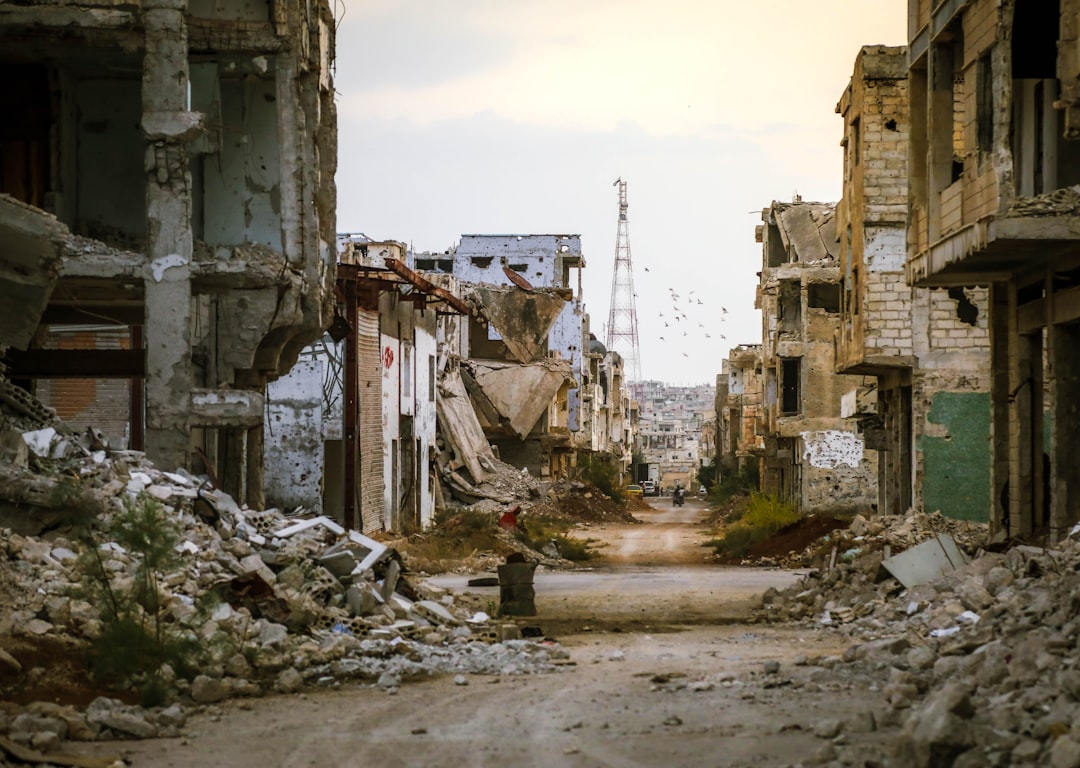
Syria, officially the Syrian Arab Republic, is a West Asian country with a population of approximately 4,592,777, bordering the Mediterranean, Turkey, Iraq, Jordan, Israel, and Lebanon. Home to Damascus — one of the oldest continuously inhabited cities on Earth, founded over 10,000 years ago — Syria sits at the crossroads of ancient civilizations and modern geopolitical complexity. Travelers in 2026 must approach with serious preparation: the country is under a provisional government following years of civil conflict, and conditions vary dramatically by region.
Top 3 Highlights at a Glance
- Ancient City of Damascus (Old City UNESCO Site) — The Umayyad Mosque, built in 705 AD, is one of the largest and oldest mosques in the world — still architecturally breathtaking.
- Palmyra (Tadmur) Ruins — A UNESCO World Heritage Site with 2nd-century Roman-era colonnades stretching over 1 km through the Syrian desert.
- Krak des Chevaliers — Arguably the best-preserved Crusader castle on Earth, perched at 750 m elevation with walls 30 m thick.
Scroll down for our complete travel guide with tips on getting there, where to stay, costs and more.
Getting There & Transport
Which airports are the best entry points into Syria?
Damascus International Airport (DAM) is the primary and most practical entry point into Syria. In my experience, it is the only airport currently handling meaningful international traffic for most travelers in 2026. Aleppo International Airport (ALP) has had intermittent service but remains unreliable — I would not plan a itinerary around it. Latakia’s Bassel Al-Assad Airport (LTK) serves limited regional routes. My tip: confirm all flights within 72 hours of departure, as schedules shift with little notice. What surprised me is how few airlines serve DAM — expect connections via Beirut (BEY), Amman (AMM), or Cairo (CAI) rather than direct European flights.
How do I get from the airport to my first accommodation in Syria?
Take a pre-arranged taxi from Damascus International Airport — it sits roughly 25 km southeast of the Old City. In my experience, negotiating a fixed fare before entering the taxi is essential; expect to pay the equivalent of $10–20 USD for the journey to the city center, though prices fluctuate with fuel availability. The journey takes approximately 30–45 minutes depending on checkpoints. I recommend having your hotel arrange a pickup — many guesthouses in the Bab Touma Christian Quarter offer this service. Warning most guides omit: roadside taxis at DAM frequently overcharge foreign-looking travelers by 300%, so a hotel transfer or a trusted local contact is strongly preferable.
What transport options are there within Syria?
Within Syria in 2026, options are limited but functional in government-controlled areas. Shared minibuses (microbuses) are the backbone of intercity travel — a Damascus-to-Homs route costs roughly $1–3 USD and takes about 2 hours. Private taxis are widely available in Damascus and Latakia. Karnak, the state bus company, runs longer routes with tickets under $5 USD. In my experience, hiring a private driver for multi-day excursions — typically $50–80 USD per day — offers the most flexibility and security. What surprised me: the road infrastructure between Damascus and the coast near Tartus is in reasonable condition, but eastern routes toward Palmyra require current security checks before travel.
Do I need a rental car to travel Syria?
I recommend against self-driving in Syria in 2026. Rental car availability from formal agencies is extremely limited at Damascus International Airport, and international driving insurance is near-impossible to obtain for Syria. More critically, navigating checkpoints without local knowledge is risky — checkpoint protocols differ by region and by which authority controls them. My tip: hire a local driver-guide through a reputable Damascus-based agency or your hotel, budgeting $60–90 USD per day all-in. This arrangement also provides real-time local intelligence on road conditions. What surprised me is that some travelers successfully use services recommended by the Syria Tourism Board or local tour operators in Damascus Old City — these contacts are worth pursuing before arrival.
How good is the public transport network between regions of Syria?
Public transport functions reasonably well along the Damascus–Homs–Hama–Latakia corridor — the most stable and traveled axis in 2026. Microbuses depart frequently from Harasta Bus Terminal in Damascus, and journey times are predictable on this western route. My honest caveat: transport to Aleppo is possible by shared taxi (~5 hours, ~$10 USD), but road conditions north of Hama require verification before travel. Routes east toward Deir ez-Zor or Raqqa are not suitable for independent travelers. Intercity bus connections to Palmyra from Homs exist but run infrequently — roughly 3 departures per week — and security clearance for this route must be confirmed locally.
Accommodation
Which regions of Syria should I stay in?
In 2026, I recommend basing yourself in Damascus for the first several nights — specifically the Old City (Al-Midan or Bab Touma) neighborhoods offer the richest experience and most tourist infrastructure. The coastal region around Latakia and Tartus is the most relaxed and relatively stable, with a functioning beach and café culture. Homs works as a transit base rather than a destination. I would not recommend basing yourself in Aleppo without verified on-the-ground intelligence, despite its extraordinary heritage sites — reconstruction is ongoing and services remain thin. My tip: the Damascus–Coast–Krak des Chevaliers triangle covers the best of Syria within a manageable security footprint.
What does good accommodation cost per night in Syria?
A solid mid-range guesthouse in Damascus Old City — think converted Ottoman townhouses in Bab Touma — runs $40–70 USD per night including breakfast. Boutique heritage hotels like those on Straight Street (Via Recta) charge $80–120 USD for quality rooms. Budget options, including basic guesthouses, start around $15–25 USD per night. In Latakia, beach-area hotels run $30–60 USD. What surprised me: Syria’s pre-war luxury hotel infrastructure — including some larger Damascus properties — still operates at surprisingly functional levels, occasionally offering rooms at $90–150 USD that would have cost triple in 2010. Always pay in USD or Syrian Pounds at the black-market-adjacent exchange rate — hotel pricing is inconsistent in local currency.
When should I book hotels in Syria — how far in advance?
Book Damascus heritage guesthouses at least 4–6 weeks in advance, especially the most sought-after properties in Bab Touma and around Bab Sharqi. Inventory is genuinely limited — not because demand is overwhelming, but because the number of properly functioning tourist guesthouses is small. My tip: confirm your reservation by WhatsApp or direct email within 48 hours of arrival — cancellations happen from the property side too. In Latakia, summer bookings for the July–August coastal peak need to be made 8–10 weeks ahead as domestic Syrian tourism fills those hotels fast. What surprised me: many quality guesthouses in Syria are not on international booking platforms — you book directly via contacts provided by travel forums or tour operators.
When is the best time to travel to Syria?
Based on climate analysis, May, June, September, and October are the optimal months to travel Syria. In my experience, May and October offer the sweetest balance: Damascus temperatures hover around 22–26°C, Palmyra is bearable before summer heat extremes, and the light for photography is extraordinary. June works well for the coast near Latakia before the August domestic tourism crush. September is my personal favorite — post-summer crowds dissipate, prices soften, and the ancient sites feel more accessible. I recommend avoiding July–August when inland temperatures in Damascus and Palmyra exceed 38°C regularly and December–February when mountain passes and northern areas become genuinely cold and occasionally impassable.
How does peak season affect prices in Syria?
Syria’s tourism peak is driven primarily by domestic Syrian diaspora returns in July–August, not international arrivals. During this window, coastal hotels near Latakia and Tartus raise rates by 40–60% above baseline. Restaurant prices in tourist areas tick up by roughly 20–30%. In Damascus, the international traveler peak is subtler — spring (April–May) sees the highest concentration of foreign visitors, and guesthouse availability in Bab Touma tightens noticeably. My honest caveat: Syria’s overall tourism volume remains a fraction of pre-2011 levels, so the price spikes are real but not comparable to Mediterranean mass-tourism destinations. What surprised me: Ramadan dramatically changes the rhythm of the day — many restaurants close until sunset, which affects independent travel logistics significantly.
Best Time to Visit
Which regions of Syria have different climate zones?
Syria divides into four distinct climate zones. The Mediterranean coastal strip (Latakia, Tartus) has mild, wet winters and warm dry summers — the most temperate zone. Damascus and the western inland plateau sit at 690 m altitude, giving it four genuine seasons with occasional winter snow. The central steppe (Homs, Hama, Palmyra) is semi-arid with extreme summer heat — Palmyra regularly hits 42°C in July. The northeastern region (Deir ez-Zor, Hasaka) is full desert-continental, with brutal summer heat and freezing winters. My tip: if you’re combining Damascus with Palmyra, plan the Palmyra visit as an early morning start — the site is incomprehensible in midday summer heat.
What are the rainy seasons in Syria?
Syria’s rainy season runs from November through March, concentrated in the western coastal and mountain regions. Latakia receives the most rainfall — approximately 700–900 mm annually — mostly between December and February. Damascus gets a modest 200 mm per year, primarily in January and February. The eastern interior around Palmyra receives under 100 mm annually and is essentially dry year-round. In my experience, winter rain in Damascus is manageable and rarely disrupts sightseeing — the Old City’s covered souks like Souk al-Hamidiyya make wet-day exploration entirely comfortable. My honest warning: flash flooding can affect desert roads near Palmyra and Deir ez-Zor after rare but intense winter rainstorms — local advice is essential before driving east.
What does a trip to Syria cost per person per day?
Budget travelers can survive on $30–45 USD per day — this covers a basic guesthouse, local restaurant meals, and microbus transport. A comfortable mid-range day with a decent Old City guesthouse, sit-down meals, and occasional private transport runs $70–100 USD. A well-organized trip with a private driver, heritage hotel in Damascus, and guided site visits costs $130–180 USD per day. In my experience, Syria is genuinely inexpensive for food and local transport but accommodation in the small pool of quality tourist guesthouses in Bab Touma anchors costs upward. What surprised me: entrance fees to sites like Krak des Chevaliers and the Palmyra ruins are nominal — under $5 USD — a legacy of pre-war pricing.
How expensive is food in Syria?
Food in Syria is remarkably affordable by any standard. A full falafel and hummus breakfast at a local spot in Damascus costs under $2 USD. A proper sit-down lunch — grilled meat, mezze, bread, drinks — at a local restaurant in Al-Midan neighborhood runs $6–10 USD per person. At a mid-range Damascus restaurant like those around Straight Street, budget $15–25 USD for a full dinner with fresh juice. My tip: shawarma stands near Bab al-Saghir offer genuinely excellent street food for under $1.50 USD per wrap. The honest caveat: restaurants visibly catering to foreigners in the Old City tourist zone charge 2–3x local prices — walk one block further and the price halves. Syrian cuisine — kibbeh, fattoush, ma’amoul — is outstanding and deeply regional.
What hidden costs should I expect when traveling Syria?
Several costs catch travelers off guard in Syria. Checkpoint photography fines — photographing military infrastructure, even accidentally, can result in demands for informal payments of $20–100 USD; keep your camera stowed near checkpoints. Currency exchange losses are significant — the official exchange rate and street rate diverge considerably, and misjudging this costs real money. Visa extension fees if you overstay your initial permit can be substantial and bureaucratically complex. In my experience, private driver tips are expected on top of agreed daily rates — budget an extra $10–15 USD per day. What surprised me: SIM card registration requires passport copies and sometimes a local sponsor, which takes time and occasionally informal facilitation fees of a few dollars.
Budget & Costs
How much cash should I bring to Syria?
Bring all the cash you’ll need for your entire trip — USD is king in Syria in 2026. I recommend arriving with at minimum $500–800 USD per week of travel in small bills ($10s and $20s), plus a reserve. ATMs in Damascus exist but are unreliable for foreign cards — the Bab Touma area has several but don’t depend on them. Syrian Pounds are useful for street food and microbuses, so exchange a modest amount — $50–100 USD worth — upon arrival at a licensed exchange office in Hamra Street area or through your hotel. My honest warning: carrying large USD amounts requires judgment about security and disclosure at checkpoints. Divide cash between bags and keep a decoy wallet with a small amount separately.
Which credit cards are accepted in Syria?
Credit cards are effectively non-functional for most travel in Syria in 2026. Visa and Mastercard international transactions are blocked by US and EU sanctions infrastructure, meaning foreign-issued cards will not process at Syrian terminals. A small number of upscale Damascus hotels have workarounds for certain card types — but I would never rely on this. Syrian-issued cards work domestically but are irrelevant to incoming travelers. My unambiguous recommendation: treat Syria as a 100% cash economy and plan accordingly. What surprised me is that even some larger heritage hotels that advertise card acceptance will quietly tell you at checkout that the terminal is ‘temporarily down’ — always confirm payment method on check-in, not check-out.
Which regions of Syria must I not miss?
The Damascus Old City is non-negotiable — a 4,000-year-old UNESCO-listed urban core with the Umayyad Mosque, Souk al-Hamidiyya, and the House of Ananias concentrated within walking distance. The coastal mountain region around Krak des Chevaliers and Safita offers extraordinary Crusader heritage in dramatic hill landscapes. Palmyra (Tadmur) in the central desert — despite war damage — still delivers one of the most emotionally powerful ancient site experiences I’ve encountered anywhere. Aleppo’s Old City, cautiously: reconstruction of the Great Mosque of Aleppo and surrounding souk is underway and witnessing this process is historically significant. My tip: the Qalamoun Mountains north of Damascus are breathtaking and barely on any tourist radar.
What are the tourist highlights of Syria?
Syria’s highlights are genuinely world-class despite the conflict years. The Umayyad Mosque in Damascus (built 705 AD) is among the most important Islamic monuments on Earth. Palmyra’s colonnaded street, even partially damaged, stretches over 1 km and is staggering in scale. Krak des Chevaliers near Homs is rated by historians as the finest Crusader castle in existence. The Ancient Villages of Northern Syria (the Dead Cities) — a UNESCO landscape of 700 abandoned Byzantine settlements — is barely visited and extraordinary. In Damascus, the Azm Palace, Straight Street (Via Recta), and the covered souk district together make for a half-day of layered history. What surprised me: Bosra’s Roman theater near the Jordanian border is one of the best-preserved in the world and sees almost no tourists.
What experiences in Syria are found nowhere else on Earth?
Walking the Straight Street (Via Recta) in Damascus — a road mentioned in the Acts of the Apostles, continuously in use for over 2,000 years — is genuinely irreplaceable. Watching Whirling Dervishes perform at a Sufi tekke in the Old City on a Thursday evening is an experience of hypnotic authenticity unavailable elsewhere in the region. Sleeping in a converted Ottoman courtyard house (beit arabi) in Bab Touma — with a fountain courtyard, liwan, and carved plasterwork — is an architectural experience unique to the Levant. What surprised me most: buying freshly pressed olive oil soap at the Aleppo soap market (if Aleppo is accessible) — the laurel oil content distinguishes genuine Aleppo soap and the market tradition dates back 3,000 years. Nowhere else.
Regions & Highlights
Which areas of Syria are overcrowded — and what are quieter alternatives?
The Damascus Old City core around the Umayyad Mosque and Souk al-Hamidiyya gets busy with domestic visitors on Friday afternoons and weekends — the alternative is to visit at 8 AM on a weekday, when you can have the mosque courtyard nearly to yourself. Latakia’s Corniche beach strip in August is packed with Syrian domestic tourists — head instead to smaller coves near Ras al-Basit, 35 km north of Latakia, for uncrowded water. In Palmyra, the main colonnaded street draws all visitors — the Valley of the Tombs, a 10-minute walk west, receives a fraction of foot traffic and is equally dramatic. My tip: the Qalamoun villages northeast of Damascus — particularly Saidnaya and Maaloula — are visited mainly by pilgrims, not package tourists.
How many days do I need to explore Syria properly?
I recommend a minimum of 10 days to cover Syria’s essential circuit meaningfully. A focused 7-day trip can cover Damascus (3 nights), the coast and Krak des Chevaliers (2 nights), and one additional destination like Palmyra or Homs. For 14 days, you can properly add Aleppo (verify accessibility), the Dead Cities of the northwest, and the Hauran region in the south near Bosra. In my experience, rushing Damascus under 2 full days means missing the residential neighborhoods like Qasaa and Al-Midan that give the city its texture. My honest caveat: security situations can add unplanned days — build 1–2 buffer days into any Syria itinerary for checkpoint delays or spontaneous route changes.
Do I need a visa to enter Syria?
Yes, visa requirements for Syria are stringent and complex in 2026. Most Western passport holders require a pre-arranged visa obtained through a Syrian embassy — the US, UK, and EU embassies in Damascus are closed, so the Syrian embassy in your home country handles this. Processing can take 2–6 weeks and may require a letter of invitation from a registered Syrian tour operator. Israeli passport stamps — or evidence of Israel visits — will result in denial of entry; this is a hard rule with no exceptions. My honest warning: some nationalities (notably American citizens) face US government travel advisories at the highest level — check your government’s advisory and register with your embassy before travel. Visa costs range from $70–150 USD depending on nationality.
What languages are spoken in Syria?
Arabic is the official language, and Syrian Arabic dialect — close to Levantine Arabic — is what you’ll hear everywhere. In my experience, English is spoken by a meaningful minority in Damascus Old City tourist areas, by educated professionals, and increasingly by younger Syrians who’ve had diaspora contact. French has historical currency in educated circles due to the French Mandate period — more useful than you’d expect in formal settings. Kurdish is widely spoken in northeastern areas, and Armenian persists in specific Damascus Christian Quarter communities. My tip: learning 10 Arabic phrases — greetings, numbers, thank you, please — transforms how locals receive you, dramatically. A phrasebook focused on Levantine Arabic (not Modern Standard Arabic) is more practically useful.
What cultural rules do I need to know before visiting Syria?
Dress modestly throughout Syria — for women, this means covering shoulders and knees everywhere outside beach areas; a headscarf is required to enter mosques. Men should avoid shorts in mosques and conservative neighborhoods. Remove shoes when entering mosques and some private homes. Ramadan etiquette is serious: eating, drinking, or smoking publicly during daylight hours in non-tourist areas is disrespectful and occasionally confrontational. In my experience, accepting tea or coffee when offered by a shopkeeper or host is expected social protocol — declining is mildly offensive. Photography of military installations, checkpoints, and government buildings is strictly forbidden and can have serious consequences. My tip: ask permission before photographing individuals, especially women — a small gesture that opens doors.
Practical Tips
How safe is Syria for travelers in 2026?
Syria in 2026 operates under a provisional government following the fall of the Assad regime, and security conditions vary profoundly by region. The Damascus–Latakia–Homs corridor is the most stable zone for travelers; these areas have functioning civil administration and a visible tourism infrastructure. Aleppo is cautiously accessible but requires current intelligence. I strongly advise against travel to Deir ez-Zor, Raqqa, Idlib, and border areas with Israel and Iraq — these remain genuinely dangerous. My honest assessment: this is a destination for experienced travelers with strong risk tolerance, not first-time independent travelers. Register with your embassy before entering, purchase specialized conflict-zone travel insurance (WorldNomads or Battleface cover Syria), and maintain daily check-ins with a trusted contact outside the country.
What health precautions should I take before traveling to Syria?
Consult a travel medicine clinic 6–8 weeks before departure. Required and recommended vaccinations include Hepatitis A, Hepatitis B, Typhoid, and Tetanus; some clinics also recommend Rabies prophylaxis given limited post-exposure treatment availability in-country. Cholera vaccination is advisable given water infrastructure damage in some areas. Carry a comprehensive personal medical kit — antibiotics (Ciprofloxacin for traveler’s diarrhea), wound care, and oral rehydration salts. In my experience, bottled water is essential everywhere — tap water safety cannot be assumed outside Damascus’s best hotels. The main functioning hospital for serious cases remains Al-Mujtahad Hospital in Damascus, but medical evacuation insurance to Beirut or Amman is the realistic safety net. Carry your blood type card and a list of medications in Arabic.
What SIM card or eSIM options are available in Syria?
Syria has two main mobile operators: Syriatel and MTN Syria. Both sell SIM cards at Damascus airport and in the city. In my experience, Syriatel has the broader coverage network across western Syria. SIM registration requires your passport and can take 30–60 minutes with potential documentation bureaucracy. A local SIM with data costs approximately $5–15 USD for a starter package. My honest warning: international roaming to Syria is blocked by most Western carriers, so a local SIM is not optional — it’s your only connectivity. eSIM options from international providers (Airalo, Holafly) do not reliably cover Syria in 2026 — verify current availability before departure. Download offline maps via Maps.me loaded with Syria before you arrive, as data speeds can be inconsistent outside Damascus.
Which apps do you recommend for traveling Syria?
Maps.me with Syria downloaded offline is your most critical app — use it before connectivity fails in rural areas. WhatsApp is universally used in Syria for hotel communication, driver coordination, and local contacts; have it installed and functioning before arrival. Google Translate with Arabic downloaded offline handles signage and menus. XE Currency for monitoring the Syrian Pound rate — though actual exchange happens via cash and human negotiation. In my experience, Telegram is widely used for news channels tracking regional security updates — follow Syria Civil Defense and regional news channels for real-time alerts. What3Words is useful for pinpointing meeting locations in the Damascus Old City where street addressing is irregular. Download everything before arrival; don’t rely on app store access in-country.
What are the most common traveler mistakes in Syria?
The biggest mistake is underestimating the checkpoint protocol — stopping calmly, keeping hands visible, and having your passport within immediate reach is not optional; fumbling through bags at a checkpoint creates tension. Second: assuming your usual bank cards and ATMs work — they don’t, and travelers who don’t bring sufficient cash face genuine crises. Third: photographing anything near a military presence without explicit local guidance — even an accidental shot can escalate. Fourth: overpacking your itinerary — building in no buffer for route closures, security re-routing, or spontaneous hospitality from local hosts (which will happen and is extraordinary). In my experience, the fifth mistake is not hiring a local guide or driver for at least the first two days — the local knowledge advantage in Syria is not a luxury, it’s a safety and experience multiplier worth every dollar.
Syria at a Glance
| Population | 23,865,423 |
|---|---|
| Currency | Syrian pound (LS) |
| Official language | Arabic |
| Time zone | UTC+03:00 |
Source: Wikidata, retrieved August 2026.
Essential Resources for Planning Your Trip to Syria
- Syria Travel Advisory | Travel.State.gov — official visitor information, passes & events
- Wikipedia: Syria — history, geography & background
- Wikivoyage: Syria — community travel guide & practical tips
- Syria travel – Lonely Planet | Middle East — expert itineraries & travel inspiration
- THE 15 BEST Things to Do in Syria (2026) — hotels, restaurants & traveller reviews
- Syria Travel Advisory | Travel.State.gov — how to get around
- Numbeo: Cost of Living in Syria — current prices & cost comparison
- Timeanddate: Syria Weather & Climate — forecasts & climate statistics
- Syria: UNESCO strengthens its efforts to preserve heritage …
More Perspectives on Syria
- How to travel to Syria in 2026 (with new Government)
- Syria Travel Advisory | Travel.State.gov
- Travel advice and advisories for Syria
Syria Travel Videos
Watch these videos for a visual preview before your trip:
- Top 10 Best Things to Do in Syria [Syria Travel Guide 2026]
- Entering Syria in 2025 | New Government in Power
- What Life Is Actually Like in Syria Today
Syria Travel Discussions on Reddit
Real traveller experiences and community advice:
- r/travel – Out of all the beautiful things in Syria, it’s hard to …
- Is Damascus safe for a British tourist right now? : r/Syria
- A wonderful week in Syria 🇸🇾 : r/travel
Data Sources
This page was compiled using data from Wikipedia, Wikidata, Open-Meteo (climate), Numbeo (cost of living) and REST Countries. Information is updated regularly.