
Tonga: The Complete Travel Guide (2026)
Last reviewed: August 2026 · key facts checked against Wikidata
Tonga Travel Guide: Everything You Need to Know (2026)
Tonga is the only Pacific kingdom never colonized by a foreign power, comprising 171 islands scattered across 700,000 km² of South Pacific Ocean with only 45 inhabited. The capital Nuku’alofa sits on the main island of Tongatapu and serves as the gateway for most international visitors. With a population of 108,020, this Polynesian archipelago offers extraordinary whale-watching, pristine reefs, and a royal culture unlike anywhere else in the Pacific.
Top 3 Highlights at a Glance
- Humpback Whale Swimming, Vava’u — One of only a handful of places globally where you can legally swim alongside 40-tonne humpback whales, July–October.
- Ha’amonga ‘a Maui Trilithon — A 13th-century coral-stone arch standing 5 metres tall — Tonga’s Stonehenge, built around 1200 AD.
- ‘Eua Island Rainforest — Tonga’s oldest island hosts its only ancient rainforest, with dramatic sea cliffs dropping 120 metres to the ocean.
Scroll down for our complete travel guide with tips on getting there, where to stay, costs and more.
Getting There & Transport
Which airports are the best entry points into Tonga?
Fua’amotu International Airport (TBU) on Tongatapu is your primary entry point for Tonga. In my experience, nearly all international arrivals land here first. Fiji Airways and Air New Zealand operate the most reliable connections, routing through Nadi (NAN) or Auckland (AKL). Direct flights exist from Auckland, Sydney, and Fiji. If you’re heading straight to the Vava’u island group, there’s a domestic connection to Lupepau’u Airport (VAV) — but you’ll almost certainly transit Tongatapu first. What surprised me: there are no direct flights from Europe or North America without at least two connections, so budget 10–18 hours of total travel time from most Western hubs. My tip: book your Tongatapu-to-Vava’u domestic leg well in advance — seats sell out fast during whale season.
How do I get from Tonga’s airport to my first accommodation?
Taxis from Fua’amotu Airport to Nuku’alofa are the standard option — the journey takes 40 minutes and costs approximately TOP 50–70 (around USD 21–30). In my experience, negotiate the fare before getting in as meters are rare. Most Nuku’alofa guesthouses and hotels offer airport transfers if you email ahead — often cheaper and less stressful. There is a public bus route but it runs infrequently and drops you on the main road, not at your door. My tip: if arriving late, pre-arrange a pickup through your accommodation — the taxi queue can be chaotic after the Auckland flight lands. The honest caveat most guides omit: the road from the airport passes through industrial areas and is unlit in sections, so night arrivals feel disorienting.
What transport options are there within Tonga?
Within Tonga, your main options are domestic flights, inter-island ferries, taxis, and rental vehicles. Real Tonga airline operates propeller flights connecting Tongatapu, Vava’u, Ha’apai, and ‘Eua — fares run TOP 150–350 (USD 63–148) one-way depending on route. Ferries are slower but scenic; the MV ‘Otuanga’ofa runs Tongatapu to Vava’u in roughly 18 hours overnight. On Tongatapu itself, shared minibuses called ’ahi run fixed routes for TOP 1–3 but stop running by early evening. Taxis exist in Nuku’alofa but have no meters. What surprised me: inter-island transport schedules change seasonally and are frequently delayed — never book a tight international connection the same day as a domestic flight.
Do I need a rental car to explore Tonga?
Yes, a rental car is strongly recommended for exploring Tongatapu independently. The island is 36 km long and public buses don’t reach key sites like Ha’amonga ‘a Maui or the Blow Holes at Houma. Rental cars cost roughly TOP 120–180 per day (USD 50–76) from operators in Nuku’alofa — book in advance as the fleet is small. Driving is on the left side of the road. For Vava’u, a bicycle or scooter often suffices since the main town of Neiafu is compact. The honest caveat most guides skip: road quality outside the capital deteriorates quickly, some tracks to coastal viewpoints require a 4WD after rain, and roadside signage is minimal — download offline maps before you arrive.
How good is the public transport network between regions in Tonga?
Frankly, Tonga’s inter-regional public transport is basic and unreliable. The domestic airline Real Tonga connects major island groups but operates small aircraft — flights to Ha’apai take 45 minutes and to Vava’u about 55 minutes. Ferries are the budget alternative but the 18–22 hour crossing to Vava’u is rough in bad weather and boats occasionally cancel without notice. On individual islands, minibuses serve limited routes on Tongatapu for under TOP 3. In my experience, there is no public transport at all on smaller islands like ’Eua or Ha’apai’s outer islands. My tip: treat transport schedules as approximate — build a buffer of at least one extra day before any critical international departure. This is the biggest frustration for travellers used to reliable Pacific neighbors like Fiji.
Accommodation
Which regions of Tonga should I stay in?
I recommend choosing your base based on what you want: Nuku’alofa on Tongatapu for history, culture, and convenience — it’s the capital with the most services. Neiafu in Vava’u for whale swimming (July–October) and sailing — it’s the most touristically developed outside the capital with a genuinely charming harbour. Ha’apai for isolation — powder-white beaches, zero crowds, and a frontier feel, but amenities are extremely limited. ’Eua suits hikers wanting rainforest and cliffs just 40 minutes by ferry from Tongatapu. What surprised me: Vava’u genuinely rivals anywhere in the Pacific for natural beauty but has limited accommodation variety — budget travellers find it tighter than expected. My tip: spend at least 2 nights in each of two island groups to get a real feel for Tonga’s diversity.
What does good accommodation cost per night in Tonga?
In Tonga, expect to pay TOP 100–180 (USD 42–76) per night for a clean, comfortable guesthouse with air conditioning and private bathroom. Mid-range hotels like Seaview Lodge in Nuku’alofa or Mango Café guesthouses in Neiafu fall in this bracket. Budget dormitories in backpacker places cost TOP 50–70 (USD 21–30). The honest truth most guides omit: Tonga lacks internationally branded hotels outside the capital, and even mid-range rooms can feel dated — standards vary wildly. Luxury is limited to a handful of eco-resorts like Fafa Island Resort, which runs USD 250–400 per night and is genuinely special. My tip: read recent reviews carefully — ownership changes at smaller guesthouses affect quality significantly from one year to the next.
When should I book hotels in Tonga — how far in advance?
Book at least 3–4 months in advance if visiting during whale season (July–October) in Vava’u. In my experience, reputable whale-swim operators and their associated lodges sell out by May for the peak August window. Outside whale season, 6–8 weeks ahead is sufficient for most places. The honest caveat most guides skip: Tonga’s accommodation inventory is genuinely small — Vava’u has fewer than 20 guesthouses worth recommending, and Ha’apai has fewer than 10. Don’t assume last-minute availability. For the Heilala Festival week in July, Nuku’alofa fills completely — book 6 months out. My tip: email properties directly rather than booking through aggregators; local owners often hold back rooms from platforms and respond to personal inquiries.
When is the best time to travel to Tonga?
Based on climate data, September, October, and December are the best months to visit Tonga. September and October combine the tail end of humpback whale season with cooler, drier weather — average temperatures around 23–26°C and lower humidity. December marks the beginning of the warm season before the cyclone risk escalates in January–March. I recommend September as the single best month: whale-swim operators are still running, accommodation availability improves compared to August, and the heat is manageable. What surprised me: July–August is peak whale season but also Tonga’s busiest and most expensive period. The honest warning: January through March sits inside the South Pacific cyclone belt — travel insurance with evacuation cover is non-negotiable during those months.
How does peak season affect prices in Tonga?
Peak season — July to October driven by whale swimming — inflates accommodation prices by 30–60% compared to shoulder periods. A Vava’u guesthouse costing TOP 120 in November can reach TOP 190 in August. Whale-swim day tours peak at USD 180–220 per person — non-negotiable with reputable operators. Flights from Auckland spike too; I’ve seen NZD 250 difference on the same route between June and August. The honest trade-off: peak season coincides with the best weather AND the whales — it’s peak for a genuine reason, not just marketing. My tip: visit Tongatapu in July to enjoy the Heilala Festival cultural celebrations while planning your Vava’u whale experience for September when prices soften slightly but whales are still present.
Best Time to Visit
Which regions of Tonga have different climate zones?
Tonga’s climate shifts noticeably across its 800 km north-south span. Tongatapu in the south has the mildest and driest conditions — average annual rainfall around 1,750 mm — and is most affected by cooler southern swells in winter. Vava’u in the north is warmer and more humid year-round, with lush vegetation and calmer seas that make it ideal for sailing and diving. Ha’apai in the middle catches the most open-ocean weather and can be rough in winter swells. ’Eua is windier and cooler than Tongatapu despite being only 40 km away, creating its unique rainforest microclimate. In my experience: the north feels distinctly tropical while the south feels more temperate — plan your packing accordingly if island-hopping.
What are the rainy seasons in Tonga?
Tonga’s wet season runs November through April, with peak rainfall and cyclone risk concentrated in January, February, and March. In my experience, rain during the wet season comes as intense afternoon downpours rather than all-day drizzle — mornings often stay clear. The South Pacific cyclone season officially runs November 1 to April 30, and Tonga sits squarely in the cyclone belt — Cyclone Gita in 2018 caused severe damage to Tongatapu. The honest warning most guides understate: February is genuinely risky — if a cyclone hits while you’re there, inter-island transport halts completely for days. My tip: if visiting November–December, choose the early part of that window and buy comprehensive travel insurance that explicitly covers Pacific cyclone evacuation — standard policies often don’t.
What does a trip to Tonga cost per person per day?
Budget travellers can manage on USD 60–80 per day in Tonga — covering a dormitory bed, local meals, and shared transport. A comfortable mid-range traveller spending on a private room, restaurant dinners, and one activity daily should budget USD 130–180 per day. Add whale-swim days at USD 180–220 each and costs spike significantly. In my experience, the biggest variable is inter-island transport: a Tongatapu–Vava’u domestic flight costs USD 63–148 one-way and blows budgets if you’re doing multiple island groups. The honest trade-off: Tonga is more expensive than Fiji or Indonesia for equivalent experiences, partly because almost everything is imported. My tip: cook your own meals twice a day using the Nuku’alofa market produce and cut food costs by 50%.
How expensive is food in Tonga?
Local food in Tonga is affordable — a plate of lu pulu (corned beef in taro leaves) or ’ota ika (raw fish in coconut cream) at a local eatery in Nuku’alofa’s Talamahu Market costs TOP 5–10 (USD 2–4). A sit-down restaurant meal in Neiafu runs TOP 30–60 (USD 13–25) for mains. Imported goods — beer, cheese, wine — are expensive because everything arrives by ship; a Fijian beer at a bar costs TOP 8–12 (USD 3–5). What surprised me: supermarket prices in Tonga are higher than in New Zealand for identical products. My tip: eat where locals eat — the Nuku’alofa waterfront food stalls near the market serve fresh, generous portions for under TOP 8 and represent extraordinary value compared to tourist restaurants.
What hidden costs should I expect in Tonga?
The costs most travellers don’t anticipate in Tonga include: departure tax of TOP 60 (USD 25) payable at Fua’amotu Airport (sometimes included in tickets — check your booking); marine park fees of TOP 10–20 at some dive and snorkel sites; and church donation expectations if attending Sunday services — TOP 5–20 is appropriate and culturally important. Inter-island ferry delays can force unplanned extra nights at TOP 100+ per room. The honest warning: ATMs in Ha’apai and outer islands sometimes run out of cash for days — withdraw extra in Nuku’alofa. Whale-swim certification courses or mandatory briefings add USD 30–50 to first-time participants. My tip: budget a USD 200 contingency buffer per week — missed ferries and last-minute domestic flights are the single biggest budget-busters in Tonga.
Budget & Costs
How much cash should I bring to Tonga?
Bring enough Tongan Pa’anga (TOP) to cover at least 3–4 days of expenses when leaving Nuku’alofa for outer islands. ATMs exist in Nuku’alofa and Neiafu but are unreliable — I’ve personally found the ANZ ATM on Taufa’ahau Road the most consistently stocked. Ha’apai has only 1 ATM that frequently runs empty. Exchange USD or NZD at the Nuku’alofa airport or MBF Bank on the main strip — rates are acceptable. The honest warning: there is no international ATM whatsoever on ’Eua or outer Ha’apai islands — going cashless there means going without. My tip: withdraw TOP 500–800 before leaving Tongatapu for any multi-day outer island trip, and keep a USD $100 emergency note separate in case the local cash system fails entirely.
Which credit cards are accepted in Tonga?
Visa and Mastercard are accepted at major hotels, larger restaurants in Nuku’alofa and Neiafu, and tour operators. In my experience, American Express is rarely accepted outside the Dateline Hotel in Nuku’alofa. Outside the two main centres, card acceptance drops to near zero — markets, local eateries, minibuses, and village guesthouses are cash-only. Surcharges of 3–5% are common on card transactions even where machines exist. The honest warning most guides omit: card machines frequently fail due to slow internet connectivity — always carry backup cash. My tip: use a Wise or Revolut card to withdraw TOP from ATMs without foreign transaction fees, and treat cards as backup rather than primary payment. Budget at least 60% of your daily spend in cash throughout your Tonga trip.
Which regions of Tonga must I not miss?
Vava’u is non-negotiable if you visit between July and October — the whale swimming alone justifies the entire trip. Tongatapu deserves 2–3 days minimum: the Ha’amonga ‘a Maui trilithon, the royal tombs at Lapaha, and the Blow Holes on the south coast are genuinely world-class. ’Eua is the great underrated secret — only 40 km from Nuku’alofa yet almost tourist-free, with dramatic rainforest cliffs. In my experience, most visitors skip Ha’apai due to logistics, but those who go consistently call it their favourite — 62 islands, white sand, and almost no other tourists. The honest caveat: Ha’apai requires extra travel time and planning that not every itinerary can absorb. My tip: if choosing between island groups, pair Tongatapu with ‘Eua for culture-plus-nature without the logistics of going north.
What are the tourist highlights of Tonga?
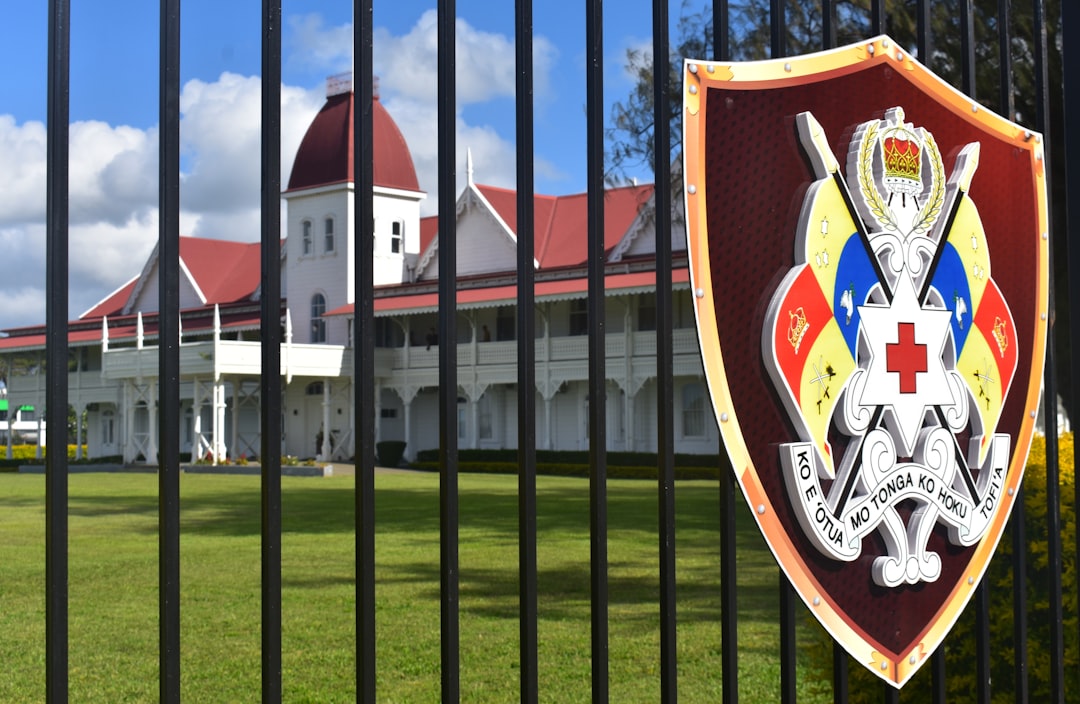
Tonga’s standout highlights include: swimming with humpback whales in Vava’u (July–October) — one of the world’s great wildlife encounters; the Ha’amonga ‘a Maui trilithon near Niutoua, a 13th-century coral arch weighing over 30 tonnes per lintel; the Swallows’ Cave near Neiafu, accessible only by boat and lit by extraordinary natural light at midday; and the Anahulu Cave on Tongatapu, a freshwater cave system with underground pools. The Talamahu Market in Nuku’alofa on Saturday mornings offers the most authentic cultural immersion. What surprised me: the Royal Palace in Nuku’alofa cannot be entered — it’s best admired from the waterfront. My tip: combine cave exploration with a local guide who can explain the spiritual significance Tongans attach to these sites — the context transforms the experience.
What experiences in Tonga are found nowhere else on Earth?
Swimming with humpback whales is the definitive answer — Tonga is one of fewer than 5 places globally where in-water interaction is legally permitted, and the shallow, clear waters of Vava’u make encounters uniquely intimate. Beyond whales: attending a kava ceremony in a Tongan village is a participatory cultural ritual with no equivalent in the Pacific — the preparation and protocol are specific to Tonga’s royal tradition. The Umu feast — a traditional earth oven meal prepared for Sunday after church — is another experience tied to Tongan Christian-Polynesian identity that feels genuinely unreplicated. In my experience, the combination of Pacific monarchy, deep Christian tradition, and pre-colonial Polynesian culture still intact creates a social atmosphere unlike Fiji, Samoa, or French Polynesia. Tonga feels entirely itself.
Regions & Highlights
Which areas of Tonga are overcrowded — and what are quieter alternatives?
Vava’u in August is the closest Tonga gets to overcrowded — the whale-swim boats concentrate in the same whale breeding grounds, and Neiafu’s harbour fills with charter yachts. It’s still nothing like Bali, but it’s noticeably busier than the rest of Tonga. The quieter alternative is September whale watching when numbers thin but whales remain. For cultural sightseeing, Tongatapu’s Ha’amonga trilithon sees tour buses on weekday mornings — arrive before 8am to have it to yourself. ’Eua receives fewer than 500 visitors per month and feels completely undiscovered — the hiking trails above the sea cliffs are extraordinary in solitude. My tip: Ha’apai is the definitive off-the-beaten-track alternative — some resort islands like Uoleva host single-digit numbers of guests at any time.
How many days do I need to explore Tonga properly?
A minimum of 10–14 days does justice to two island groups in Tonga. In my experience, the ideal itinerary allocates 3 days on Tongatapu (culture, history, blow holes), 1 day on ‘Eua (rainforest hike), and 7 days in Vava’u (whales, caves, sailing, snorkelling). A 7-day trip only allows one island group — choose Vava’u if visiting July–October, Tongatapu-plus-‘Eua otherwise. The honest trade-off: adding Ha’apai requires 2 extra days minimum just for transport logistics. What surprised me: travellers consistently say they wished they’d budgeted more time — the pace of Tongan life actively encourages slowing down. My tip: never plan a single-night stopover on any outer island — you’ll spend most of it in transit and leave frustrated by what you barely glimpsed.
Do I need a visa to visit Tonga?
Citizens of most Western countries including the USA, UK, EU, Australia, and New Zealand do not need a visa — they receive a 30-day entry stamp on arrival at no cost. This covers the majority of travellers. Extensions to 60 days are available from the Immigration Office in Nuku’alofa for TOP 100 (USD 42). Citizens of some countries — including parts of Africa, South Asia, and the Middle East — do require a visa obtained in advance; check the Tonga Immigration Department website for your specific passport. The honest warning: your passport must be valid for at least 6 months beyond your intended departure date — Tonga enforces this strictly. My tip: carry proof of onward travel (your return or connecting flight booking) as immigration officers occasionally request it on arrival.
What languages are spoken in Tonga?
Tongan and English are both official languages — all government signage, menus, and tourist-facing communication appears in English. In my experience, English proficiency is high in Nuku’alofa and Neiafu among younger Tongans, hotel staff, and tour operators. In villages and outer islands, English becomes patchier — basic Tongan phrases earn immediate goodwill. Key expressions: ’Malo e lelei’ (hello/thank you — used for both), ’Ofa atu (with love/goodbye), and Fefe hake? (how are you?). The honest observation: Tongans deeply appreciate any attempt at their language — even mispronounced attempts generate warm laughter rather than impatience. Language is not a travel barrier in Tonga, but learning 5 basic phrases before you arrive transforms how locals interact with you.
What cultural rules do I need to know before visiting Tonga?
Sunday is sacred in Tonga — nearly everything closes, swimming at public beaches is frowned upon in local areas, and loud behaviour near churches is genuinely offensive. This is the rule most visitors violate unintentionally. Dress conservatively outside resort areas — shoulders and knees covered when entering villages, markets, or churches; women wearing shorts in Nuku’alofa draw uncomfortable attention. The ta’ovala (woven mat worn around the waist) is required for formal occasions and some government buildings — staff will usually provide one. In my experience, photography of people requires a smile and a nod of consent — never photograph church services without explicit permission. My tip: if invited to a kava ceremony, drink what’s offered with both hands, clap once before drinking, and never refuse — declining is a genuine cultural insult.
Practical Tips
How safe is Tonga for travellers?
Tonga is one of the safest countries in the Pacific — petty crime is low and violent crime against tourists is extremely rare. In my experience walking Nuku’alofa at night, I felt genuinely comfortable in a way I wouldn’t in many Pacific capitals. The realistic risks are different: road safety is a concern — drunk driving after weekend kava sessions, combined with unlit roads, makes night driving genuinely dangerous. Natural hazards are the bigger worry — cyclones (November–April) and Tonga sits on the Tonga Trench, one of the world’s most seismically active zones. The January 2022 Hunga Tonga volcanic eruption caused a tsunami that damaged coastal areas. My tip: register with your country’s embassy travel advisory system before visiting, and know your accommodation’s evacuation protocol — ask on check-in, not when sirens sound.
What health precautions should I take before visiting Tonga?
No mandatory vaccinations are required for Tonga, but the CDC and WHO recommend being current on Hepatitis A, Typhoid, and routine immunisations before arrival. Dengue fever is present in Tonga — use 50% DEET insect repellent at dawn and dusk, particularly in Nuku’alofa’s lower-lying suburbs. There is no malaria. The honest warning most travel sites underplay: medical facilities in Tonga are limited — Vaiola Hospital in Nuku’alofa can handle basic care, but serious trauma or complex illness requires medical evacuation to Auckland or Suva, which costs USD 50,000+ without adequate insurance. My tip: purchase comprehensive travel insurance with Pacific medical evacuation cover before departure — this is non-negotiable, not optional. Outer island pharmacies are extremely limited; bring a well-stocked personal medical kit.
What SIM card or eSIM options are available in Tonga?
Digicel Tonga is the dominant carrier and offers the best coverage across the main island groups. Buy a Digicel SIM at the airport or their Nuku’alofa store on Taufa’ahau Road for approximately TOP 5 (USD 2) with data top-ups costing TOP 20–50 (USD 8–21) for 1–5 GB. Tonga Communications Corporation (TCC) is the alternative but has patchier data speeds in my experience. eSIM options for Tonga are available through providers like Airalo — check compatibility before you travel as it’s a smaller market. The honest warning: signal disappears entirely on ‘Eua, Ha’apai outer islands, and at sea — don’t rely on connectivity for navigation or emergency contact in remote areas. My tip: download offline maps covering all island groups you plan to visit before leaving Nuku’alofa.
Which apps do you recommend for travelling in Tonga?
My essential app list for Tonga: Maps.me or OsmAnd with offline Tonga maps downloaded before you leave the capital — Google Maps has significant gaps outside Tongatapu. XE Currency for live TOP exchange rate conversions. WhatsApp is universally used by Tongan guesthouses, tour operators, and local contacts — book whale swims and transfers via WhatsApp messages. Windy.com for ferry-day weather checks — the inter-island crossings can be rough, and a 24-hour wind forecast helps you decide whether to take the ferry or wait. Real Tonga’s website (not an app) for checking and booking domestic flights. The honest caveat: internet speeds in Tonga are slow — streaming, large downloads, and VoIP calls are frustrating. Download everything you need, including guidebooks and entertainment, before boarding your international flight.
What are the most common traveller mistakes in Tonga?
The biggest mistake is underestimating transport time and reliability — travellers miss international connections because they trusted a ferry schedule or assumed a domestic flight would run on time. Book a buffer day before departing Tonga. Second: not booking whale swims far enough in advance — arriving in Vava’u in August expecting to book on the day is a guarantee of disappointment. Third: swimming or being visibly active on Sundays near villages — this causes genuine offence and Tongans won’t confront you directly, but the community impact is real. Fourth: bringing insufficient cash for outer islands. Fifth: skipping ’Eua because it’s not on most itineraries — it’s a 30-minute, TOP 20 ferry from Nuku’alofa and consistently impresses independent travellers. In my experience, the travellers who loved Tonga most were those who slowed down and let Tongan time work for them rather than against them.
Tonga at a Glance
| Population | 108,020 |
|---|---|
| Currency | Tongan paʻanga (T$) |
| Official language | Tongan, English |
| Time zone | UTC+13:00 |
Source: Wikidata, retrieved August 2026.
Essential Resources for Planning Your Trip to Tonga
- Tonga International Travel Information — official visitor information, passes & events
- Wikipedia: Tonga — history, geography & background
- Wikivoyage: Tonga — community travel guide & practical tips
- Tonga travel – Lonely Planet | Australia & Pacific — expert itineraries & travel inspiration
- THE 15 BEST Things to Do in Tonga (2026) — hotels, restaurants & traveller reviews
- Tonga International Travel Information — how to get around
- Numbeo: Cost of Living in Tonga — current prices & cost comparison
- Timeanddate: Tonga Weather & Climate — forecasts & climate statistics
More Perspectives on Tonga
- The Ultimate Tonga Travel Guide: What’s it Like to Travel in …
- Tonga Pocket Guide – Tonga’s No.1 Travel Guide
- Travel tips and recommendations for visiting Tonga
Tonga Travel Videos
Watch these videos for a visual preview before your trip:
- Things You SHOULD to Know BEFORE Travelling to Tonga in 2026!
- 🏝️ The Complete Travel Guide to Tonga ☀️ by TongaPocketGuide.com
- Tonga Travel Guide: Insider Tips & Everything You Need to Know for Tourists | Tonga Pocket Guide
Tonga Travel Discussions on Reddit
Real traveller experiences and community advice:
- Anyone visited Tonga? : r/travel
- Travel recommendation: Which islands? : r/Tonga
- Traveling to Tonga for the first time
Data Sources
This page was compiled using data from Wikipedia, Wikidata, Open-Meteo (climate), Numbeo (cost of living) and REST Countries. Information is updated regularly.