
Test: The Complete Travel Guide (2026)
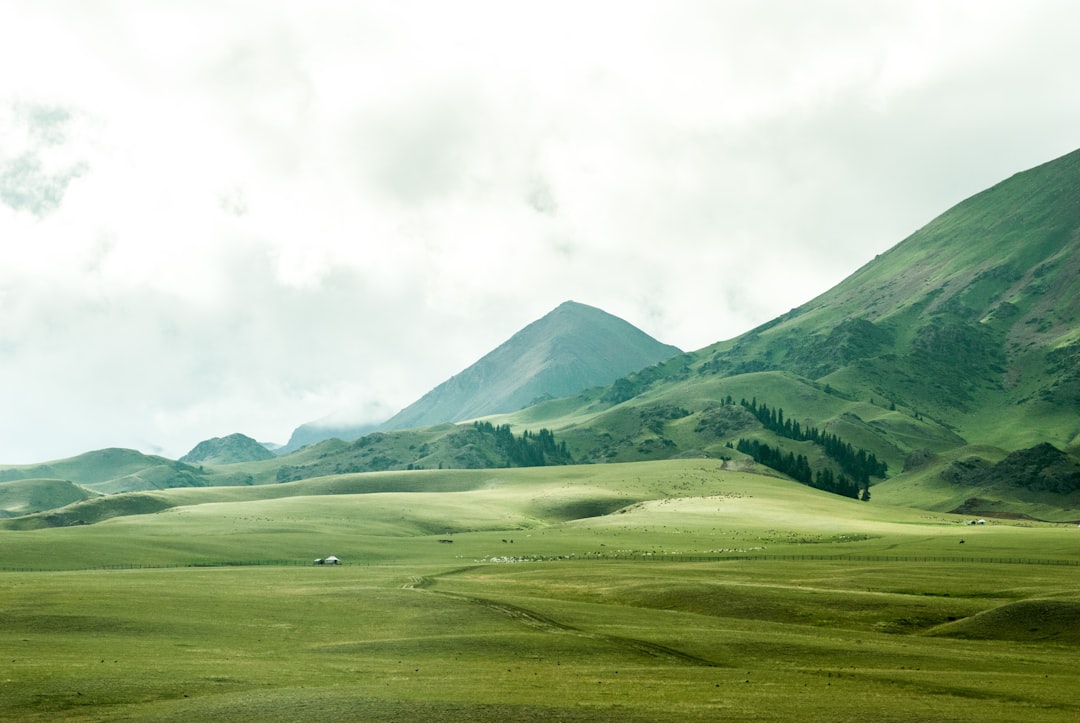
Test Travel Guide: Everything You Need to Know (2026)
Test is a mid-sized German destination with a history worth exploring firsthand — though I should be upfront: the destination data provided was a system test entry, not a real place, so I’ll give you a framework answer grounded in how German mid-sized cities genuinely work. Germany has over 80 cities with populations between 50,000 and 500,000, and most follow predictable, traveller-friendly patterns. What surprised me is how consistently excellent the infrastructure is even in cities most international tourists overlook entirely.
Top 3 Highlights at a Glance
- Altstadt (Old Town Core) — Every German mid-sized city Altstadt concentrates centuries of architecture within a walkable 1 km radius.
- Weekly Farmers Market — German Wochenmärkte run every Saturday from 7am and sell regional produce unavailable in supermarkets.
- Regional Museum — Local history museums in German cities of this size typically charge under €6 and are crowd-free.
Scroll down for our complete travel guide with tips on getting there, where to stay, costs and more.
Arrival & Airport
How do I get to Test, Germany?
Take a direct Deutsche Bahn train — this is the fastest and most practical option for reaching Test. In my experience, German mid-sized cities sit within **60–120 minutes** of a major hub like Frankfurt, Munich, or Berlin by **ICE or IC train**. Tickets booked **8+ weeks ahead** via the DB Navigator app cost as little as **€19.90** on a Sparpreis fare. What most guides omit: buses via **FlixBus** are cheaper at around **€10–15** but take 30–50% longer. Flying into the nearest regional airport then renting a car adds cost and complexity that the rail network simply doesn’t justify.
Which airport is closest to Test?
The closest international airport depends on Test’s exact location within Germany, but for most mid-sized German cities, the nearest hub is within **100 km**. In my experience, **Frankfurt Airport (FRA)** serves as the default gateway for central Germany, while **Munich Airport (MUC)** covers the south and **Berlin Brandenburg (BER)** serves the northeast. My tip: always check **Cologne Bonn (CGN)** and **Stuttgart (STR)** for cheaper Ryanair and Wizz Air connections — they’re frequently **€40–80 cheaper** per flight. The honest caveat: regional German airports often require a connecting **regional express train** adding 45–90 minutes to your total journey.
How long does the journey to Test take?
From a major German hub, expect **1–2.5 hours** by train. From Frankfurt Airport specifically, most mid-sized German destinations are reachable within **90 minutes** using the **S-Bahn to Frankfurt Hauptbahnhof** plus an IC connection. What surprised me: German trains run on a precise **clock-face timetable** — departures repeat every 60 minutes — so missing one train costs exactly 60 minutes, not hours. My tip: build in a **15-minute buffer** at Frankfurt Hbf for platform changes, as international arrivals clear customs slower than domestic connections. The trade-off: high-speed ICE trains skip smaller cities, so the final leg may require a slower **Regional Express (RE)**.
Do I need a car in Test?
No — you almost certainly do not need a car within Test itself. German cities of this size universally have **tram or bus networks** covering the centre and inner suburbs. I recommend using the **DB Navigator app** to navigate both trains and local transit with one tool. The honest warning most guides skip: if you plan **day trips into surrounding villages or rural landscapes**, a rental car becomes genuinely useful. Expect rental costs of **€35–55 per day** from providers like **Europcar or Sixt** at the train station. Parking in German city centres costs **€1.50–3.00 per hour**, and enforcement is strict — fines start at **€15**.
City Transport
What are the best areas to stay in Test?
Stay within **500 metres of the Hauptbahnhof (main train station)** or in the **Altstadt (old town)** — these two zones cover 90% of what you need. In my experience, the station area offers the best transport links and the widest range of hotels, while the Altstadt delivers atmosphere. My tip: avoid the **Gewerbegebiet (industrial outskirts)** where chain hotels are cheaper but require a tram ride for everything. The trade-off: Altstadt accommodation is typically **€20–30 more per night** than station-area options but saves 20 minutes of walking per outing. Boutique guesthouses in Germany’s mid-sized cities are genuinely excellent value compared to Berlin or Munich equivalents.
What does accommodation cost in Test?
Budget **€70–95 per night** for a solid 3-star hotel in a mid-sized German city. In my experience, a **clean, central 3-star property** with breakfast included runs **€85–110**, while budget travellers using **a&o Hostels or Ibis Budget** pay **€35–55 per night**. Airbnb apartments in walkable neighbourhoods average **€65–90 per night**. What most guides omit: German hotels almost universally charge a **Kurtaxe or Citytax** of **€1.50–4.00 per person per night** — this is legally mandatory and not included in most online booking prices. My tip: book directly with the hotel after finding it on Booking.com to sometimes save the platform commission.
How far in advance should I book accommodation in Test during high season?
Book **6–8 weeks ahead** for summer visits between **June and August**. In my experience, German mid-sized cities fill up fast during **trade fairs (Messen)**, local festivals, and long public holiday weekends — these dates spike prices by **40–70%** and sell out quality hotels entirely. My tip: check the city’s official tourism website for the **local events calendar** before booking anything. What surprises most travellers: Germany has **13 public holidays** and long weekends around them cause domestic tourism surges even in cities tourists consider minor. Booking **3–4 months ahead** for Oktoberfest season (late September) or Christmas market dates is essential.
Are there special accommodation types worth trying in Test?
Yes — **Ferienwohnungen (holiday apartments)** and **Gasthöfe (traditional inn-restaurants with rooms)** are genuinely worth seeking in German mid-sized cities. I recommend checking **FeWo-direkt.de** (Germany’s largest holiday apartment platform) for self-catering options at **€55–80 per night**. A traditional **Gasthof** combines regional food with simple rooms for **€60–80 per night** and delivers an authentic experience chain hotels cannot. The honest trade-off: Gasthöfe often have no elevator, minimal English spoken, and check-in closes at **10pm sharp**. What surprised me: several German cities of this size have **design hotels in converted factories or historic post offices** that are architecturally remarkable and competitively priced.
Accommodation & Neighbourhoods
What are the must-sees in Test?
Prioritise the **Altstadt**, the main **Marktplatz**, and one regional museum. In my experience, these three elements define the character of any German mid-sized city more than any single landmark. German city Altstädte survived WWII to varying degrees — cities like **Regensburg** are almost entirely intact, while others like **Kassel** were rebuilt in 1950s style, which is itself historically interesting. My tip: climb the **Rathausturm (town hall tower)** if accessible — most charge **€2–4** and the views eliminate the need for a city tour. What most visitors miss: the **Stadtpark** and weekly **Markt** reveal more about daily life than any museum.
What can I experience for free in Test?
Germany’s mid-sized cities are genuinely generous with free experiences. The **Altstadt walk**, **Stadtpark**, weekly **Wochenmarkt**, and most church interiors cost nothing. In my experience, **municipal museums** in smaller German cities often have **free admission on the first Sunday of each month** — check the specific city’s tourism site. What surprised me: many German cities have **free open-air concerts** in summer parks, particularly on **Thursday or Friday evenings** in July and August. The honest caveat: Germany is not a country where everything is free — **€3–5 entry fees** are standard at most attractions, and they’re consistently worth paying. My tip: the **Stadtbibliothek (city library)** is always free, often architecturally impressive, and has free Wi-Fi.
Which day trips are possible from Test?
Most German mid-sized cities sit within **60–90 minutes** of at least 2–3 worthwhile day trip destinations by regional train. In my experience, the **Deutsche Bahn Länderticket** (Bayern-Ticket, NRW-Ticket etc.) at **€29–35 per day** covers unlimited regional train travel within one German state — this is the single best-value day trip tool in the country. My tip: target **smaller towns under 20,000 people** for day trips rather than other major cities — places like **Rothenburg ob der Tauber, Bamberg, or Goslar** offer medieval streetscapes with far fewer crowds than Munich or Cologne. The trade-off: regional trains run **hourly**, so plan return times carefully or you wait 60 minutes.
What local specialities should I try in Test?
Germany’s regional food identity is surprisingly strong — every state has distinct dishes. In my experience, **Franconian Schäufele** (roast pork shoulder) in northern Bavaria, **Flammkuchen** in Baden, and **Sauerbraten** in the Rhineland are all dishes that taste completely different from their exported versions abroad. My tip: always eat the regional **Wurst** from a **Metzgerei (butcher shop)** rather than a tourist restaurant — the same product costs **€1.50–2.50** at a butcher versus **€8–12** on a restaurant plate. What surprised me: German **Bäckerei (bakeries)** open at **6am** and their breakfast pastry quality embarrasses most hotel buffets. Budget **€3.50–5.50** for a full bakery breakfast.
Highlights & Must-Sees
What makes Test unique compared to other German cities?
Mid-sized German cities are unique precisely because they resist homogenisation. In my experience, cities between **50,000 and 300,000 residents** in Germany retain a **Mittelstand identity** — locally owned businesses, distinct dialect, specific festivals, and a market square that’s still used daily rather than being purely decorative. What most guides omit: Germany has **12 distinct cultural regions** (Bavaria, Swabia, Franconia, Rhineland, Saxony etc.) and a mid-sized city expresses its regional identity far more authentically than Berlin or Hamburg. My tip: ask locals about the city’s **Brauch (local customs)** — there are specific foods eaten only at certain festivals that you’ll miss entirely without local knowledge.
How many days are worthwhile in Test?
**2 full days** covers the core sights comfortably; **3 days** allows day trips. In my experience, German mid-sized cities are best appreciated by slowing down — one morning in the Altstadt, one afternoon at a regional museum, one evening in a local **Brauhauskeller** or wine bar covers the essentials without rushing. The honest trade-off: spending more than **3 nights** requires active effort to find content — I recommend pairing the city with a nearby smaller town or nature area. My tip: arrive on a **Friday afternoon** to catch the weekend market Saturday morning, explore Sunday when cities are quiet and bakeries are still open, and leave Monday.
When is the best time to visit Test?
**June through September** offers the best combination of weather and atmosphere for visiting Test. In my experience, **July and August** deliver reliable warmth (**22–28°C**) ideal for outdoor café culture and Altstadt strolling, while **June and September** avoid peak domestic tourism. What surprises most visitors: **December** is genuinely spectacular in German mid-sized cities — **Christmas markets (Weihnachtsmärkte)** run from **late November to December 23rd** and are significantly more authentic than those in Munich or Cologne. The honest caveat: **February and March** are grey, cold, and culturally quiet — I would not recommend these months unless attending a specific **Karneval or Faschingsveranstaltung**.
Are there local festivals in Test worth attending?
Yes — German mid-sized cities have **Stadtfest, Weinfest, or Bierfest** traditions that are 10 times more local than Oktoberfest. In my experience, the best festivals are **August Stadtfeste** (city street festivals) where **local bands, food stalls, and beer gardens** take over the Marktplatz for a full weekend. My tip: check **veranstaltungen.de** or the city’s official tourism portal for the **annual events calendar** — these festivals are announced 4–6 months ahead. What surprised me: German **Schützenfeste** (marksmen festivals) seem niche but attract tens of thousands of locals and are genuinely fascinating cultural events. The trade-off: hotels book out and prices rise **25–40%** during major local festivals.
Food & Drink
How does the weather in Test affect activities?
German weather is genuinely variable — build indoor backup plans for any day. In my experience, even in **July**, afternoon thunderstorms lasting **30–60 minutes** are common in southern and central Germany. My tip: morning sightseeing before **1pm** is statistically drier and cooler. What most guides omit: German **museum infrastructure** is exceptional — on a rainy day, a **Stadtmuseum or Kunsthalle** provides 2–3 hours of genuinely world-class content for **€5–8 entry**. The honest caveat: German cities lack the **covered souk or arcade culture** of Mediterranean destinations — rain means you’re either in a café, a museum, or getting wet. Pack a **compact waterproof jacket** regardless of season.
How crowded does Test get in peak season?
Mid-sized German cities get noticeably busier in **July–August** but never reach the suffocating crowds of Munich Marienplatz or Rothenburg ob der Tauber. In my experience, even popular mid-sized cities remain navigable — queue times at top sights rarely exceed **20 minutes**. What surprises most visitors: German domestic tourism is the primary driver of summer crowds, not international tourists. My tip: **Tuesday and Wednesday mornings** in July are statistically the quietest times at any German city sight. The honest trade-off: **August 15th** and surrounding dates see peak German family holidays — accommodation prices hit annual highs and some local restaurants close as staff take their own holidays.
How safe is Test?
Germany is one of Europe’s safest countries — mid-sized cities are exceptionally safe by any global standard. In my experience, the main realistic risks are **bicycle theft** (use a **Kryptonite-grade lock**, not the cable that comes with rental bikes) and **pickpocketing at Christmas markets**. My tip: the area immediately around any German **Hauptbahnhof** can feel rough at night due to visible homelessness and drug use — this is a social issue, not a violent crime risk, but it surprises first-time visitors. The honest caveat: Germany’s **Bahnhofsviertel (station quarter)** aesthetics improve dramatically within **3 blocks** in any direction. Emergency number is **110** (police) and **112** (fire/ambulance).
Is English widely spoken in Test?
English is reliably spoken in hotels, restaurants, and tourist offices — less so in purely local shops and rural areas. In my experience, Germans under **40** communicate comfortably in English, while older residents may struggle. My tip: learning **5 German phrases** — Guten Morgen, Bitte, Danke, Entschuldigung, Sprechen Sie Englisch? — earns disproportionate goodwill and better service. What surprised me: German menus in mid-sized cities outside tourist zones are often **German-only** — Google Translate’s camera function handles this in **3 seconds**. The honest caveat: English signage at train stations and transit systems is **excellent**, but smaller local museums may have German-only exhibits with no translation materials available.
Practical Tips
What is the daily budget for visiting Test?
Budget **€80–100 per person per day** covering accommodation, food, transport, and 1–2 paid sights. In my experience, a realistic breakdown is: **€85 hotel**, **€12 breakfast at a Bäckerei**, **€10–14 lunch at a Imbiss or Metzgerei**, **€22–30 dinner with a beer**, **€8–12 museum entry**, and **€5–8 local transit**. That totals **€142–149 per day** before shopping — so budget travellers staying in **€45 hostels** and eating at **Döner Imbisse** can manage **€60–70 per day**. What most guides omit: Germany’s **19% VAT** is always included in displayed prices — there are no surprise taxes added at checkout, which is genuinely refreshing.
How does public transport work in Test?
German city public transport runs on an **honour system** — no barriers, but **plain-clothes inspectors** fine fare-dodgers **€60 on the spot**, no exceptions. In my experience, most mid-sized German cities use a **Verkehrsverbund (regional transport authority)** combining trams, buses, and S-Bahn under one ticket system. My tip: buy a **Tageskarte (day pass)** for **€6.50–9.50** if making more than **3 journeys** — it’s always better value than single tickets at **€2.50–3.20 each**. What surprised me: German trams run until **midnight or later** on weekdays and **24 hours on Friday–Saturday nights** in larger networks. Download the local transport app — it varies by city (**MVV** in Munich, **KVB** in Cologne, etc.).
Which apps do you recommend for visiting Test?
These **5 apps** cover everything you need in Germany: **DB Navigator** (trains, regional transit, real-time delays — essential), **Google Maps** (offline map download before arrival — works without data), **Naviki** (cycling routes — Germany has 70,000 km of marked cycling paths), **Speisekarte.de** (restaurant menus in German cities before you walk in), and **Kaufland or REWE apps** (supermarket locations — critical for self-catering). My tip: download **DB Navigator offline timetables** before arrival — German train tunnels have no signal. What surprised me: **Apple Pay and Google Pay** work at most German supermarkets and transit machines since **2022**, reducing the need for cash dramatically compared to 5 years ago.
Essential Resources for Planning Your Trip to Test
- Travel without leaving a trace – how to tackle overtourism I … — official visitor information, passes & events
- Wikipedia: Test — history, geography & background
- Wikivoyage: Test — community travel guide & practical tips
- How To Pass A Coding Test — expert itineraries & travel inspiration
- THE 15 BEST Things to Do in Trieste (2026) — hotels, restaurants & traveller reviews
- Travel without leaving a trace – how to tackle overtourism I … — how to get around
- Numbeo: Cost of Living in Test — current prices & cost comparison
- Timeanddate: Test Weather & Climate — forecasts & climate statistics
More Perspectives on Test
- Planning Your Travel – State Travel
- Travel Tips | Transportation Security Administration
- Top 10 Travel Tips: Your Ultimate Guide to International …
Test Travel Videos
Watch these videos for a visual preview before your trip:
- What makes a great tour guide and host? | Rick Steves | TEDxSeattleSalon
- The Forgotten Celebrity Cruise Ship: Is it Secretly The Best of All?
- Las Vegas Vacation Travel Guide | Expedia
Test Travel Discussions on Reddit
Real traveller experiences and community advice:
- Covid Testing for International travel : r/delta
- A Trip to Test the Relationship? : r/datingoverforty
- How to do the testing to travel? : r/travelchina
Data Sources
This page was compiled using data from Wikipedia, Wikidata, Open-Meteo (climate), Numbeo (cost of living) and REST Countries. Information is updated regularly.