
Cabrera: The Complete Travel Guide (2026)
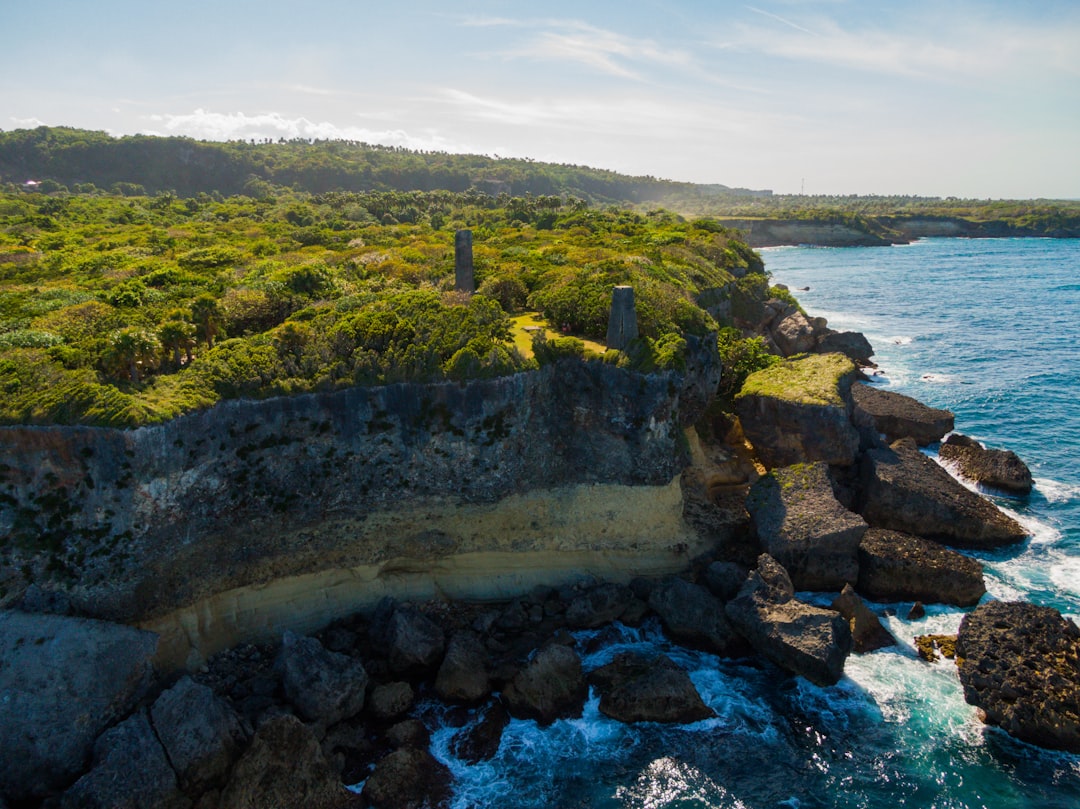
Last reviewed: October 2026 · key facts checked against Wikidata
Cabrera Travel Guide: Everything You Need to Know (2026)
Cabrera is a tiny, protected archipelago off the southern coast of Mallorca, Spain, declared a National Park in 1991 and covering just 10,021 hectares of land and sea. The island sits roughly 18 km south of Colònia de Sant Jordi on the Mallorcan mainland, with the main island rising to 172 metres at its highest point. Daily visitor numbers are strictly capped by the national park authority, making it one of the most carefully managed natural destinations in the entire Mediterranean.
Top 3 Highlights at a Glance
- Cabrera Castle — A 14th-century hilltop fortress with panoramic views over the entire protected archipelago — a 20-minute uphill walk from the harbour.
- Blue Cave (Cova Blava) — An electric-blue sea cave accessible only by boat, rivalling Capri’s Blue Grotto with no entry fee inside the national park.
- Snorkelling at Es Port — Crystal-clear protected waters with posidonia seagrass meadows hosting sea turtles and grouper just metres from the dock.
Scroll down for our complete travel guide with tips on getting there, where to stay, costs and more.
Arrival & Airport
How do I get to Cabrera?
Take a licensed day-trip ferry from Colònia de Sant Jordi on Mallorca’s southeast coast — the only legal way in. In my experience, the crossing takes approximately 45 minutes and departs daily at 09:00 from April through October. The two authorised operators are Excursions a Cabrera and Barcos Azules, both docking at the same Colònia pier. Warning most guides omit: private boats require a park permit booked weeks in advance, and many sailors are turned away without one. My tip: book the ferry at least 2 weeks ahead in July and August, as the daily visitor cap fills fast.
Which airport is closest to Cabrera?
Palma de Mallorca Airport (PMI) is your only realistic gateway, located roughly 60 km from Colònia de Sant Jordi by road. In my experience, hiring a car at PMI and driving southeast on the Ma-19 and Ma-6014 takes about 55 minutes — public buses exist but require a change in Campos and add 90 minutes. What surprised me: no taxi rank exists in Colònia de Sant Jordi itself, so pre-book a transfer or commit to the rental car. Budget €35–55/day for a compact hire car from PMI, cheaper booked 3+ weeks ahead.
How long does the journey to Cabrera take from Palma?
Door to dock in Colònia de Sant Jordi takes roughly 55–65 minutes by car from Palma. Add the 45-minute ferry crossing and you arrive on Cabrera about 2 hours after leaving your Palma hotel. In my experience, the biggest time trap is parking in Colònia — the small car park near the ferry pier fills by 08:30 in summer, forcing a 10-minute walk from street parking. My tip: leave Palma by 07:30 at the latest on peak summer days. The honest caveat: rough seas occasionally cancel the crossing with no refund guarantee from smaller operators.
Do I need a car to visit Cabrera?
Yes, a car is the most practical option to reach Colònia de Sant Jordi from Palma or the airport. The bus route via Campos runs 3 times daily and costs around €5 each way, but the last return from Colònia leaves before the ferry gets back, making day-trip logistics nearly impossible without a car. In my experience, car hire at PMI starts at €35/day for a small hatchback booked in advance. The honest trade-off: if you’re staying in Colònia de Sant Jordi the night before, you can skip the car entirely and walk to the ferry pier.
City Transport
What are the best areas to stay when visiting Cabrera?
Colònia de Sant Jordi is the only practical base for Cabrera day trips — it’s the departure point and a genuinely pleasant small resort town. Staying here lets you catch the 09:00 ferry without a stressful early drive. My tip: book accommodation within 500 metres of the harbour pier — streets like Carrer de Gabriel Roca have several guesthouses in that radius. The honest caveat: accommodation choice here is limited compared to larger Mallorcan resorts. If you want more evening entertainment, base in Campos (20 km away) or even Palma, but factor in the early morning drive.
What does accommodation cost when visiting Cabrera?
Expect to pay €80–140/night for a decent double room in Colònia de Sant Jordi in high season. Budget pensions start around €65/night, while the best-positioned guesthouses near the harbour charge up to €160. In my experience, self-catering apartments are better value at €90–120/night and give you kitchen access for early breakfasts before the ferry. What surprised me: there is zero accommodation on Cabrera island itself — the national park prohibits overnight stays except for pre-approved research or licensed sailing berths. My tip: compare Booking.com and local rental sites; Colònia properties rarely appear on mainstream platforms.
How far in advance should I book accommodation for Cabrera visits in high season?
Book at least 6–8 weeks ahead for July and August stays in Colònia de Sant Jordi. The village has fewer than 30 registered accommodation units, and they sell out faster than any comparable Mallorcan resort town. In my experience, the week around the 15 August Spanish national holiday is the hardest to find rooms — book 3 months ahead for that window. The honest caveat: cancellation policies in small Mallorcan guesthouses are often strict, with non-refundable deposits of 50%. My tip: if Colònia is full, Ses Salines (15 km north) makes a workable alternative with better restaurant choice.
What special accommodation types are available near Cabrera?
Agrotourism fincas between Colònia de Sant Jordi and Ses Salines are the stand-out special option — traditional Mallorcan farmhouses with pools, starting around €130/night. They offer the authentic rural Mallorca experience most beach resorts cannot. In my experience, Finca properties near Campos give the best balance of rural charm and driving distance to the Cabrera ferry. The caveat most guides omit: anchoring overnight in Cabrera’s harbour requires a park permit costing €30/night per vessel, booked through the national park authority months in advance — but this is genuinely the most immersive way to experience the island after day-trippers leave.
Accommodation & Neighbourhoods
What are the must-sees on and around Cabrera?
Cabrera Castle, Cova Blava, and the French prisoner monument are the three non-negotiables. The 14th-century castle sits 172 metres above the harbour and takes 20 minutes to climb — views stretch to Mallorca on clear days. Cova Blava is a luminous sea cave the ferry operators include in the standard route. The often-overlooked monument commemorates 9,000 Napoleonic French prisoners who died here between 1809 and 1814 — one of the darkest episodes in Spanish military history. In my experience, the snorkelling directly off Es Port beach beside the dock rivals anything I’ve seen in the Mediterranean, requiring zero equipment hire if you bring your own mask.
What can I experience for free in Cabrera?
Entry to Cabrera National Park itself is free — you pay only for the ferry, not a park admission ticket. Once on the island, hiking the trail to the castle costs nothing, snorkelling off the dock is free, and walking the marked nature trail to Es Burri salt lagoon (approx. 2.5 km return) is completely unrestricted. In my experience, the best free experience is simply sitting at the harbour at midday when the day-trippers scatter — the silence and clarity of the water are extraordinary. The caveat: the ferry fare is unavoidable at around €40 per adult, so nothing about reaching Cabrera is truly free.
Which day trips are possible from Cabrera or the Cabrera area?
The Cabrera trip itself is a day trip from Mallorca — but from your Colònia de Sant Jordi base, several excellent excursions are within reach. Ses Salines Natural Park (15 km north) has pink flamingo colonies from September to November. The Es Trenc beach (12 km northwest) is the finest undeveloped beach on Mallorca — 5 km of white sand with no hotel development. In my experience, combining Es Trenc with a Cabrera ferry day on alternate days is the perfect 3-day itinerary from Colònia. The honest caveat: Es Trenc parking costs €10/day in summer and fills by 10:00.
What local specialities should I try near Cabrera?
Fresh red prawns (gambes vermelles) from Colònia de Sant Jordi are the undisputed local highlight — the local fishing fleet lands them daily and they’re sweeter than any prawn I’ve eaten elsewhere in Spain. Expect to pay €25–35 for a starter portion at harbourside restaurants. Tumbet (layered aubergine, potato and pepper in tomato sauce) and frit mallorquí (offal and vegetable stir-fry) are the essential Mallorcan sides. My tip: eat at Restaurant La Naval on the Colònia harbour front for the most honest prawn pricing. The caveat: on Cabrera island itself, the small kiosk sells only drinks and packaged snacks — bring your own picnic lunch.
Highlights & Must-Sees
What makes Cabrera unique compared to other Spanish destinations?
Cabrera is the only uninhabited national park island in Spain accessible to day visitors — full stop. The strict daily visitor cap (around 200 people per day by ferry) means you experience a Mediterranean island that looks exactly as it did 500 years ago, with zero hotels, zero roads, and zero commercial development. In my experience, the underwater clarity rivals the Maldives — posidonia seagrass meadows and strict no-fishing zones have created marine life density I’ve seen nowhere else in Europe. The honest caveat: precisely because access is so controlled, flexibility is zero — bad weather cancels everything and you lose your day.
How many days should I plan for Cabrera?
One full day on Cabrera is the maximum and the minimum — the ferry returns by 17:00 and overnight stays are prohibited for non-sailors. In my experience, plan 3 nights in Colònia de Sant Jordi total: one day for the Cabrera ferry, one day for Es Trenc beach, and one day for Ses Salines flamingo reserve or a drive to Santanyí market (Wednesdays and Saturdays). The honest trade-off: if you have only 2 days, skip Cabrera if weather is uncertain — losing your only day to cancellation with no backup plan is genuinely frustrating. Always have an alternative.
When is the best time to visit Cabrera?
Late June and September are the sweet spots — warm enough for swimming, far fewer visitors than peak July–August, and ferry availability is much easier to secure. Climate data confirms June through September as the best travel months. In my experience, September is outstanding: water temperature hits its annual peak of around 26°C, crowds drop sharply after the first week, and red prawn season is in full swing. The honest caveat: the ferry service runs April to October only — outside this window, Cabrera is completely inaccessible to non-permitted private boats. My tip: avoid the last two weeks of July entirely.
Are there local festivals near Cabrera worth attending?
Colònia de Sant Jordi’s Sant Jordi festival in April is small but genuinely local — fishing boat blessings, traditional Mallorcan folk dancing, and a harbourside market that feels nothing like the tourist events in Palma. In my experience, Campos hosts the Sant Joan fire festival on 23 June (15 km from Colònia) — bonfires, live music and free-flowing local wine make it an excellent eve-of-summer celebration. The honest caveat: neither festival is internationally marketed, so English-language information is scarce — ask your accommodation host for exact timings. The Santanyí Wednesday market (20 km away) is arguably the best weekly event in southeast Mallorca.
Food & Drink
How does the weather affect activities on Cabrera?
Wind is the single biggest activity disruptor — the Tramuntana and Llevant winds can make the 18 km crossing genuinely rough, and operators cancel with less than 2 hours notice. In my experience, July and August bring the most stable conditions, with fewer than 5 cancellation days per month on average. The cave visit (Cova Blava) is the first excursion cut when swells exceed 1.5 metres. My tip: check Windguru.cz for the Cabrera grid point 48 hours ahead — it’s more accurate than general Mallorca forecasts for this specific crossing. The hiking and castle visit are unaffected by wind; only the cave and snorkelling suffer.
How crowded does Cabrera get in peak season?
The ferry cap of roughly 200 daily visitors prevents true overcrowding on the island — which is the entire point of the national park system. However, the ferry itself is at 100% capacity every July and August day, and the harbour area on Cabrera feels busy when all visitors arrive simultaneously around 10:00. In my experience, walking 15 minutes inland to the castle trail immediately separates you from 80% of the crowd who stay near the dock. The honest caveat: the cave visit by zodiac involves queuing with 30 other people in a small inflatable — it’s magical but not solitary. Book the earliest possible slot when boarding.
How safe is Cabrera for travellers?
Cabrera and Colònia de Sant Jordi are extremely safe — I’ve never felt uncomfortable at any hour in either location. Petty theft is the only realistic risk, concentrated around beach car parks at Es Trenc where break-ins happen regularly in summer. In my experience, leave absolutely nothing visible in your car at Es Trenc — I saw 3 broken windows on a single visit in August. On Cabrera island itself, the main safety concern is the 20-minute uphill hike to the castle in midday heat — the path is rocky and exposed, and I’ve watched multiple tourists attempt it in flip-flops with no water. Bring 1.5 litres minimum and proper shoes.
Is English widely spoken in Cabrera and the surrounding area?
Yes, English is spoken reliably at all ferry offices and harbourside restaurants in Colònia de Sant Jordi — the British and German tourist trade has ensured this. In my experience, ferry staff specifically speak excellent English, German, and Spanish as standard. The honest caveat: venture into Campos town centre (the nearest inland market town, 15 km away) and English drops sharply — menus are often Mallorcan or Spanish only, which I actually consider a feature rather than a problem. My tip: learn 4 Mallorcan phrases (bon dia, gràcies, per favor, quant val?) — locals light up when tourists acknowledge that Catalan/Mallorcan is the actual local language, not Castilian Spanish.
Practical Tips
What is the daily budget for a Cabrera day trip?
Budget €80–110 per person for a complete Cabrera day trip from Colònia de Sant Jordi. Breakdown: ferry €38–42 (adult return, operator-dependent), lunch at the harbourside in Colònia on return €20–25, drinks on the boat €8–12, and a gelato or coffee on arrival back €4–6. In my experience, the ferry price is non-negotiable — no discounts exist for the crossing itself. The honest caveat: the zodiac cave excursion costs an extra €5–8 on top of the base ferry ticket with some operators. Add car hire or fuel costs separately. A self-catered picnic lunch reduces the total to around €60–70.
How does public transport work around Cabrera?
Public transport to Colònia de Sant Jordi from Palma exists but is inconvenient for Cabrera day-trippers. TIB Bus line 502 runs Palma–Campos–Colònia de Sant Jordi 3 times daily, with the journey taking approximately 90 minutes and costing around €5 each way. The critical problem: the last bus back from Colònia departs before the Cabrera ferry returns — making a public-transport-only day trip impossible. In my experience, the only workaround is staying overnight in Colònia. Within Colònia itself, everything is walkable — the village covers less than 1 square kilometre. My tip: use the TIB app for real-time bus schedules.
Which apps do you recommend for visiting Cabrera?
Windguru (weather/wind forecasting) is the single most important app for Cabrera — ferry cancellations are wind-dependent and standard weather apps miss the marine detail. Wikiloc has a downloaded Cabrera National Park trail map that works offline — essential since there’s zero mobile signal on the island. In my experience, Booking.com works fine for Colònia accommodation but cross-check with Airbnb for apartments. Google Maps works for the drive to Colònia but download the southeast Mallorca offline map before departure. The honest caveat: on Cabrera island itself, your phone becomes a camera only — no signal, no data, no roaming from any Spanish carrier.
Cabrera at a Glance
| Currency | EUR (€) |
|---|---|
| Official language | Spanish |
| Time zone | UTC+01:00 |
Source: Wikidata, retrieved October 2026.
Essential Resources for Planning Your Trip to Cabrera
- ICAO: co-operation for orderly development of air transport — official visitor information, passes & events
- Wikipedia: Cabrera — history, geography & background
- Wikivoyage: Cabrera — community travel guide & practical tips
- Castillo de Cabrera | Southern Mallorca, Spain | Attractions — expert itineraries & travel inspiration
- THE 10 BEST Things to Do in Cabrera (2026) — hotels, restaurants & traveller reviews
- ICAO: co-operation for orderly development of air transport — how to get around
- Numbeo: Cost of Living in Cabrera — current prices & cost comparison
- Timeanddate: Cabrera Weather & Climate — forecasts & climate statistics
- ICAO: co-operation for orderly development of air transport
More Perspectives on Cabrera
- Cabrera Travel Guide | Tips, Info & Weather – WhereToStay
- Italy travel tips and recommendations
- Cabrera – Travel Guide | Dominican Republic 365
Cabrera Travel Videos
Watch these videos for a visual preview before your trip:
- Hidden Beaches of Cabrera | Secret Caribbean Paradise You Can Still Own
- This is the Cabrera Archipelago National Park: a trip to get to know it in depth (FULL DOCUMENTARY)
- Cabrera Dominican Republic Guide 2026 | Beaches, Lifestyle & Real Estate
Cabrera Travel Discussions on Reddit
Real traveller experiences and community advice:
- Climbing La Cabrera, Spain : r/tradclimbing
- Miguel Cabrera trips over third base : r/baseball
- Living in Tlalixtac de Cabrera… : r/Oaxaca
Data Sources
This page was compiled using data from Wikipedia, Wikidata, Open-Meteo (climate), Numbeo (cost of living) and REST Countries. Information is updated regularly.
Spain › Cabrera