
Marrakech: The Complete Travel Guide (2026)
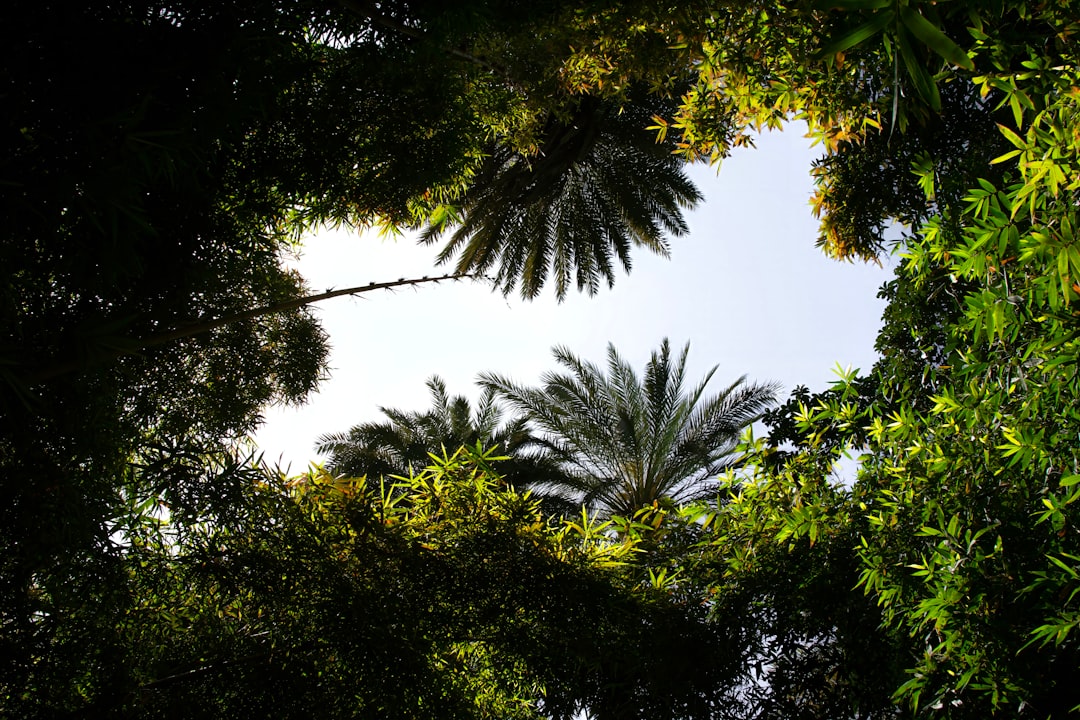
Marrakech Travel Guide: Everything You Need to Know (2026)
Marrakech sits at 470 metres elevation at the foot of the High Atlas Mountains and was founded in 1070 AD by the Almoravid dynasty, making it one of Morocco’s four Imperial Cities. Today its medina — a UNESCO World Heritage Site since 1985 — houses roughly 1.3 million people within Greater Marrakech, making it Morocco’s fourth-largest city. The city sits 580 km southwest of Tangier and receives over 3 million international tourists annually, which shapes everything from pricing to crowd management.
Arrival & Airport
How do I get to Marrakech?
Fly directly into Marrakech — it’s the easiest and fastest option. Marrakech Menara Airport (RAK) receives direct flights from London, Paris, Amsterdam, Madrid, and Frankfurt, with budget carriers like Ryanair and easyJet operating routes. From the UK, flight time is roughly 3.5 hours. Overland from Casablanca takes 3 hours by ONCF train via a connection at Casa Voyageurs station — a solid option if you’re combining cities. My tip: book flights at least 8–10 weeks out for fares under £80 return from London. What surprised me: there are no direct transatlantic flights to RAK — North American travellers must connect through Casablanca or a European hub.
Which airport is closest to Marrakech?
Marrakech Menara Airport (RAK) is the only airport serving the city, sitting just 6 km southwest of Jemaa el-Fna square — an absurdly convenient location. A petit taxi to the medina costs 70–100 MAD (roughly £6–8) and takes under 20 minutes in normal traffic. The official airport bus (line 19) costs only 30 MAD but is infrequent and slow. In my experience, the taxi is always worth it for the marginal cost. Warning most guides omit: negotiate the fare before getting in — meters are technically required but rarely used, and drivers at the arrivals exit will quote 200+ MAD to uninformed arrivals.
How long does the journey take from the airport to central Marrakech?
The journey from Marrakech Menara Airport to Jemaa el-Fna takes 15–25 minutes by petit taxi under normal conditions. During the Marrakech International Film Festival (typically December) or Friday midday prayer times, add another 20 minutes. If your riad is deep inside the medina, the taxi drops you at the nearest accessible point — Bab Doukkala or Bab Laksour are common drop-offs — and you walk the final 5–10 minutes through the souks with luggage. My tip: share your riad’s GPS coordinates in advance because street names inside the medina are notoriously inconsistent on driver apps.
Do I need a car in Marrakech?
No — a car is actively counterproductive inside Marrakech’s medina. The medina’s alleys are frequently under 2 metres wide, and parking near Jemaa el-Fna costs 20–30 MAD per hour with zero guarantee of a space. Petit taxis cover the Guéliz (new city) and medina for 20–80 MAD per ride, and walking is genuinely the best way to explore. The honest caveat: if you plan a day trip to the Ourika Valley or Aït Benhaddou (a 3-hour drive south), a rental car from Hertz on Avenue Mohammed V in Guéliz costs around 350–500 MAD per day and makes sense for those specific excursions only.
City Transport
What are the best areas to stay in Marrakech?
Stay in the medina for atmosphere — specifically the Mouassine or Bab Doukkala neighbourhoods for mid-range riads that balance character with walkability. Jemaa el-Fna is central but noisy until 2am. Guéliz (the French-built new city) suits travellers who want quieter streets, better restaurants, and easier taxi access — budget hotels here run 300–600 MAD/night. The Palmeraie area north of the city is resort territory — beautiful pools but a 20-minute taxi ride from everything, which adds up. My honest warning: medina accommodation below 500 MAD/night often has serious noise or plumbing issues — inspect photos carefully.
What does accommodation cost in Marrakech per night?
Budget guesthouses in the medina start at 250–400 MAD (£20–35) per night, but quality varies wildly. A well-reviewed mid-range riad in Mouassine or Derb Chorfa runs 600–1,200 MAD (£50–100). Boutique luxury riads near Bab Ighli or in the southern medina charge 1,500–4,000 MAD (£125–330) and genuinely deliver — carved plasterwork, rooftop terraces, and full breakfasts included. In my experience, the 800–1,200 MAD bracket hits the sweet spot: real character without the noise and structural issues of budget options. Hidden caveat: many riads charge a city tax of 15–25 MAD per person per night not shown in booking prices.
How far in advance should I book accommodation in Marrakech during high season?
Book 3–4 months ahead for travel in March–April and October–November — Marrakech’s peak shoulder seasons when European visitors flood the city. The Marrakech Marathon (January) and Marrakech International Film Festival (December) sell out the best medina riads 5–6 months in advance. For New Year’s Eve, top riads like El Fenn or Riad Yasmine are fully booked by September. My tip: mid-July to August is actually the easiest time to book with 24–48 hours notice since temperatures hit 40°C+ and most European tourists stay away — prices drop 30–40%, and the city feels authentically local.
What special accommodation types exist in Marrakech?
The riad — a traditional inward-facing townhouse built around a central courtyard with a fountain — is Marrakech’s defining accommodation type and genuinely found nowhere else at this scale. Riad Kniza near Bab Doukkala is a museum-quality restored 18th-century mansion. Eco-lodges in the Palmeraie like Jnane Tamsna offer garden retreats with 5,000 sqm of organic gardens. For pure luxury, La Mamounia (open since 1923) charges from £400/night but its Churchill Bar and gardens justify a drink even if you don’t stay. My caveat: many ‘riads’ on Booking.com are modern builds using the word as a marketing term — check that the property has a genuine internal courtyard before booking.
Accommodation & Neighbourhoods
What are the must-sees in Marrakech?
Jemaa el-Fna at dusk when snake charmers, musicians, and food stalls converge is non-negotiable — arrive by 6:30pm for the full transformation. Saadian Tombs (entry 70 MAD) rewards early arrival before 9am. The Medersa Ben Youssef — a 14th-century Quranic school with the finest zellij tilework in Morocco — is worth 70 MAD easily. Bahia Palace is free with a guide and genuinely spectacular. My honest ranking: skip the overcrowded Jardin Majorelle (entry 150 MAD, queues up to 45 minutes) unless you’re a Yves Saint Laurent devotee — the Agdal Gardens are free, far quieter, and equally beautiful.
What can I experience for free in Marrakech?
The souks north of Jemaa el-Fna are entirely free to wander — the spice souk (Rahba Kedima), dyers’ quarter, and blacksmiths’ souk near Bab Debbagh cost nothing and are more authentic than any paid attraction. Koutoubia Mosque’s exterior and gardens are free to non-Muslims. The Mellah (Jewish Quarter) around Rue Talmud Torah is walkable and historically rich. Evening Jemaa el-Fna performances cost nothing to watch — just don’t make eye contact with performers unless you’re happy to tip 20–50 MAD. My warning: the ‘free’ tannery viewing platforms near Bab Debbagh require a leather shop visit — politely decline the hard sell, or walk away.
Which day trips from Marrakech are worth doing?
The Ourika Valley (60 km south, 1.5-hour drive) offers Berber villages and waterfalls with day-trip costs of 200–300 MAD by shared taxi from Bab er Rob. Aït Benhaddou UNESCO kasbah is a 3-hour drive each way — better as an overnight. Essaouira on the Atlantic coast sits 2.5 hours west by CTM bus (80–100 MAD) and offers wind, seafood, and a completely different pace. My top pick: the Ouzoud Waterfalls (150 km northeast, 2.5 hours) — Morocco’s tallest at 110 metres — is manageable in one long day and genuinely stunning. Caveat: shared taxis are cheap but depart only when full, meaning waits of 30–90 minutes.
What are the local specialities I must try in Marrakech?
Pastilla — flaky warqa pastry filled with pigeon, almonds, and cinnamon — is Marrakech’s signature dish and genuinely unlike anything in Moroccan cuisine elsewhere. Order it at Dar Moha on Rue Dar el Bacha for the definitive version (~180 MAD). Mechoui (slow-roasted whole lamb) from the Mechoui Alley near Jemaa el-Fna costs 80–100 MAD per portion and is served from pits dug into the ground. Msemen (layered flatbread) with argan honey at a medina café costs 15–25 MAD. My warning: the orange juice stalls on Jemaa el-Fna charge 10–15 MAD, but vendors routinely add extras to inflate your bill — agree the price before they pour.
Highlights & Must-Sees
What makes Marrakech unique compared to other Moroccan cities?
Marrakech is the only Moroccan city where the medieval medina experience, high Atlas mountain access, luxury design hospitality, and a working artisan economy all coexist within 6 km². Unlike Fès — which is more academically preserved but harder to navigate — Marrakech is chaotic, commercial, and viscerally alive. The rose harvest in the Dadès Valley, just 200 km east, feeds Marrakech’s perfume industry, making the rose-water culture here uniquely rooted in geography. What surprised me: Marrakech has the highest concentration of Michelin-recognized and design hotel properties in all of Africa — the gap between budget and luxury is enormous, but both experiences are genuinely world-class.
How many days do I need to see Marrakech properly?
3 full days covers the core medina thoroughly without rushing — one day for souks and palaces, one for Saadian Tombs and Mellah, one for Palmeraie or a half-day in the Atlas foothills. 5 days allows one day trip (Ourika or Essaouira) plus relaxed riad time. I personally found 4 nights ideal for a first visit — enough to go beyond the surface without medina saturation. Honest caveat: after day 3, the souk hustle and persistent touts wear on most travellers — having a calmer base like Guéliz for the final night makes the experience end on a positive note rather than exhaustion.
When is the best time to visit Marrakech?
March to May is objectively the best window — temperatures sit at 22–28°C, the Atlas Mountains still hold snow for a dramatic backdrop, and almond blossom fills the valleys. October and November are equally good. I recommend mid-April specifically for the best balance of weather, festival activity, and manageable crowds. Avoid July and August unless heat above 40°C doesn’t bother you — the city doesn’t shut down, but outdoor sightseeing becomes genuinely unpleasant by 11am. December through February brings cool evenings (5–10°C at night) and occasional rain — riads without central heating feel cold, and many rooftop restaurants close partially.
Are there local festivals in Marrakech worth attending?
The Marrakech International Film Festival (typically first week of December) transforms Jemaa el-Fna into an outdoor cinema and draws A-list talent — tickets for screenings start at 50 MAD. The Marrakech Biennale (biennial, next edition 2026) fills riads, galleries and public spaces with contemporary art and is free for most events. The Rose Festival in El-Kelâa des Mgouna (200 km east, April/May) is a separate event but pairs perfectly with a Marrakech base. My tip: the Gnawa and World Music Festival in Essaouira (June) is a 2.5-hour bus ride away and genuinely one of Africa’s great music events — easy to combine as a day trip from Marrakech.
Food & Drink
How does the weather in Marrakech affect activities?
Summer heat above 38°C forces a split-day rhythm: sights and souks before 11am, long lunch break from noon–4pm, then evenings until midnight. This is actually how locals live year-round, and Marrakech’s evening culture is exceptional regardless of season. Rooftop restaurant dining — essential to the experience — is genuinely pleasant only from September through May. The Ourika Valley trekking season runs April through June and September through October — July/August is dangerously hot on trails. My warning: flash floods in the Atlas foothills occur in March–April — check weather before valley excursions. The 2023 earthquake near Marrakech highlighted how quickly conditions can change in mountain terrain.
How crowded does Marrakech get in peak season?
Jemaa el-Fna is always densely crowded — that’s part of its character — but the souk alleys in April and October have queues at bottlenecks like Souk Smarine and the entry to Rahba Kedima. Jardin Majorelle hits a 45-minute entry wait by 10am during spring and autumn peak. The Saadian Tombs see a manageable 15-minute queue if you arrive after 10:30am in peak season. My tip: in March 2025 I visited during Easter week and the medina felt genuinely overwhelming between 10am–5pm — the trick is starting at 8am when the light is extraordinary and crowds are 70% thinner. Book riads and restaurants 2 months ahead for October visits.
How safe is Marrakech for travellers?
Marrakech is safe for independent travellers including solo women, but petty scams are near-universal in tourist areas. The most common: fake guides near Jemaa el-Fna who insist you’re ‘going the wrong way’ and lead you to commission-paying shops; Bab Debbagh tannery platform operators demanding large tips after ‘free’ viewings; and moped-riding bag snatchers on the Route de Casablanca at night. Violent crime against tourists is genuinely rare. My practical rules: walk confidently with a downloaded offline map (Maps.me works well in the medina), keep phones in front pockets, and never follow unsolicited help. The tourist police (Brigade Touristique) are active near Jemaa el-Fna and responsive.
Is English widely spoken in Marrakech?
English is spoken in riad receptions, major tourist sites, and upscale restaurants, but the working language of the medina is Darija (Moroccan Arabic) and French. In my experience, basic French dramatically improves interactions — even 10 words gets genuine warmth from shopkeepers. Younger Moroccans in Guéliz and the tourism industry are increasingly English-fluent. However, deep in the souks past Souk Haddadine, English essentially disappears. My tip: learn these phrases — shukran (thank you), la shukran (no thank you — vital for declining touts), and b-shhal (how much?) — and you’ll navigate the medina significantly more comfortably than relying on English alone.
Practical Tips
What is the daily budget for travelling in Marrakech?
Budget travellers can manage £35–50/day staying in a basic medina guesthouse (£20), eating at Jemaa el-Fna food stalls (£5 per meal), and walking everywhere. A comfortable mid-range budget runs £80–120/day — a quality riad (£65), one sit-down restaurant dinner (£20), taxis, and two paid sights. Luxury travellers at La Mamounia or Royal Mansour spend £400–600+/day easily. The honest caveat: souvenir and carpet shopping destroys budgets fastest — I’ve seen travellers spend £200 in 2 hours in the souks under pressure. Set a hard shopping limit before entering. Currency: 1 GBP ≈ 14 MAD in 2025 — the dirham is non-convertible outside Morocco, so don’t over-exchange.
How does public transport work within Marrakech?
Marrakech has petit taxis (small beige Dacia sedans, max 3 passengers, 20–80 MAD per ride) for medina and Guéliz journeys, and grand taxis (large Mercedes, up to 6 passengers) for longer routes like the airport or Palmeraie. The ALSA bus network covers the city with single tickets at 4 MAD but routes are hard to parse without local knowledge. Careem (Uber-equivalent) operates in Marrakech and is the most reliable option — set price, no negotiation, English-language app. My tip: install Careem before arriving — it works consistently in Guéliz and near the main medina gates. Warning: petit taxis legally cannot enter deep medina alleys, so the final 300–500 metres to your riad is always on foot.
Which apps do you recommend for Marrakech?
Careem for taxis — non-negotiable, saves constant fare disputes. Maps.me with a downloaded Morocco offline map navigates the medina’s unnamed alleys better than Google Maps. Google Translate with the Arabic camera function reads souk signage and menus with reasonable accuracy. XE Currency for quick MAD conversions at market stalls. For restaurant reservations at popular spots like Nomad or Le Jardin in the medina, use their direct WhatsApp numbers — most don’t list on standard booking platforms. My tip: download the ONCF app if combining Marrakech with Casablanca by train — tickets are 20% cheaper booked in advance through the app versus at the station counter.
Tours & Activities in Marrakech
Marrakech at a Glance
| Population | 1,002,697 |
|---|---|
| Currency | Moroccan dirham (DH) |
| Official language | Arabic, Standard Moroccan Tamazight |
| Time zone | Western European Time |
Source: Wikidata, retrieved August 2026.
Useful Resources for Planning Your Trip to Marrakech
- Wikipedia: Marrakech — history, geography and background
- Lonely Planet: Marrakech — itineraries and travel inspiration
- TripAdvisor: Marrakech — hotels, restaurants and traveller reviews
🎥 Marrakech Travel Videos
How to Spend 48 Hours in Marrakesh Morocco Travel Guide …
Kristina’s Travels
Things You SHOULD Know Before Visiting Marrakech | Travel …
Travel With Mansoureh
MARRAKECH: Things to know as a first-time visitor to Morocco
Finding Gina Marie – Travel the World
You are currently viewing a placeholder content from Vimeo. To access the actual content, click the button below. Please note that doing so will share data with third-party providers.
More InformationYou are currently viewing a placeholder content from YouTube. To access the actual content, click the button below. Please note that doing so will share data with third-party providers.
More InformationYou need to load content from reCAPTCHA to submit the form. Please note that doing so will share data with third-party providers.
More InformationYou are currently viewing a placeholder content from GetYourGuide. To access the actual content, click the button below. Please note that doing so will share data with third-party providers.
More Information