
Île de Pomègues: The Complete Travel Guide (2026)

Île de Pomègues Travel Guide: Everything You Need to Know (2026)
Île de Pomègues is one of the four main islands of the Frioul archipelago, located just 4 km off the coast of Marseille in the Mediterranean Sea. The island stretches roughly 2.5 km in length and rises to about 138 metres at its highest point, offering panoramic views across the Calanques and the open sea. First fortified in the 17th century, Pomègues remains one of the most unspoiled island escapes within reach of a major French city.
Top 3 Highlights at a Glance
- Fort de Pomègues — A 17th-century military fort crowning the island’s ridge with sweeping 360° views over Marseille and the Mediterranean.
- Calanque de la Porte — A near-deserted rocky inlet with crystal-clear turquoise water, reachable in under 20 minutes on foot from the harbour.
- Frioul Archipelago Coastal Trail — A rare walking circuit linking Pomègues to neighbouring Ratonneau via a causeway, covering 8 km of wild Mediterranean coastline.
Scroll down for our complete travel guide with tips on getting there, where to stay, costs and more.
Arrival & Airport
How do I get to Île de Pomègues?
Take the ferry from Marseille’s Vieux-Port — it’s the only practical way to reach Île de Pomègues. The Frioul If Express operates year-round, with crossings departing from Quai des Belges. The journey takes roughly 25 minutes, and boats run multiple times daily, with increased frequency in summer. In my experience, the morning departures around 9:00–10:00 are least crowded. A return ticket costs approximately €15 per adult (2025 pricing). The caveat most visitors miss: service can be suspended without warning during Mistral wind events, sometimes for 2–3 consecutive days. Always check conditions the night before via the Frioul If Express website.
Which airport is closest to Île de Pomègues?
Marseille Provence Airport (MRS) is your gateway, located 27 km northwest of Marseille city centre. From the airport, take the Navette Marseille Airport Shuttle directly to Gare Saint-Charles for around €10, which takes about 25 minutes. From Saint-Charles, a metro or short walk gets you to the Vieux-Port in under 15 minutes. I recommend allowing at least 3 hours between your airport landing and your intended ferry departure — Marseille traffic on the A7 can add 30–40 minutes by taxi. Budget taxis from MRS to Vieux-Port run around €55–70.
How long does the journey to Île de Pomègues take from Marseille?
Door-to-door from Vieux-Port to the island harbour at Port de Pomègues, the ferry crossing takes exactly 25 minutes. What most travel blogs don’t mention: if your ferry stops at Île d’If (the castle island) first — which many routes do — add another 15 minutes to the journey. From your Marseille hotel, factor 20–30 minutes to walk or metro to Quai des Belges. My tip: use the Metro Line 1 to Vieux-Port station, which deposits you literally at the ferry dock. Total realistic journey time from a central Marseille hotel: under 1 hour.
Do I need a car to get around Île de Pomègues?
Absolutely not — no private cars are permitted on Île de Pomègues. The island is entirely car-free, which is one of its greatest assets. The main trail network covers the island’s 2.5 km length on foot, and most points of interest are reachable within 30–40 minutes of walking from the harbour. In my experience, good walking shoes with grip matter more than anything else here — the limestone paths get slippery when wet. The honest caveat: there is no bike hire on the island either, so your feet are your only transport. Bring enough water; there are no shops or vending points past the small harbour area.
City Transport
What are the best areas to stay when visiting Île de Pomègues?
Île de Pomègues has virtually no tourist accommodation on the island itself — no hotels, no guesthouses. The practical base is Marseille’s 7th arrondissement (the Endoume neighbourhood), which sits closest to the Vieux-Port ferry terminal and has good mid-range hotels. Alternatively, staying directly in the 1st arrondissement near Vieux-Port gives you a 5-minute walk to the ferry dock. My tip: avoid hotels further east in the 13th or 14th arrondissement — the extra metro journey adds unnecessary stress when catching early ferries. For those wanting the full island experience, the Port de Frioul marina on connected Île de Ratonneau has very basic overnight options for sailors.
What does accommodation cost when visiting Île de Pomègues?
Since accommodation on Île de Pomègues itself doesn’t exist, you’ll sleep in Marseille. A solid mid-range hotel near Vieux-Port runs €90–€150 per night in 2026. Budget options in the 1st or 6th arrondissement start around €60–75 for a clean, well-located double room. Boutique hotels in the 7th arrondissement facing the sea command €160–€220. What surprises most visitors: Marseille hotel prices spike sharply during Marseille’s summer festival calendar and major sailing events, sometimes doubling. In my experience, the sweet spot is a 3-star hotel within 500 metres of Vieux-Port — you save on transport time and can catch the earliest ferries comfortably.
How far in advance should I book accommodation when planning an Île de Pomègues trip in high season?
Book Marseille accommodation at least 6–8 weeks ahead for July and August visits. The city draws over 5 million tourists annually, and Vieux-Port-area hotels sell out fast — particularly during Marseille’s sailing regattas and the 14 July Bastille Day weekend, when availability near the ferry terminal can vanish entirely. I was caught out booking only 3 weeks ahead in August once and ended up in the 10th arrondissement, making the ferry commute genuinely stressful. For shoulder season — June or September — 3–4 weeks advance booking is comfortable. Use Booking.com with free cancellation and lock in early; you can always adjust.
Are there special or unique accommodation types to consider for an Île de Pomègues visit?
The most memorable option is mooring a chartered sailboat in Port de Frioul on the adjacent Ratonneau island — the two islands are connected by a causeway, putting you within a 10-minute walk of Pomègues at sunrise before any day-trippers arrive. Sailing charters from Marseille Vieux-Port start at around €300–€400 per day for a bareboat. For non-sailors, several Marseille apartments on Airbnb near the 7th arrondissement offer partial sea views toward the Frioul at better value than hotels. What most guides omit: the Auberge de Jeunesse Bois Luzy, located 7 km from Vieux-Port, offers dorm beds from €25/night — clean but logistically inconvenient for early ferry departures.
Accommodation & Neighbourhoods
What are the must-sees on and around Île de Pomègues?
The Fort de Pomègues is non-negotiable — a 17th-century military fortification built under Vauban’s influence, perched at 138 metres with unobstructed views to Marseille and the open Mediterranean. The Calanque de la Porte is a stunning hidden cove accessible via a 20-minute walk from the harbour, with water clarity rivalling anything in Croatia. Cross the causeway to Île de Ratonneau to see the eerie ruins of the Hôpital Caroline, a Napoleonic-era quarantine hospital that once held tens of thousands of plague victims — haunting and fascinating. In my experience, combining all three in a single day is entirely achievable with a 9:00 ferry departure.
What can I experience for free on Île de Pomègues?
Almost everything on Île de Pomègues itself is free once you’ve paid your €15 return ferry. The entire trail network, the coastline, the Fort de Pomègues exterior, and the crossing to Île de Ratonneau via the causeway all cost nothing. Swimming in the island’s coves — particularly Calanque de la Porte — is free and genuinely world-class. The Hôpital Caroline ruins on Ratonneau can be visited on self-guided exterior walks for free; interior access occasionally requires a small entry fee during heritage events. What surprises people: there are no beach bars or sun lounger rental operations on Pomègues, so the free experience is actually the complete experience.
Which day trips are possible from Île de Pomègues?
The most logical pairing is Château d’If, the famous island prison immortalised by Dumas’ Count of Monte Cristo — the same Frioul If Express ferry stops there, and entry costs around €6. From Marseille, the Calanques National Park (accessible via boat tour or hiking from Cassis) is a superb half-day excursion. Cassis itself, a fishing village 22 km east of Marseille, is reachable in 30 minutes by train and offers its own stunning calanques boat trips for around €18. My honest caveat: trying to combine a Pomègues visit with a Cassis day trip in a single day is overambitious — I’d dedicate separate days to each. The ferry schedule limits your Pomègues time to roughly 6–7 hours.
What local specialities should I try near Île de Pomègues?
Bouillabaisse is the non-negotiable Marseille dish — a saffron-based fish stew originating in this exact harbour city. The authentic version at Chez Fonfon in the Vallon des Auffes (a 10-minute walk from Vieux-Port) costs around €60 per person for the traditional service, but it’s one of the most honest expressions of Provençal cooking I’ve eaten anywhere. On the island itself, bring supplies: there are no restaurants on Pomègues. Pack pan bagnat (a Niçoise-style sandwich) from a Marseille boulangerie for under €5. Don’t miss sea urchins (oursins) sold at the Vieux-Port fish market on winter mornings for about €10 per dozen — raw, straight from the shell.
Highlights & Must-Sees
What makes Île de Pomègues unique compared to other Mediterranean islands?
Île de Pomègues sits just 4 km from a city of 870,000 people yet feels completely untouched — no hotels, no cars, no souvenir shops, no beach clubs. That paradox is its defining quality. The island is a protected natural zone within the Parc National des Calanques, established in 2012, which strictly limits development. What I find genuinely rare: you can swim in water clean enough to see the bottom at 10 metres depth, then be sitting at a Marseille café drinking espresso 45 minutes later. No other major French city offers this combination. The Mistral wind that makes summer afternoons dramatic also keeps the air crystalline — visibility from the fort on clear days can exceed 50 km.
How many days are worthwhile for exploring Île de Pomègues?
Île de Pomègues rewards a full day, not more — unless you’re arriving by boat and camping (which requires a special permit from Parc National des Calanques). A single focused day starting with the 9:00 ferry gives you roughly 7 hours on the island, enough to walk the full trail circuit, swim at 2–3 coves, visit the fort exterior, and cross to Île de Ratonneau. I recommend pairing it with 2–3 nights in Marseille, which has enough independent city attractions to justify the trip. A visit to Pomègues as a standalone destination from outside Marseille would be poor value — the city itself needs at least 48 hours of your attention.
When is the best time to visit Île de Pomègues?
June, July, August, and September are the verified best months based on climate analysis — warm, sunny, and ideal for swimming. My personal preference is June or September: the Mediterranean is warm enough to swim (above 20°C sea temperature), crowds are a fraction of July–August levels, and the ferry runs reliably. July and August bring the full Marseille tourist surge — ferries fill quickly and the island’s small coves feel congested by midday. October still offers pleasant hiking weather around 18–20°C with near-empty trails. The honest caveat: winter visits (December–February) are possible on calm days, but the Mistral can cancel ferries for days at a time with no compensation.
Are there local festivals near Île de Pomègues worth attending?
Marseille’s Festival de Marseille runs through June and July, bringing contemporary dance, theatre, and music to outdoor venues across the city — tickets from €12. The Fête de la Saint-Pierre (late June) celebrates the patron saint of fishermen with blessing-of-the-boats ceremonies at Vieux-Port — free, atmospheric, and genuinely local rather than touristic. In my experience, timing your Pomègues trip to coincide with Bastille Day on 14 July gives you a spectacular evening: fireworks launched from Vieux-Port visible across the water toward the islands. The Marseille Triathlon in late spring occasionally passes near the archipelago, and watching the swimmers from the island is surreal — check exact 2026 dates closer to travel.
Food & Drink
How does weather affect activities on Île de Pomègues?
The Mistral wind is the single biggest weather variable — it can arrive suddenly, reach 80–100 km/h, and cancel all ferry services within hours. In my experience, Mistral events cluster in winter and spring, but brief Mistral episodes can occur even in July. On Mistral days, the island is inaccessible; plan a Marseille alternative. For hiking and swimming, June and September offer the best balance: sea temperature above 20°C, air temperature around 24–27°C, and lower wind frequency. The island has no shade infrastructure — no trees, no shelters — so August visits require serious sun protection. I’d call midday in August on the exposed ridge trail genuinely uncomfortable without a hat and 2+ litres of water.
How crowded does Île de Pomègues get in peak season?
By late July and August, the morning ferry fills to capacity and the island’s small harbour area becomes genuinely busy between 11:00 and 15:00. The main coves — particularly near the causeway connecting to Île de Ratonneau — can host 200–300 swimmers simultaneously at peak times, which feels cramped for such a small space. My tip: take the 8:30 or 9:00 first ferry and head immediately to Calanque de la Porte on the western side — it’s a 20-minute walk and most day-trippers never make it that far. By 16:00, crowds thin dramatically as people catch return ferries. The island genuinely never reaches the saturation of places like Île de Porquerolles, but August weekends require realistic expectations.
How safe is Île de Pomègues for travellers?
Île de Pomègues is extremely safe — effectively zero crime risk on the island itself. The practical safety concern is environmental: the limestone trails become slippery when wet or damp, there are unguarded cliff edges near the Fort de Pomègues, and the Mistral can arrive with little warning, creating rough sea conditions. In my experience, the main danger is underestimating sun exposure — the island is almost entirely exposed, and I’ve seen badly sunburned tourists who arrived unprepared. Marseille itself, where you’ll base yourself, requires normal urban awareness: the Belsunce neighbourhood near Gare Saint-Charles and the 3rd arrondissement warrant standard big-city caution after dark. The Vieux-Port area is safe and well-policed.
Is English widely spoken on and around Île de Pomègues?
On Île de Pomègues itself, you’ll primarily encounter Frioul If Express ferry staff, who speak functional English. In Marseille, English is spoken in tourist-facing contexts — hotels, major restaurants near Vieux-Port, and ferry booking offices — but Marseille is notably less anglophone than Paris. My experience: locals appreciate any attempt at French, even basic phrases. At the Vieux-Port fish market or in the Noailles neighbourhood (Marseille’s vibrant market district), French is essential. Download Google Translate with French offline pack before arriving — it handles menus and market signs perfectly. The honest caveat: Marseille’s French has a strong Provençal accent that even fluent French speakers sometimes find initially challenging to follow.
Practical Tips
What does a daily budget cost for visiting Île de Pomègues?
A realistic day budget visiting Île de Pomègues from Marseille: Ferry return €15 + Château d’If entry €6 (optional) + packed lunch from Marseille boulangerie €8 + water and snacks €5 = approximately €34–40 total for the island day itself. Adding a Marseille dinner, you’re at €55–70 per day excluding accommodation. Budget travellers staying in hostels (€25–30/night) can manage Marseille + Pomègues for €80–90 per day all-in. Mid-range travellers with a hotel (€110/night) and one sit-down restaurant meal spend around €130–150 per day. What catches people off guard: the island has no ATM and no card payment options — bring physical euros for any incidental purchases at the harbour snack kiosk.
How does public transport work for getting around when visiting Île de Pomègues?
The Frioul If Express ferry is the sole public transport connection to Île de Pomègues, departing from Quai des Belges at Vieux-Port in Marseille. In Marseille itself, the RTM network covers metro (2 lines), tram (4 lines), and buses efficiently. A single ticket costs €1.70; a day pass is €5.20. Metro Line 1 stops directly at Vieux-Port station, a 2-minute walk from the ferry dock. In my experience, the RTM app is reliable for real-time departures. The Mistral caveat applies here too: check Frioul If Express’s Twitter/X account or website the morning of your trip — they post cancellations first there. No advance metro booking is needed; just tap and go with a contactless card or RTM ticket.
Which apps do you recommend for visiting Île de Pomègues?
Frioul If Express (ferry schedules and booking) — book tickets here before arriving at the dock, especially in July–August when queues form 45 minutes before departure. Windy.com is essential for checking Mistral forecasts before your visit — I check it the night before any Pomègues trip. Komoot or AllTrails both have the Frioul archipelago trail circuit mapped with elevation profiles. Google Maps offline covers Marseille transport and walking navigation. Météo-France gives the most accurate local weather for the Marseille coastline. For Marseille dining, TheFork (LaFourchette) often has last-minute restaurant reservations with discounts up to 50% — genuinely useful for Bouillabaisse restaurants that are normally hard to book in summer.
More Destinations in Europe
Explore our complete travel guides for more Europe destinations: Porto Travel Guide (2026), Île de Noirmoutier Travel Guide (2026), Florence Travel Guide (2026), Pau Travel Guide (2026), Crete Travel Guide (2026).
Useful Resources for Planning Your Trip to Île de Pomègues
- Wikipedia: Île de Pomègues — history, geography and background
- Lonely Planet: Île de Pomègues — itineraries and travel inspiration
- TripAdvisor: Île de Pomègues — hotels, restaurants and traveller reviews
💬 Travelers Ask About Île de Pomègues on Reddit
First time going to Marseille : r/travel
We spent most of our time on Pomègues (recommend the Batterie du cap Cavau, if you’re into that type of thing), then did a little loop of a ……
Where was I May 2024 : r/whereintheworld
Tour de l’Ile Pomègues on Cap Frioul.…
Marseille, the Calanques? : r/Shoestring
Hi!! My cousin and I are in Marseille this week. We would love to go and see the Calanques; however we are backpacking and don’t have a rental car. ……
Community discussions from Reddit travel communities
🌍 More Destinations to Explore





🎥 Île de Pomègues Travel Videos
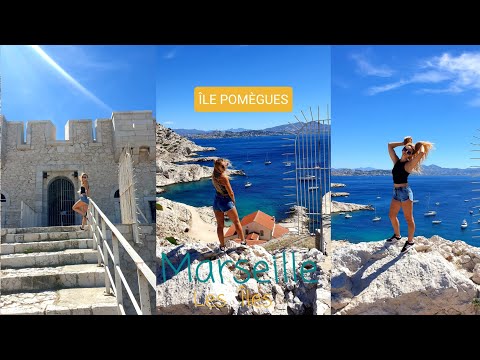
ÎLE POMEGUES – FORT DE POMEGUES – TOUR DE LA ÎLE …
HelenaWorldStory
You are currently viewing a placeholder content from Vimeo. To access the actual content, click the button below. Please note that doing so will share data with third-party providers.
More InformationYou are currently viewing a placeholder content from YouTube. To access the actual content, click the button below. Please note that doing so will share data with third-party providers.
More InformationYou need to load content from reCAPTCHA to submit the form. Please note that doing so will share data with third-party providers.
More InformationYou are currently viewing a placeholder content from GetYourGuide. To access the actual content, click the button below. Please note that doing so will share data with third-party providers.
More Information