
Île de Gavrinis: The Complete Travel Guide (2026)

Île de Gavrinis Travel Guide: Everything You Need to Know (2026)
Île de Gavrinis is a tiny island in the Gulf of Morbihan, Brittany, measuring just 750 metres long and covering roughly 8 hectares — one of the most extraordinary Neolithic sites in all of Europe. The island’s chambered cairn, built around 3500 BCE, contains 29 engraved stones with spiraling motifs so intricate they rival anything at Newgrange in Ireland. Located only 1.5 km from the Larmor-Baden jetty, this is a destination that punches far above its size.
Top 3 Highlights at a Glance
- Gavrinis Cairn — Europe’s most elaborately engraved Neolithic passage tomb, with 29 decorated slabs dating to 3500 BCE.
- Gulf of Morbihan Boat Crossing — A 15-minute ferry from Larmor-Baden reveals a stunning panorama of over 40 islands in one glance.
- Island Shoreline Walk — A circular 2 km coastal path wraps the entire island, offering solitary views across the sheltered gulf.
Scroll down for our complete travel guide with tips on getting there, where to stay, costs and more.
Arrival & Airport
How do I get to Île de Gavrinis?
Take the seasonal ferry from Larmor-Baden — there is no other way. In my experience, the easiest approach is to drive or take a bus to Larmor-Baden (a small village in Morbihan), then board the Izenah Croisières ferry, which takes roughly 15 minutes each way. Ferries operate from April through October, with roughly 6–8 departures daily in peak season. Outside that window, Gavrinis is simply closed to visitors — no exceptions. My tip: arrive at the Larmor-Baden embarcadero 30 minutes early in July and August, as queues form fast and boats fill to capacity.
Which airport is closest to Île de Gavrinis?
Lorient Bretagne Sud Airport (LRT) is the closest at roughly 40 km, but it has very limited routes — mostly domestic French connections. In practice, I recommend flying into Nantes Atlantique Airport (NTE), approximately 130 km away, which has far more international connections including budget carriers from the UK, Germany, and Spain. From Nantes, rent a car or take a TER train to Auray (about 75 minutes), then a taxi or bus the final 10 km to Larmor-Baden. What surprised me: Rennes Airport (RNS) at 110 km is another solid option if you find a cheap fare.
How long does the journey to Île de Gavrinis take from major cities?
From Paris, plan on 3.5 hours by TGV to Auray rail station, then a 20-minute taxi to Larmor-Baden, plus the 15-minute ferry — total door-to-island time of roughly 4.5 hours. From Nantes by car it’s about 1 hour 45 minutes. From Rennes, expect 1 hour 30 minutes by car. In my experience, the final stretch from Auray to Larmor-Baden is the trickiest without a car — local bus connections exist but are infrequent, running roughly 3 times daily. My tip: book the Auray-to-Larmor-Baden taxi in advance through a local operator like Taxi Auray Morbihan to avoid being stranded.
Do I need a car to visit Île de Gavrinis?
A car is strongly recommended, but not strictly essential. Without one, you must chain together a TGV to Auray, a bus or taxi to Larmor-Baden, and the ferry — feasible but stressful under a time crunch. With a car, you park in the free lot at the Larmor-Baden embarcadero and gain flexibility to explore surrounding Morbihan villages like Baden and Vannes on the same day. The honest caveat: the Larmor-Baden car park fills completely by 10:00 on summer weekends — arrive before 9:00 or consider a taxi from Auray instead. In my experience, combining Gavrinis with a car-based Gulf of Morbihan loop is the best use of your time.
City Transport
What are the best areas to stay near Île de Gavrinis?
Stay in Larmor-Baden for maximum convenience — it’s the departure village for the ferry and has a handful of charming chambres d’hôtes. Vannes, just 25 km away, is the most practical base with the widest hotel choice, excellent restaurants, and a beautiful medieval old town. Auray, 15 km from the embarcadero, is a quieter, more atmospheric alternative with excellent transport links. I recommend Vannes for first-time visitors who want evening dining options beyond a single village. The trade-off: staying in Vannes means an extra 30-minute drive each morning to catch the first ferry.
What does accommodation cost near Île de Gavrinis?
Budget €70–€110 per night for a decent 2-star or chambre d’hôtes in Larmor-Baden or Baden. In Vannes, a solid 3-star hotel in the historic centre runs €90–€150 per night in July and August. In my experience, the Hôtel Le Roof in Vannes offers excellent gulf views for around €130 in peak season — worth every euro. Self-catering gîtes in the Morbihan countryside go for €600–€900 per week in summer, which is far better value for couples or families staying 4+ nights. Warning: prices in this region spike 30–40% between mid-July and late August compared to June or September.
How far in advance should I book accommodation and ferry tickets for Île de Gavrinis?
Book ferry tickets at least 3–4 weeks ahead for July and August visits — the guided cairn tours have a strict capacity of around 20 people per group and sell out fast. Accommodation in Larmor-Baden itself (there are only a handful of rooms) should be booked 2–3 months in advance for peak summer. For Vannes hotels, 4–6 weeks is generally sufficient except during the Festival de Jazz à Vannes in late July, when you need 3 months lead time. In my experience, the biggest mistake travellers make is showing up in August without a booked ferry-and-cairn slot and being turned away entirely.
Are there special accommodation types worth considering near Île de Gavrinis?
Absolutely — the Gulf of Morbihan is one of France’s prime regions for floating accommodations and waterfront gîtes. I especially recommend searching for gîtes in Arradon or Le Bono, two villages within 15 km that offer private pool and sea-view properties for families. Several operators around Vannes offer glamping on working farms for around €80–€120 per night, which gives you a distinctly Breton rural experience. One genuinely special option: the Domaine de Rochevilaine in Billiers, a clifftop hotel about 30 km south, offers Relais & Châteaux quality from €220/night — a splurge that frames the entire Morbihan coast spectacularly.
Accommodation & Neighbourhoods
What are the must-sees on and around Île de Gavrinis?
The Gavrinis Cairn is non-negotiable — its engraved passage tomb is the finest of its kind in Western Europe, with spirals and geometric carvings covering virtually every stone surface. Beyond it, on the same day, visit the Cairn de Petit-Mont on the nearby Arzon peninsula and the Alignements de Carnac, the world’s largest concentration of standing stones, just 30 km east. In Vannes, the Saint-Pierre Cathedral and the Musée de Préhistoire de Carnac provide essential context for Morbihan’s megalithic culture. In my experience, skipping Carnac while visiting Gavrinis is like visiting Rome without seeing the Colosseum.
What can I experience for free on or near Île de Gavrinis?
The island shoreline walk (roughly 2 km circular) is free once you’ve paid the ferry — extraordinary gulf views at no extra charge. The Larmor-Baden village waterfront and its oyster beds are free to stroll at any hour. In Vannes, the ramparts and walled old town, the Jardins de la Garenne, and the covered market on Place des Lices cost nothing. The beaches at Arradon, 10 km from Vannes, are free and far less crowded than Atlantic coast beaches. My honest caveat: the cairn interior itself is only accessible on a paid guided tour — there is no self-guided free access, which disappoints some visitors.
Which day trips pair well with a visit to Île de Gavrinis?
Carnac is the obvious pairing — 30 km by car, and its 3,000+ standing stones create a full day of megalithic exploration combined with Gavrinis. Belle-Île-en-Mer, reachable by ferry from Quiberon in 45 minutes, is the most stunning Atlantic island in Brittany and works brilliantly as a 1-day extension. Auray’s Saint-Goustan quarter, a perfectly preserved medieval port just 15 km away, makes an effortless half-day add-on. I also recommend a boat tour of the Gulf of Morbihan operated by Navix or Izenah Croisières — a 2.5-hour loop passing 15+ islands that puts Gavrinis’ geography into beautiful perspective.
What local specialities should I try near Île de Gavrinis?
Morbihan oysters from the gulf’s own beds are the defining local food — order a dozen fines de claire at Larmor-Baden’s waterfront for around €12–€15, eaten with rye bread and salted Breton butter. Galettes de sarrasin (buckwheat crêpes) are the Breton staple; the best in the area are at Crêperie de la Fontaine in Auray. Locally caught sea bass (bar) and lobster from the Quiberon peninsula appear on every serious restaurant menu. For dessert, Kouign-Amann — a caramelized butter cake from Douarnenez — is unmissable. In my experience, pairing a Morbihan oyster platter with a glass of local Muscadet sur lie is the single best food memory this region produces.
Highlights & Must-Sees
What makes Île de Gavrinis unique compared to other Breton destinations?
Gavrinis holds a global record: its passage tomb contains the highest concentration of Neolithic engravings of any megalithic monument in the world — more decorated stones than Newgrange, Barnenez, or any site in Iberia. The island is also unique in that it is entirely owned by the Morbihan department and managed solely for heritage preservation — no residents, no hotels, no commercial development. What surprised me most: one of the cairn’s capstones was later confirmed to be a broken fragment of a 16-metre long engraved stele, shared with the Table des Marchands dolmen 4 km away — a Neolithic puzzle spanning two separate islands, only discovered in the 1980s.
How many days do I need to properly visit Île de Gavrinis and the surrounding area?
Gavrinis itself takes half a day — ferry, guided cairn tour (45 minutes), and shoreline walk. But the Morbihan region rewards 3–5 days minimum. In my experience, the ideal structure is: Day 1 Gavrinis + Larmor-Baden oysters; Day 2 Carnac alignements + Carnac Musée de Préhistoire; Day 3 Vannes old town + gulf boat tour; Day 4 Belle-Île day trip from Quiberon. The honest trade-off: trying to do Gavrinis as a single-day trip from Paris is possible but brutal — a 9-hour round journey for a 45-minute cairn tour feels rushed. Two nights minimum in Vannes or Auray transforms it into a genuinely immersive trip.
When is the best time to visit Île de Gavrinis?
June and September are the sweet spots — warm enough for comfortable outdoor touring, ferry services running fully, but without August’s crushing crowds. Climate data confirms June through September as the best travel months. July and August see the cairn’s guided tours booked 2–3 weeks in advance and the Larmor-Baden car park overflowing by mid-morning. In my experience, a Tuesday or Wednesday in early June is the closest thing to having Gavrinis to yourself. Avoid the Easter holiday week — French school holidays bring regional visitors in large numbers despite shoulder-season pricing.
Are there local festivals near Île de Gavrinis worth attending?
The Festival Interceltique de Lorient, held every August over 10 days, is one of Europe’s largest Celtic cultural festivals, drawing 600,000+ visitors to a city just 50 km from Gavrinis. It’s spectacular but doubles hotel prices across the entire Morbihan region. In Vannes, the Fêtes Historiques de Vannes in late July features medieval markets and street performances in the old city — free to attend and genuinely atmospheric. The Quiberon Oyster Festival in late October celebrates the local shellfish harvest with tastings from €2 per oyster. My tip: pair a September Gavrinis visit with Lorient’s post-festival calm — accommodation drops 25% after the second week of August.
Food & Drink
How does the weather around Île de Gavrinis affect activities throughout the year?
The Gulf of Morbihan’s microclimate is famously mild — Morbihan averages 2,100 sunshine hours annually, more than Nice in some years, earning it the nickname ‘the little sea that doesn’t freeze.’ Summer temperatures hover between 20–25°C with reliable sun from June to September. Atlantic winds are constant year-round; the gulf’s enclosed geography moderates them, but exposed island walks can feel brisk even in July. The ferry to Gavrinis is cancelled in high winds — this happens occasionally in spring and autumn with no refunds. My honest caveat: October through March, the cairn is closed entirely, the ferry stops running, and the island returns to absolute solitude.
How crowded does Île de Gavrinis get in peak season?
Very crowded by its own tiny scale. The cairn’s guided groups are capped at roughly 20 people, running back-to-back from 9:30 to 17:00 in high season — meaning only about 160 visitors per day can enter. The island’s paths are peaceful by any objective measure, but the ferry queue in August can mean a 1.5-hour wait if you don’t have a pre-booked slot. In my experience, booking the first ferry of the day at 9:30 from Larmor-Baden gets you onto the island before the midday heat and crowds. The trade-off: July and August give you the best weather but the worst access logistics — June is almost always the better call.
How safe is the Île de Gavrinis area for travellers?
Morbihan is among the safest regions in France — petty crime is extremely low and violent crime essentially nonexistent in this rural coastal area. The main safety concern on Gavrinis itself is tide and weather: the crossing is cancelled without warning in rough conditions, and if you miss the last ferry you are stranded on an uninhabited island. The last ferry typically departs around 17:30 — confirm the exact time when you board. In my experience, the car park at Larmor-Baden sees occasional vehicle break-ins during August peak — leave nothing visible in your car. Medical facilities are available in Vannes (25 km), which has a full hospital.
Is English widely spoken near Île de Gavrinis?
Basic English is understood at the ferry ticket office and in Vannes hotels, but Gavrinis is emphatically a French-speaking destination. The official cairn guided tour is conducted exclusively in French — there is no English-language tour option as of 2025. In my experience, the guides are excellent and passionate, and if you speak no French at all, ask for the English information leaflet available at the ticket counter. Restaurant menus in Vannes increasingly have English translations, but in Larmor-Baden and Baden you will want at minimum a translation app. My tip: Google Translate’s camera function handles Breton French menus perfectly and saves real frustration.
Practical Tips
What is the daily budget for visiting Île de Gavrinis and the Morbihan region?
Budget travellers spending carefully can manage €70–€90 per day — a gîte bunk or chambre d’hôtes at €50–€70, galette lunch at €12, ferry and cairn entry at €19, and a crêpe dinner at €15. Mid-range travellers should budget €130–€180 per day including a 3-star Vannes hotel, sit-down seafood lunch with wine, ferry ticket, and a gulf boat tour. In my experience, the biggest daily expense surprise is oysters and wine at waterfront restaurants — two people easily spend €60–€80 at dinner in Larmor-Baden’s better spots without feeling extravagant. Add a car rental at €45–€65 per day if you haven’t arranged one.
How does public transport work for visiting Île de Gavrinis?
Public transport to Gavrinis is functional but slow. From Auray rail station (TGV from Paris in 3.5 hours), bus line 1 of Breizh Go runs to Baden (9 km from the embarcadero) with roughly 4 services daily — a taxi covers the final stretch for about €12. Vannes has a local bus network (Kicéo) but no direct service to Larmor-Baden. In my experience, the combination of TGV to Auray + taxi directly to Larmor-Baden (about €18–€22) is the most practical car-free option and takes under 30 minutes from the station. The honest trade-off: without a car, you’re completely dependent on taxi availability for the final leg.
Which apps do you recommend for visiting Île de Gavrinis?
SNCF Connect is essential for booking TGV tickets to Auray — book 90 days in advance for the cheapest fares as low as €25 from Paris. Izenah Croisières’ own website (not an app, but mobile-optimized) is the only place to reserve your Gavrinis ferry and cairn tour slot — do it before anything else. Komoot is excellent for mapping the island’s coastal walk and linking nearby megalithic sites into a cycling or driving route. Babelio or Megalithia.com (browser) provides deep background on the cairn’s archaeology before you arrive. In my experience, downloading an offline Google Maps tile for the Larmor-Baden area saves real stress when rural mobile signal drops.
More Destinations in Europe
Explore our complete travel guides for more Europe destinations: Amsterdam Travel Guide (2026), Vienna Travel Guide (2026), Budapest Travel Guide (2026), Bilbao Travel Guide (2026), Málaga Travel Guide (2026).
Useful Resources for Planning Your Trip to Île de Gavrinis
- Wikipedia: Île de Gavrinis — history, geography and background
- Lonely Planet: Île de Gavrinis — itineraries and travel inspiration
- TripAdvisor: Île de Gavrinis — hotels, restaurants and traveller reviews
💬 Travelers Ask About Île de Gavrinis on Reddit
Suggestions for Brittany : r/FranceTravel
Hello! My husband and I are spend about 10 nights in Brittany in September and I’d love any suggestions you might have.…
The 5500-year-old Gavrinis passage tomb located on a …
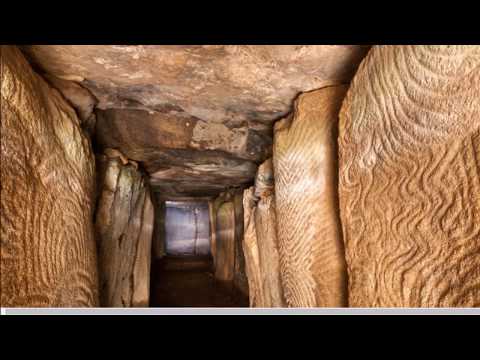
The tomb is famous for its narrow 14m long passage whose walls are decorated with carved patterns and symbols such as axe heads, horned animals and swirls.…
Visiting Bretagne for the first time
I think because you are coming into Rennes, the ideal would be to start around saint brieuc, go up to Paimpol and visit Ile de Brehat, then go ……
Community discussions from Reddit travel communities
🌍 More Destinations to Explore





🎥 Île de Gavrinis Travel Videos
Gavrinis | Neolithic Art and Submerged Stone Circles in …
MegalithomaniaUK
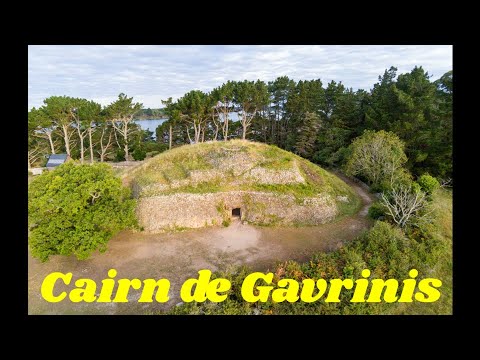
Discover the secret of the Gavrinis Cairn!
Le Tourisme Revisité
Gavrinis ~ Island Of Ancient Stones & Underwater Ruins?
cf-apps7865
You are currently viewing a placeholder content from Vimeo. To access the actual content, click the button below. Please note that doing so will share data with third-party providers.
More InformationYou are currently viewing a placeholder content from YouTube. To access the actual content, click the button below. Please note that doing so will share data with third-party providers.
More InformationYou need to load content from reCAPTCHA to submit the form. Please note that doing so will share data with third-party providers.
More InformationYou are currently viewing a placeholder content from GetYourGuide. To access the actual content, click the button below. Please note that doing so will share data with third-party providers.
More Information