
Mallorca: The Complete Travel Guide (2026)
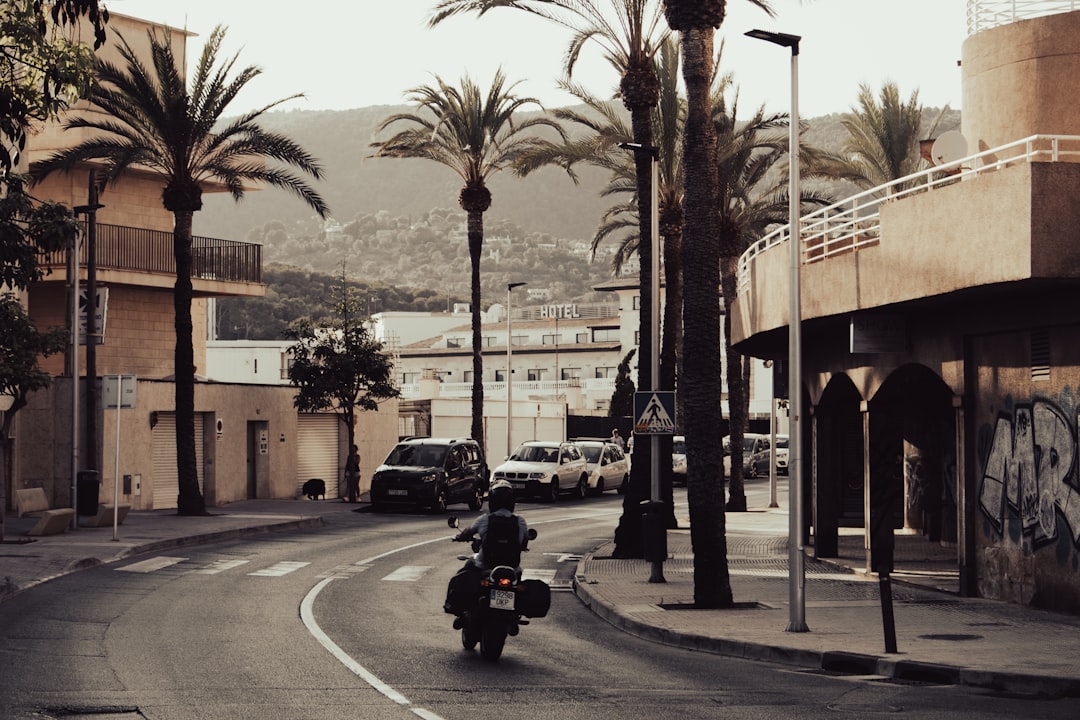
Mallorca Travel Guide: Everything You Need to Know (2026)
Mallorca is Spain’s largest Balearic island at 3,640 km², home to around 923,000 permanent residents and welcoming over 13 million tourists annually — more visitors per year than any other Mediterranean island. The island sits 200 km off the Spanish mainland, offers a mountain range (Serra de Tramuntana) topping out at 1,445 m, and has been a package-holiday staple since the 1960s while quietly hiding some of Europe’s most dramatic coastal scenery.
Getting to the Island
How do I get to Mallorca — by flight or ferry?
Flying is overwhelmingly the better choice for most visitors. Palma de Mallorca Airport (PMI) is one of Europe’s busiest airports, with direct flights from virtually every major European city — flights from London take under 2.5 hours, from Frankfurt around 2 hours. The ferry from Barcelona operates year-round and takes 7–8 hours overnight or around 4 hours on the fast Baleària catamaran. In my experience, the ferry is romantic in theory but exhausting in practice — budget travellers or those bringing a car are the only ones who consistently find it worthwhile. Ryanair and easyJet offer return flights from €60–€120 if booked early.
Which airport or port is the best starting point for exploring Mallorca?
Palma Airport (PMI) is your only realistic starting point — it handles all commercial flights and sits just 8 km from Palma city centre. The ferry port (Port de Palma) is right in the city, walkable from the old town. What surprised me: PMI is the 3rd busiest airport in Spain and summer arrival halls are genuinely chaotic — allow 45–60 minutes for baggage and exit. My tip: book airport transfers or your rental car pickup in advance rather than queuing at counters on arrival. The airport has a dedicated bus line 1 into central Palma for just €5.
How long does the ferry crossing to Mallorca take?
It depends entirely on which service you choose. The standard Trasmediterránea overnight ferry from Barcelona takes 7–8 hours, departing around 23:00 and arriving at 07:00. The fast Baleària catamaran covers the same route in 3 hours 45 minutes but costs significantly more — roughly €80–€140 per person one way versus €50–€90 for overnight. From Valencia the crossing is around 5 hours on fast services. My honest caveat: the fast catamaran is prone to cancellation in rough weather between November and March, leaving you stranded. I recommend it only in summer when the sea is calm.
What does a flight or ferry to Mallorca cost in 2026?
Flights from Northern Europe cost €60–€250 return depending on season and advance booking. Ryanair, easyJet, and Vueling dominate routes from the UK, Germany, and Scandinavia — booking 3–4 months ahead consistently gets you under €100 return. For the ferry, Barcelona to Palma on the standard overnight service starts at €50 per person in a seat, climbing to €180+ for a cabin. Adding a standard car costs €80–€150 extra. What most guides omit: ferry prices spike aggressively in July and August — I’ve seen cabin prices double compared to June rates for the exact same crossing.
Are overnight ferries to Mallorca worth it?
Only if you are bringing a car or travelling on a tight budget. The overnight crossing from Barcelona saves you a hotel night on paper, but shared reclining seats are genuinely uncomfortable and cabin quality on older Trasmediterránea vessels is below average. In my experience, arriving bleary-eyed at 07:00 in Palma wastes your first morning. The honest trade-off: if you book a private cabin from €130, it becomes a workable option — you board at 23:00, sleep, and wake up in Palma. Baleària’s newer vessels are noticeably cleaner. For a first visit, I’d always choose the flight.
Getting Around
Do I need a rental car or scooter to explore Mallorca?
Yes — a rental car is essential for anything beyond Palma and resort towns. The island’s best beaches, mountain villages like Deià and Fornalutx, and the Serra de Tramuntana coast road are completely inaccessible without wheels. Car rental from Palma Airport averages €35–€70 per day in summer 2026 through Goldcar or Centauro — local companies consistently undercut the international chains. My honest warning: fuel is sold at full-service stations only in small villages, and the mountain roads around Port de Sóller require confidence on narrow switchbacks. A scooter (from €25/day) works well in the southwest but is genuinely dangerous on mountain passes.
Are there buses between towns in Mallorca?
TIB (Transport de les Illes Balears) buses connect major towns but with frustrating limitations. The train from Palma to Sóller is a highlight — a scenic narrow-gauge railway running since 1912, costing €14 return and passing through orange groves. Buses reach Alcúdia, Manacor, Inca, and Pollença reliably. However, the north coast, Artà peninsula, and most rural areas have 1–2 buses per day at best, making day trips logistically painful without a car. In my experience, buses work well for a Palma-based city break but fail completely for island exploration. My tip: use the TIB app to check timetables before assuming a route is feasible.
What does a rental car cost in Mallorca — and where do I hire one?
Expect €35–€80 per day in peak summer for a compact car. April and October rates drop to €20–€40 per day. The best value comes from booking directly with Centauro or Goldcar at Palma Airport — their counters are a 5-minute shuttle from Arrivals. Always purchase the full insurance package or use a credit card with built-in collision cover (many premium Visa and Amex cards offer this) to avoid the aggressive upsell at the counter. The honest caveat most guides skip: scratch assessments on return are notorious at budget agencies here — photograph the entire car including the roof before driving away.
Which parts of Mallorca are accessible by public transport?
Palma, Sóller, Inca, and Alcúdia are genuinely accessible without a car. Palma’s EMT city buses cover the whole capital for €1.50 per ride. The Palma–Inca train line stops at 11 inland towns and costs €5 one way. The Palma–Sóller train plus the connecting tram to Port de Sóller is a full half-day experience. What surprised me: Cala Millor and parts of the east coast have reasonable summer bus frequencies, but services drop to near-zero outside June–September. The Serra de Tramuntana villages — Valldemossa, Deià, Banyalbufar — technically have buses but they run once or twice daily, making spontaneous exploration impossible.
Can I cycle around Mallorca?
Mallorca is one of Europe’s top cycling destinations — but not for casual tourists. The island hosts professional cycling teams for winter training from January through March precisely because the roads are exceptional. The flat route between Palma and Alcúdia along the bay is accessible to all fitness levels at 55 km. The Serra de Tramuntana road via Puig Major involves 1,000 m of climbing and is for fit cyclists only. Rental bikes start at €15/day for hybrids in Palma’s Cycle Classic shop. The honest trade-off: summer cycling is brutal — temperatures above 35°C in July and August make inland routes punishing. Stick to early morning starts before 09:00.
Accommodation
Which town in Mallorca should I base myself in?
Palma for culture, Pollença for authenticity, Alcúdia for beaches. Palma gives you the best restaurants, architecture, and nightlife within the old town’s medieval walls — ideal for a city-beach hybrid trip. Pollença in the north is a genuinely beautiful Mallorcan town with a famous 365-step Calvari staircase and no package tourism — my personal favourite base. Alcúdia combines a walled medieval town with the massive Platja d’Alcúdia beach. Avoid basing yourself in Magaluf or S’Arenal unless cheap all-inclusive nightlife is your explicit goal — those resorts offer almost nothing culturally. My tip: split your stay between Palma (3 nights) and the north (3 nights).
What does accommodation cost per night in Mallorca?
Budget €80–€150 for a decent mid-range hotel in peak season. In Palma’s Santa Catalina neighbourhood, good boutique hotels run €100–€180/night in July. Rural fincas (converted farmhouses) in the interior average €150–€250/night but offer extraordinary peace and pool access. The cheapest decent option: apartamentos around €60–€90/night in Alcúdia or Porto Cristo. In my experience, anything under €60 in July means a noisy package hotel on the Platja de Palma strip — not worth it for most travellers. Shoulder season (May and October) cuts prices by 30–40% for the same properties. Hostel dorms in Palma start at €25/night.
Which area of Mallorca suits which travel style?
Northwest (Serra de Tramuntana): dramatic scenery, hikers, cultural travellers. Villages like Deià and Valldemossa attract artists and writers — Robert Graves lived in Deià for decades. The northeast (Cap de Formentor, Pollença) suits families and nature lovers with calmer waters. The east coast (Cala Mondragó, Coves del Drac) rewards beach explorers willing to drive. Central Mallorca — Sineu, Petra — is for those wanting authentic rural island life with zero tourists. The southwest (Magaluf, Palmanova) is exclusively for package-holiday and nightlife crowds. My honest assessment: don’t mix the northwest and the southwest in one trip — they are culturally incompatible experiences.
How far in advance do I need to book accommodation in Mallorca?
Book at least 3–4 months ahead for July and August. The best fincas and boutique hotels in the Serra de Tramuntana and Pollença area sell out by March for peak summer. Palma city hotels have slightly more availability but quality properties above €120/night disappear fast. For September — still warm and less crowded — booking 6–8 weeks ahead is usually sufficient. What most guides won’t tell you: Easter week (Semana Santa) is as booked out as August in Mallorca — book 5–6 months ahead if visiting in April 2026. Last-minute deals in October and November are genuinely plentiful and often excellent value.
Are there good apartments or villas with sea views in Mallorca?
Yes — the northwest coastline has Europe’s most spectacular villa rentals. Properties near Port de Sóller and Deià with sea views rent from €350–€800/night for a villa sleeping 6, which becomes reasonable split between families. Airbnb and HomeAway listings in the northeast around Cala San Vicente offer apartments from €120/night with genuine sea views. My honest caveat: the Balearic Government has been restricting tourist rental licences since 2023 — always verify the property holds a valid ETV licence number before booking to avoid being turned away or fined. Unlicensed rentals risk real problems in 2026 as enforcement has intensified significantly.
Best Time to Visit
When is the best time to visit Mallorca?
May, June, and September are objectively the best months. Temperatures sit at 22–28°C, the sea is swimmable (above 21°C by June), crowds are 40% thinner than August, and prices are meaningfully lower. October still offers 20–25°C days and near-empty beaches — genuinely underrated. July and August deliver guaranteed sunshine and 30–35°C heat but the island feels overwhelmed, with Cala d’Or and Cala Agulla beaches at capacity by 10:00. My personal pick: the second half of September — summer crowds have left, the light is golden, and hiking conditions in the Serra de Tramuntana become ideal after the brutal summer heat subsides.
What is the weather like throughout the year in Mallorca?
Mallorca has 300 sunny days annually, but the shoulder months have more nuance than most guides admit. January–March: 10–15°C, occasional rain, mountain snow above 1,200 m — beautiful for cycling but cold for swimming. April–May: 18–24°C, lush green landscape, reliable sun with occasional showers. June–September: 26–35°C, almost zero rainfall, relentless sun. October–November: 20–25°C dropping to 15°C by November, with the island’s wettest month being October at around 65mm average rainfall. December: 12–15°C, quiet and authentic. What surprised me: Tramuntana wind events in winter bring spectacular rough seas to the north coast — dramatic to witness, impossible to swim in.
When does Mallorca get overcrowded?
The island is genuinely overwhelmed from mid-July through late August. During this period, the Platja de Palma strip and Cala d’Or are so packed that finding a beach space after 10:00 is genuinely difficult. The MA-10 mountain road through the Serra de Tramuntana sees traffic jams near Valldemossa from 11:00–14:00 daily. The honest warning most travel sites skip: Palma Cathedral (La Seu) queues reach 60–90 minutes in August. My tip: visiting the same spots in the first two weeks of June or the last two weeks of September gives you identical weather with dramatically better experiences. Even Formentor Beach — usually impossible in August — becomes accessible.
Is there a worthwhile shoulder season in Mallorca?
September is Mallorca’s best-kept secret and absolutely worth it. The sea temperature peaks at 26°C in September — warmer than July. Hotels drop prices by 20–35% after the first week. Hiking the GR221 long-distance route through the Serra de Tramuntana becomes genuinely pleasant once temperatures fall below 28°C. In my experience, the second half of October is underrated for culture-focused visitors — Palma’s restaurants are excellent, the light is extraordinary for photography, and you can walk into most sights without queuing. The caveat: water sports operators and beach clubs begin closing after October 15th, so don’t expect full summer infrastructure.
When does the beach and watersports season begin in Mallorca?
Official beach season runs May 1st through October 31st, with full lifeguard coverage and hire equipment. Water temperatures reach 20°C by late May — swimmable for those not cold-sensitive. Jet ski and parasailing operators at Platja de Muro and Cala Millor open by mid-May. Kitesurfing at Es Trenc beach runs May through October, with peak wind conditions in June and September. My honest caveat: swimming in April is possible on warm days but sea temperatures of 17°C are cold for most European visitors. Scuba diving operators like Octopus Diving in Port d’Andratx open year-round — winter visibility is actually superior to summer.
Budget
What does a daily budget cost in Mallorca?
Budget €80–€120/day excluding accommodation for a comfortable experience. Breakdown: breakfast at a local café €4–€7, lunch menú del día (3 courses with wine) €12–€16, dinner at a decent restaurant €25–€40, car hire €35–€50, and petrol roughly €10–€15 for a day of driving. A beer in Palma’s Santa Catalina neighbourhood costs €3–€4; the same beer at a beach club in Port d’Andratx costs €8–€12. In my experience, a week for two people including accommodation, car, food, and activities realistically costs €2,500–€3,500 total in peak summer — significantly more if you’re drawn to the luxury finca market.
Is Mallorca more expensive than the Spanish mainland?
Yes — budget roughly 15–25% more than Barcelona for equivalent quality. The island import premium affects everything from supermarket groceries to restaurant supplies. A menú del día costs €12–€16 versus €10–€13 in mainland Spain. Petrol runs €0.05–€0.10 more per litre than Barcelona. Hotel prices in peak season are dramatically higher than equivalent mainland cities. The honest trade-off: Mallorca’s beaches, mountain scenery, and overall infrastructure quality justify the premium for most visitors. My tip: the Mercadona supermarket chain (multiple Palma locations) sells food at near-mainland prices — self-catering even 3 nights per week cuts costs substantially versus eating out every meal.
What expenses in Mallorca are unavoidable?
Car rental plus fuel is your biggest unavoidable cost if you want to see beyond Palma. Budget €250–€400 for a week’s car hire including fuel in summer. Ferry or flight costs are fixed. Parking in Palma costs €2–€3 per hour in central zones — budget €10–€15 per day if driving into the city. The Palma Cathedral entry fee is €9, Coves del Drac is €15. What most guides understate: the mandatory tourist tax (Ecotaxa) has been rising annually — in 2026 it sits at €4 per person per night in peak season for 4-star hotels. Over a week for two people that’s €56 extra, billed separately by every hotel.
What does food cost in Mallorca — local versus tourist prices?
The price gap between local and tourist restaurants is enormous. A menú del día at a workers’ restaurant in Inca or Sineu costs €10–€12 for 3 courses including wine. The same meal at a beach-facing terrace in Port de Pollença costs €35–€50. Local ensaimada pastry at a Palma bakery: €1.50–€3. Same pastry in a tourist café near La Seu Cathedral: €5–€7. My tip: the Mercat de l’Olivar in Palma has a food hall where locals genuinely eat — fresh fish, tapas, and wine for €15 per person. Avoid any restaurant displaying photos of food on laminated menus — the markup is always brutal.
What are the best beaches in Mallorca?
Cala Mondragó in the southeast is Mallorca’s most beautiful accessible beach. Protected inside a natural park, its turquoise water and pine-backed coves are genuinely stunning. Es Trenc in the south is the island’s wildest long beach — 3 km of dunes with no development beyond one chiringuito. For dramatic mountain-meets-sea scenery, Sa Calobra is unmatched but brutal to reach (a 12 km single-track descent). The honest warning: Formentor Beach at the tip of the Formentor peninsula was so overcrowded that private vehicles were banned in peak season — check current access rules for 2026, as regulations keep changing. Cala Figuera near Santanyí remains genuinely quiet.
Experiences & Beaches
What are the top sights in Mallorca beyond the beaches?
The Serra de Tramuntana UNESCO World Heritage landscape is the island’s greatest non-beach asset. The Palma Cathedral (La Seu) — started in 1229 and still breathtaking — is unmissable. Valldemossa’s Carthusian monastery where Chopin spent winter 1838–39 is worth 2 hours. The Coves del Drac near Porto Cristo hold a 1.2 km underground lake — genuinely spectacular with a live classical music concert inside. In my experience, most visitors skip the Fundació Pilar i Joan Miró in Palma — Miró’s actual studio preserved exactly as he left it — and it rivals any major European art museum for atmosphere.
What watersports activities are available in Mallorca?
Mallorca offers every major Mediterranean watersport with professional infrastructure. Kitesurfing is world-class at Es Trenc with Kite Mallorca running lessons from €80/2 hours. Scuba diving around Cabrera National Park involves diving alongside Posidonia seagrass meadows in visibility up to 40 m — book through Dive College Mallorca in Colònia de Sant Jordi. Sea kayaking along the northwest cliffs near Cap de Ses Salines is extraordinary. My honest caveat: jet ski rental around the busy bays of Cala d’Or and Santa Ponça is essentially a tourist trap — overpriced, crowded, and rarely the experience shown in promotional photos.
What is the culinary highlight of Mallorca?
Sobrassada — the cured, spreadable red pork sausage — is Mallorca’s defining food product. Made exclusively from black Mallorcan pig (porc negre), the best versions come from Sineu market (held every Wednesday) or specialist shops in Palma’s old town. The island dish tumbet — layered aubergine, potato, and pepper in tomato sauce — is deceptively simple and outstanding. For seafood, arrós brut (literally ‘dirty rice’, a thick soupy rice with game and vegetables) is the authentic local version of paella. My tip: book a table at Celler Sa Premsa in Palma — a cavernous traditional restaurant operating since 1958, with mains under €18 and atmosphere money cannot manufacture.
Which parts of Mallorca are still off the beaten track?
The Llevant peninsula in the northeast is genuinely undervisited. The area around Artà, Capdepera, and Cala Torta sees a fraction of the visitors that crowd the southwest. Cala Torta beach requires a 3 km dirt road drive — the reward is often near-empty sands. The central plain (Es Pla) — towns like Petra, Porreres, and Montuïri — offers authentic Mallorcan life with zero tourist infrastructure. My personal favourite hidden gem: the Cap des Pinar military zone near Alcúdia, now partly open to hikers, with dramatic limestone cliffs and no facilities whatsoever. The honest caveat: off-the-beaten-track Mallorca requires a car and willingness to navigate by map, not by signage.
How many days do I need to properly explore Mallorca?
10–14 days gives you the complete Mallorca experience. A focused week (7 days) works if you choose either the north or the south — not both. My recommended split: 3 days in Palma (cathedral, old town, Santa Catalina food scene), 3 days in the northwest (Serra de Tramuntana, Sóller, Deià), 2 days in the northeast (Pollença, Formentor, Alcúdia beaches), and 2 days on the east coast (Coves del Drac, Cala Mondragó). In my experience, the travellers who stay only 4–5 days leave feeling they barely scratched the surface. The honest caveat: Mallorca rewards slow travel — rushing between highlights by car every day becomes exhausting by day 5.
Tours & Activities in Mallorca
More Destinations in Europe
Explore our complete travel guides for more Europe destinations: Huesca Travel Guide (2026), Dordogne Travel Guide (2026), Versailles Travel Guide (2026), Île de Boëd Travel Guide (2026), Normandie Travel Guide (2026).
Mallorca at a Glance
| Population | 949,047 |
|---|---|
| Currency | EUR (€) |
| Official language | Catalan, Spanish |
| Time zone | UTC+01:00 |
Source: Wikidata, retrieved August 2026.
Useful Resources for Planning Your Trip to Mallorca
- Wikipedia: Mallorca — history, geography and background
- Lonely Planet: Mallorca — itineraries and travel inspiration
- TripAdvisor: Mallorca — hotels, restaurants and traveller reviews
🎥 Mallorca Travel Videos
20 Things I Wish I Knew Before Visiting Mallorca
Destination Well Known
Mallorca Travel Guide 2026: Hidden Beaches & Things to Do …
ieva & karlis
15 MAJORCA TRAVEL TIPS! Don’t travel before watching this …
Travel Tips Group
You are currently viewing a placeholder content from Vimeo. To access the actual content, click the button below. Please note that doing so will share data with third-party providers.
More InformationYou are currently viewing a placeholder content from YouTube. To access the actual content, click the button below. Please note that doing so will share data with third-party providers.
More InformationYou need to load content from reCAPTCHA to submit the form. Please note that doing so will share data with third-party providers.
More InformationYou are currently viewing a placeholder content from GetYourGuide. To access the actual content, click the button below. Please note that doing so will share data with third-party providers.
More Information