
Chania: The Complete Travel Guide (2026)
Chania Travel Guide: Everything You Need to Know (2026)
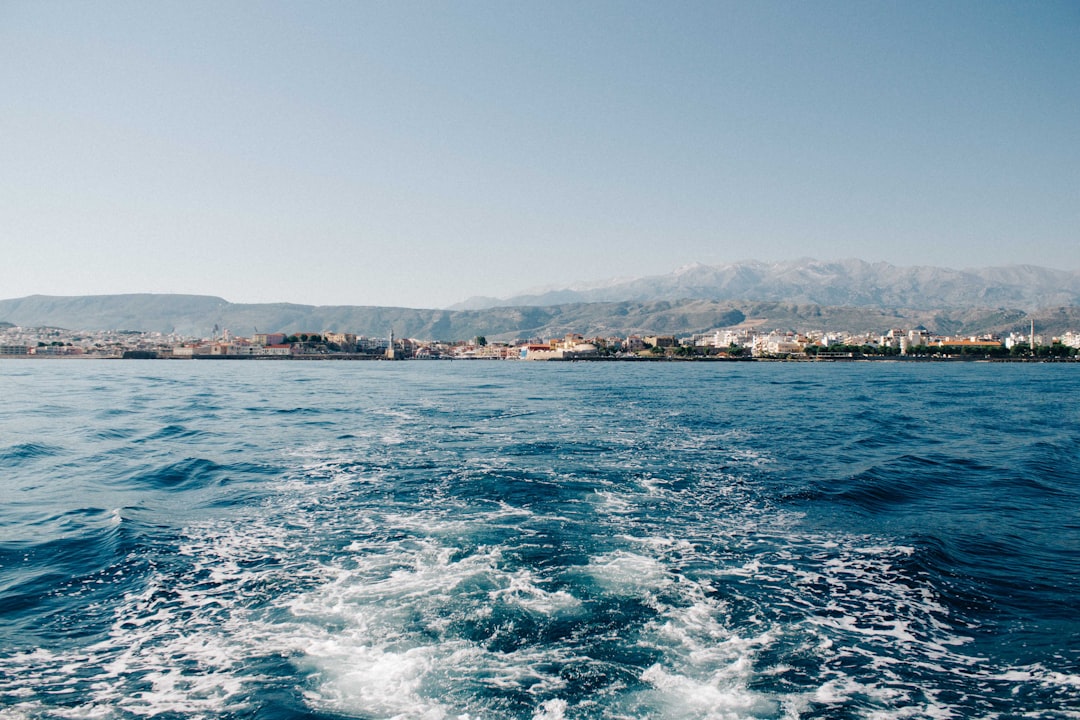
Chania is Crete’s second-largest city with a population of around 108,000, built on the ruins of ancient Kydonia dating back to 1700 BC, and sits on the northwest coast of Crete roughly 145 km west of Heraklion. The Venetian harbor, completed in the 14th century, is one of the best-preserved in the entire Mediterranean and still functions as the visual heart of the city. What most visitors don’t realize is that Chania is not a day trip — it’s a destination that rewards anyone who stays at least three nights.
Arrival & Airport
How do I get to Chania — do I need a car?
Fly directly into Chania International Airport (CHQ), then take the KTEL bus into the city center for €3 — no car needed for the city itself. The bus drops you near Plateia 1866, a 15-minute walk from the Venetian harbor. I recommend skipping the car entirely if you’re staying in the Old Town, where streets are too narrow to drive anyway. That said, if you plan to explore the Samaria Gorge, Elafonisi, or Balos Lagoon, renting a car for 1-2 days costs around €35-50/day from local agencies on Halidon Street — and it’s absolutely worth it for those excursions.
Is Chania worth staying overnight or just a day trip from Heraklion?
Chania absolutely deserves overnight stays — plan at least 2-3 nights. As a day trip from Heraklion it’s technically possible via the KTEL bus (2 hours, €14 one way), but you’d spend 4 hours round-trip in transit and miss the evening magic of the Venetian lighthouse at sunset and the atmospheric Splantzia neighborhood at night. What most guides omit: the best light for photography and the quietest streets in the Old Town are before 9:00 AM, which you simply can’t access on a day trip. Staying overnight also opens up access to morning seafood at the Municipal Market (Agora).
Where should I stay when visiting Chania?
Stay in the Old Town (Topanas or Splantzia neighborhoods) for the most atmospheric experience. Boutique hotels converted from Venetian mansions here cost €80-180/night in shoulder season. Splantzia is my personal favorite — quieter than the harbor-front, authentic, and a 5-minute walk to everything. Avoid booking directly on the waterfront of Akti Kountourioti if you’re a light sleeper — restaurant noise continues past midnight in summer, a fact almost no review mentions. For budget stays, Halepa neighborhood, about 1 km east of the center, offers guesthouses from €50/night with a short walk or €5 taxi to the harbor.
City Transport
How much time should I plan for Chania?
3 full days is the sweet spot for Chania itself. Day 1 covers the Venetian harbor, Maritime Museum, and Firkas Fortress. Day 2 I always dedicate to the Archaeological Museum (housed in the stunning former Church of San Francesco) and wandering Splantzia. Day 3 works perfectly for a day trip to Elafonisi beach (77 km southwest, about 1.5 hours by car) or the Samaria Gorge hike (16 km, roughly 5-6 hours). The caveat most travelers miss: trying to see everything in 2 days leads to rushing past the best part of Chania, which is simply sitting in the back streets watching daily life unfold.
What makes Chania special compared to other Cretan cities?
Chania’s layered history is unique on Crete — Minoan, Roman, Byzantine, Venetian, and Ottoman architecture coexist within a few hundred meters. The Venetian lighthouse dating to the 16th century and the Egyptian Lighthouse on the eastern breakwater are found nowhere else in Greece. What surprised me most is how the city genuinely functions as a living community, not a tourist stage — the Splantzia neighborhood still has a working mosque (Mosque of the Janissaries), butchers, and elderly locals playing backgammon. Unlike Rhodes Old Town or Santorini, it hasn’t been fully sanitized for tourism, and local life continues authentically alongside visitors.
What are the key sights in Chania I shouldn’t miss?
The Venetian harbor and lighthouse is non-negotiable — walk the full 1.3 km harbor promenade at dusk. The Archaeological Museum in Agios Fragiskos charges just €4 entry and houses Minoan artifacts that rival Heraklion but with zero crowds. The Leather Lane (Skridlof Street) for handmade Cretan boots is a genuine artisan experience, not a tourist trap. The Municipal Market (Agora) built in 1911 in a cross-shaped layout is perfect for local cheese, honey, and olive oil. My honest warning: the Cretan House Folklore Museum on Halidon Street is charming but small — budget 30 minutes max, not the 2 hours some guides suggest.
Accommodation & Neighbourhoods
What should I do in the surroundings of Chania?
Elafonisi (77 km, 1.5 hrs) with its pink-tinged sand is Europe’s most beautiful beach — go on a weekday before 9 AM in July-August or you’ll share it with 3,000 people. Balos Lagoon (55 km, 1 hr driving plus 20-min hike) is jaw-dropping but only accessible April-October. The Samaria Gorge (45 km, €5 entry) is the longest gorge in Europe at 18 km and closes November-April. Agia Triada Monastery (23 km) is genuinely off most tourist routes and architecturally stunning. The honest caveat: organized tours to Balos by boat from Kissamos port save the rough access road but cost €25-35 versus free with your own car.
What local specialities should I try in Chania?
Order dakos (barley rusk with tomato and mizithra cheese, €5-7) at any taverna in Splantzia. Boureki, a Chanian-specific pie of zucchini and cheese, is found only in this region and costs €3-4 at the Agora market. Kalitsounia (small sweet cheese pastries) from Iordanis Bougatsa on Apokoronou Street cost €2.50 and are the best breakfast in the city — arrive before 10 AM or they sell out. The honest warning: seafood restaurants directly on the Venetian harbor charge 40-60% more than identical dishes served 3 streets inland in Splantzia — the view costs real money.
What does a visit to Chania cost?
A comfortable mid-range day in Chania costs €80-110 per person including accommodation, meals, and one paid attraction. Budget travelers can manage on €45-60/day staying in a Splantzia guesthouse (€50-60/night), eating at market stalls, and walking everywhere. A sit-down dinner for two with wine in the Old Town averages €45-65 at a non-harbor restaurant. The hidden cost most travelers overlook: car rental for excursions adds €35-50/day plus €1.80/liter for fuel — budget an extra €60-80 for a full excursion day to Elafonisi or Balos. Museum entries are low across the board, averaging €4-6 each.
Highlights & Must-Sees
When is the best time to visit Chania?
May, June, and September are the ideal months — temperatures sit at 22-27°C, beaches are swimmable, and crowds are manageable. July and August bring 35°C+ heat and peak tourist pressure, with the harbor area uncomfortably crowded after 11 AM. October is underrated: €30-50 cheaper per night on accommodation, water still 22°C, and the Samaria Gorge is usually still open until early November. I specifically recommend early June — the mountainous Lefka Ori (White Mountains) behind the city still have snow caps providing dramatic contrast against the turquoise sea, a view that disappears by late June. Winter is quiet and mild but around 40% of restaurants close.
Is Chania accessible year-round and what changes between seasons?
Chania operates year-round, but the experience shifts dramatically. November through March brings temperatures of 10-16°C with periodic rain, and roughly half the Old Town businesses close entirely. The Samaria Gorge closes officially November 1 to April 15 due to flood risk. Elafonisi remains beautiful in winter but swimming is cold at 16-18°C. The honest trade-off: winter Chania is genuinely atmospheric and uncrowded — I’ve walked the entire harbor at 8 AM in December completely alone — but you need to accept limited restaurant choice and some melancholy closures. Chania Airport (CHQ) operates year-round with reduced frequency; direct flights from Northern Europe drop sharply after October.
How crowded does Chania get and when should I avoid it?
August is brutal — the harbor promenade is shoulder-to-shoulder from 11 AM to midnight, and harbor-front restaurants have waiting times of 45-60 minutes. Hotel prices in peak August hit €200-300/night for mid-range Old Town properties. The less-reported problem: the narrow streets of Topanas neighborhood become genuinely difficult to navigate with luggage due to tourist foot traffic in high summer. My firm recommendation is to avoid the last two weeks of July and all of August unless you book 6+ months ahead and accept the crowds. Greek Easter week (April 2026) also brings a significant domestic tourism surge, with hotels selling out 3-4 months in advance.
Food & Drink
What common mistakes do tourists make when visiting Chania?
Eating dinner on the Venetian harbor waterfront is the single most expensive and least authentic decision you can make — you’re paying €6-8 extra per dish purely for the postcard view. Booking accommodation on mapping apps without checking the exact street often lands people on Zambeliou Street, which is beautiful but has steep cobblestones impossible for wheeled luggage. Skipping the inland neighborhoods (Splantzia, Evraiki) in favor of just the harbor means missing 60% of what makes Chania special. The mistake I see most: trying to drive into the Old Town — the streets are 2-3 meters wide and parking is essentially non-existent; always park at Plateia 1866 and walk.
Parking or public transport — what works best in Chania?
Walk and use taxis within the city — public transport inside Chania is limited to infrequent local buses. For arrivals, the KTEL bus from CHQ airport costs €3 and runs roughly every 30-60 minutes, depositing you near the city center. For day trips, rent a car from local agencies on Halidon or Giampoudakis Street (€35-50/day) rather than international chains, which typically charge 25-30% more. Park at the paid lot near Plateia 1866 for €1.50-2/hour and walk everywhere from there. The honest caveat: GPS navigation inside the Old Town is unreliable — download Maps.me with offline Crete maps before arrival, as Google Maps regularly routes cars down pedestrian-only alleys.
Which nearby towns pair well with a visit to Chania?
Rethymno (78 km east, 1 hour by car or KTEL bus, €8) pairs perfectly — another Venetian harbor town but smaller and less visited, with a stunning 16th-century Venetian Fortezza charging €4 entry. Kissamos (Kastelli) (42 km west, 45 minutes) is the departure point for Balos boat trips and has a genuinely local feel with almost zero tourism infrastructure. Georgioupolis (38 km east, 30 minutes) offers a river mouth beach and a quieter base for those who find Chania’s Old Town too intense. My honest tip: combining Chania with Rethymno over 5-6 days using a rental car gives you the best of western Crete without doubling back on the same roads.
Tours & Activities in Chania
More Destinations in Europe
Explore our complete travel guides for more Europe destinations: Segovia Travel Guide (2026), Bordeaux Travel Guide (2026), Grenoble Travel Guide (2026), Île dOléron Travel Guide (2026), Valencia Travel Guide (2026).
Chania at a Glance
| Population | 54,559 |
|---|---|
| Currency | EUR (€) |
| Official language | Greek |
| Time zone | UTC+02:00 |
Source: Wikidata, retrieved August 2026.
Useful Resources for Planning Your Trip to Chania
- Wikipedia: Chania — history, geography and background
- Lonely Planet: Chania — itineraries and travel inspiration
- TripAdvisor: Chania — hotels, restaurants and traveller reviews
🎥 Chania Travel Videos

Chania: The Don’ts of Chania, Crete, Greece
Wolters World
How to spend 3 Days in Chania, Crete | Greece Travel Diary …
Just Xplored

You Need To Visit Chania | City Guide, History & Walkthrough
Ben Robson
You are currently viewing a placeholder content from Vimeo. To access the actual content, click the button below. Please note that doing so will share data with third-party providers.
More InformationYou are currently viewing a placeholder content from YouTube. To access the actual content, click the button below. Please note that doing so will share data with third-party providers.
More InformationYou need to load content from reCAPTCHA to submit the form. Please note that doing so will share data with third-party providers.
More InformationYou are currently viewing a placeholder content from GetYourGuide. To access the actual content, click the button below. Please note that doing so will share data with third-party providers.
More Information