
Porto: The Complete Travel Guide (2026)
Porto Travel Guide: Everything You Need to Know (2026)
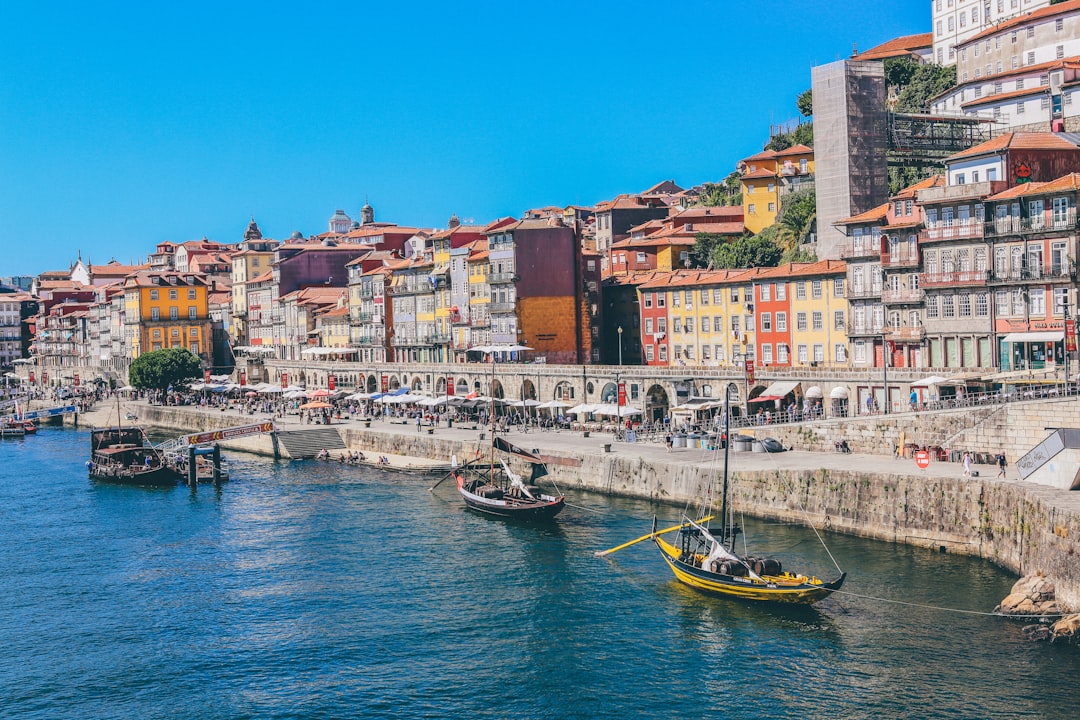
Porto, Portugal’s second-largest city with a population of 231,800, sits at 104 meters above sea level on the dramatic gorge of the Douro River. Founded as Portus Cale — the root of the name ‘Portugal’ itself — the city has been shaping wine, trade, and architecture since Roman times. Porto’s historic Ribeira district became a UNESCO World Heritage Site in 1996, and the city consistently ranks among Europe’s top urban destinations.
Top 3 Highlights at a Glance
- Livraria Lello — One of the world’s oldest bookshops, built in 1906, with a neo-Gothic staircase that reportedly inspired J.K. Rowling.
- Ribeira Waterfront — UNESCO-listed medieval quayside where you can board a traditional rabelo boat for a 1-hour Douro river cruise.
- Vila Nova de Gaia Cellars — Cross the Dom Luís I bridge to taste aged tawny Port directly from barrels in 19th-century riverside lodges.
Scroll down for our complete travel guide with tips on getting there, where to stay, costs and more.
Arrival & Airport
How do I get to Porto?
Fly directly into **Porto Francisco Sá Carneiro Airport (OPO)** — the fastest and most practical entry. In my experience, direct flights from London, Amsterdam, Paris, and Frankfurt are easy to find, often under **€60 one-way** with Ryanair or easyJet when booked early. From Lisbon, the **Alfa Pendular high-speed train** covers the **335 km in roughly 2 hours 45 minutes** and costs around **€25–35**. The bus operator **Rede Expressos** offers an even cheaper alternative at around **€20**, though the journey takes closer to 3.5 hours. My honest caveat: driving into Porto is a frustrating experience — the narrow medieval streets and aggressive one-way systems make a car more burden than asset.
Which airport serves Porto and how close is it?
**Porto Francisco Sá Carneiro Airport (OPO)** is the only relevant airport, located **11 km northwest** of the city centre in Maia. In my experience, it is one of Europe’s most efficient mid-size airports — you can clear arrivals and be on the metro in under 20 minutes. The **Metro Line E (Violet)** runs directly from the airport to **Trindade station** in the heart of Porto in **35 minutes** for around **$1.80** using an Andante card. What most guides omit: taxis and rideshares like **Uber** quote around **$20–25** for the same journey, but traffic on the **Via de Cintura Interna** ring road during evening rush hour can double that time.
How long does the journey from Porto Airport to the city centre take?
By **Metro Line E**, the journey from OPO to **Bolhão or Trindade stations** takes exactly **35 minutes** — my clear recommendation. By **Uber or taxi**, expect **20–30 minutes** off-peak, but easily **45–60 minutes** during Friday evening rush hour between 5pm and 8pm. What surprised me: the metro runs every **8–10 minutes** during the day and costs just **$1.80** with an Andante card — you load it at the airport terminal machines. My tip: buy a 24-hour Andante pass for **$6** if you plan to explore on arrival day, since Porto’s metro and buses all use the same card. Avoid overpriced hotel airport transfers that charge upwards of **$40** for the same corridor.
Do I need a car to explore Porto?
No — Porto’s historic centre is completely walkable and a car is genuinely counterproductive. In my experience, the **Ribeira, Bonfim, and Cedofeita** neighbourhoods reward pedestrian exploration, and the metro covers **6 lines** reaching Gaia, Matosinhos beach, and the airport. The only scenario where a rental car makes sense is if you plan day trips to the **Douro Valley wine country** (around **80 km east**) or the **Minho region** to the north, where public transport becomes thin. Rental cars at OPO start at around **$35–45 per day** with local operators like **Guerin or Goldcar**. My caveat: Porto’s cobblestone streets and near-zero parking options in the historical centre will cost you sanity and often a **$30+ parking fee** per night at hotel garages.
City Transport
What are the best areas to stay in Porto?
Stay in **Ribeira or Bonfim** for the most authentic Porto experience. Ribeira puts you steps from the Douro River and the medieval quarter, while Bonfim is where locals actually live — quieter, hipper, and 15 minutes on foot from the main sights. **Cedofeita** suits travellers who want gallery culture, independent restaurants, and the **Clérigos Tower** nearby. Avoid booking in **Matosinhos** if sightseeing is your priority — it is a 20-minute metro ride from the centre and most suited to beach-focused visits. What most guides omit: **Gaia**, directly across the Dom Luís I Bridge, offers lower accommodation prices with identical views of Porto’s skyline — sometimes **30% cheaper** than equivalent rooms in Ribeira.
What does accommodation cost per night in Porto?
Expect to pay around **$55 per night** for a clean, well-located economy hotel based on verified Numbeo data. Mid-range boutique hotels in **Bonfim or Cedofeita** run **$90–140 per night**. Design hotels with Douro views in **Ribeira** push **$180–250+** in summer. In my experience, the best value bracket is the **$80–110** range — guesthouses like those along **Rua do Almada** offer private rooms with breakfast in historic buildings without the tourist premium. My honest warning: Porto’s accommodation market has inflated sharply since 2018 due to short-term rental saturation, and anything under **$40** in the centre will come with shared bathrooms, thin walls, or a deceptive location described as ‘near Ribeira’ but actually 2 km uphill.
How far in advance should I book accommodation in Porto during high season?
Book **at least 8–10 weeks ahead** for June, July, and August — Porto’s verified best travel months. In my experience, quality rooms in **Ribeira and Bonfim** below **$120** vanish within days of the summer schedule opening on Booking.com. The **Festa de São João on June 23–24** is Porto’s biggest annual party — the entire city fills up and rooms double in price; book **4–5 months ahead** for that specific weekend. What surprised me: November through February is genuinely uncrowded, prices drop by **30–40%**, and you can walk into excellent restaurants without reservations. My tip: if travelling in shoulder season (April–May or September–October), **3–4 weeks** advance booking is usually sufficient for good availability.
Are there special or unique accommodation types in Porto?
Yes — Porto has a strong tradition of **azulejo-tiled townhouse guesthouses** called *casas de hóspedes*, where 19th-century tile facades wrap entire buildings. **Solar dos Mouros** in Ribeira and several boutique conversions along **Rua das Flores** have turned historic bourgeois townhouses into design guesthouses for **$100–160 per night**. In my experience, wine lodge stays in **Vila Nova de Gaia** — where Port wine barrels age in riverside caves — offer something genuinely rare: sleeping inside a working winery with cellar tours included. Also worth considering: **quintas** (estate farmhouses) in the Douro Valley, just **80 km east**, combine Porto day trips with rural wine country immersion for around **$90–120 per night** with breakfast.
Accommodation & Neighbourhoods
What are the must-see sights in Porto?
In my experience, three sights are non-negotiable. **Livraria Lello** (1906) is the most beautiful bookshop in Europe — entry costs **$6**, redeemable against a book purchase. The **Igreja de São Francisco** holds one of the most astonishing Baroque interiors on the Iberian Peninsula: **200 kg of gold leaf** cover the carved wooden walls. **Vila Nova de Gaia’s Port wine cellars** — particularly **Graham’s or Ramos Pinto** — offer tastings from **$15** that include guided tours of aging barrels. What surprised me: the **Serralves Foundation** contemporary art museum, set in a **18-hectare Art Deco park**, is world-class and almost always crowd-free on weekday mornings. The **Bolhão Market** (renovated in 2022) is free to enter and shows the city’s ungentrified food culture.
What can I experience for free in Porto?
Porto rewards budget travellers generously. The **Jardins do Palácio de Cristal** offers panoramic Douro views at zero cost, and the **Ribeira waterfront promenade** is one of Europe’s great free urban walks. Every **Sunday morning before 2pm**, the permanent collection at **Museu Nacional Soares dos Reis** is free — Portugal’s oldest public museum with **4,000 pieces**. In my experience, the single best free experience is crossing the **upper deck of Dom Luís I Bridge** on foot — the Douro panorama from **60 meters** up is equal to anything you’d pay for. My honest caveat: Livraria Lello now charges **$6** to manage crowds — it used to be free, and this change shocks many repeat visitors.
Which day trips are possible from Porto?
The **Douro Valley** is Porto’s finest day trip — a **80 km drive or 3-hour train** to **Pinhão** takes you into UNESCO-listed terraced vineyards. The **Lima River valley** around **Ponte de Lima** (60 km north) is Portugal’s oldest town and completely crowd-free. **Guimarães**, the birthplace of the Portuguese nation in 1143, is just **50 km northeast** and reachable by train in **1 hour for under $5**. In my experience, **Braga’s Bom Jesus do Monte** (55 km north) is one of Portugal’s most dramatic baroque staircases and takes half a day. My honest warning: the Douro Valley by public train is scenic but slow — if you want winery visits with flexibility, rent a car or book a **group tour from Porto for $55–75**.
What are Porto’s local culinary specialities?
**Francesinha** is Porto’s defining dish — a beer-and-tomato-sauce-smothered meat sandwich that locals eat as a full meal, typically costing **$12–16** at a proper café like **Café Santiago on Rua Passos Manuel**. **Tripas à moda do Porto** (slow-cooked tripe with white beans) gave Porto residents the nickname *tripeiros* — it costs around **$10** at a local tasca and divides tourists sharply. Bacalhau (salt cod) is served in **365 traditional recipes** — try *bacalhau à Gomes de Sá* with egg and potato. In my experience, the **Mercado do Bolhão** is the best place to graze on affordable local cheeses, chouriço, and bread for under **$8**. Pair everything with a chilled **Vinho Verde** — it comes from the region just north and costs **$3–4 a glass** locally.
Highlights & Must-Sees
What makes Porto unique compared to other European cities?
Porto is unique in three specific ways that no other European city replicates. First, the **entire city is fundamentally vertical** — the Douro gorge creates a dramatic 60-meter height differential between upper Porto and the waterfront, meaning every neighbourhood has cinematic staircase views. Second, Porto has Europe’s most intact urban **azulejo tile culture** — entire church facades, train stations, and apartment blocks covered in 18th-century hand-painted blue-and-white ceramic panels, best seen at **Estação de São Bento**. Third, it is one of the few places in Europe where you can taste a luxury product — **20-year-old tawny Port** — at its direct production source for **$8 a glass**. What most guides omit: Porto also has a remarkable living **Fado Portuense** tradition, darker and more melancholic than Lisbon’s, heard authentically at small clubs in **Miragaia** district.
How many days do I need in Porto?
**3 full days** cover Porto’s essential sights without rushing. Day 1: **Ribeira, São Bento station, and Livraria Lello** on foot. Day 2: **Gaia cellars and a Douro boat cruise** (around $18 for 1 hour), plus the Dom Luís I Bridge. Day 3: **Serralves, Foz do Douro** (where the river meets the Atlantic, 6 km west), and **Bolhão Market**. In my experience, 4–5 days lets you add a **Douro Valley day trip** and properly explore **Bonfim’s independent restaurant scene** without feeling rushed. My honest caveat: Porto rewards slow travel — visitors who cram it into a 2-night city break consistently say they wish they’d stayed longer. **5 days** with a Douro Valley excursion is the ideal sweet spot.
When is the best time to visit Porto?
**June, July, and August** are the verified best months based on climate data — long sunny days, temperatures around **25–28°C**, and the full festival calendar including **Festa de São João** on June 23. In my experience, **late September and October** are Porto’s best-kept secret: grape harvest season in the Douro Valley, fewer crowds, warm afternoons around **20–22°C**, and accommodation prices dropping by **25–30%**. My honest caveat: July and August bring real crowds to **Ribeira and Livraria Lello** — queues at the bookshop hit **45 minutes** at peak. If you hate tourist density, **May or October** deliver almost identical weather with dramatically fewer visitors. **January and February** are genuinely wet — Porto receives most of its annual rainfall in winter — but hotel prices fall to their yearly floor.
Are there local festivals in Porto worth attending?
**Festa de São João (June 23–24)** is Porto’s unmissable festival — the entire city stays out until dawn, locals hit each other with plastic hammers (a genuine tradition), and giant sardine barbecues fill every square. Book accommodation **4 months ahead**. The **NOS Primavera Sound festival** in **Parque de Serralves** typically runs in early June, drawing 100,000+ attendees over 3 days with tickets around **$80–120**. In my experience, the **Fantasporto International Film Festival** in February is completely overlooked by tourists and offers an authentic local cultural experience with some screenings free. The **Porto Jazz Festival** (May/June) runs open-air performances at **Alfândega do Porto** — many concerts are free. My caveat: the city during São João is genuinely overwhelming for light travellers — accommodation fills completely across Greater Porto.
Food & Drink
How does Porto’s weather affect activities throughout the year?
Porto’s **Atlantic climate** means mild, wet winters and warm, dry summers — the **Douro Valley wine tours** are most dramatic during **October harvest season**, while **Foz do Douro beach** is swimmable only from **June to September** when Atlantic water reaches **18–20°C**. In my experience, rainy November to February days are ideal for Porto’s exceptional indoor culture — **Serralves, Igreja de São Francisco, and the Casa da Música** are all uncrowded. The **Douro Valley by train** is genuinely beautiful in spring (April–May) when almond and orange blossom covers the terraces. My honest warning: even in July, Porto’s **north-facing hillside streets** stay cool in the shade — always bring a light jacket for evenings, which surprises visitors expecting Algarve-style heat.
How crowded does Porto get in peak season?
Porto in July and August is genuinely crowded — **Livraria Lello** queues hit 45 minutes, **Ribeira restaurants** require reservations, and the **Dom Luís I Bridge** becomes a photo-queue at sunset. In my experience, the Portuguese themselves largely vacation in August, meaning Porto’s own population swells the numbers beyond just international tourism. The **Douro cruise boats** sell out **3–5 days ahead** in peak summer. What most guides omit: even in peak season, walking **10 minutes uphill** from Ribeira into **Bonfim or Miragaia** drops tourist density by **80%** — these neighbourhoods feel like a different, unhurried city. My tip: visit Livraria Lello at **9:30am when it opens** — lines are **under 10 minutes** compared to afternoon waits.
How safe is Porto for travellers?
Porto is very safe by European standards — petty theft is the primary concern, not violent crime. In my experience, **Ribeira and Bolfão market area** see the most pickpocketing, particularly on crowded **tram line 1 (Elétrico 1)** along the waterfront. Keep bags zipped and in front in those specific areas. The **Bonfim and Cedofeita** residential neighbourhoods feel completely safe at any hour. My honest warning: Porto’s famous steep stairways and cobblestone streets are genuinely hazardous when wet — more tourists injure themselves slipping on **Escadas do Guindais** than in any crime incident. The **Fontainhas neighbourhood** feels slightly edgy after dark but is not dangerous — it just lacks the tourist infrastructure lighting of Ribeira. Emergency number: **112**.
Is English widely spoken in Porto?
Yes — English fluency in Porto is high, particularly among anyone under **40** in the hospitality industry. In my experience, staff at hotels, restaurants, and the major tourist attractions in **Ribeira and Gaia** speak confident English. **Livraria Lello, Serralves, and Graham’s Port Lodge** all operate tours in English as standard. My honest caveat: venture into residential **Campanhã or Ramalde** — working-class neighbourhoods well off the tourist trail — and English largely disappears. In local *tascas* (family restaurants), menus are often Portuguese-only and the owner may speak zero English — I recommend using **Google Translate’s camera function** to read menus, which works perfectly. A few words of Portuguese — *obrigado* (thank you), *por favor* (please) — are genuinely appreciated and warm interactions noticeably.
Practical Tips
What does a daily budget cost in Porto?
Based on verified Numbeo data: a **budget day** in Porto costs around **$55–75** — covering a **$55 economy hotel**, a **$10 cheap meal**, metro transport at **$1.80 per trip**, and one paid sight. A **mid-range day** runs **$130–180**: a boutique hotel, a **$25 mid-range dinner for two**, a Port tasting at **$15**, and a Douro cruise at **$18**. In my experience, Porto is noticeably cheaper than Lisbon — identical meals and accommodation consistently run **15–20% less**. My honest caveat: the costs that shock travellers are the premium restaurant additions — a bottle of decent Douro red at a Ribeira restaurant adds **$25–35** to a dinner bill that looked affordable on the menu. Stick to **house wine** or order Vinho Verde by the glass at **$3–4** to keep food costs controlled.
How does Porto’s public transport network work?
Porto’s transport is run by **STCP and Metro do Porto** and uses a unified **Andante card** (rechargeable, bought at any metro station for **$0.60**). The metro has **6 lines (A–F)** covering the airport, Gaia, Matosinhos, and all central neighbourhoods. A single fare costs **$1.80** (Zone 2, which covers most tourist trips). In my experience, the metro covers about **70%** of tourist needs — the historic centre’s steep alleys require foot travel regardless. **Tram line 1 (Elétrico)** along the Douro riverfront is a historic experience costing **$4 per ride** — picturesque but extremely slow and overcrowded in summer. My honest warning: the **funicular Guindais** (connecting Ribeira to upper Porto) runs only until **8pm** — stranded tourists attempting the 60-meter climb on foot after dinner is a common mistake.
Which apps do you recommend for navigating Porto?
**Uber** is essential — it works seamlessly in Porto, is **30–40% cheaper** than taxis, and avoids the language barrier entirely for addressing. For navigation, **Google Maps** has Porto’s metro and bus schedules accurately integrated and handles the city’s complex vertical terrain better than Apple Maps. **Zomato** is my preferred restaurant discovery tool for Porto specifically — it indexes local *tascas* that TripAdvisor overlooks. For Port wine planning, the **Wines of Portugal app** maps every Gaia cellar with opening hours and tasting prices. In my experience, **Too Good To Go** works in Porto and lets you grab unsold restaurant food bags for **$4–6** from quality spots in **Cedofeita** — a genuine budget hack. My honest tip: download **offline Google Maps** for Porto before arrival — the city centre’s stone buildings occasionally kill mobile signal in narrow alleys.