
Venezuela: The Complete Travel Guide (2026)
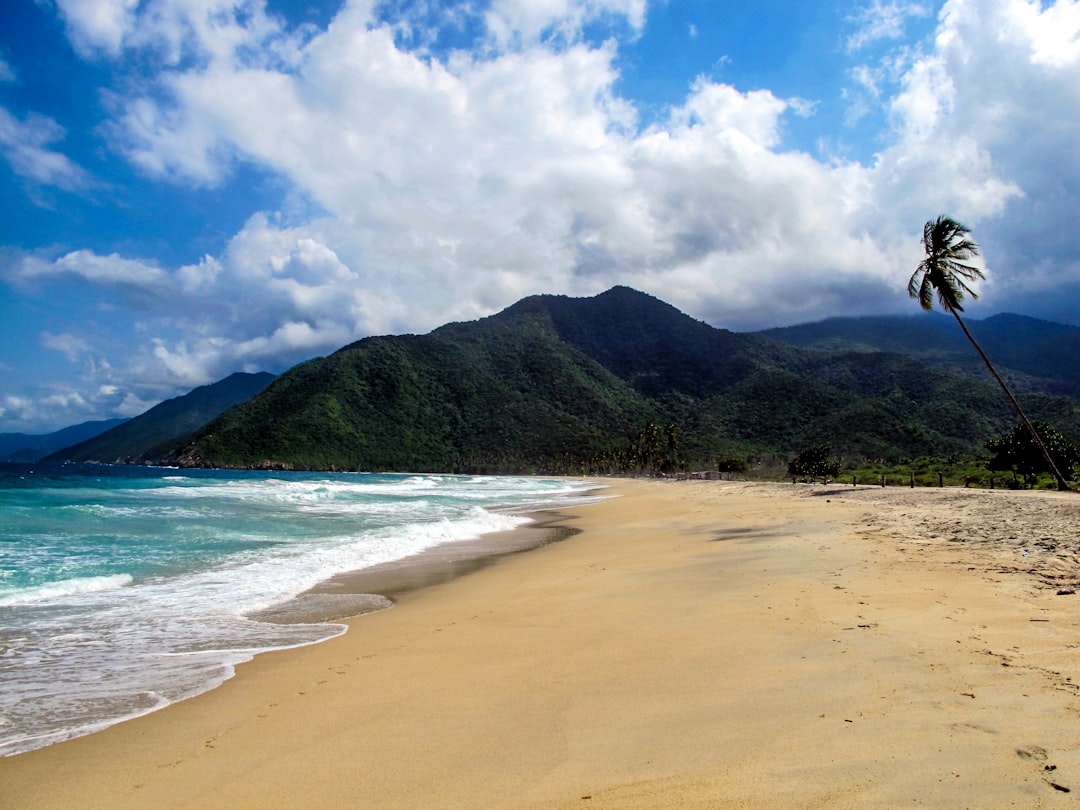
Venezuela Travel Guide: Everything You Need to Know (2026)
Venezuela covers 912,050 km² along South America’s northern coast and is home to 28,868,486 people, making it one of the continent’s most geographically diverse nations. It holds the record for the world’s highest waterfall — Angel Falls at 979 metres — and borders both the Caribbean Sea and the Amazon basin. Founded as a republic in 1830 after independence from Spain, Venezuela rewards adventurous travellers willing to navigate its logistical complexities.
Top 3 Highlights at a Glance
- Angel Falls (Salto Ángel) — Earth’s tallest uninterrupted waterfall at 979 metres, reachable only by light aircraft or river canoe through Canaima National Park.
- Los Roques Archipelago — A protected national park of 350 coral islands with water visibility exceeding 30 metres — Venezuela’s finest snorkelling destination.
- The Gran Sabana — A 10,000 km² highland plateau studded with flat-topped tepuis that inspired Arthur Conan Doyle’s ‘The Lost World’.
Scroll down for our complete travel guide with tips on getting there, where to stay, costs and more.
Getting There & Transport
Which airports are the best entry points into Venezuela?
**Simón Bolívar International Airport (CCS)** in Maiquetía, **35 km** from central Caracas, is the primary international gateway. In my experience, it handles the overwhelming majority of long-haul flights including routes from **Madrid, Panama City, and Bogotá**. A secondary option is **Santiago Mariño Caribbean International Airport (PMV)** on **Isla Margarita** if you’re heading straight to the coast. My tip: CCS has a reputation for long immigration queues — budget **60–90 minutes** after landing. What surprised me is how few airlines service Venezuela now; **Conviasa, Avianca, and Iberia** are your most reliable bets. Avoid connecting through Miami if you hold a US passport given current diplomatic tensions, which is a caveat most travel blogs don’t flag.
How do I get from the airport to my first accommodation in Venezuela?
Pre-arrange a **trusted transfer service** — do not take unmarked taxis from CCS. In my experience, the **35 km highway stretch between Maiquetía and Caracas** is one of Venezuela’s highest-risk zones for express kidnapping of arriving travellers. I recommend booking through your hotel directly or using a vetted agency like **Caracas Travel** for a fixed-rate transfer costing approximately **$25–40 USD**. The official **Metro Bus** connection exists but is unreliable and not advisable for first-time visitors with luggage. The drive takes **45–75 minutes** depending on notorious traffic. My tip: arrive during daylight hours — flights landing after **9 PM** dramatically increase your risk exposure on that corridor. This is the single most important logistical decision of your trip.
What transport options are there within Venezuela?
Within Venezuela you have **four realistic options**: domestic flights, long-distance buses, rental cars, and private transfers. Domestic flights on **Conviasa and Rutaca** connect Caracas to **Ciudad Bolívar, Porlamar, and Puerto Ordaz** for roughly **$30–80 USD** per sector, but schedules change frequently. Intercity buses from **La Bandera terminal in Caracas** reach Mérida in **9 hours** and Maracaibo in **11 hours** for under **$5 USD**. What surprised me is how functional the bus network remains despite the economic crisis — it’s actually the backbone of domestic travel. The caveat: night buses carry meaningful security risk outside of well-travelled corridors. I recommend flying wherever the budget allows and keeping road journeys to **daytime hours only**.
Do I need a rental car in Venezuela?
For most itineraries in Venezuela, **no — a rental car is not advisable**. In my experience, self-driving carries serious risks including fuel shortages outside major cities, roadblocks, and the hazard of being stranded with a foreign-plated vehicle. Petrol is technically near-free for Venezuelans but obtaining it as a foreigner involves complex voucher systems. My tip: hire a **local driver-guide for $60–100 USD per day** — this solves transport, language, and safety simultaneously and is standard practice among experienced Venezuela travellers. If you’re specifically exploring the **Mérida highlands or Gran Sabana**, some operators offer 4WD tours with experienced local drivers. Rental car infrastructure from international companies like **Hertz or Europcar** is minimal and unreliable at CCS.
How good is the public transport network between regions in Venezuela?
Venezuela’s inter-regional public transport is **functional but inconsistent**. The **por puesto** shared taxi system and long-distance buses from **Nuevo Circo and La Bandera terminals in Caracas** cover most major cities. Caracas to **Valencia** takes **2 hours** by bus; to **Puerto La Cruz**, about **5 hours**. What surprised me is that fares remain extremely cheap — often under **$3 USD** — though schedules are informal. The honest caveat: Venezuela’s road infrastructure has deteriorated significantly since 2015, meaning journey times can stretch unpredictably. There is no functioning passenger rail network of note. For regions like **Canaima or Los Roques**, domestic flights are the only practical option — there are no road connections. Budget **30% extra time** on any overland journey.
Accommodation
Which regions should I stay in when visiting Venezuela?
I recommend building your itinerary around **three anchor regions**: Caracas’s **El Hatillo and Las Mercedes** neighbourhoods for city access with lower risk than the centre; **Canaima** for Angel Falls and tepui landscapes; and **Los Roques Archipelago** for Caribbean beach time. If you’re drawn to colonial architecture, **Mérida in the Andes** at **1,640 metres** altitude offers cooler temperatures and a safer environment than the capital. The **Gran Sabana near Santa Elena de Uairén** rewards dedicated adventure travellers. What I’d avoid for overnight stays: **Caracas’s city centre, Maracaibo, and most of the coastal highway corridor** — these areas carry elevated security risks that outweigh their attractions for most international visitors.
What does good accommodation cost per night in Venezuela?
A solid mid-range hotel in Venezuela costs **$40–80 USD per night**, while top-end lodges like the **Campamento Canaima** or boutique posadas in **Los Roques** run **$100–200 USD per night** including meals. In **Mérida**, comfortable guesthouses start at **$25 USD**. What surprised me is that Venezuela operates a dual pricing reality — USD-denominated accommodation is common and often the only way to guarantee quality. My tip: always confirm payment currency upfront; some properties quote in **bolívares** at rates that can change daily. Budget guesthouses exist for under **$15 USD** but quality and safety vary enormously. I recommend mid-range options with **24-hour security and hot water** as baseline requirements — don’t cut corners here.
When should I book hotels in Venezuela — how far in advance?
Book **at least 6–8 weeks in advance** for Los Roques and Canaima lodges, which have very limited capacity. In my experience, **Campamento Canaima** and the posadas of **Gran Roque island** fill up entirely during December through March peak season — some small posadas have only **8–12 rooms** total. For Caracas and Mérida, **2–3 weeks** ahead is generally sufficient outside of Carnival week in February. The honest caveat: Venezuelan accommodation operators sometimes cancel bookings at short notice due to operational issues — I always confirm reservations **72 hours before arrival** and have a backup option identified. International booking platforms like **Booking.com** have limited Venezuelan inventory; direct email or WhatsApp contact with properties is often more reliable.
When is the best time to travel to Venezuela?
**December through April** is the best time to visit Venezuela, coinciding with the dry season. Climate data confirms **December** as the optimal month overall. In my experience, Angel Falls is most spectacular with full water flow during the **wet season (June–October)**, creating a genuine trade-off — you get the best waterfall spectacle in August but muddy trails and more difficult access. **December to March** offers clear skies for the Gran Sabana tepuis and ideal beach conditions on Los Roques. Mérida’s Andean festivals cluster around **September** (Feria del Sol). My tip: if Angel Falls is your priority, visit in **September or October** for maximum flow — the falls can thin to a trickle by March, which no travel brochure tells you upfront.
How does peak season affect prices in Venezuela?
Peak season from **December to February** drives Los Roques posada prices up by **30–50%**, with the archipelago’s limited accommodation of roughly **300 beds total** creating genuine scarcity. Domestic flights to **Canaima and Porlamar** also spike during Venezuelan national holidays — particularly **Carnival (February)** and **Christmas week**. What surprised me is that Caracas hotel prices are less seasonally volatile than you’d expect — business travellers drive occupancy year-round. My tip: book Los Roques for **May or November** shoulder months — prices drop to peak-season lows while weather remains acceptable with **85% of dry-season sunshine hours**. The caveat: operating businesses sometimes reduce services in low season, so confirm restaurant and tour availability when booking shoulder-period trips.
Best Time to Visit
Which regions of Venezuela have different climate zones?
Venezuela contains **five distinct climate zones** within its 912,050 km². The **Caribbean coast and Los Roques** run hot and dry at **27–31°C** year-round. **Caracas sits at 900 metres** elevation, giving it a perpetual spring climate averaging **22°C** — misleadingly comfortable. The **Andes around Mérida** reach **4,978 metres** at Pico Bolívar and experience genuine cold with frost above **3,500 metres**. The **Llanos plains** bake at **35–40°C** in dry season and flood entirely during wet season. The **Amazon and Guayana Highlands** (Canaima, Gran Sabana) receive over **2,000 mm** of annual rainfall and maintain constant tropical humidity. In my experience, packing for Venezuela means bringing clothes for **three different climates simultaneously** if you’re covering multiple regions.
What are the rainy seasons in Venezuela?
Venezuela’s main rainy season runs **May through November**, with peak rainfall in **July and August**. The **Llanos region floods so completely** between June and September that roads become impassable and wildlife concentrates dramatically — making it the best time for wildlife watching but the worst for road travel. The **Guayana Highlands and Canaima** receive rain year-round but peak between **June and September**. What surprised me: **Caracas at 900 metres** gets afternoon thunderstorms even in the dry season — bring a light rain jacket regardless of when you visit. The **Caribbean coast and Margarita Island** sit in a rain shadow and remain relatively dry even during the national wet season, receiving under **500 mm** annually. This is the region to target if you’re visiting between July and October.
What does a trip to Venezuela cost per person per day?
Budget **$60–80 USD per day** for a comfortable independent trip in Venezuela. This covers mid-range accommodation (**$40–60 USD**), three meals (**$10–15 USD**), and basic local transport. Adventure itineraries including **Canaima lodge packages** run **$150–250 USD per day all-inclusive**. What surprised me: Venezuela is no longer the ultra-budget destination it was a decade ago — the dollarisation of the economy since 2019 means USD prices have converged closer to regional norms. My tip: the extreme budget of **$25–35 USD daily** is technically achievable staying in local guesthouses and eating at **areperas**, but it requires Spanish fluency and comfort with significant uncertainty. I recommend against penny-pinching here — the marginal safety and comfort benefits of spending $60 versus $25 daily are substantial.
How expensive is food in Venezuela?
Food in Venezuela spans an enormous range. A **local arepa or empanada** from a street stall costs **$0.50–1 USD**; a full meal at a mid-range Caracas restaurant in **Las Mercedes** runs **$8–15 USD**; a proper dinner at a top restaurant like those in **Altamira** costs **$20–40 USD per person**. In my experience, Venezuela offers some of the best value-for-quality dining in South America at the local level — a **pabellón criollo** (the national rice-and-black-bean dish with beef) costs under **$3 USD** at a proper Venezuelan comedor. The caveat: tourist areas like **Gran Roque** on Los Roques charge European prices — budget **$15–25 USD per meal**. Supermarket food shopping in bolívares remains very cheap, though product availability fluctuates unpredictably.
What hidden costs should I expect in Venezuela?
The biggest hidden cost in Venezuela is **safety infrastructure** — trusted drivers, vetted transfers, and reputable guides add **$50–150 USD** to your daily budget that standard cost comparisons omit. Airport departure taxes run approximately **$40 USD** for international flights, sometimes payable only in cash. Tour packages to **Canaima and Angel Falls** include a **$15 USD national park entry fee** not always quoted upfront. In my experience, **ATM fees are irrelevant** because functional international ATMs barely exist — bring all USD cash you’ll need for the entire trip. Medical evacuation insurance covering **helicopter extraction** from remote areas like the Gran Sabana is non-negotiable and typically costs **$100–200 USD** for a two-week policy. Factor these in before comparing Venezuela to cheaper South American destinations.
Budget & Costs
How much cash should I bring to Venezuela?
Bring **all the USD cash you’ll need for your entire trip** — do not rely on withdrawing money in Venezuela. In my experience, the international ATM network is effectively non-functional for foreign cards as of 2025, and card payment infrastructure for foreign Visa/Mastercard is unreliable outside of a handful of upscale Caracas hotels. I recommend carrying **$500–800 USD in cash** for a 7-day trip, split between a money belt and your bag. Use **$50 and $100 bills** where possible — they’re preferred and offer better exchange rates on the street. The caveat: do not exchange money at the official bank rate; the **parallel (blue dollar) rate** is 15–20 times higher and is the functional economic reality. Exchange through your hotel or a trusted local contact, never on the street.
Which credit cards are accepted in Venezuela?
Credit card acceptance in Venezuela is **unreliable for international visitors**. A small number of upscale hotels in **Las Mercedes and Altamira in Caracas** and top restaurants accept **Visa and Mastercard**, but authorisation failures are common. In my experience, treat credit card acceptance as a bonus rather than a plan — I’ve had cards declined at hotels that listed them as accepted. **American Express** is virtually useless outside of the **Caracas Marriott**. The underlying issue is Venezuela’s disconnection from the international SWIFT banking system, which creates processing delays and failures. My tip: bring **crisp, undamaged USD bills** as your primary payment method. Some vendors also now accept **USDT (Tether) or Bitcoin** via QR code — I’ve seen this increasingly in Caracas and Mérida as a functional workaround.
Which regions of Venezuela must I not miss?
Three regions are non-negotiable for any serious Venezuela itinerary. **Canaima National Park (UNESCO World Heritage, 30,000 km²)** for Angel Falls and the tepui landscape — nothing on Earth compares. **Los Roques Archipelago**, a **225 km² national park** north of Caracas, for Caribbean snorkelling and kite-surfing in gin-clear water. And the **Gran Sabana plateau in Bolívar State**, where the **Roraima tepui** rises **2,810 metres** and borders Brazil and Guyana simultaneously. In my experience, Venezuela’s natural regions deliver experiences that dwarf its urban attractions — the gap between city and wilderness quality is wider here than anywhere else in South America. If pressed to cut one, skip extended time in **Caracas** and allocate those days to Canaima or the Gran Sabana.
What are the tourist highlights of Venezuela?
**Angel Falls** at 979 metres remains the single most iconic attraction — 16 times the height of Niagara. **Los Roques** offers world-class kite-surfing and snorkelling in a protected marine environment. The **Roraima Trek** (6 days, 120 km round-trip) is one of South America’s great wilderness walks. **Mérida’s cable car** (when operational) reaches **4,765 metres** on Pico Espejo — among the world’s highest. The **Llanos wetlands** deliver jaguar, giant anteater, and anaconda sightings between December and April. What surprised me: Venezuela’s **colonial towns** like **Coro (UNESCO-listed)** and **Ciudad Bolívar’s historic centre** are genuinely beautiful and almost completely overlooked by international visitors who focus solely on natural attractions. These reward slower travellers.
What experiences in Venezuela are found nowhere else on Earth?
**Three experiences exist nowhere else on Earth**. First, watching Angel Falls from a **curiara dugout canoe** on the **Churún River** as the waterfall appears through jungle mist at dawn — the approach is as powerful as the falls themselves. Second, sleeping on the **summit plateau of Roraima tepui**, where unique endemic species evolved in isolation for millions of years on a surface the size of **a 31 km² island in the sky**. Third, witnessing **Catatumbo Lightning** on Lake Maracaibo — a meteorological phenomenon producing up to **40,000 lightning strikes per night**, 160 nights per year, that has been used as a navigation beacon since the 16th century. In my experience, Catatumbo Lightning is the most underrated natural spectacle in South America and one few travellers know exists.
Regions & Highlights
Which areas of Venezuela are overcrowded — and what are the quieter alternatives?
**Margarita Island (Nueva Esparta)** is Venezuela’s most overcrowded tourist zone, packed with Venezuelan domestic tourists and package-tour infrastructure that overwhelms the island’s natural assets. My alternative: fly to **Los Roques** instead — it’s **200 km further** and **$80–120 USD more** for the flight, but delivers dramatically superior beaches with a fraction of the crowds. **Canaima camp** itself gets busy in December–February — ask operators about camps at **Kavac or Ucaima**, which are smaller and closer to secondary falls with fewer visitors. What surprised me: **Mérida city** sees relatively few international tourists despite being one of Venezuela’s most functional and enjoyable destinations, with a thriving **university town atmosphere** and adventure sports access that rivals anything in Colombia or Ecuador.
How many days do I need for Venezuela?
**14 days is the realistic minimum** for a meaningful Venezuela trip covering multiple regions. In my experience, the logistics — primarily flight schedules for **Canaima (45-minute flight from Ciudad Bolívar)** and **Los Roques (40-minute flight from Caracas)** — force a minimum of **3 nights per remote destination** to justify the cost and travel time. A focused 7-day trip is possible if you choose **one wilderness destination only** — either Canaima or Los Roques, not both. The **Roraima Trek alone requires 6 days** minimum. My recommended structure: **2 nights Caracas → 3 nights Canaima → 4 nights Los Roques → 1 night Mérida transit**. The caveat: add **2 buffer days** for domestic flight delays, which are endemic to Venezuelan aviation and can cascade through your entire itinerary.
Do I need a visa for Venezuela?
**Citizens of most EU countries, Canada, and Japan enter visa-free** for up to 90 days. **US citizens face the most complexity** — Venezuela and the US severed diplomatic relations and the visa situation for Americans requires checking the current **IASB (Venezuelan consular) status** in your country, as it changes. In my experience, the **tourist card (tarjeta de turismo)** issued on arrival at CCS is the standard entry document for eligible nationalities and costs approximately **$30 USD** payable on arrival. Australians and New Zealanders are also visa-free. Always check the current status within **60 days of travel** through your country’s foreign ministry, as bilateral relations affect entry requirements unpredictably. The caveat: entry is only one hurdle — your government’s **travel advisory** for Venezuela is equally important to review.
What languages are spoken in Venezuela?
**Spanish is the sole official language**, spoken by the vast majority of Venezuela’s 28,868,486 residents. In my experience, English proficiency is **extremely limited** outside of upscale Caracas hotels and tour operators catering to international visitors — far less than in Colombia or Peru. The **Wayuu, Pemón, and Yanomami** indigenous communities in the Guayana Highlands, Los Llanos, and Zulia state maintain their own languages, and Pemón-speaking guides are standard on Roraima treks. My tip: invest **10–15 hours** in basic Spanish before arriving — it will transform your experience, particularly when dealing with transport, accommodation, and emergency situations. Download **Spanish from Google Translate offline** for your specific Venezuelan trip. No one in a Caracas bus terminal will speak English.
What cultural rules do I need to know before visiting Venezuela?
**Photography of military installations, checkpoints, and uniformed personnel is illegal** and can result in immediate detention — this is enforced, not theoretical. In my experience, Venezuelans are extraordinarily warm and hospitable once trust is established; greeting with a **handshake or cheek kiss** (one kiss, right cheek) is standard even on first meeting. Refusing food or drink offered in a home is considered rude — accept and taste even if you eat little. **Punctuality is flexible** in social contexts but expected in business. The honest caveat: discussing **politics, the Maduro government, or the economic crisis** with people you’ve just met can put locals in an uncomfortable position — follow their lead on these topics rather than initiating. Dress modestly when visiting **churches or indigenous community areas**.
Practical Tips
How safe is Venezuela for travellers in 2026?
**Venezuela carries a genuine, elevated security risk** that requires serious pre-trip preparation — not paranoia, but informed planning. Caracas consistently ranks among the world’s most dangerous cities with **homicide rates above 40 per 100,000**. In my experience, travellers who stay in **Altamira, Las Mercedes, and El Hatillo** in Caracas, use trusted transfers, and avoid walking after dark dramatically reduce their risk. The **wilderness regions — Canaima, Los Roques, Gran Sabana** — are notably safer than the cities and experience very little tourist-directed crime. My tip: join a **vetted small-group tour operator** like **Lost World Adventures or Natoura** for your first Venezuela trip — the security vetting they provide is worth far more than the cost. Register with your embassy before arrival and share your itinerary with someone at home.
What health precautions should I take before visiting Venezuela?
**Yellow fever vaccination is mandatory** for travel to the Amazonian and Guayana regions including Canaima and Gran Sabana — carry your physical **yellow card certificate**. Malaria prophylaxis is strongly recommended for all jungle and Llanos travel; consult a travel medicine specialist about **Malarone or Doxycycline** at least **4 weeks before departure**. In my experience, Venezuela’s healthcare infrastructure has deteriorated severely — major hospitals in Caracas lack reliable supplies of basic medications. Bring a **comprehensive personal medical kit** including antibiotics, rehydration salts, and any prescription medications. Dengue fever is present year-round; **DEET-based repellent (30%+ concentration)** is essential. **Medical evacuation insurance covering helicopter extraction** to Colombia or the US is non-negotiable — verify your policy covers Venezuela specifically, as some exclude high-risk countries.
What SIM card or eSIM options are available in Venezuela?
**Buy a local SIM from Movistar or Digitel** at CCS airport on arrival for approximately **$5–10 USD**. In my experience, **Movistar** offers the best 4G coverage in Caracas and main cities, while **Digitel** performs better in some southern regions near Bolívar state. Coverage outside major cities and in remote areas like **Canaima or Gran Sabana** is negligible — plan for no connectivity in wilderness zones. International eSIMs from providers like **Airalo** work for data in urban areas but roaming costs are high. My tip: a local Movistar SIM with a **$10 USD data package** gives you adequate urban connectivity and costs less than one hour of international roaming. WhatsApp is the primary communication tool Venezuelans use — set it up on your local number immediately, as guides and hotels communicate almost exclusively via WhatsApp.
Which apps do you recommend for travelling in Venezuela?
**WhatsApp** is essential — non-negotiable for contacting guides, hotels, and transport in Venezuela where formal booking systems don’t exist. **Google Maps offline** downloaded for Caracas and Mérida before arrival works reasonably well; in my experience, it’s accurate enough for city navigation. **XE Currency** helps track the daily USD/bolívar parallel rate, which affects every cash transaction. **iNaturalist** is outstanding in Canaima and the Gran Sabana for identifying the extraordinary endemic flora on tepui summits. **Google Translate offline Spanish pack** is essential given the low English proficiency. What surprised me: **Instagram** functions as a de facto business directory in Venezuela — most small tour operators, posadas, and restaurants maintain active Instagram accounts with current pricing and availability, often more reliable than any other source of information.
What are the most common traveller mistakes in Venezuela?
**Underestimating the cash logistics** is the single biggest mistake — arriving with only a card and **$200 USD** for a 10-day trip has stranded travellers I’ve met. Second: booking flights and accommodation **without buffer days**, then missing connections when domestic flights cancel with no notice. Third: **photographing checkpoints, military police, or government buildings** — I’ve seen travellers detained for 4 hours for this. Fourth: visiting **Margarita Island** instead of **Los Roques**, spending the same budget on an inferior beach experience. Fifth: relying on **online travel reviews from 2019 or earlier** — Venezuela’s tourism infrastructure changed dramatically after 2019 dollarisation and COVID. My tip: join the **Venezuela Travel Facebook group** to get current, week-by-week ground-truth information from travellers who were there recently — it’s the most reliable source available.