
France: The Complete Travel Guide (2026)
Last reviewed: October 2026 · key facts checked against Wikidata
France Travel Guide: Everything You Need to Know (2026)
France, home to 68,605,616 residents, is the world’s most visited country, welcoming over 100 million international tourists annually — more than any other nation on Earth. Founded as a unified kingdom in 987 AD under Hugh Capet, the country spans 551,695 km² from the English Channel to the Mediterranean. From Mont Blanc at 4,808 metres — Western Europe’s highest peak — to the vineyards of Bordeaux and the beaches of Corsica, no European destination packs more variety into a single passport stamp.
Top 3 Highlights at a Glance
- Palace of Versailles — Louis XIV’s 700-room royal château drew 10 million visitors in 2023 — the most visited historic palace in Europe.
- Mont-Saint-Michel — A medieval abbey perched on a tidal island rising 92 metres above Normandy’s bay, cut off by sea twice daily.
- Gorges du Verdon — Europe’s deepest canyon plunges 700 metres through turquoise water — Provence’s most dramatic and underrated natural sight.
Scroll down for our complete travel guide with tips on getting there, where to stay, costs and more.
Getting There & Transport
Which airports are the best entry points into France?
Paris Charles de Gaulle (CDG) is France’s dominant international gateway, handling 67 million passengers annually. In my experience, CDG is your best bet for transatlantic and long-haul arrivals — it connects to every major global hub. Paris Orly (ORY) handles primarily European and domestic routes. For southern France, fly into Nice Côte d’Azur (NCE) or Marseille Provence (MRS) directly — this saves a 4-hour drive from Paris. Lyon-Saint Exupéry (LYS) is ideal for central and Alpine destinations. My tip: avoid connecting through CDG Terminal 2 on tight layovers — the terminal-to-terminal transfer takes 45 minutes minimum and immigration queues regularly exceed 90 minutes.
How do I get from the airport to my first accommodation in France?
From CDG, the RER B train into central Paris costs €11.80 and takes 35 minutes to Châtelet-Les Halles — the single best value transfer in French travel. My tip: buy your ticket at the machine, not from touts. The Roissybus to Opéra costs €16.60 and takes 60–75 minutes depending on traffic. Taxis from CDG to central Paris run €53–€58 fixed rate — worth it only if you have heavy luggage or arrive after midnight. What surprised me: Uber is fully legal and often €10 cheaper than official taxis from CDG. From Orly, the Orlyval automated metro connects to RER B in 35 minutes for €12.10.
What transport options are there within France?
France has one of Europe’s finest internal transport networks. The TGV high-speed train system connects Paris to Lyon in 2 hours, Marseille in 3 hours 20 minutes, and Bordeaux in 2 hours 4 minutes — faster than flying once you include airport time. SNCF operates the national rail network; book at least 30 days ahead for fares from €19 on competitive routes. FlixBus and BlaBlaBus run between major cities from €5–€15 but take 2–3× longer. Domestic flights exist but I actively avoid them for environmental and time reasons — the train almost always wins. The caveat most guides skip: rural France has minimal public transport, and you absolutely need a car west of the Rhône Valley or in regions like Dordogne and Alsace’s villages.
Do I need a rental car in France?
It depends entirely on your itinerary. For Paris, Lyon, Bordeaux city stays — no, a car is a liability costing €20–€40 per day in parking alone. For the Loire Valley châteaux, Provence villages, Normandy D-Day beaches, or the Dordogne — yes, a rental car is non-negotiable. I recommend booking through Rentalcars.com or AutoEurope at least 3 weeks ahead; a compact car runs €35–€60 per day including basic insurance. The warning most guides omit: French city centres have Crit’Air emission stickers (vignettes) — vehicles without them face €68–€135 fines in Lyon, Paris, Grenoble, and Strasbourg. Order your sticker at certificat-air.gouv.fr before you travel — it costs €3.70 and takes 2–3 weeks to arrive.
How good is the public transport network between regions in France?
Between major cities, France’s public transport is genuinely world-class. The TGV network radiates from Paris and links Lyon, Marseille, Bordeaux, Lille, Strasbourg, and Rennes at speeds up to 320 km/h. Regional trains (TER) connect smaller cities adequately. The honest trade-off: France is heavily Paris-centric — a direct train from Bordeaux to Lyon takes 3 hours 40 minutes but requires no Paris change; however, Brest to Nice involves 2 connections and 9 hours. My tip: use the SNCF Connect app to check real routes. Intercity coaches via FlixBus fill gaps the rail network misses, particularly into rural Brittany and the Massif Central. Budget €30–€80 per long-distance rail journey booked in advance.
Accommodation
Which regions of France should I stay in?
Stay in Île-de-France (Paris) for your first visit — it’s the non-negotiable base. For repeat visitors or longer trips, I recommend anchoring in Provence (base: Aix-en-Provence or Avignon) for lavender, Roman ruins, and Mediterranean food; Alsace (base: Colmar or Strasbourg) for wine routes and Germanic-French architecture; or Brittany (base: Rennes or Saint-Malo) for dramatic coastlines and crêpes. The Dordogne rewards slow travellers based in Sarlat-la-Canéda. What surprised me: basing yourself in Lyon — France’s gastronomic capital — gives you TGV access to Paris in 2 hours and the Alps in 90 minutes, making it the most strategic single base in the country.
What does good accommodation cost per night in France?
In Paris, expect €120–€200 per night for a clean 3-star hotel in a decent arrondissement like the 11th or 9th. Budget hostels in Paris run €30–€50 for a dorm bed. In provincial cities like Lyon or Bordeaux, a solid 3-star drops to €80–€130. Rural chambres d’hôtes (B&Bs) in Provence or Burgundy cost €70–€120 with breakfast included — exceptional value. The hidden cost most guides skip: Parisian hotels add a taxe de séjour (tourist tax) of €0.88–€5.40 per person per night depending on hotel category — it’s charged at checkout and not always shown in booking prices. Luxury is world-class but priced accordingly — €400–€1,200+ at Relais & Châteaux properties.
When should I book hotels in France — how far in advance?
Book Paris hotels at least 3–4 months ahead for summer and during major events. The 2026 Roland Garros tennis grand slam in late May fills Paris hotels within days of ticket sales — book by January 2026. For Cannes Film Festival (May) and the Tour de France finish on the Champs-Élysées (July), 6 months minimum. In my experience, provincial France is more forgiving — Provence in July needs 8 weeks advance booking, but Alsace in spring can be booked 3–4 weeks ahead. My tip: use Booking.com with free cancellation for flexibility, then check directly with the hotel — they often match or beat the price without the commission. Last-minute deals genuinely appear in October–November.
When is the best time to travel to France?
September is the single best month for France — verified by 5-year climate analysis. The crowds from July and August have thinned, prices drop 15–25%, the vendange (grape harvest) runs across Burgundy, Bordeaux, and Champagne, and temperatures sit at a comfortable 20–25°C across most regions. In my experience, May and early June are the second-best window — lavender hasn’t peaked yet in Provence but wildflowers are stunning and school holidays haven’t begun. The honest trade-off: July and August give you the longest daylight hours (16 hours in Paris) and beach weather in the south, but you’ll share every famous sight with enormous crowds and pay peak prices. December brings Christmas markets in Strasbourg — Europe’s oldest, dating to 1570.
How does peak season affect prices in France?
Peak season — July and August — inflates French travel costs significantly. Paris hotel rates rise 30–50% above their September baseline; a room that costs €120 in October routinely hits €180–€220 in August. Train tickets to coastal destinations like Biarritz and Nice sell out 60–90 days ahead. The Côte d’Azur becomes a different planet in August — beach clubs charge €30–€50 for a sun lounger in Cannes or Saint-Tropez. The caveat most guides omit: the French take their own vacations in August, meaning many neighbourhood restaurants in Paris actually close for 2–4 weeks — you’ll find tourists eating tourist food. In my experience, the value-to-experience ratio peaks sharply in September and October.
Best Time to Visit
Which regions of France have different climate zones?
France has four distinct climate zones packed into one country. The northwest (Brittany, Normandy) has an oceanic climate — mild, wet, green year-round, with 1,200mm annual rainfall in Brest. The northeast (Alsace, Champagne) is semi-continental — cold winters dropping to -5°C, hot summers. The Mediterranean south (Provence, Languedoc, Corsica) gets 300+ sunny days per year and baking summers above 35°C. The Alps and Pyrenees are fully alpine — ski season runs December to April, with snowfall above 1,500 metres. What surprised me: Perpignan near the Spanish border is France’s sunniest city, averaging 2,600 sunshine hours annually, beating Nice. Plan your itinerary around these zones — the weather in Brittany and Provence can differ by 20°C on the same July day.
What are the rainy seasons in France?
France has no single national rainy season — it varies sharply by region. Brittany and Normandy are genuinely rainy year-round, with November–January the wettest months at 100–120mm per month — pack waterproofs regardless of season. Paris gets moderate year-round rainfall averaging 630mm annually with no extreme wet season, though March and November are greyest. Provence and the Côte d’Azur are driest June–August (under 20mm per month) but can see sudden heavy rainfall in October–November — the Var region floods occasionally and it catches tourists off guard. The Atlantic southwest (Bordeaux, Biarritz) sees most rain December–February. My tip: September travel across France generally dodges the worst of everywhere — genuinely the safest weather bet nationally.
What does a trip to France cost per person per day?
Budget honestly: €70–€100 per day for a backpacker using hostels, picnic lunches from markets, and regional trains. A comfortable mid-range trip — 3-star hotels, one sit-down restaurant meal daily, and museum entries — runs €180–€250 per day in Paris and €130–€180 in provincial France. A high-end trip with Michelin dining and boutique hotels starts at €400+ per day. In my experience, the single biggest daily cost driver in France is accommodation, not food — you can eat brilliantly for €15–€25 at lunch (the set menu is France’s best-kept budget secret) but sleeping well in Paris is expensive. The hidden expense: museum passes, train tickets, and wine add up faster than expected — budget an extra €30–€50 per day as a buffer.
How expensive is food in France?
Food in France is outstanding value if you eat like the French. A formule du midi (set lunch: starter + main or main + dessert) at a traditional brasserie costs €14–€19 — the same meal at dinner costs €30–€45. A café croissant and coffee runs €3.50–€5 outside tourist zones, €6–€9 on the Champs-Élysées. Street food from a boulangerie — a jambon-beurre sandwich — is €4–€6. Supermarkets like Carrefour or Monoprix let you picnic for €8–€12 per person with excellent cheese, charcuterie, and a regional wine. The caveat: tourist restaurants near major sights in Paris — particularly around Notre-Dame and the Eiffel Tower — serve mediocre food at €25–€40 per main. Walk 2–3 streets away and quality doubles while price drops.
What hidden costs should I expect in France?
The costs that blindside travellers in France: taxe de séjour (tourist tax, €1–€5.40 per person per night) charged at every hotel and Airbnb — budget €30–€50 extra per week. Museum timed-entry reservations at the Louvre cost €22 and are mandatory — free entry for under-26 EU citizens but not for non-EU travellers under 26. Autoroute tolls if driving — Paris to Nice on the A8 costs approximately €70 in tolls each way. Water at restaurants — always ask for une carafe d’eau (free tap water); bottled water costs €4–€6 per bottle. Luggage storage at major train stations runs €6–€10 per bag per day. What surprised me: France’s pharmacies are genuinely cheaper than supermarkets for sunscreen and toiletries — stock up there.
Budget & Costs
How much cash should I bring to France?
France is highly card-friendly — I bring €150–€200 in cash for a 10-day trip and rarely need more. Cards are accepted at virtually all restaurants, hotels, supermarkets, and even most market stalls in cities. The situations where cash remains essential: rural markets and village boulangeries, autoroute toll booths (though most now accept cards), tipping (always cash — waitstaff don’t see card tips), and small artisan producers at wine estates. ATMs are abundant — use those attached to BNP Paribas, Crédit Agricole, or Société Générale to avoid third-party surcharges. The warning: dynamic currency conversion at ATMs and card machines will cost you 3–5% extra — always choose to pay in euros, never in your home currency.
Which credit cards are accepted in France?
Visa and Mastercard are universally accepted across France — I’ve never been refused in any establishment from Paris to rural Corrèze. American Express is accepted at most hotels, upscale restaurants, and major retailers but refused at roughly 30–40% of smaller restaurants and shops — never rely on it as your only card. PIN is mandatory for French chip-and-PIN terminals — contactless works up to €50 per transaction (the limit increased post-COVID). My top tip: bring a Wise, Revolut, or Starling card with zero foreign transaction fees — French banks charge your home bank €1.50–€3.50 per ATM withdrawal on top of your own bank’s fees. The honest trade-off: prepaid travel cards like Wise give the mid-market exchange rate but occasionally have ATM withdrawal limits of €300 per day.
Which regions of France must I not miss?
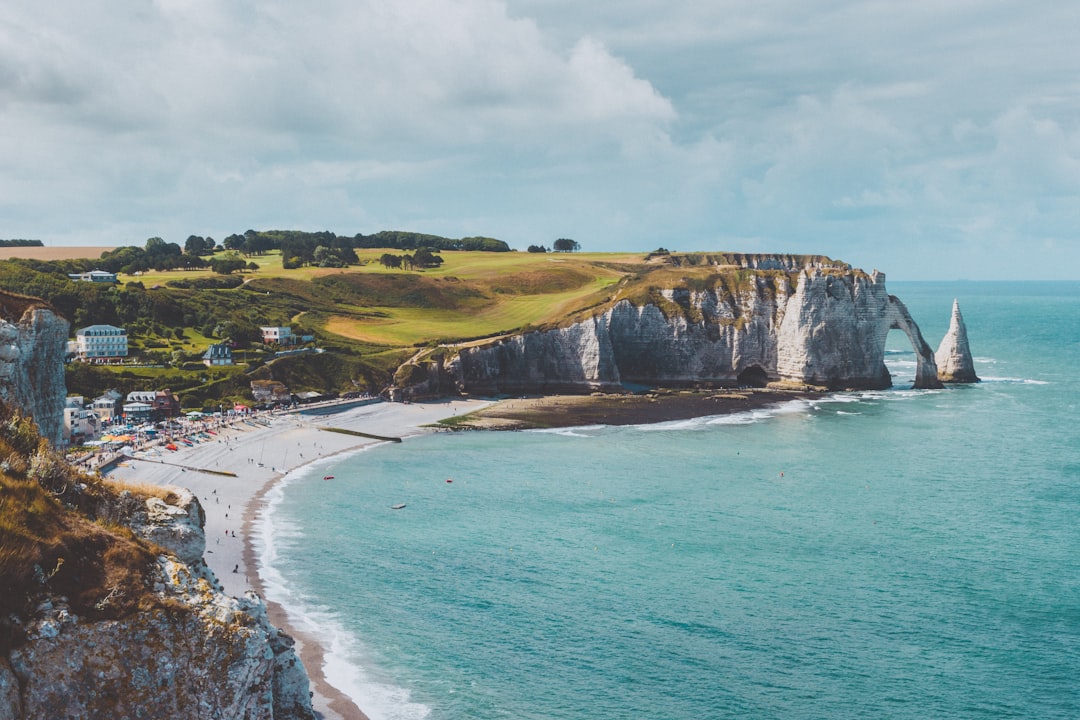
Provence is non-negotiable — the light, the lavender fields (peak: late June to mid-July in the Valensole Plateau), the Roman aqueduct at Pont du Gard, and the food in Aix-en-Provence justify the trip alone. Alsace along the Route des Vins between Colmar and Strasbourg is unlike anywhere else in France — half-timbered villages, Riesling caves, and stork nests on medieval towers. Normandy combines D-Day history at Omaha Beach with dramatic cliffs at Étretat and the Mont-Saint-Michel. The Dordogne is France’s most beautiful river valley — prehistoric caves at Lascaux, medieval bastides, and foie gras that ruins you for every other version. In my experience: first-timers always underestimate how good Lyon is — 48 hours there changes your understanding of French food.
What are the tourist highlights of France?
The Eiffel Tower (built 1889, 324 metres tall) remains France’s icon — the night illumination at the top of each hour for 5 minutes is still magical. The Louvre holds 35,000 artworks on display, including the Mona Lisa — you need a minimum 3 hours and a timed ticket booked online. Mont-Saint-Michel rises 92 metres above a tidal bay with 3.5 million visitors annually. Château de Versailles is 17 km from Paris — the Hall of Mirrors alone has 357 mirrors. In the south, the Pont du Gard Roman aqueduct (built 50 AD) spans 49 metres high. My caveat: the Mona Lisa is genuinely disappointing in person — it’s only 77 cm × 53 cm, behind glass, 5 metres from a crowd barrier. The Venus de Milo and Winged Victory in the same museum are far more impressive.
What experiences in France are found nowhere else on Earth?
The Paris Métro’s Art Nouveau stations — particularly Abbesses and Arts et Métiers — are genuinely unique architectural environments. Attending a Michelin 3-star lunch service at a restaurant like Paul Bocuse’s L’Auberge du Pont de Collonges near Lyon is an unreplicable cultural ritual costing €250–€350 per person — but you’re inside a living museum of French gastronomy. The vendange (grape harvest) in Burgundy’s Côte de Nuits in late September lets you walk between the world’s most expensive vineyard plots — Romanée-Conti’s 1.8 hectares — freely. The Tour de France final stage on the Champs-Élysées (July) is free to watch from the street — 800,000 spectators line the route. In my experience: nothing compares to a Sunday morning covered market in Arles or Périgueux — food culture at its most French.
Regions & Highlights
Which areas of France are overcrowded — and what are quieter alternatives?
Mont-Saint-Michel in July–August sees 25,000 visitors per day — arrive before 8:00 AM or visit in October when the causeway is quiet at dawn. Èze and Saint-Paul-de-Vence on the Côte d’Azur are overwhelmed by coach tours; visit Moustiers-Sainte-Marie or Gourdon instead — equally stunning, 80% fewer people. The D-Day beaches around Arromanches peak on June 6th anniversaries — visit in March when historians guide in near-solitude. Provence’s Gorges du Verdon is France’s best-kept dramatic landscape secret — the Route des Crêtes above the canyon has a fraction of the Côte d’Azur’s crowds. The honest truth: Paris’s Marais district is now the new Montmartre for crowds — explore the 11th arrondissement around Oberkampf instead for authentic neighbourhood life.
How many days do I need in France?
A minimum meaningful trip to France is 7 days — 3–4 days in Paris plus 3 days in one region. To do France justice: 14 days lets you cover Paris, Normandy, and Provence comfortably. The honest reality: France rewards 3–4 weeks for first-time visitors serious about the country. My recommended 10-day itinerary: Days 1–4 Paris, Day 5 Versailles, Day 6 train to Lyon (2 hours), Days 7–8 Lyon and Beaujolais, Days 9–10 Provence from Avignon. The mistake most travellers make: trying to visit Brittany, the Loire Valley, Provence, and the Alps in one trip — you spend more time on trains than anywhere. Pick 2 regions maximum outside Paris and go deep rather than wide.
Do I need a visa for France?
France is a Schengen Area member — your visa rules depend on passport nationality. EU/EEA/Swiss citizens: no visa, no limit on stay. US, Canadian, Australian, and UK citizens: visa-free for up to 90 days within any 180-day period. UK citizens post-Brexit: still visa-free for 90 days but the new EES (Entry/Exit System) launches in 2025 — by 2026, your passport will be scanned at the border and days tracked digitally. The ETIAS (European Travel Information and Authorisation System) is expected to launch for visa-exempt non-EU travellers in 2026 — cost is €7 and valid for 3 years. In my experience: check the exact ETIAS launch date before booking in 2026 as it may affect entry for US, UK, and Australian travellers. Indian, Chinese, and most African passport holders require a Schengen visa from a French consulate — apply 8–12 weeks ahead.
What languages are spoken in France?
French is the sole official language, spoken by the entire population of 40,681,000. Regional languages with living communities: Alsatian (German dialect) in Alsace, Breton in Brittany (around 200,000 active speakers), Basque in the Pyrénées-Atlantiques, Occitan across the south, and Corsican on Corsica. English proficiency: high in Paris, Lyon, Bordeaux, and tourist zones; genuinely limited in rural villages and among the over-60 population nationwide. My honest tip: learn 10 French phrases — starting with Bonjour, S’il vous plaît, Merci, and Excusez-moi — and French people’s attitude towards you transforms immediately. The caveat most guides omit: speaking English first without attempting French in a Parisian café is not rude to them — it’s rude in the other direction. Always open with Bonjour.
What cultural rules do I need to know before visiting France?
The single most important rule: Bonjour before anything else — walk into a shop, say Bonjour; sit at a café, say Bonjour. Failing to greet is considered genuinely rude, not a tourist quirk. Tipping is not obligatory in France — a €1–€2 tip per person for a restaurant meal is appreciated and generous; 10–15% American-style tipping confuses servers. Mealtimes are sacred — lunch runs 12:00–14:00, dinner from 19:30; kitchens are closed in between and you will not be served. Pharmacies (green cross sign) are where you go for minor medical issues — French pharmacists are highly trained and dispense advice directly. The thing that surprises visitors most: supermarkets close on Sundays in most towns outside Paris — stock up Saturday. Topless sunbathing remains legal and common on Mediterranean beaches; it’s not unusual.
Practical Tips
How safe is France for travellers?
France is fundamentally safe for tourists — the Global Peace Index 2023 ranks it 67th of 163 nations, which is mid-tier but misleading for travellers since most risk is concentrated in specific urban pockets. The honest reality: Paris’s RER B and Châtelet-Les Halles Metro hub have persistent pickpocket networks — keep your bag in front of you at all times. The areas around Gare du Nord and Gare de l’Est are rough at night — not dangerous, but uncomfortable and target-rich for theft. Marseille’s Belsunce neighbourhood is genuinely best avoided after dark. Scams: the gold ring scam on Paris bridges and the petition clipboard scam near the Sacré-Cœur operate constantly. In my experience: violent crime against tourists is extremely rare — petty theft and pickpocketing are the real risks, particularly on the Paris Metro Lines 1 and 13.
What health precautions should I take before visiting France?
No vaccinations are required or recommended beyond standard up-to-date immunisations for travel to France. The European Health Insurance Card (EHIC) covers EU citizens at French public hospitals — UK travellers have the GHIC (Global Health Insurance Card), also valid. Non-EU travellers should carry comprehensive travel insurance — a French emergency room visit costs €200–€400 without coverage. Tap water is safe to drink everywhere in metropolitan France. The one genuine health risk most guides skip: tick-borne encephalitis and Lyme disease are present in forested areas of Alsace, the Jura, and the Alps — wear long trousers and use DEET if hiking through long grass from April to October. French pharmacies are excellent first-response resources — they can assess minor wounds, recommend treatments, and refer you to a GP if needed, all without an appointment.
What SIM card or eSIM options are available in France?
France uses standard European SIM sizing — nano SIM for most modern phones. The best local option: Free Mobile offers a €2.99/month tourist SIM with 200 minutes and 100MB data — absurdly cheap but data is minimal. For data-heavy travellers, Orange Holiday Europe SIM gives 20GB across 30 European countries for €39.99 — available at CDG airport arrivals and Orange stores. My preferred choice for 2026: an eSIM from Airalo or Holafly purchased before departure — France-specific plans start at €7 for 1GB/7 days and activate instantly on arrival. Coverage across France: Orange, SFR, and Bouygues have the strongest rural coverage — crucial in the Massif Central and Corsica’s interior where Free Mobile’s network drops. The trade-off: eSIMs are cheaper but require a compatible unlocked phone.
Which apps do you recommend for travelling in France?
SNCF Connect — non-negotiable for all French train travel; buy, manage, and show tickets digitally. Citymapper covers Paris, Lyon, and Marseille transit better than Google Maps. Too Good To Go rescues unsold food from French bakeries and restaurants at €3–€5 per bag — I’ve had genuine croissants and pastries worth €15 for €4 using it. The Fork (LaFourchette) books restaurant tables and often gives 50% discounts on weekday lunches. Météo-France is the official French weather app — more accurate than international apps for local forecasts. Google Translate with offline French downloaded handles menus and signs. The app most travellers miss: Waze for driving in France — it accurately flags gendarme speed traps and real-time autoroute tolls, saving both fines and money on routing.
What are common traveller mistakes in France?
The biggest mistake I see repeatedly: booking Paris accommodation near the Eiffel Tower — the 7th arrondissement is expensive, quiet at night, and far from the best restaurants. Stay in the 9th, 10th, or 11th instead. Second: visiting the Louvre without a timed ticket — the queue adds 90–120 minutes and the museum is too vast to see without a plan; book 48 hours ahead minimum. Third: underestimating driving distances — France is 1,000 km north to south; what looks like a short detour on a map is often 3 hours of driving. Fourth: eating dinner before 19:30 — kitchens won’t serve you. Fifth: assuming all French people speak English in rural areas — they don’t, and Google Translate offline is essential. The mistake that costs the most money: exchanging currency at airport bureaux de change — rates are 8–12% worse than using a Wise card at any French ATM.
Explore France by Region
- Aquitaine
- Ardèche
- Auvergne
- Aveyron
- Baskenland
- Bretagne
- Burgund
- Camargue
- Chamonix-Mont-Blanc
- Champagne
- Côte d’Azur
- Dordogne
France at a Glance
| Population | 68,605,616 |
|---|---|
| Currency | EUR (€) |
| Official language | French |
| Time zone | UTC+01:00 |
Source: Wikidata, retrieved October 2026.
Essential Resources for Planning Your Trip to France
- 54 @UNESCO World Heritage Sites & 100M+ visitors in 2024 — official visitor information, passes & events
- Wikipedia: France — history, geography & background
- Wikivoyage: France — community travel guide & practical tips
- France country guide – Europe — expert itineraries & travel inspiration
- THE 15 BEST Things to Do in France (2026) — hotels, restaurants & traveller reviews
- 18 February 2016 – GENERAL INFORMATION DOCUMENT — how to get around
- Numbeo: Cost of Living in France — current prices & cost comparison
- Timeanddate: France Weather & Climate — forecasts & climate statistics
- 18 February 2016 – GENERAL INFORMATION DOCUMENT
More Perspectives on France
- 30+ France Travel Tips for First Timers & Must Knows …
- France Travel Tips: Home
- Planning a Trip to France? Avoid These Major Mistakes.
France Travel Videos
Watch these videos for a visual preview before your trip:
- FRANCE TRAVEL TIPS FOR FIRST TIMERS | 30+ Must-Knows Before Visiting France + What NOT to Do!
- Wonders of France | Most Amazing Places and Villages in France | Ultimate 4K Travel Guide
- 12 Regions of France EXPLAINED
France Travel Discussions on Reddit
Real traveller experiences and community advice:
- r/FranceTravel
- Best advice for first time France trip 🇫🇷 : r/travel
- What are the do’s and don’ts of visiting France as an …
Data Sources
This page was compiled using data from Wikipedia, Wikidata, Open-Meteo (climate), Numbeo (cost of living) and REST Countries. Information is updated regularly.