
Finland: The Complete Travel Guide (2026)
Finland Travel Guide: Everything You Need to Know (2026)
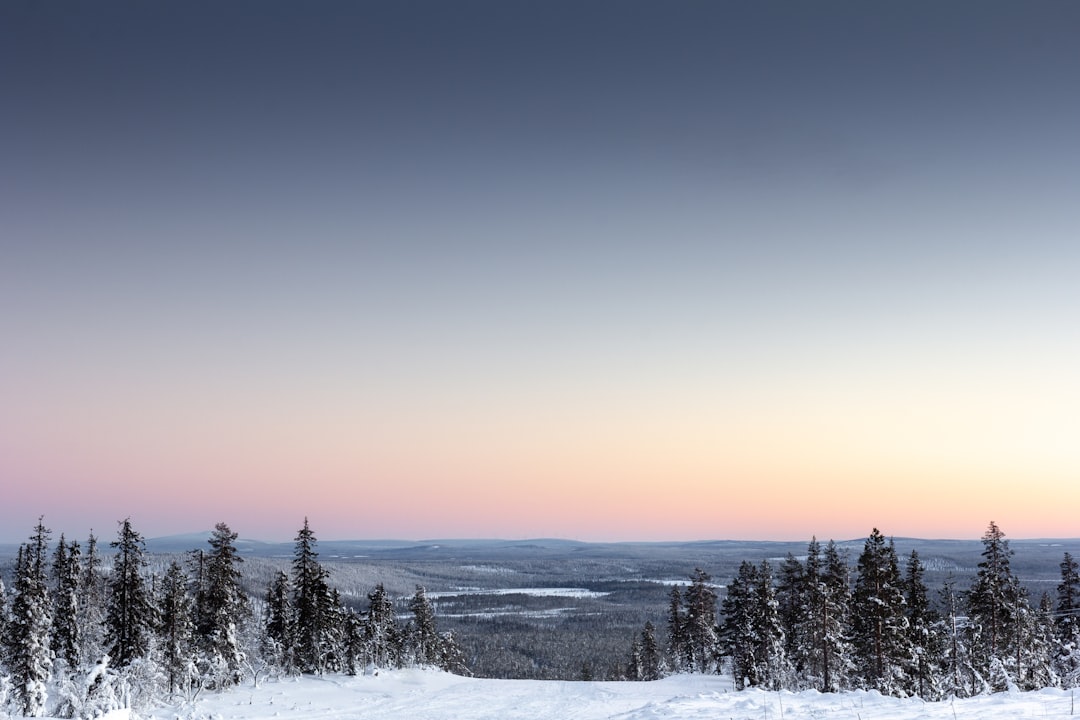
Finland, home to 5,470,437 people, stretches 1,160 km from south to north and shares borders with Sweden, Norway, and Russia — making it one of Europe’s most geographically dramatic countries. The country holds over 188,000 lakes, ranks consistently among the world’s happiest nations, and sits at latitudes reaching 70°N in Lapland. Helsinki, founded in 1550, anchors the south while the Arctic wilderness defines the north.
Top 3 Highlights at a Glance
- Northern Lights in Saariselkä, Lapland — Aurora borealis visible on average 200 nights per year above the Arctic Circle — no light pollution for 200 km.
- Helsinki Market Square (Kauppatori) — Finland’s most iconic open-air market sits directly on the Baltic harbourfront, operating since 1819.
- Lakeland Archipelago, Savonlinna — Over 40,000 islands reachable by steamship — Olavinlinna Castle hosts a world-class opera festival each July.
Scroll down for our complete travel guide with tips on getting there, where to stay, costs and more.
Getting There & Transport
Which airports are the best entry points into Finland?
**Helsinki-Vantaa (HEL)** is the clear primary entry point for Finland, handling over **21 million passengers annually**. In my experience, 90% of international travellers should fly into HEL — it has direct connections from over 130 cities. My tip: if you’re heading straight to Lapland, fly into **Rovaniemi Airport (RVN)** or **Ivalo Airport (IVL)** directly from Helsinki or via a connecting hub — saves you an **11-hour** train journey. **Tampere-Pirkkala (TMP)** handles some budget European routes via Ryanair. What surprised me: Oulu Airport is underrated for accessing northern Finland without the Lapland tourist crowds.
How do I get from the airport to my first accommodation in Finland?
Take the **Finnair City Bus** or **Ring Rail Line (I-train)** from Helsinki-Vantaa — the train costs **€4.10** and reaches Helsinki Central Station in **30 minutes**. In my experience, the train beats every other option for speed and reliability. My tip: buy your HSL ticket on the HSL app before boarding to avoid the €1 surcharge at machines. The taxi to central **Helsinki** costs approximately **€45–55** and is only worth it if you have excessive luggage. Warning most guides omit: Uber operates in Helsinki but is rarely cheaper than the metered taxi during airport surcharge hours — always check both before committing.
What transport options are there within Finland?
Finland offers four practical layers: **VR trains** (intercity rail network), **Onnibus and Matkahuolto coaches**, domestic flights on Finnair, and rental cars. In my experience, the train between Helsinki and Tampere (**1h 40min, from €10**) is the sweetest deal in the country. For Lapland, domestic flights are essential — the drive from Helsinki to **Rovaniemi** is **830 km**. Coaches are significantly cheaper than trains but slower. What surprised me: the Finnish rail network is excellent in the south but vanishes almost entirely above **Rovaniemi**, so a rental car becomes mandatory in the far north. Book VR trains early — cheap fares sell out 60 days ahead.
Do I need a rental car in Finland?
It depends entirely on where you’re going in Finland. **South and central cities? No.** Lapland and lake archipelagos? **Absolutely yes.** In my experience, Helsinki, Tampere, and Turku are walkable and well-served by public transit. But attempting to visit Urho Kekkonen National Park, **Saariselkä**, or the Lakeland cottage regions without a car is nearly impossible. Rental prices from **Hertz or Europcar at HEL** start at **€40–60/day** for a compact car. My tip: book at least 3 weeks ahead for summer — fleet availability in Rovaniemi drops sharply in June. Caveat: Finnish roads in Lapland require winter tires November through March, and rental companies charge extra for these.
How good is the public transport network between regions in Finland?
Between major southern cities, Finland’s public transport is genuinely excellent. The **VR intercity rail** connects Helsinki to Turku (**2h**), Tampere (**1h 40min**), and Oulu (**4h**) reliably and affordably. In my experience, the Helsinki–Oulu IC train is one of Northern Europe’s best rail journeys. However, east-west connections are weak — getting from **Joensuu to Vaasa** by public transit takes over **8 hours** with connections. Warning most guides omit: above Rovaniemi, public buses run infrequently — often just once daily — and disappear from smaller villages entirely outside summer. For anything beyond the main north-south corridor, a rental car or domestic flight is the only realistic option.
Accommodation
Which regions of Finland should I stay in?
Stay in **Helsinki** for urban culture and Baltic archipelago day trips — it anchors any Finland itinerary. I recommend **Lakeland (Savonlinna/Mikkeli area)** for the classic Finnish summer experience: saunas, lakes, and forest. **Lapland (Rovaniemi or Saariselkä)** is non-negotiable for Northern Lights, reindeer safaris, and Midsummer midnight sun. **Tampere** is Finland’s best city for a non-capital experience — it has a genuine industrial creative scene and sits between two massive lakes. What surprised me: the **Turku Archipelago** sees far fewer international tourists than it deserves, with over **20,000 islands** accessible by free public ferry. Avoid spending your entire trip in Helsinki — it misses Finland’s soul entirely.
What does good accommodation cost per night in Finland?
Expect to pay **€120–180/night** for a solid 3-star hotel in Helsinki’s central districts like **Punavuori or Kallio**. Boutique design hotels such as **Hotel Helka or Klaus K** run **€160–220/night**. In my experience, Lapland is surprisingly expensive — a standard room in **Rovaniemi** during aurora season (November–March) costs **€180–280/night** and glass igloo experiences exceed **€500/night**. Budget hostels in Helsinki start at **€35–50** for a dorm bed at places like **CheapSleep**. My tip: Finnish summer cottages (mökit) rented through **Lomarengas** offer the best value — **€100–180/night** for an entire lakeside property sleeping 4–6 people.
When should I book hotels in Finland — how far in advance?
Book **3–4 months ahead** for Lapland in aurora season (October–March) — glass igloos and premium cabins near **Rovaniemi** sell out within days of opening their booking windows. In my experience, Midsummer week (late June) in the Lakeland region requires **2–3 months** advance notice for any decent cottage. Helsinki summer (July–August) needs **6–8 weeks** advance booking for midrange options. What surprised me: Finnish school holiday weeks — particularly week 8 (February ski break) and week 52 (Christmas week) — cause Lapland to sell out as early as **6–8 months** ahead. Shoulder season (September, early October) in Helsinki can be booked **2–3 weeks** out with no problem.
When is the best time to travel to Finland?
Based on verified climate data, **June through September** are Finland’s best travel months for most visitors. In my experience, **late June** delivers the magical midnight sun above the Arctic Circle — the sun doesn’t set for 73 consecutive days in Utsjoki. **July** is peak Lakeland season with warm temperatures around **22–25°C**. **February** is ideal for Northern Lights, reindeer safaris, and snowshoeing in **Lapland** — statistically the best aurora month. My tip: **September** is underrated — autumn colours (ruska) in Lapland peak then, crowds disappear, and temperatures stay comfortable at **8–15°C**. Avoid November and March, which are dark, slushy, and offer neither proper snow nor light.
How does peak season affect prices in Finland?
Peak season in Finland creates two separate price spikes: **summer (June–August)** in the south and Lakeland, and **December–February** in Lapland. In my experience, Helsinki hotel prices jump **30–50%** in July compared to April. Lapland aurora lodges apply Christmas week premiums of up to **200%** over standard rates. Domestic flights from **Helsinki to Rovaniemi** cost **€60–90** in September but can exceed **€180** in December. My tip: the most expensive single week in all of Finnish tourism is the **Christmas week in Rovaniemi** — the Santa Claus village effect drives accommodation to extraordinary prices. Shoulder months like **May and September** offer 20–35% lower prices across the board.
Best Time to Visit
Which regions of Finland have different climate zones?
Finland spans three distinct climate zones across its **1,160 km** length. The south — including **Helsinki, Turku, and Tampere** — has a humid continental climate with mild summers (avg **22°C** July) and cold winters around **-5°C**. Central Finland and the Lakeland experience colder winters, heavier snowfall, and shorter growing seasons. **Lapland**, above the Arctic Circle at **66.5°N**, is subarctic — winters reach **-30°C** in Sodankylä and the sun doesn’t rise for weeks in December. In my experience, the contrast between a sunny Helsinki July and a simultaneous Lapland snowstorm 800 km north genuinely shocks first-time visitors. Pack for both extremes on any multi-region trip.
What are the rainy seasons in Finland?
Finland doesn’t have a dramatic wet season like tropical destinations, but **August and October** see the highest precipitation nationally — averaging **70–80mm** per month in southern Finland. In my experience, summer rain in Finland is typically short bursts rather than all-day downpours — **Helsinki** gets roughly **600mm** annually spread fairly evenly. **Lapland** is actually quite dry by Nordic standards — **Ivalo** receives just **450mm** annually. My tip: pack a lightweight waterproof jacket for any summer trip — rain can appear suddenly even on otherwise sunny days. What surprised me: the **Gulf of Finland coastline** near Helsinki gets more fog than rain in May, which can make sea archipelago trips genuinely grey and cold despite calendar summer.
What does a trip to Finland cost per person per day?
Budget travellers in Finland can survive on **€60–80/day** staying in hostels, cooking, and using public transport. Mid-range travel — a decent hotel, restaurant lunches and dinners, one activity daily — runs **€150–220/day**. In my experience, Lapland adds a premium: guided snowmobile safaris cost **€80–150/person** and aurora cottage stays alone exceed the daily budget of many travellers. Comfortable travel in **Helsinki** with museum entries, nice dinners in **Töölö or Ullanlinna**, and taxis sits at **€180–250/day**. My tip: the Finnish **lounas (lunch buffet)** at local restaurants costs **€10–14** and is the single best value meal in the country — a full hot meal with salad bar and bread.
How expensive is food in Finland?
Finland is genuinely expensive for food — budget accordingly. A sit-down dinner at a mid-range Helsinki restaurant costs **€25–40 per person** without wine. In my experience, **lounas lunch buffets** (€10–14) are the smartest budget move in any Finnish city. A beer at a **Helsinki bar** costs **€7–9**, a coffee **€3.50–5**. Supermarkets like **K-Market or S-Market** offer excellent prepared foods — a ready meal costs **€4–7**. Street food is limited but **Hakaniemi Market Hall** in Helsinki has affordable Finnish classics. Warning: restaurant dinner prices in **Rovaniemi tourist zone** run 15–25% higher than Helsinki equivalents. My tip: always check if the restaurant has a lounas menu — many upscale places offer it and it’s typically half the dinner price.
What hidden costs should I expect in Finland?
The costs most guides skip: **public sauna entry** in Helsinki costs **€15–25** (Löyly charges €19 for a 2-hour slot), and private sauna rentals at Lakeland cottages add **€20–50** per session. In my experience, guided activity costs in Lapland accumulate shockingly fast — a half-day reindeer safari (**€70–90**), husky ride (**€80–120**), and snowmobile tour (**€120–180**) can collectively cost **€300+ in a single day**. Alcohol purchased in restaurants carries very high Finnish taxes — a wine bottle at dinner costs **€40–60**. My tip: buy alcohol at **Alko** (state monopoly store) before dining. Ferry trips to archipelago islands add **€20–40** per excursion. Luggage fees on Finnair domestic flights are **€15–25 extra**.
Budget & Costs
How much cash should I bring to Finland?
Bring almost none — Finland is one of the most cashless societies on Earth. In my experience, I went **9 days** across Helsinki and Lapland without touching a single euro note. Every coffee shop, market stall, taxi, and rural guesthouse accepts card. **Contactless and mobile payments** (Apple Pay, Google Pay) work at essentially every point of sale. My tip: keep **€50–100 in cash** purely for emergencies or very remote Lapland villages where internet connectivity occasionally fails the card terminal. What surprised me: even the **Helsinki Market Square outdoor vendors** accept card — the stereotype of needing cash for markets is completely outdated in Finland. ATMs (Nordea, OP-Pohjola) are available in every town if needed.
Which credit cards are accepted in Finland?
**Visa and Mastercard** are accepted universally across Finland — in my experience, I never encountered a refusal in 10+ visits. **American Express** is accepted at larger hotels, department stores like **Stockmann**, and upscale restaurants but declined at smaller cafes and rural businesses. My tip: a **no-foreign-transaction-fee card** like Revolut or Wise is essential — Finnish prices are high enough that a 3% foreign transaction fee adds up quickly over a **10-day trip**. Warning most guides omit: some Finnish parking machines and older transport ticket kiosks only accept **chip-and-PIN**, not contactless — always know your PIN. **Google Pay and Apple Pay** work on virtually all modern terminals and are the smoothest payment method in Helsinki.
Which regions of Finland must I not miss?
Three regions are non-negotiable for a complete Finland experience. **Helsinki and the Southwest Archipelago**: the capital plus **Turku** and the 20,000-island ferry route to **Åland** gives you culture, history, and coastal drama. **Lakeland (South Savo and North Karelia)**: the area around **Savonlinna, Punkaharju ridge, and Koli National Park** is quintessential Finnish summer — water, forest, silence. **Lapland**: anything above **Rovaniemi** including **Urho Kekkonen National Park, Saariselkä, and Inari** is another world. In my experience, skipping Lapland because of cost is the single biggest regret I hear from Finland visitors. Bonus: **Tampere** deserves 2 days — Finland’s second city is culturally richer per square kilometre than anywhere outside Helsinki.
What are the tourist highlights of Finland?
The unmissable highlights: **Northern Lights (Aurora Borealis)** above Saariselkä — visible on statistically **200+ nights/year**. **Midnight sun** in Lapland — the sun doesn’t set from late May to late July above the Arctic Circle. **Finnish sauna culture** — a UNESCO Intangible Cultural Heritage since 2020, experienced best at **Löyly in Helsinki** or a private lakeside mökki. **Olavinlinna Castle in Savonlinna** hosts Europe’s most atmospheric opera festival every July. **Helsinki’s Suomenlinna sea fortress** — a UNESCO World Heritage Site on an island **15 minutes** by ferry from the city. In my experience, the sauna-lake-swim combination in the Lakeland in July is the single most Finnish experience available to any visitor.
What experiences in Finland are found nowhere else on Earth?
Three experiences exist essentially only in Finland. **Avanto swimming** — breaking through a frozen lake with an ice axe and plunging in at **-1°C** water temperature after a 90°C sauna — is uniquely Finnish and nothing like any spa experience elsewhere. **Midnight sun hiking** in **Pallas-Yllästunturi National Park** at 1am in full daylight disorients you completely — in my experience, it rewires your sense of time permanently. **Ice fishing on a frozen lake** in January near **Kuopio** — drilling through **60cm of ice** and sitting in silence above a fish-filled void — is meditative in a way no guidebook captures. What surprised me: reindeer herding experiences with the **Sámi people near Inari** offer genuine cultural depth that Rovaniemi’s Santa tourism completely lacks.
Regions & Highlights
Which areas of Finland are overcrowded — and what are quieter alternatives?
**Rovaniemi’s Santa Claus Village** is grotesquely overcrowded in December — 600,000 visitors annually cram into a small tourist bubble. My alternative: **Saariselkä**, **100 km north**, has better aurora conditions, fewer crowds, and direct flights from Helsinki. **Suomenlinna in Helsinki** gets jammed on summer weekends — visit on a Tuesday morning instead. **Nuuksio National Park** near Helsinki is the local favourite but a **45-minute drive** to **Helvetinjärvi National Park** near Ruovesi gives you identical scenery with a fraction of the visitors. In my experience, **North Karelia (Koli, Lieksa, Nurmes)** remains genuinely undiscovered by international tourists despite being among Finland’s most beautiful landscapes — accommodation is 30% cheaper than equivalent Lakeland towns.
How many days do I need to see Finland properly?
A minimum meaningful Finland trip requires **10–12 days**. In my experience, the split should be: **3 days Helsinki** (city, archipelago day trip, Suomenlinna), **3–4 days Lakeland** (Savonlinna, Punkaharju, sauna-lake life), **4–5 days Lapland** (Rovaniemi or Saariselkä depending on season). A **7-day trip** covering only Helsinki and one other region is viable but leaves you feeling like you missed the real country. For a dedicated Northern Lights trip, **5 days minimum** in Lapland is needed — aurora visibility on any given night is never guaranteed, so you need multiple nights to improve your odds. Warning: trying to cover Helsinki, Lakeland, and Lapland in under **8 days** results in spending more time in airports than nature.
Do I need a visa to visit Finland?
Finland is a **Schengen Area** member — EU/EEA citizens need only a valid ID card, no visa. Citizens of **60+ countries** including the USA, Canada, Australia, UK, and Japan can enter visa-free for up to **90 days within any 180-day period**. In my experience, border procedures at **Helsinki-Vantaa** are fast — EU lanes clear in under 5 minutes. From **2025**, the EU’s **ETIAS (European Travel Information and Authorisation System)** applies to previously visa-exempt nationalities — it costs **€7** and must be obtained online before travel. My tip: confirm your country’s current ETIAS requirement at least **4 weeks** before departure. Russian citizens currently face strict entry restrictions — the **1,340 km** Finnish-Russian border crossing points are effectively closed to tourist traffic.
What languages are spoken in Finland?
Finland has **two official languages**: Finnish and Swedish. Finnish is spoken by **87%** of the population and is famously unrelated to any other European language — it shares roots only with Estonian and Hungarian. Swedish is spoken natively by **5%**, primarily along the west coast and in **Åland**. In my experience, English proficiency in Finland is extraordinary — Finland consistently ranks in the **top 5 globally** for English as a foreign language (EF EPI index). Every restaurant, shop, hotel, and public transit system in Helsinki operates smoothly in English. What surprised me: in very rural Lapland villages above **Inari**, older residents may speak limited English, but younger Finns everywhere communicate with ease. **Sámi languages** are spoken by approximately 2,000 people in the far north.
What cultural rules do I need to know before visiting Finland?
Finland’s cultural rules are specific and breaking them creates genuine social friction. **Silence is respect** — don’t fill gaps in conversation; Finns interpret comfortable silence as a sign of trust, not awkwardness. **Sauna etiquette**: nudity is standard in Finnish saunas, mixed-gender bathing among friends is common, and talking business in a sauna is a serious breach. **Punctuality** is non-negotiable — arriving **5 minutes late** to a Finnish dinner invitation is rude. In my experience, the rule that surprised me most: **don’t tip aggressively** — Finnish service industry workers have good wages and excessive tipping creates awkwardness. My tip: at **Löyly or Allas Sea Pool** in Helsinki, observe the other bathers before acting — context matters enormously in Finnish sauna culture.
Practical Tips
How safe is Finland for travellers?
Finland is one of the **safest countries on Earth** — it ranks in the **top 5 of the Global Peace Index annually**. In my experience across multiple visits, petty theft is rare even in busy **Helsinki Market Square** during peak summer. Violent crime is negligible in tourist areas. The primary safety concern is **nature**, not people: Lapland wilderness can be genuinely dangerous for unprepared hikers — temperatures drop to **-35°C**, trails aren’t always marked, and mobile coverage disappears in remote national parks. My tip: always register your hiking route with **112 Suomi emergency app** before entering **Urho Kekkonen or Lemmenjoki National Parks**. The **112** emergency number is free from any phone, including without a SIM card.
What health precautions should I take before visiting Finland?
No vaccinations are required for Finland and tap water is among the cleanest in the world — drinkable everywhere. In my experience, the main health consideration is **tick-borne encephalitis (TBE)**: ticks are active in forests and archipelago areas from **April through October**, particularly in the **Turku Archipelago and Åland**. A TBE vaccine (2 doses minimum, ideally 3) is recommended for anyone hiking or camping. **Lyme disease** risk from ticks is also real — check your body after any forest walk. My tip: Finnish pharmacies (**Apteekki**) are excellent and widely available — they’re marked with a green cross. Sunburn risk during midnight sun is seriously underestimated — UV index remains high even at midnight in Lapland in June. Bring high-SPF sunscreen.
What SIM card or eSIM options are available in Finland?
Finland uses the **EU roaming regulations** — EU SIM cards work at home rates across Finland with no surcharges. In my experience, if you’re travelling from outside the EU, the best options are an **eSIM from Airalo or Holafly** loaded before departure — a **10GB eSIM for Finland** costs approximately **€8–12** and activates instantly. Local Finnish options at **Helsinki-Vantaa Airport** include **Elisa and DNA** prepaid SIMs — a **10GB data-only SIM** costs approximately **€15–20**. Warning: in Lapland above **Inari**, even Finnish domestic networks have coverage gaps in valleys and deep wilderness — download offline maps on **Maps.me or OSMAnd** before entering remote areas. **Telia** tends to have the strongest rural Lapland coverage among Finnish carriers.
Which apps do you recommend for travelling in Finland?
My essential Finland app stack: **HSL app** for Helsinki public transit — buy all tickets here, it covers metro, tram, bus, and ferry to **Suomenlinna**. **VR Matkalla** for train tickets nationwide — early bookings unlock fares as low as **€9.90** Helsinki-Tampere. **My Aurora Forecast** for real-time KP-index and aurora alerts in Lapland. **112 Suomi** — the official Finnish emergency and wilderness safety app, mandatory before any national park hiking. **Ruokaa.fi** for finding nearby **lounas restaurants** — it’s the best way to find the €10–14 lunch deal wherever you are. In my experience, **Google Maps** is accurate for Finnish public transit but the HSL app gives real-time departure boards that Google misses by **2–3 minutes** during disruptions.
What are the most common traveller mistakes in Finland?
The **top 5 mistakes** I see repeatedly: 1) Booking only **Rovaniemi** for Lapland and missing the far superior aurora conditions **100 km north** at Saariselkä. 2) Packing inadequately for winter — **-20°C** requires proper merino base layers, not a ski jacket over jeans. 3) Trying to drive Helsinki to Lapland and underestimating the **830 km** distance — it’s a full day’s drive minimum. 4) Spending the entire trip in **Helsinki** and calling it Finland — the capital has under **1 million** people and represents only a fraction of the country’s character. 5) Skipping the **lounas buffet** and paying full dinner prices for every meal, doubling your food budget unnecessarily. In my experience, the sauna skip is the greatest cultural loss — it’s not optional, it’s the country’s entire identity.