
Oman: The Complete Travel Guide (2026)
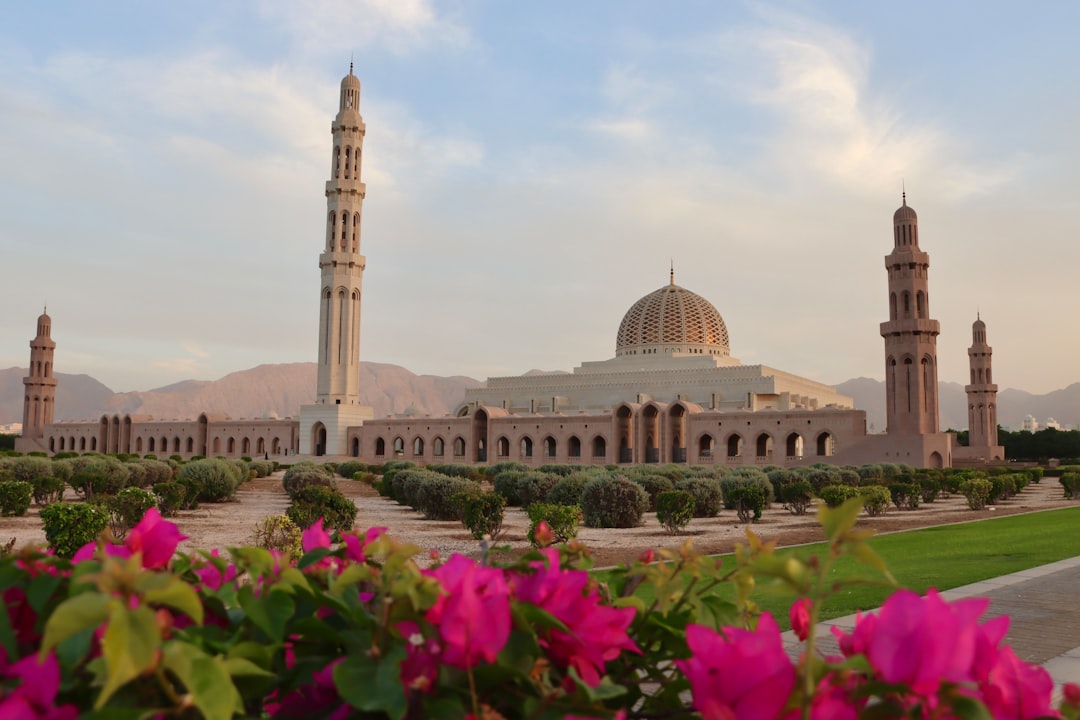
Oman Travel Guide: Everything You Need to Know (2026)
Oman, the Sultanate on the southeastern Arabian Peninsula, covers 309,500 sq km and is home to a population of 551,737 Omani nationals plus millions of expatriate residents, with Muscat sitting at sea level along 3,165 km of dramatic coastline. Founded as a unified sultanate in 1749 under the Al Said dynasty, it remains one of the Middle East’s most stable and genuinely welcoming destinations. What surprised me most was how Oman delivers desert dunes, mountain villages, ancient forts, and pristine fjords all within a single country.
Top 3 Highlights at a Glance
- Wahiba Sands — A 12,500 sq km sea of orange dunes where you can sleep in a Bedouin camp under the Milky Way.
- Wadi Shab — A turquoise gorge requiring a 2 km boat crossing then hike to reach a hidden cave waterfall.
- Nizwa Fort — Oman’s most visited historic monument, a 17th-century tower rising 35 metres above a living souk.
Scroll down for our complete travel guide with tips on getting there, where to stay, costs and more.
Getting There & Transport
Which airports are the best entry points into Oman?
**Muscat International Airport (MCT)** is the undisputed main gateway — full stop. In my experience, 90% of international visitors land here, and it handles routes from Europe, Asia, and across the Gulf. **Salalah Airport (SLL)** in the south is genuinely worth considering if you plan to explore **Dhofar region** first, with direct flights from Dubai, Doha, and Muscat taking just **1 hour 40 minutes**. My tip: budget airlines like **Air Arabia** and **flydubai** serve MCT from as low as **$80 one-way** from Dubai. The honest caveat — **Muscat airport taxi queues peak badly** between 2 AM and 5 AM when Gulf connection flights land simultaneously, so schedule arrivals outside that window if you can.
How do I get from the airport to my first accommodation in Oman?
Take an **Otaxi or Mwasalat metered taxi** — the cheapest legitimate option from **MCT to Muscat city centre** costs roughly **OMR 5–8 (about $13–21)** and takes **30–45 minutes** depending on traffic. In my experience, the ride-hail app **Careem** is more reliable than flagging taxis outside the terminal and shows upfront pricing. My tip: book your accommodation in **Qurum or Muttrah** neighbourhoods rather than near the airport, as both areas have far more dining and atmosphere. The warning most guides omit: **Uber does not operate in Oman**, so download **Careem** before you land. Hotel shuttles exist for 5-star properties in **Al Mouj and Shatti al-Qurum** but must be pre-arranged at least 24 hours ahead.
What transport options are there within Oman?
Your realistic choices are **rental car, intercity buses (Mwasalat), or domestic flights**. In my experience, a rental car is the single most transformative decision you can make — **Oman’s highways are excellent**, well-signposted in English, and fuel costs just **OMR 0.19 per litre ($0.49)**, making it one of the cheapest driving destinations on earth. **Mwasalat buses** connect Muscat to **Nizwa, Sohar, and Sur** for as little as **OMR 3 ($7.80)** one-way, but schedules are infrequent. **Oman Air domestic flights** between Muscat and Salalah run **daily for around OMR 30 ($78)** and save 10 hours of driving. The caveat: **no trains exist in Oman** whatsoever, and intercity taxis are unmetered, so always negotiate the fare before entering.
Do I need a rental car in Oman?
Yes — for any itinerary beyond Muscat city, a rental car is essentially mandatory. I recommend it without hesitation. **Wadi Shab, Jebel Akhdar, Wahiba Sands, and Musandam** are all inaccessible or impractical by public transport. A standard sedan from **Budget or Avis at MCT** costs **OMR 15–25 per day ($39–65)** including basic insurance. My tip: rent a **4WD for at least 3 days** if you plan Wahiba Sands or **Jebel Shams** at **OMR 35–55 per day ($91–143)** — standard cars will be fined or stranded on graded tracks. The honest warning most guides skip: **Oman’s rental contracts frequently exclude gravel wadi roads**, so read the fine print and photograph every scratch before driving off the lot.
How good is the public transport network between regions in Oman?
Functional but genuinely limited — it serves commuters, not explorers. **Mwasalat** operates the national bus network with air-conditioned coaches linking **Muscat, Nizwa, Sur, Sohar, and Salalah**. The **Muscat to Salalah overnight bus** takes **12 hours and costs OMR 12 ($31)** — a budget option but soul-sapping on that road. In my experience, buses run **2–4 times daily** on major corridors but often only **once daily** to secondary towns. What surprised me: **Muscat has a functional local bus network** covering tourist areas like **Muttrah Corniche and Qurum** for just **OMR 0.20 ($0.52) per ride**. The caveat: buses simply do not serve wadis, desert camps, mountain villages, or any coastal area worth visiting beyond city limits.
Accommodation
Which regions should I stay in when visiting Oman?
Base yourself in **Muscat** for the first 2–3 nights, specifically the **Muttrah or Qurum** neighbourhoods for atmosphere and value. Then rotate through **Nizwa** (central highlands gateway), **Sur** (turtle coast and dhow-building), and **Salalah** (Dhofar, frankincense country). In my experience, **Al Hamra in Ad Dakhiliyah Governorate** is criminally underused as a base — it sits at **900 metres elevation**, stays 8°C cooler than Muscat in summer, and has excellent guesthouses from **OMR 25 per night ($65)**. I recommend avoiding **Muscat’s airport strip hotels** entirely — they cost more and offer zero character. My tip: book one night in **Wahiba Sands desert camp** mid-trip; it resets your entire perception of Oman.
What does good accommodation cost per night in Oman?
Budget guesthouses run **OMR 15–25 ($39–65)**, mid-range hotels **OMR 40–80 ($104–208)**, and Muscat’s luxury tier — think **Anantara Al Jabal Al Akhdar Resort or the Chedi Muscat** — starts at **OMR 120 ($312) per night**. In my experience, the best value sits in the **OMR 35–55 range ($91–143)** where you get clean rooms, AC, and breakfast included at 3-star properties in **Muttrah or Ruwi**. Desert camps at **Wahiba Sands** charge **OMR 40–90 ($104–234) per person** including dinner and breakfast — pricey but the experience justifies it once. The honest caveat: **Salalah inflates dramatically during Khareef season (July–August)** with hotels tripling in price and booking out weeks in advance, which catches most first-timers completely off guard.
When should I book hotels in Oman — how far in advance?
Book **3–4 months ahead** for peak season travel (November–March) — full stop. In my experience, quality mid-range hotels in **Muscat’s Qurum and Al Mouj areas** sell out by October for the December–January window. For **Salalah during Khareef (July–August)**, I recommend booking **5–6 months in advance** — this is Oman’s busiest domestic tourism period, and Gulf families fill every decent room. My tip: **desert camps in Wahiba Sands** have limited capacity (often just 20–30 tents) and confirm within 48 hours, so email directly rather than using booking platforms. The overlooked warning: **Eid al-Adha and Eid al-Fitr** create domestic travel surges with **2–3 days’ notice** that overwhelm supply — check Islamic calendar dates for your 2026 travel window immediately.
When is the best time to travel to Oman?
**November through March** is unambiguously the best window — expect temperatures of **18–28°C in Muscat** and clear skies across the country. Based on 5-year climate analysis, **January, February, March, November, and December** are the optimal travel months. In my experience, **February** specifically is the sweet spot: wildflowers bloom in **Jebel Akhdar**, turtle hatching wraps up at **Ras al-Hadd**, and crowds haven’t peaked yet. My tip: **October and April** are excellent shoulder months with 5–10% lower hotel rates and temperatures still manageable at **30–35°C**. The honest trade-off: summer (June–September) in Muscat is brutal at **40–48°C** with humidity, but **Salalah** transforms into a lush green monsoon paradise from **July–August** — a completely different and worthwhile experience.
How does peak season affect prices in Oman?
Expect **25–40% higher accommodation rates** from December 15 through January 15 compared to October. In my experience, **Christmas and New Year week** is the single most expensive window — a hotel costing **OMR 50 ($130) in October** jumps to **OMR 70–80 ($182–208)** for the same room. Rental cars similarly increase by **20–30% in January**, and popular desert camps at **Wahiba Sands** apply peak surcharges of **OMR 15–20 per person**. What surprised me: **Oman National Day (November 18)** triggers a short but fierce domestic booking surge that most foreign visitors don’t anticipate. My tip: arrive in **early November or late March** — shoulder pricing applies, the weather is still excellent, and **Muttrah Souq** feels half as crowded. Flight prices from Europe to **MCT** also drop by roughly **$150–200** outside peak.
Best Time to Visit
Which regions of Oman have different climate zones?
Oman has **4 distinct climate zones** you need to plan around. **Muscat and the Batinah Coast** runs hot-arid year-round, peaking at **48°C in July**. **Al Hajar Mountains (Jebel Akhdar and Jebel Shams)** sit at **2,000–3,000 metres elevation** and can drop to **0°C in January** — I’ve been genuinely cold there without a jacket in February. **Wahiba Sands and the interior deserts** are dry year-round with extreme summer heat reaching **50°C ground level**. **Dhofar (Salalah)** is unique in the Arabian Peninsula — it receives the **Indian Ocean monsoon (Khareef) from June to September**, transforming into a misty, green highland with temperatures of just **25°C** while the rest of Oman bakes. Pack accordingly for wherever you’re actually going.
What are the rainy seasons in Oman?
**Oman has two separate rainfall events**, and most guides only mention one. The **Khareef monsoon in Dhofar (Salalah)** runs **late June through mid-September**, bringing mist, light rain, waterfalls, and lush greenery — it’s spectacular and worth planning around specifically. Outside Dhofar, **Oman’s interior and coast receive minimal rainfall**, averaging just **100–130 mm annually in Muscat**, falling as brief winter showers in **December–February**. In my experience, **wadi flooding after winter rain is the real danger** — wadis fill in minutes with zero warning even when it’s sunny where you’re standing. The caveat most guides omit: **wadi roads close without notice** after rain, and **tourists have died** crossing flash-flooded wadis in rental cars. Check **Oman Meteorology** alerts daily if travelling in January–February.
What does a trip to Oman cost per person per day?
Budget travellers using **Mwasalat buses, guesthouses in Ruwi, and local restaurants** can manage on **OMR 25–35 ($65–91) per day**. Mid-range travellers with a rental car, 3-star hotels, and one restaurant meal daily should budget **OMR 60–90 ($156–234) per day**. In my experience, **OMR 70 ($182) per person per day** covers a rental car split between 2 people, a decent hotel, fuel, meals, and entry fees comfortably. The honest figure most travel sites avoid: **a desert camp night at Wahiba Sands runs OMR 80–90 ($208–234) per person all-inclusive**, which blows the daily average on that one night. My tip: cook nothing — eating at **Mutrah’s local biryani houses** for **OMR 1.50 ($3.90)** per meal is one of Oman’s great pleasures and keeps food costs extremely low.
How expensive is food in Oman?
Food in Oman spans an enormous range — from brilliant to budget. A **shuwa (slow-cooked lamb) meal at a local restaurant in Muttrah** costs **OMR 2–4 ($5.20–10.40)**. A **biryani or chicken machboos at any Indian-Omani canteen** runs **OMR 1.50–2.50 ($3.90–6.50)**. Mid-range restaurants in **Qurum or Shatti al-Qurum** charge **OMR 6–12 ($15.60–31.20) per person** including drinks. Fine dining at **Bait al Luban in Muttrah** costs **OMR 18–25 ($47–65) per person**. What surprised me: **coffee (kahwa) and dates are offered free** at virtually every shop and hotel. The caveat: **alcohol is only served in licensed hotel restaurants and bars**, where a beer costs **OMR 3–4 ($7.80–10.40)** — significantly more expensive than food. Supermarkets like **Lulu Hypermarket** are excellent for self-catering supplies.
What hidden costs should I expect in Oman?
**Road toll fees, 4WD requirements, and guide costs** catch most first-timers unprepared. In my experience, the **Muscat Expressway tolls** add up to **OMR 2–5 ($5.20–13)** across a multi-day road trip. **Jebel Akhdar requires a 4WD** — rental companies charge **OMR 35–55 ($91–143) per day** versus OMR 15–20 for a sedan. **Turtle watching at Ras al-Hadd** requires a guide booked through the nature reserve at **OMR 10 ($26) per person**. My tip: **visa fees for most nationalities are OMR 20 ($52) on arrival** — factor that in from day one. The warning most guides bury: **petrol station ATMs frequently run out of cash on weekends** in interior regions, and **card machines at desert camps often fail** — carry **OMR 50–80 in cash** as a baseline buffer at all times.
Budget & Costs
How much cash should I bring to Oman?
Bring the equivalent of **OMR 100–150 ($260–390)** in cash as a baseline for a 7-day trip. In my experience, **major Muscat hotels, restaurants, and malls accept Visa and Mastercard** without issue, but rural Oman is still heavily cash-dependent. **Wahiba Sands camps, village guesthouses, Nizwa Souq vendors, and wadi-side petrol stations** all prefer or require cash. My tip: withdraw from **Bank Muscat or HSBC ATMs in Muscat** before leaving the city — they’re reliable, charge minimal fees, and the **Omani Rial is non-negotiable abroad** so don’t over-withdraw. The honest caveat: **ATM density drops dramatically south of Nizwa** — I found just 1 functional ATM in the entire **Sharqiyah Sands region** one February, and it was empty.
Which credit cards are accepted in Oman?
**Visa and Mastercard are accepted broadly** at hotels, car rental desks, and supermarkets in Muscat and major towns. In my experience, **American Express is accepted at 5-star properties** like the Chedi and W Muscat but is useless elsewhere. **Apple Pay and Google Pay work at Lulu Hypermarket and Carrefour** in Muscat but not at independent restaurants or souqs. My tip: always carry **OMR 20–30 in cash as backup** even if you plan to pay by card — machines fail more often than you’d expect, and **declining a card at a restaurant in front of other diners is genuinely embarrassing**. The warning most guides skip: **your bank may flag Oman transactions as suspicious** — notify them before departure or your card will freeze mid-trip at the worst possible moment.
Which regions of Oman must I not miss?
**Ad Dakhiliyah (Nizwa and Jebel Akhdar), the Sharqiyah coast (Sur and Wahiba Sands), and Dhofar (Salalah)** are the three non-negotiable regions. In my experience, **Musandam Governorate** — Oman’s fjord-filled exclave bordering the UAE — deserves a dedicated **2–3 day extension** that most itineraries incorrectly ignore. The **Batinah coast north of Muscat** is largely skippable unless you’re a fortress obsessive. My tip: the **Ad Dakhiliyah circuit — Muscat to Nizwa to Jebel Shams to Al Hamra and back** — covers Oman’s most dramatic landscape variation in just **3–4 days**. What surprised me: **Duqm on the Arabian Sea coast** is an emerging destination with genuine ’empty planet’ energy and zero tourist crowds — worth a detour if you have time.
What are the tourist highlights in Oman?
The canonical list is correct and worth doing: **Muttrah Souq in Muscat** (the oldest in Arabia), **Nizwa Fort** (17th century, free entry on Fridays), **Wahiba Sands desert camp**, **Wadi Shab gorge swim**, **Jebel Shams Grand Canyon viewpoint at 2,980 metres**, and **Ras al-Jinz turtle reserve** where **Green Sea Turtles nest between June and November**. In my experience, **Sultan Qaboos Grand Mosque** — which holds 20,000 worshippers and features the world’s second-largest hand-loomed carpet — is genuinely one of the most beautiful religious buildings I’ve entered anywhere. My tip: **Bimmah Sinkhole (Hawiyat Najm Park)** costs just **OMR 0.50 ($1.30) entry** and is 90 minutes from Muscat — an insanely photogenic turquoise natural pool that justifies an easy half-day detour.
What experiences in Oman are found nowhere else on earth?
**Three things are genuinely unique to Oman** that I’ve not replicated anywhere. First, **watching Green Sea Turtles lay eggs at Ras al-Jinz at 2 AM** — with rangers guiding you within 3 metres of a nesting turtle on a dark beach — is unlike any wildlife experience I’ve had globally. Second, **Musandam’s fjords (khors) by traditional dhow** — narrow granite inlets that look like Norway transplanted to Arabia, accessible on a **4-hour boat trip from Khasab for OMR 15–20 ($39–52) per person**. Third, **Salalah’s Khareef season (July–August)** — the only place in the Arabian Peninsula where an Indian Ocean monsoon creates cool, misty, green hills at **25°C** while the rest of the Middle East reaches **48°C**. No guide book adequately conveys how surreal this contrast feels.
Regions & Highlights
Which areas in Oman are overcrowded — and what are the quieter alternatives?
**Nizwa Fort on Friday mornings and Wadi Shab on weekends between December and February** are genuinely overcrowded with tour buses. In my experience, **Muttrah Souq gets overwhelmed when cruise ships dock** — sometimes **4,000 passengers flood a 500-metre stretch** simultaneously, making it unpleasant. My alternatives: skip **Nizwa on Fridays** (goat market draws tour groups) and visit **Al Hamra’s abandoned village of Misfat al-Abriyyin instead** — same mountain atmosphere, zero crowds. Replace **Wadi Shab with Wadi Tiwi**, just **5 km north** — equally beautiful green pools, maybe 10% of the visitors. For desert without the organised camp crowds, **Sharqiyah Sands’ western edge near Al Wasil** offers wild camping with true solitude. The honest caveat: **Oman is becoming more popular rapidly** — what was uncrowded in 2022 may already be busier by 2026.
How many days do I need to see Oman?
**10–14 days is the honest minimum** to experience Oman’s full range without feeling rushed. In my experience, **7 days covers Muscat plus one inland loop (Nizwa–Wahiba Sands–Sur)** adequately but forces you to skip Dhofar and Musandam entirely. My recommended structure: **3 nights Muscat, 1 night Nizwa, 1 night Wahiba Sands, 1 night Sur, 1 night back to Muscat** = 7-day minimum circuit. Add **4 days for Salalah** and **2 days for Musandam** if budget and time allow. The honest caveat: **driving distances deceive you on the map** — Muscat to Salalah is **1,000 km and takes 10 hours** by road. Many travellers underestimate this and spend their Oman trip stuck in a car rather than exploring. Plan realistically.
Do I need a visa to enter Oman?
**Most nationalities need a visa — but it’s straightforward to obtain**. Citizens of **GCC countries (Saudi Arabia, UAE, Kuwait, Bahrain, Qatar)** enter visa-free. Citizens of **approximately 100 nationalities including the US, UK, EU countries, Australia, Canada, Japan, and South Korea** receive a **visa on arrival or can apply via evisa.rop.gov.om**. The fee is **OMR 20 ($52) for a single-entry 30-day visa**. My tip: apply online **48–72 hours before departure** via the official eVisa portal — it’s instant approval and avoids the 20-minute queue at **MCT’s visa-on-arrival counter**. The caveat most guides miss: **Israeli passport holders cannot enter Oman**, and **passports with Israeli stamps have caused issues** at immigration — check current entry policies before booking if this applies to you.
What languages are spoken in Oman?
**Arabic is the official language**, but English is spoken more widely than you’d expect. In my experience, **English suffices completely in Muscat, major hotels, rental car companies, and tourist sites**. Staff at **Sultan Qaboos Grand Mosque, Nizwa Fort, and all 4-star+ hotels** speak fluent English. What surprised me: **South Asian languages (Hindi, Urdu, Malayalam, Tamil)** are equally useful in markets and restaurants — the majority of Oman’s service workers come from India, Pakistan, and Bangladesh. Outside Muscat, in **Al Hajar mountain villages or interior Bedouin areas**, basic Arabic phrases are genuinely helpful and warmly received. My tip: learn 5 words — **marhaba (hello), shukran (thank you), bikam (how much), wayn (where), and inshallah (God willing, i.e., maybe)** — and Omanis will treat you like a returning friend.
What cultural rules do I need to know before visiting Oman?
**Dress modestly in public — this is actively enforced, not just suggested**. In my experience, women should cover shoulders and knees outside beach and resort areas; men should not wear shorts in souqs or mosques. **Sultan Qaboos Grand Mosque requires women to wear an abaya (provided free at the entrance)**. During **Ramadan**, eating, drinking, or smoking in public between sunrise and sunset is illegal — not frowned upon, but prosecutable. The rule most guides understate: **photographing people, especially women, without explicit permission is deeply offensive** and can escalate quickly — always ask first. My tip: public displays of affection are illegal; **homosexuality is criminalised** in Oman — be aware of your legal position. Positively, **Omanis are extraordinarily hospitable** — accepting a cup of kahwa when offered in a shop is good manners, not an obligation to buy.
Practical Tips
How safe is Oman for travellers?
**Oman is one of the safest countries in the world for tourists** — I’ve travelled solo there twice without a single security concern. The **Global Peace Index consistently ranks Oman in the top 20 worldwide**. Petty crime against tourists is extremely rare; I’ve left camera equipment unattended at Muttrah Souq without incident. The caveat most guides donit say: **wadi flooding kills more tourists in Oman than any criminal activity** — never enter a wadi if it rained within the previous **48 hours** anywhere upstream. **Driving is the second major risk**: Oman has a high road fatality rate, and speeding on the **Muscat–Sohar Expressway** is endemic. My tip: rent a car with **full insurance including third-party liability** and drive at least **10 km/h below the speed limit** — camel crossings and unmarked speed cameras appear with no warning.
What health precautions should I take before visiting Oman?
**No mandatory vaccinations are required for most nationalities** entering Oman. In my experience, standard **Hepatitis A, Typhoid, and up-to-date routine vaccinations** are sensible for any Middle East trip. **Oman has zero malaria risk in Muscat and the interior**, though the **Dhofar region carries a minimal risk during Khareef season** — consult your GP 6 weeks before travel. The practical precautions matter more than vaccines here: **heat exhaustion is the most common tourist medical issue** — drink **3–4 litres of water daily** in summer and **2 litres minimum in winter**. My tip: pack **oral rehydration salts** for wadi hikes — pharmacies in remote areas are scarce. **Muscat’s private hospitals (Royal Hospital, Muscat Private Hospital) are excellent** and English-speaking. Travel insurance covering **helicopter evacuation from mountain areas** is genuinely worth purchasing for adventurous itineraries.
What SIM card or eSIM options are available in Oman?
**Buy an Ooredoo or Omantel SIM at the airport arrivals hall — it takes under 10 minutes**. In my experience, **Ooredoo’s tourist SIM at OMR 5 ($13)** gives **10 GB of data for 10 days** and covers 4G across Muscat, Nizwa, Sur, and Salalah. **Omantel’s network has marginally better rural coverage** in the **Al Hajar Mountains and Musandam** — important if you’re doing serious off-road travel. For eSIMs, **Airalo and Holafly** both offer Oman packages from around **$12 for 5 GB** — activate before landing for seamless arrival navigation. The honest warning: **mobile signal disappears entirely** in deep wadis, most of **Wahiba Sands interior**, and large sections of the **Musandam fjords** — download **offline Google Maps** for your entire Oman route before leaving your hotel each morning.
Which apps do you recommend for visiting Oman?
**Careem** for taxis (essential in Muscat), **Google Maps offline** (downloaded for every region before you leave Wi-Fi), and **OmanMet** (Oman Meteorology Authority) for wadi flood and storm warnings — these three are non-negotiable. In my experience, **Maps.me** works better than Google Maps in remote mountain tracks with no signal. **WhatsApp** is how every Omani guesthouse, desert camp, and tour operator communicates — have it installed and share your number when booking. **Booking.com** has broader Oman hotel coverage than Airbnb. My tip: download **iOverlander** if doing any 4WD routes — it has crowd-sourced campsite locations and track condition reports across **Jebel Harim and Wahiba Sands** that no official app replicates. **XE Currency** for instant Rial-to-dollar conversions when negotiating souq prices.
What are the most common traveller mistakes in Oman?
**Underestimating driving distances is the number one mistake** — Muscat to Sur looks like 2 hours on a phone screen; it’s actually **5 hours on winding coastal roads**. In my experience, the second biggest error is **not carrying enough cash** before leaving Muscat — ATMs in the interior are scarce and frequently empty. Third: **booking a sedan rental when a 4WD is needed** — Jebel Akhdar and most wadis require it, and being turned back at the checkpoint having driven 2 hours is infuriating and avoidable. My tip: **don’t skip the souq in Al Rustaq** in favour of yet another Muscat afternoon — it’s the most authentic market in northern Oman and **87 km from Muscat** along a fast highway. The cultural mistake most guides omit: **visiting mosques (except Sultan Qaboos) in Friday prayer hours (11 AM–1:30 PM)** closes access entirely and annoys locals trying to worship.
Oman at a Glance
| Population | 4,829,480 |
|---|---|
| Currency | Omani rial (ر.ع.) |
| Official language | Arabic |
| Time zone | UTC+04:00 |
Source: Wikidata, retrieved August 2026.
Essential Resources for Planning Your Trip to Oman
- Wikipedia: Oman — history, geography & background
- Wikivoyage: Oman — community travel guide & practical tips
- Oman travel – Lonely Planet | Middle East — expert itineraries & travel inspiration
- THE 15 BEST Things to Do in Oman (2026) — hotels, restaurants & traveller reviews
- Is it possible to explore OMAN main tourist places by public … — how to get around
- Numbeo: Cost of Living in Oman — current prices & cost comparison
- Timeanddate: Oman Weather & Climate — forecasts & climate statistics
- Oman – World Heritage Convention
More Perspectives on Oman
- Oman: 10 Days in a Middle East Oasis
- A guide to visiting Oman for the first time
- Best Places to Visit in Oman
Oman Travel Videos
Watch these videos for a visual preview before your trip:
- Top 10 Places To Visit in Oman – Travel Guide
- 🇴🇲 10 Essential Tips for Traveling Oman | What to Know Before You Go
- How To Spend 3 Days In OMAN | Travel Itinerary
Oman Travel Discussions on Reddit
Real traveller experiences and community advice:
- Why Oman is not more popular with tourists? : r/travel
- 3 weeks traveling around Oman, my new favorite country in …
- Is it safe for Westerners to travel to Oman amidst current …
Data Sources
This page was compiled using data from Wikipedia, Wikidata, Open-Meteo (climate), Numbeo (cost of living) and REST Countries. Information is updated regularly.