
Austria: The Complete Travel Guide (2026)
Last reviewed: August 2026 · key facts checked against Wikidata
Austria Travel Guide: Everything You Need to Know (2026)
Austria, a landlocked Central European republic of 8,979,894 people, packs the Eastern Alps, Baroque imperial palaces, and world-class concert halls into a country smaller than the state of Maine. Founded as a republic in 1918 on the ruins of the Habsburg Empire, it sits at a crossroads bordered by 8 nations — Germany, Czech Republic, Slovakia, Hungary, Slovenia, Italy, Switzerland, and Liechtenstein. Vienna alone draws over 17 million overnight stays annually, making early planning non-negotiable.
Three Things Not to Miss in Austria
- Schönbrunn Palace, Vienna — The Habsburg’s 1,441-room summer residence rivals Versailles and offers gardens free to enter year-round.
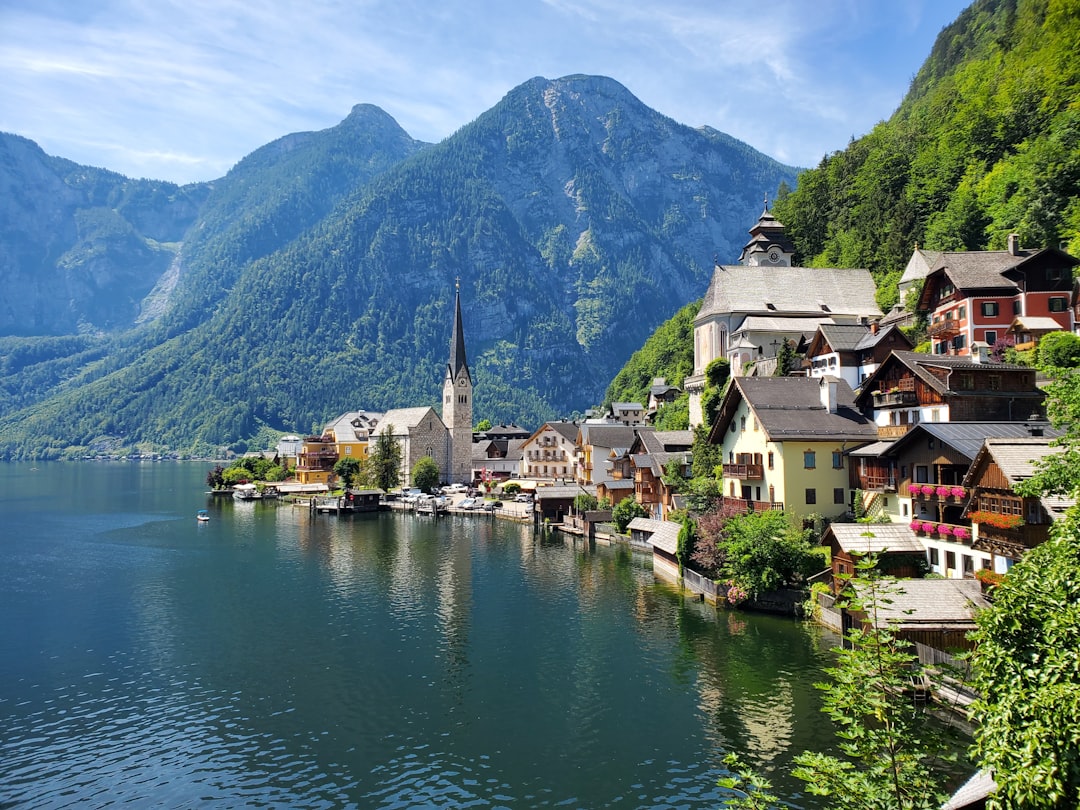
- Hallstatt Village — A UNESCO-listed lakeside village of 780 residents perched above the Salzkammergut — one of Europe’s most photographed spots.
- Grossglockner High Alpine Road — Austria’s highest paved road climbs to 2,504 m with panoramic views of the Hohe Tauern glacier range.
Scroll down for our complete travel guide with tips on getting there, where to stay, costs and more.
Arriving in Austria: Airports & Transport
Which airports are the best entry points into Austria?
Vienna International Airport (VIE) is the dominant entry point, handling over 31 million passengers yearly. In my experience, VIE is the best choice for most travellers — it sits 18 km southeast of the city centre and connects to virtually every major hub worldwide. For western Austria, Innsbruck Airport (INN) is ideal for Tyrol and ski regions, while Salzburg Airport (SZG) saves hours if your trip centres on the Mozart city or the Salzkammergut. Graz Airport (GRZ) serves Styria but has limited international connections. My tip: budget airline travellers sometimes use Munich Airport (MUC), just 130 km from Salzburg by road — a real money-saver on transatlantic connections, though add transfer time honestly.
How do I get from the airport to my first accommodation in Austria?
From VIE, the City Airport Train (CAT) reaches Wien Mitte station in exactly 16 minutes for €14.90 one-way — fast but pricey. In my experience, the S-Bahn S7 line does the same journey in 26 minutes for just €4.20 and drops you at multiple central stops. Taxis cost €30–€40 and make sense for groups of 3 or more. From Salzburg Airport (SZG), Bus No. 10 reaches the Hauptbahnhof in 20 minutes for €2.10. From Innsbruck Airport (INN), Bus F takes 17 minutes to centre for €2.50. What surprised me: Uber operates at VIE but is often no cheaper than taxis once surge pricing kicks in — check the CAT first.
What transport options are there within Austria?
Austria’s ÖBB rail network is the backbone — fast, punctual, and nationwide. In my experience, trains between Vienna, Salzburg, Innsbruck, and Graz are comfortable and scenic. The Railjet covers Vienna to Salzburg in 2 hours 22 minutes. Long-distance buses by FlixBus are cheaper but slower. Within cities, integrated tram, metro, and bus systems are excellent. For alpine regions like Tyrol or Vorarlberg, a rental car or regional PostBus network fills gaps the rail misses. My tip: the ÖBB Österreich-Card (annual) offers unlimited travel but at €1,829 it suits residents more than tourists — buy point-to-point online at least 3 days ahead for up to 50% savings.
Do I need a rental car in Austria?
For Vienna, Salzburg, and Innsbruck city stays alone — no, absolutely not. Public transport replaces a car entirely in those cities. However, if you plan to visit Salzkammergut lakes, Wachau Valley vineyards, or remote Carinthian mountain villages, a car cuts journey times dramatically. In my experience, the Grossglockner High Alpine Road and Styrian wine routes are near-impossible to fully enjoy on public transport alone. Rentals start at €35–€50 per day for a compact class. Honest caveat: Austria enforces a mandatory vignette (motorway toll sticker) costing €10.90 for 10 days — rental cars sometimes lack these; confirm before driving or face a €120 fine on the spot.
How good is the public transport network between Austria’s regions?
Between major cities, Austria’s intercity public transport is genuinely world-class. ÖBB Railjet trains connect Vienna, Linz, Salzburg, Innsbruck, and Bregenz on a single corridor reliably. The Vienna–Graz Railjet takes 2 hours 37 minutes. What surprised me: smaller federal states like Burgenland and rural Styria have thin rail coverage, and PostBus routes fill those gaps but run infrequently — sometimes only 2–3 buses per day on minor routes. My tip: download the ÖBB app before arrival; it shows live departures, sells tickets, and covers regional buses under one booking. Combining train and local bus gets you farther than most guides admit — just budget extra time in rural areas.
Accommodation Across Austria
Which regions of Austria should I stay in?
Stay in Vienna’s 1st or 7th districts for imperial culture and nightlife. Base in Salzburg’s Altstadt for day trips into the Salzkammergut. For skiing or summer hiking, Innsbruck in Tyrol puts you within 30 minutes of 7 ski resorts. In my experience, Hallstatt is spectacular but impractical as a base — book a night there but centre yourself in Bad Ischl or Gmunden instead. Graz, Austria’s second-largest city with 300,000 residents, is criminally underrated for a 2-night stop combining Renaissance architecture and Styrian cuisine. Honest warning: Hallstatt’s parking is a genuine disaster — day-trippers arrive by 8 AM to claim the 60 available spots.
What does good accommodation cost per night in Austria?
In my experience, a solid 3-star hotel in Vienna’s 7th or 8th district runs €90–€130 per night for a double room outside peak season. 4-star hotels near the Ringstrasse jump to €180–€280. Salzburg’s Altstadt commands a 15–20% premium over comparable Vienna options due to limited inventory. In Innsbruck, ski season rates (December–March) can hit €200+ per night for mid-range properties. Budget travellers: Wombat’s Hostel Vienna dorms start at €28 per bed. My tip: Booking.com dominates here — Austrian hotels rarely undercut it on their own sites. Breakfast is sometimes included but often added for €12–€18 extra; skip it and hit a Bäckerei instead.
When should I book hotels in Austria — how far in advance?
Book Vienna hotels at least 6–8 weeks ahead for summer (June–August) and New Year’s Eve. For Salzburg during the Salzburg Festival (late July to August), book 4–6 months in advance — I’ve seen decent rooms evaporate in January for August dates. Ski resorts in Tyrol and Vorarlberg fill over Christmas and New Year by October. In my experience, shoulder seasons (April–May and October) allow 2–3 weeks of lead time with good availability. Honest trade-off: last-minute deals exist in Vienna during January and February, but Hallstatt accommodation — just 6 guesthouses in the village — books out nearly year-round and needs reservations 3–5 months ahead.
When is the best time to travel to Austria?
June through September offers the best all-round conditions based on verified climate data. In my experience, June and September are the sweet spot — warm temperatures, longer daylight, and meaningfully fewer crowds than July–August. July and August are peak season in Vienna and Salzburg; expect queues at Schönbrunn and full hotels. Winter (December–March) is excellent specifically for skiing in Tyrol and for Vienna’s Christmas markets, which run from mid-November to December 26. Avoid late October to mid-November — it’s grey, many alpine tourist facilities close, and it offers neither snow nor foliage reliably. My tip: the Vienna Philharmonic Ball in late January is worth planning an entire trip around.
How does peak season affect prices in Austria?
Peak season in Austria runs July–August for cities and lakes, December–March for ski resorts. Hotel prices rise 40–70% above shoulder rates in Vienna during summer. In my experience, the Salzburg Festival period (late July–August) is the single most expensive window in Austria — a €100 hotel room in May becomes €180–€220 in August. Salzburg Festival opera tickets range from €30 to over €400. Ski resort lift passes in Tyrol peak at €65–€75 per day in January. Honest trade-off: visiting Vienna in February saves significant money, but some smaller museums run reduced hours. Flights from the UK to VIE in August cost 40–50% more than the same route in March.
Austria Season by Season
Which regions of Austria have different climate zones?
Austria spans three distinct climate zones within its borders. Vienna and eastern Austria (Burgenland, Lower Austria) experience a continental Pannonian climate — hot summers above 30°C and cold, dry winters. Tyrol, Vorarlberg, and Salzburg’s alpine areas are fully alpine — heavy snowfall above 1,500 m from November through April and cool summers. In my experience, Carinthia is Austria’s sunniest region, sheltered by mountains and recording over 2,000 sunshine hours annually — its lakes like Wörthersee reach 26°C in July. Styria sits between: Graz is mild and green year-round. What surprised me: Innsbruck gets only 700 mm of annual rain — drier than London — but surrounding peaks can dump 3 metres of snow in winter.
What are the rainy seasons in Austria?
Austria has no true monsoon, but rainfall peaks in June and July across most of the country. In my experience, afternoon thunderstorms in the alps are predictable from 2–6 PM during July and August — plan hikes to summit before noon. Vorarlberg, Austria’s westernmost state, is the wettest region, receiving up to 2,000 mm annually due to Atlantic weather systems funnelling through the Rhine valley. Eastern Austria (Vienna, Burgenland) is significantly drier — Vienna averages just 550 mm per year. The honest caveat: October and November bring persistent low cloud and fog in the Inn Valley and across Upper Austria, making those months aesthetically grim for photography even when rain is light.
What does a trip to Austria cost per person per day?
Budget traveller in a hostel dorm, using public transport, eating at Würstelstand sausage stands and supermarket lunches: €55–€75 per day. Mid-range traveller in a 3-star hotel, one sit-down restaurant meal, and daily sightseeing: €130–€180 per day. Comfortable traveller with 4-star hotels, museum entries, and dinners in the Innere Stadt: €250–€350 per day. In my experience, Vienna is cheaper than Paris or Zürich but more expensive than Prague or Budapest. My tip: the Vienna City Card (€17 for 24 hours) bundles unlimited public transport and museum discounts — it pays off if you visit 2 or more paid attractions in a day. Food is where you can save the most — a Gasthaus lunch with soup, main, and drink runs €12–€15.
How expensive is food in Austria?
A Würstel (grilled sausage) with bread at a street stand costs €3–€4 — the most honest budget meal in the country. A Wiener Schnitzel in a mid-range Viennese restaurant runs €18–€26 depending on whether it’s veal or pork. In my experience, lunch deals (Mittagsmenü) in non-tourist Gasthauses offer soup plus main for €9–€13 — tremendous value. Coffee culture is expensive by international standards: a Melange (Viennese coffee) at a traditional Kaffeehaus costs €4–€5, and sitting in Café Central costs more again. Supermarkets (Spar, Billa, Hofer) sell excellent ready meals for €3–€6. Honest warning: waterfront restaurants at Hallstatt lake mark up tourist menus by 30–40% compared to the same dish 10 km inland.
What hidden costs should I expect in Austria?
The motorway vignette (€10.90 for 10 days) catches almost every first-time driver — it’s mandatory and not optional. Museum cloakrooms sometimes charge €1–€2 and are compulsory with large bags. In my experience, Kurtaxe (resort tax) in alpine villages adds €1.50–€3.50 per person per night on top of accommodation — not always disclosed upfront. Water in restaurants is never free; expect €3–€4 for 0.5L. Credit card surcharges of 1.5–2% still appear at smaller guesthouses. My tip: many Austrian museums are free on National Day (October 26) — plan around it. The Salzburg Fortress Hohensalzburg entry is €15.50 and worth it, but the funicular ride is included — don’t pay the walk-up path separately.
Budgeting Your Austria Trip
How much cash should I bring to Austria?
Bring €100–€150 in cash as a starting reserve — Austria is more cash-reliant than Western Europeans expect. In my experience, rural Styrian guesthouses, alpine huts (Almhütten), and village markets are cash-only without exception. Vienna and Salzburg city centres accept cards widely, but the threshold often sits at €10 minimum for card payment. ATMs (Bankomaten) are ubiquitous in cities and accept Visa, Mastercard, and Maestro — withdraw €200 at a time to minimise per-transaction fees from your home bank. Honest warning: avoid Euronet ATMs at tourist sites — they charge €3–€5 per withdrawal plus poor exchange rates. Stick to Erste Bank, Raiffeisen, or Bank Austria ATMs for better terms.
Which credit cards are accepted in Austria?
Visa and Mastercard are accepted at the overwhelming majority of hotels, restaurants, and larger shops in Austrian cities. In my experience, American Express works at upscale hotels and international chains but is refused at perhaps 40% of mid-range restaurants. Maestro/V-Pay debit cards work at most Austrian supermarkets but are being phased out in favour of contactless. Honest trade-off: Austrian small businesses — Heurigen wine taverns, ski rental shops, cable cars — often display “Bar only” signs with no apology. My tip: carry both a Visa and a backup Mastercard; I’ve hit rare terminals that accept only one network. Contactless payment (up to €50 without PIN) works reliably in Vienna, Salzburg, and Innsbruck city centres.
Which regions of Austria must I not miss?
Vienna (1st district) is non-negotiable — the Habsburg imperial core alone justifies the entire trip. The Salzkammergut lake district, centred on Bad Ischl, offers a combination of UNESCO villages, salt mines, and turquoise lakes that nothing else in Central Europe matches. In my experience, Tyrol is Austria’s most dramatically beautiful federal state — the Karwendel mountain range north of Innsbruck is genuinely jaw-dropping. Graz’s Schlossberg rewards a 2-night detour into Styria’s food culture. Don’t skip Wachau Valley between Krems and Melk — 28 km of Danube riverside with apricot orchards, castle ruins, and a UNESCO designation. Honest caveat: Burgenland is skippable unless you specifically want flat-landscape wine tourism.
What are the tourist highlights of Austria?
Schönbrunn Palace with its 1,441 rooms and hilltop Gloriette viewpoint over Vienna is the headline attraction. Salzburg’s Altstadt — a UNESCO site since 1996 — packs Mozart’s birthplace, the Getreidegasse, and Hohensalzburg Fortress into a walkable medieval core. In my experience, the Vienna State Opera (Staatsoper) standing-room tickets at €10 for same-day performances offer absurd value. The Eisriesenwelt ice caves near Werfen are the world’s largest accessible ice caves at 42 km of passages — underrated by most Vienna-focused itineraries. Innsbruck’s Golden Roof (Goldenes Dachl) covers 2,657 fire-gilded copper tiles — a detail most visitors walk past without knowing the number.
What experiences in Austria are found nowhere else?
A standing-room ticket at the Vienna Philharmonic for €6–€10 — nowhere else on Earth delivers that acoustic standard at that price. The Hallstatt salt mine, active since 5,000 BC, is the world’s oldest and lets you slide down a wooden miner’s chute — genuinely unlike anything in tourism. In my experience, Heuriger wine taverns (Vienna’s traditional new-wine taverns, legal only when displaying a pine branch above the door) offer an ancient hospitality format invented in 1784 under Emperor Joseph II — you bring your own food or buy cold platters and drink the current vintage by the carafe. The Lipizzaner stallion performances at the Spanish Riding School in Vienna have no equivalent globally.
Which Part of Austria to Choose
Which areas of Austria are overcrowded — and what are the quieter alternatives?
Hallstatt receives 1 million+ day-trippers annually into a village of 780 residents — it is genuinely overwhelmed in July and August. My alternative: Grundlsee or Altaussee, 25–30 km east, offer the same alpine lake scenery with almost no tourist crowds. Salzburg’s Getreidegasse becomes a bottleneck by 10 AM in summer — walk instead to Steingasse on the other side of the river for authentic local atmosphere. In my experience, Innsbruck itself is undervisited relative to its quality; it’s far more liveable than overcrowded Salzburg for a week’s stay. Skip Vienna’s 1st district tourist-trap restaurants and eat in the 16th or 17th district (Ottakring) — same quality, half the price.
How many days do I need in Austria?
A minimum of 7 days to do Austria justice without feeling rushed. In my experience, the ideal first visit splits as follows: 3 nights Vienna, 2 nights Salzburg, 2 nights Innsbruck or Hallstatt area. That covers imperial Vienna, the Mozartian Baroque, and alpine scenery. A 10–14 day trip adds Graz (2 nights), a Wachau Valley day, and proper hiking time in Tyrol. One week is too short to include both Carinthia and Tyrol — choose one. Honest trade-off: Austria is compact (83,871 km²) but the mountain geography means road journey times are longer than map distances suggest — Innsbruck to Salzburg looks like 90 minutes on a map but takes 1 hour 49 minutes on the fastest train.
Do I need a visa for Austria?
Austria is a Schengen Area member, so Schengen visa rules apply. Citizens of the EU, USA, Canada, UK, Australia, New Zealand, and Japan enter visa-free for up to 90 days within any 180-day period. In my experience, passport control is minimal at land borders within Schengen, though spot checks occur at the German and Slovenian border crossings. UK citizens post-Brexit are visa-free but should note the 90-day limit strictly — Austria enforces it. Important from 2025: the EU ETIAS travel authorisation applies to previously visa-exempt non-EU nationals including UK, US, and Canadian citizens — it costs €7 and is valid for 3 years; register before travel. Check etias.eu for the current launch status before your 2026 trip.
What languages are spoken in Austria?
German is the sole official language, but Austrian German differs noticeably from High German — vocabulary, pronunciation, and even some grammar vary. In my experience, English is spoken confidently by the vast majority of people in Vienna, Salzburg, and Innsbruck under age 50 — ordering food, buying tickets, and navigating in English is effortless. In rural Styria, Burgenland, and Carinthia, English drops off sharply outside hotels; basic German phrases earn disproportionate goodwill. Slovene is a recognised minority language in southern Carinthia. My tip: learn these 3 Austrian-specific words — “Servus” (hello/goodbye), “Bitte” (please/you’re welcome), and “Grüß Gott” (formal greeting) — they signal cultural respect and Austrians notice immediately.
What cultural rules do I need to know before visiting Austria?
Austrians are formal by Western European standards — use ”Sie” (formal you) with strangers and “Herr” or “Frau” plus surname until invited otherwise. In my experience, punctuality is taken seriously — arriving 10 minutes late to a dinner invitation is rude in a way it simply isn’t in Southern Europe. Quiet hours (Ruhezeit) apply between 10 PM and 6 AM and on Sunday all day — noise complaints from neighbours are genuine and common. Tipping at restaurants: round up or add 5–10% in cash directly to the server (not left on the table). Honest caveat: Austrians in alpine regions have deep pride in local traditions — photographing private religious roadside shrines without acknowledgment is considered disrespectful.
Before You Go to Austria
How safe is Austria for travellers?
Austria is among the safest countries in Europe — it ranks consistently in the top 5 on the Global Peace Index. In my experience, walking at 2 AM in Vienna’s 1st district or Salzburg’s Altstadt feels genuinely safe. Petty theft exists — pickpocketing on U-Bahn Line U6 and around Westbahnhof in Vienna is the most commonly reported tourist issue. Honest warning: Karlsplatz U-Bahn station in Vienna has a visible open drug scene around the underground passages — uncomfortable but not typically dangerous to walk through. The biggest physical risk in Austria is alpine weather — mountain conditions change in under 30 minutes, and Austrian mountain rescue services handle over 1,000 operations annually; always register hikes and carry a charged phone.
What health precautions should I take before visiting Austria?
No vaccinations are required for Austria, and tap water is among the purest in Europe — Vienna’s water supply comes directly from alpine springs in the Styrian and Lower Austrian Alps and is safe to drink everywhere. In my experience, the one genuine health prep is tick-borne encephalitis (TBE) vaccination — Austria has one of Europe’s highest TBE risk zones, particularly in Lower Austria, Styria, and Carinthia forests from April through October. The TBE vaccine requires 3 doses over 9–12 months — plan well ahead. EHIC/GHIC cards (EU/UK) cover emergency treatment at Austrian public hospitals. Prescription medications: bring sufficient supply — Austrian pharmacies (Apotheke) cannot dispense foreign prescriptions without local doctor consultation, which costs €50–€80.
What SIM card or eSIM options are available in Austria?
A1, Magenta (T-Mobile), and Drei (3) are Austria’s three main networks. In my experience, Drei offers the best value tourist SIM — a 10 GB data SIM for 30 days costs approximately €15 at any Drei shop, found in every city centre. For eSIM users, Airalo sells Austria eSIMs from €4.50 for 1 GB — activate before landing for immediate airport connectivity. EU roaming rules mean EU citizens pay domestic rates throughout Austria with their home SIM — no purchase needed. Honest trade-off: alpine valleys, particularly in Vorarlberg and the Ötztal, have genuine dead zones where even Austrian SIMs show no signal — download maps.me or Google Maps offline tiles for those areas before leaving the city.
Which apps do you recommend for travelling in Austria?
ÖBB app (Austrian Federal Railways) is essential — buy tickets, check live departures, and access regional bus timetables all in one place. Wiener Linien app handles Vienna’s U-Bahn, tram, and bus network with a real-time map. In my experience, Komoot is the best hiking navigation app for Austrian trails — it shows exact elevation profiles and waypoints for over 8,000 marked routes in the Alps. Google Maps works well in cities but is unreliable on alpine tracks. Runtastic (founded in Austria, interestingly) works for fitness tracking. My tip: download Holidacheck for honest German-language hotel reviews — they capture Austrian guesthouse quality more accurately than English-language platforms because the majority of reviewers actually stayed there.
What are the most common traveller mistakes in Austria?
The single biggest mistake: booking Hallstatt without a night’s accommodation and arriving at 11 AM by day-trip bus — you’ll share the village with 3,000 other people and see nothing authentically. Second: ignoring the Vignette motorway sticker — the fine is €120 and police check regularly at border crossings. In my experience, travellers massively underestimate Graz and skip it for a third night in Salzburg — a mistake that costs them Austria’s best food scene. Booking full-price Vienna State Opera tickets online when €10 standing-room tickets go on sale at the box office 80 minutes before each performance is pure money wasted. Finally: using airport currency exchange at VIE — rates are 15–20% worse than city centre banks or ATMs.
Explore Austria by Region
Austria at a Glance
| Population | 8,979,894 |
|---|---|
| Currency | EUR (€) |
| Official language | German, Austrian Sign Language |
| Time zone | UTC+01:00 |
Source: Wikidata, retrieved August 2026.
Essential Resources for Planning Your Trip to Austria
- transport and tourism info — official visitor information, passes & events
- Wikipedia: Austria — history, geography & background
- Wikivoyage: Austria — community travel guide & practical tips
- Austria travel – Lonely Planet | Europe — expert itineraries & travel inspiration
- THE 15 BEST Things to Do in Austria (2026) — hotels, restaurants & traveller reviews
- Holiday in Austria – tips and infos for your stay — how to get around
- Numbeo: Cost of Living in Austria — current prices & cost comparison
- Timeanddate: Austria Weather & Climate — forecasts & climate statistics
More Perspectives on Austria
- 20+ Austria Travel Tips for First Timers & Must Knows …
- Austria
- Austria: tips and tricks when planning your adventure
Austria Travel Videos
Watch these videos for a visual preview before your trip:
- AUSTRIA Ultimate Travel Guide 2026 🇦🇹 Best Attractions of Austria
- Top 25 Places To Visit in Austria – Travel Guide
- Wonders of Austria | Most Amazing Places in Austria | 4K Travel Guide
Austria Travel Discussions on Reddit
Real traveller experiences and community advice:
- Austria Travel Suggestion : r/travel
- What’s one thing you wish every tourist knew before …
- Traveling to Austria- looking for tips for cities/activities
Data Sources
This page was compiled using data from Wikipedia, Wikidata, Open-Meteo (climate), Numbeo (cost of living) and REST Countries. Information is updated regularly.