
Chile: The Complete Travel Guide (2026)
Last reviewed: August 2026 · key facts checked against Wikidata
Chile Travel Guide: Everything You Need to Know (2026)
Chile stretches 4,270 km from the Atacama Desert in the north to Cape Horn in the south, making it the world’s longest country and the closest nation to Antarctica. With a population of 19,458,000 in the capital region alone and a total national population of 18.5 million, it packs extraordinary geographic diversity into a strip averaging just 177 km wide. Founded as a Spanish colony in 1541, Chile today ranks as South America’s most stable economy and one of its most rewarding destinations for serious travelers.
Top 3 Highlights at a Glance
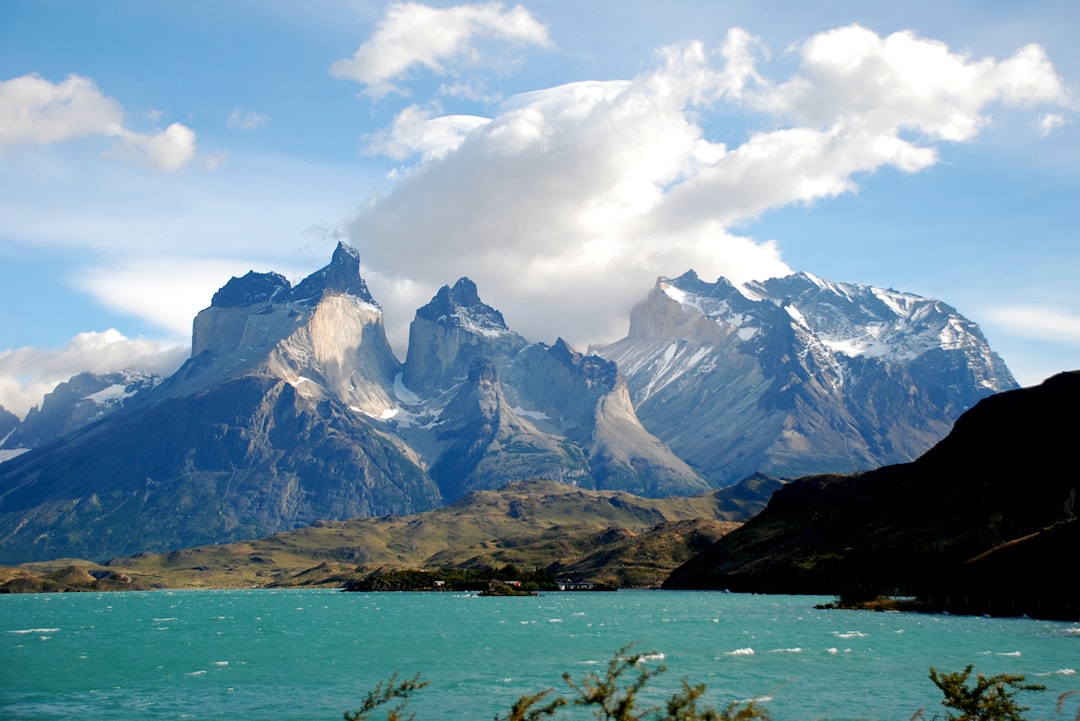
- Torres del Paine National Park — The granite towers rise 2,850 m above Patagonia — among the most dramatic mountain scenery on Earth.
- Atacama Desert, San Pedro de Atacama — The world’s driest non-polar desert offers salt flats, geysers at 4,500 m, and zero light pollution for stargazing.
- Easter Island (Rapa Nui) — 900 moai statues on a volcanic island 3,700 km from mainland Chile — genuinely unlike anywhere else on Earth.
Scroll down for our complete travel guide with tips on getting there, where to stay, costs and more.
Getting There & Transport
Which airports are the best entry points into Chile?
Arturo Merino Benítez International Airport (SCL) in Santiago is your primary entry point for Chile. In my experience, over 90% of international travelers land here first, and it handles direct flights from North America, Europe, and Australia. Punta Arenas Airport (PUQ) in the far south is a secondary entry point if you’re flying directly into Patagonia — useful for connecting to Torres del Paine. Iquique (IQQ) and Antofagasta (ANF) serve northern Chile and the Atacama region but rarely have international connections. My tip: flying into SCL and out of PUQ as an open-jaw itinerary saves significant backtracking time. Warning most guides skip: SCL is at 474 m altitude — not an issue for acclimatization, but your connecting domestic flight to San Pedro de Atacama lands at 2,450 m, which can hit hard if you rush.
How do I get from the airport to my first accommodation in Chile?
Centropuerto bus from SCL to Santiago city center costs around $2 USD and takes 45–60 minutes to Pajaritos Metro Station, from where Metro Line 5 connects downtown. The Turbus airport shuttle costs approximately $8 USD and drops at multiple central points. Taxis from official airport ranks cost $25–35 USD to Barrio Italia or Providencia neighborhoods. In my experience, the Centropuerto bus plus metro is unbeatable for budget travelers. What surprised me: Uber operates legally at SCL and typically costs $15–20 USD to central neighborhoods — faster than haggling with taxi touts. My warning: avoid unmarked taxis outside the terminal; use only the official Taxi Oficial counters inside arrivals. Pre-book accommodation in Providencia or Las Condes — both sit directly on metro lines from the airport route.
What transport options are there within Chile?
Chile’s internal transport is genuinely excellent for South America. LATAM Airlines and Sky Airline dominate domestic routes, with flights from Santiago to Punta Arenas costing $60–180 USD booked in advance — covering 3,000 km in under 3 hours. Turbus and Pullman Bus run long-distance coaches between cities; a Santiago to Valparaíso bus costs roughly $5 USD and takes 1.5 hours. The Santiago Metro (6 lines, 140 stations) is clean, safe, and costs $1.20 USD per ride. For Patagonia, ferry services like Navimag connect Puerto Montt to Puerto Natales over 4 days. My honest caveat: Chile’s geography makes north-to-south overland travel extremely time-consuming — flying between macro-regions is almost always worth the cost. Renting a car works well in the Lake District and wine valleys but is unnecessary in Santiago itself.
Do I need a rental car in Chile?
It depends entirely on your itinerary — so let me be specific. In Santiago, Valparaíso, and San Pedro de Atacama town, you absolutely do not need a car. In the Lake District around Pucón and Puerto Varas, a rental car unlocks waterfalls, volcanoes, and hot springs that buses miss entirely. For the Carretera Austral (Route 7), a 4WD is essentially mandatory — 1,240 km of mostly unpaved road through Patagonia. Rental costs run $45–80 USD per day for a basic vehicle from companies like Europcar or Hertz at SCL. My warning that guides ignore: Chilean car rental agencies charge steep one-way drop fees — sometimes $300+ USD — so plan round-trip routes or budget accordingly. International driving permit is not legally required but recommended.
How good is the public transport network between regions of Chile?
Between major cities, Chile’s intercity buses are outstanding — comfortable, punctual, and affordable. Turbus and Pullman Bus offer cama (fully flat) seats on overnight routes; Santiago to Puerto Montt costs $35–55 USD in a cama seat over 12 hours. The regional network weakens significantly south of Puerto Montt, where Patagonia begins and ferry travel becomes necessary. San Pedro de Atacama is served by frequent buses from Calama (1.5 hours, $5 USD). Easter Island and Robinson Crusoe Island require flights — no ferry option exists for tourists. What surprised me: Chile has no passenger rail network worth using for tourism — the only operational train runs Santiago to Chillán and is slower than buses. My tip: book overnight buses for long routes; they’re comfortable enough to skip a hotel night and save real money.
Accommodation
Which regions of Chile should I stay in?
Base yourself in Santiago’s Barrio Italia or Lastarria for urban exploration — both walkable, full of restaurants, and on metro lines. For wine country, stay in Santa Cruz in the Colchagua Valley rather than commuting from Santiago. In the north, San Pedro de Atacama is the only sensible base for desert exploration despite its tourist-village feel. In the Lake District, Puerto Varas beats Puerto Montt — it sits directly on Llanquihue Lake with Osorno Volcano views. For Patagonia, Puerto Natales is the gateway to Torres del Paine — staying inside the park in a lodge costs $400+ USD/night but saves 2 hours of daily transit. My caveat: Punta Arenas is a common overnight stop but rarely worth more than 1 night unless you’re catching a ferry to Tierra del Fuego.
What does good accommodation cost per night in Chile?
In Santiago’s Providencia, a solid 3-star hotel runs $70–110 USD per night; boutique hotels in Lastarria reach $130–180 USD. Budget hostels in Barrio Brasil cost $15–25 USD for a dorm bed. In San Pedro de Atacama, mid-range guesthouses run $80–120 USD — demand far exceeds supply in peak season. Torres del Paine lodges like Explora Patagonia charge $700–900 USD per night all-inclusive — genuinely worth it if budget allows. Camping inside Torres del Paine via CONAF costs $10–35 USD per site and must be booked months ahead. What surprised me: Chilean accommodation quality has improved dramatically in the past decade, but pricing has risen to match. My tip: Airbnb in Santiago offers genuine apartments from $50 USD/night in safe neighborhoods — better value than many mid-range hotels.
When should I book hotels in Chile — how far in advance?
Book Torres del Paine accommodation 6–12 months ahead — this is not an exaggeration. The park’s camping and refugio system through CONAF and Vértice Patagonia sells out by August for the following November–March season. For San Pedro de Atacama during Chilean school holidays (July, January–February), book 3–4 months ahead. Santiago hotels are available with 2–4 weeks notice most of the year except during major events like Lollapalooza Chile (March) or FISA trade fairs, when the city fills completely. Easter Island is the other critical bottleneck — flights are limited (only LATAM flies there), and lodges in Hanga Roa book out 3–5 months ahead in high season. My honest tip: flexible dates in shoulder season (October, April) dramatically open availability and drop prices by 20–30%.
When is the best time to travel to Chile?
Chile’s best travel months are January, February, March, and December — but this requires important nuance. For Patagonia and Torres del Paine, November through March is the only realistic window; the W Trek is effectively inaccessible in winter. For the Atacama Desert, any month works since it rarely rains, but June–August offers stunning clear skies and fewer crowds despite cold nights (down to -5°C). Easter Island peaks in February during the Tapati Festival — book 6 months ahead. Santiago and the wine valleys are at their most pleasant in March–April (harvest season) and October–November (spring). My honest caveat: visiting Patagonia in peak January means strong winds, crowded trails, and premium prices — I found late November and early March far more rewarding with 30% fewer hikers on the trail.
How does peak season affect prices in Chile?
Peak season (December–February) inflates Chilean travel costs substantially. Torres del Paine lodge prices rise by 40–60% compared to shoulder season. Domestic flights to Punta Arenas from Santiago can jump from $80 USD in October to $200+ USD in January. San Pedro de Atacama guesthouses that charge $70/night in June often hit $130/night in summer. In my experience, the price spike is sharpest at the extreme ends of the country — central Chile around Santiago and Valparaíso sees more modest increases of 15–25%. What guides omit: Chilean domestic tourism is the primary driver of peak season crowding — school holidays in January–February flood Patagonia and lake district resorts with Chilean families, not just foreign tourists. Shoulder season travel in October–November gives you 80% of the experience at 60% of the cost.
Best Time to Visit
Which regions of Chile have different climate zones?
Chile’s 4,270 km length creates 5 distinct climate zones — genuinely unlike any other country. The Atacama Desert (north, around Antofagasta) is hyper-arid with less than 1 mm of annual rainfall in some areas. Santiago and central Chile has a Mediterranean climate — hot dry summers, mild wet winters. The Lake District around Valdivia receives 2,500 mm of rain annually, resembling the Pacific Northwest. Patagonia below Puerto Montt is cold, windy, and unpredictable year-round — pack for four seasons in one day. Easter Island sits in a subtropical zone with year-round temperatures of 18–27°C. My warning: travelers who budget one Chile trip assuming uniform conditions are repeatedly caught out — a summer jacket for Santiago means nothing in Torres del Paine where wind chills hit -15°C even in December.
What are the rainy seasons in Chile?
Rainy seasons vary dramatically by region in Chile. Santiago receives most of its 300 mm annual rainfall between May and August — winters are gray and damp but rarely disrupt travel. The Lake District (Pucón, Valdivia) is wet nearly year-round but peaks June–August with heavy, sustained rain. Patagonia has no true dry season — wind and precipitation occur in every month, though December–February offers the longest daylight windows (up to 18 hours near Punta Arenas). The Atacama essentially has no rainy season, though the Altiplano Winter (Invierno Altiplánico) from January–March brings afternoon thunderstorms to the high-altitude salt flats above 4,000 m. My caveat: the Altiplano Winter catches travelers off guard — roads to Salar de Atacama and Laguna Colorada can close for hours after flash floods. Always check conditions with your San Pedro tour operator before heading into the altiplano.
What does a trip to Chile cost per person per day?
Budget travelers in Chile can manage $45–60 USD per day staying in hostels, eating set lunches (menú del día), and using buses. Mid-range travelers spending on private rooms, tours, and restaurant dinners should budget $120–180 USD per day. Patagonia adds a significant premium — even budget travelers spend $80–100 USD/day due to park fees ($50 USD for Torres del Paine entry), transport, and limited cheap food options in Puerto Natales. Luxury travelers at Explora or awasi lodges in Atacama spend $600–1,000 USD/day all-inclusive. In my experience, the biggest budget variable is domestic flights — flying even twice domestically adds $200–400 USD to a two-week trip. My tip: the menú del día (set lunch) in Santiago’s Barrio Italia for $6–8 USD is one of South America’s best travel bargains.
How expensive is food in Chile?
Food in Chile ranges widely but is reasonably priced outside tourist hotspots. A menú del día (set lunch with soup, main, and drink) costs $5–8 USD at local restaurants in Santiago. A mid-range dinner for two with wine in Lastarria runs $45–70 USD. Street empanadas cost $1.50–2.50 USD each — genuinely excellent and filling. In San Pedro de Atacama, expect tourist pricing: a simple pasta dish hits $12–15 USD. Supermarkets like Lider and Jumbo in Santiago offer good self-catering options — a week of groceries for $60–80 USD. What surprised me: Chilean wine is outstanding and absurdly affordable locally — a quality bottle of Concha y Toro Gran Reserva costs $8–12 USD in a supermarket. Seafood on the coast around Valparaíso — ceviche, machas, locos — is fresh and fairly priced at $10–15 USD per dish.
What hidden costs should I expect when visiting Chile?
Several costs catch first-time Chile travelers off guard. Torres del Paine entry costs $50 USD in peak season — non-negotiable and not included in most tour packages. Easter Island requires a separate $80 USD Rapa Nui entry fee payable on arrival. Domestic luggage fees on Sky Airline add $15–30 USD per bag if not included in your fare — always check. Tipping in Chile is expected but not automatic: 10% propina is standard at restaurants and must be actively added to your card payment. ATM fees from Chilean banks like Banco de Chile can hit $5–8 USD per withdrawal for foreign cards. Hiking equipment rentals in Puerto Natales for multi-day treks run $20–40 USD/day. My warning: travel insurance is essential — a helicopter rescue from Torres del Paine costs $3,000–8,000 USD and happens more often than you’d think.
Budget & Costs
How much cash should I bring to Chile?
Bring $150–200 USD worth of Chilean Pesos as a starting float, then use ATMs locally. The official currency is the Chilean Peso (CLP) — the exchange rate fluctuates around 900–950 CLP per USD in 2025–2026. Redbanc ATMs (widely available in Santiago) give good rates; use Banco Estado ATMs which charge lower foreign fees than private banks. In San Pedro de Atacama, ATMs exist but regularly run out of cash on weekends — withdraw extra in Calama before arriving. Torres del Paine has no ATMs — bring all cash needed for your stay. Most Santiago restaurants and shops accept Visa and Mastercard contactlessly. My tip: avoid currency exchange booths at SCL airport, which offer rates 8–12% worse than city ATMs or the licensed exchange houses (casas de cambio) on Agustinas Street in downtown Santiago.
Which credit cards are accepted in Chile?
Visa and Mastercard are accepted almost universally in Chilean cities, mid-range restaurants, and supermarkets. American Express works at upscale hotels and larger restaurants but is refused at roughly 30% of establishments. In my experience, contactless payments via Google Pay and Apple Pay work reliably on Santiago’s Bip! card top-up machines and most modern POS terminals. The critical caveat: outside major cities — in small Patagonia towns, along the Carretera Austral, and in rural Atacama villages — cash is often the only option. Always ask ¿Acepta tarjeta? before ordering. My warning: some Chilean merchants add a 1.5–2% surcharge for credit card payments, which is technically illegal but practiced at smaller businesses — check before paying. A Charles Schwab or Wise debit card with zero foreign transaction fees is the smartest tool for Chile travel.
Which regions of Chile must I not miss?
Four regions stand above the rest for first-time visitors to Chile. The Atacama Desert (Region II) around San Pedro is the world’s driest desert and offers experiences — geyser fields at dawn, flamingo-filled salt lakes, stargazing at 4,500 m — found nowhere else. The Lake District (Regions XIV and X) around Pucón and Puerto Varas combines volcanoes, thermal pools, and Germanic colonial towns in a 3-hour drive. Patagonia (Region XII) and Torres del Paine need no justification — the granite towers are among Earth’s most photographed landscapes. Santiago and Valparaíso together form an underrated urban-coastal pair; Valparaíso’s 42 hills covered in street art deserve a full day. My recommendation: skip the Norte Chico (La Serena area) on a first trip unless you have 3+ weeks — the Elqui Valley is lovely but a lower priority than the four regions above.
What are the tourist highlights of Chile?
Chile’s highlights span geography and culture in ways few countries match. Torres del Paine’s W Trek (80 km over 5 days) is the flagship experience. The Valle de la Luna near San Pedro — a Mars-like landscape of salt formations and purple sunsets — costs $10 USD entry and takes a half-day. Valparaíso’s cerros (hills) with their funicular ascensores and street art by artists like Inti are genuinely world-class. Easter Island’s moai at Ahu Tongariki (15 statues in a row) at sunrise ranks among my top 5 travel memories. Viña del Mar and Casablanca Valley wine tours pair well with coastal scenery. The Chiloé Archipelago’s wooden churches (UNESCO listed, 16 on the list) and palafito stilt houses offer a completely different side of Chile. What surprised me: the Sewell Mining Town near Rancagua (2-hour drive from Santiago) is an undervisited UNESCO site that most international tourists skip entirely.
What experiences in Chile are found nowhere else on Earth?
Three Chilean experiences are genuinely irreplaceable. First: stargazing in the Atacama — the European Southern Observatory chose this desert for a reason; tours from San Pedro take you to sites with 300+ clear nights per year and visible Milky Way arms invisible from most of Earth. Second: moai restoration at Rapa Nui (Easter Island) — seeing 887 statues built by a Polynesian civilization on a Pacific island 3,700 km from the nearest continent is disorienting in the best way. Third: the Carretera Austral — driving or cycling 1,240 km through Patagonia on a road that ends at Villa O’Higgins with no onward land route is one of the world’s great adventure journeys. My honest addition: the Navimag ferry from Puerto Montt to Puerto Natales through the fjords over 4 days — it’s no luxury cruise, but the channel scenery is otherworldly and the experience is purely Chilean.
Regions & Highlights
Which areas of Chile are overcrowded — what are quieter alternatives?
Torres del Paine is seriously overcrowded in January–February — the W Trek refugios are at capacity and trails feel like queues. My alternative: Parque Patagonia near Cochrane (4 hours north by road) offers comparable Patagonian scenery with a fraction of the visitors — entry is free. San Pedro de Atacama town center is overrun with tour agencies — book accommodation in Toconao (38 km south) for a quieter base with the same desert access. Valparaíso’s Cerro Alegre is now extremely touristic; walk 10 minutes to Cerro Concepción or Cerro Bellavista for equivalent street art with 60% fewer selfie sticks. For wine tourism, the Maipo Valley near Santiago is saturated — the Maule Valley around Talca (3 hours south) produces excellent reds with almost no tour groups. My tip: October–November in Patagonia gives you full access to trails without the January chaos.
How many days do I need to see Chile?
A meaningful Chile trip requires a minimum of 14 days — and that still forces hard choices. A 10-day trip covers either the north (Atacama + Santiago + Valparaíso) or the south (Santiago + Lake District + Patagonia) but not both. 21 days is the sweet spot for north-south coverage: 3 days Santiago, 3 days Atacama, 2 days Valparaíso/wine country, 2 days Chiloé, 3 days Lake District, 5 days Torres del Paine, 3 days buffer for transport. Easter Island requires an additional 4–5 days as a separate add-on. In my experience, travelers who try to cover Chile end-to-end in 10 days spend half their time in airports and arrive exhausted at each stop. My honest advice: pick one macro-region per trip and go deep — Chile rewards slow travel far more than checkbox tourism.
Do I need a visa to visit Chile?
Most Western nationalities do not need a visa for Chile. US, UK, EU, Canadian, Australian, and New Zealand passport holders receive a 90-day tourist stamp on arrival — free of charge. The reciprocity fee that Chile previously charged Americans and Australians at the airport was permanently abolished in 2014. South African passport holders require a visa in advance. On arrival at SCL, you’ll receive a Tarjeta de Turismo — keep this paper safe as you must return it on departure or face a fine. In my experience, immigration at SCL is efficient — budget 20–30 minutes for the queue in off-peak hours, 45–60 minutes on busy January afternoons. My warning: if you plan to cross into Argentina or Bolivia and return to Chile, your 90-day allowance continues from your original entry date — it doesn’t reset at the border.
What languages are spoken in Chile?
Spanish is Chile’s official language, spoken by virtually the entire population of 18.5 million. Chilean Spanish is notoriously fast, vowel-dropping, and heavily slang-laden — even native Spanish speakers from other countries find it challenging at first. In tourist areas — Lastarria, San Pedro de Atacama, Torres del Paine lodges — English is spoken competently. Outside these zones, assume Spanish only. In Chiloé and southern regions, older residents occasionally speak Mapudungún (the Mapuche indigenous language). On Easter Island, Rapa Nui (a Polynesian language) is spoken alongside Spanish. My practical advice: download Spanish Duolingo for 30 days before your trip and specifically practice Chilean slang — phrases like po (discourse particle), cachai (you get it?), and al tiro (right away) will appear constantly. A translation app like Google Translate with offline Spanish downloaded is essential outside Santiago.
What cultural rules do I need to know before visiting Chile?
Chilean culture is more formal and conservative than neighboring Argentina or Peru. Greetings matter: always give a single kiss on the right cheek when meeting locals — skipping this reads as rude. Punctuality is flexible socially but expected in business; arriving 15–20 minutes late to a dinner invitation is normal. Tipping: 10% propina at restaurants requires you to actively confirm it on card payment terminals — it won’t be added automatically. Dress modestly when visiting Catholic churches — a rule enforced at Santiago’s Metropolitan Cathedral and Chiloé’s UNESCO churches. Discussing Pinochet’s dictatorship (1973–1990) is a sensitive topic; opinions divide Chilean society and it’s not a conversation starter to pursue with strangers. My observation: Chileans are proud of their country’s stability and often sensitive to comparisons with poorer neighboring nations — frame questions respectfully. Sundays in smaller towns mean most shops and restaurants close by 2 PM.
Practical Tips
How safe is Chile for travelers?
Chile is the safest country in South America for tourists — but safety is not uniform. Santiago’s Providencia, Las Condes, Vitacura, and Lastarria neighborhoods are genuinely low-risk by any global standard. The historic center around Plaza de Armas has higher pickpocketing rates — keep phones in pockets, not hands. Valparaíso requires extra awareness after dark; avoid walking the hills alone at night. The northern border regions near Arica see occasional issues related to cross-border migration routes — stay on tourist routes. Patagonia is essentially crime-free but has serious wilderness safety risks: the W Trek sees 20–30 rescue operations per season due to underestimated weather. My warning that guides omit: express kidnappings (brief forced ATM withdrawals) have been reported in Santiago — use ATMs inside supermarkets or bank lobbies, never on the street at night. Overall, standard urban awareness is sufficient.
What health precautions should I take before visiting Chile?
No mandatory vaccinations are required for Chile. I recommend ensuring hepatitis A, typhoid, and tetanus are current before travel. For the Atacama at 2,450–4,500 m altitude, altitude sickness (soroche) is a real risk — ascend gradually, hydrate aggressively, and avoid alcohol your first 24 hours. Acetazolamide (Diamox) prescribed before departure helps significantly; get it from your doctor at home. Tap water is safe to drink in Santiago and major cities — one of the few South American capitals where this is true. In remote Patagonia trekking areas, treat river water with a SteriPen or purification tablets. Sun protection is critical in Chile: the ozone layer is thinnest over southern Chile and the Atacama, meaning UV index reaches 14+ — far exceeding what most travelers expect. Pharmacies (farmacias) like Cruz Verde and Salcobrand are ubiquitous in cities and stock most medications without prescription.
What SIM card or eSIM options are available in Chile?
Entel is Chile’s best carrier for coverage — particularly outside Santiago. A prepaid Entel SIM with 20 GB of data costs approximately $12–15 USD and can be purchased at their airport kiosk inside SCL’s arrivals hall. Claro and Movistar are cheaper but have patchy coverage in Patagonia and along the Carretera Austral. For eSIM users, Airalo sells a Chile eSIM starting at $8 USD for 3 GB — activate before landing. What surprised me: mobile coverage in Torres del Paine is essentially nonexistent on most carriers — even Entel has limited signal on the W Trek trail. Download offline maps of the park on Maps.me before entering. Wi-Fi in Santiago hostels and hotels is reliable; in Patagonia lodges, expect slow or intermittent connections. My tip: data-heavy users should buy Entel’s 50 GB plan for $25 USD — it works reliably from Arica to Puerto Montt.
Which apps do you recommend for traveling in Chile?
These 6 apps are essential for Chile. Bip! (official Santiago Metro app) for transit routes and card top-up locations. Uber — works reliably in Santiago and is consistently cheaper than taxis. inDrive offers competitive ride pricing as an alternative. Google Maps with offline Chile maps downloaded — critical in Patagonia where data fails. CONAF’s Torres del Paine booking portal (accessed via browser, not a dedicated app) for park camping reservations — bookmark it months ahead. XE Currency for real-time CLP/USD conversions. iOverlander for Carretera Austral travelers — community-sourced campsite and road condition reports. My honest addition: WhatsApp is how Chileans communicate for everything from restaurant reservations to tour bookings — if you don’t have it, local operators often won’t respond to email or phone. Save your tour operator’s WhatsApp number before you need it in the field.
What are the most common traveller mistakes made in Chile?
In my experience, these are the 5 most costly Chile mistakes. First: underestimating distances — Santiago to Torres del Paine is 3,000 km; treating it as a day trip from the capital is impossible. Second: booking Torres del Paine last-minute — the CONAF and Vértice camping system sells out up to 10 months ahead; I’ve met tearful travelers turned away at the park gate. Third: arriving in San Pedro de Atacama and immediately doing a high-altitude tour — going to 4,500 m on your first afternoon causes serious altitude sickness; spend day 1 at town level (2,450 m). Fourth: ignoring Patagonian weather forecasts — hikers who push the W Trek through 100 km/h wind warnings end up in rescue situations. Fifth: exchanging money at the SCL airport — rates are 10–15% worse than the Agustinas Street exchange houses in downtown Santiago. Every single one of these mistakes is avoidable with 30 minutes of pre-trip research.
Chile at a Glance
| Population | 19,458,000 |
|---|---|
| Currency | Chilean peso (CLP$) |
| Official language | Spanish |
| Time zone | UTC−03:00 |
Source: Wikidata, retrieved August 2026.
Essential Resources for Planning Your Trip to Chile
- santiago, chile — official visitor information, passes & events
- Wikipedia: Chile — history, geography & background
- Wikivoyage: Chile — community travel guide & practical tips
- Chile travel – Lonely Planet | South America — expert itineraries & travel inspiration
- THE 15 BEST Things to Do in Chile (2026) — hotels, restaurants & traveller reviews
- Heritage Route: Chiloé’s UNESCO Churches in 3 Days — how to get around
- Numbeo: Cost of Living in Chile — current prices & cost comparison
- Timeanddate: Chile Weather & Climate — forecasts & climate statistics
- santiago, chile
More Perspectives on Chile
- Chile Travel Guide 2026 [From My 6-Month Solo Chile Trip]
- Chile Travel Tips
- Guide to Santiago, Chile: the city that took us by surprise
Chile Travel Videos
Watch these videos for a visual preview before your trip:
- Top 10 Places To Visit in Chile – Travel Guide
- Top Things to Do in Santiago 🇨🇱 | Chile Travel Guide
- A Mouthwatering Chilean Food Tour | Anthony Bourdain: No Reservations | Travel Channel
Chile Travel Discussions on Reddit
Real traveller experiences and community advice:
- r/travel – Am I the only one who feels Chile is extremely …
- Traveling to Santiago Chile in a few weeks, advice …
- For those that traveled to Chile, which places did you visit …
Data Sources
This page was compiled using data from Wikipedia, Wikidata, Open-Meteo (climate), Numbeo (cost of living) and REST Countries. Information is updated regularly.