
Latvia: The Complete Travel Guide (2026)
Last reviewed: August 2026 · key facts checked against Wikidata
Latvia Travel Guide: Everything You Need to Know (2026)
Latvia, a Baltic nation of 1,845,096 people covering 64,573 km², sits between Estonia and Lithuania with a coastline stretching 498 km along the Baltic Sea. Founded as an independent state in 1918, it joined the EU in 2004 and uses the euro, making budgeting straightforward for European travelers. Riga, its capital, holds the largest collection of Art Nouveau architecture in the world — over 750 buildings — which alone justifies the trip.
Top 3 Highlights at a Glance
- Riga Old Town (Vecrīga) — A UNESCO World Heritage Site packed with medieval guild halls and Art Nouveau facades within a walkable 1 km² core.
- Gauja National Park — Latvia’s oldest national park spans 917 km² of river valleys, sandstone caves, and medieval castles near Sigulda.
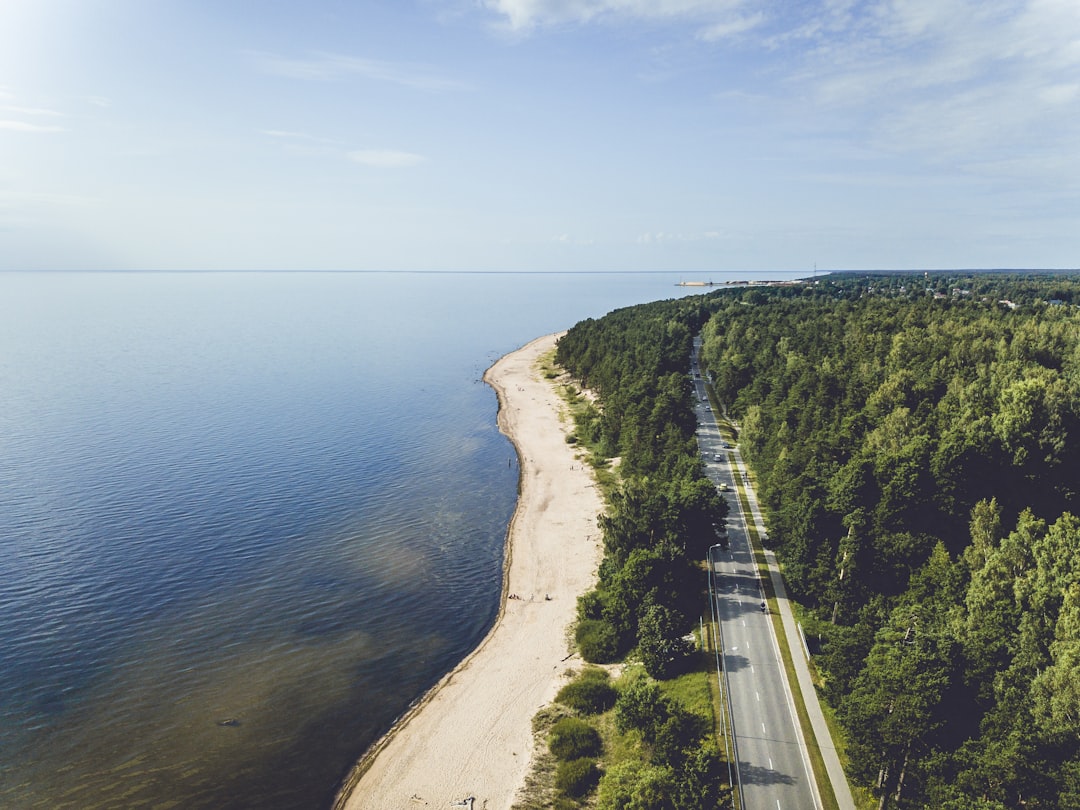
- Jūrmala Beach — A 33 km stretch of white sand dunes just 25 minutes by train from Riga, lined with ornate 19th-century wooden villas.
Scroll down for our complete travel guide with tips on getting there, where to stay, costs and more.
Getting There & Transport
Which airports are the best entry points into Latvia?
Riga International Airport (RIX) is your only realistic entry point — full stop. It handles 99% of Latvia’s international air traffic and sits just 13 km southwest of the city center. In my experience, airBaltic operates the most routes including direct connections from over 70 European cities, plus seasonal transatlantic codeshares. What surprised me is how few travelers know that Tallinn (TLL) in Estonia is only 310 km away and sometimes offers cheaper fares if you’re open to a bus transfer. Vilnius (VNO) in Lithuania is 290 km south and worth checking on Ryanair. The honest caveat: RIX has limited long-haul routes, so North American and Asian travelers will almost always connect through Frankfurt, Amsterdam, or Helsinki.
How do I get from Riga Airport to my first accommodation in Latvia?
Take bus 22 directly into Riga city center — it costs €1.15 per ride and reaches the Old Town (Vecrīga) in about 30 minutes. My tip: buy your ticket from the driver or validate a pre-loaded Rīgas Satiksme card to avoid the €2 onboard surcharge. Taxis from RIX to the center run €10–15 via the Bolt app — never take an unmarked cab from arrivals; overcharging is a genuine problem I witnessed myself. The honest trade-off: bus 22 stops running around 11:30 PM, so late-night arrivals must use Bolt or pre-booked airport transfers (€18–25 fixed rate). There is no rail link between the airport and city center as of 2026.
What transport options are there within Latvia?
Latvia has three main layers: trains, regional buses, and rental cars. Latvian Railways (LDz) connects Riga to Jūrmala (25 min, €1.60), Sigulda (1 hr, €2.80), and Cēsis (1.5 hr, €3.50). For destinations without rail, Lux Express and ecolines coaches are comfortable and cover routes like Riga–Daugavpils in 3.5 hours for €8–14. In my experience, the rail network is reliable but sparse — it fans out from Riga like spokes with almost no cross-country connections. The caveat most guides omit: Latgale region in the east is almost inaccessible without a car or specific long-distance buses that run only 2–3 times daily.
Do I need a rental car to explore Latvia properly?
For Riga and Jūrmala alone, no — public transport handles it. But to reach Cape Kolka, the Abava Valley, rural manor houses, or most of Latgale’s lakes, a car is essential. I recommend renting from Riga Airport where Hertz, Sixt, and local operator Europcar Latvia all operate — expect €35–55/day for a compact car in summer. My tip: book at least 3 weeks ahead for July–August or prices jump to €75+/day. The honest warning: Latvian rural roads are often unmarked gravel tracks, and Google Maps occasionally routes you onto seasonal forest roads. Download Maps.me offline maps as a backup. Fuel costs roughly €1.55/liter as of early 2026.
How good is the public transport network between regions of Latvia?
Adequate for the main corridor — weak for everything else. The Riga–Sigulda–Cēsis rail line is genuinely excellent and runs 10+ times daily. The Riga–Liepāja bus takes 3 hours and costs €9–13 via Lux Express, which is comfortable. What surprised me is that Vidzeme and Kurzeme regions have decent bus frequencies from Riga, but inter-regional connections — say, Liepāja to Daugavpils — often require backtracking through Riga. The honest caveat: the last bus from smaller towns like Kuldīga or Aglona to Riga often departs before 6 PM, so late sightseeing means either driving or an overnight stay. I recommend using 1188.lv (Latvia’s official route planner) rather than Google for timetables.
Accommodation
Which regions of Latvia should I stay in?
Base yourself in Riga for urban culture, then branch out by region. Vidzeme (northeast) gives you Sigulda, Gauja National Park, and Cēsis — stay in Sigulda town for castle access. Kurzeme (west) offers Cape Kolka, Kuldīga’s waterfall, and near-empty beaches — Kuldīga itself makes a superb overnight base. Zemgale (south) centers on Rundāle Palace but is better as a day trip from Riga. Latgale (east) around Rēzekne or Daugavpils suits travelers seeking authentic, tourism-light Latvia with strong Catholic heritage. My honest caveat: Latgale is genuinely underdeveloped for tourism infrastructure — accommodation choices drop sharply below Vidzeme quality, and English is spoken far less fluently there.
What does good accommodation cost per night in Latvia?
Budget realistically: a solid 3-star hotel in Riga Old Town runs €70–110/night. Design boutique hotels like Neiburgs Hotel or Grand Poet in Riga run €140–220/night. Outside Riga, quality drops but prices follow — a guesthouse in Sigulda costs €45–75/night, and rural farmstead stays (sēta) across Kurzeme average €40–65/night, often including breakfast. In my experience, Airbnb apartments in Riga’s Quiet Center (Klusais centrs) neighborhood offer the best value at €55–85/night for a full apartment. The hidden cost most guides skip: Riga charges a city tourist tax of €1–1.50 per person per night, paid at check-in and rarely included in online prices.
When should I book hotels in Latvia — how far in advance?
Book Riga Old Town hotels at least 6–8 weeks ahead for summer (June–August). During the Riga City Festival (mid-August) and Positivus Music Festival (July, near Salacgrīva), every decent room within 50 km sells out — I’d recommend 3 months advance booking for those dates. Shoulder season (May, September) allows last-minute booking 1–2 weeks ahead without penalty. The honest trade-off: Latvian hotels rarely offer free cancellation on their cheapest rates, so booking flexible rates costs 15–25% more. For Jūrmala summer rentals, locals snap up private apartments by April — if you want a beachfront villa for July, start searching in February.
When is the best time to travel to Latvia?
June through September is definitively the best window, confirmed by Latvia’s climate data. July averages the warmest temperatures with long daylight hours — Riga gets nearly 17 hours of daylight on the summer solstice, and Latvians celebrate Jāņi (Midsummer Night, June 23–24) with bonfires and folklore across the countryside. In my experience, late August and September are the sweet spot: summer crowds thin, amber washes up on Kurzeme beaches after Baltic storms, and mushroom season begins in forests. The honest caveat: winter (November–February) is cold, dark, and not for everyone — but Riga’s Christmas Market (late November through January) is genuinely one of Europe’s best, and hotel prices drop 40–50%.
How does peak season affect prices in Latvia?
Peak season (July–August) pushes Riga hotel prices up 60–80% compared to November lows. A room that costs €55 in February can hit €110 in July in the same property. Beach rentals in Jūrmala spike hardest — weekly apartment rentals double or triple. Restaurant prices in tourist-heavy Vecrīga stay relatively stable year-round, but parking, bike rentals, and boat tours in Gauja National Park charge peak-season premiums of 20–30%. What surprised me: flight prices to RIX from Western Europe in peak summer are often lower than you’d expect — airBaltic runs aggressive promotional fares as low as €30–50 one-way from Berlin or Stockholm if booked 8+ weeks ahead. Book flights early, but mid-range hotels can often wait until 4–5 weeks out.
Best Time to Visit
Which regions of Latvia have different climate zones?
Latvia’s climate is broadly temperate maritime, but meaningful regional differences exist. The Kurzeme coast (Liepāja, Cape Kolka) is moderated by the Baltic Sea — winters are milder by 3–4°C but summers are cooler and windier than inland. Riga sits in a maritime-continental transition zone. Latgale in the east experiences the most continental climate — hotter summers peaking around 28°C and colder winters that regularly hit -15°C. Vidzeme’s Gauja valley creates its own microclimate with fog-filled mornings and slightly higher rainfall. My tip: if beach swimming is your goal, Liepāja’s beaches are windier but the water actually warms faster in May than Jūrmala due to shallower offshore gradients.
What are the rainy seasons in Latvia?
Latvia has no true dry season, but October and November are the wettest months with the highest chance of persistent grey drizzle. August occasionally delivers heavy thunderstorms inland. In my experience, July gets occasional storms but they’re short and intense — rarely ruining a full day. The honest caveat most guides skip: spring (April–May) feels wet and cold despite improving daylight — temperatures hover around 8–14°C and the landscape looks brown until mid-May when everything turns green almost overnight. Snow is possible November through March — Sigulda and Gauja valley get enough for proper snow activities in January–February. I recommend packing a waterproof layer regardless of month — Baltic weather shifts within hours.
What does a trip to Latvia cost per person per day?
Budget traveler: €50–65/day — hostel dorm in Riga (€18–25), self-catering or lunch specials, public transport. Mid-range: €110–160/day — 3-star hotel, sit-down meals, museum entries, one day trip. Comfortable: €200–280/day — boutique hotel in Riga’s Quiet Center, restaurant dinners with wine, car rental included. In my experience, Latvia is noticeably cheaper than Helsinki or Stockholm but has largely caught up with Tallinn and Vilnius in Riga’s Old Town. The honest caveat: costs outside Riga drop sharply — a farmstead guesthouse dinner with homemade rye bread, smoked fish, and beer in Kurzeme rarely exceeds €20 per person total. Rural Latvia genuinely rewards budget travelers who get off the tourist trail.
How expensive is food in Latvia?
Food is affordable if you eat strategically. A lunch special (biznesa pusdienas) at a non-tourist Riga cafe — soup, main, and bread — costs €6–9 and is my top daily money-saver. Sit-down dinner in a mid-range Riga Old Town restaurant runs €18–28 per person with a drink. Street food at Riga Central Market (Europe’s largest covered market) means a smoked fish portion for €3–4, fresh rye bread for €1.50, and local grey peas with bacon for €4. The honest caveat: alcohol is the hidden budget killer — craft beer in Riga bars costs €4–6 per pint, while the same Latvian beer (Valmiermuiža or Užavas) from a Rimi supermarket is €1.20–1.80. Supermarket picnics cut food costs by 60%.
What hidden costs should I expect when traveling in Latvia?
These caught me off-guard. First: Riga’s city tourist tax (€1–1.50/person/night) added at hotel check-in. Second: Gauja National Park activities (bobsled run at Sigulda: €15–22, cable car: €8) add up faster than expected if you’re active. Third: parking in Riga’s blue zones costs €2–3/hour — use the Rīgas Satiksme app or you risk a €50 fine. Fourth: museum audio guides are rarely included in entry prices and cost an extra €2–4 each. Fifth: ferry crossings in Kurzeme (like the Mērsrags–Kolka seasonal service) charge separately per car. Finally, the Latvian sauna (pirts) experience at proper rural establishments runs €20–40/person — worth every cent, but budget for it consciously.
Budget & Costs
How much cash should I bring to Latvia?
Bring €100–150 cash as a starting reserve — Latvia is overwhelmingly card-friendly in cities. In my experience, Riga, Jūrmala, and Sigulda accept Visa and Mastercard virtually everywhere including small cafes and market stalls. However, carry cash for rural farmstands, smaller Latgale villages, forest campgrounds, and roadside smoked fish vendors who operate cash-only. ATMs are reliable throughout Latvia — Luminor, Swedbank, and SEB ATMs charge no fee for Mastercard/Visa withdrawals, though your home bank may charge €3–5 per transaction. The honest warning: avoid Euronet ATMs at tourist spots — they offer poor exchange rates and charge €5+ in fees. Stick to bank-branded ATMs on Brīvības iela or inside supermarkets.
Which credit cards are accepted in Latvia?
Visa and Mastercard are accepted at 95%+ of Riga businesses and most regional towns. American Express is hit-or-miss — accepted at larger hotels and international chains but refused at local restaurants and smaller shops. Apple Pay and Google Pay work widely in Riga — I used them daily without issue. The honest caveat: contactless payment limits were raised to €50 in Latvia post-2021, so tap-and-go works for most transactions. In Latgale and rural Kurzeme, cash remains king at local shops, market stalls, and farmstead guesthouses. My tip: Revolut and Wise cards are ideal for Latvia — zero conversion fees and accepted everywhere standard Mastercard is. Notify your home bank before traveling or face blocked transactions on day one.
Which regions of Latvia must I not miss?
Riga is non-negotiable — the Art Nouveau district alone justifies the flight. Gauja National Park in Vidzeme is Latvia’s crown natural jewel: Turaida Castle, sandstone cliffs, and the Gauja River canyon (up to 90 m deep) are stunning. Kurzeme is my personal favorite for those willing to drive — Cape Kolka (where the Baltic Sea meets the Gulf of Riga) and Kuldīga’s Venta Rapid waterfall (Europe’s widest natural waterfall at 249 m) are genuinely world-class and visited by almost no international tourists. What surprised me: Latgale with its Catholic pilgrimage site of Aglona Basilica and dozens of glacial lakes offers an entirely different, more Slavic-feeling Latvia — deeply authentic and utterly uncrowded.
What are the tourist highlights of Latvia?
In my experience, the five non-negotiables are: Riga’s Old Town (UNESCO, free to wander), Alberta iela for the finest Art Nouveau facades in Europe, Rundāle Palace (Latvia’s Versailles, entry €10), Turaida Castle in Sigulda (entry €6, medieval stone tower with panoramic Gauja views), and Riga Central Market (5 giant Zeppelin hangars converted into Europe’s largest market). For natural highlights: Cape Kolka at the tip of Kurzeme peninsula, Ķemeri National Park with its raised bog boardwalk (free, 3.4 km loop), and Sabile Wine Hill — the world’s northernmost outdoor commercial vineyard. The honest caveat: Rundāle without a car is logistically painful — buses run only 2x daily from Bauska and the palace is 12 km outside town.
What experiences in Latvia are found nowhere else on Earth?
Three things I’ve never found elsewhere. First: Jāņi (Midsummer, June 23) — Latvians abandon cities for the countryside, crown themselves with oak-leaf and flower wreaths, jump bonfires, and sing traditional dainas (folk songs) until sunrise. Joining a rural family celebration is transformative and unlike any festival I’ve experienced. Second: Ķemeri raised bog — walking on a boardwalk through a peat bog landscape that looks like another planet, completely silent at 7 AM. Third: Latvia’s Song and Dance Festival (Dziesmu un Deju svētki, held every 5 years, next in 2028) — 30,000+ singers performing simultaneously at Riga’s Mežaparks stage. No stadium concert comes close to the emotional weight of that experience. These are Latvia’s genuine irreplaceable offerings.
Regions & Highlights
Which areas of Latvia are overcrowded — and what are the quieter alternatives?
Riga Old Town in July–August is genuinely overcrowded — bachelor party groups from Western Europe descend in force and the narrow medieval streets feel chaotic by evening. My alternative: Riga’s Quiet Center (Klusais centrs) and Āgenskalns neighborhood across the Daugava River offer better Art Nouveau density, local cafes, and zero tour groups. Jūrmala’s Majori beach on summer weekends is packed shoulder-to-shoulder — instead, walk 4 km west to Dubulti or Jaundubulti for the same white sand with a fraction of the crowds. Sigulda gets overwhelmed on summer weekends when Rigans flood in — visit on a weekday or stay overnight when the castle grounds empty out beautifully after 5 PM. Kuldīga remains genuinely uncrowded despite being arguably Latvia’s most charming town.
How many days do I need to properly see Latvia?
7 days minimum for a meaningful trip; 10–12 days to do it properly. My recommended breakdown: 3 days in Riga (Old Town, Art Nouveau, Central Market, day trip to Jūrmala), 2 days in Gauja/Vidzeme (Sigulda, Turaida, Cēsis), 2 days in Kurzeme (Kuldīga, Cape Kolka). That’s your solid 7-day base. Add Rundāle Palace (half day from Riga) and Latgale lakes or Daugavpils for days 8–10. The honest caveat: Latvia rewards slow travel — its highlights aren’t ticked off quickly. Cape Kolka alone requires a 3-hour drive each way from Riga, making it impractical as a day trip without an overnight in Dundaga or Slītere area. Rushing Latvia means missing its quietness, which is its greatest asset.
Do I need a visa to visit Latvia?
EU/EEA citizens and most Western nationalities: no visa required. Latvia is a full Schengen Area member, meaning US, Canadian, Australian, UK, and Japanese passport holders can enter for up to 90 days within any 180-day period without a visa. However, ETIAS authorization (Europe’s new pre-travel registration system) is expected to be mandatory for non-EU visa-exempt travelers from 2025–2026 — budget €7 and register online before travel. Citizens of Russia and Belarus face strict entry restrictions as of 2024 — check the Latvian Ministry of Foreign Affairs website for current rules, as this situation evolves. My tip: even if you don’t need a visa, carry travel insurance documentation at the border — Latvian border officers do occasionally request proof of onward travel or accommodation.
What languages are spoken in Latvia?
Latvian is the official language — one of only two surviving Baltic languages (Lithuanian being the other) and genuinely unlike anything else you’ve heard. In Riga, English is spoken fluently by virtually everyone under 45 in the tourism and service industry — I never once needed a translator in the capital. In Latgale, Russian remains widely spoken as a first language by a significant portion of the population, and older residents may speak limited English. German is useful in some hotels near Riga’s Old Town due to historical ties. The honest caveat: attempting even 3 words of Latvian (paldies = thank you, lūdzu = please, sveiki = hello) earns you remarkable warmth from locals who are genuinely surprised and pleased when foreigners try. Download Google Translate’s Latvian pack offline before arriving.
What cultural rules do I need to know before visiting Latvia?
Latvia has unwritten rules that matter. First: never bring an even number of flowers as a gift — even numbers are for funerals only; always give odd numbers. Second: shoes off at the door in private homes — wait to be told otherwise. Third: Latvians are reserved initially — don’t mistake quiet politeness for coldness; once trust is built, hospitality is extraordinary. Fourth: drinking toasts (priekā!) are taken seriously — make eye contact when clinking glasses or it’s considered bad luck. Fifth: tipping is appreciated but not mandatory — 10% in restaurants is the norm; rounding up is fine for taxis. The honest warning: loud or rowdy behavior in Riga’s Old Town, particularly from stag/bachelor parties, has made Latvians noticeably less warm toward groups of tourists — behave respectfully in residential areas after 10 PM.
Practical Tips
How safe is Latvia for travelers?
Latvia is very safe for tourists — petty crime is the main risk, not violence. Riga’s Old Town sees pickpocketing in crowded markets and on tram lines, particularly tram 11 which connects the main station to the center. My tip: use a money belt or front-pocket wallet on public transport. Bar scams in Riga’s nightlife district (Barona iela area) are a documented problem — groups of locals befriend tourists and steer them to bars with astronomical undisclosed prices; always check menus for prices before ordering. ATM skimming has been reported at standalone machines near Vecrīga tourist spots. Away from Riga, Latvia is exceptionally safe — rural areas feel completely crime-free in my experience. The Latvian emergency number is 112 (works for police, fire, and ambulance).
What health precautions should I take before visiting Latvia?
No mandatory vaccinations are required for Latvia, but I recommend being up-to-date on routine vaccines. The specific precaution most guides omit: tick-borne encephalitis (TBE) is a genuine risk in Latvian forests and rural areas, especially May–September. If you’re hiking in Gauja National Park, Ķemeri, or Kurzeme forests, use DEET-based repellent and check for ticks daily — Latvia has one of the highest TBE rates in Europe. A TBE vaccine (3-dose course over 6 months) is recommended for longer rural stays; check with your GP at least 6 months ahead. Lyme disease via ticks is also present. Tap water in Latvia is safe to drink throughout the country. Pharmacies (aptieka) are well-stocked in all towns — Benu Aptieka is a reliable chain across Latvia.
What SIM card or eSIM options are available in Latvia?
Latvia has excellent 4G/5G coverage in Riga and all major towns — rural Latgale and remote Cape Kolka area drop to patchy 3G. For physical SIMs, LMT has the best national network coverage and sells tourist SIMs at RIX arrivals for €10–15 with 10–20 GB data. Tele2 Latvia offers competitive prepaid plans at any supermarket. For eSIM users (my preferred option): Airalo offers a Baltic eSIM covering Latvia, Estonia, and Lithuania from €8 for 3 GB — activate before departure. EU travelers with EU SIMs roam free in Latvia with no surcharge under EU roaming rules. The honest caveat: forest areas in Gauja National Park have coverage gaps — download offline Maps.me maps before entering remote trails where your navigation app will otherwise fail.
Which apps do you recommend for traveling in Latvia?
My essential Latvia app stack: 1188.lv — Latvia’s official public transport planner, far more accurate than Google Maps for bus times. Rīgas Satiksme — Riga city transport with real-time departures and contactless payment. Bolt — the dominant ride-hailing app, covers all of Latvia including smaller cities. Wolt — food delivery but also excellent for discovering quality local restaurants by neighborhood. Maps.me — offline maps that work without data, essential for Kurzeme forest roads. Latvijas Daba — Latvia’s nature trails app with marked hiking routes in all national parks. Apriķi — Latvia’s weather app (more accurate than Weather.com for Baltic conditions). Google Translate with Latvian offline pack downloaded. The honest caveat: Uber does not operate in Latvia — Bolt is your only app-based taxi option, which actually works extremely well.
What are the most common traveller mistakes in Latvia?
From personal observation, these recur constantly. First: only visiting Riga — travelers who skip Kurzeme and Gauja miss Latvia’s soul entirely. Second: underestimating distances — Cape Kolka is 200 km from Riga on partly winding roads; it’s a 3-hour drive, not 90 minutes. Third: arriving in Riga on a Sunday when Riga Central Market is reduced hours and many local restaurants are closed. Fourth: not pre-booking the Sigulda bobsled — it sells out days ahead in summer. Fifth: exchanging money at airport kiosks — rates are 8–12% worse than ATM withdrawals. Sixth: dining exclusively in Vecrīga when Āgenskalns market and Miera iela street offer better food at half the price. Finally: ignoring the weather forecast — a coastal day trip to Cape Kolka in 20 mph Baltic winds with no windproof layer is genuinely miserable.
Latvia at a Glance
| Population | 1,845,096 |
|---|---|
| Currency | EUR (€) |
| Official language | Latvian |
| Time zone | UTC+02:00 |
Source: Wikidata, retrieved August 2026.
Essential Resources for Planning Your Trip to Latvia
- Latvia – Travel and Tourism — official visitor information, passes & events
- Wikipedia: Latvia — history, geography & background
- Wikivoyage: Latvia — community travel guide & practical tips
- Latvia travel – Lonely Planet | Europe — expert itineraries & travel inspiration
- THE 15 BEST Things to Do in Latvia (2026) — hotels, restaurants & traveller reviews
- Latvia – Travel and Tourism — how to get around
- Numbeo: Cost of Living in Latvia — current prices & cost comparison
- Timeanddate: Latvia Weather & Climate — forecasts & climate statistics
More Perspectives on Latvia
- Latvia — Travel Tips From a Latvian
- Latvia Travel Guide (Updated 2026)
- The Ultimate Latvia Travel Guide – What to See, Eat, & …
Latvia Travel Videos
Watch these videos for a visual preview before your trip:
- Latvia: What to Know Before You Visit Latvia
- Amazing Places to visit in Latvia – Travel Video
- Explore RIGA, Latvia – Ultimate Travel Guide 2025
Latvia Travel Discussions on Reddit
Real traveller experiences and community advice:
- Visiting Latvia for the first time, proper etiquette and some …
- Any advice when I visit Latvia?
- How should I convince my mom to go on a vacation …
Data Sources
This page was compiled using data from Wikipedia, Wikidata, Open-Meteo (climate), Numbeo (cost of living) and REST Countries. Information is updated regularly.