
Sri Lanka: The Complete Travel Guide (2026)
Last reviewed: August 2026 · key facts checked against Wikidata
Sri Lanka Travel Guide: Everything You Need to Know (2026)
Sri Lanka is an island nation of 21,444,000 people sitting just 31 km off the southern tip of India, separated by the Palk Strait — a teardrop-shaped country packed with 8 UNESCO World Heritage Sites in an area smaller than Ireland. Founded as Ceylon under British rule and renamed Sri Lanka in 1972, it rises from sea-level beaches to the 2,524-metre summit of Adam’s Peak. In my experience, few countries deliver such extreme variety — ancient kingdoms, colonial hill stations, spice-scented coastlines, and leopard-stalked national parks — within a single two-week trip.
Top 3 Highlights at a Glance
- Sigiriya Rock Fortress — A 5th-century citadel rising 200 metres above the jungle — the frescoes halfway up are 1,500 years old and still vivid.
- Yala National Park — Highest leopard density of any national park on earth, with roughly one leopard per 2 square kilometres of scrub jungle.
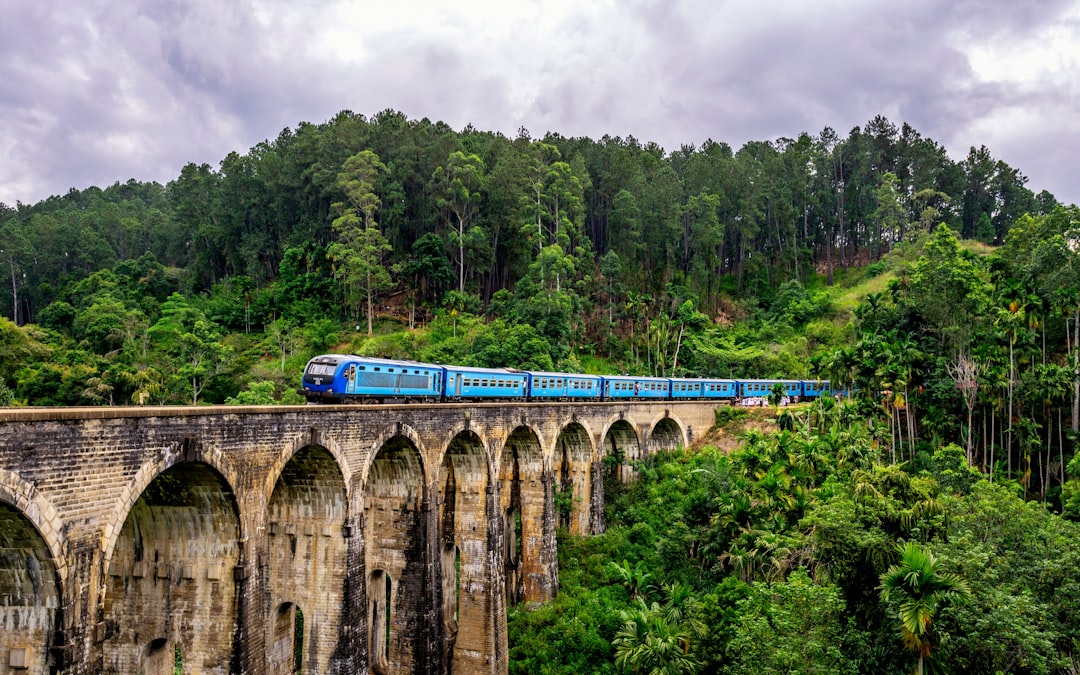
- Ella to Kandy Train Ride — A 7-hour journey through tea-carpeted highlands crossing 9 arched viaducts, rated among the world’s top 10 scenic rail routes.
Scroll down for our complete travel guide with tips on getting there, where to stay, costs and more.
Getting There & Transport
Which airports are the best entry points into Sri Lanka?
Bandaranaike International Airport (CMB) in Colombo is the undisputed main gateway, handling over 90% of international arrivals. In my experience, it connects directly to Dubai, Singapore, Doha, London Heathrow, and Mumbai, making it the logical entry point for most travelers. A second airport, Mattala Rajapaksa International (HRI) near Hambantota, receives occasional charter flights but has notoriously unreliable schedules — I’ve seen itineraries fall apart when airlines suspended routes with little notice. My tip: always book through CMB. If you plan to explore the south coast first, CMB is still 180 km away, but connections are straightforward. Budget carriers including SriLankan Airlines, IndiGo, and Air Arabia serve CMB competitively.
How do I get from the airport to my first accommodation in Sri Lanka?
The Express Pearl airport expressway means a taxi from CMB to Colombo city centre takes roughly 45 minutes and costs LKR 3,000–4,500 (approx. USD 10–15) via metered cabs booked at the official taxi counter inside arrivals. My tip: use the PickMe app to pre-book — it’s Sri Lanka’s equivalent of Uber and shows a fixed fare before you confirm. What surprised me: the tuk-tuk touts outside arrivals quote 3x the going rate to tourists. If your first stop is Kandy or Galle, a private transfer runs USD 30–60 and is worth every cent after a long-haul flight. The KIA Express Bus to Colombo Fort costs just LKR 130 but takes 90 minutes with luggage — fine on a tight budget, painful if exhausted.
What transport options are there within Sri Lanka?
Sri Lanka has four practical options: trains, intercity buses, tuk-tuks, and rental cars. Trains are my first recommendation for scenic routes — the Colombo–Kandy–Ella line is one of Asia’s great rail journeys and costs LKR 100–1,500 depending on class. Intercity AC buses connect all major towns and run every 30–60 minutes; a Colombo–Galle bus takes 2 hours for about LKR 200. Tuk-tuks dominate short urban hops — negotiate a fixed fare before you get in, typically LKR 50–150 per km. The honest caveat: road conditions outside the expressway network are rough, journeys take 2–3 times longer than maps suggest, and driving standards are chaotic. I recommend combining train travel between highlands and buses/tuk-tuks on the coast.
Do I need a rental car in Sri Lanka?
You don’t need one, but it unlocks the rural north and east. In my experience, most travelers are better off not self-driving in Sri Lanka. Roads in Colombo are genuinely dangerous — lane discipline doesn’t exist, and driving is on the left at unpredictable speeds. A self-drive compact car costs around USD 35–55 per day from agencies in Colombo or Kandy. My honest trade-off: hiring a driver-guide for USD 50–80 per day including fuel is only marginally more expensive, removes all stress, and your driver doubles as a local expert. I recommend self-driving only if you’re heading somewhere like Jaffna or the Mannar coast, where public transport is sparse and having flexibility matters. An International Driving Permit is mandatory.
How good is the public transport network between regions in Sri Lanka?
Between major hubs it’s genuinely good; beyond them it fragments fast. The Colombo Fort railway station connects to Kandy (2.5 hrs), Ella (7 hrs), Jaffna (6 hrs), and the west coast. Buses fill the gaps cheaply — SLTB government buses are slow but run everywhere; private intercity buses are faster and more comfortable. What most guides omit: advance train reservations are essential for 1st and 2nd class seats on the Kandy–Ella route — book at least 7 days ahead via the official Sri Lanka Railways website or the Bookaway app or seats sell out months in advance in high season. Third-class travel without a reservation is always possible but uncomfortable on 7-hour journeys. The north (Jaffna peninsula) has improving bus links but no direct rail service restored to full capacity yet.
Accommodation
Which regions should I stay in when visiting Sri Lanka?
It depends on what you’re after, but here’s my breakdown. Colombo’s Colombo 3 (Kollupitiya) and Colombo 7 (Cinnamon Gardens) are the best urban bases — walkable, safe, and centrally serviced. Kandy is the cultural heartland — base here for the Temple of the Tooth and hill-country day trips. Ella is the backpacker highland hub — small, charming, and within 2 km of the famous Nine Arch Bridge. Mirissa and Unawatuna dominate the south coast for beach lovers. Sigiriya village puts you within 15 minutes of the rock fortress. My caveat: Negombo is convenient for a CMB arrival night but is otherwise an overpriced beach town with little character — I wouldn’t base more than one night there.
What does good accommodation cost per night in Sri Lanka?
Good accommodation in Sri Lanka spans a wide range. A solid guesthouse or boutique hotel in Ella or Kandy runs USD 25–55 per night for a double with breakfast included — which is genuinely excellent value. In Colombo’s Cinnamon Gardens, expect USD 70–130 for a quality 4-star. The south coast in Mirissa and Unawatuna sits around USD 40–90 for a sea-view room at a decent property. Luxury safari camps near Yala start at USD 200 per night and spike to USD 500+ in peak January. Budget guesthouses in Ella still exist for USD 10–18, but quality varies sharply. My tip: always check whether breakfast is included — in Sri Lanka it usually is at mid-range properties and adds real value. Avoid booking the cheapest listings in Colombo without reading recent reviews carefully.
When should I book hotels in Sri Lanka — how far in advance?
For peak season (December through March), book 3–4 months ahead minimum, especially in Ella, Yala area, and south coast resorts. In my experience, Nine Arch Bridge guesthouses in Ella and leopard safari camps near Tissamaharama sell out by October for the Christmas-New Year window. Shoulder months (April, May, September, October) allow 4–6 weeks lead time comfortably. The honest caveat most guides skip: Sri Lanka’s Easter Sunday 2019 bombings and post-COVID recovery created a boom in domestic tourism — local Sri Lankan travelers now book the same guesthouses you want, especially during Vesak (May) and Sinhala New Year (April 13–14) when prices spike and availability collapses. My tip: use Booking.com for free cancellation flexibility and always cross-check on the property’s direct WhatsApp for loyalty discounts.
When is the best time to travel to Sri Lanka?
Sri Lanka’s best travel months are May through August based on climate analysis — and that’s specifically the best window for the east coast (Arugam Bay, Trincomalee). For the more popular south and west coasts plus the cultural triangle (Sigiriya, Kandy, Colombo), December through March is the driest and most reliable. What surprised me: Sri Lanka has two distinct monsoon systems affecting different coasts at different times, so the island is never entirely off. My honest trade-off: December–January is peak tourist season with premium prices and crowds; May–September on the east coast is quieter with better surf at Arugam Bay and genuinely local atmosphere. If I had to pick one month, January for the south and July for the east — never try to do both coasts simultaneously during a single monsoon.
How does peak season affect prices in Sri Lanka?
Peak season (December 15 – January 15) inflates accommodation prices by 40–80% across the board. A guesthouse in Mirissa that costs USD 45 in October jumps to USD 75–90 in late December, and safari lodges near Yala routinely double their rates. In my experience, the biggest price shock isn’t hotels — it’s whale-watching boats in Mirissa, which go from USD 25 to USD 50+ per person with no quality improvement. Flight prices into CMB from Europe or Australia also peak sharply from mid-December to mid-January. My tip: the sweet spot is late January to mid-March — weather on the south coast remains excellent, crowds thin after New Year, and prices drop 20–30%. Avoid the absolute peak of December 26 – January 3 unless you book and pay months ahead.
Best Time to Visit
Which regions in Sri Lanka have different climate zones?
Sri Lanka’s geography creates four distinct climate zones within a country only 435 km long. The wet zone (southwest: Colombo, Galle, Kandy, Ratnapura) receives 2,500–5,000 mm of rain annually and is lush year-round. The dry zone (north and east: Jaffna, Anuradhapura, Trincomalee, Arugam Bay) gets under 1,500 mm and has a pronounced dry season from May to September. The highland zone (Nuwara Eliya at 1,868 m altitude, Ella) is cool year-round — temperatures drop to 10°C at night even in July, which shocks beach-conditioned travelers. The arid zone (Mannar island, far northwest) is Sri Lanka’s driest corner. My tip: pack a lightweight fleece specifically for Nuwara Eliya regardless of which month you visit — most tourists arrive in shorts and suffer.
What are the rainy seasons in Sri Lanka?
Sri Lanka has two monsoons, not one. The southwest monsoon (Yala) hits the west and south coasts plus the hill country from late May through September — Galle, Colombo, and Mirissa get heavy rain during this period. The northeast monsoon (Maha) drenches the north and east from October through January — Trincomalee, Arugam Bay, and Jaffna are at their wettest then. What most guides omit: rain in Sri Lanka rarely means all-day downpours — typically 2–3 hours of afternoon storms followed by sunshine. The genuinely difficult period is October–November when the inter-monsoon brings unpredictable, heavy rain island-wide. I avoid planning any coast-dependent itinerary in November specifically — I’ve been caught in Mirissa with a week of non-stop grey skies during that window.
What does a trip to Sri Lanka cost per person per day?
Budget travelers spending smart in Sri Lanka can manage USD 30–40 per day — that covers a guesthouse bunk or basic private room, local rice-and-curry meals, buses, and entry to one paid sight. Mid-range travelers — my own comfort level — spend USD 70–110 per day: a decent en-suite guesthouse with breakfast, one sit-down restaurant meal, tuk-tuks, and one experience like a cooking class or safari. Comfortable travelers hit USD 150–250 per day with boutique hotels, driver hire, and premium experiences. The honest caveat: Yala safari costs alone run USD 50–80 per person for a half-day jeep, and Sigiriya entry for foreigners is USD 30 — two days of activities can bust a budget day’s allowance instantly. My tip: buy a multi-site Cultural Triangle ticket if visiting more than 3 UNESCO sites.
How expensive is food in Sri Lanka?
Sri Lanka is genuinely cheap for food if you eat local. A rice-and-curry plate at a roadside kade (local canteen) costs LKR 200–400 (USD 0.65–1.30). A kottu roti — Sri Lanka’s iconic street-food of chopped roti stir-fried with vegetables and egg — runs LKR 350–600. A sit-down meal at a mid-range restaurant in Colombo’s Pettah or Kandy town costs USD 4–8 per person with a drink. The tourist markup kicks in hard at Galle Fort and Ella main street where a pasta dish at a café aimed at Western backpackers costs USD 8–12 — identical quality to a local meal costing USD 2. My tip: ask your guesthouse where staff eat lunch. That single question has saved me money and delivered my best meals on every Sri Lanka visit. Fresh king coconuts at roadside carts cost LKR 60–80 and beat any sports drink.
What hidden costs should I expect in Sri Lanka?
The biggest hidden cost is foreign national entry fees, which are dramatically higher than local prices. Sigiriya costs USD 30 for foreigners vs LKR 100 for Sri Lankans. Yala National Park entrance runs USD 25 per person before you add the mandatory jeep hire at USD 35–50. A whale-watching trip in Mirissa adds USD 30–50 per person. Tipping culture is real — in Sri Lanka, 10% is expected at restaurants and USD 5–10 per day is standard for driver-guides. What surprised me: the Development Tax added to hotel bills in tourist areas can add 10–15% to your accommodation costs — always ask whether quoted rates are inclusive. SIM cards with 20 GB data cost about LKR 1,500 (USD 5), which is cheap, but airport SIM counters charge 2x. Budget USD 15–20 per day in activity fees on top of your food and accommodation baseline.
Budget & Costs
How much cash should I bring to Sri Lanka?
Bring enough for your first 48 hours — approximately USD 100–150 converted to LKR before or on arrival. ATMs are reliable in Colombo, Kandy, Galle, and Ella but genuinely sparse in rural areas like the Mannar coast, Vavuniya, and remote eastern beaches. In my experience, the Commercial Bank and Sampath Bank ATMs have the most reliable international card acceptance — I’ve had cards declined at smaller local banks. The honest caveat: withdrawal limits are typically LKR 40,000–60,000 per transaction (USD 130–195), and fees of LKR 500–800 per withdrawal apply. My tip: keep LKR 5,000–10,000 in small notes at all times for tuk-tuks, market purchases, and temple donations — vendors and drivers rarely have change for large bills. Card payment is now accepted at Colombo restaurants and major hotels, but cash dominates everywhere else.
Which credit cards are accepted in Sri Lanka?
Visa and Mastercard are accepted at hotels, larger restaurants, supermarkets, and tourist-oriented shops in Colombo, Galle Fort, and Kandy. American Express has very limited acceptance outside 5-star Colombo hotels. The honest trade-off: a foreign transaction fee of 2–3.5% applies on most cards unless you use a fee-free card like Wise, Revolut, or Charles Schwab. In my experience, 90% of tuk-tuk drivers, local eateries, guesthouses under USD 30/night, and market vendors are cash-only. The Galle Fort restaurant strip and Colombo’s upmarket Colombo 7 neighborhood are the most card-friendly zones. My tip: notify your bank before departure — Sri Lankan transactions frequently trigger fraud alerts on cards not pre-authorized for South Asia, and I’ve had cards blocked mid-trip without that notification.
Which regions in Sri Lanka must I not miss?
The Cultural Triangle (Sigiriya, Dambulla, Polonnaruwa, Anuradhapura) is non-negotiable — this is where Sri Lanka’s 2,000-year-old civilization is written in stone. The Kandy–Ella highland corridor combining the train journey with tea estates and waterfalls is equally essential. Yala National Park in the southeast is the finest wildlife experience in South Asia outside the Serengeti comparisons people make. On the coast, the south from Galle to Tangalle delivers the most character — Galle Fort alone justifies a full day. If you have 14+ days, the east coast from Arugam Bay to Trincomalee is the least touristy and most authentically Sri Lankan stretch of coastline I’ve visited. The Jaffna peninsula in the far north is genuinely rewarding for Hindu temple culture and Tamil cuisine, though it’s a 6-hour train journey from Colombo.
What are the tourist highlights of Sri Lanka?
Sri Lanka’s headline attractions are well-earned. Sigiriya Rock Fortress (5th century, 200 m high) is the single most dramatic archaeological site in the country. Dambulla Cave Temple holds 157 Buddha statues across 5 cave chambers painted floor-to-ceiling. The Temple of the Sacred Tooth Relic in Kandy is where Buddhism’s most sacred object resides and draws pilgrims daily. Yala National Park has the world’s highest density of leopards. The Kandy–Ella train through tea country is on every serious traveler’s list for good reason. Mirissa for blue whale watching between November and April — I saw 4 blue whales on a single morning trip. The walled Galle Fort (built 1663 by the Dutch) is the finest colonial fort in Asia east of Goa. What surprised me: Polonnaruwa is less crowded and archaeologically richer than Sigiriya, yet half the visitors skip it.
What experiences in Sri Lanka are found nowhere else on earth?
Three experiences are genuinely unique to Sri Lanka. First, the stilt fishermen of Weligama — men perched on single poles driven into the sea floor, a tradition dating back 70 years that exists nowhere else in Asia. Second, Vesak lantern festival in Colombo and Kandy each May — entire city blocks become illuminated with handmade paper lanterns and free food stalls (called dansals) where strangers feed thousands of passersby at no charge. Third, a Kandyan devil dancing ceremony (Tovil) — an all-night ritual exorcism performance that is part performance, part spiritual medicine, conducted by hereditary practitioners and utterly unlike anything in Southeast Asia. My honest caveat: the stilt fishermen in Koggala now charge tourists USD 5–10 to photograph them, which has turned an organic tradition into a photo-op — visit Weligama at dawn before the tour buses arrive for something more authentic.
Regions & Highlights
Which areas of Sri Lanka are overcrowded, and what are quieter alternatives?
Ella is Sri Lanka’s most overcrowded small town relative to its size — the main street of 500 metres is wall-to-wall hostels and Instagram cafés with queues for every viewpoint. My alternative: Haputale, 45 minutes west by train, has the same dramatic highland scenery, the legendary Adisham Bungalow, and a fraction of the tourists. Unawatuna beach near Galle is equally saturated — try Hiriketiya Bay instead, a horseshoe cove 35 km east that still feels discovered-by-accident. Sigiriya village itself is fine, but the climb is crowded by 9 AM — arrive at opening (7 AM) or go late afternoon after 3 PM. Mirissa is overrun from December–March with whale-watching package tourists — Trincomalee on the east coast offers humpback whale encounters with 10% of the crowds during the same season.
How many days do I need to see Sri Lanka properly?
14 days is the realistic minimum for a well-rounded Sri Lanka trip covering the cultural triangle, highlands, and one coast. In my experience, 10-day itineraries that try to include everything leave travelers exhausted from road transfers — Sri Lanka’s distances are deceptive because 200 km can take 5 hours on mountain roads. A focused 7-day trip works if you stick to one zone: either Cultural Triangle plus Kandy, or south coast plus hill country via Ella. The honest caveat: first-time visitors almost always underestimate the Colombo–Kandy–Ella–south coast loop which is doable in 10 days but brutal without a private driver. My tip: if you only have 10 days, cut the far north (Jaffna) entirely and save it for a return trip — it deserves its own dedicated 4–5 days to do justice to its Tamil culture, cuisine, and Dutch fort.
Do I need a visa for Sri Lanka?
Most nationalities need an ETA (Electronic Travel Authorization) before arrival — it costs USD 20 for tourists, grants 30 days, and is extendable to 90 days in-country for an additional fee at the Department of Immigration in Colombo. The ETA is applied for online at eta.gov.lk and should be obtained before travel. In my experience, process takes 15–30 minutes online and approval comes via email within 24 hours. The honest caveat: India, Maldives, and Singapore citizens currently enter visa-free for 30 days under bilateral agreements — check current status as reciprocal arrangements change. What most guides miss: the official ETA site has been plagued by scam copycat websites charging USD 50–80 for the same visa — always go directly to eta.gov.lk and cross-check the URL carefully before paying.
What languages are spoken in Sri Lanka?
Sri Lanka has two official languages: Sinhala and Tamil. Sinhala is spoken by the Sinhalese majority (roughly 75% of the population) while Tamil is spoken primarily in the north (Jaffna), east (Batticaloa, Trincomalee), and by the Indian Tamil community in the hill country. English is a recognized link language and is widely understood in tourist areas, hotels, and by the educated urban population in Colombo and Kandy. In my experience, English communication in rural areas — particularly in Anuradhapura, Mannar, and remote eastern villages — requires patience and gestures. My tip: learning 5 words of Sinhala (hello: ’Ayubowan’, thank you: ’Sthuti’) generates disproportionate goodwill. In Jaffna and the north, Tamil speakers appreciate a Tamil greeting — ’Vanakkam’ — more than Sinhala, and it matters culturally in a region with a distinct identity.
What cultural rules do I need to know before visiting Sri Lanka?
Three rules matter most. First, cover shoulders and knees at every Buddhist temple and Hindu kovil — this is strictly enforced, not optional, and you’ll be turned away or given a sarong to rent at LKR 50–100. Second, never turn your back to a Buddha statue for a photograph — this caused a British tourist’s deportation in 2014 and the rule is enforced. Third, pointing feet toward religious images or monks is deeply offensive — sit cross-legged or with feet tucked away. What surprised me: alcohol is prohibited near temples and on Poya (full moon) days each month — restaurants won’t serve it and shops can’t sell it. Plan around these dates if drinking matters to your trip. Tipping monks is inappropriate — instead, leave a small offering at the donation box inside the temple compound. Dress modestly in Jaffna specifically, where Hindu cultural conservatism is stronger than the south.
Practical Tips
How safe is Sri Lanka for travelers?
Sri Lanka is genuinely safe for tourists — street crime against foreigners is rare and violent crime rarer still. The 2019 Easter Sunday bombings were a tragic anomaly; security presence at hotels and tourist sites remains elevated but unobtrusive in 2026. In my experience, the main safety issues are road accidents (Sri Lanka has one of South Asia’s highest road fatality rates per km), ocean rip currents on the south coast (particularly at Mirissa and Hikkaduwa — swim only where lifeguards are posted), and petty scams in Colombo’s Pettah market and around Kandy’s Temple of the Tooth where gem shop touts are persistent. The north (Jaffna) is safe and welcoming — the 30-year civil war ended in 2009 and the area has transformed. My tip: register your trip with your country’s foreign affairs travel advisory, but don’t let outdated perceptions stop you — Sri Lanka feels safe in daily practice.
What health precautions should I take before visiting Sri Lanka?
Consult a travel doctor 6–8 weeks before departure. Standard recommended vaccinations include Hepatitis A, Typhoid, and Tetanus — all sensible for any South Asian destination. Rabies pre-exposure vaccination is recommended if you plan to visit rural areas, as stray dog bites are a real risk, especially near temple monkey feeding spots in Kandy and Dambulla. Malaria prophylaxis is not required for the main tourist circuit (Colombo, Kandy, Galle, Ella) but Malarone is worth considering if visiting remote northern or eastern jungle zones. The honest caveat: traveler’s diarrhea is the most common health issue — stick to bottled water universally, even in 4-star hotels, as tap water is not treated to drinking standard outside Colombo. Dengue fever is present year-round and no vaccine is universally available — use DEET-based repellent from dusk to dawn especially in Colombo suburban areas.
What SIM card or eSIM options are available in Sri Lanka?
The two best networks are Dialog and Mobitel — both offer tourist SIM packages with 20–25 GB of data for LKR 1,000–1,500 (USD 3–5) valid for 30 days. Buy at the official Dialog or Mobitel counters at CMB airport arrivals (not the freelance sellers 50 metres further along who charge double). My tip: Dialog has the strongest 4G coverage in rural areas including the Cultural Triangle and east coast, which matters if you’re navigating offline maps in Sigiriya or Arugam Bay. eSIM options via Airalo or Holafly work technically but cost USD 12–18 for 10 GB — convenient if you want to activate before landing but poor value versus a local SIM. The honest trade-off: SIM registration requires your passport, so have it accessible on arrival. Coverage disappears in parts of Knuckles Mountain Range and Horton Plains regardless of provider.
Which apps do you recommend for traveling in Sri Lanka?
Six apps cover essentially every need. PickMe is Sri Lanka’s dominant ride-hailing app — use it for every tuk-tuk and taxi booking, fixed prices shown upfront. Bookaway is the best bus and train ticket booking platform for Sri Lanka — buy train reservations weeks ahead here. Google Maps works well for navigation but download offline maps for the Kandy–Ella highland zone where data drops. WhatsApp is how every guesthouse, driver, and tour operator in Sri Lanka communicates — expect confirmations, check-in instructions, and itinerary changes via WhatsApp, not email. XE Currency for live LKR exchange rates — the rupee has been volatile since the 2022 economic crisis and rates change meaningfully. iNaturalist is my personal pick for wildlife encounters — it identifies plants, birds, and insects photographed in Sinharaja Forest or Horton Plains in real time. The honest caveat: offline functionality matters — download everything before leaving Colombo’s 4G zone.
What are common traveller mistakes in Sri Lanka?
Five mistakes I see repeatedly. First, underestimating travel times — Google Maps shows Colombo to Ella as 4.5 hours; the actual drive is 7–9 hours on mountain roads with trucks. Second, booking the Ella train too late — scenic 2nd class seats sell out 6–8 weeks ahead in peak season; I’ve met travelers forced to stand for the full 7-hour journey. Third, visiting Sigiriya at midday — the exposed rock climb in 35°C heat with no shade is genuinely dangerous; go at 7 AM opening. Fourth, ignoring Poya days — monthly full moon holidays shut alcohol sales and close some restaurants; check the calendar before planning your Galle Fort dinner. Fifth, not bargaining strategically — in Sri Lanka, the first quoted tuk-tuk price is almost always 2–3x what a local pays; politely countering with 60% of the ask is expected, not rude. My biggest personal mistake on my first visit: spending 3 days in Negombo when I should have pushed straight to Kandy.
Sri Lanka at a Glance
| Population | 21,444,000 |
|---|---|
| Currency | Sri Lankan rupee (Rs) |
| Official language | Sinhala, Tamil |
| Time zone | UTC+05:30 |
Source: Wikidata, retrieved August 2026.
Essential Resources for Planning Your Trip to Sri Lanka
- Case study on the effects of tourism on culture and … — official visitor information, passes & events
- Wikipedia: Sri Lanka — history, geography & background
- Wikivoyage: Sri Lanka — community travel guide & practical tips
- Sri Lanka travel – Lonely Planet | Asia — expert itineraries & travel inspiration
- THE 15 BEST Things to Do in Sri Lanka (2026) — hotels, restaurants & traveller reviews
- Sri Lanka is a premier travel destination offering a blend of … — how to get around
- Numbeo: Cost of Living in Sri Lanka — current prices & cost comparison
- Timeanddate: Sri Lanka Weather & Climate — forecasts & climate statistics
- Case study on the effects of tourism on culture and …
More Perspectives on Sri Lanka
- Seriously, Sri Lanka: My Travel Guide for a Week (or More) …
- Sri Lanka: Top Travel Tips – What I Wish I Knew?
- Tips for tourists (first time in Sri Lanka) : r/srilanka
Sri Lanka Travel Videos
Watch these videos for a visual preview before your trip:
- Top 10 Places To Visit in Sri Lanka – Travel Guide
- Sri Lanka Travel Guide 2026: Costs, Tips & Best Places to Visit After Global Travel Change #SriLanka
- Sri Lanka Travel Guide 2026 🇱🇰 | Everything You Need to Know Before Visiting Sri Lanka
Sri Lanka Travel Discussions on Reddit
Real traveller experiences and community advice:
- If you are Planning to Visit Sri Lanka make sure to read this
- My honest opinion about Sri Lanka : r/solotravel
- r/SriLankaTravel
Data Sources
This page was compiled using data from Wikipedia, Wikidata, Open-Meteo (climate), Numbeo (cost of living) and REST Countries. Information is updated regularly.