
Soca Valley: The Complete Travel Guide (2026)
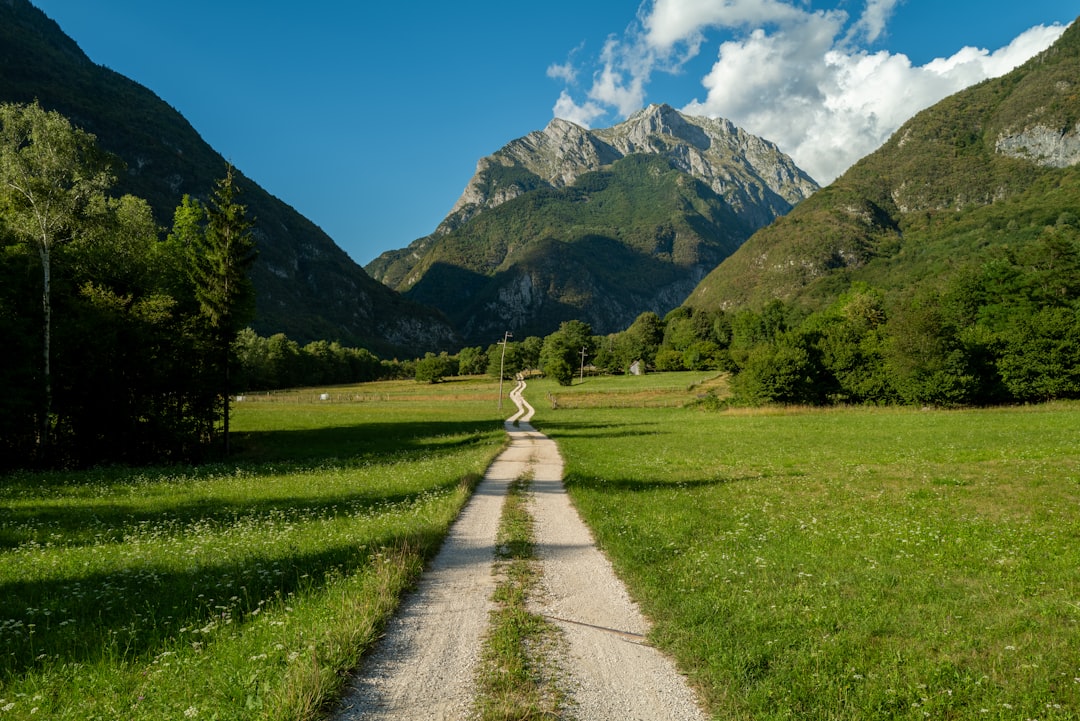
Soca Valley Travel Guide: Everything You Need to Know (2026)
The Soča Valley in western Slovenia follows the **138-kilometre** emerald-green Soča River, one of the most photographed alpine waterways in Europe. The valley sits at the crossroads of the Julian Alps and the Triglav National Park, rising from roughly **200m** near Nova Gorica to over **2,500m** at the surrounding peaks. First settled in pre-Roman times, this corridor became one of World War One’s most brutal frontlines — the Isonzo Front — leaving a layer of history beneath every hike.
Three Things Not to Miss in Soca Valley
- Kozjak Waterfall — A hidden 15-metre cascade reached through a narrow river gorge — one of Slovenia’s most dramatic short hikes.
- Bovec Whitewater Rafting — The Soča’s Grade 3–4 rapids near Bovec offer the best whitewater rafting in the entire Alpine region.
- Vršič Pass — A legendary mountain road with 50 hairpin bends peaking at 1,611m, built by Russian prisoners in World War One.
Scroll down for our complete travel guide with tips on getting there, where to stay, costs and more.
Arriving in Soca Valley
How do I best reach the Soča Valley?
Fly into **Ljubljana (LJU)** and drive west — it’s the most practical entry point. In my experience, renting a car at Ljubljana Airport is non-negotiable here; the drive to **Bovec** takes roughly **2.5 hours** via the E61 and then regional roads through the Vršič Pass (seasonal) or the longer but year-round route through **Tolmin**. No direct train reaches the upper valley. What surprised me: some travellers come via **Trieste Airport (TRS)** in Italy — just **90 minutes** to the lower valley around Nova Gorica — which is genuinely underused and often cheaper.
Which airport is closest to the Soča Valley?
**Ljubljana Jože Pučnik Airport (LJU)** is the primary gateway, sitting roughly **160km** from **Bovec** in the upper valley. In my experience, it has the best flight connections, including budget carriers like Wizz Air and easyJet from across Europe. However, **Trieste Airport (TRS)** in Italy is only about **80km** from the lower Soča Valley around **Kanal ob Soči** and is a brilliant alternative — My tip: check both airports before booking. The honest caveat is that LJU has far more frequent international connections, so Trieste works best if you’re coming from specific Italian or central European hubs.
How long is the journey from Ljubljana to the Soča Valley?
From **Ljubljana city centre** to **Bovec**, the drive takes roughly **2.5 to 3 hours** depending on your route. I recommend the summer route over the **Vršič Pass** — 50 hairpin bends, stunning views, and a Russian Chapel halfway up worth a 10-minute stop. In winter, that pass closes and you add **30–40 minutes** via **Tolmin** instead. The honest trade-off: the roads through the valley are narrow and winding, so don’t underestimate driving times between villages. From **Tolmin** to **Bovec** alone is **45 minutes** despite only covering about **45km**.
Are there direct bus connections to the Soča Valley?
Yes, but they’re limited. **Arriva Slovenia** operates buses from **Ljubljana** to **Bovec** and **Tolmin**, with the journey taking around **3 hours** to Bovec and costing roughly **€12–€15** one way. My tip: check schedules at **ap-ljubljana.si** before you arrive — services run **2–4 times daily** in summer but drop sharply off-season. The critical caveat most guides omit: buses don’t stop at trailheads, waterfalls, or rafting put-ins — meaning you’re still hobbled without a car. I recommend buses only if you’re based in one village and plan to stay put rather than explore the full valley.
Is a rental car necessary in the Soča Valley?
Yes — a rental car is essential for getting the most out of the Soča Valley. I’d call it non-negotiable. The valley’s highlights — **Kozjak Waterfall**, **Boka Waterfall**, **Kranjska Gora** access, the **Lepena Valley** — are scattered across **60+ km** of winding roads with no connecting shuttle. Expect to pay **€40–€65 per day** for a compact car from Ljubljana Airport. My honest warning: the road to **Trenta** and the upper valley is narrow enough that larger SUVs become genuinely stressful on blind corners. I recommend a compact or mid-size car, and book at least **3–4 weeks** ahead in July and August when rental stock runs low.
Bases & Accommodation in Soca Valley
Which towns make good bases in the Soča Valley?
**Bovec** is the best all-round base — it’s the adventure sports hub, has the widest selection of restaurants and accommodation, and sits within **20 minutes** of both the upper Soča and the **Boka Waterfall**. In my experience, **Kobarid** is the better choice for travellers who want a quieter, more cultural base — it’s a beautiful small town with the outstanding **Kobarid Museum** (WWI) and top-rated restaurant **Hiša Franko**. **Tolmin** works well if you want the lower valley and are on a tighter budget. My tip: split your stay — **3 nights in Bovec** for activity, **2 nights in Kobarid** for history and food.
Where should I stay in the Soča Valley?
In my experience, staying in or directly around **Bovec** gives you the best access to the upper valley’s highlights. For mid-range comfort, guesthouses and small hotels along the **Soča River near Trenta** offer the most atmospheric settings — waking up to the emerald river outside your window is genuinely magical. **Kobarid** has excellent boutique options closer to the WWI sites. Budget travellers will find the best value at campsites like **Kamp Liza** near Bovec, which charges around **€15–€20 per night** for a pitch. The caveat: valley accommodation books out fast in July and August — don’t expect walk-in availability at any price point.
What does accommodation cost in the Soča Valley?
Budget hostels and campsites run **€15–€25 per person** per night. Mid-range guesthouses and B&Bs in **Bovec** or **Kobarid** typically cost **€70–€120 per room** in peak season. Boutique hotels and higher-end stays — think river-view rooms or alpine lodges — run **€130–€200+**. What surprised me: self-catering apartments are exceptional value at **€80–€130 per night** and sleep 4, making them the smartest option for groups or families. The honest trade-off is that truly budget options are sparse — this isn’t a backpacker-infrastructure valley like parts of Southeast Asia, and even hostels are limited primarily to Bovec.
How far in advance should I book accommodation in the Soča Valley?
Book **at least 2–3 months ahead** for any July or August travel. In my experience, the best riverside guesthouses and the most sought-after apartments near **Bovec** and **Kobarid** sell out by April for peak summer weekends. The valley has a limited accommodation stock relative to its popularity — **Triglav National Park** draws enormous visitor numbers and the Soča is one of Slovenia’s biggest draws. My honest warning: if you’re planning around a specific outdoor activity like a multi-day kayaking trip or a rafting package, book the activity operator **first**, then secure accommodation nearby — not the other way around.
When is the best time to visit the Soča Valley?
**June, July, August, and September** are the best months, based on climate data — warm, dry, and with full access to all passes and trailheads. In my experience, **June** is the sweet spot: the Soča runs at its most vivid emerald colour from snowmelt, wildflowers blanket the valley, temperatures hover around **20–24°C**, and crowds are noticeably thinner than July. **September** is the best-kept secret — warm days, golden light, harvest season, and nearly empty trails. The honest trade-off: **July and August** give you the longest daylight and warmest swimming temperatures but also the heaviest crowds and highest prices across the board.
Soca Valley Through the Year
How does the weather affect activities in the Soča Valley?
Weather directly controls what’s possible here. The **Vršič Pass** road closes from roughly **November to May**, cutting off the upper valley by the most scenic route. Rafting and kayaking operators in **Bovec** run from **April to October**, but high water in spring (April–May) can push grades higher — exciting for experts, too intense for families. Summer afternoon thunderstorms are common in July and August — I recommend starting hikes by **7–8am** to beat both the heat and the lightning risk above **1,500m**. Winter brings excellent skiing at **Kanin ski resort** (Slovenia’s highest at **2,300m**) just above Bovec — a genuinely underrated ski destination.
Are there local festivals in the Soča Valley worth attending?
Yes — **Soča Outdoor Festival** in **Bovec** (typically June) is the standout, combining guided adventure activities, trail running, and kayak competitions over a long weekend. In my experience it’s one of the best ways to arrive as a solo traveller and instantly meet like-minded people. **Kobarid** hosts a **WWI Commemoration** in October that draws historians and walking-tour enthusiasts from across Europe — surprisingly moving and uncrowded. The **Tolmin Punk Rock Weekend** (July) is a cult underground music festival that fills local campsites. My honest caveat: festival weekends push accommodation availability to zero within **30km** — book months ahead or plan around them entirely.
When does the Soča Valley get most crowded?
Peak crowding hits in **July and August**, particularly on weekends when day-trippers arrive from **Ljubljana** (**2.5 hours**) and **Trieste** (**90 minutes**). The **Soča Trail** near **Trenta** and the **Kozjak Waterfall** car park can fill by **9am** on a Saturday in August. In my experience, the worst single bottleneck is the narrow gorge path to Kozjak — queues of **40–60 people** waiting to pass in both directions are genuinely frustrating. My tip: visit key gorges and waterfalls on **Tuesday to Thursday mornings** before 9am. Even in peak season, the valley feels dramatically emptier on weekday mornings than weekend afternoons.
What does a daily budget cost in the Soča Valley?
A realistic daily budget in the Soča Valley breaks down as: budget traveller **€60–€80** (camping, self-catering, one paid activity), mid-range **€130–€180** (guesthouse, restaurant meals, one guided experience), and comfortable **€220–€300+** (boutique hotel, fine dining at **Hiša Franko** or similar, kayak or canyoning guide). In my experience, the biggest daily variable is activities — a **half-day rafting trip costs €40–€55**, a **full-day guided hike €60–€90**, and a **canyoning session €55–€75**. Food and drink are genuinely affordable if you eat at local spots in **Kobarid** or pick up supplies at the **Bovec** supermarket.
Is the Soča Valley cheaper or more expensive than other Slovenian regions?
The Soča Valley runs **10–20% more expensive** than Slovenia’s eastern and central regions but is notably cheaper than **Lake Bled**, which has become heavily tourist-priced. In my experience, accommodation in Bovec costs roughly the same as mid-range options in **Ljubljana** — around **€80–€120 per room** — but you get dramatically more nature for your money. The honest trade-off: activity costs add up fast. A family spending **€50–€60 per person** on daily adventures will blow through a budget quickly. The valley is exceptional value compared to equivalent Alpine destinations in **Austria** or **Switzerland**, where similar experiences cost **2–3x more**.
Budgeting for Soca Valley
What free highlights does the Soča Valley offer?
Genuinely excellent free experiences here. The **Soča Trail (Soška pot)** runs **25km** along the river from **Trenta** to **Bovec** and costs nothing. Swimming in the emerald pools near **Napoleon Bridge (Napoleonov most)** is free and one of the most beautiful natural swimming spots in Europe. The **Russian Chapel** at the base of the **Vršič Pass** is free and open year-round — a genuinely moving WWI memorial. Hiking into the **Lepena Valley** requires no permits or fees. My honest caveat: even the car parks at popular trailheads now charge **€3–€5** in peak season, so budget a small daily amount for parking even on ‘free’ days.
What do local specialities cost in the Soča Valley?
A bowl of **žlikrofi** (Idrija-style dumplings, the region’s signature dish) at a local restaurant in **Kobarid** costs **€9–€13**. A plate of **Soča trout (postrv)** — farmed locally and outstanding — runs **€16–€22** as a main course. A glass of local **Brda white wine** from the nearby Goriška Brda wine region costs **€4–€6**. In my experience, the best-value full meal in the valley is lunch at **Gostilna Fedrig** in Kobarid — **€15–€20** for two courses with local trout and wine. The honest caveat: dining at **Hiša Franko** (Ana Roš’s celebrated restaurant) costs **€150–€180 per person** for the tasting menu — spectacular but a completely different budget tier.
Which route do you recommend for 5–7 days in the Soča Valley?
I recommend this itinerary: **Day 1** — arrive via Ljubljana, drive the **Vršič Pass** (stop at Russian Chapel), descend to **Trenta**, swim in the Soča. **Days 2–3** — base in **Bovec**: rafting on Day 2, hike to **Boka Waterfall** (45 minutes) on Day 3 morning, afternoon at **Kanin** cable car for panoramic views. **Day 4** — drive south to **Kobarid**, visit the **Kobarid Museum** (WWI, genuinely unmissable), hike the **Kobarid Historical Walk** (**5km** loop, free). **Day 5** — **Kozjak Waterfall** morning (go early), afternoon in **Goriška Brda** wine country just **45 minutes** west. **Days 6–7** — canyoning, a longer alpine hike, or cross into **Italy** via **Caporetto**.
What are the must-see sights in the Soča Valley?
My non-negotiable list: **Kozjak Waterfall** — a cave waterfall reached by a narrow river gorge, nothing else like it in Slovenia. **Kobarid Museum** — winner of the Council of Europe Museum Prize, the best WWI museum I’ve visited anywhere. **Boka Waterfall** — at **106 metres**, Slovenia’s highest waterfall and visible from the road (free). **Napoleon Bridge** — a Roman-era stone arch above an emerald pool perfect for swimming. **Vršič Pass** — the **50 hairpin bend** road over the Julian Alps, genuinely one of the most dramatic mountain drives in Europe. These five alone justify the entire trip without a single paid activity.
What natural highlights does the Soča Valley region offer?
The Soča Valley is stacked with natural highlights. The **Soča River** itself — that implausible turquoise-emerald colour — runs for **138km** and anchors everything. **Triglav National Park** covers the upper valley; you’re inside a protected alpine landscape the moment you descend from Vršič. The **Lepena Valley** side valley near Bovec is quieter than the main gorge and has resident **brown bears** — I saw tracks on a morning hike. The **Mangart Saddle** road (highest driveable point in Slovenia at **2,072m**) gives panoramic views into Italy. Swimming holes along the upper Soča near **Trenta** have water so clear you can see individual pebbles **4–5 metres** down.
Driving & Walking Routes in Soca Valley
What local specialities should I try in the Soča Valley?
**Soča trout (soška postrv)** is the defining dish — farmed in crystal-clear valley streams and served grilled or pan-fried at virtually every local restaurant. **Žlikrofi** from nearby **Idrija** are filled pasta parcels with a potato filling, listed as a protected EU geographical designation. **Bovški sir** is a sharp, aged sheep’s cheese produced around Bovec — buy it directly from farms or at the Bovec market. **Zgornjesavska gibanica** is a layered pastry found in the wider alpine region. My tip: pair any meal with white wines from **Goriška Brda** — just **45 minutes west** — which produces some of Slovenia’s finest **Rebula** and **Pinot Grigio** at prices far below equivalent Italian labels.
What activities are available in the Soča Valley?
The Soča Valley is Slovenia’s undisputed adventure sports capital. **Whitewater rafting** on the Soča (Grade 3–4, **€40–€55** half day) runs April through October. **Kayaking** and **stand-up paddleboarding** are available for calmer sections. **Canyoning** in the **Sušec** or **Fratarica** canyons costs **€55–€75** and is spectacular. Hiking ranges from easy valley walks to technical routes on **Triglav** (2,864m, Slovenia’s highest peak). **Paragliding** from **Kanin** (tandem flights **€100–€120**) gives views across three countries. In winter, **Kanin ski resort** at **2,300m** offers snow when lower resorts are bare. **Via ferrata** routes near Bovec suit climbers of intermediate level.
What distinguishes the Soča Valley from other Slovenian regions?
Three things make the Soča Valley genuinely different. First, the **river colour** — that turquoise-emerald tone comes from glacial minerals and a unique riverbed geology found nowhere else in Slovenia; **Lake Bled** is beautiful but the Soča is on another level for colour intensity. Second, the **WWI layer** — the entire valley was the **Isonzo Front**, and walking here means walking through one of history’s bloodiest landscapes, with military cemeteries, tunnels, and fortifications woven into the scenery. Third, it straddles a **cultural border** — Slovenian alpine, Italian coastal, and Austro-Hungarian influences all collide in the food, architecture, and language of the lower valley around **Kobarid**.
Which day trips are possible from the Soča Valley?
**Goriška Brda** wine country is **45 minutes** from Kobarid — rolling hills, Italianate villages, and excellent Rebula wine at cellar-door prices. **Trieste, Italy** is **90 minutes** from the lower valley — a full day exploring the Habsburg-era port city is worthwhile. **Kranjska Gora** ski resort is **45 minutes** northeast via the Vršič Pass. The **Škocjan Caves** (UNESCO World Heritage site, one of the world’s most impressive cave systems) are **75 minutes** south. **Nova Gorica** — now a **European Capital of Culture 2025** — sits at the Italian border just **60 minutes** away. My tip: don’t attempt more than one long day trip per day; valley roads demand full concentration.
Are there language barriers in the Soča Valley?
Minimal barriers for English speakers. In **Bovec** and **Kobarid**, English is widely spoken in hotels, restaurants, and by all outdoor activity operators — it’s effectively the working language of the tourism industry here. In my experience, even older locals in smaller villages manage basic English or will switch to **Italian**, which many valley residents speak fluently given the proximity to the border. **Slovene** is the official language — learning **hvala** (thank you) and **prosim** (please) is appreciated and gets warm responses. The honest caveat: printed menus and trailhead signs are increasingly bilingual (Slovene/English), but some older hiking maps are Slovene-only — download **Outdooractive** or **Mapy.cz** with offline maps before you arrive.
Local Know-How for Soca Valley
Which apps do you recommend for the Soča Valley?
**Mapy.cz** — download offline maps of the Soča Valley before arrival; far more detailed for hiking than Google Maps and includes trail markings. **Outdooractive** — I use this for route planning and elevation profiles; the Soča Valley has hundreds of pre-mapped routes. **iOverlander** — for finding wild camping spots and remote car parks. **Arriva Slovenia** app or website for bus timetables. **Google Translate** with Slovene downloaded offline handles menus and signs. My honest tip: mobile coverage is good in **Bovec** and **Kobarid** town centres but drops to zero in many gorges and upper valleys — download everything before you leave your accommodation, and don’t rely on live navigation on mountain roads.
Are there medical facilities in the Soča Valley?
Basic medical care is available at the **Health Centre in Bovec (Zdravstvena postaja Bovec)** for non-emergencies, and a larger facility operates in **Tolmin** — roughly **40km** south of Bovec. Serious emergencies are handled by **helicopter rescue (GRZS — Mountain Rescue Service)**, which is extremely well-organised and reaches most valley locations within **20–30 minutes**. The honest caveat: the nearest full hospital is in **Nova Gorica** (**80km** from Bovec) or **Ljubljana** (**160km**). I strongly recommend **travel insurance with mountain rescue coverage** — helicopter callouts in the Julian Alps cost upwards of **€3,000–€5,000** without insurance and are not covered by standard EHIC cards.
How safe is the Soča Valley?
The Soča Valley is very safe by any European standard — petty crime is negligible and violent crime essentially unheard of in this rural alpine environment. The genuine risks here are **outdoor-related**. In my experience, the most common incidents involve unprepared hikers on steep terrain, swimmers overestimating their ability in fast-moving Soča currents, and drivers misjudging blind corners on the **Vršič Pass**. The river looks calm but the current is powerful — **never swim alone** in the upper sections and always check with local operators about safe swimming spots. Mountain weather changes rapidly above **1,500m** — afternoon lightning storms in July and August are serious and fast-moving.
What are common traveller mistakes in the Soča Valley?
The biggest mistake: **underestimating driving times**. The valley looks compact on a map but **Bovec to Tolmin** takes **45 minutes** on winding roads — not 20. Second mistake: visiting **Kozjak Waterfall** after 10am on a weekend in July — you’ll queue **45 minutes** just to enter the gorge. Third: not booking activities **in advance** — Soča rafting operators in Bovec sell out on peak summer weekends by Wednesday. Fourth: swimming in river sections without local knowledge — the Soča has deceptively strong undercurrents. Fifth: packing only summer gear — even in August, temperatures above **2,000m** near **Triglav** drop below **5°C** and afternoon thunderstorms are routine. Always carry a waterproof layer regardless of morning sunshine.
Which accommodation types suit the Soča Valley best?
In my experience, **self-catering apartments** are the best fit for the Soča Valley — they give you kitchen access (important when you’re returning from a full outdoor day at 7pm and everywhere is full), flexibility on meal timing, and typically cost **€80–€130 per night** sleeping 4. **Campsites** are exceptional here — **Kamp Liza** near Bovec and **Kamp Soča** near Lepena put you directly on the riverbank for **€15–€20 per pitch**. Boutique guesthouses (**turistična kmetija** or farm stays) are the most atmospheric mid-range option and often include breakfast with local cheese and honey. The honest caveat: large hotels are rare and mostly uninspiring — this valley rewards smaller, owner-run accommodation over chain properties.
Soca Valley at a Glance
| Currency | EUR (€) |
|---|---|
| Official language | Slovene |
| Time zone | UTC+01:00 |
Source: Wikidata, retrieved September 2026.
Slovenia › Soca Valley
Essential Resources for Planning Your Trip to Soca Valley
- Soca Valley, Slovenia: How to Visit the Emerald Beauty … — official visitor information, passes & events
- Wikipedia: Soca Valley — history, geography & background
- Wikivoyage: Soca Valley — community travel guide & practical tips
- Soča Valley travel – Lonely Planet | Slovenia, Europe — expert itineraries & travel inspiration
- THE 5 BEST Things to Do in Soca (2026) — hotels, restaurants & traveller reviews
- Sustainable mobility in the Soča Valley — how to get around
- Numbeo: Cost of Living in Soca Valley — current prices & cost comparison
- Timeanddate: Soca Valley Weather & Climate — forecasts & climate statistics
More Perspectives on Soca Valley
- Soca Valley, Slovenia: How to Visit the Emerald Beauty …
- SOČA VALLEY ROAD TRIP: TOP PLACES TO VISIT
- The Soca Valley Travel Guide 2026: Expert Tips & Reviews
Soca Valley Travel Videos
Watch these videos for a visual preview before your trip:
- We Hiked Europe’s Best Kept Secret! 🇸🇮 The Soča Trail in Slovenia
- Exploring Triglav National Park // Slovenia Travel Guide
- Top 25 Places To Visit in Slovenia – Travel Guide
Soca Valley Travel Discussions on Reddit
Real traveller experiences and community advice:
- r/travel – Solo trip to Soča Valley, Slovenia (2019)
- Soca Valley in Slovenia : r/travel
- The Soca River in Slovenia : r/travel
Data Sources
This page was compiled using data from Wikipedia, Wikidata, Open-Meteo (climate), Numbeo (cost of living) and REST Countries. Information is updated regularly.