
Cascais: The Complete Travel Guide (2026)
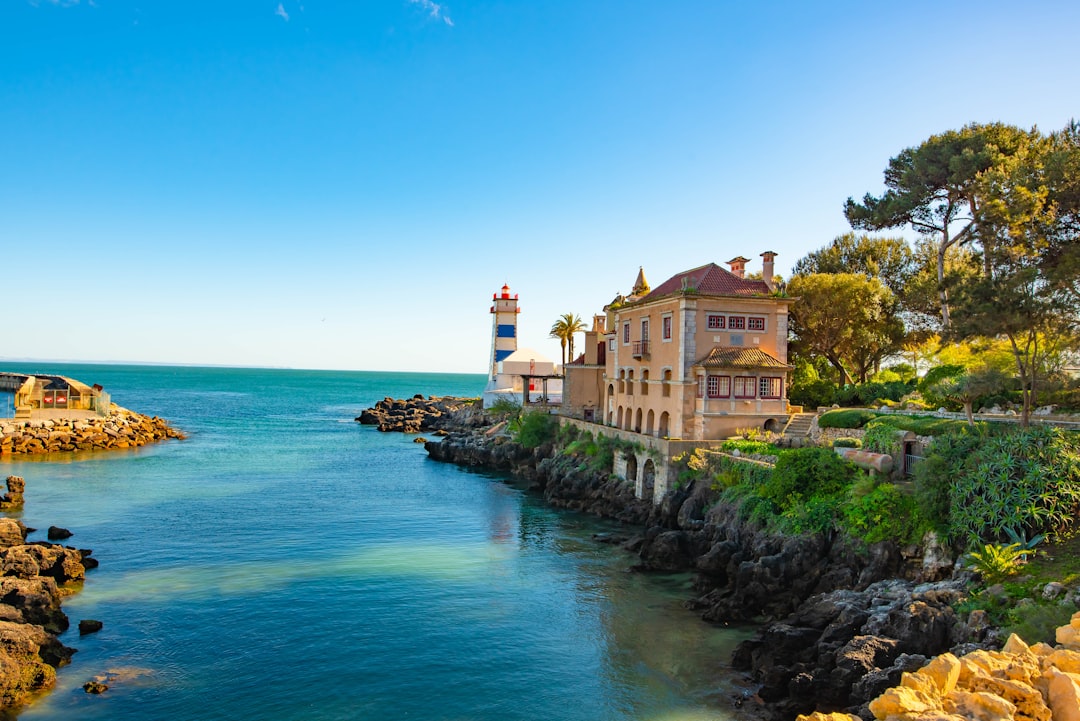
Cascais Travel Guide: Everything You Need to Know (2026)
Cascais is a coastal town of 214,124 inhabitants sitting just 30 km west of Lisbon on the Estoril Coast, a stretch of Atlantic shoreline that has drawn European royalty since the late 19th century. The town sits at sea level but punches well above its weight — its marina has hosted America’s Cup events and its neighbour Estoril hosted Formula 1 Portuguese Grands Prix. What surprised me most was how Cascais manages to feel like a genuine Portuguese town despite being one of the country’s most visited destinations.
Three Things Not to Miss in Cascais
- Boca do Inferno — A dramatic sea cliff archway where Atlantic swells crash into a 20-metre natural chasm — most spectacular in winter.
- Cascais Marina — A working 650-berth marina that has hosted America’s Cup races and offers sunset dining with direct ocean views.
- Sintra-Cascais Natural Park — Over 14,500 hectares of protected Atlantic forest and coastline, with Cape Roca marking Europe’s westernmost point.
Scroll down for our complete travel guide with tips on getting there, where to stay, costs and more.
How to Reach Cascais
How do I get to Cascais from Lisbon or elsewhere?
Take the **Linha de Cascais** train from **Cais do Sodré station in Lisbon** — it runs every **20 minutes** and costs around **€2.25** one-way, reaching Cascais in **40 minutes**. In my experience, this is the best option bar none. Driving from central Lisbon takes the same time without traffic but parking in Cascais town centre is a genuine headache, especially from June through September. Taxis and Uber from Lisbon run around **€30–40**. What most guides omit: the train platform at Cascais station deposits you within a 5-minute walk of the seafront, beach, and old town — no transfer needed.
Which airport is closest to Cascais?
**Humberto Delgado Airport (LIS)** in Lisbon is the closest, approximately **35 km** east of Cascais. From LIS, the fastest route is Metro to **Cais do Sodré** (about **25 minutes**, **€1.65**) then the Linha de Cascais train (**40 minutes**, **€2.25**) — total door-to-door around **75 minutes** for roughly **€4**. Taxis or Ubers direct from LIS to Cascais cost **€40–55** and take **35–50 minutes** depending on the A5 motorway traffic. My tip: avoid arriving or departing Cascais by road on Friday afternoons in summer — the coastal highway backs up badly and what should be a 45-minute drive becomes 2 hours.
How long does the journey from Lisbon to Cascais take?
By train from **Cais do Sodré**, the journey is exactly **40 minutes** with no changes required. By car via the **A5 motorway**, expect **30–45 minutes** outside peak hours, but budget **60–90 minutes** on summer weekends. The Linha de Cascais train is genuinely one of Portugal’s most scenic rail rides — it hugs the coastline past **Estoril Casino**, **São João do Estoril**, and **Parede**, giving you Atlantic views the whole way. What surprises most visitors is how frequent and reliable this service is: trains run from roughly **5:30 AM to midnight**, and the **€2.25** ticket is flat-rate regardless of which stop you board at along the line.
Do I need a rental car in Cascais?
No — skip the rental car entirely for Cascais town itself. The historic centre, all three main beaches (**Praia da Rainha**, **Praia da Ribeira**, **Praia da Conceição**), the marina, and Boca do Inferno are all walkable within **20 minutes** of the train station. However, if you plan to explore **Sintra-Cascais Natural Park**, **Cape Roca**, or the wilder beaches at **Guincho**, a car or scooter unlocks a lot. Local bus **403** connects Cascais to Guincho Beach in **25 minutes** for about **€2**, which handles most day-trip needs. The honest caveat: parking in Cascais in July and August is a nightmare — paid underground parking at **Parque de Estacionamento do Mercado** fills by 10 AM on weekends.
Cascais Public Transport Explained
Which are the best areas to stay in Cascais?
I recommend **the old town (Aldeia)** for first-time visitors — you are within 5 minutes of the beaches, the fish market, and the pedestrian shopping streets. **The marina district** suits travellers who want upscale restaurants and a lively evening atmosphere. **Estoril**, technically a separate town within the Cascais municipality, is quieter and positions you next to the famous **Casino Estoril** and a long promenade — ideal for those who want slightly lower prices and a more local feel. What most guides omit: avoid booking anything along the **EN6 coastal road** in summer — the traffic noise from tourist coaches is relentless from 8 AM onward.
What does accommodation in Cascais cost per night?
A solid mid-range guesthouse or boutique hotel in the **Cascais old town** runs **€90–€140 per night** in shoulder season (May or October). Expect to pay **€150–€220** for the same room in July and August. The **Cascais Miragem Atlantic Hotel**, the area’s marquee 5-star, starts around **€280 per night** in peak season. Budget travellers can find clean private rooms in guesthouses near **Estoril** from **€60–€80**. Self-catering apartments through local platforms average **€100–€130 per night** for a one-bedroom with a kitchenette. My honest caveat: there are almost no true budget hostels in Cascais itself — if price is your priority, base yourself in Lisbon and day-trip, which costs only **€4.50 return** by train.
How far in advance should I book accommodation in Cascais during high season?
Book **at least 3 months ahead** for July and August — Cascais is one of Portugal’s most popular summer destinations and the better properties genuinely sell out. For **Easter week** and **late September** (when the sailing regattas draw crowds), **6–8 weeks** is the minimum. I’ve seen travellers arrive in August expecting to find walk-in rooms and end up commuting from **Lisbon’s Marquês de Pombal** neighbourhood instead. Shoulder season (May, June, October) can be booked **3–4 weeks out** without stress, and you’ll often get better rates than online listings initially show by calling the property directly. My tip: mid-week check-ins in June offer the best combination of availability, weather, and price.
Are there special or unique accommodation types in Cascais?
Yes — **quintas** (historic manor houses converted to guesthouses) in the hills above Cascais offer a genuinely different experience from the coastal hotels. **Quinta da Marinha**, located **4 km west** of the town centre, combines golf course access with Atlantic-view rooms starting around **€120 per night**. The marina area has several **floating cabin options** and liveaboard charters for sailing enthusiasts. In **Sintra-Cascais Natural Park**, you will find rural tourism properties — stone farmhouses with private gardens — for **€85–€110 per night**. What most guides omit: these rural properties are 15–25 minutes from central Cascais by car but rarely have public transport connections, so they only work if you have a vehicle.
Neighbourhoods of Cascais
What are the absolute must-sees in Cascais?
In my experience, three visits are non-negotiable. First, **Boca do Inferno** (Hell’s Mouth) — a sea cliff arch **2 km west** of the train station, best at high tide when the spray is spectacular. Second, the **Museu dos Condes de Castro Guimarães**, a 19th-century palace-turned-museum right on the seafront, with entry at just **€3**. Third, **Praia do Guincho**, a wild Atlantic beach **9 km from town** inside Sintra-Cascais Natural Park — consistently rated Portugal’s best windsurfing beach. The historic **Cascais Citadel** (Cidadela de Cascais) is free to walk around and houses the official presidential summer residence. My tip: buy fresh percebes (barnacles) directly from vendors at the **Cascais fish market** behind the town hall — it opens at **7 AM** and closes when stock runs out.
What can I experience for free in Cascais?
Cascais offers a genuine amount of zero-cost activity. The **Cascais Citadel** outer walls and gardens are free to enter and give you the best elevated views over the bay. **Boca do Inferno** costs nothing — it is a public sea cliff with a small café nearby. The **Passeio Marítimo de Cascais**, a 7-km coastal promenade connecting Cascais to Estoril, is one of Portugal’s finest waterfront walks and completely free. The **town beaches** — **Praia da Rainha**, **Praia da Ribeira** — charge no entry. What surprised me: the **Museu da Vila** (Town Museum) has permanent collections you can browse for free on Sunday mornings. The weekly **Cascais market** at **Mercado da Vila** runs every Wednesday and Saturday and is free to wander.
Which day trips from Cascais are most worth it?
**Sintra** is the obvious choice — it is only **13 km northeast** of Cascais by bus (**403** or **417**) and offers UNESCO-listed palaces including **Pena Palace** (entry **€14**). The journey takes **45 minutes**. **Cape Roca (Cabo da Roca)**, Europe’s westernmost point on the mainland, is **16 km north** and reachable by **403 bus** in **30 minutes** for around **€2**. Lisbon itself is the best half-day option, just **40 minutes** by train. What most guides omit: combining Sintra and Cape Roca in one day is genuinely tiring — the Sintra hill climbs alone take **3–4 hours**. I recommend dedicating a full separate day to each rather than rushing both into one trip.
What local specialities should I eat in Cascais?
Cascais sits on a working fishing coast, so the seafood is the honest answer here. **Percebes** (goose barnacles) are the local delicacy — expect to pay **€15–€25 per portion** at restaurants, or buy them fresh at the market for half that. **Amêijoas à Bulhão Pato** (clams with garlic and coriander) and **grilled dourada** (sea bream) are found at every traditional tasca. **A Tasca do Joel** near the old fish market does a working-lunch menu — soup, main, wine — for **€10–€12**. My tip: avoid seafood restaurants lining the **marina promenade** — they target tourists and charge **30–40% more** for the same dishes you can get two streets inland near **Rua das Flores**.
What to See in Cascais
What makes Cascais genuinely unique compared to other Portuguese coastal towns?
Cascais occupies a rare position: it is a legitimate working town, not a resort built around tourism. The **Cidadela de Cascais** still functions as a presidential summer residence — you can watch the guard change and then have coffee 50 metres away. The Linha de Cascais train means the town has a genuine year-round commuter population from Lisbon, which keeps authentic tascas and neighbourhood bakeries alive even in the off-season. The **marina’s America’s Cup history** gives it a sailing credibility that Albufeira or Nazaré simply cannot claim. What surprised me most: on weekday mornings in October, you can walk the same seafront that once hosted European royalty and find it almost entirely to yourself — a combination of genuine history and Atlantic air that feels nothing like a packaged resort.
How many days should I spend in Cascais?
**2 full days** covers Cascais town thoroughly; **3–4 days** if you want to add Sintra and Cape Roca properly. Day 1: walk the citadel, Boca do Inferno coastal path, and old town; eat at the fish market. Day 2: bus to Guincho Beach, visit the **Museu dos Condes de Castro Guimarães**, evening on the marina. Day 3: full-day Sintra. Day 4: Cape Roca and the northern coast of Sintra-Cascais Natural Park. My honest caveat: more than 4 days in Cascais alone leads to repetition — the town is genuinely compact at roughly **3 km across**. At that point, Lisbon day trips via the **€2.25 train** extend your range dramatically without changing your base.
When is the best time to visit Cascais?
**June through September** offers the best combination of warm weather, calm seas, and reliable sunshine — these are the verified best travel months based on climate analysis. **June** is my personal favourite: temperatures sit around **23–26°C**, the crowds have not yet peaked, and accommodation prices are **15–20% lower** than July–August. September is excellent for the same reasons, with the bonus of calmer Atlantic swells for swimming. Avoid **July 20 – August 20** if you dislike crowds — Cascais is overwhelmed with Portuguese domestic tourists during this window and the **Praia da Rainha** beach is genuinely shoulder-to-shoulder. October is underrated: temperatures remain around **19–22°C**, nearly all restaurants stay open, and you will have Boca do Inferno almost to yourself.
Are there local festivals in Cascais worth attending?
**Festival do Marisco** (Seafood Festival) in late July or early August is the one event I would genuinely plan a trip around — held on the **Cascais seafront** with live music, regional seafood stalls, and crowds that are festive rather than chaotic. Entry is free; budget **€20–€40** for food and drink. **Cascais Jazz** runs across multiple venues in October and November, with free outdoor performances at the **marina amphitheatre**. The **Estoril Open tennis tournament** (ATP 250) in late April–early May at the **Clube de Ténis do Estoril** draws international players and is surprisingly accessible — ground passes cost around **€15–€25**. My tip: the sailing regattas in September bring a different crowd and make the marina area particularly atmospheric in the evenings.
Cascais Food Scene
How does the weather affect activities in Cascais throughout the year?
The Atlantic positioning of Cascais means wind is the key variable, not just temperature. **Praia do Guincho** becomes a kitesurfing paradise from **June to September** precisely because the Nortada wind blows consistently from the north — brilliant for watersports, but the same wind makes sunbathing there gritty and cold. The town beaches — **Praia da Rainha** and **Praia da Conceição** — are sheltered by the bay and far calmer. Winter (December–February) is mild at around **14–16°C** but rainy enough to make the Boca do Inferno cliff walk dramatic rather than pleasant. What most guides omit: even in peak summer, afternoon sea breezes mean evenings in Cascais can be surprisingly cool — bring a light jacket for dinner on the marina after 9 PM.
How crowded does Cascais get in peak season?
Intensely crowded in **July and August**. The **Praia da Rainha** and **Praia da Conceição** are at capacity by 11 AM on any warm weekend. The pedestrian streets around **Rua Frederico Arouca** become difficult to walk at a normal pace between 11 AM and 7 PM. The Linha de Cascais trains from Lisbon run packed — standing room only on Saturday mornings. What most guides omit: the crowd problem is worst on **Saturday specifically**, because Lisboners do Cascais as a weekend trip. A midweek visit in July is noticeably more comfortable than a weekend. My tip: **Praia do Guincho**, **9 km west**, never reaches the same density because the wind deters casual beachgoers — it is the local’s escape when town beaches are full.
How safe is Cascais for tourists?
Cascais is one of Portugal’s safest tourist destinations — I have never felt unsafe there at any hour. Petty theft exists but is not rampant; the standard precautions apply at the **Linha de Cascais train stations** (Estoril and Cascais itself) during crowded summer weekends. The old town at night is lively and well-lit. What most guides omit: the **Sintra-Cascais Natural Park** coastal trails can be genuinely dangerous in winter when cliff paths are wet and unmarked — **2 fatal falls** have occurred in recent years near Boca do Inferno when visitors climbed over safety railings for photos. Stay behind the barriers. Emergency services: **112** is the national emergency number and response in Cascais is fast — the town has its own **Bombeiros Voluntários de Cascais** fire and rescue station.
Is English widely spoken in Cascais?
Yes — English fluency in Cascais is among the highest of any Portuguese town outside Lisbon. The large expat community (predominantly British and Northern European) has made English effectively a working second language in the marina area, hotels, and most restaurants. **Younger staff at almost every establishment** speak confident English. What surprised me: even older fishermen at the morning market will attempt English before you need to try Portuguese. That said, attempting even basic Portuguese — **”uma imperial, se faz favor”** (a draft beer, please) — is met with visible warmth. My honest caveat: in the traditional tascas inland from the tourist zone, you may encounter menus only in Portuguese, which is actually a good sign — it means locals eat there.
Local Know-How for Cascais
What is the daily budget for a trip to Cascais?
Budget traveller: **€55–€70 per day** — hostel-level accommodation near **Estoril** (€30–€40), lunch at a tasca (€10–€12), self-catering dinner, and train transport. Mid-range: **€120–€160 per day** — boutique guesthouse in the old town, sit-down meals at proper seafood restaurants, one museum entry, and a day trip. Comfort traveller: **€200–€280 per day** — 4-star hotel, full restaurant dinners with wine, boat trips or guided experiences. Local transport is a verified **€1.96 per trip**. What most guides omit: Cascais is meaningfully more expensive than inland Portugal — the same meal that costs **€8** in Évora costs **€14–€18** here due to its proximity to Lisbon and the expat-driven cost of living.
How does public transport work in and around Cascais?
The **Linha de Cascais** train is the backbone — **€2.25** each way from Lisbon, running every **20 minutes** between 5:30 AM and midnight. Within Cascais municipality, **Scotturb buses** cover the coastal and inland routes: bus **403** connects Cascais station to **Guincho Beach** and **Sintra** (journey **45 minutes**), bus **405** runs to **Estoril** every **15 minutes** for **€1.96**. A **Viva Viagem card** (€0.50 reusable card) loaded with the **Navegante** pass (**€40/month**) is worth it if you are staying more than **10 days**. My tip: the **CP app** (Comboios de Portugal) shows real-time train departures from Cascais station — download it before arrival. Taxis wait outside the train station and are metered; a ride within the town costs **€5–€8**.
Which apps do you recommend for visiting Cascais?
**CP — Comboios de Portugal** is essential for real-time Linha de Cascais train departures and tickets — download it before you fly. **Scotturb** has a basic but functional route planner for local buses including the **403 to Guincho**. **Google Maps** works reliably for walking navigation in Cascais — the old town labyrinth is small enough that offline maps cover it in under **50 MB**. **Uber** operates in Cascais and is typically **20–30% cheaper** than metered taxis for longer runs like Cascais to **Sintra**. My honest caveat: **Bolt** is available but driver availability outside the marina area is patchy after 11 PM. For dining, **The Fork (TheFork)** lists Cascais restaurants with real-time availability and frequently offers **50% discounts** at quality restaurants during off-peak lunch hours — I have used this successfully at restaurants I would otherwise have skipped on price.
Cascais at a Glance
| Population | 214,124 |
|---|---|
| Currency | EUR (€) |
| Official language | Portuguese |
| Time zone | UTC±00:00 |
Source: Wikidata, retrieved September 2026.
Portugal › Cascais
More Destinations in Portugal
Essential Resources for Planning Your Trip to Cascais
- Cascais Transportation Guide — official visitor information, passes & events
- Wikipedia: Cascais — history, geography & background
- Wikivoyage: Cascais — community travel guide & practical tips
- Cascais travel – Lonely Planet | Portugal, Europe — expert itineraries & travel inspiration
- THE 15 BEST Things to Do in Cascais (2026) — hotels, restaurants & traveller reviews
- Cascais Transportation Guide — how to get around
- Numbeo: Cost of Living in Cascais — current prices & cost comparison
- Timeanddate: Cascais Weather & Climate — forecasts & climate statistics
More Perspectives on Cascais
- Cascais, Portugal: One of My Favorite Spots in Europe
- 3 Perfect Days in Cascais: A Mini Guide to Portugal’s …
- The Ultimate Guide to Cascais: written by a local
Cascais Travel Videos
Watch these videos for a visual preview before your trip:
- Cascais Portugal Travel Guide | Real Costs, Walking Tour & Travel Tips!
- Cascais, Portugal Travel Guide | Where to Stay, Eat & Explore
- Cascais, Portugal: Best Things to Do in This Stunning Coastal Town
Cascais Travel Discussions on Reddit
Real traveller experiences and community advice:
- Has anyone here visited Cascais? : r/VisitPortugalGuide
- Cascais? : r/TravelPortugal
- A week in Cascais : r/LisbonPortugalTravel
Data Sources
This page was compiled using data from Wikipedia, Wikidata, Open-Meteo (climate), Numbeo (cost of living) and REST Countries. Information is updated regularly.