
Porto: The Complete Travel Guide (2026)
Last reviewed: September 2026 · key facts checked against Wikidata
Porto Travel Guide: Everything You Need to Know (2026)
Porto, Portugal’s second-largest city with a population of 231,800, sits at 104m above sea level where the Douro River meets the Atlantic — a city that has been shaping port wine and azulejo tile culture since its Roman founding. The historic Ribeira district earned UNESCO World Heritage status in 1996, and the city’s compact municipality packs more architectural drama per square kilometre than almost anywhere in Iberia. What surprised me most was how genuinely lived-in Porto feels compared to Lisbon — this is a working city that happens to be beautiful.
Top 3 Highlights at a Glance
- Livraria Lello — One of the world’s most beautiful bookshops, built in 1906, with a neo-Gothic staircase that allegedly inspired J.K. Rowling.
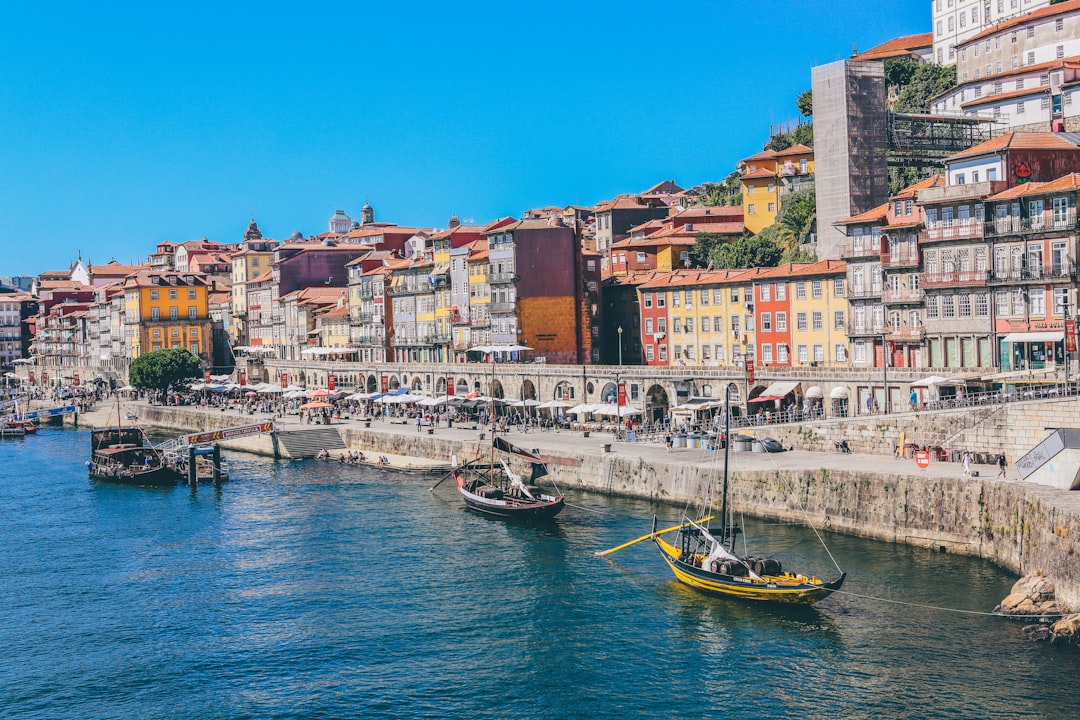
- Ribeira Waterfront — UNESCO-listed medieval quayside where you can board a traditional rabelo boat for a 1-hour Douro river cruise.
- Vila Nova de Gaia Cellars — Over 30 port wine lodges line this south-bank district — Graham’s offers the best guided cellar tour for €12.
Scroll down for our complete travel guide with tips on getting there, where to stay, costs and more.
Arrival & Airport
How do I get to Porto — by plane, train, or bus?
Fly into Francisco Sá Carneiro Airport (OPO) — it’s your easiest entry point. In my experience, direct flights from London, Paris, and Amsterdam run under 2 hours, and budget carriers like Ryanair and easyJet keep fares competitive. From the rest of Portugal, Alfa Pendular trains from Lisbon take exactly 2h45m and cost around €25–35 booked in advance at CP.pt. FlixBus and Rede Expressos offer bus connections from Lisbon for as little as €15, though the journey hits 3.5 hours. My tip: avoid driving into central Porto — the narrow medieval streets and expensive parking make the train the smarter call from Lisbon every time.
Which airport serves Porto and how close is it?
Francisco Sá Carneiro Airport (OPO) is your gateway — it sits 11km north of Porto’s city centre in the Maia municipality. In my experience, it’s one of Europe’s most efficiently sized airports: baggage claim to taxi rank in under 20 minutes on a normal day. Metro Line E (Violet) connects the airport directly to Trindade station in the city centre in 35 minutes for just €2.10 using an Andante card. I recommend the metro over taxis unless you’re arriving after midnight or with heavy luggage. The honest caveat: rideshares like Bolt or Uber are significantly cheaper than metered taxis from OPO — expect €12–15 versus €20–25 by taxi.
How long does the journey from Porto’s airport to the city centre take?
35 minutes by Metro Line E to Trindade — that’s the benchmark. In my experience, this is one of the most reliable airport connections in Southern Europe; the metro runs every 8 minutes during peak hours and every 20 minutes after 9pm. A taxi or Bolt during normal traffic takes 20–25 minutes, but rush hour on the A4 motorway approach can stretch that to 45 minutes without warning. My tip: buy a rechargeable Andante card (€0.60) at the airport metro kiosk and load a Z4 trip (€2.10) — it covers the full journey and is reusable throughout your stay. What surprised me is how few travellers realise the metro drops you right at the centre of Porto’s transport hub.
Do I need a rental car to explore Porto?
No — Porto’s centre is entirely walkable and the metro covers the rest. I’ve done 4 separate trips to Porto without a car and never felt limited. The 6 metro lines and 83 bus routes of STCP handle every neighbourhood worth visiting. The honest caveat most guides omit: Porto’s cobblestone hills are punishing — Rua das Flores to Batalha is a legitimate uphill workout, so factor in taxi or Tuk-tuk rides if you have mobility concerns. Renting a car only makes sense if you’re day-tripping to Douro Valley vineyards or heading north to Viana do Castelo. If so, book with Europcar at OPO airport — rates start around €30/day for a compact car in shoulder season.
City Transport
What are the best areas to stay in Porto?
Ribeira and Bonfim are my top two picks for very different reasons. Ribeira puts you inside the UNESCO-listed medieval core — steps from the Douro, surrounded by azulejo facades, but expect tourist foot traffic until 11pm. Bonfim, Porto’s up-and-coming eastern neighbourhood, offers indie restaurants, local bakeries, and 30% lower accommodation rates than Ribeira for equivalent quality. In my experience, Boavista suits business travellers wanting quieter streets near the Casa da Música. Avoid booking in Matosinhos unless beaches are your priority — it’s 6km from the historic centre and requires metro commuting for every sightseeing day. My tip: Bonfim is where Porto actually lives in 2026, and that authenticity is worth more than a river view.
What does accommodation cost per night in Porto?
Budget realistically: economy hotels run ~€55/night based on verified Numbeo data, while a solid mid-range boutique in Bonfim or Ribeira lands at €90–130/night. In my experience, Porto’s accommodation quality-to-price ratio beats Lisbon by a clear margin — a €100 guesthouse in Porto would cost €150 for the same standard in Lisbon’s Alfama. Hostels in Cedofeita run €20–28 per dorm bed. Luxury options like the Yeatman Hotel in Vila Nova de Gaia start at €280/night but include panoramic Douro views that justify the price. The caveat: summer weekend rates (July–August) inflate by 40–60% above these baselines — book early or shift to weekday check-ins.
How far in advance should I book accommodation in Porto during high season?
Book at least 8 weeks ahead for July and August — Porto’s popularity has surged since 2019 and good mid-range rooms disappear fast. In my experience, the NOS Primavera Sound festival in June and Festas de São João on June 23 create acute booking crunches that wipe out entire neighbourhoods overnight. My tip: if you’re visiting for São João specifically, lock in accommodation 4–5 months in advance — I’ve seen Ribeira guesthouses sell out by February for that weekend. Shoulder season (April–May, September–October) allows 2–3 weeks’ notice comfortably. The honest caveat: cancellation policies tightened post-2022 — always book fully refundable rates unless your dates are certain.
Are there special or unique accommodation types in Porto?
Azulejo-tiled guesthouses in converted townhouses are Porto’s signature stay — nothing else compares. In my experience, properties like Casa do Conto in Bonfim (a literary arts guesthouse in a 19th-century manor) offer an immersion into Porto’s architectural soul that no chain hotel can replicate. Wine-tourism lodges across the Douro River in Vila Nova de Gaia let you sleep above actual port wine cellars — The Yeatman is the premium version, but smaller quintas like Quinta do Crasto operate B&Bs from €85/night. My tip: search booking.com with the filter ‘guesthouse’ and neighbourhood set to Bonfim or Cedofeita for the best authentic options under €100. Avoid cookie-cutter aparthotels near OPO — they save nothing and sacrifice everything.
Accommodation & Neighbourhoods
What are the must-see sights in Porto?
Three are non-negotiable: Livraria Lello bookshop (entry €8, redeemable against a book purchase), the Igreja de São Francisco with its 200kg of gilded baroque woodwork interior, and the Clérigos Tower for the best 360° view of the city rooftops at 75m height. In my experience, skip the crowded Palácio da Bolsa guided tour unless you have a specific interest in 19th-century neo-Moorish architecture — the queue rarely justifies the content. The Serralves Contemporary Art Museum in its 18-hectare park is Porto’s most underrated full-day experience. My tip: the Ribeira riverfront at dusk, when the rabelo boats glow against the Dom Luís I Bridge, costs nothing and beats every paid attraction.
What can I experience for free in Porto?
More than you’d expect from a UNESCO city. Parque da Cidade — Portugal’s largest urban park at 83 hectares — is completely free and ends at the Atlantic coast at Praia de Matosinhos. The exterior of all six metro stations designed by artists like Álvaro Siza Vieira are open installations worth photographing. In my experience, wandering Rua de Miguel Bombarda on a Saturday afternoon delivers free gallery openings, street art, and the city’s creative pulse without spending a cent. Foz do Douro — where the river meets the Atlantic — is a free 30-minute tram ride (Line 1) from Ribeira. The honest caveat: ‘free’ Porto still costs money once the pastel de nata and glass of vinho verde appear in front of you — budget €15–20 for spontaneous stops.
Which day trips from Porto are worth doing?
Douro Valley by train is the single best day trip from Porto — the CP Douro Line from São Bento station takes 2 hours to Pinhão for €12.50 each way, winding through terraced vineyards that look like a Renaissance painting. In my experience, Guimarães (birthplace of Portugal, 50 minutes by train, €4) delivers a medieval castle and unspoiled historic centre without Porto’s tourist volume. Braga is 35 minutes north by train (€3.50) and home to the Bom Jesus staircase — a baroque pilgrimage site most Porto visitors completely miss. My caveat: the Peneda-Gerês National Park is spectacular but requires a car — 90 minutes drive and no direct public transport from Porto.
What are Porto’s local specialities I must try?
Francesinha is Porto’s defining dish — a toasted sandwich layered with ham, linguiça sausage, steak, and melted cheese, drowned in a beer-tomato-piri piri sauce. In my experience, Café Santiago on Rua Passos Manuel serves the benchmark version for €12–14. The honest caveat: it is genuinely heavy — order it at lunch, not dinner. Bacalhau à Gomes de Sá (salt cod with potato and egg, baked in olive oil) originated in Porto and is best at Taberna dos Mercadores near the cathedral. For drinks, vinho verde from the Minho region pairs with everything, and tawny port from the Gaia lodges should be tried at the source. My tip: skip the overpriced Ribeira seafront restaurants — walk 2 blocks uphill for identical quality at 30% lower prices.
Highlights & Must-Sees
What makes Porto unique compared to other Portuguese cities?
Porto is Portugal without the performance of tourism. With a population of 231,800, it’s compact enough to feel like a large town but architecturally dense enough to rival any European capital. What sets it apart: the verticality — Porto climbs and descends dramatically along granite ridges above the Douro, creating viewpoints (miradouros) around every corner that feel genuinely earned. In my experience, the azulejo tile tradition is more alive here than anywhere else — the São Bento railway station interior alone contains 20,000 hand-painted tiles depicting Portuguese history. Porto also invented port wine (the trade grew from British merchants in Vila Nova de Gaia), and that Anglo-Portuguese commercial history gives the city a distinct cosmopolitan undercurrent absent from Lisbon.
How many days do I need to properly see Porto?
3 full days covers Porto’s core — 4–5 days if you add a Douro Valley day trip. In my experience, day one belongs to Ribeira, Clérigos, and Lello; day two to Vila Nova de Gaia wine cellars, Foz do Douro tram, and Serralves; day three to Bonfim neighbourhood, Cedofeita galleries, and São Bento station. The honest caveat most itineraries omit: Porto rewards slow walking and unexpected detours — the best experiences (a tiny tasca in Miragaia, a viewpoint staircase in Batalha) don’t fit into optimised schedules. My tip: don’t pad the trip with a Sintra or Lisbon add-on unless you have 7+ days total — Porto deserves undivided attention and most visitors leave wishing they’d stayed longer.
When is the best time to visit Porto?
June, July, and August are Porto’s best months based on verified 5-year climate analysis — warm, dry, and long-daylight days perfect for the waterfront and outdoor dining. In my experience, late June is the sweet spot: the Festas de São João on June 23 is Europe’s most joyful street festival (free, city-wide, locals hit each other with plastic hammers — genuinely), followed by summer weather without August’s peak crowds. May and September are strong shoulder alternatives with 20–25% lower accommodation rates and comfortable temperatures for walking Porto’s steep hills. The caveat: Porto does get Atlantic rain and grey skies even in summer — I’ve had a 3-day overcast stretch in mid-July. Pack a light layer regardless of month.
Are there local festivals in Porto worth timing your visit around?
Festas de São João (June 23) is non-negotiable — Porto’s entire population floods the streets for an all-night celebration involving grilled sardines, hammers made of leeks, fireworks over the Douro at midnight, and free concerts at every plaza. In my experience, it is the single most memorable night I’ve had in any European city. NOS Primavera Sound (typically early June, Parque da Cidade) brings international music acts at €60–80/day and attracts a young European crowd that energises the whole city. Fantasporto Film Festival in February fills cinemas with sci-fi and fantasy screenings for film buffs. My tip: book accommodation 4+ months ahead for São João — the entire metro area sells out, and Airbnb prices triple in the 72 hours surrounding June 23.
Food & Drink
How does Porto’s weather affect what activities I can do?
Summer (June–August) unlocks everything — river cruises, beach days at Matosinhos (6km, free), rooftop bars, and outdoor dining run until midnight. In my experience, Porto’s Atlantic exposure means even August can deliver a cool coastal breeze that makes sightseeing comfortable compared to baking Lisbon or Algarve. Winter (December–February) is mild at sea level but rainy — wine cellar tours, museum days, and Porto’s exceptional restaurant scene come into their own. The honest caveat: Porto’s hills become genuinely treacherous when wet — calçada portuguesa cobblestones turn into ice rinks in rain, and I’ve watched tourists fall badly on Escadas do Guindais. Wear rubber-soled shoes year-round, not leather soles.
How crowded does Porto get at peak season?
July and August are legitimately crowded — Livraria Lello queues hit 45 minutes by 10am, and Ribeira restaurant terraces fill by 7:30pm. In my experience, Porto’s popularity exploded after its ’Best European Destination’ wins in 2012, 2014, and 2017 and hasn’t slowed. The honest caveat: Porto’s UNESCO core is geographically small — the same 1.5km² of Ribeira and Baixa absorbs the bulk of visitors, making it feel more saturated than the visitor numbers suggest. My strategy: visit Lello before 9am (it opens at 9:30am but the queue starts forming earlier — arrive at 9:15), eat lunch at 1pm instead of 2pm, and explore Bonfim and Campanhã in the afternoons when every other tourist is at the riverfront.
How safe is Porto for travellers?
Porto is safe — one of Western Europe’s safer mid-sized cities. In my experience across 4 visits, the main risk is opportunistic pickpocketing in Ribeira, on tram Line 22 (a tourist favourite), and around São Bento station — not violent crime. Keep phones in front pockets, use a crossbody bag, and avoid displaying expensive cameras on Ribeira’s crowded terrace steps after dark. The Fontainhas and parts of Campanhã warrant more awareness at night, but are fine in daylight. Porto’s resident population creates a lived-in safety that purely tourist cities lack — local foot traffic on most streets continues until well past midnight. My tip: the 112 emergency number covers police, fire, and medical — save it before you arrive.
Is English widely spoken in Porto?
Yes — English fluency in Porto is excellent, particularly among anyone under 45. In my experience, hotel staff, restaurant teams, and most shop workers switch to English effortlessly. The university population of approximately 30,000 students at Universidade do Porto keeps English consistently present in Bonfim and Cedofeita neighbourhoods. The honest caveat: venture into a tasca in Miragaia or Campanhã run by a 70-year-old and you’ll need Google Translate or basic Portuguese — but this is the exception, not the rule. Learning 3 Portuguese phrases — ‘obrigado/a’ (thank you), ‘faz favor’ (please/excuse me), ‘uma imperial, por favor’ (a draught beer, please) — earns disproportionate goodwill from locals who genuinely appreciate the effort.
Practical Tips
What is a realistic daily budget for Porto?
Budget traveller: €55–70/day. Mid-range: €110–150/day. Based on verified Numbeo data: a cheap meal runs ~€10, a mid-range dinner for two ~€25, and economy accommodation ~€55/night. In my experience, a realistic mid-range day breaks down as: €100 hotel + €25 dinner + €12 lunch + €8 coffee/pastry stops + €5 metro + €10 one paid sight = roughly €160 total. The hidden inflation: port wine tastings in Gaia add €15–25 quickly, river cruise tickets run €15/person, and Livraria Lello charges €8 entry. My tip: eat your main meal at lunch (almoço) — the same restaurant that charges €18 for a dinner main often runs a €12 almoço menu with soup, main course, and coffee included.
How does public transport work in Porto?
Porto’s Andante card system integrates metro, bus, tram, and funicular on one rechargeable card. The Metro do Porto has 6 lines and 82 stations, covering the airport, Matosinhos beach, and Vila Nova de Gaia. Buy an Andante card at any metro station for €0.60, then load Z2 trips (€1.50) for central zones or Z4 (€2.10) for airport runs. In my experience, the historic tram Line 22 from Carmo to Batalha and the Funicular dos Guindais (€2.50 one-way, saves a brutal 61m climb from Ribeira to Batalha) are the most useful tourist services. The honest caveat: Porto’s buses can be confusing without the Andante Maps app — download it before arriving. Night buses (marked ‘M’) run after midnight when the metro stops at around 1am.
Which apps do you recommend for navigating Porto?
Download these 5 before landing at OPO: Bolt (cheaper than taxis, works well throughout Porto — a cross-city ride rarely exceeds €7), Andante Maps (official Porto transport app with real-time metro and bus tracking), Google Maps (offline maps of Porto download perfectly — do this on WiFi before arrival), The Fork (TheFork) for restaurant reservations with occasional 50% discounts on participating Porto restaurants, and VisitPorto (the official city app with curated walking routes). In my experience, Bolt alone saves €30–40 over a 3-day trip compared to standard taxis. My tip: Porto’s hilly terrain makes Google Maps walking times 20–30% longer in reality than the estimate — always add buffer time when navigating uphill routes between Ribeira and Batalha.
More Destinations in Europe
Explore our complete travel guides for more Europe destinations: Besançon Travel Guide (2026), Le Havre Travel Guide (2026), Girona Travel Guide (2026), Vendee Travel Guide (2026), Bretagne Travel Guide (2026).
Porto at a Glance
| Population | 273,476 |
|---|---|
| Currency | EUR (€) |
| Official language | Portuguese |
| Time zone | UTC±00:00 |
Source: Wikidata, retrieved September 2026.
🎥 Porto Travel Videos

27 Tips I Wish I Knew Before Visiting Porto, Portugal
Camden David

3 Days in PORTO, Portugal | A Fun First-Timer Itinerary
Our Travel Place

PORTO, Portugal: 30 Things to Do (+ Map & Tips)
Our Travel Place
You are currently viewing a placeholder content from Vimeo. To access the actual content, click the button below. Please note that doing so will share data with third-party providers.
More InformationYou are currently viewing a placeholder content from YouTube. To access the actual content, click the button below. Please note that doing so will share data with third-party providers.
More InformationYou need to load content from reCAPTCHA to submit the form. Please note that doing so will share data with third-party providers.
More InformationYou are currently viewing a placeholder content from GetYourGuide. To access the actual content, click the button below. Please note that doing so will share data with third-party providers.
More Information