
Gytheio: The Complete Travel Guide (2026)
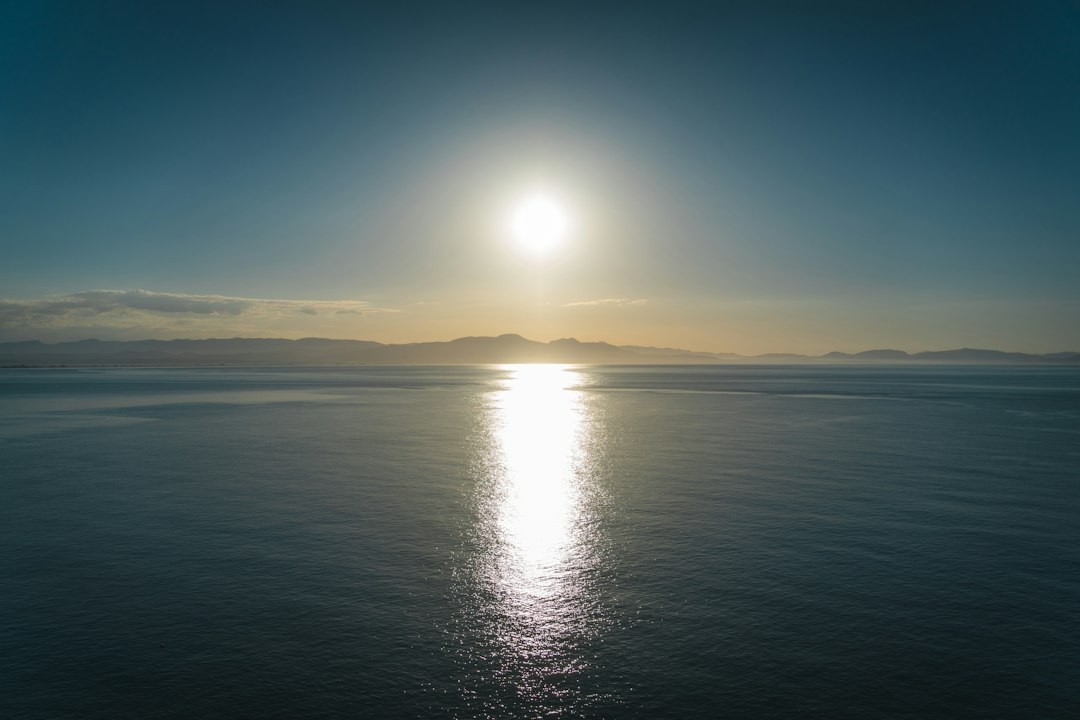
Gytheio Travel Guide: Everything You Need to Know (2026)
Gytheio (population 4,070) sits at 21 m above sea level on the eastern shore of the Mani Peninsula in Laconia, southern Greece — the ancient port city of Sparta that once exported purple dye across the Mediterranean. It lies roughly 46 km south of Sparti and serves as the main gateway town to the wild Mani Peninsula. What most travellers don’t realise is that this compact harbour town punches well above its size with a genuine working-port atmosphere, Venetian-era mansions, and a direct ferry link to Crete.
Three Things Not to Miss in Gytheio
- Marathonisi Islet — Mythological birthplace of Troy’s war — a 5-minute rowboat ride from the harbour leads to a pine-covered islet with a Napoleonic-era tower.
- Gytheio Waterfront Promenade — The 19th-century neoclassical façades along the Tzanetaki waterfront are among the best-preserved in the Peloponnese.
- Diros Caves — A 45-minute drive south reveals one of Europe’s largest subterranean lake cave systems, navigated entirely by flat-bottomed boat.
Scroll down for our complete travel guide with tips on getting there, where to stay, costs and more.
How to Reach Gytheio
How do I get to Gytheio?
By car or KTEL bus from Athens is the most practical approach. In my experience, the **KTEL bus from Athens** (Kifissos terminal) runs directly to Gytheio in approximately **3.5 hours** and costs around **€25–€30** one way — a genuinely underrated option. From **Sparti**, local buses cover the **46 km** in about **50 minutes** for under **€5**. If you’re driving, take the E65 motorway south from Athens toward Kalamata, then cut east toward **Sparti** and south on the 39. The caveat most guides skip: bus frequency drops sharply outside July–August, with sometimes only **1–2 daily departures** in low season, so always verify the KTEL Lakonias timetable in advance.
Which airport is closest to Gytheio?
**Kalamata International Airport (KLX)** is the closest useful airport, approximately **80 km** west of Gytheio by road. In my experience, it receives direct charter and Ryanair flights from several European cities seasonally — worth checking before automatically routing through Athens. **Athens Eleftherios Venizelos (ATH)** is the main hub, roughly **290 km** north, and is better for year-round connections. My tip: KLX works perfectly if you’re visiting May through October; outside that window, ATH is far more reliable. There is no direct airport shuttle from either airport to Gytheio — you’ll need a rental car or a pre-booked taxi, which from KLX costs approximately **€70–€90**.
How long does the journey to Gytheio take from Athens?
Driving from **Athens centre** to Gytheio takes approximately **3 hours** under normal traffic on the E65 and then regional roads — roughly **290 km**. What surprised me: the final **60 km** from Sparti south runs on a winding two-lane road through olive groves that adds a good **50 minutes** alone, so don’t underestimate it. By KTEL bus the journey is **3.5–4 hours** including a stop in **Sparti**. If you’re arriving via **Kalamata**, budget **1.5 hours** by car for the **80 km** crossing. The honest caveat: Google Maps consistently underestimates the mountain section — always add **20–30 minutes** buffer.
Do I need a rental car to explore Gytheio?
Yes — a rental car is essentially mandatory for exploring beyond Gytheio town itself. The Mani Peninsula’s best sights — **Diros Caves**, the tower-village of **Vathia**, and **Cape Matapan (Tainaron)** — are completely inaccessible by bus. Within Gytheio, everything is walkable: the harbour, **Marathonisi islet**, and the old town are all within **15 minutes** on foot. I recommend picking up a car at **KLX airport** or from **Sparti** (Europcar and local agencies operate there) — expect to pay **€35–€55 per day** for a compact in peak season. The trade-off: parking in Gytheio itself is genuinely easy and mostly free, which is a rarity in Greece.
Gytheio Public Transport Explained
What are the best areas to stay in Gytheio?
The **Tzanetaki waterfront strip** is where I’d put most travellers — neoclassical buildings, immediate harbour access, and walking distance to everything. For more tranquillity, the hill neighbourhood above town called **Ano Gythio** offers quieter guesthouses with Laconian Gulf views and **10–15 minute** walks down to the seafront. Avoid booking accommodation on the main through-road (**Vasileos Georgiou**) if you’re a light sleeper — truck traffic to the port starts at **5 a.m.** What most guides omit: the cluster of small hotels just south of the main port, near the **ferry terminal**, is convenient for early-morning Crete departures but noisy on summer evenings due to a nearby bar strip.
What does accommodation cost per night in Gytheio?
In my experience, Gytheio is genuinely affordable by Greek standards. A clean double room in a mid-range waterfront hotel runs **€60–€90** per night in peak season (July–August). Comfortable guesthouses in **Ano Gythio** go for **€45–€65**. Budget travellers can find rooms above tavernas for **€35–€50**. At the top end, boutique stone-house hotels in the old town charge **€110–€140** with breakfast. The honest trade-off: because Gytheio only has around **4,070 residents**, total accommodation supply is limited — don’t expect the variety of a larger city. In May or October prices drop **30–40%** across the board, making the shoulder season an exceptional value window.
How far in advance should I book accommodation in Gytheio during high season?
Book at least **6–8 weeks ahead** for July and August — Gytheio’s limited accommodation stock (fewer than **30 registered properties** in the wider area) fills faster than its size suggests. What surprised me: the town gets an influx of Greek domestic tourists from **Athens** and **Thessaloniki** on August weekends, which can wipe out availability overnight. My tip: if you’re visiting during the **Gytheio Carnival** (February/March) or the summer cultural festival in late July, add another **2–3 weeks** to that lead time. For May, June, September, and October, **2–3 weeks** ahead is usually fine. Booking.com has the best local coverage here compared to other platforms.
Are there special or unique accommodation types in Gytheio?
The most distinctive option is staying in a restored **neoclassical sea captain’s mansion** on the waterfront — several have been converted into small guesthouses with original stone floors and timber ceilings, offering a completely different atmosphere from standard Greek hotel rooms. I recommend looking specifically at properties on **Tzanetaki Street**, where 19th-century architecture dominates. Another underused option: agrotourism stays in the olive-farming villages **5–10 km** inland toward **Areopoli**, where working family estates rent rooms and include breakfast from their own groves. The caveat: these inland options require a car and rarely appear on major booking platforms — search Greek booking site **e-domio.gr** or call directly.
Neighbourhoods of Gytheio
What are the must-sees in Gytheio?
Three sights I consider non-negotiable: **Marathonisi islet** (mythologically where Paris and Helen spent their first night before sailing to Troy — reachable by a short causeway on foot, free entry), the **Archaeological Museum of Gytheio** (€3 entry, housing Laconian artefacts from the ancient harbour), and the **ancient Roman theatre** ruins just north of town on the road toward **Sparti**, which most day-trippers walk straight past. A short drive delivers the world-class **Diros Caves** — **45 km** south — and the Byzantine ghost-village of **Mystras** — **60 km** north, a UNESCO World Heritage Site. My honest take: skip the overpriced boat tours marketed on the waterfront; the independent causeway walk to Marathonisi costs nothing.
What can I experience for free in Gytheio?
Genuinely plenty. The **Tzanetaki waterfront promenade** walk is free and architecturally stunning — budget **45 minutes** for the full stretch. **Marathonisi islet** is accessible via a free public causeway. The **ancient Roman theatre** north of town has no fence or entry fee as of 2024. Sunset from the **Koumaro hill** lookout above town costs nothing and delivers a view across the entire Laconian Gulf. My tip: the free municipal beach at **Mavrovouni** — **3 km** south on the coast road — is cleaner and less crowded than the tiny town beach and has free parking. What most guides omit: the covered municipal **laiki agora** (street market) on Saturday mornings is a free cultural experience with local producers from across Laconia.
Which day trips are possible from Gytheio?
In my experience, **Gytheio** is one of the best-positioned bases in southern Greece for day trips. **Mystras** (UNESCO Byzantine city, **60 km**, €12 entry) takes a half-day. **Sparta/Sparti** (**46 km**) pairs well with Mystras as a full-day loop. **Diros Caves** (**45 km** south, €15 entry) with onward driving to the tower-village of **Vathia** and **Cape Matapan** fills a rich full day. **Monemvasia** (the medieval ‘Gibraltar of Greece’, **90 km** east) is a longer but exceptional day trip. The trade-off: all these require a car — there are no viable day-trip bus connections. I’d strongly suggest a minimum **3-night stay** to do justice to even half of this day-trip circuit.
What local specialities should I try in Gytheio?
Laconian cuisine is the honest highlight of any Gytheio visit. **Kakavia** — fisherman’s bouillabaisse made with the morning’s catch — is the dish I’d order first, available at harbour tavernas for **€12–€16** a bowl. **Tsakonian eggplant** and local **Laconian olive oil** (among the highest-rated in Greece by oleic acid content) are table staples worth buying to take home. Gytheio is also one of the few places still serving **sea urchin roe (achinos)** from the Laconian Gulf when in season (autumn). My tip: walk past the waterfront tourist restaurants to the side streets near **Vasileos Pavlou square** for **€8–€10** grilled-fish plates at tavernas serving the local fishing families — the quality gap is enormous.
What to See in Gytheio
What makes Gytheio unique compared to other Greek towns?
Gytheio is unique in being simultaneously the **ancient port of Sparta** and a living working harbour — it’s not a museum-piece town or a beach resort, but a functional Laconian port where fishing boats, ferries to Crete, and local life coexist. The mythological weight is extraordinary: this is where Paris and Helen of Troy stopped on their fateful elopement, and where Hercules is said to have arrived from **Taenarum/Cape Matapan** — the gateway to the underworld. What surprised me most: despite this historical density, Gytheio has no significant tourist infrastructure. You will eat at tables next to Greek families, not tour groups, and the English-menu-only establishments are conspicuously absent. That authenticity is the single defining quality of the town.
How many days are worthwhile in Gytheio?
I recommend a minimum of **3 nights** — any less and you’ll spend more time driving than exploring. Day 1: Gytheio town, Marathonisi, evening harbour meal. Day 2: Diros Caves plus the deep Mani (Vathia, Cape Matapan, **9 km** beyond Gerolimenas). Day 3: Mystras UNESCO site plus Sparti. A **4th night** allows a full-day trip to **Monemvasia** without rushing. The honest caveat: Gytheio itself can be ‘done’ in **half a day** on foot — the town’s value is as a base, not as a standalone destination. If you’re island-hopping and considering Gytheio as a one-night ferry stop en route to **Crete** (direct ANEK/Minoan Lines ferry), that’s also a completely valid use of the town.
When is the best time to visit Gytheio?
Based on climate analysis, **May, June, August, and October** are the optimal months. In my experience, **May and October** are the best overall — comfortable temperatures, virtually no crowds, and lower prices. August delivers the fullest atmosphere with the summer cultural festival in late July running into it, but accommodation is tight and **35–38°C** midday heat makes sightseeing demanding. **June** is my personal favourite: warm enough for swimming (sea temperature **~24°C**), tavernas are open, but the domestic Greek tourist wave hasn’t arrived. **November through March** sees many restaurants and guesthouses close, and ferry services to Crete are suspended — a real limitation if that crossing is part of your plan.
Are there local festivals worth attending near Gytheio?
Yes — two are genuinely worth scheduling around. The **Gytheio Cultural Summer Festival** runs through late July with open-air theatre, music, and dance performances in the restored **ancient theatre** north of town — events cost **€5–€15** and attract a mostly Greek audience, which makes the experience feel authentic rather than tourist-facing. In February or March (date shifts annually), the **Gytheio Carnival (Apokries)** is one of the more spirited small-town carnival celebrations in the Peloponnese — 3 days of street processions and live music. My tip: the **15th August (Dormition of the Virgin)** celebration in nearby **Areopoli** (**25 km** south) is a remarkable all-night religious festival with music that spills into the village square until dawn.
Gytheio Food Scene
How does the weather affect activities in Gytheio?
In summer (June–September), the **Laconian Gulf** is reliably flat and warm — ideal for swimming, boat trips to Marathonisi, and diving. The deep Mani exploration (Cape Matapan, Diros Caves) is comfortable in any season except when the **Tramontane or Meltemi** winds pick up in late July–August, which can close the Diros Caves boat tours on safety grounds for **1–2 days** at a time. Winter (December–February) sees the **Taygetos mountain range** behind the town receive snow, making the inland drive to Sparti dramatically beautiful but occasionally requiring chains. The practical caveat: Diros Caves limits daily visitor numbers to roughly **400 people** in summer — arrive before **10 a.m.** or wait over **1 hour** in the queue.
How crowded does Gytheio get in peak season?
By Greek island standards, Gytheio is refreshingly uncrowded even in August. The waterfront fills with Greek families and some French and German independent travellers, but the town never reaches the suffocating density of **Santorini** or **Mykonos**. What surprised me: August weekends specifically see an influx from **Athens** (**290 km** north) that books out restaurants by **9 p.m.** — reserve dinner tables if visiting Friday–Sunday in August. The Diros Caves are the real bottleneck: queues of **60–90 minutes** are normal in peak July–August. The ferry terminal area gets chaotic on the **2–3 weekly Crete departure nights** regardless of season. Outside those friction points, Gytheio retains a genuine small-town calm.
How safe is Gytheio?
Gytheio is exceptionally safe — in my experience, it’s among the lowest-risk destinations in Greece. Violent crime is virtually unheard of in a town of **4,070 residents** where most people know each other. The main practical safety concern is road safety: the mountain roads south toward **Vathia** and **Cape Matapan** are narrow, poorly lit, and have unguarded cliff drops — drive slowly and never attempt them after dark. The sea current around **Cape Matapan (Tainaron)**, the southernmost point of mainland Greece, is notoriously strong and has caused drownings — heed local water safety warnings. Petty theft on the harbour promenade is rare but not impossible in August — standard bag-awareness applies.
Is English widely spoken in Gytheio?
English is adequate but noticeably more limited than in major Greek tourist centres. In my experience, most **waterfront restaurant** staff speak functional English, and the younger generation (under 35) is comfortable. Hotel owners almost universally manage well. The gap appears at smaller inland tavernas, the local post office, and medical facilities — staff there may speak only Greek. My tip: download **Google Translate** with the Greek offline pack before arrival and learn **10 basic Greek phrases** — Gytheio locals respond with visible warmth to any attempt at Greek, which genuinely improves your experience. The town’s authentic, non-tourist-industry character means it has not been ‘English-proofed’ the way Santorini or Rhodes have.
Local Know-How for Gytheio
What is the daily budget for travelling in Gytheio?
A realistic daily budget in Gytheio breaks down as follows: budget traveller **€55–€70** (hostel/cheap room + taverna meals + free sights); mid-range **€100–€140** (waterfront hotel + sit-down meals + Diros Caves entry); comfortable **€160–€200** (boutique guesthouse + car hire included). Food is the genuine bargain: a full grilled-fish lunch with wine at a non-waterfront taverna runs **€18–€25 per person**. The biggest variable is car hire — add **€35–€55 per day** if renting, which is effectively mandatory for exploring the Mani. The honest note: Gytheio is **20–30% cheaper** than equivalent-quality Aegean island towns, which makes it outstanding value for the experience level it delivers.
How does public transport work in and around Gytheio?
Public transport within Gytheio itself is irrelevant — the town is **walkable in under 20 minutes** end to end. For regional connections, **KTEL Lakonias** buses connect Gytheio to **Sparti** (approximately **€5**, **50 minutes**, **3–4 daily**) and to **Athens** (**€25–€30**, **3.5 hours**, **2–3 daily**). Critically: there are **no buses** into the deep Mani south of **Areopoli** — Diros Caves, Vathia, and Cape Matapan are car-only. The **ANEK Lines ferry** to **Kissamos (Crete)** runs **2–3 times weekly** in summer (roughly **7 hours**, from **€40 per person** deck class) — a genuinely useful transport link I recommend booking **2–3 weeks ahead** in July–August.
Which apps do you recommend for visiting Gytheio?
Five apps I use personally in Gytheio: **Google Maps** with offline Peloponnese map downloaded (mobile data in deep Mani is patchy below **Areopoli**); **maps.me** as a backup with OSM data showing rural tracks; **Windy** for checking Meltemi wind forecasts before planning Diros Caves visits or coastal boat trips; **Google Translate** with Greek offline pack; and **Ferryhopper** for checking and booking **ANEK Lines Crete** ferry schedules directly. For accommodation, **Booking.com** has better local coverage than Airbnb in Gytheio specifically. What surprised me: the KTEL bus app (**ktellakonias.gr** website, no dedicated app) is poorly maintained — call the Gytheio KTEL office directly on **+30 27330 22228** to confirm current timetables.
What are common traveller mistakes when visiting Gytheio?
The **4 mistakes** I see most often: First, treating Gytheio as a one-night transit stop — the town and its surroundings need **3+ nights** minimum to do justice. Second, visiting Diros Caves after **11 a.m.** in July–August and joining a **90-minute queue** that could have been avoided by arriving at **9 a.m.** when it opens. Third, attempting the **Vathia to Cape Matapan** road after dark — it is a single-lane cliff road with no barriers and poor signage. Fourth, eating exclusively on the **Tzanetaki waterfront** — the tourist-facing restaurants there charge **25–40% more** than identical-quality tavernas on parallel side streets two blocks inland near **Vasileos Pavlou square**. My final tip: fill your fuel tank in Gytheio before driving south — petrol stations disappear completely below Areopoli.
Gytheio at a Glance
| Population | 4,070 |
|---|---|
| Currency | EUR (€) |
| Official language | Greek |
| Time zone | UTC+02:00 |
Source: Wikidata, retrieved September 2026.
Greece › Gytheio
More Destinations in Greece
Essential Resources for Planning Your Trip to Gytheio
- Wikipedia: Gytheio — history, geography & background
- Wikivoyage: Gytheio — community travel guide & practical tips
- Folkloric Museum | Greece | Attractions — expert itineraries & travel inspiration
- THE 15 BEST Things to Do in Gytheio (2026) — hotels, restaurants & traveller reviews
- Transportation from Kalamata to Gythio in July — how to get around
- Numbeo: Cost of Living in Gytheio — current prices & cost comparison
- Timeanddate: Gytheio Weather & Climate — forecasts & climate statistics
More Perspectives on Gytheio
- Peloponessos: Gythio
- One of my favorite places in Greece is Gythio …
- Gytheio Greece: Ultimate Guide to Laconia’s Coastal Gem
Gytheio Travel Videos
Watch these videos for a visual preview before your trip:
- Gythio Peloponnese Greece |Travel Guide | Gytheio – Γύθειο
- Mani Peninsula: A Guide to Gythio, Limeni, Aeropoli, Vathia & Cape Tainaro!
- GYTHEIO, Greece Road Trip: Beaches, Hidden Gems, and Dimitrios Shipwreck in the Peloponnese
Gytheio Travel Discussions on Reddit
Real traveller experiences and community advice:
- Pls critique my 13 day itin for Athens and Peloponesse
- Travel Between Athens and Gytheio (Ancient Greece)
- Gytheio, Peloponnese – 7 photos : r/GreeceTravel
Data Sources
This page was compiled using data from Wikipedia, Wikidata, Open-Meteo (climate), Numbeo (cost of living) and REST Countries. Information is updated regularly.