
Athens: The Complete Travel Guide (2026)

Last reviewed: September 2026 · key facts checked against Wikidata
Athens Travel Guide: Everything You Need to Know (2026)
Athens, the Greek capital founded over 3,400 years ago, sits at 74 metres above sea level and houses a municipal population of 30,969 within an urban area exceeding 3.6 million — making it the eighth-largest urban area in the EU. The city that gave the world democracy, philosophy, and the Olympic Games remains one of Europe’s most historically loaded destinations, where a €3 coffee comes with a view of a 2,500-year-old temple. September and October are the statistically optimal months to visit, based on 5-year climate analysis.
Arrival & Airport
Which airport serves Athens and how do I get into the city?
Athens International Airport Eleftherios Venizelos (ATH) is your only option, located 37 km east of the city centre in Spata. In my experience, the Metro Line 3 is the smartest arrival move — it runs directly from the airport to Syntagma Square in 40 minutes for €10.50 (single). The X95 express bus costs just €6 but takes 60-90 minutes depending on traffic. What most guides omit: the metro stops running around midnight, so late arrivals must take a taxi — budget €38-45 fixed rate to the centre, which is legally metered and non-negotiable.
How long is the journey from Athens airport to the city centre?
By Metro Line 3, the airport-to-Syntagma journey takes exactly 40 minutes with no changes. In my experience, this is the gold standard — reliable, air-conditioned, and runs every 30 minutes. A taxi covers the same distance in 25-35 minutes without traffic, but Athens traffic on the Attiki Odos ring road during morning rush hours (7–9 AM) can stretch that to 75 minutes. The honest caveat: rideshare apps like Bolt often show lower prices than taxis but surge dramatically during public holidays. Always confirm the fare before getting in.
Which transport options from Athens airport do you recommend?
I recommend Metro Line 3 as the default for budget and reliability — €10.50, 40 minutes, zero stress. For groups of 3 or more, a taxi at the fixed €38 daytime rate actually beats per-person metro costs. The X95 bus to Syntagma costs €6 and is fine if you travel light and have no time pressure. My tip: buy the metro ticket at the airport machines — they accept cards. What surprised me is that the airport metro ticket is NOT included on standard OASA day passes — it requires a separate purchase every single time.
Are there direct train connections into Athens from other Greek cities?
Direct intercity rail exists but is limited. Hellenic Train runs services from Thessaloniki to Athens Larissa Station in approximately 5 hours — tickets from €20 booked in advance. The honest caveat most travellers don’t know: Greece’s rail network is genuinely underdeveloped compared to Western Europe. There is no high-speed rail, and the Peloponnese line (serving Corinth and Patras) was suspended for years after 2010 earthquake damage and infrastructure neglect — partial services resumed but check current schedules on trainose.gr before planning any rail leg.
Which cities near Athens are worth a day trip?
Delphi (178 km northwest) is my top pick — the archaeological site and museum justify a full day. Corinth is just 84 km away and pairs ancient ruins with the dramatic Corinth Canal. Nafplio, at 141 km, is arguably Greece’s most elegant town and reachable in 2 hours by KTEL bus from Athens Kifissos Terminal A. The caveat: Cape Sounion with the Temple of Poseidon (only 70 km) is the easiest half-day and gets packed after 11 AM — leave Athens by 7:30 AM to have it nearly to yourself.
How does the public transport network work in Athens?
Athens runs a unified OASA network covering metro, bus, trolleybus, and tram under one ticket. A 90-minute transfer ticket costs €1.40, a 24-hour pass €4.50, and a 5-day pass €9. Metro Lines 1, 2, and 3 cover the key tourist corridor from Piraeus through Monastiraki, Syntagma, and out to the airport. In my experience, the metro is clean and punctual. The caveat nobody mentions: buses and trolleys follow unpredictable schedules during strikes, which in Athens happen 5-8 times per year with little advance notice — always have the metro as your backup.
City Transport
Taxi or public transport in Athens — which do you recommend?
Public transport wins for distances under 10 km in tourist zones. For the Acropolis-to-Monastiraki corridor, simply walk — it’s 800 metres. I use taxis in Athens only after midnight or for airport runs. The Bolt app gives transparent pricing and I consistently pay €5-8 for central crosstown rides. The honest warning: street-hailed taxis in Athens occasionally try the ‘broken meter’ trick on tourists, especially at Piraeus Port arrivals. Always use the app or insist the meter starts at €1.29 (daytime flag-fall). Uber operates here but at higher prices than Bolt.
Is Athens bike-friendly and is there a bike-share scheme?
Athens is not naturally bike-friendly — I’ll be blunt. The city has fewer than 50 km of dedicated bike lanes, and Athens drivers treat those lanes as parking spots. There is a POD bike-share scheme with docking stations around Koukaki and Pangrati, with rides from €1 per 30 minutes. My tip: e-scooters via Lime and Tier are more practical than bikes for flat central areas. The real caveat: Athens is hilly — the Lycabettus and Acropolis hills make cycling genuinely punishing in summer heat. Stick to walking or metro for sightseeing and save cycling for the flat Flisvos Marina coastal strip.
Which neighbourhoods in Athens can I comfortably explore on foot?
Monastiraki, Plaka, and Thissio form a single walkable arc of roughly 3 km that covers the Acropolis approach, the Ancient Agora, and the flea market. Psyrri (adjacent to Monastiraki) and Koukaki (south of the Acropolis) are both flat enough for leisurely strolling. In my experience, Exarcheia rewards walkers who want gritty bookshops and zero tourist menus. The honest caveat: Omonia Square connects several of these neighbourhoods but has deteriorated significantly — walk through purposefully but don’t linger after dark. Stick to the Ermou Street pedestrian axis for safe, effortless east-west movement.
What does a single ticket or day pass cost on Athens public transport?
A 90-minute transfer ticket costs €1.40 and covers one journey with transfers across metro, bus, and trolley within that window. The 24-hour pass is €4.50 — I always buy this on arrival day. A 5-day tourist pass costs €9, which is extraordinary value if you ride the metro twice daily. The 72-hour pass costs €5.50. My tip: buy at metro station machines — they accept Visa and Mastercard. The caveat: these passes do NOT cover the airport metro leg (that’s an extra €10.50 each way) or the Piraeus-to-Athens Proastiakos suburban rail line, which uses a separate ticketing system.
Which neighbourhood in Athens should I base myself in?
Koukaki, immediately south of the Acropolis, is my personal recommendation for first-time visitors. It’s 750 metres from the Acropolis Museum, has authentic neighbourhood tavernas, and hotels cost 30% less than identical properties in Plaka. Monastiraki is maximum-convenience but noisy until 2 AM. Kolonaki suits those wanting upscale boutiques and the Benaki Museum at their doorstep. My tip: avoid booking in Omonia — it looks central on maps but the immediate surroundings have become genuinely uncomfortable. Psyrri hits the sweet spot of character, nightlife proximity, and metro access at Monastiraki station, 400 metres away.
Which areas in Athens are the most tourist-friendly?
Plaka is the textbook tourist-friendly zone — signposted in English, pedestrianised, and packed with cafes. Monastiraki adds a flea-market energy and the best Acropolis views from rooftop bars. Thissio along the Apostolou Pavlou pedestrian walkway is beautifully maintained and genuinely enjoyable. In my experience, Syntagma Square functions as the orientation hub — every tourist route eventually passes through it. The honest note: tourist-friendly in Athens often means inflated prices. A coffee on Adrianou Street in Plaka costs €4.50; the exact same coffee costs €2.80 on a side street in Koukaki, 600 metres away.
Accommodation & Neighbourhoods
Which areas of Athens should I avoid?
Avoid Omonia Square and the streets between it and Larissa train station after dark — this corridor has open drug use and aggressive street behaviour that has worsened since 2022. Victoria Square area also requires awareness at night. The honest caveat many travel blogs skip: Piraeus port’s taxi rank and immediate surrounding streets are high-scam zones for newly arrived cruise passengers. Exarcheia has a reputation that is partially exaggerated — it’s lively and interesting by day, but the area around Exarcheia Square itself sees occasional clashes on politically charged dates. During protests, avoid Syntagma Square entirely.
What does a good hotel cost per night in Athens?
A solid 3-star hotel in Koukaki or Monastiraki runs €80-130 per night in shoulder season. Boutique 4-star properties with Acropolis views — like those on Rovertou Galli Street — run €150-220. The luxury tier (Hotel Grande Bretagne on Syntagma) starts at €350. In my experience, Airbnb apartments in Psyrri offer best value: a full apartment with kitchen for €65-95/night beats comparable hotel rooms. The caveat: Athens hotel prices have surged 40% since 2022 on the back of record tourism — what was budget-friendly 3 years ago is now solidly mid-range. Book early.
How far in advance should I book accommodation in Athens?
For June through August, book at least 3 months ahead — peak Mediterranean travel season fills Koukaki and Monastiraki properties fast. My personal rule: anything under €120/night in a central neighbourhood is gone 8 weeks before a summer arrival. For September and October (the statistically best travel months), 4-6 weeks ahead is usually sufficient but don’t push it past 6 weeks for specific properties. The overlooked caveat: Athens Marathon weekend (first Sunday of November) and Orthodox Easter (date varies) compress the entire city’s inventory to near-zero — for those weekends, book 6 months out and expect 25-35% price premiums.
Are there cheaper accommodation alternatives to the tourist districts in Athens?
Yes — Pangrati, Neos Kosmos, and Kallithea offer apartments at €45-70/night with metro access under 15 minutes to the Acropolis. Pangrati is my favourite underdog neighbourhood: it has the wonderful Varnava Square taverna scene, the Panathenaic Stadium nearby, and zero tourist menus. Neos Kosmos is purely residential and 10 minutes by metro to Akropoli station. The honest trade-off: these neighbourhoods have minimal English signage and require more navigation confidence. Hostels in Monastiraki and Psyrri still offer dorm beds from €18-28/night if budget is the primary driver.
What are the top sights in Athens?
The Acropolis (with the Parthenon) is non-negotiable — the combined ticket at €30 covers 7 archaeological sites including the Ancient Agora and Theatre of Dionysus. The Acropolis Museum (€10) is world-class. The National Archaeological Museum in Exarcheia (€12) holds the original Antikythera Mechanism. In my experience, the Panathenaic Stadium (free exterior, €10 to enter the track) is genuinely moving — it hosted the first modern Olympics in 1896. My tip: the Roman Agora and Tower of the Winds are included in the combined ticket and crowd-free by 8 AM — start there before the main Acropolis rush.
Which museums in Athens are worth it — and which are overrated?
Worth every cent: the Acropolis Museum (€10) and National Archaeological Museum (€12) — both world-class and genuinely uncrowded before 10 AM. The Benaki Museum (€12) on Vasilissis Sofias Avenue is an Athens secret — Greek history from prehistory to the 20th century in a beautiful neoclassical building. Overrated: the Museum of Greek Folk Art in Plaka — the collection is thin for the €4 entry and I left in under 45 minutes. My warning: the Numismatic Museum is promoted heavily but has extremely narrow appeal. Skip it unless ancient coins are your specific passion.
Highlights & Must-Sees
What can I experience for free in Athens?
The Panathenaic Stadium exterior and surrounding parkland, the Filopappou Hill sunset view (better Acropolis panorama than from the Acropolis itself), and wandering Monastiraki Flea Market on Sundays are completely free. The Changing of the Guard at Syntagma Square happens every hour — the full ceremonial change with the full Evzone guard unit happens every Sunday at 11 AM and draws genuine crowds. In my experience, the Kallimarmaro stadium approach walk is the best free morning in Athens. My tip: the first Sunday of each month (November through March), all state museums including the Acropolis are free — plan around this date.
What should I do in Athens in the evening?
Start with sunset drinks at any rooftop bar in Monastiraki with Acropolis views — A for Athens on Miaouli Street is reliable and the view justifies the €12 cocktail. Dinner in Psyrri before 9 PM to snag a table without queuing. After 10 PM, the Gazi neighbourhood around Kerameikos metro station runs Athens’ best bar-to-bar strip. In my experience, Thisseion outdoor cinema (operating May–October) showing films under the Acropolis is genuinely magical and tickets cost only €8. The honest caveat: Athens nightlife peaks at midnight — if you’re a 10 PM dinner person, you’ll feel perpetually early.
What experiences in Athens are truly unique and found nowhere else?
Watching the Acropolis floodlit at dusk from Filopappou Hill with a bottle of local Assyrtiko wine from the nearby corner shop — no tour, no ticket, completely free — is an Athens experience that no other city can replicate. The Athens Epidaurus Festival (June–August) stages ancient Greek drama in the Odeon of Herodes Atticus, a 1,800-year-old Roman theatre; tickets from €15. In my experience, the combination of a living 21st-century metropolis layered on 5,000 years of continuous habitation — visible literally under your feet at Monastiraki metro station, which displays excavated ruins through glass — is unique on earth.
Which spots in Athens are not yet overcrowded?
Anafiotika, the tiny Cycladic-style village within Plaka perched directly below the Acropolis walls, sees a fraction of the crowds that hit the main Plaka streets — arrive before 9 AM. The First Cemetery of Athens (free entry) is a stunning neoclassical necropolis in Mets neighbourhood that almost no tourists visit. Vyronas and Kaisariani Monastery (8 km from centre) are pilgrim-quiet even in August. In my experience, the Kerameikos archaeological site (included in the €30 combined ticket) is consistently undercrowded and archaeologically fascinating. My tip: Exarcheia’s street art circuit on weekday mornings is tourist-free.
Which neighbourhoods in Athens have the best restaurants?
Psyrri is my top pick — genuine tavernas alongside creative modern Greek kitchens within 3 blocks. Koukaki on Drakou Street and Veikou Street has a 6-restaurant strip that locals fill nightly. Pangrati’s Varnava Square is the authentic neighbourhood dining scene tourists almost never find. Avoid eating on Adrianou Street in Plaka — every restaurant there operates a tourist menu at 2x markup. In my experience, the best souvlaki in the city is at Kostas on Pentelis Street in Monastiraki (cash only, €3 per souvlaki) — locals queue for it and tourists walk straight past.
What are the local specialities I should eat in Athens?
Order souvlaki (€2.50-3.50 per skewer), spanakopita from any bakery (€1.80-2.50), and taramasalata as a meze starter. The Athenian version of pastitsio (baked pasta with béchamel) is heavier than island versions and magnificent in winter. In my experience, fresh grilled octopus served at Piraeus seafront tavernas is dramatically better and cheaper than anywhere in the tourist centre — budget €14-18 per portion. My essential tip: eat loukoumades (honey doughnuts) at Loukoumades on Theatrou Square in central Athens — €4 for 8 pieces and one of the city’s oldest street food traditions. Don’t skip the local Attica Retsina wine — polarising but authentic.
Food & Drink
What does a local lunch cost in Athens?
A proper sit-down lunch at a non-tourist taverna in Koukaki or Psyrri — starter, main, house wine, water — runs €14-22 per person. The daily mageirefta (pre-cooked dish) lunch special at local tavernas costs €7-10 for a plate of, say, moussaka with bread. A souvlaki wrap from Monastiraki’s street stalls costs €3-3.50 and is a full meal. The honest caveat: Athens has gentrified aggressively since 2022 — the €6 lunch that existed in Exarcheia 5 years ago now costs €9-11. Plaka restaurants routinely charge €22-28 for identical dishes you’ll find for €14 in Pangrati.
Are there good markets or street food options in Athens?
The Varvakios Central Market on Athinas Street (open Monday–Saturday, 7 AM–3 PM) is the city’s wholesale meat and fish market — raw, chaotic, and magnificent. It costs nothing to walk through and the surrounding stalls sell olives, herbs, and cheese at wholesale prices (€4-6/kg for excellent feta). Monastiraki Flea Market peaks on Sundays and spills across Ifestou Street with antiques, vintage clothing, and tourist goods. In my experience, the best street food moment in Athens is a sesame koulouri bread ring from a street cart near Syntagma (€0.80) eaten while watching the guard change. My tip: the Laiki (weekly neighbourhood market) in Kypseli on Wednesdays is pure local life.
Which bars or cafes in Athens do you recommend?
TAF (The Art Foundation) in Monastiraki is hidden in a 19th-century courtyard — coffee costs €3.50 and the atmosphere is unmatched. Couleur Locale rooftop on Normanou Street serves the best Acropolis-view coffee at €4 without the rooftop-bar markup. For evening drinks, Baba Au Rum on Klitiou Street in Monastiraki is a genuinely world-ranked cocktail bar — expect €12-14 per cocktail and craft quality to match. In my experience, Athenian cafe culture centres on the frappé — an iced instant coffee foam drink invented in Greece in 1957 and still ordered by every local. Order one; it costs €2.50 and signals you’re paying attention.
How many days do I need to see Athens properly?
4 full days covers the essential Athens properly — not rushed. Day 1: Acropolis and Acropolis Museum. Day 2: National Archaeological Museum and Monastiraki-Psyrri neighbourhood deep dive. Day 3: day trip to Cape Sounion or Delphi. Day 4: Benaki Museum, Kolonaki neighbourhood, and the Panathenaic Stadium. In my experience, most tourists allocate 2 days and leave wishing they had more. The honest caveat: Athens fatigue is real — the city is noisy, polluted, and summer heat above 38°C makes afternoon sightseeing genuinely unpleasant. A 5-7 day stay works best when the middle days include island ferry escapes to Aegina (35 minutes from Piraeus).
When is the best time to visit Athens?
September and October — confirmed by 5-year climate analysis as optimal. Temperatures sit around 22-27°C, the tourist crowds drop sharply after August, and hotels cost 20-30% less than summer peak. The Athens Epidaurus Festival closes in late August, but the city’s cultural calendar remains packed through October. In my experience, October specifically is perfect: the light is golden, restaurant terraces still operate, and you’ll share the Acropolis with a fraction of July’s crowds. The honest trade-off: May is the runner-up month — wildflowers bloom across archaeological sites and temperatures are perfect — but it’s increasingly discovered and crowding worsens each year.
How safe is Athens for tourists?
Athens is broadly safe for tourists — I’ve walked it at all hours without incident. The primary risk is petty theft: pickpocketing on Metro Line 1 (Piraeus line) and in Monastiraki Flea Market is well-documented. Use a front-pocket wallet or money belt in crowds. The Omonia area requires awareness after dark. Scams to know: fake ‘tourist information offices’ charging for free maps, taxi drivers who ‘can’t find’ your hotel and reroute, and overpriced €60+ fixed price menus presented as mandatory at Plaka tourist traps. In my experience, Athens is dramatically safer than its reputation suggests — the main danger is financial exploitation, not physical safety.
Practical Tips
Is the Athens City Card worth buying?
The Athens City Card (starting at €26 for 24 hours, €42 for 48 hours) includes unlimited public transport and free or discounted entry to 30+ attractions. In my experience, it pays off only if you plan to visit 4 or more paid sites in 48 hours AND ride the metro frequently. The honest caveat: the €30 archaeological combined ticket already covers the Acropolis, Ancient Agora, and 5 other sites without any card — and is valid for 5 days. For most visitors, buying the archaeological combined ticket separately plus a €9 5-day metro pass totals €39 and beats the City Card value unless you’re also hitting the Acropolis Museum and National Archaeological Museum on the same trip.
What are the common tourist traps in Athens?
The biggest trap: Plaka restaurants with photo menus and a host pulling you inside — the food is universally mediocre and prices are 40-60% above neighbourhood equivalents. The Monastiraki rooftop bar circuit charges €15-20 cocktails for views you can get for free from Filopappou Hill. Souvenir shops on Adrianou Street mark up replica busts and evil-eye trinkets 300% — the exact same items sell for a third of the price at the Varvakios Market area stalls. In my experience, the sneakiest trap is the mandatory ‘tourist set menu’ at certain Plaka establishments — it’s not mandatory and you can order à la carte. Walk away firmly if pressured.
What SIM card or eSIM options are available in Athens?
Greece uses EU roaming rules — if you have an EU phone plan, your data works here at no extra cost. For non-EU visitors, Cosmote (Greece’s largest carrier) sells tourist SIMs at Athens Airport arrivals for €15 with 20 GB of data, valid 30 days. Vodafone Greece offers the same at their Syntagma Square branch. In my experience, eSIM providers like Airalo sell Greece data plans from €5 for 1 GB to €15 for 10 GB — activate before you land. The honest caveat: coverage in the Athens metro underground is surprisingly patchy on Cosmote — Vodafone has better underground signal on Lines 2 and 3, based on my personal testing across 6 visits.
Tours & Activities in Athens
More Destinations in Europe
Explore our complete travel guides for more Europe destinations: Amsterdam Travel Guide (2026), Lyon Travel Guide (2026), Annecy Travel Guide (2026), Copenhagen Travel Guide (2026), Salamanca Travel Guide (2026).
Athens at a Glance
| Population | 643,452 |
|---|---|
| Currency | EUR (€) |
| Official language | Greek |
| Time zone | UTC+02:00 |
Source: Wikidata, retrieved September 2026.
Useful Resources for Planning Your Trip to Athens
- Wikipedia: Athens — history, geography and background
- Lonely Planet: Athens — itineraries and travel inspiration
- TripAdvisor: Athens — hotels, restaurants and traveller reviews
🎥 Athens Travel Videos

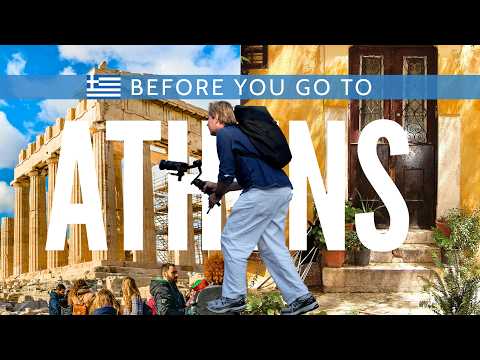
52 Tips I Wish I Knew Before Visiting Athens, Greece
Camden David
Must-Know Travel Tips for ATHENS: What I Wish I Knew …
Martijn Around The World – Travel
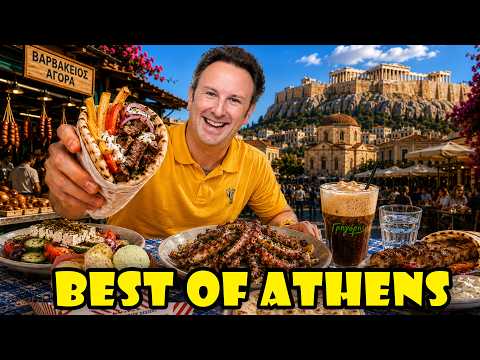
ATHENS TRAVEL GUIDE: Everything You Need to Know
Yellow Productions
You are currently viewing a placeholder content from Vimeo. To access the actual content, click the button below. Please note that doing so will share data with third-party providers.
More InformationYou are currently viewing a placeholder content from YouTube. To access the actual content, click the button below. Please note that doing so will share data with third-party providers.
More InformationYou need to load content from reCAPTCHA to submit the form. Please note that doing so will share data with third-party providers.
More InformationYou are currently viewing a placeholder content from GetYourGuide. To access the actual content, click the button below. Please note that doing so will share data with third-party providers.
More Information