
Alanya: The Complete Travel Guide (2026)
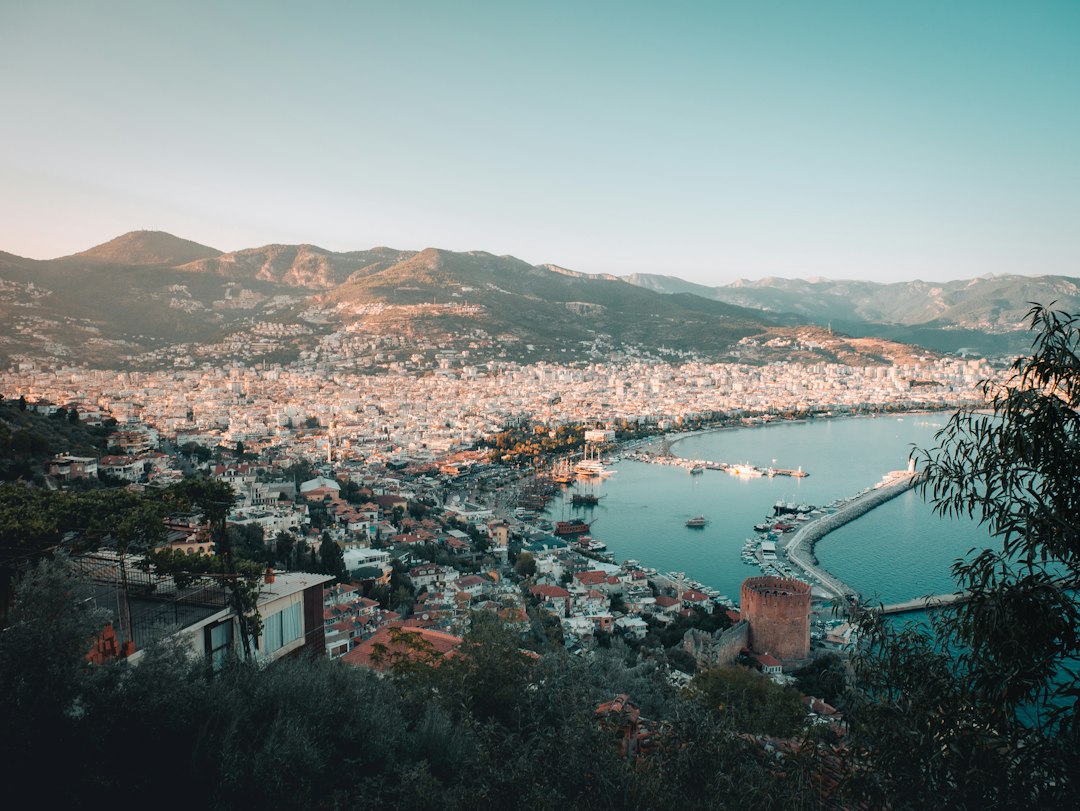
Last reviewed: October 2026 · key facts checked against Wikidata
Alanya Travel Guide: Everything You Need to Know (2026)
Alanya is a Mediterranean resort city of 364,180 residents on Turkey’s southern coast, situated 133 km east of Antalya in the country’s warmest coastal strip. Founded as Coracesium in antiquity and renamed Alaiye under Seljuk rule, the city pairs a 13th-century clifftop castle with some of the Turkish Riviera’s most visited beaches. Its dual identity — working Turkish city and major European holiday destination — makes it busier and more developed than neighbouring Side but more affordable than Bodrum.
Three Things Not to Miss in Alanya
- Alanya Castle (Alanya Kalesi) — Seljuk fortress built in 1226 crowning a 250-metre promontory with panoramic Mediterranean views.
- Cleopatra Beach (Kleopatra Plajı) — Award-winning 2 km Blue Flag beach of fine golden sand, the city’s most iconic shoreline.
- Damlataş Cave — Stalactite cave discovered in 1948 with a humidity-rich microclimate historically used by asthma patients.
Scroll down for our complete travel guide with tips on getting there, where to stay, costs and more.
How to Reach Alanya
How do I get to Alanya — by plane, bus or car?
Fly into Gazipaşa–Alanya Airport (GZP), located just 45 km east of the city centre — transfer time is roughly 40–50 minutes by taxi or shuttle. Alternatively, Antalya Airport (AYT) is 133 km west and handles far more international routes, including direct charters from Germany, the UK and Russia; expect a 1.5–2 hour bus or transfer ride from there. Long-distance buses operated by Kamil Koç and Pamukkoy connect Alanya to Istanbul (approximately 12 hours) and Ankara. Worth knowing: GZP is seasonal — confirm your airline operates to GZP before booking, as many carriers switch to AYT outside summer.
Which airport is closest to Alanya?
Gazipaşa–Alanya Airport (GZP) is the nearest at 45 km east of the city centre, making it the most convenient option when available. Antalya Airport (AYT), at 133 km west, is the dominant regional hub with year-round international connections and significantly more flight options from European cities. Budget carriers including Pegasus Airlines and Turkish Airlines serve AYT. Tip: check both airports when searching flights — GZP fares can be higher due to lower competition, while AYT often offers cheaper seats offset by a longer transfer. Shared airport shuttles from AYT to Alanya cost roughly ₺250–₺400 per person; confirm current rates with Havaş or local transfer companies.
How long does the journey from Antalya to Alanya take?
The 133 km drive from Antalya city centre to Alanya takes 1.5 to 2 hours by car on the D400 coastal highway. Public buses operated by Antalya Şehiriçi Ulaşım and regional carriers depart from Antalya’s Otogar (main bus terminal) roughly every 30 minutes during summer and take approximately 2–2.5 hours depending on stops. Taxi fares are significantly higher — expect roughly ₺1,200–₺1,800 for a private transfer. The coastal road passes through Side (about 75 km from Antalya), which offers a natural midpoint stop. Worth knowing: summer traffic on the D400 near Manavgat and Alanya’s own entry roads can add 30–45 minutes in July and August.
Do I need a rental car in Alanya?
No — for most visitors staying in central Alanya, a car is not necessary. The Cleopatra Beach, bazaar, castle district, and Damlataş Cave are all walkable or reachable by the local dolmuş (shared minibus) network for roughly ₺8–₺15 per ride. However, a rental car is worthwhile if you plan to explore villages in the Taurus Mountains, reach the Dim River canyon, or visit Sapadere Canyon independently without booking tours. Rental rates start at approximately ₺1,200–₺2,000 per day from local operators near Atatürk Caddesi; international chains at GZP tend to be pricier. Caveat: Alanya’s old town streets around the castle are extremely narrow — parking is frustrating and unnecessary for core sightseeing.
Alanya Public Transport Explained
Which areas of Alanya are best to stay in?
Cleopatra Beach district (around Atatürk Caddesi) suits first-time visitors — within walking distance of the main beach, bazaar and harbour. Keykubat Beach to the east is slightly quieter with a long sandy stretch and appeals to families. Damlataş neighbourhood, near the cave and western beach, offers a more local feel with fewer tourist bars. Budget travellers often stay in Tosmur, a residential suburb 5 km east offering cheaper apartments close to the Dim River. Avoid booking in Mahmutlar (14 km east) unless you specifically want an expat-heavy, quieter enclave — it lacks the Old Town atmosphere. Tip: proximity to the castle peninsula gives stunning evening views but involves steep walking.
What does accommodation in Alanya cost per night?
Budget guesthouses and hostels near the bazaar start at roughly ₺800–₺1,500 per night for a double room in shoulder season. Mid-range hotels with pools along Cleopatra Beach average ₺2,500–₺5,000. All-inclusive four-star resorts on Keykubat Beach typically range from ₺4,500–₺8,000 per person per night including meals. Five-star properties such as those in the Okurcalar resort strip (18 km west) can exceed ₺12,000 in July and August. Worth knowing: all-inclusive packages booked via European tour operators (e.g. TUI, Neckermann) often undercut walk-in hotel rates substantially — compare package deals if flying from Germany or Scandinavia, which dominate Alanya’s tourist market.
How far in advance should I book accommodation in Alanya during high season?
Book at least 3–4 months ahead for July and August, when northern European charter packages fill hotels along Cleopatra and Keykubat beaches. The most popular all-inclusive resorts on the Okurcalar and Türkler strips sell out even earlier — by April for peak summer weeks. For May, June, September and October (the recommended travel months), booking 4–6 weeks in advance is generally sufficient, and last-minute deals frequently appear. Worth knowing: Alanya hosts a disproportionately large German and Russian expat community, meaning long-stay apartments in districts like Mahmutlar fill early in winter for 1–3 month rentals — this tightens the supply for short-stay visitors year-round.
Are there any special accommodation types unique to Alanya?
Alanya’s dominant special accommodation category is the all-inclusive beach resort, concentrated along the Okurcalar and Avsallar strips west of the city and the Türkler area to the east — formats rare in most Turkish city destinations. Several resort complexes exceed 1,000 rooms and operate as self-contained villages. A second option worth considering is renting a private apartment with sea view in the Cleopatra Hill or Kargıcak neighbourhoods — local agencies along Atatürk Caddesi handle weekly lets from roughly ₺7,000–₺15,000 per week for a two-bedroom unit. Tip: boutique cave hotels or heritage properties as found in Cappadocia or Antalya’s Kaleiçi do not exist here — the accommodation offer is almost entirely modern.
Neighbourhoods of Alanya
What are the must-sees in Alanya?
Alanya Castle (Alanya Kalesi) dominates a 250-metre limestone promontory and encloses a Byzantine church and Ottoman cisterns — the walk up takes about 40 minutes from the harbour or you can take a taxi. Kızıl Kule (Red Tower), the octagonal 1226 Seljuk watchtower at the harbour, is Alanya’s most photographed symbol and houses a small ethnography museum. Damlataş Cave (entry approximately ₺80–₺100) sits directly west of the main beach. The boat cave tour departing from the harbour visits Phosphorescent Cave, Lovers’ Cave and Pirates’ Cave in roughly 2 hours — book directly from the harbour to avoid tour-agency markups. Worth knowing: the castle interior is partially ruined and unrestored — manage expectations accordingly.
What can I experience for free in Alanya?
Cleopatra Beach is free and publicly accessible along its full 2 km length — sun-lounger rental is optional (roughly ₺150–₺250 per day for two beds and an umbrella). The harbour promenade and evening stroll along Atatürk Caddesi cost nothing. The exterior and defensive walls of Kızıl Kule can be photographed from the street. Keykubat Beach is also free to enter. The Tuesday bazaar (Pazar) in the city centre is free to browse and is Alanya’s liveliest local experience. Worth knowing: the castle itself charges an entry fee (approximately ₺250–₺350 in 2024 — verify current rates at the ticket booth or via the Turkish Ministry of Culture website), so free exploration is limited to the outer walls.
Which day trips from Alanya are worth it?
Side (75 km west, roughly 1 hour by dolmuş or bus) offers well-preserved Roman ruins including a 2nd-century theatre and the Temple of Apollo — a strong contrast to Alanya’s beach focus. Antalya’s Kaleiçi (old town, 133 km west, 2 hours) is Turkey’s most charming harbour quarter and pairs with the excellent Antalya Museum. Closer to Alanya, Sapadere Canyon is 35 km northeast — a wooden walkway through a river gorge accessible by tour or taxi. The Dim River is just 12 km east and offers river-tubing and trout restaurants. Worth knowing: Alanya sits at the eastern end of the main tourist strip — day trips westward accumulate distance quickly, so prioritise based on your base rather than attempting Side and Antalya in one day.
What local food specialities should I try in Alanya?
Alanya’s coastal location makes fresh fish central — sea bream (çipura) and sea bass (levrek) grilled over charcoal are standard at harbour restaurants, priced at roughly ₺250–₺450 per portion. Şiş kebab and Adana kebab (the latter originating from the nearby eastern Mediterranean coast) are excellent value at inland lokanta-style restaurants. Look for taze fasulye (green bean stew with olive oil) — a staple of the Anatolian Mediterranean kitchen. Gözleme (stuffed flatbread) at the Tuesday bazaar costs under ₺80. Worth knowing: restaurants immediately on the tourist strip around Cleopatra Beach charge a 30–50% premium over identical dishes two streets inland — walk to Hükümet Caddesi or the bazaar quarter for local pricing without sacrificing quality.
What to See in Alanya
What makes Alanya different from other Turkish resort cities?
Alanya combines a functioning Seljuk-era fortified peninsula (the castle district is a genuine historic urban layer, not a reconstruction) with a mass-market beach resort economy — a pairing not found in Bodrum (which lacks comparable medieval fabric) or Marmaris (no dominant historic landmark). Its large permanent population of 364,180 residents means the city sustains a real bazaar, local transport network and year-round food scene independent of tourism. Alanya also has a notably high concentration of German and Russian long-term residents, creating a trilingual street culture unusual for Turkish resorts. The Taurus Mountains descend almost directly to the sea here, compressing dramatic scenery into a small geographic footprint unavailable in flatter coastal rivals like Belek.
How many days should I spend in Alanya?
3–4 days covers Alanya’s core sights comfortably — the castle, Red Tower, Damlataş Cave, boat cave tour, and Cleopatra Beach fill two days, with a half-day for the bazaar and harbour. A 5th day allows a day trip to Side (75 km west) or a canyon excursion to Sapadere (35 km northeast). Visitors staying longer than 5 days are typically using Alanya as a beach-and-relaxation base rather than a sightseeing destination — which is perfectly valid given the resort infrastructure. Worth knowing: Alanya is less culturally dense than Antalya’s Kaleiçi or Istanbul, and a week spent here is primarily a beach holiday with sightseeing as a supplement, not the reverse.
When is the best time to visit Alanya?
May, June, September and October offer the best balance of warm weather, manageable crowds and lower prices. Sea temperatures in May reach around 22°C, ideal for swimming without July’s 38°C heat. September is arguably the optimal month — the sea peaks at roughly 28°C, summer crowds have thinned and accommodation rates drop. July and August are the hottest and most crowded months, with the city at maximum tourist capacity. November to March is mild by northern European standards (12–18°C) but most beach infrastructure and tourist boats shut down. Tip: if budget is the priority, early October offers genuine value — package prices collapse after school holidays end while beach conditions remain excellent.
Are there local festivals in Alanya worth attending?
The International Alanya Culture and Arts Festival takes place annually in October, featuring open-air concerts near the harbour and castle grounds — free entry for most performances. The Alanya International Triathlon, held in November, draws competitors across the harbour and coastal road circuit. Eid al-Fitr (Ramazan Bayramı) and Eid al-Adha (Kurban Bayramı) shift annually with the Islamic calendar and bring domestic Turkish tourism surges — hotel prices rise sharply and the bazaar closes for 3–4 days. Worth knowing: Alanya does not have a distinct local Carnival or harvest festival tied to its agricultural hinterland — most festival programming is municipally organised and announced via the Alanya Belediyesi (municipal government) website, which publishes event calendars.
Alanya Food Scene
How does the weather in Alanya affect what activities you can do?
Beach and watersports (jet-skiing, parasailing, cave boat tours) operate reliably from May through October; most harbour operators close from November to March. The Taurus Mountain excursions — jeep safaris to Sapadere Canyon and the Dim River — are best in April to June and September to November when temperatures are cooler inland. Castle hiking becomes uncomfortable above 32°C — plan the uphill walk before 10:00 in July and August. Winter months (December–February) suit long-stay visitors who want mild weather without tourism noise, but expect roughly 60–70% of restaurants and tourist businesses to be closed. Tip: afternoon thunderstorms are common in October and November — keep afternoons flexible if hiking.
How crowded does Alanya get in peak season, and what should I expect?
In July and August, Alanya is extremely crowded — Cleopatra Beach is packed by 10:00 daily, the harbour boat-tour queue stretches well past 09:00, and the castle approach road experiences gridlock. Restaurants on the tourist strip operate at full capacity nightly and walk-in seating becomes difficult. The city receives a large share of its visitors via German, Russian and Scandinavian charter packages, meaning tourist density is heavily concentrated around the Keykubat and Okurcalar resort strips. Worth knowing: the crowds are real but manageable — visiting the castle early morning (gates open around 08:00) or taking the boat tour midweek rather than weekends significantly reduces waiting. September sees a notable drop in volume while all services remain fully operational.
How safe is Alanya for tourists?
Alanya is generally safe for tourists and petty crime rates in the resort zones are low by Mediterranean standards. The main practical risks are tourist-targeted overcharging in bazaars and on taxi rides without meters — always agree a price before entering a cab or confirm the meter is running. The harbour area at night is lively but calm; solo travellers report no particular safety concerns walking the main promenades after dark. Occasional aggressive touting outside carpet shops and tour agencies on Damlataş Caddesi can feel intimidating but poses no physical risk. Worth knowing: the Turkish emergency number is 112 (combined police, fire, ambulance). The nearest major hospital is Alanya Eğitim ve Araştırma Hastanesi on the eastern edge of the city.
Is English widely spoken in Alanya?
English is widely spoken in tourist areas — hotel staff, harbour tour operators, bazaar traders and most restaurant workers in the Cleopatra Beach and Keykubat districts communicate comfortably in English. German is equally prevalent due to the large German tourist and resident population, and many menus and shop signs are trilingual (Turkish, English, German). Away from the resort strip — in local markets, the Otogar (bus station), or residential suburbs like Tosmur and Mahmutlar — Turkish is dominant and translation apps become useful. Worth knowing: downloading the Google Translate app with the Turkish offline pack before arrival handles virtually all communication gaps outside the tourist core.
Local Know-How for Alanya
What is the daily budget for a trip to Alanya?
A budget traveller staying in a guesthouse, eating at lokanta restaurants and using dolmuş transport can manage on roughly ₺1,200–₺1,800 per day (approximately $35–$55 at mid-2024 rates). A mid-range day including a hotel with pool, two restaurant meals and one paid attraction lands around ₺3,500–₺6,000. All-inclusive resort packages effectively eliminate most daily spending — guests report spending under ₺500–₺800 per day on extras outside their package. Local transport is notably cheap at approximately $0.47 per dolmuş ride. Worth knowing: the Turkish lira has experienced significant inflation — prices in lira terms shift frequently, so treat all lira figures as approximate and check current exchange rates via Xe.com or your bank before travel.
What public transport options are there in Alanya?
Alanya’s primary urban transport is the dolmuş network — shared minibuses running fixed routes along the coast and into the city centre for approximately ₺8–₺15 per ride (verified at roughly $0.47). Key routes connect Otogar (bus station) to Keykubat Beach, Damlataş, and eastward to Tosmur and Mahmutlar. The harbour minibus runs a loop around the castle peninsula. Intercity buses to Antalya depart from the Otogar roughly every 30 minutes in summer. There is no tram or metro system. Taxis are metered in principle but negotiate beforehand when hailing on the street. Worth knowing: Mahmutlar (14 km east) is well-served by dolmuş running every 10–15 minutes in summer, making car-free access straightforward even to outlying suburbs.
Which apps do you recommend for visiting Alanya?
We recommend Google Maps for navigation — OpenStreetMap coverage of Alanya is detailed enough for street-level routing on foot and by dolmuş. Google Translate with the Turkish offline language pack handles menus and street signs. Xe Currency or Wise tracks live lira exchange rates, essential given Turkey’s inflation volatility. For accommodation last-minute deals, Booking.com lists Alanya extensively and shows real-time availability. BiTaksi is Turkey’s dominant ride-hailing app and operates in Alanya — use it to avoid taxi fare disputes by seeing the price upfront. Worth knowing: WhatsApp is the standard communication tool for local tour operators, cave tour boats and apartment landlords — having it installed lets you confirm bookings and get last-minute availability directly without going through an agency.
Alanya at a Glance
| Population | 364,180 |
|---|---|
| Currency | Turkish lira (₺) |
| Official language | Turkish |
| Time zone | UTC+03:00 |
Source: Wikidata, retrieved October 2026.
Turkey › Alanya
Essential Resources for Planning Your Trip to Alanya
- As part of our efforts to showcase Türkiye’s tourism potential … — official visitor information
- Wikivoyage: Alanya — community travel guide & practical tips
- Wikipedia: Alanya — history, geography & background
- Visit Turkey – Travel Guide and Tours — how to get there and around
Data Sources
Key facts on this page (population, currency, language, time zone) come from Wikidata, climate figures from Open-Meteo. The retrieval date is shown next to the facts table.