
Turkey: The Complete Travel Guide (2026)
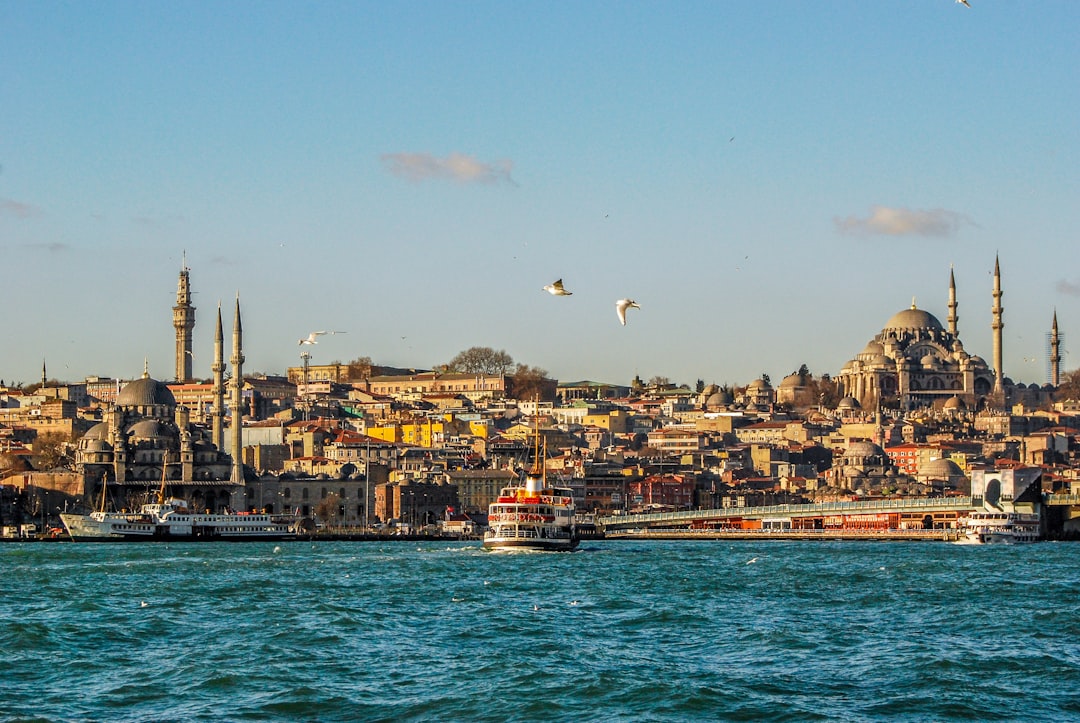
Last reviewed: August 2026 · key facts checked against Wikidata
Turkey Travel Guide: Everything You Need to Know (2026)
Turkey, home to 85,372,377 people, bridges two continents — Anatolia in West Asia and East Thrace in Europe — making it one of the world’s most geographically and culturally layered destinations. Founded as a republic in 1923 by Mustafa Kemal Atatürk, the country spans over 783,000 km² and hosts ancient civilizations from the Hittites to the Byzantines to the Ottomans. With coastlines on four seas — the Black Sea, Aegean, Mediterranean, and Marmara — Turkey packs more diversity into a single trip than most continents.
Top 3 Highlights at a Glance
- Cappadocia Hot Air Balloons — Float over fairy chimneys at sunrise — over 150 balloons launch daily from Göreme, creating one of Earth’s most surreal skyscapes.
- Hagia Sophia, Istanbul — A 1,500-year-old architectural marvel that has served as a cathedral, mosque, and museum — free entry to the outer courtyard.
- Pamukkale Travertines — Cascading white calcium terraces with warm thermal pools, rising 160 metres above the Aegean plain — utterly unlike anywhere else on Earth.
Scroll down for our complete travel guide with tips on getting there, where to stay, costs and more.
Getting There & Transport
Which airports are the best entry points into Turkey?
Istanbul Airport (IST) is the undisputed gateway — the world’s 6th busiest airport handling over 80 million passengers annually. My tip: IST connects to 500+ destinations and is your best bet for international arrivals. Sabiha Gökçen (SAW) on the Asian side serves budget carriers like Pegasus. For the Aegean coast, fly directly into Adnan Menderes Airport (ADB) in İzmir, saving a 7-hour drive. Antalya Airport (AYT) is the main entry for Mediterranean beach holidays. What surprised me: SAW can be 45+ km from the European city centre — check your hotel’s side of the Bosphorus before booking.
How do I get from the airport to my first accommodation in Turkey?
From Istanbul Airport (IST), the Havaist bus to Taksim costs roughly ₺70 (~$2.20 USD) and takes 60-90 minutes. The metro line M11 now connects IST to Gayrettepe in about 38 minutes for ₺90 (~$2.80). In my experience, taxis are the biggest trap — always insist on the meter and expect ₺800-1,200 (~$25-37) to Sultanahmet. From AYT (Antalya), the Havas bus costs ₺80 to the city centre. My tip: pre-book a Bitaksi or inDriver ride to lock in a price and avoid haggling. Warning most guides omit: IST cabs run a notorious long-route scam on first-time arrivals.
What transport options are there within Turkey?
Turkey’s domestic network is genuinely excellent. Turkish Airlines and Pegasus cover 50+ domestic routes with flights as cheap as ₺800-1,500 (~$25-47) booked in advance. The Turkish State Railways (TCDD) high-speed train between Ankara and Istanbul runs in 4 hours for about ₺250 (~$7.80). Long-distance bus companies like Flixbus Turkey, Metro Turizm, and Kamil Koç connect virtually every city for ₺200-600 (~$6-19). I recommend buses for routes under 5 hours — they’re comfortable and door-to-door. What surprised me: intercity buses in Turkey are far more luxurious than European equivalents, with onboard service and reclining seats. Renting a car unlocks rural Cappadocia and the Turquoise Coast properly.
Do I need a rental car in Turkey?
It depends entirely on your itinerary. For Istanbul, Cappadocia, or Antalya city, absolutely not — public transport and taxis are sufficient. But for the Turquoise Coast between Fethiye and Kaş, a rental car is transformative — the D400 coastal highway reveals hidden bays unreachable otherwise. Rentals start at ₺2,500/day (~$78) from local companies; international brands like Avis and Sixt charge ₺4,000+. My tip: book through Rentalcars.com for better liability protection. Honest caveat: Turkish driving standards are aggressive by Western European norms — urban driving in İzmir or Istanbul is genuinely stressful. Stick to rural coastal roads and you’ll love it.
How good is the public transport network between regions in Turkey?
Between major hubs, Turkey’s intercity transport is outstanding. The Ankara–Istanbul YHT (high-speed rail) is fast and affordable at ₺250 (~$7.80). The Konya–Ankara high-speed route takes just 1 hour 45 minutes. However, the rail network is patchy — Cappadocia (Nevşehir), the Aegean coast, and eastern Anatolia have no direct trains. For these, Flixbus, Metro Turizm, or domestic flights are the only real options. What surprised me: the long-distance bus terminals (otogar) in cities like İzmir Otogar are massive, well-organized transport hubs — more efficient than most European train stations. The gap: rural eastern Turkey (Van, Hakkari) is genuinely hard to reach without a car or domestic flight.
Accommodation
Which regions should I stay in when visiting Turkey?
Base yourself according to your priorities. Istanbul’s Sultanahmet puts you beside the Hagia Sophia and Blue Mosque. Beyoğlu/Galata offers a hipper, less touristy alternative 3 km north. On the Aegean, Alaçatı (near İzmir) is Turkey’s most stylish boutique village. For Cappadocia, Göreme is the backpacker hub; Ürgüp suits mid-range travelers. The Mediterranean Ölüdeniz–Fethiye corridor is the sweet spot for beach-and-culture balance. My recommendation: avoid basing yourself in Antalya city centre — it’s a soulless transport hub; instead stay in Kalkan or Kaş, 2 hours west. Eastern Turkey rewards independent explorers — Mardin’s old city is the most architecturally unique base east of Cappadocia.
What does good accommodation cost per night in Turkey?
A solid mid-range hotel in Sultanahmet (Istanbul) runs ₺2,500–4,500/night (~$78–140 USD). In Göreme (Cappadocia), a cave hotel with breakfast costs ₺3,500–7,000 (~$110–220). Budget guesthouses across Turkey start at ₺800–1,200 (~$25–37). On the Turquoise Coast, a boutique pension in Kaş averages ₺3,000–5,500 (~$94–172). In my experience, Alaçatı’s stone-house hotels offer the best value-to-charm ratio in the country at ₺4,000–6,000. Honest warning: cave hotels in Cappadocia that appear cheap online often charge ₺300–500 extra for balloon-view room upgrades not shown in base prices — always read the full listing.
When should I book hotels in Turkey — how far in advance?
Book Cappadocia cave hotels at least 3–4 months ahead for June–September — the best-reviewed properties on Booking.com sell out entirely. Istanbul has enough inventory that 4–6 weeks is usually sufficient outside major holidays. My tip: for Ölüdeniz and Kaş in July–August, book 8–12 weeks out — waterfront rooms disappear first. During Eid al-Adha and Eid al-Fitr (dates shift yearly), domestic Turkish tourism surges and coastal hotels can be fully booked 6 months in advance. What surprised me: last-minute deals in shoulder season (April–May, October) are genuinely excellent — I’ve found 4-star Istanbul hotels for ₺1,800/night booked 48 hours out.
When is the best time to travel to Turkey?
June through September are the statistically best travel months based on climate data. My recommendation splits by region: April–May is the finest time for Istanbul and Cappadocia — mild at 18–24°C, crowds manageable, landscapes green. The Aegean and Mediterranean coasts peak in July–August for swimming but hit 38°C+ inland. September is my personal favourite — sea temperatures remain at 26°C, crowds thin out after the first week, and prices drop 15–25%. Avoid visiting Pamukkale, Ephesus, and Cappadocia in August unless you book early-morning tickets — midday temperatures exceed 42°C on open archaeological sites. Eastern Anatolia is best visited June–September; winter snows cut off mountain roads.
How does peak season affect prices in Turkey?
Peak season (July–August) inflates accommodation prices by 40–80% compared to April or October. A Göreme cave hotel that costs ₺3,000 in May routinely lists at ₺6,000–8,000 in August. Domestic flights between Istanbul and Antalya spike from ₺800 to ₺2,500+. In my experience, the Bodrum and Marmaris peninsulas are the worst offenders — nightclub culture drives up even modest guesthouses. What most guides omit: Eid holidays (both Eid al-Fitr and Eid al-Adha) create a second domestic peak that foreigners don’t anticipate — coastal resorts fill with Turkish families and prices match August levels regardless of the calendar month. Booking in October gives you summer prices from spring.
Best Time to Visit
Which regions in Turkey have different climate zones?
Turkey covers 5 distinct climate zones in a single country. The Aegean and Mediterranean coasts (Antalya, Bodrum, Fethiye) have hot-dry summers and mild winters — classic Mediterranean. Istanbul and the Marmara region has a temperate oceanic climate with humid winters and warm summers. The Black Sea coast (Trabzon, Rize) is the surprise — it receives 2,000mm+ of annual rainfall, staying green year-round. Central Anatolia (Ankara, Konya) has a steppe climate with scorching summers (38°C) and cold winters (-10°C). Eastern Anatolia (Erzurum, Kars) has a harsh continental climate — Kars recorded -37°C in winter. My tip: check regional forecasts independently — Istanbul weather predicts nothing about Antalya.
What are the rainy seasons in Turkey?
Turkey’s rainy seasons vary sharply by region. The Mediterranean and Aegean coasts receive almost zero rain June through September — their wet season runs November through March. Istanbul gets its highest rainfall in December–January (90–100mm/month). The Black Sea coast around Rize and Trabzon is the exception — it rains almost every month, peaking October–December with 200mm+ monthly. Central Anatolia has its wettest months in April–May with spring thunderstorms. Honest warning: spring floods in Cappadocia’s valleys (April–May) occasionally close trekking trails — check trail status with local operators in Göreme before multi-day hikes. Summer travel on the south and west coasts is essentially guaranteed dry.
What does a trip to Turkey cost per person per day?
Budget travellers can manage ₺1,200–1,800/day (~$37–56 USD) staying in hostels and eating at lokantas. My mid-range daily spend in Turkey — comfortable hotel, two sit-down meals, 1–2 attractions — runs ₺3,500–5,500/day (~$110–172). Comfortable touring with a cave hotel, balloon flight days, and restaurant dinners pushes to ₺7,000–10,000/day (~$219–313). What surprised me: entry fees to major archaeological sites like Ephesus (₺750 = ~$23) and Topkapi Palace (₺1,200 = ~$37) add up quickly on a culture-heavy itinerary. My tip: buy a Museum Pass Turkey for ₺3,000 (~$94) if you plan to visit 5+ state museums — it pays for itself in Istanbul alone within 2 days.
How expensive is food in Turkey?
Food in Turkey is one of the best values in Europe or West Asia. A lokanta (workers’ lunch restaurant) meal — soup, main, salad, bread — costs ₺200–350 (~$6–11). A kebab at a mid-range restaurant runs ₺350–600 (~$11–19). Street simit (sesame bread rings) cost ₺15–25 (~$0.47–0.78). A full fish dinner on the Bosphorus in Karaköy will set you back ₺1,200–2,000/person (~$37–63). My tip: eat at Beyoğlu’s backstreet meyhanes (taverns) rather than tourist-facing restaurants on İstiklal Avenue — same quality, 40% lower prices. Honest warning: tourist menus at Sultanahmet fish restaurants routinely charge ₺800+ for a basic grilled fish — always check if bread and meze are included in the price.
What hidden costs should I expect when travelling Turkey?
The Cappadocia balloon flight is the biggest budget shock — reputable operators like Royal Balloon charge €180–220/person (~₺6,200–7,600) and it’s non-negotiable if you want safety over price. Hammam (Turkish bath) entry in tourist areas (Sultanahmet’s Çemberlitaş) runs ₺1,500–2,500 (~$47–78) once massage upgrades are added. Archaeological site parking fees (₺100–200) are rarely mentioned. My tip: the Museum Pass Turkey eliminates surprise entry fees. What most guides miss: gulet cruise (blue voyage) deposits require 30–50% upfront and cancellation policies are strict — lose your deposit if you cancel within 30 days. Budget an extra 15% for tipping — 10% at restaurants and ₺100–200 per bag for porters is standard.
Budget & Costs
How much cash should I bring to Turkey?
Bring ₺2,000–3,000 (~$63–94) in Turkish Lira as initial cash — sufficient for transport, street food, and tips on day one before finding an ATM. In my experience, ATMs are ubiquitous in Istanbul, Antalya, and İzmir but sparse in eastern Anatolia — carry ₺5,000+ cash east of Malatya. What surprised me: Garanti BBVA and İş Bankası ATMs offer the best exchange rates with no foreign transaction fees. Honest warning: airport currency exchange booths at IST offer rates 10–15% below interbank rate — never exchange more than emergency cash there. Credit cards are widely accepted in cities, but bazaars, minibuses (dolmuş), and rural guesthouses are cash-only. Avoid carrying large USD or EUR bills — counterfeit detection is strict.
Which credit cards are accepted in Turkey?
Visa and Mastercard are accepted at virtually all hotels, chain restaurants, and tourist sites in Istanbul, Antalya, and İzmir. American Express is accepted at international chain hotels and upscale restaurants but often declined at mid-range establishments. My tip: notify your bank before travel — Turkey triggers fraud alerts frequently due to high transaction volumes. What surprised me: contactless payments (tap-to-pay) are more universally accepted in Turkey than in many Western European countries — I rarely used chip-and-PIN in Istanbul. Honest warning: some carpet shops and jewellery stores in the Grand Bazaar add a 3–5% credit card surcharge not disclosed upfront — always ask before swiping. Carry cash for bazaars, dolmuş, and rural areas.
Which regions of Turkey must I not miss?
Istanbul is non-negotiable — the only city straddling two continents, with 3,000 years of layered history. Cappadocia (Nevşehir province) is unlike anywhere on Earth — volcanic fairy chimneys, underground cities, and the world’s largest hot air balloon scene. The Turquoise Coast from Fethiye to Kaş offers the finest sea-and-mountain combination in the Mediterranean. Ephesus near Selçuk is the best-preserved Roman city in Asia, attracting over 3 million visitors annually. My personal highlight most travellers skip: Mardin in southeastern Turkey — a medieval hilltop city of honey-coloured limestone overlooking the Mesopotamian plain, architecturally more striking than any Aegean rival. Allow at least 1 full day in Mardin’s old city.
What are the tourist highlights in Turkey?
The top verified highlights: Hagia Sophia (Istanbul) — free courtyard entry, interior ₺900 (~$28). Topkapi Palace — home to Ottoman treasures across 70,000 m² of grounds. Göreme Open Air Museum (Cappadocia) — entry ₺750, rock-cut Byzantine churches with 10th-century frescoes. Pamukkale travertines and Hierapolis — free to enter the ancient city, thermal pools included. Ölüdeniz Blue Lagoon — consistently voted one of Europe’s top 10 beaches. Dolmabahçe Palace — the most opulent Ottoman building in Istanbul with 285 rooms. My tip: skip the Bosphorus tourist cruise operators at Eminönü and take the public Şehir Hatları ferry for ₺80 — same scenery, authentic experience, and 90% cheaper.
What experiences in Turkey are found nowhere else on Earth?
Three genuinely irreplaceable experiences: First, a sunrise hot air balloon over Cappadocia’s Rose Valley — 150+ balloons launch simultaneously at dawn, creating a spectacle with no parallel anywhere. Second, a gulet blue voyage (mavi yolculuk) — sleeping on a traditional wooden sailing boat between Bodrum and Göcek, anchoring in uninhabited coves unreachable by road. Third, a traditional Turkish hammam ritual in a 16th-century Ottoman bathhouse — specifically Çemberlitaş Hamamı in Istanbul, operating continuously since 1584. What surprised me: the underground cities of Derinkuyu (Cappadocia) descend 85 metres underground and once sheltered 20,000 people — no other subterranean city complex of this scale exists anywhere.
Regions & Highlights
Which areas of Turkey are overcrowded — and what are quieter alternatives?
Sultanahmet (Istanbul), Göreme (Cappadocia), Ephesus, and Ölüdeniz are genuinely overrun in July–August. My alternatives: instead of Sultanahmet, explore Balat and Fener — Ottoman-era Jewish and Greek neighbourhoods 4 km north, with zero tour groups. Instead of Göreme, base in Mustafapaşa — a preserved Greek-Orthodox village 8 km south with the same geology and a fraction of the crowds. Replace overcrowded Ölüdeniz with Kabak Bay, 12 km south — accessible only by dirt road, no sun-lounger operations, pure cove swimming. Instead of Bodrum town, stay in Gumusluk on the peninsula’s western tip — fish restaurants built over ruins of ancient Myndos, completely unglamourised.
How many days do I need for Turkey?
10–14 days is the minimum for a meaningful multi-region trip. My recommended split: 3 nights Istanbul, 2 nights Cappadocia, 2 nights Pamukkale/Ephesus corridor, 3 nights Turquoise Coast (Kaş or Fethiye). This covers Turkey’s core without exhaustion. A 7-day trip works only if you limit yourself to Istanbul plus one other region — do not attempt 5 regions in 7 days. What surprised me: domestic flight times are deceptive — Istanbul to Mardin is 2 hours flying but 18 hours by bus. Eastern Turkey (Van, Doğubeyazıt, Nemrut) requires a dedicated 5–7 day extension and is genuinely worth it for travellers on their second visit. Allow 1 buffer day — Turkish intercity buses run late.
Do I need a visa for Turkey?
Most Western nationals need an e-Visa — cost is $50 USD, obtainable in under 10 minutes at evisa.gov.tr. Citizens of Germany, France, UK, USA, Canada, and Australia all require the e-Visa for tourist stays up to 90 days within 180 days. Citizens of Japan, South Korea, and Hong Kong currently enter visa-free for 90 days. My tip: apply through the official Turkish government site only — third-party sites charge $79–120 for identical processing. Honest warning: some nationals (including certain Middle Eastern and African passports) must apply at a Turkish consulate in person — check your specific nationality at the official site 4–6 weeks before travel. The e-Visa is single or multiple entry depending on nationality.
What languages are spoken in Turkey?
Turkish is the sole official language, spoken by approximately 90%+ of the population. In my experience, English is widely understood in Istanbul’s Beyoğlu, Sultanahmet, Cappadocia’s Göreme, and all Aegean resort towns. German is surprisingly useful along the Antalya coast — decades of German tourism means many resort staff speak it fluently. Kurdish is spoken by 10–15 million people in southeastern Turkey (Diyarbakır, Hakkari, Van). What surprised me: in eastern Anatolian cities like Erzurum or Kars, English comprehension drops to near zero — carry Google Translate offline and learn 10 Turkish basics. My tip: learn teşekkürler (thank you), lütfen (please), and kaç para (how much) — genuine effort earns remarkable goodwill from locals.
What cultural rules do I need to know in Turkey?
Remove shoes before entering mosques and cover shoulders and knees — both men and women. Free headscarves are provided at major mosques like Sultanahmet (Blue Mosque). During Ramadan, eating or drinking in public during daylight hours in conservative areas (eastern Anatolia) is disrespectful — not illegal, but noticed. My tip: bargaining is expected in the Grand Bazaar and spice markets but not in fixed-price restaurants or supermarkets. What most guides omit: discussing Kurdish politics, the Armenian question, or Atatürk’s legacy critically in public is legally sensitive under Article 301 of the Turkish Penal Code — foreign tourists have faced complications. Public displays of affection are tolerated in Istanbul but draw attention in rural Anatolian towns. Tipping 10% at restaurants is standard and expected.
Practical Tips
How safe is Turkey for travellers?
Turkey is safe for tourists in its main destinations — Istanbul, Cappadocia, the Aegean and Mediterranean coasts. Petty theft (bag-snatching) occurs in Sultanahmet and around Taksim Square but is not prolific by major-city standards. What surprised me: the biggest safety risk most guides omit is traffic — Turkey has one of Europe’s highest road accident rates; cross streets carefully and rent from companies with full insurance. The Syrian border regions (Hatay, Gaziantep border crossings) carry genuine security risks and the UK/US Foreign Office advise against travel within 10 km of the Syrian border. Southeastern provinces (Hakkari, Şırnak) have intermittent security incidents — research current FCO/State Department advisories before visiting. The rest of Turkey is genuinely low-risk for tourists.
What health precautions should I take before travelling to Turkey?
No mandatory vaccinations are required, but I recommend being up-to-date on Hepatitis A, Typhoid, and standard MMR boosters. Tap water in Istanbul and major cities is technically treated but tastes heavily chlorinated — locals and visitors universally drink bottled water (₺5–10/litre at supermarkets). My tip: buy a large 5-litre bottle from a local market rather than hotel mini-bar water — 10x cheaper. What surprised me: pharmacy access in Turkey is excellent — eczane (pharmacies) on virtually every street dispense antibiotics and antihistamines without prescriptions. For eastern Anatolia hikes, carry blister treatment and sun protection — UV index exceeds 10 at altitude in summer. Travel insurance covering medical evacuation is essential — public hospital English-language capability is limited outside Istanbul.
What SIM card or eSIM options are available in Turkey?
Buy a local SIM immediately — a Turkcell tourist SIM with 20GB data costs ₺600–900 (~$19–28) at the airport or any Turkcell shop. Vodafone Turkey and Türk Telekom are the alternatives. My tip: eSIM options via Airalo offer Turkey packages from $9 for 1GB — ideal for short trips or if your phone is unlocked. Honest warning: foreign SIMs work in Turkey for only 120 days per year — after that your IMEI is blocked unless you pay a registration fee of approximately ₺11,000 (~$344). This catches long-stay travellers completely off guard. Turkcell has the best rural coverage in eastern Anatolia — critical if you’re driving toward Van or Doğubeyazıt where Vodafone signal drops entirely. 4G is fast in all cities.
Which apps do you recommend for travelling Turkey?
My essential Turkey app stack: BiTaksi or inDriver for taxi rides (locked prices, no meter scams). Trafi for Istanbul public transport — bus, metro, and ferry routes in real time. Şehir Hatları app for Bosphorus ferry schedules and ticket purchase. Yemeksepeti (Turkey’s Uber Eats) for hotel-room delivery from local restaurants. Google Maps offline — download Istanbul, Cappadocia, and Antalya tiles before you arrive; rural coverage is spotty. XE Currency for live TRY exchange rate checks. What surprised me: Booking.com often undercuts hotel direct rates in Turkey, unlike in Western Europe. My tip: download Duolingo Turkish basics before arrival — 20 phrases genuinely transforms how locals treat you, particularly in non-tourist areas.
What are common traveller mistakes in Turkey?
The 5 mistakes I see repeatedly: First, exchanging money at IST airport booths — rates are 12–15% worse than city ATMs. Second, booking Cappadocia balloon flights through unlicensed operators — only use DGCA-licensed companies like Royal Balloon or Butterfly Balloons; crashes with unlicensed operators have killed tourists. Third, trying to cover Istanbul in 1 day — the city deserves minimum 3 days; rushing creates a blur of mosques and traffic. Fourth, ignoring eastern Turkey entirely — Mardin, Nemrut, and Van are among the country’s most remarkable destinations and see a fraction of western Turkey’s crowds. Fifth: wearing shorts at mosques — even men are turned away; carry a sarong. My tip: always confirm restaurant prices before ordering meze — undisclosed sharing plates are Turkey’s most common tourist bill shock.
Turkey at a Glance
| Population | 85,372,377 |
|---|---|
| Currency | Turkish lira (₺) |
| Official language | Turkish |
| Time zone | UTC+03:00 |
Source: Wikidata, retrieved August 2026.
Essential Resources for Planning Your Trip to Turkey
- GoTürkiye: Official Travel Guide of Türkiye — official visitor information, passes & events
- Wikipedia: Turkey — history, geography & background
- Wikivoyage: Turkey — community travel guide & practical tips
- Turkey Travel 2026 – Lonely Planet | Europe — expert itineraries & travel inspiration
- THE 15 BEST Things to Do in Türkiye (2026) — hotels, restaurants & traveller reviews
- New UNESCO Travel Kits – Turkish Airlines — how to get around
- Numbeo: Cost of Living in Turkey — current prices & cost comparison
- Timeanddate: Turkey Weather & Climate — forecasts & climate statistics
More Perspectives on Turkey
- 23 Turkey Travel Tips That Locals Won’t Tell You
- Traveling to Turkey in less than a week, some tips?
- Turkey Travel Guide by Rick Steves
Turkey Travel Videos
Watch these videos for a visual preview before your trip:
- Turkey Travel Guide: Everything You NEED TO KNOW Before Visiting Turkey
- Turkey Travel: Everything You NEED TO KNOW Visiting Turkey 2026
- Turkey Travel Guide: Best Places to Visit in TURKEY 2026 4K
Turkey Travel Discussions on Reddit
Real traveller experiences and community advice:
- Trip to Turkey : r/travel
- What did you think of Turkey? : r/travel
- Travelling to Turkey : r/AskTurkey
Data Sources
This page was compiled using data from Wikipedia, Wikidata, Open-Meteo (climate), Numbeo (cost of living) and REST Countries. Information is updated regularly.