
Belgium: The Complete Travel Guide (2026)
Last reviewed: August 2026 · key facts checked against Wikidata
Belgium Travel Guide: Everything You Need to Know (2026)
Belgium packs an extraordinary density of world-class art, medieval architecture, and culinary heritage into just 30,689 km², home to 11,825,551 people speaking three official languages. Founded as an independent kingdom in 1830, it hosts the EU and NATO headquarters in Brussels, making it one of Europe’s most politically consequential small nations. The country produced over 220,000 tonnes of chocolate annually — a concrete reason it’s considered the world’s chocolate capital.
Top 3 Highlights at a Glance
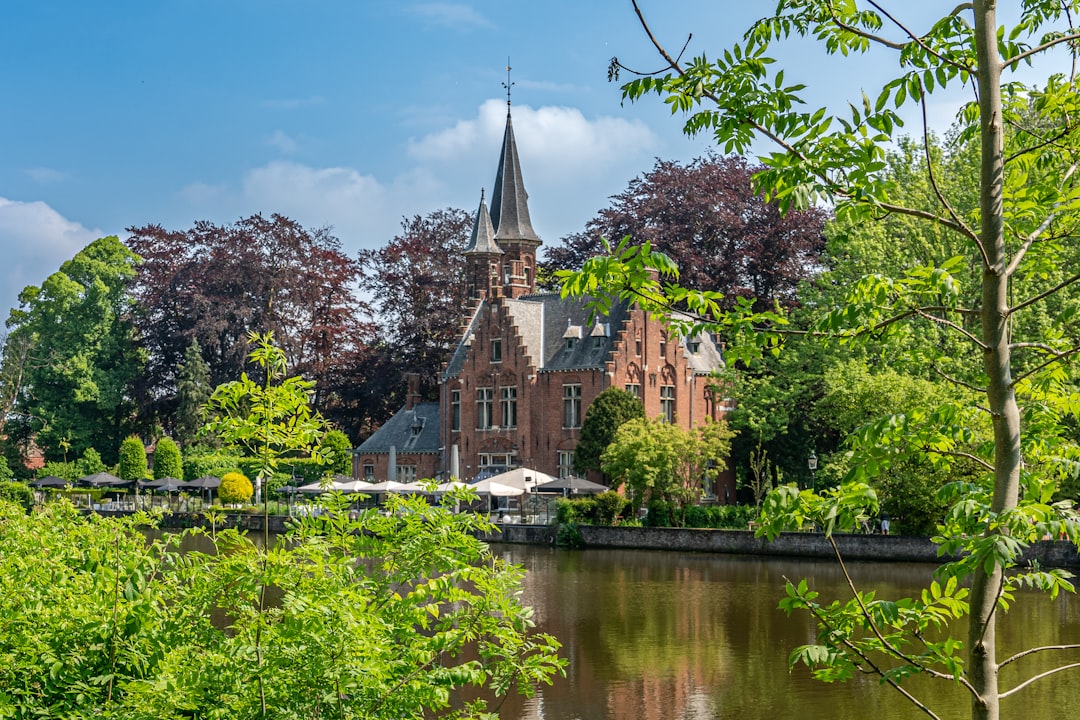
- Bruges Historic Centre — A UNESCO-listed medieval canal city frozen in the 15th century, with 80+ km of waterways still navigable by boat.
- Ghent’s Gravensteen Castle — A 12th-century moated stone fortress rising from the city centre, admission costs just €14 and crowds are far thinner than Bruges.
- Belgian Beer Culture — UNESCO-recognised intangible heritage with over 1,500 distinct beers brewed nationally, including Trappist ales unavailable anywhere else on earth.
Scroll down for our complete travel guide with tips on getting there, where to stay, costs and more.
Getting There & Transport
Which airports are the best entry points into Belgium?
Brussels Airport (BRU) in Zaventem is Belgium’s primary international hub, 14 km from the city centre. In my experience, BRU serves the widest range of long-haul and European routes, making it the default choice for most travellers. Brussels South Charleroi Airport (CRL), 46 km south of Brussels, handles budget carriers like Ryanair and Wizz Air at significantly lower fares — but transfer time to the city balloons to 60–75 minutes by bus. Liège Airport (LGG) is useful if you’re heading to the Ardennes directly. My tip: CRL saves money on tickets but costs time and comfort; factor in the €15–20 bus fare to Brussels before celebrating that cheap flight.
How do I get from the airport to my first accommodation in Belgium?
From Brussels Airport (BRU), the Airport Express train runs every 15 minutes directly to Brussels-Central, Brussels-Midi, and Brussels-Noord stations in 17–22 minutes, costing €13.70 one-way. In my experience, this is the smartest option — no traffic, no stress. From Charleroi Airport (CRL), the Flibco shuttle bus takes 60 minutes to Brussels-Midi and costs €17 pre-booked online. Taxis from BRU run €45–55 to central Brussels. What surprised me: Uber operates legally from BRU and often undercuts official taxis by €10–15. Avoid unlicensed taxis at arrivals — they charge inflated flat rates and are notably aggressive at CRL.
What transport options are there within Belgium?
Belgium’s SNCB/NMBS national rail network connects every major city efficiently — Brussels to Bruges takes 56 minutes, Brussels to Ghent just 28 minutes. In my experience, the train is almost always the best inter-city choice. The De Lijn (Flanders) and TEC (Wallonia) bus networks fill rural gaps. Brussels has its own STIB/MIVB metro, tram, and bus system. A Weekend Ticket on SNCB lets two adults travel all day Saturday or Sunday for €8 each — one of Europe’s greatest transport bargains. My honest warning: intercity buses between regions are slow and infrequent compared to trains; always check rail first.
Do I need a rental car in Belgium?
No — for the main tourist circuit, a rental car is unnecessary. Brussels, Bruges, Ghent, Antwerp, and Liège are all rail-connected and walkable once you arrive. In my experience, the only compelling reason to rent a car is exploring the Ardennes region (southern Luxembourg province) where bus connections between villages like Durbuy or La Roche-en-Ardenne are sparse and infrequent. Car rental starts at €35–50 per day from major agencies at BRU. Honest caveat: Belgian city driving involves complex one-way systems, scarce parking at €3–5 per hour, and aggressive local drivers — even experienced European drivers find Brussels stressful.
How good is the public transport network between regions of Belgium?
Excellent between major cities, patchy in rural areas. Brussels to Antwerp runs every 10 minutes and costs €12.50 one-way — this corridor rivals any urban transit in Europe. The IC (InterCity) network links Bruges, Ghent, Leuven, Namur, and Liège with trains every 30 minutes during daytime hours. What surprised me: cross-regional bus connections between Flanders and Wallonia are genuinely poor — the political division of transport authorities creates real inconvenience. My tip: use the SNCB app and always validate your ticket before boarding; inspectors are frequent and fines start at €75.
Accommodation
Which regions of Belgium should I stay in?
I recommend Brussels as your base if you want central access to everything, with Ixelles or Saint-Gilles neighbourhoods offering better value than the tourist-heavy city centre. Bruges is magical but best for 1–2 nights; staying longer means you’ve exhausted it. Ghent is my personal favourite base for Flanders — walkable, cheaper than Bruges, and genuinely lived-in. For the Ardennes, base yourself in Dinant or La Roche-en-Ardenne. Honest caveat: Belgium is so compact — 280 km from coast to Ardennes tip — that almost any base lets you day-trip widely. Staying in Bruges to see Brussels is entirely feasible.
What does good accommodation cost per night in Belgium?
A solid 3-star hotel in Brussels costs €90–130 per night, while Bruges 3-star options run €100–150 due to tourist demand. Ghent offers comparable quality for €75–110. In my experience, the best value accommodation in Belgium is guesthouses and B&Bs in Flanders — family-run, often in historic buildings, frequently including a genuine Belgian breakfast worth €15 alone. 4-star Brussels hotels drop dramatically on weekends since they cater to business travellers Mon–Thu; I’ve booked 4-star rooms for €95 on a Saturday that cost €210 on a Tuesday. Budget hostels in Brussels start at €25–35 per dorm bed.
When should I book hotels in Belgium — how far in advance?
For Brussels during EU summit weeks or major trade fairs (especially Auto Salon in January), book 3–4 months ahead — hotels genuinely sell out and prices triple. For Bruges in July–August, book 6–8 weeks in advance minimum; the city has limited accommodation and enormous demand. In my experience, Ghent and Antwerp are more forgiving — 3–4 weeks ahead is usually sufficient except during Ghent Festival (10 days in July) when the entire city fills up. My honest tip: Brussels weekend rates are so much cheaper than weekday rates that last-minute Saturday bookings occasionally yield excellent deals at upscale properties.
When is the best time to travel to Belgium?
June is the optimal month based on climate analysis — long days, average temperatures around 18–20°C, and pre-peak-summer pricing. In my experience, late April through June is the sweet spot: the countryside blooms (the Floralia flower show in Ghent runs April–May), outdoor café terraces open, and crowds haven’t peaked. September is my second recommendation — summer heat has broken, school holidays have ended, and Bruges suddenly feels navigable again. Avoid November–February unless you specifically want the magical Christmas markets in Bruges and Brussels, which run late November to early January. Winter tourism is real but limited to that niche.
How does peak season affect prices in Belgium?
July and August push Bruges hotel prices up 40–60% versus shoulder season, and the city’s streets become genuinely unpleasant with coach-tour congestion. Brussels behaves inversely — summer is cheaper because business travellers disappear. In my experience, the Christmas market period (late November to December 31) creates a second peak in both Brussels and Bruges with hotel premiums of 30–50%. The Tomorrowland music festival in Boom (late July) causes Brussels accommodation to spike even though the venue is 25 km away — book the entire greater Brussels area early if your dates overlap. Honest warning: Bruges in August with a canal boat queue of 90 minutes is a genuine quality-of-experience issue.
Best Time to Visit
Which regions of Belgium have different climate zones?
Belgium has three distinct climate sub-zones despite its small size. The North Sea coast (Ostend, Knokke-Heist) is windier and slightly cooler year-round with frequent fog in autumn. Central Belgium including Brussels and Flanders has a classic maritime temperate climate — mild and wet. The Ardennes plateau in the south sits 400–500 m above sea level, making it 3–5°C colder than Brussels in any given month; snowfall between December and February is reliable there while Brussels sees none. In my experience, packing layers is essential regardless of season — even a June day in Belgium can turn from 22°C sunshine to a cold squall within two hours.
What are the rainy seasons in Belgium?
There is no distinct dry season in Belgium — rain is distributed across the entire year, which is the honest answer most guides obscure. Annual rainfall averages 850 mm in Brussels and over 1,000 mm in the Ardennes. October and November are statistically the wettest months. In my experience, July rain comes as sudden heavy showers that pass within 30 minutes, while November brings persistent grey drizzle lasting days. My tip: carry a compact umbrella at all times regardless of forecast — I’ve been caught in downpours under blue skies. The upside: Belgium’s indoor culture (café life, museums, breweries) means rain rarely ruins a trip if you plan flexibly.
What does a trip to Belgium cost per person per day?
Budget traveller: €60–80/day covering a hostel dorm, supermarket lunches, and one paid sight. Mid-range: €130–180/day covers a 3-star hotel, two restaurant meals, transport, and 1–2 attractions. Comfortable: €200–280/day buys a well-located hotel, Belgian restaurant dinners with wine, and guided experiences. In my experience, food and drink inflate budgets fast in Belgium — a sit-down dinner with beer for two runs €60–90 easily. What surprised me: museum costs are genuinely high, with the Royal Museums of Fine Arts in Brussels at €15 entry. My tip: the Brussels Card (€33 for 24 hours) covers 50+ museums and unlimited public transport, delivering real savings for active sightseers.
How expensive is food in Belgium?
Belgium is a mid-to-high cost food destination — not Paris prices, but not budget Europe either. A sit-down lunch at a local brasserie costs €14–18 including a soft drink. A traditional moules-frites dinner runs €22–28. Street waffles cost €3–5 and are genuinely worth every cent eaten fresh from a street stall in Ghent or Brussels. Supermarkets (Delhaize, Colruyt, Lidl) offer excellent picnic supplies — a full lunch for €6–8. In my experience, the biggest food trap is tourist-zone restaurants in Bruges charging €35+ for mediocre mussels — walk 10 minutes off the main square and quality doubles while prices drop 25%.
What hidden costs should I expect in Belgium?
Several costs catch travellers off guard. Museum entry fees add up fast — budget €12–18 per major attraction. Café table service includes an automatic service component built into prices (not a tip, just the Belgian pricing model), so a coffee costs €3.50–5 at any terrace. Luggage storage at Brussels-Midi train station costs €5–8 per day. What surprised me: Belgian tap water is rarely served free in restaurants — expect a €2–3 charge for a bottle. Parking fines in Brussels are aggressively enforced at €50–110. My honest warning: ATM fees from foreign banks on Belgian machines are common — use fee-free cards (Revolut, Wise) to avoid €3–5 per withdrawal charges.
Budget & Costs
How much cash should I bring to Belgium?
€100–150 in cash is sufficient for a week’s trip. Belgium is highly card-friendly — the vast majority of restaurants, shops, and attractions accept Visa and Mastercard contactless. In my experience, the only places reliably requiring cash are small market stalls, some rural Ardennes farm shops, and a few traditional brown cafés in Ghent. ATMs (Bancontact network) are everywhere in cities and cost nothing to use with compatible cards. My honest tip: carry €20–30 in small bills for waffle stands, coin-operated lockers, and rural emergencies. American Express is accepted at major hotels but rejected at most restaurants and smaller shops.
Which credit cards are accepted in Belgium?
Visa and Mastercard are universally accepted at hotels, restaurants, supermarkets, and attractions. Contactless payments (including Apple Pay and Google Pay) work at virtually every modern terminal. In my experience, American Express is accepted at large hotels, high-end restaurants, and international chains — but expect refusal at independent restaurants and smaller shops. The Belgian Bancontact system dominates local card payments; as a foreign visitor, your international Visa/Mastercard works fine where Bancontact is indicated. My warning: some toll roads and automated parking machines in Belgium only accept Bancontact or specific European debit cards — have cash as backup. Revolut or Wise cards eliminate foreign transaction fees entirely.
Which regions of Belgium must I not miss?
Flanders is the non-negotiable priority: Bruges, Ghent, and Antwerp form a triangle of world-class medieval cities within 60 km of each other. Brussels stands alone as a political, culinary, and art nouveau capital. The Belgian Ardennes (Luxembourg province) — specifically the Ourthe and Semois river valleys — offers dramatic forested scenery unlike anything in northern Belgium, with villages like Durbuy (Europe’s smallest city) and Bouillon with its 1,000-year-old castle. In my experience, most first-time visitors skip Wallonia entirely and miss half the country’s soul. Liège is rough around the edges but its Sunday morning Batte Market (6 km long) is one of the most authentic experiences in Belgium.
What are the tourist highlights of Belgium?
The Grand Place in Brussels (UNESCO-listed, 1695) is Belgium’s single most impressive set-piece — arrive at 8am before the tour groups. Bruges’ Belfry Tower (366 steps, €16 entry) offers the defining panorama of Flanders. The Ghent Altarpiece (Adoration of the Mystic Lamb) by the Van Eyck brothers in Sint-Baafskathedraal is the most important painting in Belgian history — €16 to view the original. Atomium in Brussels (€18 entry) is genuinely kitsch but architecturally remarkable, built for the 1958 World’s Fair. My honest take: the Belgian Comic Strip Center in Brussels is the most underrated major museum in the country — €13 entry, rarely crowded, extraordinary.
What experiences in Belgium are found nowhere else on earth?
Three things are genuinely unique to Belgium. First, Trappist beer brewed by monks — Westvleteren 12 from the Sint-Sixtusabdij Abbey near Poperinge is rated the world’s best beer and can only be purchased directly from the abbey by phone reservation. Second, Belgian chip (frites) culture — eaten in a fritkot (chip van) with Andalouse or Samurai sauce, this is street food at a philosophical level. Third, the Carnival of Binche (UNESCO heritage, February) featuring the Gilles in traditional costume throwing blood oranges at crowds — there is nothing else like it in Europe. In my experience, experiencing any one of these three puts you firmly off the tourist trail.
Regions & Highlights
Which areas of Belgium are overcrowded — and what are the quieter alternatives?
Bruges in July–August is the overcrowding problem — the Markt and canal boat queues become genuinely miserable by 11am. My alternative: Ghent offers equal medieval grandeur, a more authentic lived-in atmosphere, and 30–40% fewer tourists. The Grand Place in Brussels at midday is a photo-obstacle course — visit at 7am or after 9pm for a different experience. For coast alternatives: skip Knokke-Heist (expensive, crowded) and try De Panne in the far west with 13 km of uninterrupted beach. In the Ardennes, Dinant gets coachloads while Rochefort (10 km away, home to Rochefort Trappist brewery) receives a fraction of the visitors.
How many days do I need in Belgium?
7 days covers Belgium properly without rushing. My recommended structure: 2 nights Brussels (enough for the essentials), 2 nights Bruges, 1 night Ghent, 1 night Antwerp, and 1 night in the Ardennes. In my experience, travellers who allocate only a weekend (2–3 days) see Brussels and one Flemish city but miss the country’s remarkable diversity. Honest reality: Bruges is satisfying in 1.5 days — the city is small and you will have seen its highlights. Ghent genuinely rewards a full day and evening — the city transforms beautifully after dark. If you have only 4 days, prioritise Brussels, Bruges, and Ghent and skip Antwerp for a second trip.
Do I need a visa to visit Belgium?
EU/EEA citizens need only a valid ID card — no passport required. US, Canadian, Australian, and UK citizens can visit Belgium visa-free for up to 90 days within any 180-day period under the Schengen agreement. In my experience, border checks are essentially non-existent within Schengen — I’ve crossed from France and the Netherlands dozens of times without stopping. Critical warning: from 2025, non-EU visitors require ETIAS pre-authorisation (Europe’s equivalent of ESTA), costing €7 and valid for 3 years — check current requirements before booking as the launch date has shifted repeatedly. Non-Schengen nationals (e.g., Indian, Chinese citizens) need a Schengen visa applied through the Belgian embassy in their country.
What languages are spoken in Belgium?
Belgium has three official languages and this is more than a trivia fact — it genuinely affects your experience. Dutch (Flemish) is spoken in the north (Flanders: Bruges, Ghent, Antwerp). French dominates the south (Wallonia: Liège, Namur, Dinant). German is official in a small eastern canton near Eupen (77,000 speakers). Brussels is officially bilingual Dutch-French but functionally French-dominant. In my experience, English is widely spoken in Flanders and Brussels — waiters, hotel staff, and locals under 50 speak it confidently. Wallonia is less anglophone; basic French phrases earn genuine goodwill. My tip: never speak French to a Flemish person without asking — the linguistic tension is real and respectful acknowledgment goes far.
What cultural rules do I need to know in Belgium?
Several things matter. Never confuse Belgium with the Netherlands or make assumptions about language — this irritates locals far more than tourists realise. Queuing is taken seriously in shops and public transport; cutting in causes genuine offence. In my experience, tipping in Belgium is appreciated but not obligatory — rounding up to the nearest €5 or leaving 10% at restaurants is the norm for good service. Do not eat or drink on public transport in Brussels — fines exist. What surprised me: Belgians are initially reserved but exceptionally warm once engaged — pushing past the formal first impression pays dividends. Sunday trading restrictions mean many shops close; plan grocery shopping accordingly.
Practical Tips
How safe is Belgium?
Belgium is very safe by any objective measure. In my experience travelling all regions, petty theft is the primary concern — pickpocketing in Brussels-Midi train station and the Manneken Pis area is well-documented and targets distracted tourists. Brussels-Midi has a rough immediate vicinity; walk purposefully and don’t linger with luggage visible. The Molenbeek neighbourhood in Brussels received intense negative press post-2015 but is genuinely not dangerous for daytime visitors today. The Ardennes and Flanders cities feel entirely safe day and night. My honest warning: Brussels metro stations late at night (after midnight) warrant alertness on certain lines. Emergency number is 112, universally applicable.
What health precautions should I take before visiting Belgium?
No vaccinations are required for Belgium beyond standard routine immunisations. Tap water is fully safe to drink everywhere — one of Europe’s highest-quality water supplies. In my experience, the main health issue travellers face in Belgium is overindulgence — the combination of rich food, strong beer (Duvel is 8.5% ABV, not a lager), and generous portions genuinely floors people unaccustomed to it. European Health Insurance Card (EHIC/GHIC for UK citizens) covers emergency treatment at Belgian public hospitals. Travel insurance is strongly recommended — a standard Belgian GP consultation costs €30–50 and specialist care escalates quickly. Pharmacies (apotheek/pharmacie) are excellent and widely available; pharmacists advise confidently on minor ailments.
What SIM card or eSIM options are available in Belgium?
Proximus, Orange Belgium, and BASE are the three main Belgian carriers with national coverage. In my experience, Proximus has the strongest rural and Ardennes coverage. A tourist SIM with 10GB data costs €15–20 at airport shops or fnac/MediaMarkt in city centres. eSIM options: Airalo offers Belgian data plans from €5 for 1GB — purchase and activate before you depart. If you’re visiting Belgium as part of a wider EU trip, your existing EU roaming works here with no additional charges. My honest tip: don’t bother with a local SIM for trips under 7 days — roaming from most European countries is free, and even US carriers like T-Mobile include Belgium in international plans. Coverage in the Ardennes has gaps in deep valleys.
Which apps do you recommend for travelling in Belgium?
SNCB/NMBS app is essential — buy train tickets, check real-time delays, and manage your journey nationwide. De Lijn app handles Flanders bus and tram including coastal tram. STIB/MIVB app covers Brussels metro, tram, and bus with real-time arrivals. Google Maps works excellently for Belgian transit routing. In my experience, Deliveroo and Uber Eats are reliable in Brussels and Antwerp. Tripadvisor is useful but Belgian-specific platforms like resto.be give more authentic local restaurant ratings. Parkings.be is invaluable if you’re driving — shows real-time availability in city car parks. The Weather Channel (or Buienradar, the Dutch/Belgian rain-radar app) gives 15-minute precision rainfall forecasts — genuinely useful in a country where weather changes by the hour.
What are common traveller mistakes in Belgium?
Five mistakes I see repeatedly. First: spending all time in Bruges and missing Ghent — a genuine cultural oversight. Second: drinking ‘Belgian beer’ without understanding strength — ordering multiple rounds of Chimay Blue (9% ABV) like lager ends trips early. Third: arriving at Brussels-Midi without knowing the neighbourhood — it’s functional, not charming; budget 10 minutes to reach better areas by metro. Fourth: eating on the Grand Place — the restaurants there charge double for half the quality; walk 3 minutes to Rue des Bouchers area (still touristy, but better) or further for genuine value. Fifth: underestimating Belgian museums — the Royal Museum for Central Africa in Tervuren (14 km from Brussels) is world-class and perpetually undervisited.
Belgium at a Glance
| Population | 11,825,551 |
|---|---|
| Currency | EUR (€) |
| Official language | Dutch, French, German |
| Time zone | UTC+01:00 |
Source: Wikidata, retrieved August 2026.
Essential Resources for Planning Your Trip to Belgium
- Belgium Travel Advisory | Travel.State.gov — official visitor information, passes & events
- Wikipedia: Belgium — history, geography & background
- Wikivoyage: Belgium — community travel guide & practical tips
- Belgium travel – Europe — expert itineraries & travel inspiration
- THE 15 BEST Things to Do in Belgium (2026) — hotels, restaurants & traveller reviews
- Belgium Travel Advisory | Travel.State.gov — how to get around
- Numbeo: Cost of Living in Belgium — current prices & cost comparison
- Timeanddate: Belgium Weather & Climate — forecasts & climate statistics
More Perspectives on Belgium
- Belgium
- 20+ Belgium Travel Tips for First Timers & Must Knows …
- Belgium Travel Guide: What to See & Do – Go Ahead Tours
Belgium Travel Videos
Watch these videos for a visual preview before your trip:
- BELGIUM TRAVEL TIPS FOR FIRST TIMERS | 20+ Must-Knows Before Visiting Belgium + What NOT to Do!
- Belgium: Bruges and Brussels
- 7 Things To Know Before Visiting Belgium
Belgium Travel Discussions on Reddit
Real traveller experiences and community advice:
- Visiting your country soon. What do I need to know?
- How to spend my time in Belgium 🇧🇪 Which cities/places …
- Plan to travel – advice ? : r/belgium
Data Sources
This page was compiled using data from Wikipedia, Wikidata, Open-Meteo (climate), Numbeo (cost of living) and REST Countries. Information is updated regularly.