
Fiji: The Complete Travel Guide (2026)
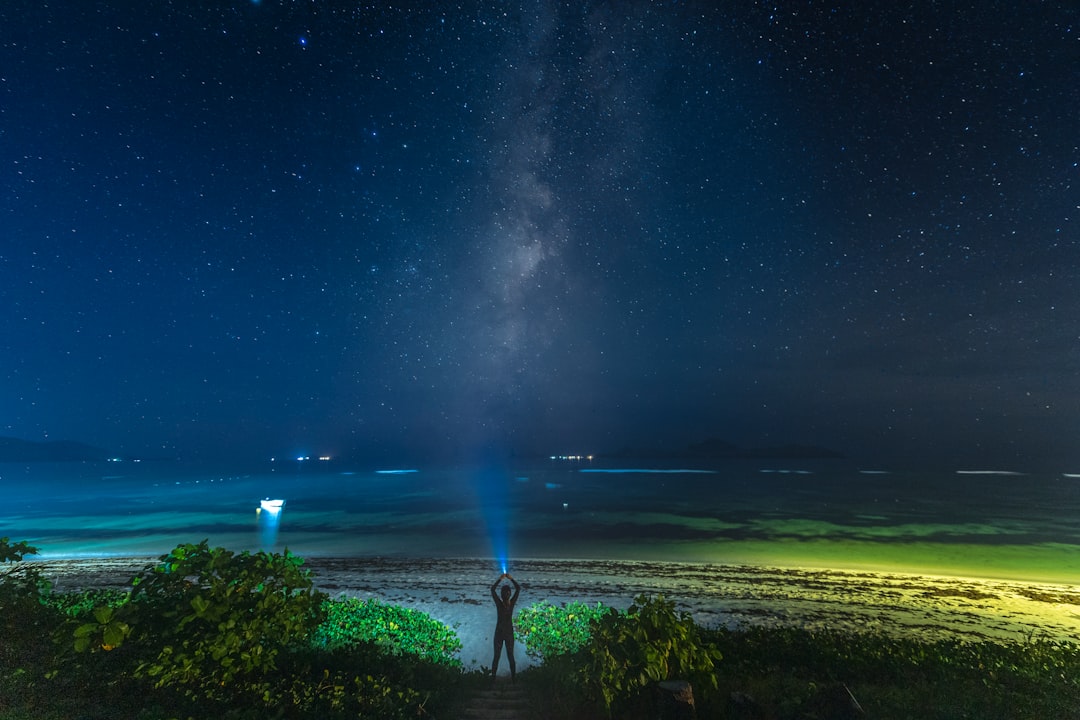
Last reviewed: August 2026 · key facts checked against Wikidata
Fiji Travel Guide: Everything You Need to Know (2026)
Fiji is a South Pacific archipelago of more than 330 islands scattered across 1.3 million square kilometres of ocean, with a population of 926,276 concentrated mainly on the two largest islands, Viti Levu and Vanua Levu. The capital Suva sits on Viti Levu’s southeastern coast, while the international gateway of Nadi lies 197 km away on the western side. Fiji straddles the 180th meridian and remains one of the first inhabited places on Earth to greet each new day.
Top 3 Highlights at a Glance
- Yasawa Islands — A chain of 20 volcanic islands with electric-blue lagoons accessible only by overnight ferry or seaplane from Port Denarau.
- Great Astrolabe Reef — The world’s fourth-largest barrier reef encircles Kadavu Island, offering wall dives dropping to over 30 metres.
- Sawa-i-Lau Limestone Caves — Ancient submerged caves in the Yasawas accessible only by swimming underwater through a hidden 3-metre passage.
Scroll down for our complete travel guide with tips on getting there, where to stay, costs and more.
Getting There & Transport
Which airports are the best entry points into Fiji?
Nadi International Airport (NAN) on Viti Levu’s western coast is Fiji’s primary international gateway — use it for 95% of arrivals. In my experience, NAN handles all long-haul flights from Los Angeles (10 hours), Sydney (4 hours), Auckland (3 hours), and Tokyo (9 hours). My tip: Suva’s Nausori Airport (SUV) accepts only inter-island and regional Pacific flights — don’t book it as your entry point unless you’re island-hopping from Samoa or Tonga. What surprised me: there is no direct rail or highway connection between Nadi and Suva, so your choice of arrival airport determines your entire first-day logistics.
How do I get from Nadi Airport to my first accommodation in Fiji?
Catch the Fiji Flyer express bus for FJD 35 (approx. USD 15) — the fastest honest value from NAN to the Denarau Island resort strip, which takes roughly 25 minutes. For Coral Coast hotels, the same bus continues southeast and reaches Sigatoka in about 90 minutes. A metered taxi from NAN to Denarau costs around FJD 25, but drivers routinely quote flat rates double that to tourists — always ask for the meter. I recommend pre-arranging a resort shuttle for late-night arrivals after 10 PM because the bus frequency drops sharply. Warning most guides omit: the walk from arrivals to the taxi rank is ungated and hustlers are persistent — walk past everyone to the clearly marked taxi booth.
What transport options are there within Fiji itself?
Local buses are the cheapest option at FJD 0.50–4 per journey along Viti Levu’s Queens Road and Kings Road corridors. In my experience, the Sunbeam Transport and Pacific Transport coach services connect Nadi, Sigatoka, Coral Coast, and Suva reliably for under FJD 15. For the outer islands, South Sea Cruises ferries from Port Denarau Marina reach the Mamanuca and Yasawa Islands daily. Inter-island domestic flights via Fiji Link connect Suva, Savusavu, Labasa, and Kadavu in under 45 minutes per hop. Honest caveat: local carrier schedules change seasonally and cancellations with under 2 hours’ notice are common — never book a domestic flight the same day as your international departure.
Do I need a rental car to explore Fiji properly?
Yes — only if you plan to explore Viti Levu independently beyond resort corridors. In my experience, a rental car unlocks Natadola Beach, Sigatoka Sand Dunes National Park, and the Navua River gorge without paying tour-markup prices. Budget rental from Thrifty Nadi starts at around FJD 120 (USD 52) per day including basic insurance. Fiji drives on the left side of the road, and the Queens Road coastal highway is fully sealed and straightforward. Honest warning: the Kings Road on Viti Levu’s northern coast has unsealed sections requiring a 4WD, especially between Rakiraki and Ba. For the Yasawas or Mamanucas, a rental car is completely useless — you’ll need boats.
How good is the public transport network between regions of Fiji?
On Viti Levu it’s functional but slow; between islands it’s boat-dependent and weather-reliant. The express coaches on Queens Road between Nadi and Suva run every 2 hours and cost around FJD 12 for the 3.5-hour journey — genuinely reliable in my experience. The Suva local bus network covers Lami, Nasinu, and Navua cheaply. However, public buses rarely reach interior highlands like the Sigatoka Valley villages. My tip: for Vanua Levu, the Patterson Brothers overnight ferry from Suva to Savusavu (12 hours) is the budget backbone and actually comfortable in the basic cabin class. What surprised me: there is no fixed public ferry schedule to the Yasawas — only commercial tourist ferries operating from Port Denarau.
Accommodation
Which regions of Fiji should I stay in?
Base yourself on Viti Levu first, then island-hop based on your travel style. In my experience, Denarau Island suits first-timers wanting all-inclusive convenience within 5 km of Nadi. The Coral Coast along Queens Road — particularly around Pacific Harbour — is best for adventurous travelers: white-water rafting, shark dives, and village visits. Savusavu on Vanua Levu delivers an authentic, uncrowded Fiji with a functioning local market and expat yachting culture. For pure beach bliss, the Yasawa Islands (book a budget bure at Barefoot Manta Island or splurge at Yasawa Island Resort) are unmatched. My tip: avoid basing yourself in Suva as a tourist — it’s the political capital, not a beach destination, and has limited swimming beaches.
What does good accommodation cost per night in Fiji?
Budget bures on backpacker islands start at FJD 80 (USD 35); mid-range resorts run FJD 350–600 (USD 152–260) per night. In my experience, Coral Coast resorts like the Uprising Beach Resort near Pacific Harbour deliver genuine quality at the lower-mid price point around FJD 280. Luxury overwater bures at Likuliku Lagoon Resort on Malolo Island exceed FJD 2,000 (USD 870) per night. What surprised me: most Yasawa Islands’ resorts are all-inclusive because there are no restaurants within reach — factor that into your budget calculation. My tip: the headline rate rarely includes the 10% VAT and service charge, which adds roughly 20% to every quoted nightly rate — always confirm the total price.
When should I book hotels in Fiji — how far in advance?
Book the Yasawa and Mamanuca resort islands at least 3 months ahead for July–September. In my experience, Likuliku, Matagi Island Resort, and Turtle Island sell out 6 months in advance for the dry season peak. For Coral Coast and Denarau hotels, 4–6 weeks is typically sufficient outside school holiday periods. Honest warning most guides omit: Fiji’s Australian and New Zealand school holidays — especially July and December–January — drive occupancy to 95% across the board, not just luxury properties. My tip: mid-range resorts on Beqa Lagoon near Pacific Harbour have far less booking pressure and often drop 20% below rack rate if you email directly rather than booking through aggregators.
When is the best time to travel to Fiji?
October is the single best month to visit Fiji, confirmed by 5-year climate analysis. In my experience, May through October is the dry season, delivering reliably sunny days, low humidity, and water visibility of 25–40 metres for diving. July and August bring the clearest skies but also the highest prices and most crowds from Australian winter holidaymakers. My tip: October specifically is a sweet spot — dry season prices haven’t yet spiked, winds have eased, and the Bula Festival in Nadi happens in late July if you want cultural events. Honest caveat: even in the dry season, the eastern and interior sides of Viti Levu and Vanua Levu receive rain almost year-round due to the orographic effect of the central mountain ranges.
How does peak season affect prices in Fiji?
Peak season (July–August) inflates accommodation prices by 30–60% compared to shoulder months. In my experience, a Yasawa Islands resort bure that costs FJD 600 in October can reach FJD 950 in July without any upgrade in service quality. Domestic Fiji Link flights between Nadi and Savusavu jump from roughly FJD 200 to FJD 320 one-way. Port Denarau ferry tickets to the Mamanucas sell out by Wednesday for the following weekend during Australian school holidays. My tip: travel the Coral Coast during peak season rather than the islands — prices rise less dramatically and you have greater transport flexibility. Warning: Fiji charges a FJD 200 departure tax embedded in international airfares — this is fixed year-round and non-negotiable.
Best Time to Visit
Which regions of Fiji have different climate zones?
Viti Levu’s western ‘dry side’ and eastern ‘wet side’ are climatically opposite. In my experience, Nadi and the Coral Coast on the leeward western coast average only 1,800 mm of annual rainfall, while Suva on the windward southeastern coast receives over 3,000 mm — making it one of the wettest capitals in the Pacific. The Yasawa Islands share the dry western climate and are reliably sunny. The Lomaiviti Group islands in the centre receive moderate rainfall year-round. My tip: if you want guaranteed sunshine, stay west of the Viti Levu Range mountains. Honest caveat: Vanua Levu’s northern coast around Labasa is drier than its southern coast around Savusavu — the tourist literature rarely distinguishes between the two.
What are the rainy seasons in Fiji?
Fiji’s wet season runs from November through April, peaking in January and February. In my experience, Cyclone season officially spans November to April, and the risk is real — Cyclone Winston in February 2016 was the strongest tropical cyclone ever recorded in the Southern Hemisphere, with winds of 295 km/h. January and February are the most statistically active months for cyclone formation near Fiji. My tip: if you must travel in the wet season, late November and early April are shoulder windows where rainfall exists but cyclone risk is lowest. Honest warning: travel insurance that explicitly covers tropical cyclone cancellation is non-negotiable for wet-season travel — standard policies frequently exclude named storms.
What does a trip to Fiji cost per person per day?
Budget travelers spend FJD 130–180 (USD 56–78) per day; mid-range travelers spend FJD 350–550 (USD 152–239). In my experience, backpackers on the Yasawa Flyer circuit staying in dorm bures and eating included meals can manage FJD 140 all-in. Mid-range travelers on the Coral Coast with a private bure, 2 meals, and 1 activity average FJD 420. Luxury all-inclusives on private island resorts run FJD 1,500–2,500 per day per couple. My tip: the biggest budget variable is activities — a single certified shark dive with Beqa Adventure Divers costs FJD 350, while a village kava ceremony visit costs FJD 30. Hidden cost most guides ignore: the mandatory all-inclusive supplement on outer islands means your daily spend is often non-negotiable once you’ve booked.
How expensive is food in Fiji?
A local Fijian lunch costs FJD 8–15; a resort restaurant meal costs FJD 45–90. In my experience, the Nadi Municipal Market on Queens Road serves the cheapest and most authentic meals — a plate of kokoda (Fijian ceviche), rice, and dalo (taro) costs around FJD 10. A Nadi town Indian curry lunch at a local dhaba runs FJD 8–12 and rivals anything in the resorts. Supermarkets like RB Patel in Nadi or Damodar in Suva have affordable self-catering basics. Honest caveat: once you’re on an outer island resort with no alternatives, you pay whatever the resort charges — a bottle of Fiji Beer can cost FJD 12 on Yasawa compared to FJD 5 in a Nadi bar. My tip: always ask if a meal plan is compulsory before booking island accommodation.
What hidden costs should I expect when visiting Fiji?
Budget an extra FJD 200–400 per week beyond quoted rates for costs guides never mention. In my experience, the biggest surprises are: the 20% VAT plus service charge added to every hotel and restaurant bill (rarely included in advertised prices); mandatory resort fees of FJD 30–60 per night at Denarau properties; and inter-island seaplane upgrades when budget ferries cancel due to weather. My tip: the Mamanuca Islands have no ATMs — bring FJD cash before boarding at Port Denarau. What surprised me: snorkeling gear rental at most Yasawa bure resorts costs an additional FJD 15–25 per day even when the resort markets itself as a dive destination. Phone roaming charges from Australian or New Zealand carriers can add AUD 10–15 per day if you don’t buy a local SIM.
Budget & Costs
How much cash should I bring to Fiji?
Bring at least FJD 300 (USD 130) in Fijian dollars before heading to any outer island. In my experience, Viti Levu’s main towns — Nadi, Lautoka, and Suva — have functioning ANZ and Westpac ATMs that accept Visa and Mastercard. However, the daily ATM withdrawal limit is typically FJD 800, and machines in Ba and Rakiraki run out of cash on weekends. My tip: exchange currency at the ANZ Bank branch inside Nadi Airport arrivals — the rate beats hotel desks by 4–6%. Honest warning: the Yasawa Islands, Beqa, Kadavu, and most of the Lomaiviti Group have zero ATM infrastructure — bring more FJD cash than you think you need, as the nearest top-up is a boat ride and half a day away.
Which credit cards are accepted in Fiji?
Visa and Mastercard are accepted at all resorts and most Nadi town shops; Amex works only at major hotels. In my experience, credit card acceptance is reliable at Denarau Island resorts, Coral Coast hotels, and established restaurants in Suva’s Victoria Parade strip. However, markets, minibuses, local ferries, village guesthouses, and the Sigatoka Valley food stalls are cash-only without exception. My tip: notify your bank before departure — Fijian transactions frequently trigger fraud alerts that freeze cards without warning, which I’ve seen happen to 3 out of 5 travelers I’ve met at Nadi Airport. Honest caveat: a 2–3.5% foreign transaction fee applies on most non-Fiji-issued cards, so use cash for small purchases to avoid accumulating micro-charges.
Which regions of Fiji must I not miss?
The Yasawa Islands chain and the Pacific Harbour area are non-negotiable for any first-time visitor. In my experience, the 20-island Yasawa chain delivers Fiji’s most cinematic landscapes — the electric lagoon at Blue Lagoon near Nacula Island and the limestone caves at Sawa-i-Lau are genuinely otherworldly. Pacific Harbour near the Coral Coast is Fiji’s adventure capital: shark dives at Beqa Lagoon, white-water rafting on the Upper Navua River, and firewalking ceremonies in local villages. My tip: also spend at least 2 nights in Savusavu on Vanua Levu — it’s the Fiji that existed before mass tourism and its hot spring on the waterfront (free to enter) is unlike anything on Viti Levu.
What are the top tourist highlights in Fiji?
**The top five experiences are the Yasawa Blue Lagoon, Beqa shark dive, Sawa-i-Lau caves, Sigatoka Sand Dunes, and a kava ceremony. In my experience, the Great Astrolabe Reef off Kadavu Island rivals the Great Barrier Reef in biodiversity but receives only 3,000 divers per year compared to the GBR’s millions. The Sigatoka Sand Dunes National Park — Fiji’s first national park, covering 650 hectares — has ancient burial sites visible in eroded cliff faces that most visitors skip entirely. My tip: a meke firewalking ceremony at a village near Pacific Harbour arranged through a legitimate cultural operator costs around FJD 80 and is genuinely performed by the Sawau people** of Beqa — it’s not a resort stage show.
What experiences in Fiji are found nowhere else on Earth?
Fijian firewalking by the Sawau people of Beqa Island is the single most unique cultural experience in the Pacific. In my experience, watching men walk barefoot across stones heated to over 300°C in a lovo pit, a practice documented since the 19th century and tied to a specific ancestral legend, is genuinely unlike anything in Southeast Asia or the Caribbean. The underwater cathedral dive at E6 pinnacle in the Namena Marine Reserve — a coral tower rising from 30 metres to 3 metres below the surface — is another experience that has no equivalent. My tip: the kava ceremony in a working village (not a resort performance) where you present yaqona root according to protocol, sit cross-legged, and drink from a communal bilo cup is a 45-minute cultural immersion that costs nothing beyond the root.
Regions & Highlights
Which areas of Fiji are overcrowded, and what are the quieter alternatives?
Denarau Island and the Mamanuca resort islands are the most crowded; Kadavu and the Lomaiviti Group are the quietest. In my experience, Musket Cove on Malolo Island and Tokoriki Island feel like open-air shopping malls from June to August — day-tripper boats from Port Denarau disgorge hundreds of visitors before noon. My alternative: Kadavu Island, just 100 km south of Viti Levu, has a permanent population of only about 10,000, no resort sprawl, and the Great Astrolabe Reef almost entirely to yourself. Ovalau Island in the Lomaiviti Group, once Fiji’s colonial capital at Levuka (a UNESCO World Heritage site since 2013), gets perhaps 20 independent visitors per week and is reachable by a 2-hour ferry from Natovi Landing.
How many days do I need to see Fiji properly?
Minimum 10 days; 14 days allows you to do justice to both Viti Levu and one outer island group. In my experience, spending fewer than 7 days means you’ll see only one resort precinct and leave feeling like you missed the real Fiji. My recommended split: 2 days around Nadi/Denarau to recover from jet lag, 3 days on the Coral Coast near Pacific Harbour, and 5–7 days island-hopping the Yasawas on the Yasawa Flyer pass system (sold in 3, 5, or 7-day durations). Honest caveat: weather can add 1–2 days involuntarily — ferry cancellations in the Yasawas due to swells above 2 metres are common between December and March. My tip: leave your last night in Nadi rather than an outer island to guarantee catching your international flight.
Do I need a visa to visit Fiji?
Most Western passport holders receive a free 4-month visa on arrival at Nadi Airport — no pre-application required. In my experience, citizens of Australia, New Zealand, USA, UK, EU countries, Canada, and Japan all qualify for visa-free entry for up to 4 months. You need a return ticket, proof of sufficient funds, and a passport valid for at least 6 months beyond your intended stay. Honest warning: Fiji immigration officers at NAN do occasionally ask to see onward tickets — I’ve seen backpackers without return tickets held for questioning for 45 minutes. My tip: citizens of China, India, and most African nations require a pre-approved visa — apply through the Fiji Immigration Department website at least 4 weeks in advance as processing times are unpredictable.
What languages are spoken in Fiji?
**English is the official language and works everywhere tourists go — but learning 3 Fijian words makes a disproportionate difference.** In my experience, all resort staff, government offices, markets, and transport operators in urban Fiji speak English fluently. iTaukei Fijian and Fiji Hindi are the two main community languages — about 57% of the population speaks iTaukei as a first language. My tip: say ’Bula’ (hello), ’Vinaka’ (thank you), and ’Moce’ (goodbye) and you’ll be treated with noticeably more warmth in every interaction. What surprised me: the Indian-Fijian community — descendants of laborers brought by the British between 1879 and 1916 — runs a large portion of Nadi’s shops and speaks a distinct Fiji Hindi dialect that is not mutually intelligible with standard Hindi.
What cultural rules do I need to know before visiting Fiji?
Cover your shoulders and knees when entering any village or church — this is non-negotiable, not a suggestion. In my experience, turning up to a village visit in beachwear is the single fastest way to cause genuine offence in rural Fiji. The sevusevu protocol — presenting a bundle of yaqona root when visiting a village chief — is expected, and your guide will explain exactly what to say. Remove hats and sunglasses the moment you enter a village; keeping them on is as rude as wearing shoes in a Japanese home. Honest warning: pointing your feet toward an elder while sitting cross-legged at a kava ceremony is deeply offensive — tuck them to the side. My tip: buy yaqona root at any Nadi market for around FJD 15 before any village excursion rather than purchasing the pre-packaged tourist version at triple the price.
Practical Tips
How safe is Fiji for tourists?
Fiji is one of the safer destinations in the Pacific, but petty theft in Nadi and Suva requires basic vigilance. In my experience, violent crime against tourists is rare, and I’ve walked the Suva waterfront and Nadi back streets at night without incident. The main risks are bag snatching on Suva’s Cumming Street and around Nadi market — use a cross-body bag and keep phones out of sight. The Coral Coast and all island resorts are extremely safe. Honest warning: riptides at unpatrolled beaches kill more tourists in Fiji each year than crime — Natadola Beach has a strong lateral current that catches confident swimmers off guard. My tip: the Fiji Police Force emergency number is 917 and response times in Nadi are around 15–20 minutes — save it before you need it.
What health precautions should I take before visiting Fiji?
Get Hepatitis A and Typhoid vaccinations at least 2 weeks before departure — both are strongly recommended. In my experience, the water in Suva tap supply is technically treated but I drink bottled or filtered water exclusively outside major hotels. Dengue fever is present year-round with outbreaks typically peaking in the wet season — use DEET-based repellent at dawn and dusk. My tip: pack a reef-safe sun protection factor 50+ — the equatorial UV index in Fiji regularly hits 12–13, the highest category, even on cloudy days. Honest warning: Fiji’s public hospitals in Nadi and Suva can handle emergencies, but serious cases requiring surgery are medically evacuated to Auckland or Brisbane — comprehensive travel insurance with AUD 200,000 minimum medical evacuation cover is essential, not optional.
What SIM card or eSIM options are available in Fiji?
**Buy a Vodafone Fiji SIM at Nadi Airport arrivals for FJD 15 including FJD 5 credit — it’s the best coverage option. In my experience, Vodafone Fiji outperforms Digicel Fiji on Viti Levu’s western corridor and throughout the Yasawa island chain. A FJD 30 data pack gives you 3 GB valid for 14 days — sufficient for maps and messaging. My tip: buy physically at the Vodafone kiosk inside NAN arrivals hall** rather than at town shops, where pre-registered SIMs are sometimes sold to bypass the passport registration requirement. Honest warning: Yasawa Islands, Kadavu, and interior Viti Levu have patchy or zero mobile data coverage regardless of carrier — download offline Google Maps for your entire itinerary before leaving Nadi. eSIMs from providers like Airalo work in Fiji but are locked to data-only, meaning no local calls to book ferries or activities.
Which apps do you recommend for traveling in Fiji?
Google Maps offline, WhatsApp, and the Yasawa Flyer booking app are the three you genuinely need. In my experience, Google Maps downloaded offline for Viti Levu saves you constantly when driving the Kings Road through areas with no data signal. WhatsApp is how virtually every Fijian guesthouse, dive operator, and private transfer driver communicates — have it installed before arrival. My tip: XE Currency set to FJD lets you quickly check whether a quoted price is fair without fumbling with mental arithmetic. What surprised me: booking.com and Airbnb have very limited Yasawa Islands inventory — email resorts directly using contact details from FijiMe.com, which is the most comprehensive local accommodation database. Windy.com is essential for planning inter-island ferry days — a swell forecast above 2 metres at Vuda Point means your Yasawa ferry will likely cancel.
What are the most common traveller mistakes made in Fiji?
Booking too few days and underestimating inter-island travel time is the single most common mistake. In my experience, travelers who allocate only 5 days to Fiji spend 2 of them in transit and leave having seen only one resort pool. Second biggest mistake: arriving in Fiji without FJD cash and discovering the Mamanuca island ATM situation only after boarding the ferry. My tip: never schedule an international flight departing Nadi on the same day you’re returning from a Yasawa island — ferry delays and weather can push your return back by 12–24 hours. Honest warning: cheap bure photos on Instagram do not show the sand flies (namu) that attack at sunset on many beach islands — pack DEET regardless of how pristine a beach looks. Finally, skipping the sevusevu kava ceremony to save time is a cultural slight that locals notice and remember.
Fiji at a Glance
| Population | 926,276 |
|---|---|
| Currency | Fijian dollar (F$) |
| Official language | English, Fijian, Fiji Hindi |
| Time zone | UTC+12:00 |
Source: Wikidata, retrieved August 2026.
Essential Resources for Planning Your Trip to Fiji
- Deputy Prime Minister and Minister for Tourism and Civil … — official visitor information, passes & events
- Wikipedia: Fiji — history, geography & background
- Wikivoyage: Fiji — community travel guide & practical tips
- Fiji travel – Lonely Planet | Australia & Pacific — expert itineraries & travel inspiration
- THE 15 BEST Things to Do in Fiji (2026) — hotels, restaurants & traveller reviews
- Transportation and tour recommendations in Fiji? | Suva — how to get around
- Numbeo: Cost of Living in Fiji — current prices & cost comparison
- Timeanddate: Fiji Weather & Climate — forecasts & climate statistics
More Perspectives on Fiji
- Fiji Travel Guide 2026: Where To Stay, Eat And Explore
- Fiji Travel Guide | 14 Days In Fiji Itinerary
- Easy Affordable Fiji Islands Travel Tips
Fiji Travel Videos
Watch these videos for a visual preview before your trip:
- Fiji Travel Guide 2026 | Things To Know Before Visiting 4K
- Fiji Vacation Travel Guide | Expedia
- WHY YOU NEED TO VISIT FIJI – 7 Day Fiji Islands Travel Guide
Fiji Travel Discussions on Reddit
Real traveller experiences and community advice:
- Is Fiji worth visiting? : r/travel
- Fiji Travel Advice? : r/Fijian
- What do you all think of Fiji? : r/AskAnAustralian
Data Sources
This page was compiled using data from Wikipedia, Wikidata, Open-Meteo (climate), Numbeo (cost of living) and REST Countries. Information is updated regularly.