
Braga: The Complete Travel Guide (2026)
Last reviewed: September 2026 · key facts checked against Wikidata
Braga Travel Guide: Everything You Need to Know (2026)
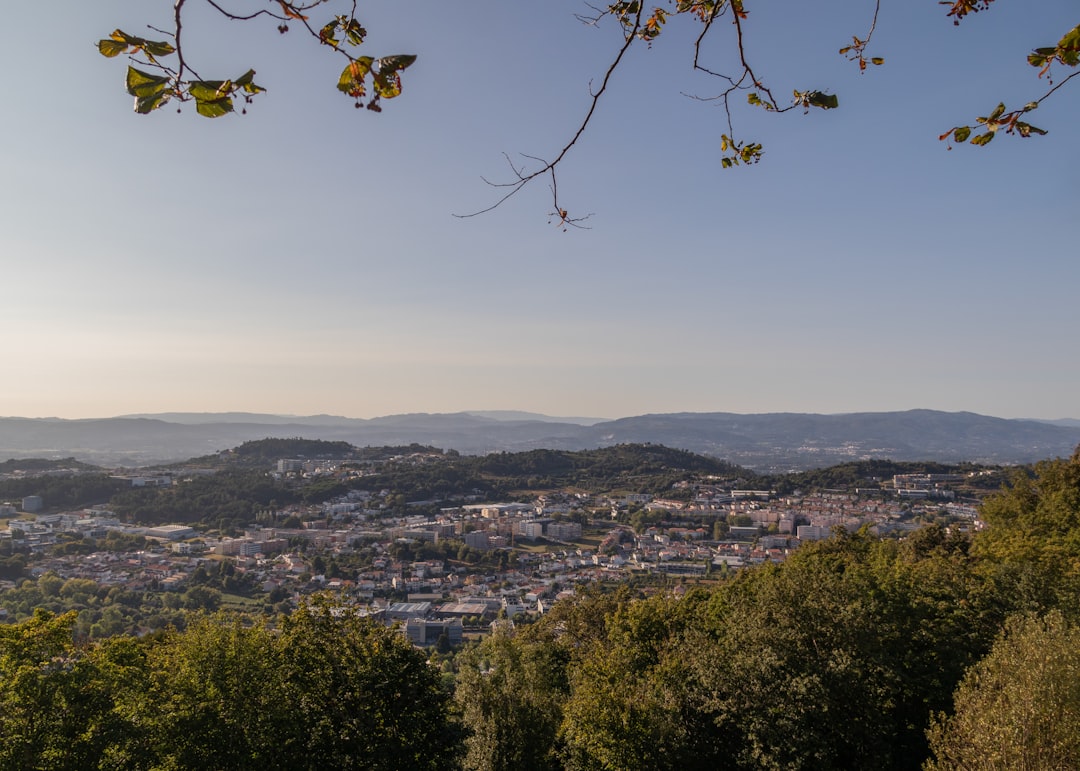
Braga, Portugal’s third-largest urban area with 193,324 residents, sits at 215m above sea level in the historic Minho Province, just 53km north of Porto. Founded by the Romans as Bracara Augusta in 16 BC, it is one of the oldest cities on the Iberian Peninsula. Today it balances a UNESCO-listed pilgrimage site, one of Portugal’s most vibrant university cultures, and a restaurant scene that punches well above its size.
Three Things Not to Miss in Braga
- Bom Jesus do Monte Sanctuary — A UNESCO World Heritage baroque staircase climbing 116m — Portugal’s most photographed pilgrimage site outside Fátima.
- Braga Cathedral (Sé de Braga) — Portugal’s oldest cathedral, consecrated in 1089, housing the Treasury Museum with 1,000 years of religious art.
- Mercado Municipal de Braga — A buzzing covered market open since 1930 where locals shop for fresh Minho produce, dried codfish, and regional cheese.
Scroll down for our complete travel guide with tips on getting there, where to stay, costs and more.
Getting to Braga from the Airport
How do I get to Braga?
The fastest option is flying into Porto Airport, then taking the direct train to Braga. In my experience, this is the smoothest entry into the city. The CP Alfa Pendular or InterRegional train from Porto’s Campanhã station reaches Braga in under 1 hour, with tickets from €3.55. If you are flying from within Europe, Ryanair and easyJet serve Porto with competitive fares. By car from Lisbon, the A1 motorway covers the 362km journey in roughly 3.5 hours, though toll costs add up. There is no direct high-speed rail from Lisbon, so flying via Porto remains the most practical long-distance option. My tip: book train tickets on the CP website at least a day ahead to secure the cheapest fares.
Which airport is closest to Braga?
Porto Francisco Sá Carneiro Airport (OPO) is by far the closest major airport, located 53km south of Braga’s city centre. In my experience, the ground transfer from OPO is surprisingly simple. Take the Metro do Porto Line E (Violet) from the airport to Trindade station, then switch to a CP train toward Braga — total journey under 90 minutes and costing around €4 to €5 combined. There are no direct metro or bus connections that are faster than this train combination. Honest warning: rental car desks at OPO get extremely long queues in summer, so book your vehicle weeks in advance or arrange a pickup at Braga station instead.
How long does the journey from Porto to Braga take?
By train, Braga is just 55 to 60 minutes from Porto’s Campanhã station on the InterRegional service, or around 50 minutes on the faster Alfa Pendular. What surprised me is how underused this connection is by international visitors — the trains run frequently, roughly every 30 minutes during peak hours, and the fare is under €4. By car on the A3 motorway, expect 45 to 55 minutes depending on Porto’s notorious rush-hour congestion, especially between 7am and 9am. Avoid driving through Porto on a Friday afternoon — congestion can double your journey time without warning. Bus services from Porto’s Campo 24 de Agosto terminal also run regularly but take longer at around 75 minutes.
Do I need a rental car to explore Braga?
No — for the city itself and most top sights, you do not need a car. Braga’s historic centre is compact and entirely walkable within 15 to 20 minutes on foot. Local buses cover Bom Jesus do Monte for around €1.79 per journey, with a funicular for the final 300m climb costing a separate fee. My tip: a car earns its keep only if you plan day trips to Gerês National Park (45km east) or the Peneda mountain villages, which have no practical public transport. Renting for just 2 or 3 days of those excursions rather than the full trip saves money and eliminates Braga’s limited central parking stress. Car hire from Braga train station starts around €25 per day for a compact vehicle.
Moving Around Braga
What are the best areas to stay in Braga?
Stay in Centro Histórico — everything within walking distance and the atmosphere is unbeatable in the evenings. The streets around Praça da República and Largo do Paço put you within 5 minutes of the cathedral, the best restaurants, and the main bar strip. For a quieter but still central option, the Maximinos neighbourhood just west of the historic core offers less tourist noise and slightly lower accommodation prices. I would avoid booking hotels near the N14 ring road — they are cheaper but a 20-minute walk from everything interesting and the area has no character. What surprised me: Braga University students fill the centre on weekday evenings, making it livelier than cities twice its size, which is a genuine bonus rather than a nuisance.
What does accommodation cost per night in Braga?
Braga is genuinely affordable compared to Porto or Lisbon. A clean, well-located 3-star hotel in Centro Histórico costs €55 to €85 per night for a double room in 2026. Boutique guesthouses like those around Rua do Souto run €70 to €110. Top-end options such as the Meliá Braga Hotel with its rooftop pool reach €130 to €180 in peak season. Budget travellers can find hostel dormitory beds for €18 to €25 per night — Braga has a strong hostel scene fed by university culture. My honest caveat: Airbnb availability is limited compared to Porto, and the best apartments book out fast for June’s São João festival weekend, when prices spike by 40% and availability collapses entirely.
How far in advance should I book accommodation in Braga during high season?
For July and August, book at least 6 to 8 weeks ahead for mid-range hotels in the historic centre — the good ones at fair prices vanish quickly. The absolute minimum is 3 weeks ahead for budget guesthouses. What most guides omit: June 23rd to 24th (Festa de São João) is Braga’s wildest night of the year — if you want to be in the centre, book 3 to 4 months ahead and expect a 30 to 50% price premium. Easter week around Semana Santa draws large pilgrimage crowds to Bom Jesus and the cathedral, so book 2 months ahead for those dates. Outside these windows, in shoulder months like September and October, booking 2 weeks ahead is generally sufficient.
Are there special or unique accommodation types in Braga?
In my experience, Braga’s best unique stay option is a Solar or Casa de Campo — traditional manor houses of the Minho region converted into guesthouses. Properties like Casa dos Lagos in the hills above the city offer stone architecture, vine-covered gardens, and granite staircases that no chain hotel can replicate, typically for €90 to €140 per night. Another standout: rooms at or near Bom Jesus do Monte itself, where the 18th-century hotel on the sanctuary grounds has operated as a guesthouse since the 1800s. My honest trade-off — these manor stays require a car or taxi, as they sit outside the urban walkable zone. For budget travellers, the Theatro Hostel in the historic centre is genuinely stylish and consistently rated among Portugal’s best hostels.
Choosing a Neighbourhood in Braga
What are the must-see sights in Braga?
Three sights are non-negotiable. First, Bom Jesus do Monte — the baroque pilgrimage staircase climbing 116m is architecturally extraordinary; climb it on foot or take the 1882-built funicular, one of the oldest water-powered funiculars in the world. Second, Sé de Braga (the Cathedral), Portugal’s oldest, consecrated in 1089 — don’t skip the Treasury Museum inside. Third, the Palácio dos Biscainhos, an 18th-century aristocratic palace with original azulejo-tiled rooms and one of Braga’s most beautiful baroque gardens, admission around €3. I also strongly recommend walking Rua do Souto at dusk and stopping at the Antigos Paços do Concelho for the sheer density of history per metre — it rivals anything in Porto for atmosphere.
What can I experience for free in Braga?
Quite a lot. The exterior and main nave of Sé de Braga Cathedral are free to enter — only the Treasury and chapels charge a small fee. The baroque gardens of Bom Jesus are open to the public at no cost; only the funicular ride (€1.50 each way) and the sanctuary interior require payment. Walking the historic centre itself, including Arco da Porta Nova, Praça da República, and the Jardim de Santa Bárbara (a stunning 17th-century walled garden behind the Archbishop’s Palace) costs nothing. What surprised me: the Museu da Imagem photography museum regularly offers free admission on Sunday mornings. Student-populated Praça Velha hosts free live music on summer evenings — better atmosphere than most paid events.
Which day trips from Braga are worth doing?
Three day trips stand out. Gerês National Park is only 45km northeast — Portugal’s only National Park offers waterfalls, Roman roads, and wild horses; go early as parking at Cascata do Arado fills by 10am in summer. Guimarães, the birthplace of Portugal, is 22km southeast by train in 40 minutes (around €2.50 each way) and absolutely worth a half-day for its medieval castle and UNESCO-listed centre. Third, Barcelos — famous for its Thursday market and the legend of the Galo de Barcelos rooster, just 20km west, reachable by bus for under €3. My honest caveat: skip the tourist coaches; all three destinations are far better explored independently and early in the morning before group tours arrive.
What local specialities should I try in Braga?
Braga and the broader Minho region have a distinct culinary identity. Bacalhau à Braga (salt cod fried with onions and potatoes) is the dish most associated with the city — order it at Restaurante Inácio for a definitive version. Caldo Verde (kale soup with chorizo) is the regional starter eaten daily by locals, not just tourists. For something unusual, try Papas de Sarrabulho — a thick pork blood and meat porridge that looks alarming but is deeply savoury and found almost nowhere outside the Minho. Wash everything down with Vinho Verde, the young sparkling white wine produced within 30km of the city and served by the carafe for under €5. My tip: the Mercado Municipal is the best place to buy local cheeses and smoked meats to take home.
Top Sights in Braga
What makes Braga unique compared to other Portuguese cities?
Braga is the only major Portuguese city where religious heritage, student energy, and genuine local life coexist without the city having been overrun by mass tourism — yet. With 193,324 residents and the Universidade do Minho enrolling over 20,000 students, the city has a pulse at 11pm on a Tuesday that Évora or Viana do Castelo simply cannot match. What surprised me: Braga has historically been called the ”Rome of Portugal” for its concentration of baroque churches — 35 churches within the historic core is not an exaggeration. Unlike Porto or Lisbon, locals here still outnumber tourists in most restaurants and cafes, which directly affects food quality and price. The Semana Santa Easter processions are the most elaborate in Portugal and largely unknown to foreign visitors — that ratio is changing fast.
How many days should I spend in Braga?
Two full days cover the non-negotiable sights comfortably — Bom Jesus, the Cathedral, Palácio dos Biscainhos, and a proper evening on Rua do Souto. Add a third day if you want a day trip to Guimarães or Gerês. I would not recommend stretching to more than 4 days based in Braga alone unless you are doing multiple day trips or have a specific interest in baroque architecture or religious heritage. What most guides miss: Braga works brilliantly as a 2-night base combined with 2 nights in Porto, with the 55-minute train connection making back-and-forth trivially easy. Trying to see Braga as a single day trip from Porto is technically possible but genuinely rushed — you need at least one overnight to experience the evening atmosphere.
When is the best time to visit Braga?
July and August offer the most reliable weather and the fullest range of outdoor activities — based on verified climate data, these are the best travel months. The sanctuary gardens at Bom Jesus are spectacular in summer sun, and the Minho valley day trips to Gerês are only practical in dry conditions. My honest trade-off: August brings the most domestic Portuguese tourists, and accommodation in the historic centre gets noticeably fuller. I personally prefer late September and October — the summer crowds thin, temperatures stay pleasant around 18 to 22°C, and the Minho wine harvest adds a festive atmosphere to the region. June 23rd (Festa de São João) is worth planning an entire trip around if you want the most intense cultural experience Braga offers.
Are there local festivals in Braga worth attending?
Braga hosts three festivals genuinely worth altering your travel dates for. Semana Santa (Holy Week, March/April) features the most elaborate Easter processions in Portugal — penitents in purple robes walk the streets at midnight, and it attracts almost no international tourists despite being extraordinary. Festa de São João (June 23rd to 24th) fills the streets with bonfires, live music, and grilled sardines — the entire city centre closes to traffic. In July, Braga Romana transforms the historic centre into a Roman festival with 50+ performers in period costume, markets, and reenactments; admission is free. My tip: book accommodation for Semana Santa and São João at least 3 months ahead — these events fill every bed within 20km of the centre.
Where to Eat in Braga
How does the weather in Braga affect what activities I can do?
Braga’s position in the Minho at 215m elevation means it receives more rain than Porto or Lisbon — around 1,700mm annually — concentrated in November through February. Winter visits are atmospheric for cathedral exploration and indoor markets but make Gerês National Park trails muddy and some viewpoints at Bom Jesus slippery. Spring (March–May) brings lush green landscapes in the Minho valley — genuinely beautiful — but expect at least 1 rainy day per 3-day trip. Summer outdoor terraces along Rua Dom Diogo de Sousa are reliably usable from mid-June. What surprised me: Braga’s summer heat rarely exceeds 30°C, making it far more comfortable for walking sightseeing than Alentejo or the Algarve in peak season.
How crowded does Braga get in peak season?
Braga in July and August is noticeably busier than 5 years ago but nowhere near Porto or Lisbon levels. The single biggest crowd pinch point is Bom Jesus do Monte — the funicular queues can reach 30 to 40 minutes on weekend mornings between 10am and noon. My tip: arrive at Bom Jesus before 9am or after 4pm to avoid the worst. The historic centre fills on summer Saturday afternoons but disperses by evening. The Museu dos Biscainhos rarely has queues even in August — a reliable escape from street crowds. What genuinely surprised me: Braga never feels overwhelmed the way Sintra or Óbidos do, and locals still use the restaurants and cafes normally throughout the summer, keeping the atmosphere authentic.
How safe is Braga for travellers?
Braga is one of Portugal’s safest cities — petty crime rates are low even by European standards. In my experience walking the historic centre late at night, it never felt threatening, even around the student bar area of Praça Velha at midnight. The main risk is standard urban pickpocketing in crowded spots like the Mercado Municipal and around Bom Jesus when tour groups are present — keep bags in front and don’t leave phones on café tables. The area around the bus terminal on Rua da Constituição is less polished after dark but not dangerous. There are no no-go zones in practical terms. Emergency services are responsive, and the local GNR (police) station near the cathedral is staffed and approachable.
Is English widely spoken in Braga?
English is spoken reliably in hotels, most restaurants in the historic centre, and all tourist-facing businesses — Braga’s large university population means younger staff almost always speak competent English. What surprised me: outside the centre, in neighbourhood tascas (local eateries) and the Mercado Municipal, Portuguese is the working language and staff may have limited English. This is not a barrier — pointing at menus and a smile work perfectly. Learning three Portuguese phrases — obrigado/obrigada (thank you), por favor (please), and a conta, por favor (the bill, please) — earns disproportionate goodwill from locals. The Universidade do Minho campus area around Gualtar has more English speakers per square metre than almost anywhere outside Lisbon.
Before You Go to Braga
What is the daily budget for travelling in Braga?
Braga is genuinely affordable. A budget traveller spending €55 to €70 per day gets a hostel dorm bed, a cheap local lunch around €11.55 (verified Numbeo figure), dinner with wine at a tasca, and all transport. A mid-range traveller spending €110 to €160 per day covers a 3-star hotel room, a 2-person dinner for €20.79 (Numbeo), museum entries, and a day trip by train. A comfortable traveller wanting boutique hotels, tasting menus, and car hire for Gerês should budget €200 to €250 per day. What most guides miss: Braga’s university restaurant (cantina) at Universidade do Minho serves hot lunches to the public for under €4 — arguably the best budget meal deal in northern Portugal.
How does public transport work in Braga?
Braga’s urban bus network is operated by TUB (Transportes Urbanos de Braga) — single fares cost €1.79 and a day pass costs approximately €4.50. Buses cover the city adequately, with the most useful route for tourists being the bus to Bom Jesus departing from Avenida da Liberdade. The train station on Largo da Estação connects Braga to Porto in under 60 minutes and to Guimarães in 40 minutes — both essential for day trips. My honest trade-off: the bus frequency drops sharply after 8pm on suburban routes, and there is no night bus network, so taxi apps become necessary after dinner. Uber operates reliably in Braga — a city-centre to Bom Jesus ride costs approximately €6 to €8.
Which apps do you recommend for getting around and enjoying Braga?
Five apps earn a permanent place on your phone for Braga. Uber — more reliable than street taxis and cheaper, essential for evening transport or reaching Bom Jesus quickly. CP — Comboios de Portugal — book and manage train tickets to Porto and Guimarães; the app shows real-time platform changes. Google Maps — offline maps work well for Braga’s centre; download the area before you arrive. The Fork (TheFork) — restaurant reservations in the historic centre are advisable for dinner on Friday and Saturday; this app shows real-time availability. MB WAY — Portugal’s mobile payment system; if you have a Portuguese or European bank account, this is how locals split bills. My honest caveat: there is no dedicated Braga tourism app worth downloading — the Visitportugal.com website covers the region better than any app currently available.
Braga at a Glance
| Population | 193,324 |
|---|---|
| Currency | EUR (€) |
| Official language | Portuguese |
| Time zone | UTC±00:00 |
Source: Wikidata, retrieved September 2026.
Portugal › Braga
More Destinations in Portugal
Essential Resources for Planning Your Trip to Braga
- Sanctuary of Bom Jesus do Monte in Braga — official visitor information, passes & events
- Wikipedia: Braga — history, geography & background
- Wikivoyage: Braga — community travel guide & practical tips
- Braga travel – Lonely Planet | Portugal, Europe — expert itineraries & travel inspiration
- THE 15 BEST Things to Do in Braga (2026) — hotels, restaurants & traveller reviews
- TRAVEL – IMMIGRATION – HOTELS – SPECIAL EVENTS — how to get around
- Numbeo: Cost of Living in Braga — current prices & cost comparison
- Timeanddate: Braga Weather & Climate — forecasts & climate statistics
- Sanctuary of Bom Jesus do Monte in Braga
More Perspectives on Braga
- A Local’s Guide to Braga, Portugal
- Braga Travel Guide
- 21 Best Things to Do in Braga, Portugal (I Booked 3 Nights …
Braga Travel Videos
Watch these videos for a visual preview before your trip:
- 10 Fun Things to Do in Braga – The Best Day Trip From Porto Portugal
- 🇵🇹 Braga Portugal Travel Guide 2026 | 10 Best Things To Do in Braga
- Braga Portugal: A Walk Through The Oldest City in Portugal
Braga Travel Discussions on Reddit
Real traveller experiences and community advice:
- Portugal- Braga/Guimaraes day trip- can I do it on my own
- What’s the best way to travel between Braga and Porto?
- Day trip advice – Coimbra and Braga : r/TravelPortugal
Data Sources
This page was compiled using data from Wikipedia, Wikidata, Open-Meteo (climate), Numbeo (cost of living) and REST Countries. Information is updated regularly.