
Budva Riviera: The Complete Travel Guide (2026)
Last reviewed: August 2026 · key facts checked against Wikidata
Budva Riviera Travel Guide: Everything You Need to Know (2026)
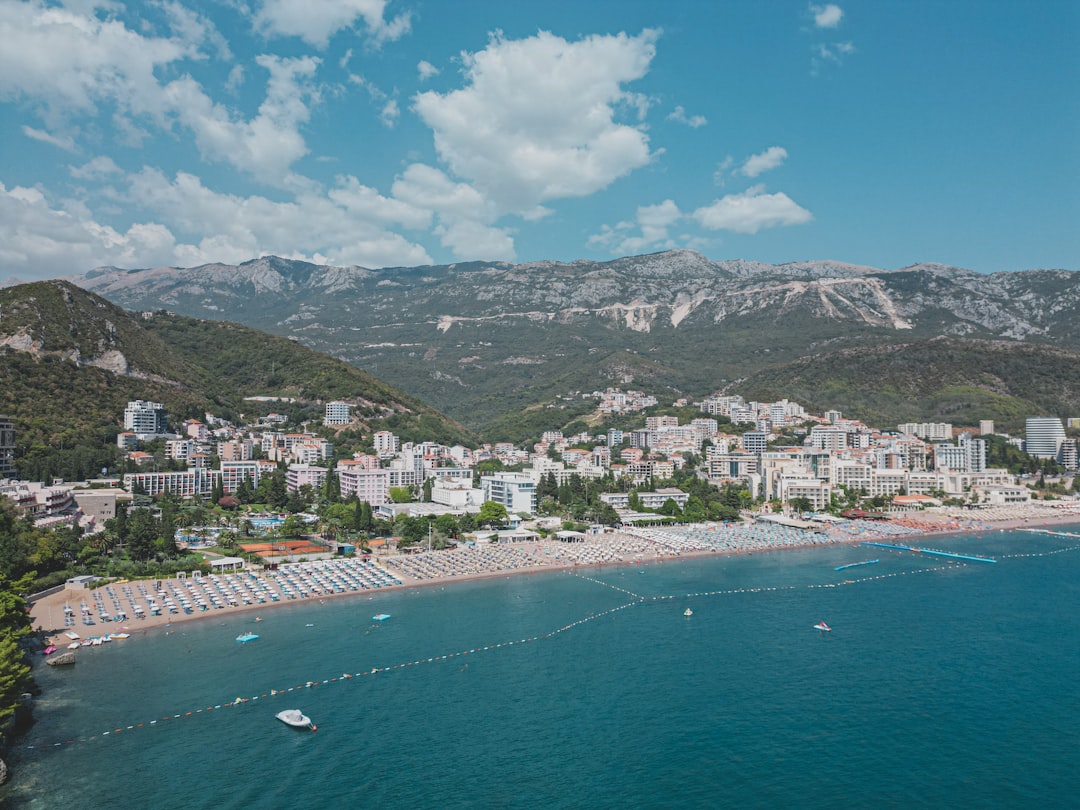
The Budva Riviera stretches 35 km along Montenegro’s Adriatic coast, anchored by the walled Old Town of Budva, which was founded by ancient Greeks over 2,500 years ago. Its 21 km of beaches attract the highest concentration of summer tourists in the entire country, making it Montenegro’s undisputed beach tourism capital. The riviera sits at sea level and spans from Petrovac in the south to Budva town in the north, covering some of the most dramatic coastal scenery in the eastern Adriatic.
Three Things Not to Miss in Budva Riviera
- Budva Old Town (Stari Grad) — A Venetian-walled citadel rising directly from the Adriatic, dating back over 2,500 years — one of the oldest settlements on the Adriatic coast.
- Sveti Stefan Island — A 15th-century fishing village turned ultra-exclusive resort island, connected to the mainland by a narrow causeway — iconic and visually unmissable.
- Mogren Beach — Two crescent bays divided by a rock tunnel, reachable only on foot from Budva Old Town in under 10 minutes — the riviera’s most dramatic beach setting.
Scroll down for our complete travel guide with tips on getting there, where to stay, costs and more.
Getting to Budva Riviera
How do I best reach the Budva Riviera?
Fly into Tivat Airport (TIV), just 35 km from Budva — it’s the fastest and most practical entry point. In my experience, Tivat is far superior to Podgorica for coastal visitors because the transfer is under 40 minutes versus nearly 1.5 hours from Podgorica’s Golubovci Airport (TGD). Budget airlines including Ryanair and Wizz Air serve Tivat from major European hubs seasonally. My tip: avoid booking Podgorica unless you plan to combine the riviera with inland Montenegro. One caveat most guides omit — road congestion on the Budva–Tivat road in July and August can double your transfer time, so departures before 9 a.m. are strongly recommended.
Which airport is closest to the Budva Riviera?
Tivat Airport (TIV) is the closest, sitting approximately 35 km northwest of Budva town. In my experience, it handles most major charter and low-cost European routes during summer. Podgorica Airport (TGD) is roughly 65 km away via the inland highway and serves as a year-round alternative with more scheduled airline options. What surprised me is that Podgorica sometimes offers cheaper flights, especially off-season, making the extra 30–40 minutes of driving worthwhile in shoulder months. The honest caveat: Tivat’s terminal is small and gets chaotic at peak arrivals — build extra time into your connection schedule if you have an onward transfer booked.
How long is the journey from Montenegro’s capital to the Budva Riviera?
From Podgorica, the journey to Budva takes approximately 60–80 minutes by car under normal conditions, covering roughly 65 km via the E65 highway. In my experience, this road is genuinely scenic through the Sozina Tunnel and descending into the coast — worth doing at least once in daylight. The tunnel toll costs around €3.50 each way. My tip: avoid driving this route on Friday afternoons in July and August when Montenegrins head to the coast in force — congestion can push the journey to 2+ hours. Bus connections from Podgorica’s main station run roughly every 2 hours and cost about €6–8 per person one way.
Are there direct bus connections to the Budva Riviera?
Yes — direct buses reach Budva from Podgorica, Belgrade, Sarajevo, and Dubrovnik. In my experience, the most reliable and useful connection is the Podgorica–Budva route, operated by Autoprevoz and local carriers, with departures roughly every 1–2 hours and a journey time of about 60–75 minutes for around €6–8. From Dubrovnik, expect 3–4 hours and fares around €15–20. The honest caveat most guides skip: the Budva bus station is located outside the Old Town in a slightly confusing area — budget €5–8 for a taxi to your accommodation if you’re arriving with luggage. Timetables shift significantly between summer and winter, so always verify schedules at e-karte.me.
Is a rental car necessary for exploring the Budva Riviera?
A rental car is not strictly necessary but unlocks the riviera’s best experiences significantly. In my experience, if you’re staying in Budva Old Town and limiting yourself to Sveti Stefan and Bečići, taxis and local buses are sufficient. But for reaching Petrovac, Ada Bojana, or day trips to Lake Skadar and Kotor, a car is transformative. Expect to pay €35–60 per day for a compact car from local agencies in peak July. My tip: book through Sixt or Europcar at Tivat Airport for transparent pricing — local Budva agencies are cheaper but insurance terms are sometimes unclear. The trade-off: parking in Budva town in August is a genuine nightmare, with paid zones costing €1–2 per hour and spaces perpetually full by 10 a.m.
Where to Stay in Budva Riviera
Which towns make good bases along the Budva Riviera?
Budva Old Town is the best all-round base — central, walkable, atmospheric, and close to beaches. In my experience, staying inside or immediately adjacent to the Old Town walls gives you unmatched access to restaurants, nightlife, and the beach promenade. Bečići, 3 km southeast of Budva, is my recommendation for families — quieter, with a long sandy beach and more apartment-style accommodation. Petrovac, 15 km south, suits travellers wanting a calmer, more local feel with a pretty harbour. What surprised me is how overbuilt Budva Rivijera resort strip feels compared to the charming Old Town just minutes away — many visitors base themselves in the resort zone and barely discover the old city at all, which is a mistake.
Where should I stay on the Budva Riviera?
I recommend prioritising Budva Old Town or the immediate Slovenska Plaža beachfront strip for your first stay. Old Town guesthouses and boutique hotels put you within a 5-minute walk of the citadel, the beach, and the best restaurants. For luxury, Hotel Splendid in Bečići is a well-established five-star property with direct sea access. Budget travellers do well in the apartment complexes of Rafailovići, where self-catering studios go for €40–60 per night in June. My honest warning: avoid booking unnamed ‘villa’ listings around Bečići on platforms without verified reviews — inconsistent quality is a real issue on the riviera, and the photos frequently do not match reality.
What does accommodation cost on the Budva Riviera?
Accommodation ranges widely — expect €40–70 per night for a decent private apartment or guesthouse in shoulder season (May, June, September). In peak July and August, the same rooms jump to €80–150 per night, and beachfront hotels with sea views can exceed €200. In my experience, the sweet spot is a self-catering apartment in Rafailovići or Bečići booked directly with local owners via Booking.com for around €60–90 per night in July. Budget hostels in Budva Old Town exist from roughly €20–25 per dorm bed. My tip: the riviera offers poor value in peak season compared to neighbouring Albania’s Riviera, so if budget matters, visit in June when prices are lower and beaches are less packed.
How far in advance should I book accommodation on the Budva Riviera?
For July and August, book at least 3–4 months in advance — the Budva Riviera is Montenegro’s most-visited coastal strip and fills fast. In my experience, beachfront and Old Town properties are fully booked by April for the first two weeks of August. For June and September, 4–6 weeks ahead is usually sufficient, though the best-value apartments still go early. What surprised me is how aggressively Serbian and regional Balkan tourists book the riviera — demand is domestic-driven as much as international. My tip: if you’ve missed the best options, search Airbnb for last-minute apartment deals in Petrovac, which gets overlooked compared to Budva and often has availability 2–3 weeks out even in peak season.
When is the best time to visit the Budva Riviera?
June and early September are the optimal times to visit the Budva Riviera — sea temperatures reach a comfortable 24–25°C, prices are 20–40% lower than July peak, and beaches are enjoyably uncrowded. Climate analysis confirms July as the warmest month, but that warmth comes packaged with maximum crowds and noise. In my experience, the first two weeks of June feel like a hidden gem — the Old Town is walkable, restaurants have tables available, and the Adriatic is already warm enough for daily swimming. My honest trade-off: September is ideal for sightseeing but some beach clubs and water sports operators begin closing after Labour Day (September 1st), so watersports options shrink noticeably.
Best Time to Visit Budva Riviera
How does the weather affect activities on the Budva Riviera?
The Budva Riviera enjoys a classic Mediterranean climate — long, hot, dry summers and mild, wetter winters. From June through September, expect temperatures between 28–35°C with minimal rainfall, making beach and watersports activities consistently excellent. In my experience, the afternoon heat in July peaks around 35°C, making midday sightseeing in the walled Old Town genuinely uncomfortable — early mornings and evenings are far better for walking tours. April and May bring mild temperatures around 18–22°C with occasional rain, ideal for hiking the coastal paths above Sveti Stefan. My honest warning: the Bora wind occasionally disrupts sea conditions in spring, making some beaches choppy and boat trips inadvisable — always check conditions before booking excursions.
Are there local festivals worth attending on the Budva Riviera?
Yes — the Budva Theatre City (Grad Teatar) festival runs every July and August and transforms the Old Town’s citadel and open-air stages into a performing arts venue with theatre, music, and film. In my experience, attending an evening performance inside the citadel walls is one of the most atmospheric experiences on the entire Adriatic coast. Ticket prices run €10–25 for most events. The Sea Dance Music Festival at Buljarica Beach, held in late July or early August, draws major international electronic music acts and a crowd of 30,000+ over three days — a completely different, high-energy atmosphere. My tip: book accommodation months ahead if your trip coincides with Sea Dance, as it floods the entire riviera with festival-goers.
When does the Budva Riviera get crowded?
Peak crowding hits between July 1st and August 20th, when Budva’s population of roughly 20,000 swells by an estimated 10x with tourists. In my experience, Slovenska Plaža beach in Budva is effectively wall-to-wall sun loungers by 9 a.m. in August — arriving before 8 a.m. is the only way to claim a free spot on the sand. The Old Town’s main street, Mediteranska, becomes a slow shuffle of tourists at peak hours. My honest warning: nightlife noise in Budva Old Town in August is genuinely intense until 4–5 a.m. — if you need sleep, base yourself in Petrovac or at least Bečići, where the party atmosphere is considerably calmer. Shoulder months like June and September restore the riviera’s considerable natural charm.
What does a daily budget cost on the Budva Riviera?
A realistic mid-range daily budget on the Budva Riviera is €80–120 per person, covering accommodation, meals, transport, and one activity. Budget travellers staying in hostels or shared apartments, eating at local konobas, and avoiding beach clubs can manage on €45–60 per day. In my experience, the main budget drain is beach lounger rental — €10–20 per person per day at most organised beach sections adds up fast over a week. A comfortable week for two, including a mid-range apartment, daily dining, one boat trip, and entry costs, realistically runs €1,000–1,400 total. My tip: cook your own breakfasts and lunches using produce from Budva market and reserve your restaurant budget for dinners in the Old Town, where the quality-to-price ratio is genuinely excellent.
Is the Budva Riviera cheaper or more expensive than other regions of Montenegro?
The Budva Riviera is the most expensive coastal region in Montenegro, comfortably surpassing Ulcinj and Bar in accommodation and restaurant pricing. In my experience, a pasta dish that costs €7 in Bar runs €12–15 in a Budva Old Town restaurant with a sea view. Compared to Kotor Bay, the riviera is similarly priced for accommodation but has more budget-end options in towns like Petrovac. What surprised me is that grocery shopping from local supermarkets like Voli costs roughly the same across Montenegro — the premium is purely on hospitality services, not daily essentials. My honest caveat: the Budva Riviera is also notably cheaper than comparable Adriatic rivals like Dubrovnik or Split in Croatia, making it good relative value for Western European visitors.
What Budva Riviera Costs
What free highlights are there on the Budva Riviera?
Plenty — walking the Old Town walls and citadel interior is free (the citadel museum charges a small €2–3 entry but the streets themselves are open). In my experience, the best free experience on the riviera is the coastal walking path from Budva Old Town to Mogren Beach, a stunning 10-minute cliff-side trail that reveals two dramatic hidden coves. Sunset from the Citadel walls is genuinely spectacular and costs nothing. Petrovac’s old Venetian tower can be admired from the outside freely, and the harbour promenade there is one of the most pleasant evening strolls on the riviera. My tip: the Church of the Holy Trinity inside Budva Old Town is free to enter and contains genuinely impressive medieval iconography that most visitors walk past without noticing.
What do local specialities cost on the Budva Riviera?
In my experience, a plate of grilled fish (riba na žaru) at a local konoba outside the Old Town centre costs €10–15 for a full portion. Crni rižot (black risotto) runs €8–12, and a portion of Njeguški pršut (smoked ham) with cheese as a starter is typically €6–10. A local beer (pivo) at a harbour-side café costs €2.50–3.50. My tip: the fish market near the Old Town sells fresh catch directly — you can buy and ask nearby restaurants to cook it for a small preparation fee of around €3–5, saving significantly versus ordering off a menu. The honest caveat: seafood quality in tourist-facing restaurants on Slovenska Plaža strip is inconsistent — walking one street inland to konobas used by locals makes a noticeable difference in both quality and price.
Which route do you recommend for 5–7 days on the Budva Riviera?
I recommend this sequence: Day 1 — arrive, settle into Budva, evening walk through the Old Town and dinner at Porto restaurant inside the citadel walls. Day 2 — morning at Mogren Beach, afternoon boat trip to Sveti Nikola Island (30 minutes offshore, boats from €10 return). Day 3 — day trip north to Kotor (35 km, under an hour), walk the city walls by 8 a.m. before tour groups arrive. Day 4 — drive south to Sveti Stefan (photo stop on the causeway) and continue to Petrovac for a relaxed afternoon on its curved beach. Day 5 — full beach day at Bečići, evening Sea Dance or Theatre City event if timing aligns. Days 6–7 — optional inland extension to Lake Skadar or Durmitor National Park for contrast. My tip: rent a car from Day 3 onward — the first two days are walkable from Budva.
What are the must-see sights on the Budva Riviera?
The non-negotiables are Budva Old Town (Stari Grad), Sveti Stefan island, and Mogren Beach. In my experience, Budva Old Town is genuinely one of the most atmospheric medieval coastal settlements in the Balkans — the 4th-century walls, the Citadel, and the Church of St. John are all within a 10-minute walk of each other. Sveti Stefan is now an exclusive Aman Resorts property, so non-guests cannot access the island itself, but the view from the causeway and the village of Sveti Stefan on the hilltop above is freely accessible and stunning. My honest caveat: Sveti Stefan viewed from a distance is magnificent, but the surrounding beach area has become heavily commercialised, with sunbeds from €30+ per day — adjust expectations accordingly.
What natural highlights does the Budva Riviera offer?
The riviera’s 21 km of beaches are the primary natural asset, ranging from the pebbly coves at Mogren to the long sandy sweep of Bečići (nearly 2 km of sand). In my experience, the coastal cliffs between Sveti Stefan and Petrovac are some of the most dramatic Mediterranean scenery I’ve encountered — best seen from a kayak or boat. The Red Rocks (Crvena Stijena) area near Sveti Stefan offers cliff-jumping into clear turquoise water, a genuinely exhilarating natural experience. Sveti Nikola Island, 2 km offshore from Budva, has wild, un-organised beaches and pine forest — a 15-minute boat ride from town delivers you to a completely different pace. My tip: the island has no facilities, so bring water and food.
Routes & Highlights in Budva Riviera
What local specialities should I try on the Budva Riviera?
Lead with crni rižot (black squid-ink risotto) — it’s the definitive riviera dish and Montenegro’s coastal kitchen at its best. In my experience, Konoba Stari Grad inside the Old Town does an exceptional version for around €10. Kačamak (polenta with potato and cheese) may seem out of place at the coast but appears on virtually every menu as a Montenegrin staple — try it once. Njeguški pršut (cold-smoked ham from the Njeguši village above Kotor Bay) paired with Montenegrin Vranac wine is a simple, perfect combination. Grilled sea bass (brancin) served with blitva (Swiss chard with olive oil and garlic) is the classic local fish dinner. My honest caveat: avoid the pre-made seafood platters displayed on ice outside tourist restaurants on Slovenska Plaža — freshness is not guaranteed.
What activities are available on the Budva Riviera?
The activity list is extensive. In my experience, the highlights are: kayaking the sea cliffs between Budva and Sveti Stefan (€25–35 for a guided 3-hour tour), jet skiing off Slovenska Plaža (from €60 for 30 minutes), and parasailing (around €40 per flight). Scuba diving operators in Budva offer introductory dives from €50 — the riviera’s underwater visibility regularly exceeds 20 metres. Hiking the Coastal Mountain Trail above Budva offers spectacular panoramic views and is completely free. For cultural activities, the Theatre City festival in summer is unmissable. My tip: book any boat excursion (Blue Cave, Sveti Nikola Island, riviera tour) through the Budva Old Town harbour directly rather than via hotel desks — you’ll pay 30–40% less for identical trips.
What distinguishes the Budva Riviera from other Montenegrin regions?
The Budva Riviera is Montenegro’s only region combining ancient walled city heritage, Adriatic beaches, and full-scale nightlife infrastructure in one concentrated strip. In my experience, nothing else in Montenegro replicates that combination — Kotor has a better-preserved Old Town but no comparable beach access, and Ulcinj has wilder beaches but far less tourist infrastructure. The riviera’s 35 km coastal span also means dramatically varied landscapes within a single day’s drive — from the glitzy exclusivity of Sveti Stefan to the understated charm of Petrovac. What surprised me most is how genuinely accessible the riviera remains for budget travellers despite its glitzy reputation — a free sunset from the Old Town walls costs exactly €0 and rivals anything on the Croatian coast.
Which day trips are possible from the Budva Riviera?
The best day trips from the riviera in my experience: Kotor (35 km, 45 minutes) — walk the medieval walls by 8 a.m. for €8 entry before the cruise ship crowds arrive. Lake Skadar National Park (70 km, about 1.5 hours) — rent a kayak or take a boat tour through one of Europe’s most important bird sanctuaries. Ostrog Monastery (90 km, 1.5–2 hours inland) — an extraordinary cliff-face monastery visited by pilgrims from across the Balkans, free entry. Dubrovnik, Croatia (90 km, roughly 2 hours including border crossing) — scenic drive along the coast but border queues in July can add 60–90 minutes. My honest caveat: the border crossing at Debeli Brijeg is notoriously slow in peak summer — leave Budva by 7 a.m. for a Dubrovnik day trip to make it worthwhile.
Are there language barriers on the Budva Riviera?
Language barriers are minimal for English speakers in the main tourist areas. In my experience, English is spoken comfortably in hotels, restaurants, and tour operators throughout Budva Old Town and Bečići. Montenegrin (the official language, mutually intelligible with Serbian) is the local language, but staff at virtually any tourist-facing business on the riviera will switch to English without prompting. What surprised me is how widespread Russian is as a second language among local service staff — a legacy of significant Russian investment and tourism in the 2000s and 2010s. My tip: learning 5–10 words of Montenegrin (dobar dan = good day, hvala = thank you) generates genuine warmth from locals and is worth the 15 minutes it takes to memorise them.
Practical Tips for Budva Riviera
Which apps do you recommend for visiting the Budva Riviera?
In my experience, these are the genuinely useful apps: Google Maps works reliably across the riviera for navigation — download the Montenegro offline map before arrival as mobile data can be spotty in coastal hills. Booking.com and Airbnb for last-minute accommodation searches. e-karte.me (Montenegro’s official bus ticketing platform) for checking bus schedules between riviera towns. Windfinder is essential before booking any boat excursion — Adriatic conditions change fast. Revolut or Wise for fee-free card payments, since many smaller restaurants and konobas still operate cash-only. My honest caveat: there is no dedicated Budva city transit app — local buses operate on an informal cash-and-flag system, and real-time information simply does not exist for them online.
Are there medical facilities on the Budva Riviera?
Basic medical care is available — Budva Health Centre (Dom Zdravlja Budva) on Vojislava Buškovića Street handles outpatient consultations and minor emergencies. In my experience, waiting times are manageable outside peak season but can stretch to 2–3 hours in August. The nearest hospital with full emergency capacity is Bar General Hospital, approximately 40 km south. Pharmacies (apoteka) are plentiful in Budva town and most stock standard European medications — opening hours are typically 8 a.m. to 8 p.m., with one pharmacy on 24-hour rotation. My honest caveat: for anything serious, Podgorica’s Clinical Centre of Montenegro (65 km) is your best option. Travel insurance with medical evacuation coverage is essential — do not visit Montenegro without it, as private specialist care costs are billed at full rate with no reciprocal agreements for most non-EU visitors.
How safe is the Budva Riviera?
The Budva Riviera is generally safe for tourists — petty theft and pickpocketing in crowded beach and Old Town areas is the primary risk, not violent crime. In my experience, the main practical danger is traffic on the coastal road (Jadranski Put) — driving standards are erratic, speeding is common, and pedestrian crossings are frequently ignored. Keep valuables in hotel safes and don’t leave bags unattended on Slovenska Plaža in peak season. The nightlife district around Stara Čaršija can get rowdy after midnight in August, but incidents are typically minor and alcohol-related. My honest warning: car break-ins at isolated coastal parking spots (particularly around Mogren Beach trailhead) do occur — never leave valuables visible in a parked car. Overall, with standard urban awareness, the riviera is a low-risk destination.
What are common traveller mistakes on the Budva Riviera?
The biggest mistake I see repeatedly: visiting only Budva town and missing Petrovac, Mogren Beach, and the inland day trips entirely. Second mistake — renting beach loungers at hotel beach clubs (€20–30 per day per person) when free public beach sections exist at both ends of every major beach. Third: driving into Budva Old Town — parking is effectively impossible and the stress is unnecessary when the town is entirely walkable in 15 minutes from outlying parking areas. Fourth: booking sea-view restaurant tables based on Instagram photos without checking that the restaurant is actually open — many switch to reservation-only in August and close entirely in winter. My final tip: do not attempt to visit Sveti Stefan, Petrovac, and Kotor in a single day — the coastal road traffic makes this itinerary exhausting and rushed, and each destination genuinely deserves 3–4 hours to appreciate properly.
Which accommodation types suit the Budva Riviera best?
In my experience, self-catering apartments are the ideal accommodation type for the Budva Riviera, offering the flexibility to cook breakfasts, store beach equipment, and manage costs across a 7–10 day stay. The riviera has an abundance of private apartments — a 1-bedroom sea-view apartment in Bečići runs €70–100 per night in peak season. Boutique guesthouses inside Budva Old Town (typically €80–130) deliver the most atmospheric experience. Large resort hotels like Hotel Budva or Hotel Slovenska Plaža offer convenience and pools but lack character and rarely represent good value. My honest caveat: camping options on the riviera are limited and often substandard — the one exception is the established campsite at Buljarica Beach, which has decent facilities and a more relaxed crowd than central Budva, at roughly €15–25 per tent pitch per night.
Budva Riviera at a Glance
| Currency | EUR (€) |
|---|---|
| Official language | Montenegrin |
| Time zone | UTC+01:00 |
Source: Wikidata, retrieved August 2026.
Montenegro › Budva Riviera
Destinations in Budva Riviera
Essential Resources for Planning Your Trip to Budva Riviera
- Montenegro travel tips from a July 2026 visit — official visitor information, passes & events
- Wikipedia: Budva Riviera — history, geography & background
- Wikivoyage: Budva Riviera — community travel guide & practical tips
- Budva travel – Lonely Planet | Montenegro, Europe — expert itineraries & travel inspiration
- THE 15 BEST Things to Do in Budva (2026) — hotels, restaurants & traveller reviews
- Discover Budva Riviera on a Short Break — how to get around
- Numbeo: Cost of Living in Budva Riviera — current prices & cost comparison
- Timeanddate: Budva Riviera Weather & Climate — forecasts & climate statistics
More Perspectives on Budva Riviera
- The Ultimate Guide to Budva, Montenegro: Old Town, …
- Budva, Montenegro: A Complete Travel Guide
- Budva and Budva Riviera Travel Guide
Budva Riviera Travel Videos
Watch these videos for a visual preview before your trip:
- Budva Montenegro Travel Guide 2026 | The Truth Before You Visit! (Beaches & Prices)
- Budva Travel Guide: The best one on youtube! 🇲🇪🏰🏝
- BUDVA TRAVEL GUIDE: 15 Things You Can’t Miss in Budva Montenegro
Budva Riviera Travel Discussions on Reddit
Real traveller experiences and community advice:
- Full Montenegro itinerary – what do you think about? first …
- Judge my itinerary in Montengro : r/travel
- Thinking of going to Montenegro in July : r/travel
Data Sources
This page was compiled using data from Wikipedia, Wikidata, Open-Meteo (climate), Numbeo (cost of living) and REST Countries. Information is updated regularly.