
Montenegro: The Complete Travel Guide (2026)
Last reviewed: August 2026 · key facts checked against Wikidata
Montenegro Travel Guide: Everything You Need to Know (2026)
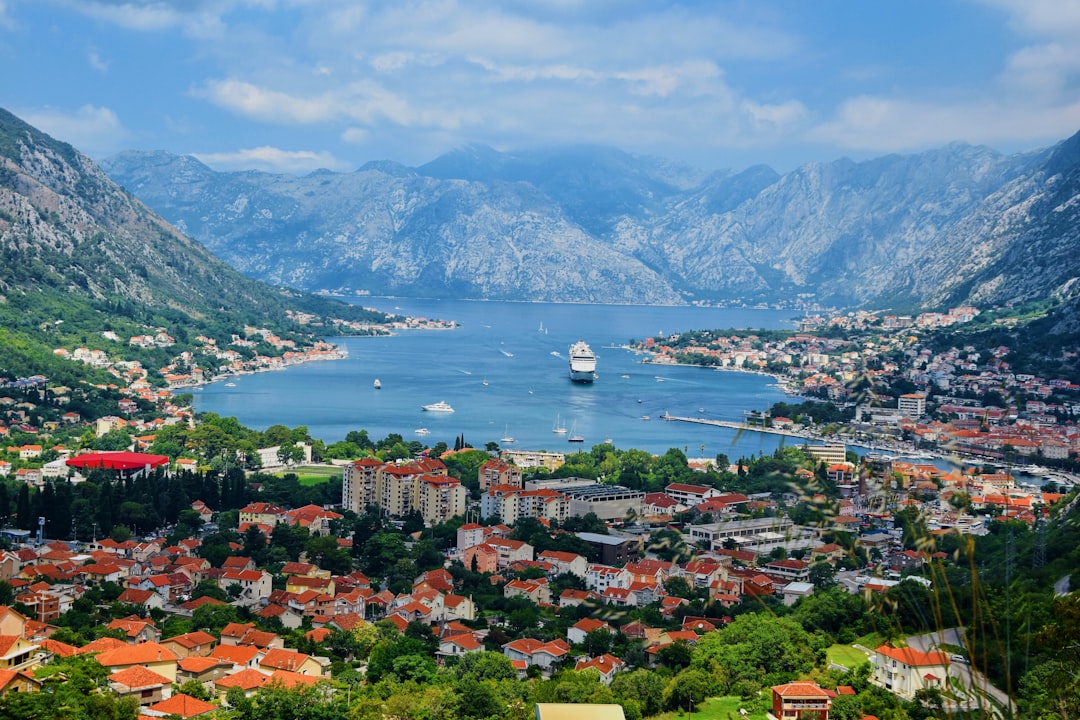
Montenegro packs extraordinary diversity into just 13,883 km² — from Adriatic beaches to Alpine peaks topping 2,500 m, all within a country of 617,213 people. Founded as an independent state in 2006 after splitting from Serbia, it adopted the euro (€) despite not being an EU member, making budgeting straightforward for European travellers. The Bay of Kotor, one of the world’s southernmost fjords, alone draws visitors from over 50 countries every year.
Three Things Not to Miss in Montenegro
- Bay of Kotor (Boka Kotorska) — Europe’s southernmost fjord-like bay, ringed by medieval walls climbing 1,350 steps above the walled old town.
- Durmitor National Park — A UNESCO-listed massif with 18 glacial lakes and Europe’s deepest canyon, Tara River Canyon, at 1,300 m deep.
- Sveti Stefan — A 15th-century fortified island village converted into a luxury hotel — the most photographed landmark on the Adriatic coast.
Scroll down for our complete travel guide with tips on getting there, where to stay, costs and more.
Getting to Montenegro & Getting Around
Which airports are the best entry points into Montenegro?
Podgorica Airport (TGD) and Tivat Airport (TIV) are your two options. In my experience, choose based on your itinerary: TIV is 4 km from Tivat town and drops you directly on the Bay of Kotor — ideal if you’re heading to Kotor, Budva, or the Riviera. TGD is 12 km south of the capital and better suited if you want to explore the interior or visit Skadar Lake first. Ryanair and EasyJet serve both airports seasonally. The honest caveat: both airports are small with limited year-round routes, so in winter you may need to connect via Belgrade (BEG) or Vienna (VIE).
How do I get from the airport to my first accommodation in Montenegro?
From Tivat Airport (TIV) to Kotor old town costs roughly €15–20 by taxi and takes 25 minutes — I recommend pre-booking with a local driver to avoid overcharging. From Podgorica Airport (TGD) to the city centre, official taxis charge a flat €12–15, taking about 15 minutes. My tip: the airport bus from TGD to Podgorica bus station costs just €1.50 and runs roughly every 30 minutes during peak hours. What surprised me: there is no Uber or Bolt operating at either airport as of 2025, so cash for a taxi is essential. Avoid unlicensed drivers who approach you inside the terminal — always use the official taxi rank.
What transport options are there within Montenegro?
Montenegro’s transport mix is functional but limited. Intercity buses are the backbone — reliable, air-conditioned, and cheap at €5–15 for most routes. The single train line runs from Bar on the coast through Podgorica to Bijelo Polje, continuing into Serbia — it’s scenic through the Morača canyon but slow at around 2 hours for Bar–Podgorica. Taxis are affordable at roughly €0.70–0.90 per km, with InDriver app working in major towns. In my experience, renting a car unlocks the best of Montenegro — mountain villages and national parks are simply not reachable otherwise. Ferries cross the Bay of Kotor between Kamenari and Lepetane for €5 per car, saving 45 minutes of driving.
Do I need a rental car in Montenegro?
Yes — for any itinerary beyond the coast, a rental car is essential. I’ve tried doing Durmitor and Prokletije without one: it’s possible but painful, involving 4-hour bus rides and missed viewpoints. Expect to pay €30–55 per day for a compact car in high season from agencies in Budva or Podgorica. My tip: book at least 3 weeks ahead in July and August — local fleets are small and sell out fast. The honest caveat: mountain roads around Lovćen and Durmitor are narrow, steep, and occasionally single-lane with no barriers — don’t underestimate them in a small hatchback. A higher-clearance vehicle is genuinely worth the extra €10/day if you plan off-road excursions.
How good is the public transport network between regions of Montenegro?
Adequate for coast-to-capital routes, poor for mountains. The Podgorica–Budva bus runs roughly every 30 minutes and costs €6, taking 1.5 hours — I’ve used it frequently and found it reliable. Kotor to Herceg Novi is served by regular buses for €4. However, reaching Žabljak (the gateway to Durmitor) requires a single daily bus from Podgorica taking 3.5 hours for €10 — miss it and you’re stranded. The Bar–Belgrade train is spectacular scenery-wise but takes 11 hours, which is a serious time commitment. My honest warning: bus timetables posted online are often outdated — always confirm departure times at the bus station the day before.
Where to Stay in Montenegro
Which regions should I stay in when visiting Montenegro?
It depends entirely on your priorities. The Bay of Kotor — specifically Kotor old town or the village of Perast — offers the finest medieval atmosphere and is my personal favourite base. Budva Riviera suits beach-focused travellers, with the old town walkable from most hotels. Žabljak is the only viable base for Durmitor National Park at 1,450 m altitude. For total seclusion, the Luštica Peninsula remains largely undeveloped with wild coves. In my experience, splitting 4 nights in Kotor and 3 nights in Žabljak gives you the perfect coastal-mountain balance. Avoid basing yourself in Podgorica unless you have business there — the capital lacks the scenic payoff of coastal or mountain towns.
What does good accommodation cost per night in Montenegro?
Expect to pay €60–100 for a solid 3-star guesthouse or boutique hotel in Kotor or Budva during summer. Luxury options like Aman Sveti Stefan charge upwards of €600 per night, which is exceptional even by Adriatic standards. In Žabljak, comfortable guesthouses run €35–55 — outstanding value for the mountain setting. In my experience, privately-owned ’sobe’ (rooms for rent) signs throughout coastal villages offer the best value at €40–70 including breakfast, often in family homes with sea views. What surprised me: Podgorica hotels cost the same as coastal towns despite offering far less atmosphere — €50–80 for a 3-star is the norm there too.
When should I book hotels in Montenegro — how far in advance?
For July and August, book coastal accommodation at least 3 months ahead — Kotor old town has fewer than 20 hotels within the walls and they fill completely. For Žabljak and Durmitor, 4–6 weeks is usually sufficient even in peak summer. Shoulder season (May, June, September, October) gives you real flexibility — 2–3 weeks ahead is fine. In my experience, the worst mistake is showing up unbooked to Kotor in late July: every guesthouse within 10 km will be full by noon. My tip: contact family-run guesthouses directly via email — they often hold back rooms from booking platforms and offer 10–15% lower rates for direct bookings.
When is the best time to travel to Montenegro?
July and September are the optimal months based on climate data. July delivers guaranteed sunshine with Adriatic temperatures hitting 26–28°C — perfect beach conditions but also peak crowds. September is my personal favourite: sea temperature stays at 24°C, coastal towns thin out dramatically after August, and hiking in Durmitor becomes spectacular with early autumn colours. June is underrated — warm, uncrowded, and 15–20% cheaper than peak July prices. What surprised me: October along the coast is genuinely pleasant at 18–20°C with almost no tourists. Avoid January and February unless you’re specifically visiting Kolašin ski resort, where snowfall is reliable above 1,600 m.
How does peak season affect prices in Montenegro?
Dramatically. Accommodation prices in Budva and Kotor spike 60–100% between mid-July and mid-August compared to June. A guesthouse room costing €45 in May regularly hits €80–90 in August. Restaurant prices along the Budva promenade inflate by roughly 20–30% — the same grilled fish dish costs €18 in August versus €13 in October. In my experience, the biggest hidden price hike is parking: spots in Kotor old town jump from €1.50/hour in May to €3–4/hour in August. My honest warning: the Montenegrin coast hosts over 2.5 million tourists annually in a country of 617,213 people — the ratio means peak season genuinely overwhelms infrastructure, with 45-minute waits for restaurants on the Budva waterfront.
Best Time to Visit Montenegro
Which regions of Montenegro have different climate zones?
Montenegro has 3 distinct climate zones packed into a tiny area. The Adriatic coast (Kotor, Budva, Bar) enjoys a Mediterranean climate with dry, hot summers averaging 30°C and mild winters at 10–12°C. The central highland zone (Podgorica, Skadar Lake basin) is continental-Mediterranean — Podgorica regularly records Montenegro’s hottest temperatures, touching 42°C in July, making it the hottest capital in Europe. The northern mountains (Durmitor, Bjelasica, Prokletije) have an alpine climate: Žabljak at 1,450 m can see snow from October through April and summer highs rarely exceed 22°C. In my experience, you can tan on the beach and ski the same day — the drive from Budva to Kolašin ski resort is just 2.5 hours.
What are the rainy seasons in Montenegro?
Montenegro’s coast, specifically Kotor, holds the record for the wettest city in Europe, receiving over 4,900 mm of rainfall annually — though this falls almost entirely outside summer. The coastal rainy season runs November through March, with November and December being particularly wet. What surprised me: July and August on the coast are virtually rain-free — I’ve visited 4 times in summer without a single full rain day. The northern mountains receive heavy snowfall from November through April and occasional summer thunderstorms in June. My honest caveat: those dramatic afternoon thunderstorms in Durmitor can roll in fast even in July — always carry a waterproof layer if you’re hiking above 1,800 m.
What does a trip to Montenegro cost per person per day?
Budget travellers staying in hostels and eating local can manage €45–55/day. A comfortable mid-range experience — guesthouse, sit-down meals, one activity — runs €90–130/day. Luxury travellers at boutique hotels with wine and boat trips should budget €200–350/day. In my experience, the sweet spot is €100–120/day per person as a couple: it buys a good private room in Kotor or Budva, 3 solid meals, a local beer at €2.50, and one paid activity like a Skadar Lake boat tour at €25. What surprised me: Montenegro is significantly cheaper than Croatia for equivalent quality — the same waterfront dinner costs roughly 30% less on the Montenegrin side of the Adriatic.
How expensive is food in Montenegro?
Local food is genuinely affordable if you eat where locals eat. A full meal of grilled meat, salad, and bread at a konoba (traditional tavern) outside tourist zones costs €8–12. A pizza in Podgorica’s Stara Varoš neighbourhood runs €6–8. Fresh grilled fish on the coast is the main splurge — expect €15–22 for a portion in a waterfront restaurant. In my experience, the best budget move is ordering ćevapi (grilled minced meat rolls) from bakeries for €2–3 — filling and delicious. Coffee culture is strong: an espresso costs €1–1.50 everywhere. My honest warning: tourist restaurants on Budva’s old town walls charge €20–30 for fish dishes that are half the price 5 minutes inland.
What hidden costs should I expect in Montenegro?
3 costs catch travellers off guard. First, the tourist tax: most coastal municipalities charge €1–2 per person per night, added to your accommodation bill — budget €14–28 extra for a week-long coastal stay. Second, boat excursion markups: tours sold through hotel desks in Budva cost €35–50, while the same trip booked directly at Budva harbour runs €20–25. Third, ATM fees: local ATMs charge €2–4 per withdrawal regardless of your bank — withdraw larger amounts less frequently. In my experience, the sneakiest cost is paid beach loungers: prime spots on Jaz Beach charge €15–25 for two sunbeds, which adds up quickly over a week. Free public beach sections exist but require arriving before 9am in peak season.
What a Trip to Montenegro Costs
How much cash should I bring to Montenegro?
Bring enough for your first 2–3 days — roughly €100–150 — then use ATMs locally. Montenegro uses the euro (€), which simplifies budgeting for European travellers. Cash remains essential in smaller villages, Žabljak mountain restaurants, local markets, and for paying the tourist tax. In my experience, Kotor, Budva, and Podgorica all have plentiful ATMs (NLB Bank and CKB Bank charge the lowest fees at around €2 per transaction). My tip: withdraw at bank-branded ATMs inside bank branches rather than standalone street machines, which sometimes apply dynamic currency conversion scams. Card payments are accepted in all hotels and most restaurants, but don’t rely on it at roadside food stalls or rural guesthouses.
Which credit cards are accepted in Montenegro?
Visa and Mastercard are accepted in virtually all hotels, larger restaurants, and supermarkets in coastal towns and Podgorica. American Express is hit-or-miss — accepted at upscale hotels like Regent Porto Montenegro but refused at most local restaurants. In my experience, contactless payment works reliably at Idea and Voli supermarket chains. The honest caveat: rural Montenegro — including most of Durmitor, Prokletije, and smaller villages along Skadar Lake — runs almost entirely on cash. I’ve been caught cashless in Plav (near the Albanian border) where the single ATM was out of service. Always have at least €50 in cash as a buffer before venturing inland. No foreign transaction fees apply since Montenegro uses the euro.
Which regions of Montenegro must I not miss?
3 regions are non-negotiable. The Bay of Kotor is the crown jewel — the walled city of Kotor, the baroque village of Perast, and the island church of Our Lady of the Rocks form one of the Mediterranean’s finest cultural circuits. Durmitor National Park near Žabljak offers the most dramatic scenery: the Tara River Canyon at 1,300 m deep is the deepest in Europe, and Black Lake (Crno Jezero) is a 45-minute walk from town. Prokletije National Park on the Albanian border is Montenegro’s least-visited but arguably most spectacular wilderness — the Grebaje Valley hike remains almost tourist-free. In my experience, skipping the capital Podgorica is perfectly acceptable for short trips — it has charm but limited wow-factor.
What are the tourist highlights of Montenegro?
Beyond the 3 highlights listed above, don’t overlook Ostrog Monastery — carved directly into a vertical cliff face at 900 m altitude, it’s the most visited Orthodox pilgrimage site in the Balkans and spiritually overwhelming even for non-religious visitors. Skadar Lake National Park is the largest lake in the Balkans at 391 km² and a critical bird sanctuary — pelicans, cormorants, and herons nest here in numbers I’ve never seen elsewhere in Europe. Sveti Stefan islet (even if you can’t afford the Aman hotel) is worth the drive along Sveti Stefan beach for the view. The old town of Ulcinj in the far south, with its Ottoman heritage and proximity to Ada Bojana island, feels unlike anywhere else in Montenegro.
What experiences in Montenegro are found nowhere else on Earth?
3 genuinely unique experiences stand out. First, white-water rafting the Tara River Canyon — at 1,300 m deep and 82 km long, this is Europe’s deepest canyon and the rafting through it (a 2-day trip from €90) has no equivalent on the continent. Second, taking the historic Bar–Belgrade train: built in 1976 and crossing 254 bridges and 254 tunnels through impossibly dramatic mountain scenery — it’s one of the great train journeys of Europe and costs just €20–25 for the full route. Third, wild camping on the Prokletije plateau above 2,000 m with zero other hikers in sight — in a country this small bordering 5 nations, the isolation is extraordinary and completely free.
Regions & Highlights of Montenegro
Which areas of Montenegro are overcrowded — and what are the quieter alternatives?
Kotor old town and Budva beach are genuinely overwhelmed in July and August — cruise ships dump 3,000–5,000 passengers into Kotor’s 4 km² walled city on peak days, making movement unpleasant by 10am. My alternatives: stay in Perast (12 km from Kotor) or the village of Dobrota — same bay access, a fraction of the crowds. Instead of Budva’s Slovenska beach, use Jaz Beach (4 km west) or Buljarica beach near Petrovac, both larger and far less packed. For Durmitor without the weekend crowds, visit on Tuesday or Wednesday and use the Plužine or Trsa trailheads rather than the main Black Lake car park. In my experience, the Luštica Peninsula is the coast’s best-kept secret — wild coves, no parasols, 30 minutes from Tivat.
How many days do I need in Montenegro?
7 days is the minimum to do Montenegro justice; 10–12 days is ideal. A 7-day structure I recommend: 3 nights in Kotor (day trips to Perast, Lovcen, and Budva), 2 nights in Žabljak (Tara Canyon and Black Lake hike), and 2 nights back on the coast for Sveti Stefan and Skadar Lake. In my experience, travellers who spend only 3–4 days on the coast leave without understanding the country’s extraordinary mountain character — that’s a genuine mistake. 10 days allows you to add Prokletije National Park and the southern coast around Ulcinj, which feel like completely different countries. What surprised me: distances look short on a map but mountain roads make a 150 km journey take 3+ hours.
Do I need a visa to visit Montenegro?
Citizens of the EU, USA, UK, Canada, and Australia do not need a visa — entry is visa-free for up to 90 days within a 180-day period. Montenegro is not an EU member, so EU passport holders still go through passport control. In my experience, border crossings with Croatia (at Debeli Brijeg) take 5–30 minutes depending on season — up to 2 hours in August. Citizens of India, China, and Russia require a visa — apply through the nearest Montenegrin embassy at least 3 weeks before travel. My honest warning: Montenegro has a tourism tax registration requirement — accommodation providers are legally obliged to register your stay with local authorities, so always get a receipt confirming this, especially in private rentals.
What languages are spoken in Montenegro?
Montenegrin is the official language, mutually intelligible with Serbian, Croatian, and Bosnian — locals switch between all four without effort. In my experience, English is widely spoken in coastal tourist areas — Kotor, Budva, Tivat, and Herceg Novi present no language barrier whatsoever for English speakers. Russian is surprisingly useful in resort areas, reflecting Montenegro’s significant Russian tourist and expat community. The honest caveat: in mountain villages around Plav, Rožaje, or rural Prokletije, English knowledge drops sharply — a few basic phrases in Serbian (’hvala’ for thank you, ’koliko košta’ for how much does it cost) go a long way and earn genuine warmth from locals. Google Translate with offline Serbian download handles the rest.
What cultural rules do I need to know before visiting Montenegro?
Dress modestly when visiting Orthodox monasteries and churches — shoulders and knees must be covered. At Ostrog Monastery, scarves and wraps are provided at the entrance but bring your own to avoid the queue. Montenegrins have a strong tradition of hospitality — refusing offered food or rakija (fruit brandy) can cause mild offence, so at least take a symbolic sip. In my experience, the concept of ’fjaka’ (a southern Balkan attitude of relaxed pace) means service in restaurants moves slowly by northern European standards — pushing for the bill is considered rude. Photography of military installations and border crossings is prohibited. Tipping is appreciated but not obligatory — 10% in restaurants is generous and genuinely welcomed. Smoking remains common in indoor spaces in smaller towns.
Practical Tips for Montenegro
How safe is Montenegro for travellers?
Montenegro is very safe for tourists — petty crime rates are low and violent crime targeting visitors is rare. In my experience visiting coastal towns and mountain villages at all hours, I’ve never felt unsafe. The honest caveat: Podgorica has experienced organized crime-related shootings in recent years, concentrated in specific neighbourhoods — these rarely affect tourists but the reality shouldn’t be ignored. Bag snatching occurs occasionally on Budva’s beachfront promenade in peak season — keep valuables secured. Mountain safety is the bigger practical concern: Durmitor and Prokletije trails are poorly marked, weather changes fast above 2,000 m, and mountain rescue response times can exceed 2 hours. Always register your hiking plan with the national park ranger station in Žabljak before serious mountain excursions.
What health precautions should I take before visiting Montenegro?
No mandatory vaccinations are required for most nationalities. I recommend being up-to-date on hepatitis A and tetanus — standard for the Balkans. Tick-borne encephalitis is a real risk in forested mountain areas: use DEET repellent and check yourself after hikes in Bjelasica and Prokletije. Tap water is safe to drink in most towns, including Kotor and Podgorica. The honest caveat: Montenegro has no reciprocal health agreements with the EU — EHIC cards are not valid here. Purchase comprehensive travel insurance covering mountain rescue and helicopter evacuation, which can cost €3,000–8,000 without coverage. The nearest well-equipped hospital is Clinical Centre of Montenegro in Podgorica — coastal towns have smaller facilities, and serious cases get transferred.
What SIM card or eSIM options are available in Montenegro?
Roaming charges apply for EU travellers — Montenegro is outside the EU, so your free EU roaming does not work here. Local SIM cards are the smart move: Telenor, m:tel, and One (formerly T-Mobile) all sell tourist SIMs at airports and phone shops. In my experience, Telenor’s €10 tourist package gives 5 GB of data and is available at Tivat Airport on arrival. eSIM options via Airalo or Holafly cost around €8–12 for 5 GB — I recommend pre-purchasing one before departure for immediate connectivity on landing. Coverage is strong along the coast and in Podgorica, but expect significant dead zones in Durmitor’s backcountry and the Prokletije mountains where even local SIMs lose signal above 1,800 m.
Which apps do you recommend for travelling in Montenegro?
Maps.me with offline Montenegro map downloaded is my top recommendation — it works without signal in mountain areas where Google Maps fails. For transport, GetByBus shows real Montenegrin intercity bus timetables and allows ticket booking — far more reliable than outdated static websites. InDriver (not Uber) works in Podgorica, Budva, and Kotor for affordable taxis — always cheaper than street taxis. Booking.com has the widest inventory for Montenegrin accommodation, including local guesthouses. For hiking, Wikiloc has user-uploaded GPX tracks for Durmitor and Prokletije trails that are otherwise unmarked. XE Currency handles euro conversions if you’re coming from outside the eurozone. What surprised me: Montenegro has no national transport app — GetByBus genuinely fills a critical gap.
What are common traveller mistakes in Montenegro?
In my experience, 5 mistakes repeat constantly. First, underestimating driving times — the road from Kotor to Žabljak is 150 km but takes 3+ hours on mountain switchbacks. Second, visiting Kotor old town at 10am in August — arrive before 8am or after 6pm to avoid cruise ship crowds of 4,000+ passengers. Third, only seeing the coast — Montenegro’s mountains are its greatest asset and most visitors miss them entirely. Fourth, not booking Ostrog Monastery accommodation — the site fills with pilgrims overnight and day visitors face 2-hour queues at peak times. Fifth, assuming EU roaming works — it doesn’t, and data costs without a local SIM can be shocking. My tip: downloading offline maps before leaving hotel WiFi has saved me countless times in signal-free mountain zones.
Montenegro at a Glance
| Population | 617,213 |
|---|---|
| Currency | EUR (€) |
| Official language | Montenegrin |
| Time zone | UTC+01:00 |
Source: Wikidata, retrieved August 2026.
Explore Montenegro by Region
- Budva Riviera
- Bay of Kotor
- Durmitor
- Central Montenegro
- North Montenegro
- Bar
- Budva
- Herceg Novi
- Kotor
- Perast
- Podgorica
- Sveti Stefan
Essential Resources for Planning Your Trip to Montenegro
- Wikipedia: Montenegro — history, geography & background
- Wikivoyage: Montenegro — community travel guide & practical tips
- Montenegro Travel 2026 – Lonely Planet | Europe — expert itineraries & travel inspiration
- THE 15 BEST Things to Do in Montenegro (2026) — hotels, restaurants & traveller reviews
- How can you journey to us? — how to get around
- Numbeo: Cost of Living in Montenegro — current prices & cost comparison
- Timeanddate: Montenegro Weather & Climate — forecasts & climate statistics
More Perspectives on Montenegro
- Ultimate Guide to Montenegro: Travel Guide to My Favorite …
- Montenegro Travel Guide by Rick Steves
- The Ultimate Montenegro Travel Guide; Top Things To Do
Montenegro Travel Videos
Watch these videos for a visual preview before your trip:
- Top 10 Places To Visit in Montenegro – Travel Guide
- First Time in Montenegro? Watch This Before Visiting! | HONEST Montenegro Travel Guide
- MONTENEGRO TRAVEL GUIDE: 30+ Tips We Wish We Knew! (& What Not to Do!)
Montenegro Travel Discussions on Reddit
Real traveller experiences and community advice:
- Just got back from Montenegro – here’s my honest review
- Honest thoughts about Montenegro (Kotor region) : r/travel
- Planning to Travel Montenegro
Data Sources
This page was compiled using data from Wikipedia, Wikidata, Open-Meteo (climate), Numbeo (cost of living) and REST Countries. Information is updated regularly.