
Kenya: The Complete Travel Guide (2026)
Last reviewed: August 2026 · key facts checked against Wikidata
Kenya Travel Guide: Everything You Need to Know (2026)
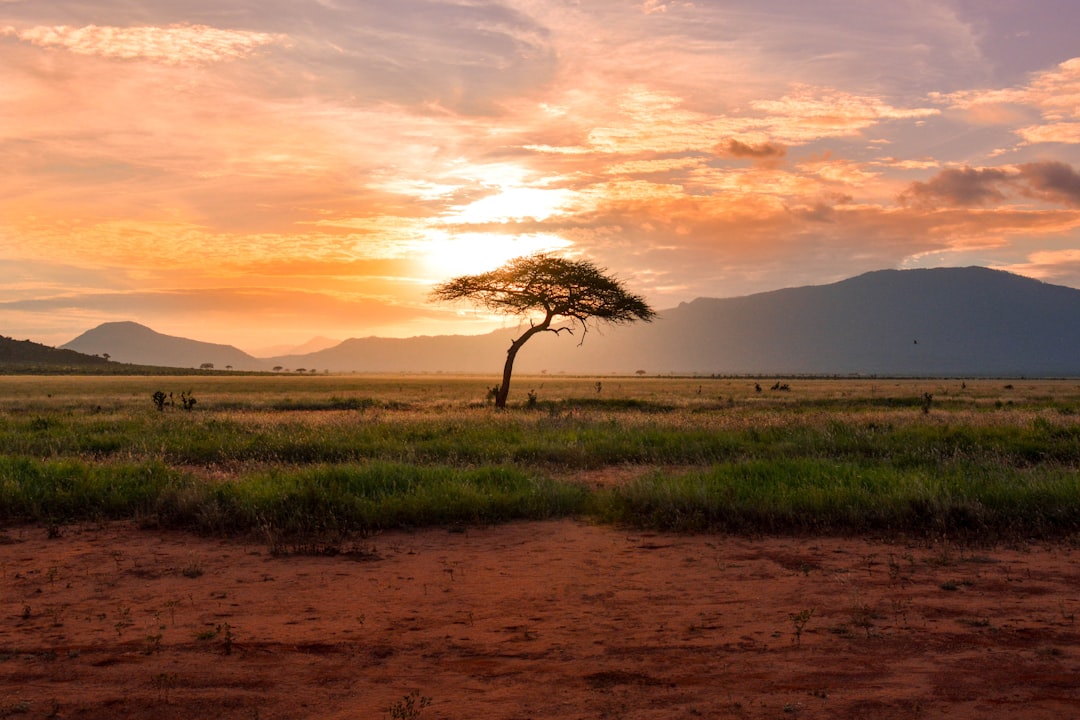
Kenya, East Africa’s most iconic safari destination, is home to over 53 million people and sits astride the equator at altitudes ranging from sea level to 5,199m at Mount Kenya’s peak. Nairobi, the capital founded in 1899 as a railway depot, is Africa’s fourth-largest city and one of the continent’s few capitals located within a national park. From the Maasai Mara to the Indian Ocean coast, Kenya packs extraordinary geographic and cultural diversity into a single country.
Top 3 Highlights at a Glance
- Maasai Mara National Reserve — Home to the Great Wildebeest Migration, with over 1.5 million animals crossing between July and October.
- Amboseli National Park — Offers the world’s most photogenic elephant herds framed against Kilimanjaro’s 5,895m snow-capped summit.
- Lamu Old Town — A UNESCO World Heritage Site founded in the 14th century, accessible only by boat, with zero motorized vehicles.
Scroll down for our complete travel guide with tips on getting there, where to stay, costs and more.
Getting There & Transport
Which airports are the best entry points into Kenya?
Jomo Kenyatta International Airport (NBO) in Nairobi is Kenya’s primary international gateway — use it for 95% of trips. It handles direct flights from London, Amsterdam, Dubai, and Doha. Moi International Airport (MBA) in Mombasa is the second option, ideal if you’re heading straight to the coast and skipping Nairobi entirely. My tip: avoid routing through MBA for a first visit — connections are limited and flight prices are significantly higher. What surprised me: NBO has a dedicated domestic terminal where you board light aircraft to bush airstrips like Keekorok or Kalama for safari camps — build in 90 minutes between international arrival and any domestic connection, not the 60 minutes most people assume.
How do I get from the airport to my first accommodation in Kenya?
Take a pre-booked airport transfer — do not use unmarked taxis outside NBO arrivals. In my experience, legitimate operators like Uber, Bolt, or hotel shuttles are the safest and most affordable options. A Bolt ride from NBO to Westlands or Upper Hill costs approximately KES 1,200–1,800 (roughly $9–14 USD). The honest caveat: traffic on Mombasa Road between NBO and Nairobi CBD can add 60–90 minutes during evening rush hour (4–7 PM) — book afternoon arrivals only if your hotel is within 5km of the airport. My tip: the Nairobi Expressway (opened 2022) cuts journey time to 20 minutes but adds a toll of roughly KES 400–600.
What transport options are there within Kenya?
Domestic flights, private transfers, and matatus are your three real choices. Domestic flights between Nairobi and safari destinations like Maasai Mara take 45 minutes and cost $150–350 USD one way — essential for remote northern parks like Samburu. Private safari vehicles are the standard for game drives. Matatus (minibuses) connect towns like Nairobi to Nakuru for KES 400–600 but are chaotic and unreliable for schedule-dependent travelers. I recommend against long-distance matatus for first-timers. The SGR train (Standard Gauge Railway) runs Nairobi to Mombasa in 4.5 hours for KES 1,000–3,000 — one of Africa’s best rail experiences and genuinely worth taking at least one way.
Do I need a rental car to explore Kenya?
For Nairobi city stays, no — Uber and Bolt work well. For self-drive safaris, you need a 4WD — a standard sedan will strand you in Tsavo or the Mara within an hour. Rental 4WDs (Toyota Land Cruiser or Hilux) cost $80–150 USD per day from operators like Central Rent-A-Car in Nairobi. The honest warning: self-drive safaris require serious navigation skills — most parks have unmarked tracks and zero phone signal. In my experience, first-timers to Kenya are better served by hiring a driver-guide through their lodge or a company like Gamewatchers Safaris for $200–300/day all-in, which includes the vehicle, fuel, and expert guiding.
How good is the public transport network between regions in Kenya?
Functional but uncomfortable for tourists targeting wildlife areas. The SGR train Nairobi–Mombasa is the standout — 4.5 hours, air-conditioned, punctual, and genuinely pleasant. Buses like Easy Coach connect Nairobi to Kisumu (5–6 hours, KES 1,200) and Nakuru (2 hours, KES 600) reliably. Beyond these corridors, public transport collapses — there is no bus to Amboseli, Samburu, or any major safari park. My tip: use the SGR for the Nairobi–Mombasa leg, then switch to private transfers for the coast. What surprised me is how many budget travelers underestimate how isolated parks are — the Maasai Mara is 270km from Nairobi with the last 80km on corrugated dirt road.
Accommodation
Which regions of Kenya should I stay in?
Stay in Nairobi (1–2 nights) for logistics, then choose based on your priority. Maasai Mara is non-negotiable for wildlife — base yourself inside or adjacent to the reserve for early morning game drives. Amboseli suits photographers chasing Kilimanjaro backdrops. The Laikipia Plateau (around Nanyuki) offers private conservancies with rhino tracking that the Mara can’t match. For coast, Diani Beach south of Mombasa is far superior to the overdeveloped north coast. Lamu Archipelago suits travelers wanting culture over beach tourism. My honest trade-off: Kenya’s regions are far apart — a 7-day trip cannot realistically cover Mara, Laikipia, AND Lamu without exhausting travel days.
What does good accommodation cost per night in Kenya?
Expect a wide range driven almost entirely by location. In Nairobi, a solid 3-star hotel in Westlands costs $60–100 USD/night. Budget guesthouses in Kilimani run $25–45. The real cost spike is at safari camps — a mid-range tented camp in the Maasai Mara starts at $300/night full board, and luxury camps like Angama Mara or Mahali Mzuri charge $800–1,500/night per person. The caveat most guides omit: full-board pricing at safari camps sounds expensive until you realize it includes all meals, game drives, and park fees — comparing it to a hotel room rate is misleading. On the Diani Beach coast, quality beach hotels run $80–200/night.
When should I book hotels in Kenya — how far in advance?
Book Maasai Mara camps at least 6–12 months in advance for July–October migration season — top camps like Governors’ Camp or Sanctuary Olonana sell out by January for peak dates. Nairobi hotels can typically be booked 4–6 weeks out with no penalty. Coast hotels at Diani need 2–3 months lead time for December–January. My honest warning: the cheapest Mara camps fill first, not the most expensive ones — budget options like Mara Sopa Lodge get booked out by European tour operators in bulk. What surprised me is that last-minute availability in the Mara does occasionally appear due to cancellations, but prices jump by 30–50% when booking within 30 days.
When is the best time to travel to Kenya?
July–October is the peak wildlife season, coinciding with the Great Migration in the Maasai Mara — wildebeest river crossings peak in August and September. January–March is an excellent shoulder season: dry, uncrowded, and 20–30% cheaper than peak rates, ideal for Amboseli and Samburu. June and December are also strong months with reliable dry conditions. My tip: if the migration is your primary goal, target mid-July to mid-October specifically. The honest trade-off: the long rains in April–May bring thick vegetation making animals harder to spot, though landscape photographers love the lush green scenery and lodge prices drop by up to 40%.
How does peak season affect prices in Kenya?
Peak season (July–October) inflates safari camp prices by 40–80% versus low season. A camp that charges $350/night in March may charge $600+ in August. Park fees set by Kenya Wildlife Service (KWS) for the Maasai Mara are $200 per adult per day (24-hour fee) in high season versus $70 in low season — a difference most travelers don’t anticipate. Nairobi hotels are largely unaffected by safari seasonality but spike during major conferences. My recommendation: January offers the best value-to-quality ratio in Kenya — dry weather, active wildlife at Amboseli, and mid-range Mara camps at $250–350/night full board versus $500+ in August.
Best Time to Visit
Which regions of Kenya have different climate zones?
Kenya spans five distinct climate zones within one country. The central highlands around Mount Kenya (5,199m) have cold alpine conditions year-round with frost above 3,500m. Nairobi sits at 1,795m giving it a temperate climate, rarely exceeding 26°C. The Rift Valley around Naivasha and Nakuru is warm and dry. Northern Kenya (Marsabit, Turkana) is semi-arid to arid — temperatures hit 38°C regularly. The Indian Ocean coast (Mombasa, Diani) is tropical: hot and humid year-round with temperatures averaging 30°C. My tip: pack layers even for a coastal trip if you’re combining it with highland or Mara nights — temperature swings of 15°C between coast and Nairobi are common.
What are the rainy seasons in Kenya?
Kenya has two rainy seasons, not one. The long rains run from mid-March to late May, with April being the wettest month — heavy daily downpours make some dirt roads to parks impassable. The short rains fall in October–November, lighter and more predictable, rarely disrupting safaris for more than an hour per day. My honest caveat: the short rains coincide with peak migration in the Mara — you may experience afternoon showers during an otherwise excellent October trip. The northern parks (Samburu, Turkana) receive far less rainfall than the south and can be visited year-round with minimal disruption. What surprised me: Nairobi in April can feel almost British — grey, cool, and persistently wet.
What does a trip to Kenya cost per person per day?
Budget varies enormously by travel style. A budget backpacker staying in Nairobi guesthouses and using matatus can manage $40–60/day. A mid-range traveler combining city hotels with one mid-tier safari spends $200–350/day all-in. A luxury safari traveler at top camps should budget $700–1,500/day including park fees and full board. The figure most people underestimate is KWS park fees — the Maasai Mara charges $200/person/day in high season, which alone blows most daily budgets. My tip: book full-board safari packages rather than itemizing costs — they bundle game drives, meals, accommodation, and often park fees into one transparent daily rate.
How expensive is food in Kenya?
Local food is genuinely affordable; tourist restaurants in Nairobi are not. A nyama choma (roasted meat) plate at a local joint in Ngong Road costs KES 500–800 ($4–6 USD). A plate of ugali with sukuma wiki (stewed greens) at a roadside restaurant is KES 150–250 ($1–2). Mid-range restaurants in Westlands charge KES 1,500–3,000 ($11–23) for mains. Upscale Nairobi restaurants like those at The Alchemist bar complex average KES 2,500–4,000 per main. The caveat: food at safari camps is included in your full-board rate — the quality is often extraordinary, but you lose the option of eating cheaply. Beach resort buffets in Diani are typically included or cost $25–40/day as a meal plan add-on.
What hidden costs should I expect in Kenya?
The three costs that genuinely shock first-timers: KWS park fees at $200/person/day in the Maasai Mara high season (often excluded from camp rates at budget lodges), domestic flight baggage limits of just 15kg soft-bag only on bush aircraft (overweight fees are $5–10/kg), and tipping culture at safari camps. Guide tips run $15–25/day per guide, camp staff tips $10–15/day — on a 5-day Mara trip that’s easily $150–200 in gratuities. My tip: always ask safari operators to confirm whether park fees are included in quoted rates — the difference between ‘rates exclusive of park fees’ and ‘all-inclusive’ is $400+ on a 2-night stay.
Budget & Costs
How much cash should I bring to Kenya?
Bring $200–300 USD cash as emergency backup plus enough Kenyan shillings for daily expenses. M-Pesa, Kenya’s mobile money system, is accepted almost everywhere including small guesthouses and markets — set it up with a local SIM within 24 hours of arrival. ATMs are widely available in Nairobi, Mombasa, and Nakuru (use Equity Bank or KCB machines — they have higher withdrawal limits of KES 40,000 per transaction). The honest warning: remote safari areas have zero ATMs — draw sufficient shillings in Nairobi before heading to the Mara or northern parks. USD cash is accepted at many lodges and for park fees but at unfavorable exchange rates — convert at forex bureaus in Nairobi’s Westlands for 5–10% better rates than hotels.
Which credit cards are accepted in Kenya?
Visa is the most widely accepted card in Kenya, followed by Mastercard. Amex acceptance is limited to upscale Nairobi hotels and lodges. Most safari camps accept card payment for the final bill but apply a 3–5% surcharge — confirm in advance. Supermarkets like Naivas and Carrefour in Nairobi accept both Visa and Mastercard without surcharge. My tip: carry a card with zero foreign transaction fees (Revolut or Wise work well) — standard UK/US bank cards often charge 2.75–3% on every transaction. The caveat: card machines in Kenya frequently fail or go offline — always have KES 5,000–10,000 cash as backup for any day outside Nairobi.
Which regions of Kenya must I not miss?
The Maasai Mara is non-negotiable for a first visit — no other place on earth concentrates predator-prey interaction at this scale. Amboseli National Park (240km south of Nairobi) is essential for elephant and Kilimanjaro photography. Laikipia Plateau around Ol Pejeta Conservancy is Kenya’s best rhino destination and home to the world’s last 2 northern white rhinos. The Kenyan coast centered on Diani Beach delivers Indian Ocean beauty with genuine Swahili culture. My honest trade-off: the Rift Valley lakes (Nakuru for flamingos, Naivasha for hippos) are frequently skipped by first-timers rushing to the Mara — but Lake Nakuru National Park is just 160km from Nairobi and can be combined into any itinerary.
What are the tourist highlights of Kenya?
The Great Wildebeest Migration in the Maasai Mara (July–October) tops every list for good reason — 1.5 million wildebeest cross the Mara River in scenes that feel prehistoric. Nairobi National Park is the world’s only national park bordering a capital city — lions with skyscrapers in the background, 7km from the CBD. Ol Pejeta Conservancy offers the last 2 northern white rhinos alive. Lamu Old Town — a UNESCO site founded in the 14th century — has no cars and donkey-only transport lanes. Mount Kenya (5,199m) is Africa’s second-highest peak with accessible summit routes from Naro Moru. The Giraffe Centre in Nairobi’s Langata suburb is a legitimately worthwhile conservation project, not just a tourist gimmick.
What experiences in Kenya are found nowhere else on earth?
Three are genuinely unique to Kenya. First, witnessing a Mara River crossing during migration — the specific combination of crocodile, wildebeest, and big cat interaction at Serena or Mara Triangle crossings cannot be replicated in Tanzania’s Serengeti. Second, tracking the last 2 northern white rhinos at Ol Pejeta under armed ranger escort — this is the only place on earth this is possible, and a visit directly funds their protection. Third, staying in a Maasai manyatta (homestead) with a community-owned camp like Porini Mara — sleeping inside a functioning village, not a theatrical re-creation. What surprised me: the camel trekking through the Samburu desert north of the equator offers a landscape and culture utterly different from any southern Kenya experience.
Regions & Highlights
Which areas of Kenya are overcrowded — and what are quieter alternatives?
The Maasai Mara in peak August–September is genuinely overcrowded — 30+ vehicles around a single lion kill is not unusual. My alternative: the Mara Triangle (western zone managed by Mara Conservancy) has 30% fewer vehicles than the central Mara. Better still, private conservancies bordering the reserve — Naboisho, Olare Motorogi, Mara North — limit vehicles to 3 per sighting by policy. Amboseli crowds at the famous Observation Hill viewpoint but the park interior is rarely overrun. The coast around Mombasa’s Nyali Beach is overdeveloped — head 30km south to Diani or 60km north to Watamu instead. Tsavo East is Kenya’s largest park yet sees a fraction of the Mara’s visitor numbers.
How many days do I need to visit Kenya properly?
Minimum 10 days for a meaningful Kenya trip; 14 days is ideal. A practical breakdown: 2 nights Nairobi (logistics, Giraffe Centre, Nairobi National Park), 3 nights Maasai Mara, 2 nights Amboseli, 3 nights Diani coast. That’s 10 nights with significant travel days. Adding Laikipia (Ol Pejeta) requires 2 more nights and a domestic flight. My honest caveat: many travelers try to squeeze Kenya into 7 days — the result is exhausting transfers and insufficient time at each location. What surprised me: 3 nights minimum in the Mara is necessary for a reliable river crossing sighting — one-night fly-in visits are a gamble. Budget travelers should note the SGR train adds 4.5 hours but saves a domestic flight cost on the Mombasa leg.
Do I need a visa to visit Kenya?
Kenya launched a visa-free policy for all nationalities in January 2024, replacing the previous eVisa system. You now receive a free Electronic Travel Authorization (ETA) valid for 90 days — apply at etakenya.go.ke at least 72 hours before travel, costing $30 USD. Despite the ‘visa-free’ branding, the ETA is mandatory — arriving without one causes significant delays. My honest warning: the ETA website has experienced outages — apply 1 week in advance to allow for resubmission if needed. ETA approval typically takes 24–72 hours. Passport must be valid for at least 6 months beyond your entry date. Keep your ETA confirmation on your phone — officials at Jomo Kenyatta do check it at immigration.
What languages are spoken in Kenya?
English and Swahili are both official languages, and English is genuinely used in daily business, safari camps, hotels, and government — not just in tourist zones. In my experience, English proficiency in Nairobi is among the highest in Africa; even market vendors in Gikomba switch to English without hesitation. Swahili (Kiswahili) is the true lingua franca across all 47 counties — learning 10 words unlocks enormous goodwill. Essential phrases: Habari (Hello/How are you), Asante sana (Thank you very much), Pole pole (slowly/carefully). Kenya has 68 indigenous languages — the Maasai speak Maa, the Kikuyu speak Gikuyu. No translation app is needed for any mainstream tourist circuit, but it helps in northern Kenya’s Turkana or Marsabit regions.
What cultural rules do I need to know before visiting Kenya?
At the coast, Kenya is majority Muslim in towns like Lamu and Malindi — dress conservatively (shoulders and knees covered) when walking town streets, even if your resort is beachside. In Maasai communities, always ask permission before photographing individuals — a fee of KES 100–300 per photo is standard and fair. Handshakes are universal greetings; refusing one is considered rude. The honest caveat most guides omit: LGBTQ+ relationships are illegal in Kenya under Section 162 of the Penal Code — public displays of affection carry genuine legal risk. My tip: when visiting local homes or mosques, remove shoes at the entrance without being asked — it signals cultural awareness. Haggling is expected in markets but aggressive bargaining at local craft stalls is considered disrespectful.
Practical Tips
How safe is Kenya for travelers?
Kenya is broadly safe for tourists on established safari circuits and beach resorts, but requires situational awareness in Nairobi CBD and Mombasa’s Old Town at night. Nairobi neighborhoods like Westlands, Kilimani, and Karen are low-risk and well-patrolled. Avoid Eastleigh and Pangani after dark. Petty theft (phone snatching from vehicle windows) remains common — close windows in traffic on Mombasa Road. The honest warning: the northeastern counties (Mandera, Garissa, Wajir) near the Somali border are genuinely dangerous and under active UK/US travel advisories — do not visit without expert security briefing. Safari areas themselves are statistically very safe. My tip: use Bolt rather than hailing street taxis — always know your driver’s plate number.
What health precautions should I take before visiting Kenya?
Yellow fever vaccination is required if arriving from a yellow fever endemic country — carry your Yellow Card certificate. Malaria prophylaxis is essential for all regions below 2,500m (Nairobi at 1,795m is borderline — most doctors recommend prophylaxis for Mara and coast). Start Doxycycline or Atovaquone-Proguanil (Malarone) as directed by your GP 2 days–1 week before arrival. Typhoid and Hepatitis A vaccines are strongly recommended. Drink bottled or treated water only — tap water in Nairobi is technically treated but inconsistent quality. My honest caveat: safari camps almost universally provide safe drinking water, but budget guesthouses often do not. Pack a high-SPF sunscreen (hard to find locally outside Nairobi) and strong DEET repellent (50%+) for coast and Mara evenings.
What SIM card or eSIM options are available in Kenya?
Buy a Safaricom SIM at Jomo Kenyatta Airport arrivals immediately after customs — it takes 10 minutes and costs KES 100 for the SIM plus your chosen data bundle. Safaricom’s Mpesa-enabled SIM gives you Kenya’s best network coverage across the Mara, Amboseli, and coast. A 1GB data bundle costs KES 99 and lasts 7 days; 5GB for 30 days costs KES 500 ($4). Airtel Kenya is cheaper but has patchy coverage in national parks. For eSIM users, Airalo and Holafly both offer Kenya eSIMs from $9 for 1GB — convenient but Safaricom physical SIMs offer superior rural coverage. My tip: register your SIM immediately (requires passport) — unregistered SIMs are deactivated after 24 hours under Kenyan law.
Which apps do you recommend for traveling in Kenya?
M-Pesa (Safaricom) is the single most important app — load it with cash at any Safaricom agent (found every 200m in Nairobi) and pay for everything from supermarkets to safari tips. Bolt is safer and cheaper than street taxis in Nairobi and Mombasa — always use it over hailing. Maps.me with offline Kenya maps works in zero-signal areas where Google Maps fails. iNaturalist is genuinely useful for ID-ing birds and insects on safari. WhatsApp is the standard communication tool for every Kenyan business, guide, and lodge — your camp will almost certainly send you logistics via WhatsApp. My tip: download Flightaware to track bush aircraft delays on light aircraft routes to the Mara — they run on weather-dependent schedules with zero buffer.
What are the most common traveller mistakes in Kenya?
The 5 mistakes I see repeatedly: First, underestimating park fee costs — budgeting for accommodation but forgetting the Maasai Mara’s $200/person/day KWS fee in peak season. Second, overpacking — bush aircraft have a strict 15kg soft-bag limit; a hard suitcase will be left in Nairobi. Third, booking only 1 night in the Mara — river crossings are unpredictable and require 3+ nights for a reliable sighting. Fourth, exchanging currency at Nairobi airport forex desks — rates are 10–15% worse than bureaus in Westlands. Fifth, skipping the ETA application until the day before travel — the government portal regularly has 24-hour backlogs. My tip: build 1 buffer day in Nairobi at the end of your trip — bush flight delays are common and missing international connections from NBO is a real risk.
Kenya at a Glance
| Population | 48,468,138 |
|---|---|
| Currency | Kenyan shilling (Ksh) |
| Official language | Swahili, English |
| Time zone | UTC+03:00 |
Source: Wikidata, retrieved August 2026.
Essential Resources for Planning Your Trip to Kenya
- Kenya Travel Advisory | Travel.state.gov — official visitor information, passes & events
- Wikipedia: Kenya — history, geography & background
- Wikivoyage: Kenya — community travel guide & practical tips
- Kenya travel – Africa — expert itineraries & travel inspiration
- THE 15 BEST Things to Do in Kenya (2026) — hotels, restaurants & traveller reviews
- Travel and Tourism in Kenya — how to get around
- Numbeo: Cost of Living in Kenya — current prices & cost comparison
- Timeanddate: Kenya Weather & Climate — forecasts & climate statistics
- Practical Information
More Perspectives on Kenya
Kenya Travel Videos
Watch these videos for a visual preview before your trip:
- HOW TO TRAVEL KENYA – 10 Days in Paradise
- Where to Go in Kenya (Detailed Travel Guide)
- Travel Guide to Kenya
Kenya Travel Discussions on Reddit
Real traveller experiences and community advice:
- My travel experience in Kenya
- Trip to Kenya last summer : r/solotravel
- Any unusual risks visiting Kenya as an American? : r/travel
Data Sources
This page was compiled using data from Wikipedia, Wikidata, Open-Meteo (climate), Numbeo (cost of living) and REST Countries. Information is updated regularly.