
Costa Rica: The Complete Travel Guide (2026)
Last reviewed: August 2026 · key facts checked against Wikidata
Costa Rica Travel Guide: Everything You Need to Know (2026)
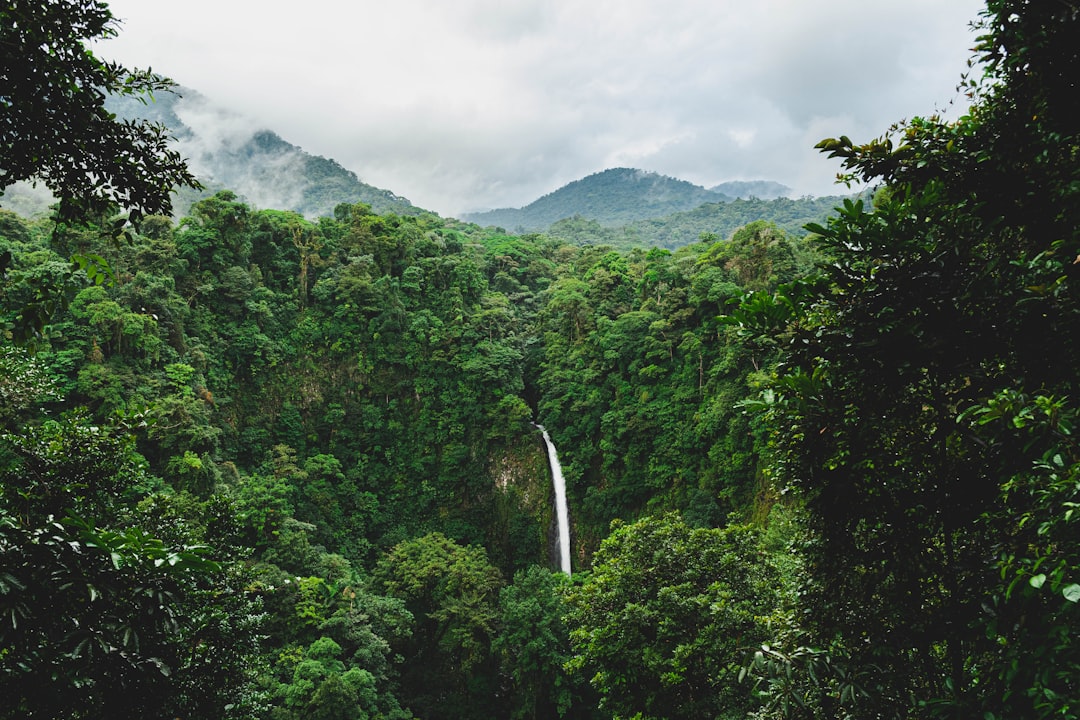
Costa Rica packs extraordinary biodiversity into just 51,100 square kilometers — a country that protects over 25% of its land as national parks and reserves, more than almost anywhere on Earth. With a population of 5,265,575 in the Greater San José metro area and a coastline on both the Pacific and Caribbean, this Central American nation has built its entire tourism identity around ‘pura vida’ and genuine ecological richness. Founded as a republic in 1848, it remains one of the most stable democracies in Latin America and abolished its military in 1948.
Top 3 Highlights at a Glance
- Arenal Volcano & La Fortuna — A near-perfect 1,670-meter stratovolcano looming over hot springs — one of Central America’s most iconic natural backdrops.
- Manuel Antonio National Park — Costa Rica’s most-visited park combines white-sand beaches with rainforest teeming with sloths, monkeys, and scarlet macaws.
- Monteverde Cloud Forest Reserve — Suspended bridges through misty forest canopy at 1,440 meters altitude — home to the resplendent quetzal and 400+ bird species.
Scroll down for our complete travel guide with tips on getting there, where to stay, costs and more.
Getting There & Transport
Which airports are the best entry points into Costa Rica?
Juan Santamaría International Airport (SJO) in San José is the main entry point for Costa Rica, handling 90% of international arrivals. In my experience, SJO is the right choice if you’re heading to Arenal, Monteverde, or the Caribbean coast. Daniel Oduber Quirós International Airport (LIR) in Liberia is the smarter option if your trip centers on Guanacaste beaches like Tamarindo or Sámara — it saves you a 4-hour drive from San José. What surprised me: many travelers fly into SJO out of habit even when Liberia would cut their journey in half. LIR has expanded significantly and now has direct flights from the US and Canada.
How do I get from the airport to my first accommodation in Costa Rica?
Skip the unmarked taxis outside SJO — use only the official orange Taxis Unidos booth inside arrivals. I recommend pre-booking a private shuttle for around $15–25 per person to central San José, or $50–80 to destinations like La Fortuna. The public Tuasa bus to San José city center costs just $1 and departs steps from the terminal, but handles luggage poorly. My tip: if arriving late at night, a private transfer to your hotel in Alajuela (5 minutes from SJO) makes far more sense than heading into San José traffic. For LIR, pre-arranged shuttles to Tamarindo run about $25 per person.
What transport options are there within Costa Rica?
Costa Rica offers four realistic options: public buses, shared shuttles, rental cars, and domestic flights. Public buses connect almost every town and cost as little as $3–12 for intercity routes — they’re reliable but slow. Interbus and Monkey Ride shuttles cost $25–55 per person and connect tourist hubs door-to-door. Domestic flights with Sansa Airlines from SJO to Quepos, Liberia, or Puerto Jiménez take 35–50 minutes versus 4–6 hours by road. What most guides omit: roads in Costa Rica are genuinely terrible in places — unpaved routes to Tortuguero or deep Osa Peninsula don’t exist at all, making boats the only option. Plan travel times generously.
Do I need a rental car in Costa Rica?
Yes, for most itineraries a rental car transforms your trip in Costa Rica. Without one, you’re locked into shuttle timetables and miss spontaneous waterfalls, local sodas, and uncrowded beaches. I recommend renting from Adobe Rent A Car or Vamos — avoid airport counter surprises by booking in advance online. Budget $40–70 per day for a basic 4WD, which you genuinely need, not just for show. The honest caveat: insurance is a minefield. Costa Rica mandates Mandatory Third Party Liability (TPL), and most domestic policies don’t cover damages on unpaved roads. Budget an extra $15–25/day for full coverage. If you’re staying only in Manuel Antonio or Arenal town, you can manage without a car.
How good is the public transport network between regions in Costa Rica?
Functional but slow — Costa Rica’s public bus network is comprehensive for the price. Tica Bus and regional operators connect San José to every major destination, with San José to La Fortuna taking about 4 hours for roughly $4, and San José to Quepos costing $6 for a 3.5-hour ride. In my experience, the main limitation isn’t availability but frequency — many rural routes run only 1–2 times daily, and missing the bus means waiting until the next day. The Caribe terminal in San José serves the Caribbean coast; the Atlántico and Coca-Cola terminals cover Pacific and northern routes. My warning: the Coca-Cola terminal area is rough — arrive by taxi, not on foot with luggage.
Accommodation
Which regions of Costa Rica should I stay in?
Stay in Arenal/La Fortuna for volcano and jungle immersion — it’s the single most rewarding base for first-timers. Guanacaste (Tamarindo, Santa Teresa, Nosara) suits beach-focused travelers wanting surf and dry-season reliability. Manuel Antonio delivers beach-plus-wildlife in a compact, well-serviced package. Puerto Viejo de Talamanca on the Caribbean side offers the most authentic laid-back vibe with Afro-Caribbean culture and Cahuita National Park on the doorstep. What surprised me: San José itself is underrated as a 1-night base — the Barrio Escalante neighborhood has a genuine food scene — but staying more than 2 nights there is a waste of Costa Rica’s landscapes. Choose your base by coast: Pacific or Caribbean.
What does good accommodation cost per night in Costa Rica?
In my experience, a solid mid-range lodge in Costa Rica runs $80–150 per night for a double room with breakfast. Budget guesthouses in La Fortuna or Puerto Viejo start at $30–50. Eco-lodges in the Osa Peninsula (like those near Corcovado) jump to $200–400 per night because of their remote location and all-inclusive structure. In Guanacaste, beachfront boutique hotels in Nosara or Santa Teresa easily reach $180–300. The honest trade-off: the cheapest options often mean cold showers and no air conditioning, which is bearable on the Caribbean coast but brutal in lowland Pacific heat. Booking direct with lodges often beats OTA prices by 10–15% — always worth a quick email.
When should I book hotels in Costa Rica — how far in advance?
Book 3–4 months in advance for travel between December and April — Costa Rica’s dry season — especially for popular eco-lodges in Monteverde, Arenal, and Manuel Antonio. For Christmas and Easter week (Semana Santa), 6 months is not too early; the country fills with domestic tourists and the best properties sell out entirely. In my experience, the shoulder months of May and November allow booking 3–4 weeks ahead without stress. The caveat most guides skip: small eco-lodges with only 6–12 rooms in places like Drake Bay or Caño Negro book up faster than large beach resorts. Prioritize locking in those first, then fill in your transit nights around them.
When is the best time to travel to Costa Rica?
December through April is the classic dry season — Pacific beaches are stunning and roads are passable. Based on verified climate data, May, June, July, and August also rank as excellent travel months, particularly for the Caribbean coast (which runs on a reverse rainfall cycle) and for green-season deals with 30–40% lower lodge prices. My personal recommendation: February and March for Guanacaste and Manuel Antonio; September and October are genuinely the wettest months and some lodges close entirely in the Osa Peninsula. What most guides omit: July and August bring a brief ’veranillo’ dry spell on the Pacific side — a genuine hidden window of good weather that coincides with European and American summer holidays.
How does peak season affect prices in Costa Rica?
Peak season (mid-December to mid-April) raises accommodation costs by 30–50% versus green season. A lodge room that costs $90 in October becomes $130–140 in January. Tour operators also fill fast — the famous Corcovado National Park ranger-guided tours book out weeks ahead during peak season since the park limits daily visitors to 200 per entry point. Flights into SJO and LIR from North America spike by $150–300 around Christmas. My tip: the first two weeks of December offer peak-season weather at near-shoulder prices — one of Costa Rica’s best-kept timing secrets. What surprised me: domestic Costa Rican tourists drive Semana Santa prices even higher than the Christmas-New Year window in some beach towns.
Best Time to Visit
Which regions of Costa Rica have different climate zones?
Costa Rica has 6 distinct climate zones across a remarkably small territory. The Central Valley (San José, Alajuela) sits at 1,100–1,500 meters with a mild spring-like climate year-round averaging 22°C. Guanacaste is the driest zone — almost desert-like from January to April. The Central Pacific (Manuel Antonio) is humid and lush with a pronounced wet season. The Caribbean Coast (Puerto Viejo, Tortuguero) receives rain year-round — over 3,500mm annually — with drier spells in February-March and September-October. Monteverde Cloud Forest at 1,440 meters is cool, misty, and windy regardless of season. The Osa Peninsula is the wettest lowland zone, receiving up to 5,000mm per year — plan accordingly.
What are the rainy seasons in Costa Rica?
The main rainy season on the Pacific side runs May through November, peaking in September and October. In my experience, ‘rainy season’ doesn’t mean all-day downpours — it typically means 2–4 hours of heavy afternoon rain with sunny mornings, which is very workable. The Caribbean coast operates differently: its wettest months are December through January and June through July, with relative dry spells in February-March and September-October. The honest warning: September and October in the Osa Peninsula and southern Pacific can mean road washouts, closed lodges, and genuinely difficult conditions — this is not just light rain. Tortuguero remains accessible year-round via boat and small plane regardless of rainfall.
What does a trip to Costa Rica cost per person per day?
Budget backpackers in hostels and local sodas can survive on $50–65/day. A comfortable mid-range traveler — private lodge, 1 guided tour, meals at mix of local and tourist restaurants — should budget $150–200/day. A premium eco-lodge experience with guided tours in places like Drake Bay or Lapa Rios runs $350–500/day all-in. What surprised me: activities are Costa Rica’s biggest budget variable. A Corcovado day hike costs $50–80 in guide fees alone; white-water rafting on the Pacuare River runs $99–120; zip-lining in Monteverde starts at $45. Factor in 1–2 activities per day when calculating your real daily spend — most travelers underestimate this line item significantly.
How expensive is food in Costa Rica?
At a soda (local family restaurant), a full casado meal — rice, beans, protein, salad — costs $5–8. In my experience, eating like a local in Costa Rica is genuinely affordable. Tourist restaurants in La Fortuna or Manuel Antonio charge $12–20 per main course. A beer at a local bar runs $2–3; at a resort bar, $5–7. Supermarket groceries from Walmart (yes, they operate here) or Auto Mercado are moderately priced — bread, local cheese, and fruit cost comparable to Southern Europe. The honest caveat: seafood is surprisingly expensive relative to expectations — a whole grilled fish in a beachfront restaurant can hit $20–28. Breakfast at your hotel often represents the best value meal of the day if included.
What hidden costs should I expect in Costa Rica?
The biggest surprise: car rental insurance. Basic collision damage waiver is mandatory, and full coverage adds $15–30/day that most comparison sites exclude from headline prices. National park entrance fees are $18–20 per person at major parks like Manuel Antonio and Corcovado — these add up fast on a two-week itinerary. Mandatory ranger guides in Corcovado cost an additional $25–50. Exit taxes are included in airline tickets since 2014, so that’s no longer a trap. What most guides skip: many remote lodges in Tortuguero or the Nicoya Peninsula add a 10% service charge plus 13% IVA tax to bills — ask upfront whether quoted prices are tax-inclusive, as they frequently are not.
Budget & Costs
How much cash should I bring to Costa Rica?
Bring enough to carry $100–200 USD in cash at any time. In my experience, US dollars are accepted almost everywhere at a fixed rate — no need to carry large amounts of colones (the local currency, currently around 510 CRC per USD). ATMs from Banco Nacional and BAC Credomatic are reliable in all tourist areas and dispense both USD and colones. The honest warning: ATMs in remote areas like Montezuma, Puerto Jiménez, and Caño Negro are scarce or frequently empty — stock up cash before heading off the beaten track. Many sodas, rural guides, and small guesthouses are cash-only. I always keep a $50 emergency bill separate from my wallet when traveling in the Osa Peninsula.
Which credit cards are accepted in Costa Rica?
Visa and Mastercard are accepted at the vast majority of hotels, larger restaurants, and tour operators in Costa Rica. American Express works at upscale resorts and some car rental companies but is rejected at smaller businesses. In my experience, Capital One and Charles Schwab debit cards are the smartest choices for ATM withdrawals — zero foreign transaction fees and full ATM fee rebates. The honest trade-off: many businesses in Costa Rica add a 3–5% surcharge for credit card payments without advertising it — always ask before handing over your card. Petrol stations (RECOPE-branded) in rural areas are often cash-only. Contactless payments are growing in San José and Liberia but remain unreliable outside major towns.
Which regions of Costa Rica must I not miss?
Arenal and La Fortuna for first-time visitors — the combination of volcano, hot springs, and jungle is unmatched in Central America. Monteverde for cloud forest immersion at altitude — the hanging bridges at Selvatura or Monteverde Sky Adventures are genuinely magical. The Osa Peninsula and Corcovado National Park for serious wildlife seekers — National Geographic called it ‘the most biologically intense place on Earth.’ Tortuguero for sea turtle nesting (July–October) and canal wildlife watching from a boat. My tip: don’t try to see all of these in one trip — the distances are deceptive. A 10-day itinerary covering Arenal, Monteverde, and Manuel Antonio is more rewarding than rushing through 6 regions in 2 weeks.
What are the tourist highlights of Costa Rica?
Beyond the three highlights listed above, Tortuguero National Park is unmissable — accessible only by boat or small plane, it protects the most important Green Turtle nesting beach in the Caribbean, with 50,000+ turtles nesting annually. Poás Volcano in the Central Valley offers a 1-kilometer-wide active crater reachable in a 45-minute drive from San José. Cahuita National Park on the Caribbean coast combines coral reef snorkeling with beachside rainforest and only costs $6 entry. Rincón de la Vieja National Park near Liberia has thermal mud pools and waterfalls in a dramatically dry landscape. What surprised me: the Nicoya Peninsula towns of Santa Teresa and Mal País have quietly become world-class surf destinations rivaling Bali for consistent beach breaks.
What experiences in Costa Rica are found nowhere else?
Watching Olive Ridley sea turtles during an ’arribada’ mass nesting at Ostional Beach — thousands of turtles emerging simultaneously, a spectacle that happens at only a handful of beaches globally. Night kayaking through Tortuguero’s canals with bioluminescent plankton lighting your paddle strokes. White-water rafting the Class IV-V Pacuare River through untouched rainforest gorge — widely considered among the top 5 rafting rivers on Earth. Watching Resplendent Quetzals feeding on wild avocado trees in San Gerardo de Dota at 2,200 meters altitude — a bird so spectacular it was worshipped by the Maya. In my experience, the Pacuare rafting and a Corcovado guided hike are the two experiences that genuinely cannot be replicated anywhere else in the world.
Regions & Highlights
Which areas of Costa Rica are overcrowded — what are quieter alternatives?
Manuel Antonio on weekends from December to April is genuinely overrun — the park caps visitors but the town feels like a budget resort strip. My alternative: Ballena Marine National Park near Uvita, just 40 minutes south — whale sharks, humpback whales, and a fraction of the crowds. La Fortuna town center is increasingly touristy; stay instead at a lodge along Highway 142 toward the lake for the same volcano views without the souvenir-shop gauntlet. Monteverde receives 250,000 visitors per year — go instead to San Gerardo de Dota for cloud forest birding with almost no crowds. Tamarindo has lost its soul to development — Nosara and Samara offer comparable Pacific beach life with far more authenticity and 30% lower prices.
How many days do I need for Costa Rica?
10–14 days is the minimum for a genuinely satisfying Costa Rica experience. A 7-day trip forces you into an exhausting pace of daily transfers between regions — the roads make everything take longer than the map suggests. In my experience, the ideal first-timer itinerary is: 2 nights San José/Alajuela, 3 nights Arenal, 2 nights Monteverde, 3 nights Manuel Antonio — that’s 10 days covering volcanic, cloud forest, and Pacific beach environments. If you have 14 days, add either Puerto Viejo (Caribbean) or a 3-night Osa Peninsula/Corcovado segment. The honest caveat: many travelers overpack their itinerary and spend half their trip on shuttle buses. Building in a ’slow day’ every 3 days dramatically improves the experience.
Do I need a visa for Costa Rica?
Citizens of the US, Canada, EU, UK, Australia, and New Zealand do not need a visa for Costa Rica — entry is granted on arrival for up to 90 days. You must show a return or onward ticket and proof of sufficient funds (officially $100 per month of stay, rarely enforced but worth knowing). Passport validity must extend at least 6 months beyond entry. Citizens of around 60 countries including China and India require a visa — check the Costa Rican DGME website for the current list. My tip: even without a visa requirement, immigration officers do ask for onward flight proof — having a printed or digital booking ready speeds up arrival at SJO significantly, especially during peak season when queues stretch 45–60 minutes.
What languages are spoken in Costa Rica?
Spanish is the official language of Costa Rica, spoken by virtually the entire population. In my experience, English proficiency is high in tourist areas — La Fortuna, Manuel Antonio, Monteverde, and Tamarindo all have English-speaking staff at hotels, tour operators, and better restaurants. On the Caribbean coast in Puerto Viejo, a distinctive Creole English (Mekatelyu) is spoken alongside Spanish as a first language by Afro-Caribbean communities. Outside tourist circuits — rural bus stations, local sodas, small towns in Guanacaste highlands — Spanish is essential. My tip: learning 20 key Spanish phrases transforms your interactions at local sodas and markets. Google Translate’s offline Spanish pack is a reliable backup for menus and signage.
What cultural rules do I need to know in Costa Rica?
’Pura vida’ is not a cliché — it’s a genuine social philosophy meaning patience and positivity are expected in interactions. Rushing or expressing frustration openly is considered rude. Punctuality is relaxed — ‘Tico time’ means events and meetings often start 15–30 minutes late; accept this gracefully. Dress modestly away from beaches — walking through La Fortuna town or visiting a pulpería in swimwear is considered disrespectful. Tipping is appreciated but not obligatory — 10% at restaurants is the standard where a service charge isn’t already added. The honest caveat most guides skip: bargaining is not part of Costa Rican culture and attempting it in shops or with tour operators creates awkwardness. Accept posted prices as final unless you’re at a craft market.
Practical Tips
How safe is Costa Rica?
Costa Rica is the safest country in Central America for tourists but requires urban street smarts in San José. The Coca-Cola bus terminal area, La Merced, and parts of Los Guidos district have real petty crime — pickpocketing and opportunistic theft are the main risks. Never leave anything visible in a parked rental car — smash-and-grab theft at beach parking lots is the most common crime affecting tourists, particularly at Manuel Antonio and Playa Hermosa. In my experience, rural and tourist areas feel genuinely safe even at night. Rip currents kill more tourists annually than crime — always check the flag system at Pacific beaches before swimming. The OIJ emergency line is 911 (unified since 2015).
What health precautions should I take for Costa Rica?
No mandatory vaccinations are required for Costa Rica, but I recommend being current on Hepatitis A, Typhoid, and Tetanus before departure. Malaria risk is minimal in tourist zones but exists in remote areas of Limón province and the Osa Peninsula — consult a travel doctor if visiting those regions for extended periods. Dengue fever is present year-round — wear DEET-based repellent (30%+) and cover up at dawn and dusk. Tap water in San José and major towns is safe to drink — one of the few Central American countries where this is true. The honest warning: Leishmaniasis exists in Osa lowlands and is rarely mentioned — long sleeves and repellent after dark are non-negotiable in jungle lodges. Travel insurance with medical evacuation coverage is essential given the remoteness of some areas.
What SIM card or eSIM options are available in Costa Rica?
Kolbi (the state provider) offers the widest rural coverage in Costa Rica — a prepaid SIM costs $2 at any Kolbi store or airport, with a 10GB data plan running around $10. Claro and Movistar are cheaper in urban areas but coverage drops sharply outside major towns. In my experience, Kolbi is the only reliable option for the Osa Peninsula, Monteverde cloud zone, and Caribbean lowlands. eSIM options from providers like Airalo (Costa Rica plan: ~$8 for 1GB, ~$20 for 5GB) work well for iOS and modern Android — purchase before departure to activate on arrival. The honest caveat: even Kolbi has dead zones in the Talamanca Mountains and inside national parks — download offline maps.me or Google Maps coverage for any hiking day.
Which apps do you recommend for travelling Costa Rica?
Google Maps with offline maps downloaded is non-negotiable — road data is surprisingly accurate even for dirt tracks. iNaturalist is genuinely transformative for wildlife identification — photograph anything and get a species ID within seconds, which deepens every jungle walk enormously. Waze outperforms Google Maps for real-time road conditions and alerts about potholes and flooded crossings — locals use it universally. Uber works in San José and is safer and cheaper than street taxis — not available outside the capital. WhatsApp is the universal communication tool in Costa Rica — every hotel, tour operator, and guide uses it; get their WhatsApp numbers at check-in. For birders, eBird and Merlin Bird ID by Cornell Lab are essential — Costa Rica’s 900+ bird species make every forest walk rewarding with the right tools.
What are common traveller mistakes in Costa Rica?
The biggest mistake: underestimating driving times. 100km on a map can mean 3 hours of driving on potholed single-lane roads — build massive buffers into every transfer day. Second: booking activities from hotel lobbies where operators charge 20–30% more than direct — always book guides and tours direct via WhatsApp the evening before. Third: visiting Manuel Antonio on a weekend when it’s packed with San José families — go Tuesday through Thursday. Fourth: exchanging currency at the SJO airport where rates are 8–12% worse than ATMs. What surprised me most: travelers consistently underpack for Monteverde’s cold — at 1,440 meters in wind and mist, you need a real fleece and rain jacket even in dry season. Packing only beachwear and discovering this at $40 local prices is a painful lesson.
Costa Rica at a Glance
| Population | 5,265,575 |
|---|---|
| Currency | Costa Rican colón (₡) |
| Official language | Spanish |
| Time zone | UTC−06:00 |
Source: Wikidata, retrieved August 2026.
Essential Resources for Planning Your Trip to Costa Rica
- Travel Resources — official visitor information, passes & events
- Wikipedia: Costa Rica — history, geography & background
- Wikivoyage: Costa Rica — community travel guide & practical tips
- Costa Rica travel – Lonely Planet | Central America — expert itineraries & travel inspiration
- THE 15 BEST Things to Do in Costa Rica (2026) — hotels, restaurants & traveller reviews
- Is transportation easy to attractions without a car in Costa … — how to get around
- Numbeo: Cost of Living in Costa Rica — current prices & cost comparison
- Timeanddate: Costa Rica Weather & Climate — forecasts & climate statistics
More Perspectives on Costa Rica
- What do you wish you had known before your first trip to …
- Costa Rica Travel Tips And Resources
- Travel & safety tips
Costa Rica Travel Videos
Watch these videos for a visual preview before your trip:
- Costa Rica Ultimate Travel Guide: 16 Tips & Traps
- Costa Rica travel guide – 10 experiences you CAN’T MISS in 2026
- Costa Rica Travel Guide 2026 | What You NEED to Know
Costa Rica Travel Discussions on Reddit
Real traveller experiences and community advice:
- What I didn’t know before traveling to Costa Rica
- r/CostaRicaTravel
- What do you wish you had known before your first trip to …
Data Sources
This page was compiled using data from Wikipedia, Wikidata, Open-Meteo (climate), Numbeo (cost of living) and REST Countries. Information is updated regularly.