
Dominica: The Complete Travel Guide (2026)
Last reviewed: August 2026 · key facts checked against Wikidata
Dominica Travel Guide: Everything You Need to Know (2026)
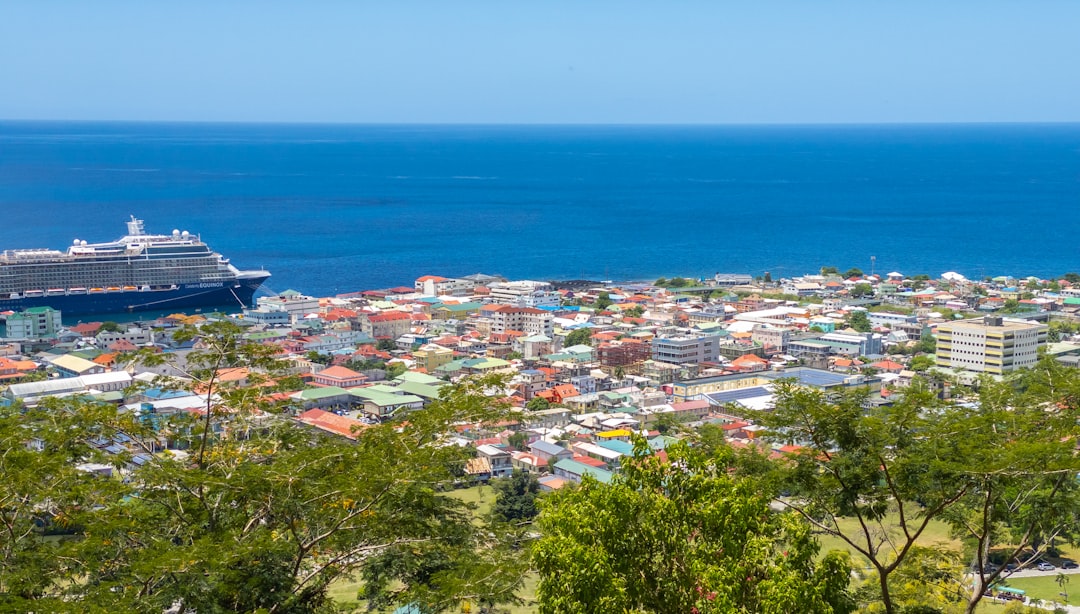
Dominica — nicknamed ‘The Nature Isle of the Caribbean’ — is a volcanic island nation of 74,656 people squeezed into just 750 square kilometres between Guadeloupe and Martinique. Unlike its beach-resort neighbours, Dominica rises to 1,447 metres at Morne Diablotins, making it one of the most rugged and biologically dense islands in the Lesser Antilles. Roseau, the capital on the western coast, was founded by French settlers in the 17th century and remains one of the Caribbean’s most authentic and least commercialised capital cities.
Top 3 Highlights at a Glance
- Boiling Lake — The world’s second-largest boiling lake sits at 2,600 feet elevation — a gruelling 6-hour return hike through the Valley of Desolation.
- Waitukubuli National Trail — The Caribbean’s only long-distance hiking trail spans 184 km across the entire island from north to south.
- Champagne Reef — A volcanic snorkel site near Soufrière where geothermal vents release bubbles directly beneath you — utterly unique in the Caribbean.
Scroll down for our complete travel guide with tips on getting there, where to stay, costs and more.
Getting There & Transport
Which airports are the best entry points into Dominica?
Douglas-Charles Airport (DOM) in the northeast is Dominica’s main international gateway — use it. In my experience, the airport handles regional jets from San Juan (SJU), Bridgetown (BGI), Fort-de-France (FDF), and Pointe-à-Pitre (PTP). There are no long-haul direct flights; you must connect through a Caribbean hub. American Airlines via San Juan and LIAT/Caribbean Airlines are the primary feeders. A smaller airstrip, Canefield Airport (DCF), sits 5 km north of Roseau and is used for light charter planes only. What surprised me: most travellers don’t realise they can also arrive by ferry from Martinique or Guadeloupe — sometimes cheaper than flying the final leg.
How do I get from the airport to my first accommodation in Dominica?
Take a pre-arranged taxi — it’s the only reliable option from Douglas-Charles Airport. In my experience, the taxi to Roseau takes about 60–75 minutes along the winding east coast road and costs approximately $40–$55 USD. My tip: arrange your transfer with your hotel in advance because airport taxis are unofficial and prices aren’t metered — agree the fare before you get in. If you’re staying in Portsmouth in the north, you’re actually only 15 minutes from Douglas-Charles, which cuts your costs significantly. The honest caveat most guides omit: there is no public bus from the airport — minibuses don’t serve DOM directly.
What transport options are there within Dominica?
Dominica’s primary public transport is privately operated minibuses running fixed routes between towns for $1–$3 USD per trip. They operate from early morning until roughly 6 pm — after dark, you’re dependent on taxis. I recommend renting a car for any serious island exploration; the road network is improving but still challenging, with many steep switchbacks. Taxis charge fixed inter-town rates posted by the government — Roseau to Portsmouth runs about $50 USD. What surprised me: there are no Uber or ride-share apps operating on the island. For coastal transfers, some guesthouses can arrange boat taxis between villages, which is genuinely faster than driving the mountain roads.
Do I need a rental car in Dominica?
Yes — a rental car transforms your trip completely. Without one, you’re limited to Roseau, Portsmouth, and whatever your minibus route covers. In my experience, hiking trailheads, hot springs, and waterfalls like Emerald Pool are inaccessible without private transport. Rental rates start at $55–$75 USD per day through local operators like Valley Rent-a-Car in Roseau. The honest caveat: you need a local Dominica driving permit (issued at the airport or by car hire firms for approximately $12 USD), and you drive on the left side. Roads are narrow and steep — if you’ve never driven mountain switchbacks, expect a stressful first hour. Book your car at least 2 weeks ahead in high season.
How good is the public transport network between regions in Dominica?
Functional but limited — minibuses connect major towns but not attractions. The Roseau to Portsmouth route is the busiest corridor and runs reliably until early evening. My tip: the minibus hub in New Market Square, Roseau is the central departure point for all routes — show up before 7 am for the best frequency. Buses to the east coast villages of Castle Bruce or La Plaine run infrequently, sometimes just 2–3 times daily. What most guides omit: buses don’t run on Sundays in many rural areas, which can leave you stranded if you haven’t planned. For the Boiling Lake hike starting from Laudat, a taxi is your only realistic option — no public bus serves that trailhead.
Accommodation
Which regions should I stay in when visiting Dominica?
Roseau is the practical base — it has the widest accommodation range, restaurants, and transport connections. Portsmouth in the north is my preferred alternative: smaller, more relaxed, and a 10-minute boat ride to the Indian River, one of Dominica’s most atmospheric experiences. The Soufrière/Scotts Head area in the southwest is spectacular for divers and snorkellers — Champagne Reef is literally on the doorstep — but accommodation options are sparse. The honest trade-off: staying in Roseau means a 60–75 minute drive to most northern attractions. I recommend splitting your stay: 3 nights in Roseau, 2 nights in Portsmouth to avoid repetitive long drives.
What does good accommodation cost per night in Dominica?
Expect to pay $90–$160 USD per night for a comfortable mid-range guesthouse or small hotel. In my experience, Zandoli Inn near Stowe and Crescent Moon Cabins in the rainforest offer exceptional value at around $100–$130 USD and are far more memorable than generic rooms in Roseau. Budget guesthouses in Roseau start at $45–$60 USD. The top-end eco-resort Secret Bay costs $700–$1,000+ USD per night and is genuinely world-class. What most guides omit: Dominica has very few large hotels — accommodation fills fast in peak season, and you’ll rarely find the last-minute deals common on other Caribbean islands. Always book direct with properties to avoid commission markups.
When should I book hotels in Dominica — how far in advance?
Book at least 3 months ahead for travel between December and April. In my experience, Dominica’s accommodation stock is tiny relative to demand — the entire island has fewer than 800 licensed hotel rooms — so popular eco-lodges like Pagua Bay House or Crescent Moon Cabins sell out quickly. For Dive Fest (July) or the World Creole Music Festival (October/November), book 6 months in advance — these events fill every available bed on the island. The honest caveat: cancellation policies here are often stricter than on larger islands. My tip: if travelling in shoulder season (May–June), you have more flexibility, but still confirm by 8 weeks out.
When is the best time to travel to Dominica?
May is the optimal month based on climate data — lower rainfall, manageable humidity, and significantly fewer tourists than December–April peak. In my experience, the December to April dry season gives the most reliable hiking weather — Boiling Lake and the Waitukubuli Trail are best attempted when trails aren’t waterlogged. What surprised me: Dominica is green and lush year-round, so even the wet season has appeal if you’re not hiking. My tip: February and March offer the most comfortable temperatures for active travel. Avoid August through October if you’re risk-averse — that’s the heart of Atlantic hurricane season, and Dominica was severely hit by Hurricane Maria in 2017.
How does peak season affect prices in Dominica?
Peak season (December–April) pushes accommodation prices up 20–40% versus shoulder months. In my experience, a guesthouse that costs $80 USD in May routinely lists at $110–$120 USD in February. Car rental availability also tightens — I’ve seen visitors stranded without transport because they assumed they could book on arrival. The honest trade-off: peak season delivers the most reliable weather for outdoor activities, which is Dominica’s entire selling point. My tip: the World Creole Music Festival in late October/early November is a notable exception — this local event spikes prices dramatically even though it falls in shoulder season. Flights via San Juan or Barbados also cost more in December–April.
Best Time to Visit
Which regions of Dominica have different climate zones?
Dominica has pronounced microclimates driven by its volcanic topography. The western leeward coast — including Roseau — is the driest zone, receiving roughly 1,800 mm of rain annually. The central interior rainforest around Morne Trois Pitons receives over 6,000 mm per year — among the highest rainfall totals in the Caribbean. The northeastern windward coast around Marigot and Castle Bruce gets battered by Atlantic trade winds and sees frequent rain showers. In my experience, you can have sunshine in Roseau while the Boiling Lake trail is in cloud and drizzle simultaneously. My tip: start hikes by 6–7 am before afternoon cloud build-up makes summit trails slippery and visibility poor.
What are the rainy seasons in Dominica?
The primary rainy season runs June through November, peaking in August and September. In my experience, this doesn’t mean constant rain — tropical showers are typically intense but short, often clearing within an hour. However, September and October can bring multi-day downpours that render mountain trails genuinely dangerous. The secondary wet period occurs in December–January with sporadic heavy showers. The honest warning most guides omit: Dominica sits in the Atlantic hurricane belt and was catastrophically hit by Hurricane Maria on September 18, 2017 — which destroyed over 90% of infrastructure. Recovery is ongoing, but the risk is real. Travel insurance with hurricane coverage is non-negotiable if visiting between June and November.
What does a trip to Dominica cost per person per day?
Budget $80–$100 USD per day for a comfortable independent trip. This covers a mid-range guesthouse ($90–$110 USD shared), local meals ($5–$15 USD per meal), and one activity. Backpackers staying in basic guesthouses and eating at market stalls can manage $55–$65 USD daily. Add a rental car ($55–$75 USD/day) and the daily budget climbs to $130–$160 USD — but the car is shared between travelling companions. In my experience, the biggest daily cost spikes come from guided hikes: a licensed guide for Boiling Lake costs $60–$80 USD and is genuinely worth every dollar. The honest caveat: Dominica is not a budget Caribbean destination despite its modest tourism infrastructure.
How expensive is food in Dominica?
Local food is genuinely affordable — budget $5–$10 USD for a full plate at a market canteen or ‘cook-shop’ in Roseau’s Old Market area. The national dish, Mountain Chicken (crapaud frog legs) with rice and callaloo, costs around $8–$12 USD when available. Tourist-facing restaurants in Roseau and Portsmouth charge $15–$30 USD for mains. In my experience, the Cocorico Café in Roseau serves excellent local lunches for $10–$14 USD. Supermarket groceries are expensive — Dominica imports most packaged goods, and a basic shop can surprise you. What most guides omit: fresh fruit and vegetables from roadside sellers are cheap and outstanding — a bag of passion fruit or soursop costs $1–$2 USD.
What hidden costs should I expect in Dominica?
The Dominica local driving permit ($12 USD) catches almost every first-time visitor off-guard — it’s mandatory even with a valid foreign licence. In my experience, the Environmental Surcharge (included in most flight tickets at $40 USD) and the Nature Enhancement Fee ($2 USD per day, collected at national park entrances) add up quickly. Guided hike fees are mandatory in sensitive areas — Boiling Lake guides cost $60–$80 USD. The honest warning: ferry services from Martinique or Guadeloupe charge departure taxes on both ends that aren’t included in the ticket price. Tipping is customary at 10–15% in restaurants. Budget an extra $30–$40 USD per day beyond your base estimates to cover these recurring extras.
Budget & Costs
How much cash should I bring to Dominica?
Bring $200–$300 USD in cash for your first few days — Dominica uses the Eastern Caribbean Dollar (XCD), pegged at 2.70 XCD to 1 USD. In my experience, many guesthouses, local restaurants, market stalls, and minibus operators only accept cash. ATMs exist in Roseau (Scotiabank and National Bank of Dominica on King George V Street) but are frequently out of service or out of cash — I’ve been caught twice. Portsmouth has limited ATM access. My tip: withdraw EC dollars rather than USD — local prices are quoted in XCD and you’ll get shortchanged on informal USD exchanges. Card acceptance is improving but unreliable outside the capital and top eco-lodges.
Which credit cards are accepted in Dominica?
Visa and Mastercard are accepted at major hotels, dive shops, and upmarket restaurants — but that covers perhaps 30% of establishments. In my experience, American Express is rarely accepted anywhere on the island. The Secret Bay resort and Dive Dominica reliably process cards, but the village cook-shop where you’ll eat the best food of your trip? Cash only. My tip: notify your bank before travelling — Dominican transactions trigger fraud alerts on US and UK cards with surprising frequency, leading to embarrassing declines mid-transaction. The honest warning most guides skip: card machines fail regularly due to intermittent internet connectivity. Never leave your hotel without enough XCD cash to cover your day’s activities entirely.
Which regions of Dominica must I not miss?
The Morne Trois Pitons National Park — a UNESCO World Heritage Site — is the unmissable centrepiece, containing Boiling Lake, the Valley of Desolation, and Freshwater Lake. In my experience, the Cabrits National Park near Portsmouth is the most underrated region — the restored Fort Shirley overlooks twin bays with a backdrop of rainforest that genuinely stops you in your tracks. The Soufrière/Scotts Head peninsula in the south is a must for snorkellers and divers — the marine reserve here is one of the Caribbean’s healthiest. Don’t skip the Indian River near Portsmouth, a silent rowing trip through a cathedral-like mangrove tunnel. These four zones cover Dominica’s defining experiences.
What are the tourist highlights of Dominica?
Boiling Lake is the headline — a 65-metre wide cauldron of bubbling water at 2,600 feet, reached via a punishing 6-hour return trail. Trafalgar Falls near Roseau offers a dramatically accessible alternative — twin waterfalls dropping into pools you can actually swim in, reachable in a 20-minute walk from the car park. Champagne Reef at Soufrière is the top snorkel site — geothermal vents create an underwater bubble curtain unique in the Caribbean. The Waitukubuli National Trail covers 184 km across the entire island. In my experience, the Indian River boat tour near Portsmouth is Dominica’s most atmospheric 90 minutes — rowing silently through the jungle-roofed river feels like entering another world.
What experiences in Dominica are found nowhere else?
Three things exist nowhere else on earth. First: Boiling Lake — only the second-largest boiling lake on the planet, accessible only on foot through an active volcanic landscape. Second: Champagne Reef snorkelling — where volcanic vents release carbonation bubbles around you at 1–3 metres depth, giving the surreal sensation of swimming inside a glass of sparkling water. Third: the Sperm Whale population — Dominica’s western coast is one of the few places on Earth where sperm whales are resident year-round, not just passing through. I’ve joined Whale Watch Dominica expeditions where we were in the water with whales within 20 minutes of leaving Roseau harbour. This alone is worth the trip.
Regions & Highlights
Which areas of Dominica are overcrowded — what are quieter alternatives?
Trafalgar Falls gets genuinely crowded between 10 am and 2 pm when cruise ship passengers arrive — avoid this window or arrive before 8 am. The Emerald Pool trail near Castle Bruce suffers the same cruise-day surge. In my experience, the Middleham Falls trail offers a superior waterfall experience with 90% fewer visitors — it’s a longer hike but the 50-metre cascade into a pristine pool is one of Dominica’s best-kept secrets. The east coast villages of Calibishie with their red-sand beaches are completely overlooked by most itineraries. My tip: check whether a cruise ship is docked in Roseau on your planned day — the Port of Dominica website publishes schedules, and 3,000 day visitors transform the experience.
How many days do I need in Dominica?
7 days minimum to do Dominica justice — 10 days is ideal. In my experience, attempting the island in 4–5 days leaves you rushed and you’ll inevitably skip the Boiling Lake hike (which requires a full day) or the northern Cabrits/Portsmouth region. A logical 7-day structure: Days 1–3 based in Roseau covering Morne Trois Pitons, Trafalgar Falls, and Champagne Reef; Days 4–5 road-trip north to Calibishie and the east coast; Days 6–7 in Portsmouth for Indian River and Fort Shirley. The honest caveat: recovery days matter here — the Boiling Lake hike is physically demanding at 19 km return with 1,000 metres of elevation gain. Don’t schedule a major activity the day after.
Do I need a visa for Dominica?
Citizens of the USA, UK, EU, Canada, and most Commonwealth nations enter Dominica visa-free for up to 21 days — extendable to 6 months at the Immigration Office in Roseau. In my experience, entry is smooth: you’ll need a return or onward ticket, proof of accommodation, and sufficient funds. Nationals of approximately 180 countries qualify for visa-free access, making Dominica one of the most accessible Caribbean nations. The honest caveat: Dominica operates a Citizenship by Investment programme that sometimes causes border agents to scrutinise certain passports more carefully — straightforward tourists are waved through quickly. Check the Commonwealth of Dominica Immigration website for your specific nationality, as the list of visa-required countries does shift.
What languages are spoken in Dominica?
English is the official language and spoken universally — you’ll have zero communication barriers as an English speaker. In my experience, most Dominicans speak with a Caribbean lilt that takes a day to tune into, but everyone switches to clearer pronunciation once they realise you’re struggling. Dominican Creole (Kwéyòl) — a French-based creole — is widely spoken between locals and is actively being preserved: you’ll hear it in markets and between friends. A legacy of French colonial history, it’s related to the Creole spoken in Martinique and Guadeloupe. My tip: learning ’mèsi’ (thank you) and ’bonjou’ (good day) in Kwéyòl is genuinely appreciated and will get you warm smiles in village interactions.
What cultural rules do I need to know before visiting Dominica?
Swimwear is strictly for beaches and pools — walking through Roseau or any village in swimwear is considered disrespectful and will attract disapproval. In my experience, Dominicans are warm but reserve genuine friendliness for visitors who show basic courtesy — greet people with ‘Good morning’ before asking anything. The Kalinago Territory on the east coast is the homeland of the indigenous Kalinago people: enter respectfully, buy crafts directly from artisans, and never photograph people without asking. The honest warning most guides omit: LGBTQ+ travellers should exercise discretion — same-sex intimacy, while decriminalised in practice, remains technically illegal under outdated colonial law and public displays may attract negative reactions in rural areas.
Practical Tips
How safe is Dominica for travellers?
Dominica is one of the safest islands in the Caribbean — petty theft exists but violent crime targeting tourists is rare. In my experience, walking through Roseau at night feels more relaxed than most Caribbean capitals. The primary safety concerns are environmental: mountain trails become dangerous in wet weather, river crossings on routes like the Waitukubuli Trail can flash-flood rapidly, and volcanic zones near Boiling Lake have unstable ground and acidic water. My tip: always hike with a licensed guide — not for crime concerns but because trails are unmarked and weather changes fast. The honest warning: Hurricane risk between June and November is the most serious safety consideration — monitor NOAA forecasts and have an evacuation plan.
What health precautions should I take before visiting Dominica?
No mandatory vaccinations are required for entry, but I strongly recommend being up to date on Hepatitis A, Typhoid, and Tetanus before visiting. In my experience, the water in Roseau is generally safe to drink from the tap — it’s treated — but bottled water is wise in rural villages. Dengue fever is present and transmitted by day-biting mosquitoes: use DEET-based repellent at 30–50% concentration religiously, especially around standing water. Leptospirosis is a genuine risk if you swim in rivers or waterfalls after heavy rain — enter water at your own risk and cover any cuts. The honest caveat: medical facilities are limited — the Princess Margaret Hospital in Roseau handles emergencies, but complex cases are evacuated to Martinique or Barbados. Travel insurance with medical evacuation cover is essential.
What SIM card or eSIM options are available in Dominica?
Digicel and Flow (C&W) are the two networks covering Dominica — Digicel has the stronger rural coverage in my experience. Buy a Digicel prepaid SIM at their Roseau store on King George V Street for approximately $5–$8 USD including starter credit. Data bundles of 4 GB cost around $15 USD and are valid for 30 days. eSIM options through providers like Airalo or Holafly work on Dominica and save the hassle of a physical SIM — I recommend these for short trips. The honest caveat: 4G coverage drops to 3G or nothing in the central rainforest, Kalinago Territory, and many east coast villages. The Boiling Lake trail has zero signal for most of its length — download offline maps on Maps.me or Gaia GPS before you leave.
Which apps do you recommend for travelling in Dominica?
Download these before you arrive — reliable internet in the field is not guaranteed. Gaia GPS is essential for hiking trails including the Waitukubuli sections; download the Dominican maps offline. Maps.me with offline Dominica maps handles road navigation when Google Maps loses signal. WhatsApp is how every Dominican business communicates — guesthouses, taxi drivers, and tour guides all use it; get their WhatsApp numbers, not just email. NOAA Weather Radar tracks Caribbean storm systems in real time. In my experience, XE Currency for XCD/USD conversions saves mental arithmetic constantly. The Dominica Forestry, Wildlife & Parks Division has a basic but useful PDF trail guide — download it from their site before departure. No local booking apps exist; everything runs on direct messages.
What are common traveller mistakes in Dominica?
The biggest mistake: underestimating the Boiling Lake hike — I’ve seen fit travellers turn back at the 3 km mark because they wore sandals and brought 500 ml of water. Bring 3 litres, proper hiking boots, and a rain layer. Second mistake: arriving without a car booked — rental fleet is tiny and walking up without a reservation means you’re stuck in Roseau. Third: visiting Trafalgar Falls during cruise hours (10 am–2 pm) — the experience is completely different when 400 day-trippers are scrambling over the rocks. Fourth: not tipping guides — licensed guides earn most of their income from tips; $15–$20 USD per person is appropriate. What surprised me: many visitors book 4 nights and leave frustrated — 7 days is the realistic minimum to experience the island properly.
Dominica at a Glance
| Population | 74,656 |
|---|---|
| Currency | Eastern Caribbean dollar (EC$) |
| Official language | English |
| Time zone | UTC−04:00 |
Source: Wikidata, retrieved August 2026.
Essential Resources for Planning Your Trip to Dominica
- Dominica 2026: When to visit, where to stay, and what to do — official visitor information, passes & events
- Wikipedia: Dominica — history, geography & background
- Wikivoyage: Dominica — community travel guide & practical tips
- Dominica travel – Caribbean — expert itineraries & travel inspiration
- THE 15 BEST Things to Do in Dominica (2026) — hotels, restaurants & traveller reviews
- Dominica 2026: When to visit, where to stay, and what to do — how to get around
- Numbeo: Cost of Living in Dominica — current prices & cost comparison
- Timeanddate: Dominica Weather & Climate — forecasts & climate statistics
More Perspectives on Dominica
- Dominica Travel Guide
- Any tips for Dominica? : r/digitalnomad
- Dominica Travel Guide + Trip Itinerary
Dominica Travel Videos
Watch these videos for a visual preview before your trip:
- 9 BEST Things to do in Dominica (& Places to VISIT) | Dominica Travel Guide
- Dominica Travel Tips – 16 Things to Know Before You Go to Dominica
- Dominica Travel Guide: Is It Really the Caribbean’s Best Kept Secret?
Dominica Travel Discussions on Reddit
Real traveller experiences and community advice:
- Any tips for Dominica? : r/digitalnomad
- Traveling to Dominica soon – where to stay, what to do.
- Any tips on travelling to Dominica? : r/AskTheCaribbean
Data Sources
This page was compiled using data from Wikipedia, Wikidata, Open-Meteo (climate), Numbeo (cost of living) and REST Countries. Information is updated regularly.