
Dominican Republic: The Complete Travel Guide (2026)
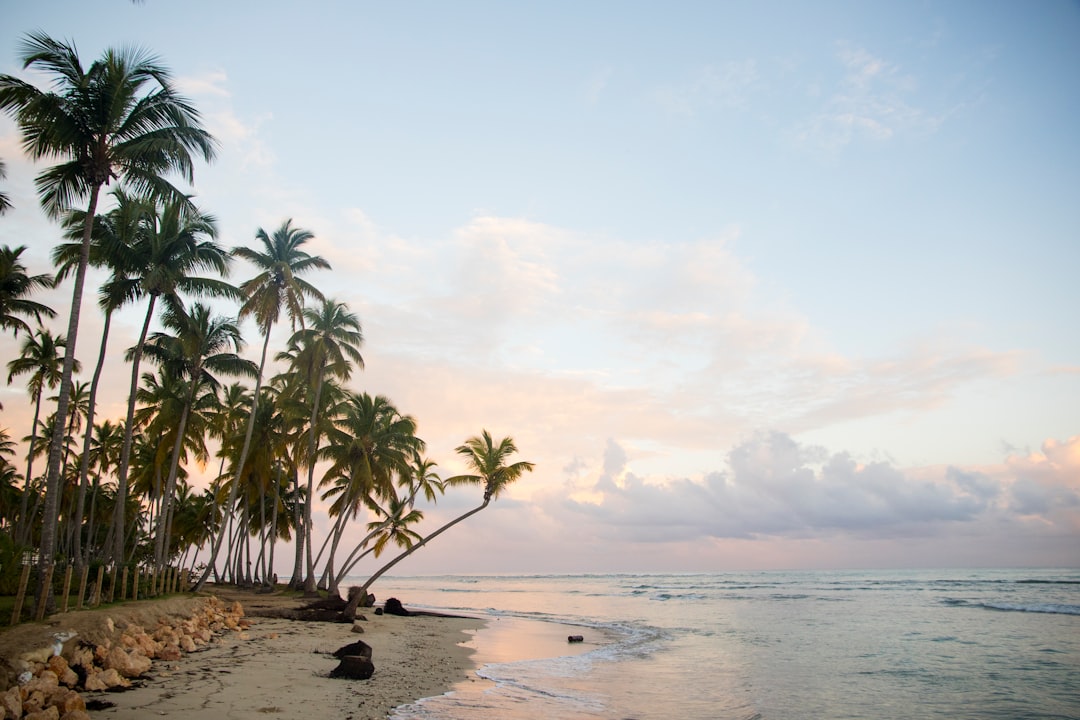
Last reviewed: August 2026 · key facts checked against Wikidata
Dominican Republic Travel Guide: Everything You Need to Know (2026)
The Dominican Republic, home to 10,760,028 people and sharing the island of Hispaniola with Haiti, was the site of the first permanent European settlement in the Americas when Columbus founded La Navidad in 1492. The country spans 48,670 square kilometers and reaches its highest point at Pico Duarte, 3,098 meters above sea level — the tallest peak in the entire Caribbean. From white-sand resorts to colonial cobblestone streets, it packs more geographic and cultural variety into one island nation than most travelers expect.
Top 3 Highlights at a Glance
- Zona Colonial, Santo Domingo — The oldest continuously inhabited European city in the Americas, founded 1498, with original 16th-century fortresses still standing.
- Samaná Peninsula — Watch humpback whales breach from January to March — 3,000 whales gather here annually in one of the Caribbean’s rarest spectacles.
- Pico Duarte Summit Trek — At 3,098 meters, this 3-day hike to the Caribbean’s highest peak rewards with cloud-forest scenery found nowhere else in the region.
Scroll down for our complete travel guide with tips on getting there, where to stay, costs and more.
Getting There & Transport
Which airports are the best entry points into the Dominican Republic?
Punta Cana International (PUJ) handles the most traffic and is your best entry point for beach resorts. In my experience, PUJ offers the widest range of direct international flights — over 10 million passengers annually — making it by far the most connected hub. Las Américas International (SDQ) in Santo Domingo is your gateway if you’re focused on culture, the Zona Colonial, or onward domestic travel. Gregorio Luperón (POP) in Puerto Plata serves the north coast. My tip: flying into PUJ and out of SDQ as an open-jaw itinerary lets you cover the country without backtracking. The caveat most guides omit — PUJ is essentially a resort corridor airport; clearing customs here during peak season can take 90 minutes or longer.
How do I get from the airport to my first accommodation in the Dominican Republic?
Book a pre-arranged private transfer — it’s the safest and most transparent option. From PUJ, most Punta Cana resort hotels offer included airport shuttles; confirm before arrival. If your hotel doesn’t, private transfers run roughly $25–$40 USD for the 20-minute ride to the hotel zone. From SDQ to Santo Domingo city centre, the ride takes 25–40 minutes by taxi and costs approximately $35–$45 USD. I recommend avoiding unmarked taxis outside the terminal — use only officially licensed AETRA taxis from the designated rank or a pre-booked service. What surprised me: there is no metered taxi system at Dominican airports, so agree on the price before you get in. Uber operates in Santo Domingo and is significantly cheaper at around $15–$20 USD from SDQ.
What transport options are there within the Dominican Republic?
Intercity buses, private transfers, domestic flights, and the infamous shared minivans called guaguas are your main options. My tip: Caribe Tours and Metro Bus run comfortable air-conditioned coaches between major cities — a Santo Domingo to Santiago ticket costs about $6 USD and takes 2.5 hours. For resort-to-resort transfers, private shuttles booked through your hotel are hassle-free but pricier at $60–$120 USD. Domestic flights with Air Century connect Santo Domingo to Samaná or El Portillo in 30 minutes versus a 3.5-hour drive. The caveat most guides skip: guaguas are dirt cheap at under $2 USD but they depart only when full, have no fixed schedule, and luggage space is almost nonexistent — charming for short hops, impractical for long hauls with bags.
Do I need a rental car in the Dominican Republic?
Yes, if you plan to explore beyond a single resort zone. In my experience, a rental car unlocks the Samaná Peninsula, the Cibao Valley, and Jarabacoa in ways no bus route can match. Expect to pay $40–$70 USD per day for a compact, with mandatory insurance adding $15–$25 USD daily on top — always read the excess clause carefully. I recommend renting from Europcar or Avis at the major airports rather than local agencies, which often have murky damage policies. The honest caveat: road signage is inconsistent, potholes on secondary roads are severe, and driving after dark outside cities carries real risk from unlit motorbikes and livestock on the road. For pure resort stays in Punta Cana or Juan Dolio, you do not need a car at all — taxis and transfers cover everything you need.
How good is the public transport network between regions of the Dominican Republic?
Reliable between major cities, poor everywhere else. Caribe Tours and Metro Bus connect Santo Domingo, Santiago, Puerto Plata, Barahona, and a handful of other cities efficiently — services run on time and are air-conditioned. However, there is no public bus service linking Punta Cana to most of the country; reaching Samaná by public transport requires at least two connections and 4+ hours. In my experience, the gap between what’s advertised and what actually runs is widest in the rural southwest around Barahona and Pedernales — there you’re dependent on guaguas with wildly variable schedules. My tip: use Caribe Tours’ online booking for intercity legs and budget a private transfer for the last mile. Don’t assume any route outside the Santo Domingo–Santiago–Puerto Plata triangle will be straightforward.
Accommodation
Which regions of the Dominican Republic should I stay in?
Stay in Santo Domingo’s Zona Colonial for history and city culture — it’s the only UNESCO World Heritage colonial district in the Caribbean. Choose the Punta Cana/Bávaro corridor for pure beach-resort luxury, with over 50 km of white sand and the highest concentration of all-inclusive hotels. Head to the Samaná Peninsula for nature, whale watching, and a far quieter atmosphere than the east coast. Puerto Plata and Cabarete on the north coast are ideal for kitesurfers and travelers who want authentic town life alongside the beach. My honest caveat: the all-inclusive model in Punta Cana can trap you inside a resort bubble for an entire trip — many visitors leave having barely interacted with actual Dominican culture. Plan at least 2 nights in Santo Domingo to counterbalance that.
What does good accommodation cost per night in the Dominican Republic?
Budget $80–$130 USD for a solid mid-range hotel with breakfast, and $180–$350 USD for a quality boutique or all-inclusive per person per night. In my experience, Zona Colonial boutique hotels like Hotel Casas del XVI or Billini Hotel offer the best value for character-seekers at around $120–$200 USD. All-inclusive resorts in Punta Cana start at about $150 USD per person per night at reputable properties like those in the Hard Rock or Barceló portfolio, rising to $400+ USD at ultra-luxury brands. The caveat most guides omit: advertised all-inclusive rates rarely include airport transfers, tips, excursions, or premium drinks — budget an extra $40–$60 USD per day per couple for those add-ons to avoid surprise charges at checkout.
When should I book hotels in the Dominican Republic — how far in advance?
Book 4–6 months ahead for peak season travel between December and April. In my experience, the window between Christmas and New Year at Punta Cana resorts sells out as early as 8–9 months in advance, and prices spike by 30–50% compared to September rates. For shoulder months like May or November, 6–8 weeks ahead is sufficient for most properties. My tip: the best rates on all-inclusive resorts come from booking directly with the hotel or through a licensed package operator rather than third-party booking sites, which often list higher rack rates. The honest warning: flexible cancellation policies in the Dominican Republic are not universal — read the small print carefully, as many resorts apply non-refundable deposit clauses from the moment of booking during high season.
When is the best time to travel to the Dominican Republic?
Travel in June or July for the optimal balance of weather, manageable crowds, and value — these are the months identified by 5-year climate data as the most favorable. The classic peak season runs December through March, offering reliably dry, cooler weather with temperatures around 26–28°C, but hotel prices are at their highest and resorts are packed. In my experience, late January through February is the sweet spot within peak season: whale watching in Samaná peaks in February, carnival season brings energy to streets across the country, and the weather is near-perfect. The caveat worth flagging: June–November is officially hurricane season, with the highest risk in August and September — travel insurance with weather cancellation coverage is non-negotiable if you visit during this window.
How does peak season affect prices in the Dominican Republic?
Prices rise 30–60% above off-season rates during December–April peak season. In my experience, a Punta Cana all-inclusive that runs $150 USD per person per night in October will comfortably hit $220–$280 USD between Christmas and Easter. Domestic flights, private transfers, and excursion operators all apply peak surcharges — a whale-watching boat in Samaná jumps from about $70 to $95 USD per person in February. My tip: the first two weeks of December before Christmas are a genuine sweet spot — weather is excellent, prices are still moderate, and resorts have far fewer guests than January. The honest trade-off: the off-season May–October offers the best rates but comes with genuine hurricane risk and higher humidity, which affects comfort on outdoor excursions significantly.
Best Time to Visit
Which regions of the Dominican Republic have different climate zones?
The country has 4 distinct climate zones shaped by the central mountain ranges. The south coast around Santo Domingo and Juan Dolio is dry and sunny most of the year, with a short rainy period in May–June. The Samaná Peninsula and northeast receives far more rainfall year-round — it’s lush and green but can be wet even in January. The Cibao Valley and interior highlands around Jarabacoa and Constanza are noticeably cooler, dropping to 10–15°C at night at altitude — a shock for beach travelers who pack only shorts. The southwest around Barahona is the driest zone in the country, almost desert-like near Lago Enriquillo. My tip: factor your climate zone into packing — the mountains require a proper fleece even in summer.
What are the rainy seasons in the Dominican Republic?
There are two rainy periods: May–June on the south coast and a heavier, longer wet season from August–November that affects the entire country. The north coast and Samaná Peninsula receive rain more evenly distributed across the year, with no true dry season — even January can bring showers there. In my experience, May rain on the south coast is usually short, sharp afternoon showers that clear by evening and don’t ruin a beach day. August and September are the months I’d genuinely avoid — these are peak hurricane months, and even without a direct storm, persistent cloud cover and humidity make outdoor activities uncomfortable. The honest caveat: travel insurance covering hurricane-related cancellations is essential between June 1 and November 30 — don’t skip it to save money.
What does a trip to the Dominican Republic cost per person per day?
Budget $80–$100 USD per day for backpacker-style travel using local buses and guesthouses. A comfortable mid-range independent traveler spends $150–$220 USD daily including accommodation, meals, transport, and one activity. All-inclusive resort guests effectively pre-pay $150–$300 USD per person per day and spend little extra beyond excursions and tips. In my experience, the most common budget mistake is underestimating excursion costs — a catamaran trip to Isla Saona runs $85–$110 USD, whale watching in Samaná is $70–$95 USD, and 4×4 backcountry tours average $90 USD. My tip: build a separate $300–$400 USD excursion budget per week on top of your daily baseline — the Dominican Republic’s best experiences are largely outdoor activities that aren’t included in any hotel rate.
How expensive is food in the Dominican Republic?
Eating local is genuinely affordable — budget $4–$8 USD for a full meal at a comedor (a local lunch canteen). A plate of la bandera — the national dish of rice, beans, meat, and salad — costs $5–$7 USD at any neighborhood comedor in Santo Domingo’s Gazcue district. Mid-range restaurants in tourist areas run $15–$30 USD per person including a drink. Seafood on the north coast at places like El Cortecito in Punta Cana averages $18–$25 USD for a main course. The honest warning: resort dining outside the all-inclusive plan is expensive and often mediocre — a burger and beer at a Bávaro beach bar easily hits $25–$35 USD. I recommend making at least one effort to eat at a comedor; the food quality is consistently better and the price difference is dramatic.
What hidden costs should I expect in the Dominican Republic?
Tipping culture is the biggest surprise — it’s deeply embedded and expected beyond any service charge. Budget $5–$10 USD per day in resort tips for housekeeping, bartenders, and pool attendants even at all-inclusive properties. Airport departure tax of $20 USD is usually included in modern airfares but verify yours. Excursion add-ons sold at resort desks carry a 20–30% markup versus booking directly with local operators. Tourist cards are now included in most airline tickets but if purchased separately cost $10 USD. What surprised me: ATM fees from Dominican banks run $3–$5 USD per transaction on top of your home bank’s foreign fee — withdraw larger amounts less frequently. Also, bottled water is a necessity, not a luxury — budget $1–$2 USD daily since tap water is not safe to drink anywhere in the country.
Budget & Costs
How much cash should I bring to the Dominican Republic?
Bring $200–$300 USD in cash for arrival day and budget extra for smaller vendors, tips, and rural areas. The local currency is the Dominican Peso (DOP) — exchange at arrival airport booths or withdraw from ATMs at Banco Popular or Scotiabank, which have the most reliable machines. US dollars are widely accepted in tourist zones at a slightly unfavorable exchange rate, so converting to pesos saves you 5–8% on everyday purchases. In my experience, the Zona Colonial and rural markets operate almost entirely on cash — card readers appear and disappear unpredictably. My tip: don’t rely on a single ATM card; Dominican ATM networks go down without warning, and having a backup card from a different network has saved me more than once. Keep small denomination pesos for taxis and street food.
Which credit cards are accepted in the Dominican Republic?
Visa and Mastercard are accepted at most hotels, supermarkets, and mid-range restaurants. American Express has significantly lower acceptance — I’d treat it as a backup only. In my experience, Punta Cana resort zones are nearly as card-friendly as a European city, but step outside the tourist corridor and cash becomes essential fast. Many smaller restaurants, colmados (corner stores), guagua fares, and street vendors are cash-only without exception. The honest caveat: card skimming has been reported at ATMs around Santo Domingo’s tourist areas — use machines inside bank branches during business hours rather than standalone street ATMs. Notify your bank before travel; Dominican transactions frequently trigger fraud alerts that freeze cards at the worst moments, a problem I’ve seen trip up at least a dozen fellow travelers.
Which regions of the Dominican Republic must I not miss?
Do not leave without seeing Santo Domingo’s Zona Colonial, the Samaná Peninsula, and the Cordillera Central highlands. The Zona Colonial is the Americas’ oldest European city district — walking Calle Las Damas past the 1503 Fortaleza Ozama is genuinely moving and free. Samaná combines dramatic coastline with Las Terrenas town (a cosmopolitan beach village unlike anything else in the Caribbean) and the winter whale migration. The highlands around Jarabacoa offer whitewater rafting on the Yaque del Norte river, pine forests, and waterfalls at Salto de Jimaní — a completely different country from the beach resorts. My honest caveat: the southwest around Barahona and the Jaragua National Park is spectacular but requires a rental car and genuine self-sufficiency — infrastructure is thin and English is essentially nonexistent there.
What are the tourist highlights of the Dominican Republic?
The top draws are Isla Saona (a postcard-perfect island within the Cotubanamá National Park, accessible from Bayahibe), Los Haitises National Park (mangrove-laced prehistoric cave art accessible only by boat from Samaná), and the 27 Charcos de Damajagua — a series of 27 turquoise natural pools and waterfalls near Puerto Plata that you jump, slide, and swim through. In my experience, the 27 Charcos is the single most exhilarating half-day in the country — entry costs $20 USD with a mandatory guide. Whale watching in Samaná Bay from January 15 to March 30 is rarer and more intimate than better-marketed alternatives in other countries. My tip: book Los Haitises through a local operator in Sánchez rather than a resort desk — you’ll get a 3-hour boat versus a crowded 90-minute rush and pay $40 versus $95.
What experiences in the Dominican Republic are found nowhere else?
Three things are genuinely unreplicable here. First, watching 3,000 humpback whales converge in Samaná Bay — the world’s densest humpback breeding aggregation, active from mid-January to March. Second, exploring Lago Enriquillo, the Caribbean’s largest lake and one of the lowest points in the Americas at 46 meters below sea level — a hypersaline lake home to American crocodiles and flamingoes in near-total tourist solitude. Third, the Carnival in La Vega every Sunday in February — the most raucous, colorful, mask-driven street festival in the Caribbean, costing nothing to attend and absolutely overwhelming in the best possible way. In my experience, La Vega’s Carnival makes the famous Santo Domingo Carnival look polished and restrained. These three experiences have no equivalent anywhere else in the Caribbean.
Regions & Highlights
Which areas of the Dominican Republic are overcrowded — and what are the quieter alternatives?
Punta Cana’s Bávaro beach strip and Isla Saona are genuinely overcrowded in peak season — Saona receives hundreds of catamaran tourists daily, turning a paradise beach into a beach party. My alternatives: Isla Catalina near La Romana is equally beautiful, has a fraction of the visitors, and snorkeling at its wall is superior. Instead of Bávaro, base yourself in Las Galeras on Samaná — a fishing village with Playa Rincón (arguably the finest undeveloped beach in the country) reachable by boat for $10 USD. Las Terrenas offers the north Samaná coast with boutique hotels and French-expat cafe culture without a resort complex in sight. The honest caveat: quieter zones mean fewer English speakers, less predictable services, and occasional power cuts — come prepared and the rewards are considerable.
How many days do I need to see the Dominican Republic properly?
Allocate 12–14 days to experience the country meaningfully beyond a single resort. A 7-day trip is enough for one region done well — either a Punta Cana beach week or a Santo Domingo and Samaná cultural loop, but not both. In my experience, the absolute minimum itinerary that gives you a genuine sense of the country’s range is: 2 nights Santo Domingo, 3 nights Samaná or Las Terrenas, 2 nights Jarabacoa (highlands), and 3 nights Punta Cana or Las Galeras — that’s 10 nights and covers colonial history, nature, mountains, and beach. The caveat worth stating plainly: transfers between regions eat time — the Samaná to Jarabacoa drive is 3.5 hours on good roads and longer after rain. Don’t underestimate point-to-point travel days when planning your schedule.
Do I need a visa to enter the Dominican Republic?
Citizens of the USA, UK, EU, Canada, and Australia do not need a visa — entry is granted on arrival for 30 days, extendable to 60 days. The tourist card (historically a $10 fee) is now included in most international airline tickets to the Dominican Republic as of 2018 — verify with your airline before arrival. In my experience, immigration at PUJ during peak season is one of the slower in the Caribbean — arriving on a wide-body charter with 300+ passengers means 60–90 minutes in the passport queue is realistic. My tip: fill in your E-Ticket system form online at eticket.migracion.gob.do within 72 hours of travel — it speeds up the customs exit process significantly and is mandatory since 2020. Overstaying beyond your authorized days incurs a per-day fine payable at the airport.
What languages are spoken in the Dominican Republic?
Spanish is the sole official language — spoken by essentially everyone. In my experience, English proficiency is strong inside resort zones like Punta Cana and Sosúa, where tourism has driven demand for at least basic English among hotel, restaurant, and excursion staff. Step into Santo Domingo’s working neighborhoods or any rural guagua route and English disappears almost entirely. French and German are spoken by some staff at European-market resorts, reflecting the heavy European charter tourism market. My tip: learning 20 key Spanish phrases before you arrive changes your experience dramatically — Dominicans respond warmly to any effort with the language, and transactions become faster and friendlier. The honest caveat: Dominican Spanish is fast, clipped, and drops final consonants — even intermediate Spanish speakers sometimes struggle at first, so don’t panic if you understand less than you expect.
What cultural rules do I need to know before visiting the Dominican Republic?
Dominicans place enormous value on personal presentation and respectful dress — showing up at a local restaurant or church in beach attire is considered disrespectful even if no one says so directly. Punctuality is flexible — a 30-minute delay is normal in social and even business contexts, but transport departures at bus stations are generally on time. Tipping is not optional in practice: 10–15% in restaurants even when a service charge appears on the bill, as that charge rarely reaches the actual staff. In my experience, photographing people — especially in Zona Colonial or local markets — without asking first causes genuine offense; a simple ‘¿Puedo tomarte una foto?’ goes a long way. The cultural rule most guides omit: avoid any comment comparing the Dominican Republic to Haiti or implying similarity — the two nations have a complex and often painful shared history that locals take seriously.
Practical Tips
How safe is the Dominican Republic for travelers?
The Dominican Republic is safe for tourists exercising standard urban awareness — violent crime targeting tourists is rare. The primary risks are petty theft (pickpocketing in Santo Domingo’s Malecón area and crowded markets), scams targeting new arrivals at airports, and road accidents — the country has one of the highest traffic fatality rates in Latin America. In my experience, Zona Colonial, Punta Cana resort areas, and Las Terrenas feel genuinely relaxed and safe to walk at night. Avoid Los Guandules and Villa Juana neighborhoods in Santo Domingo after dark — these are not tourist areas and carry real risk. My tip: use Uber rather than unmarked taxis in Santo Domingo after dark; it’s safer, cheaper, and eliminates fare disputes. Never display cameras, jewelry, or phones conspicuously while walking unfamiliar streets.
What health precautions should I take before visiting the Dominican Republic?
Get vaccinated for Hepatitis A and Typhoid before travel — both are recommended by the CDC for all Dominican Republic visitors. Malaria risk exists in specific areas near the Haitian border, particularly Jimaní and Dajabón — consult your doctor about prophylaxis if visiting those zones. Dengue fever is present year-round and rising; use DEET-based repellent (at least 30% concentration) especially at dawn and dusk. Tap water is unsafe to drink throughout the entire country — drink only bottled or filtered water. In my experience, stomach issues from food are common in the first 48 hours as your gut adjusts — bring oral rehydration salts and loperamide. Travel health insurance covering emergency evacuation is essential; quality medical care outside Santo Domingo’s Clínica Abreu is limited, and air evacuation to Miami costs $15,000–$30,000 USD without coverage.
What SIM card or eSIM options are available in the Dominican Republic?
Buy a local SIM from Claro or Altice — both sell prepaid SIMs at the airport arrival hall for $5–$10 USD including data. Claro offers the widest 4G coverage across rural areas; Altice is stronger in urban centers and cheaper for data bundles. A 15GB data plan from Claro costs roughly $15 USD and lasts 30 days — more than enough for a 2-week trip. In my experience, coverage in the Cordillera Central mountains and the far southwest is patchy regardless of provider — download offline maps via Maps.me or Google Maps before heading into those areas. eSIM is available through providers like Airalo (approximately $12 USD for 5GB) if you prefer to avoid airport queues. The honest caveat: SIM registration requires your passport number — have it ready, as staff will refuse to activate without it.
Which apps do you recommend for traveling in the Dominican Republic?
Uber is essential in Santo Domingo — reliable, safe, and consistently cheaper than negotiated taxi fares. Google Maps works well in cities but download offline maps for rural driving, where data connectivity drops. WhatsApp is the dominant communication platform — virtually every local business, hotel, tour operator, and private driver communicates via WhatsApp rather than email or phone calls. Caribe Tours’ website (not a dedicated app) handles intercity bus bookings. XE Currency gives live DOP exchange rates to avoid being shortchanged. In my experience, iOverlander is invaluable for overlanders and road-trippers — it crowdsources real-time road conditions, border crossing reports, and wild camping spots that no guidebook updates fast enough to cover. My tip: save your hotel’s WhatsApp number immediately at check-in — it’s how you’ll order transfers, restaurant recommendations, and solve problems fastest.
What are the most common traveller mistakes in the Dominican Republic?
The single biggest mistake: never leaving your resort in Punta Cana and thinking you’ve seen the Dominican Republic. You haven’t — you’ve seen a Caribbean hotel complex that could be in 15 other countries. Second: accepting the first taxi or excursion price quoted — negotiation is standard and expected, and the opening price is routinely 30–50% above what’s reasonable. Third: skipping travel insurance on the assumption that ‘it’s just a beach holiday’ — medical emergencies in rural areas without coverage are financially catastrophic. In my experience, the mistake I see most on the ground is underestimating transfer times — travelers book a morning excursion from Punta Cana and an afternoon flight from Santo Domingo without realizing the drive is 3+ hours. Finally: exchanging currency at hotel desks, which consistently offer rates 10–15% worse than airport exchange booths or bank ATMs — a costly error over a 2-week trip.
Dominican Republic at a Glance
| Population | 10,760,028 |
|---|---|
| Currency | Dominican peso (RD$) |
| Official language | Spanish |
| Time zone | UTC−04:00 |
Source: Wikidata, retrieved August 2026.
Essential Resources for Planning Your Trip to Dominican Republic
- FAQs – Dominican Republic Tourism — official visitor information, passes & events
- Wikipedia: Dominican Republic — history, geography & background
- Wikivoyage: Dominican Republic — community travel guide & practical tips
- Dominican Republic travel – Caribbean — expert itineraries & travel inspiration
- THE 15 BEST Things to Do in Dominican Republic (2026) — hotels, restaurants & traveller reviews
- FAQs – Dominican Republic Tourism — how to get around
- Numbeo: Cost of Living in Dominican Republic — current prices & cost comparison
- Timeanddate: Dominican Republic Weather & Climate — forecasts & climate statistics
More Perspectives on Dominican Republic
- Travel Tips – Dominican Republic Tourism
- Dominican Republic Travel Advisory | Travel.State.gov
- What should I know about traveling to the Dominican …
Dominican Republic Travel Videos
Watch these videos for a visual preview before your trip:
- 12 Essential DOMINICAN REPUBLIC TRAVEL Tips – Watch Before You Go!
- DOMINICAN REPUBLIC TRAVEL GUIDE & COST 🇩🇴 How Expensive Is The Dominican Republic?
- DOMINICAN REPUBLIC Travel Guide – Best Tourist Attractions
Dominican Republic Travel Discussions on Reddit
Real traveller experiences and community advice:
- What sould I expect, avoid and do while visiting Dominican …
- Looking to travel to the Dominican Republic. Any …
- Safe travelling in Dom. Republic : r/Dominican
Data Sources
This page was compiled using data from Wikipedia, Wikidata, Open-Meteo (climate), Numbeo (cost of living) and REST Countries. Information is updated regularly.