
Egypt: The Complete Travel Guide (2026)
Last reviewed: August 2026 · key facts checked against Wikidata
Egypt Travel Guide: Everything You Need to Know (2026)
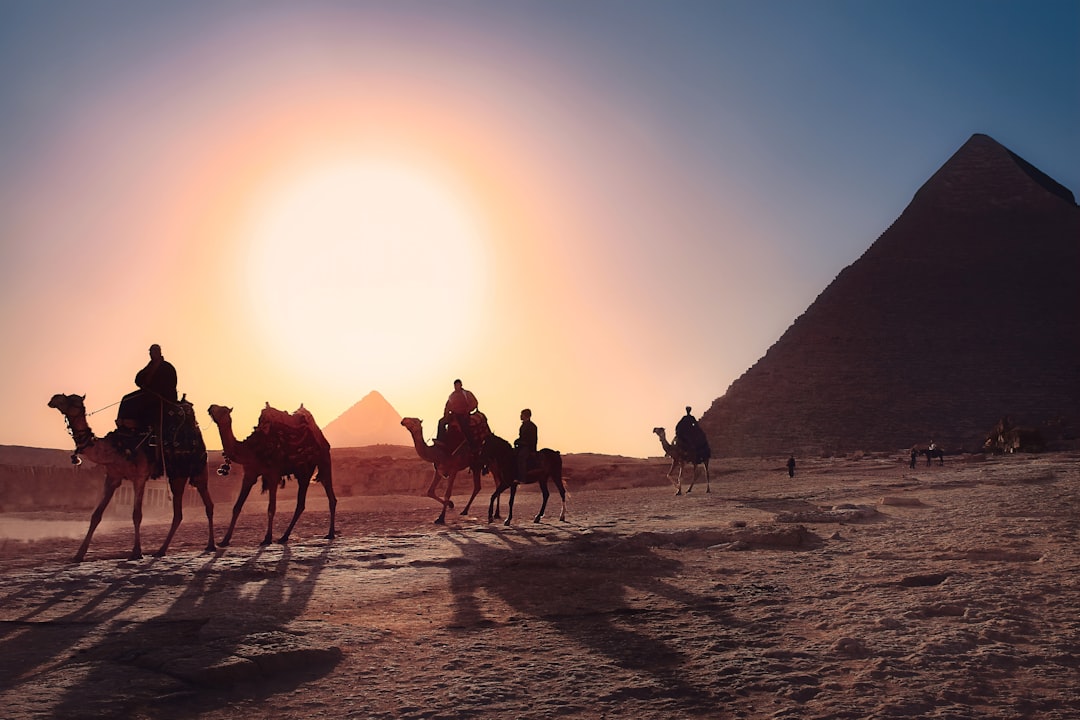
Egypt, home to 114,535,772 people, has been drawing travellers for millennia — the Great Pyramid of Giza, built around 2560 BC, is the only surviving Wonder of the Ancient World. Stretching from the Mediterranean coast to the Sudanese border across 1,001,450 km², it packs desert landscapes, Nile river culture, and Red Sea reefs into one country. Cairo alone sits at the crossroads of three continents’ worth of history, making Egypt one of the most layered travel destinations on the planet.
Top 3 Highlights at a Glance
- Pyramids of Giza & Sphinx — The last surviving Ancient Wonder, standing 138 metres tall and built with 2.3 million stone blocks.
- Luxor’s Karnak Temple Complex — The world’s largest ancient religious site, built over 2,000 years by 30 successive pharaohs.
- Ras Mohammed National Park, Red Sea — Coral walls dropping 70 metres with visibility exceeding 30 metres — arguably Africa’s best diving.
Scroll down for our complete travel guide with tips on getting there, where to stay, costs and more.
Getting There & Transport
Which airports are the best entry points into Egypt?
Cairo International Airport (CAI) is Egypt’s main hub and the best entry point for most travellers. In my experience, CAI handles the widest range of international routes and connects seamlessly to Luxor and Aswan via EgyptAir domestic flights. Hurghada International (HRG) and Sharm el-Sheikh International (SSH) are the go-to entry points if you’re heading directly to a Red Sea resort without touching Cairo. Luxor International (LXY) receives a growing number of European charter flights in winter. The caveat most guides omit: CAI Terminal 2 handles budget carriers and the experience is significantly more chaotic than Terminal 3 — always confirm which terminal before arrival.
How do I get from the airport to my first accommodation in Egypt?
Take the Cairo Metro Line 3 from the airport to downtown for roughly EGP 20 — it’s by far the cheapest option. In my experience, the metro extension to CAI Airport runs every 15 minutes and reaches Attaba station in the city centre in approximately 45 minutes. Authorised white airport taxis cost around EGP 200–300 to Downtown Cairo or Zamalek, but always agree on the price before getting in — meters are rarely used. My tip: avoid the hustlers inside arrivals and book an Uber from the kerb outside; it typically costs EGP 150–200 with zero negotiation needed. Warning: shared minibuses exist but are genuinely confusing for first-timers.
What transport options are there within Egypt?
Domestic flights, trains, buses, and Nile cruises cover Egypt’s main routes. EgyptAir flies Cairo–Luxor in 1 hour for around USD 40–80 one-way booked in advance. The Egyptian National Railways train from Cairo Ramses Station to Luxor takes 10–11 hours on the overnight sleeper — book the Watania Sleeper for roughly USD 60 per person including dinner. GoBus and Superjet connect Cairo to the Red Sea resorts by road in 4–5 hours for EGP 150–250. What surprised me: Egypt’s domestic flight network is genuinely underused by independent travellers — for distances over 500 km, flying saves a full day and costs surprisingly little when booked two weeks ahead.
Do I need a rental car in Egypt?
No — a rental car is unnecessary and actively stressful in Egypt. Cairo traffic is among the most chaotic in the world, and driving between cities on desert highways at night carries real accident risk. In my experience, a combination of Uber in cities, EgyptAir flights between major sites, and guided day trips covers everything efficiently. The honest caveat: if you’re exploring Sinai’s interior — places like St. Catherine’s Monastery or remote wadis — a 4WD with a local Bedouin driver is the only practical option, but hiring one with a driver costs around USD 80–120 per day and is far safer than self-driving. Stick to this approach and skip the rental counter entirely.
How good is the public transport network between regions in Egypt?
Egypt’s intercity transport is functional but uneven in quality. The Cairo–Alexandria rail corridor is genuinely excellent — Thalys-style air-conditioned trains run hourly for EGP 80–150 covering 225 km in about 2 hours. The Cairo–Luxor–Aswan rail line is reliable for daytime trains but slow; the Watania overnight sleeper is the gold standard for the Upper Egypt route. Bus connections to the Red Sea coast (Hurghada, Dahab, Sharm) are frequent and affordable. What most guides omit: the southern route between Aswan and Abu Simbel has no direct public bus — you either join an organised convoy departure at 3:30 AM or book a private transfer for around USD 60–80 per car.
Accommodation
Which regions of Egypt should I stay in?
Stay in Downtown Cairo or Zamalek for the Giza Pyramids and Egyptian Museum access. My recommendation for Nile history: base yourself in Luxor’s East Bank near Luxor Temple to walk to the main sites, then take a felucca across to the West Bank tombs. For the Red Sea, Dahab suits divers and independent travellers while Hurghada’s Sahl Hasheesh area suits resort seekers. Alexandria’s Corniche is ideal for a 2-night Mediterranean detour from Cairo. The caveat: South Sinai’s Nuweiba is stunning and virtually untouched, but overland access from Israel is currently restricted — verify border crossing status before planning.
What does good accommodation cost per night in Egypt?
A solid mid-range hotel in Egypt costs USD 40–80 per night. In my experience, a well-reviewed 4-star hotel in Downtown Cairo — such as those near Talaat Harb Square — runs USD 50–70 including breakfast. Luxor’s East Bank offers excellent boutique guesthouses for USD 30–50. Red Sea resorts in Hurghada work on all-inclusive packages from USD 60–100 per person per night with meals and watersports included. For budget travellers, Dahab hostels cost USD 10–20 per bed. The hidden cost most guides skip: Nile cruise cabins start at USD 80 per night but the cheapest boats have genuinely poor food hygiene — budgeting USD 120+ per night for a reputable vessel like those in the Oberoi fleet is worth it.
When should I book hotels in Egypt — how far in advance?
Book 3–4 months ahead for peak winter season travel. In my experience, the window from October to February fills fastest — European package tourists dominate Hurghada and Sharm resorts and Nile cruises are routinely sold out by September for December departures. Cairo hotels near the Pyramids sell out around major Egyptian public holidays, particularly Eid al-Fitr when domestic travel surges. My tip: for Luxor during the Abu Simbel Sun Festival in February, book 6 months ahead — the town’s limited quality hotel stock disappears almost immediately. Outside peak season, last-minute deals are easy to find and prices drop 30–50% — booking 2 weeks out in May or June is perfectly fine.
When is the best time to travel to Egypt?
The best months to visit Egypt are March, April, May, October, and November based on climate analysis. In my experience, October and November hit the sweet spot: daytime temperatures in Luxor sit around 28–33°C, the Nile cruise boats run smoothly, and crowds are noticeably thinner than December–January. March and April are ideal for the Red Sea — water temperatures reach 22–24°C and visibility in Ras Mohammed is exceptional. The honest warning: April in Cairo brings khamsin sandstorms that can shut visibility to near zero for 24-hour stretches — pack a dust mask if visiting then. July and August in Luxor hit 43°C regularly — touring open-air sites becomes genuinely dangerous without serious hydration planning.
How does peak season affect prices in Egypt?
Peak season in Egypt runs December through February and prices jump 40–70% on accommodation. Nile cruise cabins that cost USD 90/night in May can reach USD 160/night in January. Entry queues at the Pyramids of Giza stretch to 45 minutes in peak months compared to near-instant access in May. In my experience, Hurghada all-inclusive resorts are dominated by package-tour operators from Germany, Russia, and the UK in winter — independent booking becomes harder and more expensive. The upside: shoulder season (October–November and March–April) delivers nearly identical weather to peak season at significantly lower prices. My tip: if you must travel in December, book flights to Luxor direct rather than routing through Cairo, which suffers worse tourist-density issues.
Best Time to Visit
Which regions of Egypt have different climate zones?
Egypt spans four distinct climate zones. Cairo and the Nile Delta experience a hot desert climate with mild winters hitting 15–20°C and summers reaching 38°C. Upper Egypt (Luxor, Aswan) is hotter and drier — Aswan averages 41°C in July and receives virtually zero rainfall year-round. The Mediterranean Coast (Alexandria) gets actual winter rain — around 180mm annually — and humid summers rarely exceeding 30°C. South Sinai and the Red Sea coast benefits from year-round warmth and low humidity, making Dahab genuinely comfortable even in January at 20–22°C daytime. What surprised me: Siwa Oasis in the Western Desert can drop to near 0°C on winter nights — pack layers if visiting the oasis between November and February.
What are the rainy seasons in Egypt?
Egypt is one of the world’s driest countries — the concept of a ‘rainy season’ barely applies. Cairo averages just 25mm of rain per year, mostly across 5–6 days between December and February. Alexandria is the exception, receiving 180mm annually concentrated in November through March. Upper Egypt — Luxor and Aswan — can go an entire year without measurable rainfall. The practical warning most guides omit: when it does rain in Cairo, the city’s drainage infrastructure is completely inadequate and 30 minutes of rain can flood major streets including around Tahrir Square — avoid driving or using ground-level metro entrances during rare downpours. The Sinai mountains around St. Catherine’s can experience flash floods in winter — check conditions before hiking wadis.
What does a trip to Egypt cost per person per day?
Budget travellers can manage USD 35–50/day in Egypt; mid-range sits at USD 80–130/day. On a budget: a Dahab hostel bed costs USD 12, a local koshary meal runs EGP 30–50, and bus transport is negligible. Mid-range: a 4-star Cairo hotel (USD 60) plus restaurant meals (USD 20) plus admission fees — Pyramids entry costs USD 15 — adds up quickly. In my experience, the biggest budget variable is sightseeing: a Nile cruise adds a flat USD 80–120/night, and hot air balloon over Luxor costs USD 80–120 per person. My honest caveat: Egypt’s official prices for foreigners are now higher than locals’ prices at every major site — the two-tier system is legal and consistent, budget for the tourist rate throughout.
How expensive is food in Egypt?
Local Egyptian food is exceptionally affordable. A bowl of koshary at a neighbourhood spot in Cairo costs EGP 20–40 (USD 0.40–0.80). A sit-down lunch of foul, ta’ameya, and bread at a local restaurant near Khan el-Khalili runs EGP 80–120. Mid-range restaurants in Zamalek or Maadi charge EGP 200–400 per person for a full meal with drinks. In my experience, the price gap between tourist-area restaurants and neighbourhood spots is enormous — a meal near the Pyramids plateau costs 3–4x what you’d pay 500 metres away on Pyramids Road. The honest warning: international-brand hotel restaurants in Cairo charge near-European prices — USD 25–40 for dinner — which is entirely unnecessary given the quality of street food available.
What hidden costs should I expect when travelling Egypt?
Egypt’s hidden costs add up fast and most first-timers are blindsided. Baksheesh (tipping) is embedded in daily life — budget EGP 20–50 for every small service including toilet attendants, site helpers, and bag handlers. Photography permits inside certain tombs cost an additional EGP 300 on top of entry fees. Nile cruise port fees are sometimes billed separately from the cruise package at USD 5–10 per stop. In my experience, the Egyptian Museum audio guide in Cairo costs EGP 150 extra and is genuinely worth it — budget for it. The most overlooked cost: travellers consistently underestimate domestic flight luggage fees on EgyptAir — hand luggage allowances on short hops can be as low as 7kg, and excess charges are steep.
Budget & Costs
How much cash should I bring to Egypt?
Bring enough cash to cover your first 2–3 days — roughly USD 100–150 equivalent in EGP. The Egyptian Pound (EGP) is the only currency for daily transactions: local restaurants, transport, markets, and baksheesh are all cash-only. ATMs are widely available in Cairo, Luxor, and Hurghada — withdrawal limits typically sit at EGP 5,000 per transaction. In my experience, exchanging USD at official Banque Misr or National Bank of Egypt kiosks inside the airport gives near-identical rates to city exchange bureaus, so skip the hassle of hunting for better rates on arrival day. The critical warning most guides omit: ATMs in Dahab and Sinai can run out of cash on long weekends — always withdraw in Sharm el-Sheikh or Cairo before heading to more remote areas.
Which credit cards are accepted in Egypt?
Visa and Mastercard are accepted at 4- and 5-star hotels, large restaurants, and airport shops — that’s roughly the limit of reliable card acceptance. In my experience, 90% of daily transactions in Egypt are cash-only, including most souvenir shops in Khan el-Khalili, felucca rides, local restaurants, and minibus fares. American Express is accepted at a handful of luxury hotels in Cairo and almost nowhere else. My tip: always carry EGP 200–500 in small bills for incidentals — EGP 100 notes are common but vendors near tourist sites frequently claim not to have change as a negotiating tactic. The honest caveat: card skimming at independent ATMs in tourist areas does occur — use machines attached to bank branches rather than standalone street units.
Which regions of Egypt must I not miss?
Greater Cairo (including Giza) is non-negotiable — the Pyramids, Sphinx, and Egyptian Museum form the backbone of any Egypt trip. Luxor is Egypt’s second unmissable region: Karnak Temple, the Valley of the Kings, and Medinet Habu alone justify the journey. Aswan rewards a 2-night stay for Philae Temple and the Nubian villages lining the Nile. Dahab on the Sinai coast is essential for divers — the Blue Hole at 80 metres depth is legendary. In my experience, Abu Simbel near the Sudanese border — 280 km south of Aswan — is Egypt’s most emotionally overwhelming sight and frequently skipped by itinerary-stretched travellers; the 4 AM convoy drive or 45-minute flight is completely worth it.
What are the tourist highlights of Egypt?
The Pyramids of Giza — the only surviving Ancient Wonder — top every list correctly. Karnak Temple Complex in Luxor, built across 2,000 years, is so large it takes 3 hours to walk thoroughly. The Egyptian Museum on Tahrir Square houses over 120,000 artefacts including Tutankhamun’s solid gold death mask. Ras Mohammed National Park near Sharm el-Sheikh offers reef diving in water clear to 30 metres. In my experience, the Abu Simbel temples, relocated 65 metres uphill in the 1960s to save them from the Aswan Dam, are Egypt’s most mind-bending engineering story after the Pyramids themselves. The Khan el-Khalili bazaar in Islamic Cairo is chaotic and commercialised but walking its medieval alleyways at dusk is genuinely unforgettable.
What experiences in Egypt are found nowhere else on earth?
Watching sunrise from inside the Great Pyramid of Khufu’s burial chamber is an experience physically impossible anywhere else — USD 360 for the interior ticket, limited to 300 visitors per day. A traditional felucca overnight on the Nile between Aswan and Kom Ombo — sleeping on deck under desert stars — is unique to Upper Egypt. In my experience, entering the Valley of the Kings and seeing painted hieroglyphs in tombs carved 3,300 years ago by candlelight hits differently than any museum. Diving the SS Thistlegorm wreck — a WWII British cargo ship sunk in 1941 in the Red Sea — is Egypt’s most famous dive and one of the top 5 wreck dives globally. The White Desert near Farafra — surreal chalk formations in the Western Desert — looks like nowhere on the planet.
Regions & Highlights
Which areas of Egypt are overcrowded — and what are the quieter alternatives?
The Giza Plateau is heavily overcrowded from 9 AM to 3 PM, especially December through February. My tip: arrive at opening time (7 AM) and you’ll have near-solitude for the first hour. Luxor’s Valley of the Kings gets bus-tour jammed between 10 AM and 2 PM — book the first entry slot and visit Deir el-Medina village instead, which sees a fraction of visitor numbers. Hurghada’s Sahl Hasheesh resort strip is a concrete package-tour corridor — El Gouna, 15 km north, is architecturally coherent and genuinely quieter. For the full off-the-beaten-track Egypt experience, the Fayoum Oasis — 100 km southwest of Cairo — has Wadi El Rayan waterfalls and almost zero foreign tourists even in peak season.
How many days do I need to see Egypt properly?
10–14 days is the minimum to see Egypt without rushing. In my experience, a solid first trip looks like this: 3 nights Cairo (Pyramids, Egyptian Museum, Islamic Cairo), 2 nights Luxor (Karnak, Valley of Kings), 1 night Aswan (Philae, Nubian village), then 3 nights Red Sea (Dahab or Hurghada for diving or beach recovery). Add an Abu Simbel day trip as a half-day extension from Aswan. The honest caveat: travellers who attempt Cairo plus Luxor plus Sinai in 7 days consistently report exhaustion — Egypt’s distances are deceptive and airport delays on domestic routes average 45–90 minutes. Budget at least one fully unscheduled rest day in your itinerary.
Do I need a visa for Egypt?
Most nationalities need a visa for Egypt — the easiest route is the e-Visa, which costs USD 25 and is processed online at visa2egypt.gov.eg within 72 hours. In my experience, the e-Visa process is straightforward and grants a 30-day single-entry permit. Citizens of 46 countries including the USA, UK, EU member states, Canada, and Australia are eligible for the e-Visa. On-arrival visas are still available at CAI Airport for USD 25 cash but queues can stretch 60–90 minutes. The critical warning: Israeli passport stamps can complicate entry even for eligible nationalities — if your passport shows an Israeli stamp, carry a second passport if possible or expect additional questioning at immigration. Visas are not available at land borders from Israel without pre-arrangement.
What languages are spoken in Egypt?
Arabic (Egyptian dialect) is the official and universal language. In tourist zones — Luxor, Sharm el-Sheikh, Hurghada, Khan el-Khalili — English is widely spoken by guides, hotel staff, and most souvenir vendors. In my experience, French is a secondary foreign language among older educated Egyptians, a legacy of 19th-century colonial influence. Outside tourist corridors — in Aswan’s souks, rural Upper Egypt, or local Cairo neighbourhoods — English drops off sharply. My practical tip: learning 10 Arabic phrases — including shukran (thank you), bikam (how much?), and la shukran (no thank you) — produces a disproportionately warm response from locals and genuinely improves your negotiating position in markets. Basic Arabic effort is noticed and appreciated in a way that matters.
What cultural rules do I need to know before visiting Egypt?
Egypt is a Muslim-majority country and dress codes matter outside resort areas. Women should cover shoulders and knees when entering mosques, markets, and local neighbourhoods — a light scarf packed in your daypack solves this immediately. Friday is the Islamic day of rest — major mosques close to non-Muslims around prayer times and some government sites have reduced hours. In my experience, public displays of affection are acceptable in Zamalek and resort areas but draw negative attention in conservative neighbourhoods like Imbaba or Islamic Cairo. The warning most guides skip: photography of military installations, bridges, and government buildings is illegal — Egyptian authorities enforce this seriously and tourist ignorance is not considered a defence. Always ask permission before photographing individual Egyptians, particularly women.
Practical Tips
How safe is Egypt for travellers?
Egypt is generally safe for tourists in its main destinations as of 2026. Cairo, Luxor, Aswan, Hurghada, and Dahab see millions of visitors annually with low violent crime against tourists. The honest caveat: North Sinai remains a genuine no-go zone due to ongoing insurgency — all major governments advise against travel there. South Sinai (Sharm, Dahab, Taba) has a separate security profile and is considered safe. In my experience, the primary risk most travellers face is petty scams — fake guides at the Pyramids, ‘closed today’ redirection cons to carpet shops, and papyrus hustlers in Luxor — not physical danger. Tourist police are stationed at every major site. My tip: book a licensed guide for your first Cairo day; it eliminates 90% of hassle at the Giza Plateau.
What health precautions should I take before travelling to Egypt?
Consult your doctor 6–8 weeks before travel for up-to-date Egypt-specific advice. Hepatitis A and Typhoid vaccines are strongly recommended — both are transmitted through contaminated food and water, which are genuine risks in Egypt. Travellers’ diarrhoea affects a significant minority of visitors — pack oral rehydration salts and ciprofloxacin prescribed in advance. In my experience, never drink tap water in Egypt — not even for brushing teeth in budget guesthouses. Bottled water costs EGP 5–10 everywhere and is the only safe option. The warning most guides omit: sun and heat stroke are the most common medical emergencies among tourists in Luxor and Aswan in summer — 3 litres of water per day minimum when touring outdoor sites, even if you don’t feel thirsty. Travel insurance with medical evacuation coverage is non-negotiable.
What SIM card or eSIM options are available in Egypt?
Buy a local SIM at Cairo Airport arrivals immediately — it’s the easiest travel admin decision you’ll make in Egypt. Vodafone Egypt, Orange, and Etisalat (e&) all offer tourist SIM packages at the airport for around EGP 100–200 including 5–10 GB of data valid for 30 days. In my experience, Vodafone Egypt has the strongest coverage in Upper Egypt including Aswan and Luxor. eSIMs are available through providers like Airalo — an Egypt eSIM with 3 GB costs approximately USD 7 and activates before you land, which is genuinely convenient. The honest caveat: network coverage in Sinai’s interior — around St. Catherine’s and the Colored Canyon area — drops to near-zero regardless of provider. Download offline maps of these areas before leaving the coast.
Which apps do you recommend for travelling Egypt?
Uber is essential — it works in Cairo, Alexandria, and Luxor and eliminates every taxi negotiation entirely. Google Maps works well in cities but has gaps in rural Upper Egypt — download Maps.me with offline Egypt maps as backup before departure. WhatsApp is universally used in Egypt for communicating with guesthouses, drivers, and local guides. In my experience, XE Currency is indispensable given Egypt’s two-tier pricing system — knowing the live EGP exchange rate prevents overpaying at exchange kiosks. Duolingo Arabic for basic phrases takes 20 minutes of practice but pays dividends. The app most travellers miss: Egypt’s official e-Visa portal has a mobile-optimised version — save your visa QR code offline in Apple Wallet or Google Pay so you’re not hunting for it at immigration.
What are the most common traveller mistakes in Egypt?
The biggest mistake: accepting ‘help’ from strangers near the Pyramids — the standard con involves a ‘friendly’ local walking you to a ‘better viewpoint’ that ends at a relative’s papyrus or carpet shop. Say no firmly and keep walking. In my experience, travellers consistently underestimate Egypt’s distances — Luxor is 700 km south of Cairo, not a quick day trip. Second mistake: booking the cheapest Nile cruise — vessels under USD 70/night frequently have hygiene and maintenance problems that ruin the signature experience. Third: visiting the Egyptian Museum without a guide — 120,000 artefacts with minimal English signage is genuinely overwhelming. The overlooked mistake: not budgeting extra days around domestic flight connections — EgyptAir’s punctuality record on Cairo–Luxor routes means a 2-hour buffer before onward international departures is not excessive, it’s necessary.
Egypt at a Glance
| Population | 114,535,772 |
|---|---|
| Currency | Egyptian pound (LE) |
| Official language | Arabic |
| Time zone | UTC+02:00 |
Source: Wikidata, retrieved August 2026.
Essential Resources for Planning Your Trip to Egypt
- What is the best time to visit Egypt for UNESCO sites and … — official visitor information, passes & events
- Wikipedia: Egypt — history, geography & background
- Wikivoyage: Egypt — community travel guide & practical tips
- Egypt travel – Lonely Planet | Africa — expert itineraries & travel inspiration
- THE 15 BEST Things to Do in Egypt (2026) — hotels, restaurants & traveller reviews
- Best 10 Egypt UNESCO Tours 2026/2027 for Americans — how to get around
- Numbeo: Cost of Living in Egypt — current prices & cost comparison
- Timeanddate: Egypt Weather & Climate — forecasts & climate statistics
- Promoting Heritage Preservation for Sustainable Tourism …
More Perspectives on Egypt
- A practical guide to travel in Egypt
- Tips for upcoming trip to Egypt – Rick Steves Travel Forum
- Egypt Travel Advisory | Travel.State.gov
Egypt Travel Videos
Watch these videos for a visual preview before your trip:
- Top 20 Egypt Travel Tips – Know Before You Go!
- EGYPT TRAVEL GUIDE (No BS) | Scammers, Safety & Costs
- Rick Steves Egypt: Yesterday and Today
Egypt Travel Discussions on Reddit
Real traveller experiences and community advice:
- Egypt: unbiassed review : r/travel
- Thinking About Traveling to Egypt – How Safe Is It & What …
- r/EgyptTravelTips
Data Sources
This page was compiled using data from Wikipedia, Wikidata, Open-Meteo (climate), Numbeo (cost of living) and REST Countries. Information is updated regularly.