
United Arab Emirates: The Complete Travel Guide (2026)
Last reviewed: August 2026 · key facts checked against Wikidata
United Arab Emirates Travel Guide: Everything You Need to Know (2026)
The United Arab Emirates is a federation of 7 emirates covering 83,600 km² on the Arabian Peninsula, with a population of just 89,608 Emirati nationals among a total resident population exceeding 9 million. Founded on 2 December 1971, it rose from pearl-diving backwater to one of the world’s wealthiest nations in under 50 years. Dubai alone receives over 17 million international visitors annually, making it the fourth most-visited city on the planet.
Top 3 Highlights at a Glance
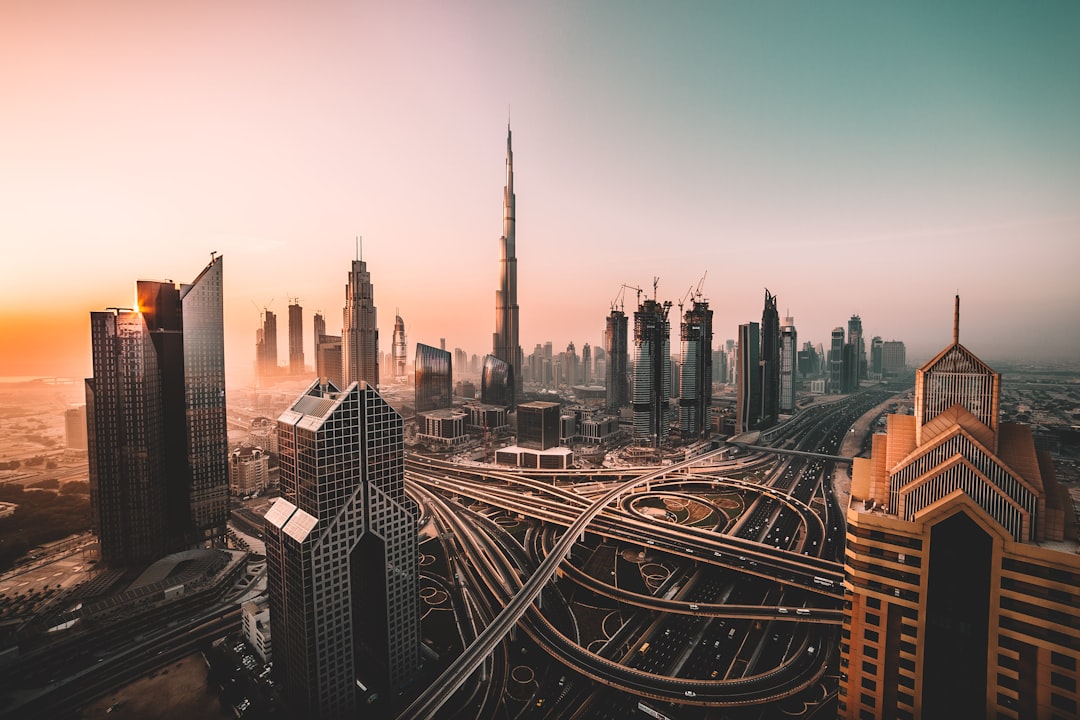
- Burj Khalifa Observation Deck, Dubai — The world’s tallest building at 828m offers a 360° desert-to-sea panorama from Level 124.
- Sheikh Zayed Grand Mosque, Abu Dhabi — The world’s third-largest mosque holds 40,000 worshippers and features the planet’s largest hand-knotted carpet.
- Liwa Oasis & Empty Quarter Dunes — Gateway to the world’s largest sand desert with dunes exceeding 300m — raw Arabia without tourist crowds.
Scroll down for our complete travel guide with tips on getting there, where to stay, costs and more.
Getting There & Transport
Which airports are the best entry points into the United Arab Emirates?
Dubai International (DXB) is the single best entry point for most visitors. In my experience, DXB handles over 86 million passengers annually and connects to virtually every major city on Earth with no layover required. For Abu Dhabi, AUH (Zayed International Airport) is the second hub, now massively expanded with a capacity of 45 million passengers. Sharjah International (SHJ) serves budget carriers like Air Arabia at meaningfully lower fares — sometimes 40-60% cheaper than DXB. The caveat most guides omit: SHJ’s ground transport to Dubai is slow; factor in 45-60 minutes of taxi time to reach Dubai city centre.
How do I get from the airport to my first accommodation in the United Arab Emirates?
Take the Dubai Metro Red Line from DXB to your hotel — it costs AED 3-8 (under $2.50) and takes 25 minutes to reach Downtown Dubai. In my experience, this beats taxis entirely during peak hours. From AUH, there is no metro; Abu Dhabi Bus Route 040 runs to the city centre for AED 4, but takes 45 minutes. Taxis from AUH run about AED 60-80. The honest warning: Dubai taxis from DXB add a AED 20 airport surcharge on top of the meter, which surprises most first-timers. Pre-book a hotel transfer if arriving after midnight when metro service stops.
What transport options are there within the United Arab Emirates?
Dubai Metro (Red and Green lines) is excellent within Dubai, covering 90 stations at AED 3-8 per trip. Between emirates, the primary option is intercity bus via Dubai Roads and Transport Authority (RTA) or Abu Dhabi Bus — the E100 bus between Dubai and Abu Dhabi runs hourly for AED 25 and takes 2 hours. Taxis are metered, clean, and start at AED 12 in Dubai. What surprised me: there is zero passenger rail between emirates despite the UAE’s wealth — that intercity train network has been promised since 2010 and still doesn’t exist. Ride-hailing via Careem works everywhere and is often 15% cheaper than street taxis.
Do I need a rental car in the United Arab Emirates?
For Dubai alone, no — the Metro and Careem handle everything efficiently. My recommendation: rent a car only if you plan to visit Fujairah, Ras Al Khaimah, or the Liwa Oasis, which have no practical public transport. Rental cars start at AED 100/day from Thrifty or Europcar at DXB, but fuel is cheap at around AED 2.70/litre. The caveat most guides hide: parking in Abu Dhabi’s Corniche area costs AED 2/hour and enforcement is strict, with fines of AED 200 for violations. Driving between Dubai and Abu Dhabi on Sheikh Zayed Road (E11) is genuinely easy — a straight, well-signed 4-lane highway.
How good is the public transport network between regions of the United Arab Emirates?
Honestly, it’s patchy. Dubai’s internal network is world-class, but inter-emirate connections are the UAE’s biggest infrastructure weakness. The E100 express bus (Dubai to Abu Dhabi, AED 25) and E303 (Dubai to Sharjah, AED 10) are reliable. But reaching Fujairah requires a taxi or rental car — no direct bus from Dubai exists. Ras Al Khaimah is served by shared minibuses from Deira for roughly AED 15, but schedules are irregular. In my experience, plan at least 90 minutes for any inter-emirate journey and don’t rely on published timetables for accuracy. The promised Etihad Rail passenger service connecting all seven emirates is still freight-only as of 2025.
Accommodation
Which regions should I stay in when visiting the United Arab Emirates?
Downtown Dubai (near Burj Khalifa) is the most central base for first-timers — everything is within 2 metro stops. Dubai Marina suits travellers wanting beach access and nightlife within walking distance of JBR Beach. Abu Dhabi’s Corniche district is ideal for culture-focused visitors — the Sheikh Zayed Grand Mosque is 10 minutes away and the pace is calmer than Dubai. My tip: avoid basing yourself in Sharjah to save money — the emirate has strict alcohol laws and 45-60 minutes of traffic separates it from Dubai’s attractions. For adventure travellers, Ras Al Khaimah offers Jebel Jais mountain access and hotel rates 30-40% lower than Dubai.
What does good accommodation cost per night in the United Arab Emirates?
A solid 4-star hotel in Downtown Dubai runs AED 600-900/night ($165-245) in shoulder season. Budget travellers can find clean rooms in Deira or Bur Dubai for AED 200-350/night. Luxury properties like the Atlantis The Palm start at AED 1,500/night but regularly discount to AED 900 outside peak months. Abu Dhabi consistently runs 15-20% cheaper than equivalent Dubai properties. The trade-off no one mentions: Dubai’s cheapest hotels cluster around Deira’s Gold Souk area, which is perfectly safe but can be noisy until 1am. In my experience, a AED 500/night hotel in Dubai Marina delivers better value than a AED 400 Deira option once you factor in transport savings.
When should I book hotels in the United Arab Emirates — how far in advance?
Book 3-4 months ahead for December to February travel — this is the golden window and prices spike dramatically. For Dubai Expo-adjacent events, New Year’s Eve, and the Dubai Shopping Festival (January), 6 months is not excessive. In my experience, booking 6-8 weeks ahead is sufficient for March-April and October-November travel. The caveat most travellers miss: Ramadan hotel rates drop 25-40% in Dubai as tour groups cancel, making it one of the best value windows if you respect local customs. Last-minute bookings in peak season (December) can see a AED 400 room spike to AED 1,200 overnight during major events.
When is the best time to travel to the United Arab Emirates?
November through April is the definitive sweet spot, with the absolute best months being January, February, and March based on verified climate data. Daytime temperatures sit at a comfortable 22-28°C, evenings are pleasant at 15-18°C, and rain is negligible. December is peak season with perfect beach weather but maximum crowds and prices. My honest trade-off: April offers near-identical weather to February at 20-25% lower hotel rates as European school holidays end. May through September is brutally hot — 45°C+ with 80%+ humidity in July and August — and outdoor sightseeing becomes genuinely unpleasant despite excellent indoor malls and air-conditioned attractions.
How does peak season affect prices in the United Arab Emirates?
Peak season (December–February) inflates accommodation costs by 40-70% compared to shoulder season. A Downtown Dubai 4-star hotel that costs AED 600 in October routinely hits AED 1,000-1,200 in January. Flight prices from European hubs increase by roughly $200-400 return for the same period. What surprised me: Dubai Shopping Festival (January) actually discounts retail heavily while hotel rates peak — it’s a paradox where you save on shopping but pay a premium to sleep. My tip: late November hits the sweet spot — weather is already perfect, prices haven’t yet peaked, and the Dubai Airshow crowd has gone home.
Best Time to Visit
Which regions of the United Arab Emirates have different climate zones?
The UAE is predominantly flat desert, but meaningful climate variation exists. Ras Al Khaimah and Fujairah sit against the Hajar Mountains (up to 1,934m at Jebel Jais) and receive 5-10°C cooler temperatures year-round than Dubai. Fujairah’s east coast faces the Gulf of Oman and gets slightly more rainfall — around 120mm annually versus Dubai’s 75mm. The Liwa Oasis in the interior runs hotter and drier than coastal zones. In my experience, a weekend in Ras Al Khaimah in July feels tolerable at 38°C in the mountains versus an oppressive 45°C in Dubai — a legitimate escape without a long flight.
What are the rainy seasons in the United Arab Emirates?
There is effectively no rainy season — the UAE averages just 75-100mm of annual rainfall total, almost all falling between December and March. Rain events are brief, intense, and infrequent — expect 5-10 rainy days per year, not weeks. My honest warning: Dubai’s drainage infrastructure struggles badly with heavy rain — the 2024 storm that dropped a year’s worth of rain in 24 hours flooded major highways and paralysed the city for 2-3 days. This is becoming more frequent with climate change. The Hajar Mountain region around Fujairah gets the most precipitation and occasional flash floods in narrow wadis between January and February — never camp in a wadi overnight.
What does a trip to the United Arab Emirates cost per person per day?
Budget travellers can manage AED 300-400/day ($82-109) staying in Deira hostels, using the Metro, and eating at local Indian and Pakistani canteens in Karama. Mid-range comfort — a 3-4 star hotel, two restaurant meals, one paid attraction — runs AED 700-1,000/day ($190-270). A comfortable Dubai experience with beach clubs, brunches, and one luxury experience hits AED 1,500-2,500/day ($410-680). The hidden cost most guides omit: alcohol is expensive — a beer in a licensed bar costs AED 35-55 ($10-15), and this adds up fast for social travellers. In my experience, the UAE rewards mid-range budgets better than budget or luxury extremes.
How expensive is food in the United Arab Emirates?
A full meal at a Karama or Deira local restaurant (biryani, curry, bread) costs AED 15-30 ($4-8) — genuinely cheap and delicious. A café lunch in Dubai Marina runs AED 60-90. Dinner at a mid-range restaurant in Downtown Dubai averages AED 120-200 per person without alcohol. The Friday brunch is a UAE institution — unlimited food and drinks at hotels like Jumeirah Beach Hotel start at AED 350-500 ($95-135) per person. My tip: the Indian and Filipino food scene in Bur Dubai and Meena Bazaar offers some of the best-value eating in any global city — a full meal under AED 25 is normal.
What hidden costs should I expect in the United Arab Emirates?
Tourism Dirham fees — a mandatory AED 10-20 per room per night hotel tax — appear only at checkout and surprise almost every first-timer. Municipality fees of 10% are added to restaurant bills in Abu Dhabi. Salik road toll gates on Dubai’s main highways charge AED 4 per crossing automatically to rental cars — check your rental agreement or you’ll face a surprise bill. Alcohol at licensed venues carries a 30% municipality tax built into the price. In my experience, a 5-night Dubai trip typically runs AED 200-400 more than budgeted due to these add-ons. Also: attractions are expensive — Burj Khalifa Level 124 costs AED 149 and Dubai Frame costs AED 50.
Budget & Costs
How much cash should I bring to the United Arab Emirates?
Bring minimal cash — AED 200-300 is enough for arrival taxis, small souvenirs, and local market purchases. The UAE is overwhelmingly card-based; I’ve spent entire weeks in Dubai using almost no cash. ATMs are everywhere and dispense AED at a standard 1.5-2% foreign transaction fee via most international cards. The caveat: Gold Souk and Spice Souk vendors in Deira prefer cash and will negotiate prices down 10-20% for cash payments. Exchange money at UAE Exchange or Al Ansari Exchange branches (found in every mall) rather than airport counters, which offer rates 5-8% worse. Never use hotel exchange desks.
Which credit cards are accepted in the United Arab Emirates?
Visa and Mastercard are accepted virtually everywhere — hotels, restaurants, taxis, supermarkets, and attractions. American Express works at upscale hotels and high-end restaurants but fails at roughly 30% of mid-range venues. Apple Pay and Google Pay are widely accepted at modern retail, particularly in malls. My tip: use a zero foreign transaction fee card (like Revolut, Wise, or Chase Sapphire) — standard cards charge 2-3% per transaction, which adds up on a high-spend UAE trip. The honest warning: some smaller souks and local restaurants in Deira and Bur Dubai are still cash-only, particularly businesses serving the South Asian expat community.
Which regions of the United Arab Emirates must I not miss?
Dubai is non-negotiable — it is genuinely unlike anywhere on earth. Abu Dhabi is essential for cultural depth, anchored by the Sheikh Zayed Grand Mosque and the Louvre Abu Dhabi (140,000 artworks under a 7,500-tonne dome). Fujairah on the east coast offers dramatic Hajar Mountain scenery and snorkelling at Snoopy Island — a complete contrast to the glass-tower west coast. My honest trade-off: Sharjah is often listed as a cultural destination but feels underwhelming to most international visitors despite its 17 museums — it makes a better half-day excursion from Dubai than an overnight stay. Ras Al Khaimah is underrated for outdoor adventure.
What are the tourist highlights of the United Arab Emirates?
Burj Khalifa (828m, Level 124 ticket AED 149) and the Dubai Fountain below it (free, world’s largest choreographed fountain at 275m long) form the iconic Dubai centrepiece. The Sheikh Zayed Grand Mosque in Abu Dhabi is architecturally staggering — free entry but dress code strictly enforced. Dubai Creek and the Abra water taxis (AED 1 per crossing) offer the most authentic slice of old Dubai. Jebel Jais in Ras Al Khaimah hosts the world’s longest zipline at 2.83km. In my experience, the Dubai Museum of the Future (AED 149, opened 2022) is the most genuinely thought-provoking attraction in the entire country.
What experiences in the United Arab Emirates are found nowhere else on earth?
Desert camping in the Empty Quarter (Rub’ al Khali) — the world’s largest continuous sand desert — via operators like Arabian Adventures offers a scale of solitude found nowhere else. Indoor skiing at Ski Dubai inside a mall while it’s 45°C outside is absurdly unique. Gold by the gram at Dubai’s Gold Souk, where prices track the live global rate with minimal markup, is the world’s most transparent precious metal market. The Burj Al Arab afternoon tea (AED 495/person) inside the world’s most recognisable hotel silhouette is theatrical and genuinely memorable. In my experience, a dawn hot-air balloon over Dubai Desert Conservation Reserve with Balloon Adventures Dubai (AED 995) is the single most otherworldly 90 minutes available in the country.
Regions & Highlights
Which areas of the United Arab Emirates are overcrowded — and what are quieter alternatives?
Dubai Marina Walk and JBR Beach are wall-to-wall tourists every weekend from October to March — arrive before 8am or after 7pm for breathing room. The Burj Khalifa base plaza is genuinely unpleasant at 11am-3pm. My quieter alternatives: Al Qudra Lakes (45 minutes from Downtown Dubai) draws almost no international tourists and offers flamingo spotting in raw desert. Khor Fakkan on Fujairah’s coast has a fraction of JBR’s crowds with a better reef. Al Ain Oasis (UNESCO-listed, free entry) sees 90% fewer visitors than Abu Dhabi’s main sites. In my experience, Ras Al Khaimah’s Wadi Shawka trail system is used almost exclusively by UAE residents — you’ll hike for hours without seeing another tourist.
How many days do I need in the United Arab Emirates?
7 days covers Dubai thoroughly plus a day in Abu Dhabi and one in Fujairah. 10-12 days lets you add Ras Al Khaimah, a desert overnight, and Al Ain without rushing. In my experience, 5 days focused solely on Dubai still leaves experiences unfinished — the city rewards depth. The honest trade-off: the UAE has a low return visitor rate because most travellers see the headline sights in one trip and don’t come back — but a second visit focused on the northern emirates (Umm Al Quwain, Ajman, Ras Al Khaimah) reveals a completely different, less commercialised country. Don’t waste days in transit malls unless shopping is your primary goal.
Do I need a visa for the United Arab Emirates?
Citizens of 50+ countries including the US, UK, EU, Australia, and Canada receive a free 30-day visa on arrival, extendable once for another 30 days. GCC nationals have unrestricted entry. Indian passport holders can get a UAE visa on arrival if holding a valid US, UK, or EU visa. The visa-on-arrival is genuinely fast — 5-10 minutes at DXB in most cases. The critical caveat: if you hold an Israeli passport, entry was historically restricted, though the Abraham Accords (2020) normalised relations — verify current status before travel. Overstaying a visa costs AED 100/day in fines plus a potential AED 200 administrative fee — set a phone alert for your expiry date.
What languages are spoken in the United Arab Emirates?
Arabic is the official language, but English functions as the de facto business and tourism language — every sign, menu, and official document appears in both. In my experience, you can spend an entire month in Dubai using only English without a single communication difficulty. Hindi, Urdu, Tagalog, and Malayalam are widely spoken by the expat majority; knowing basic Hindi phrases helps enormously in Deira’s Indian-dominated neighbourhoods. The honest nuance: attempting even 3-4 Arabic phrases (Marhaba for hello, Shukran for thank you) creates genuinely warm responses from Emirati nationals, who are a small minority but deeply appreciate the gesture. Arabic-only situations essentially don’t exist in tourist zones.
What cultural rules do I need to know in the United Arab Emirates?
Public displays of affection are illegal — kissing in public can result in arrest, and this applies to all visitors regardless of nationality. Dress code matters: shoulders and knees must be covered in malls, souks, and public spaces (swimwear stays on beaches). Photographing people without consent, especially Emirati women and military/government infrastructure, can lead to detention. Ramadan etiquette: eating, drinking, and smoking in public during daylight hours is illegal even for non-Muslims. Alcohol is available in licensed hotels and restaurants but drinking in public spaces carries a AED 1,000+ fine. My honest warning: the UAE’s laws are enforced — what feels like a minor transgression at home can result in real legal consequences here.
Practical Tips
How safe is the United Arab Emirates?
The UAE is one of the world’s safest countries — Dubai consistently ranks in the global top 5 for personal safety indexes. Violent crime against tourists is virtually non-existent; I’ve walked through Deira’s backstreets at 2am without concern. Petty theft is rare but not zero — pickpocketing at Gold Souk and busy metro stations does occur. The critical safety caveat no standard guide emphasises: UAE law criminalises behaviours normal elsewhere — a social media post criticising the government, certain drugs found in prescription medication (like codeine), and even drunk behaviour in a hotel lobby can result in deportation or imprisonment. Check your medications against UAE Customs Authority prohibited lists before packing.
What health precautions should I take before visiting the United Arab Emirates?
No mandatory vaccinations are required for most nationalities entering the UAE. I recommend being up to date on Hepatitis A, Typhoid, and standard routine vaccinations — the UAE’s food hygiene is generally high but varied in budget eateries. Sun protection is critical: UV index regularly hits 11-12 (extreme) from April to October, and heat exhaustion is a genuine risk for tourists not acclimatised to 45°C+ temperatures. Tap water is technically safe in modern buildings but tastes heavily desalinated — bottled water (AED 1-2) is universally used. The honest note: private healthcare in Dubai is excellent but extremely expensive — a basic ER visit at American Hospital Dubai can cost AED 2,000-5,000 without insurance. Travel insurance with medical evacuation cover is non-negotiable.
What SIM card or eSIM options are available in the United Arab Emirates?
Two operators dominate: Etisalat (now branded ‘e&’) and du. A tourist SIM at DXB arrivals hall costs AED 50-75 for 5-10GB data valid for 30 days — purchased in under 5 minutes with passport. In my experience, e& has marginally better coverage in desert and mountain areas like Liwa and Ras Al Khaimah. eSIMs from Airalo or Holafly work well and cost around $8-15 for 5GB — activate before landing. The critical UAE-specific warning: VoIP calls via WhatsApp voice, Skype, and FaceTime Audio are officially blocked on UAE networks — you’ll need to use regular WhatsApp messages or a VPN (though VPN use exists in a legal grey area). Standard WhatsApp messaging works fine.
Which apps do you recommend for travelling in the United Arab Emirates?
Careem (ride-hailing, owned by Uber) is essential — install before arrival and save AED 20-30 vs street taxis on typical trips. RTA Dubai app covers metro schedules, Nol card top-ups, and bus routes. Talabat is the dominant food delivery app with 400+ restaurant options useful for apartment stays. Visit Dubai official app has free offline maps and event listings. Google Maps works excellently for navigation. My tip: download Entertainer app (AED 595/year but often discounted to AED 299) — it contains 2-for-1 deals at 400+ Dubai restaurants and pays for itself in 2-3 dining sessions. The honest limitation: WhatsApp voice and FaceTime calls are blocked — use Botim (AED 1.99/month) for VoIP calls within the UAE legally.
What are common traveller mistakes in the United Arab Emirates?
The biggest mistake: booking a hotel without checking its alcohol licence — dry hotels exist, and discovering yours is one after a long flight is genuinely frustrating. Second: underestimating distances — Dubai looks compact on a map but Downtown to Dubai Marina is 30km and takes 45 minutes in traffic. Third: visiting only Dubai and missing Abu Dhabi’s Sheikh Zayed Grand Mosque entirely — it’s a 90-minute drive and architecturally superior to anything in Dubai. Fourth: ignoring Ramadan timing — if your dates fall during Ramadan (date shifts annually), prepare for daytime restaurant closures and a dramatically different atmosphere. In my experience, the travellers who enjoy the UAE most are those who engage with old Dubai (Deira, Al Fahidi) rather than spending every day in malls and beach clubs.
United Arab Emirates at a Glance
| Population | 9,890,400 |
|---|---|
| Currency | United Arab Emirates dirham (DH) |
| Official language | Arabic |
| Time zone | UTC+04:00 |
Source: Wikidata, retrieved August 2026.
Essential Resources for Planning Your Trip to United Arab Emirates
- General information for the fourth session of the Committee — official visitor information, passes & events
- Wikipedia: United Arab Emirates — history, geography & background
- Wikivoyage: United Arab Emirates — community travel guide & practical tips
- United Arab Emirates travel – Lonely Planet | Middle East — expert itineraries & travel inspiration
- THE 15 BEST Things to Do in United Arab Emirates (2026) — hotels, restaurants & traveller reviews
- General information for the fourth session of the Committee — how to get around
- Numbeo: Cost of Living in United Arab Emirates — current prices & cost comparison
- Timeanddate: United Arab Emirates Weather & Climate — forecasts & climate statistics
- General information for the fourth session of the Committee
More Perspectives on United Arab Emirates
- United Arab Emirates Travel Advisory – State Department
- Travel Guide: The United Arab Emirates (UAE) – Medium
- Information About the United Arab Emirates | Travel Tips
United Arab Emirates Travel Videos
Watch these videos for a visual preview before your trip:
- THE Most COMPLETE UNITED ARAB EMIRATES Guide! All Travel Tips & Prices.
- UAE Travel Guide 2026: Exploring ALL 7 Emirates!
- United Arab Emirates Vacation Travel Video Guide
United Arab Emirates Travel Discussions on Reddit
Real traveller experiences and community advice:
- What are your thoughts on the United Arab Emirates (UAE) …
- I’m told it’s not safe to travel to UAE??
- Is it safe to travel to UAE right now? Trip planned next week
Data Sources
This page was compiled using data from Wikipedia, Wikidata, Open-Meteo (climate), Numbeo (cost of living) and REST Countries. Information is updated regularly.